


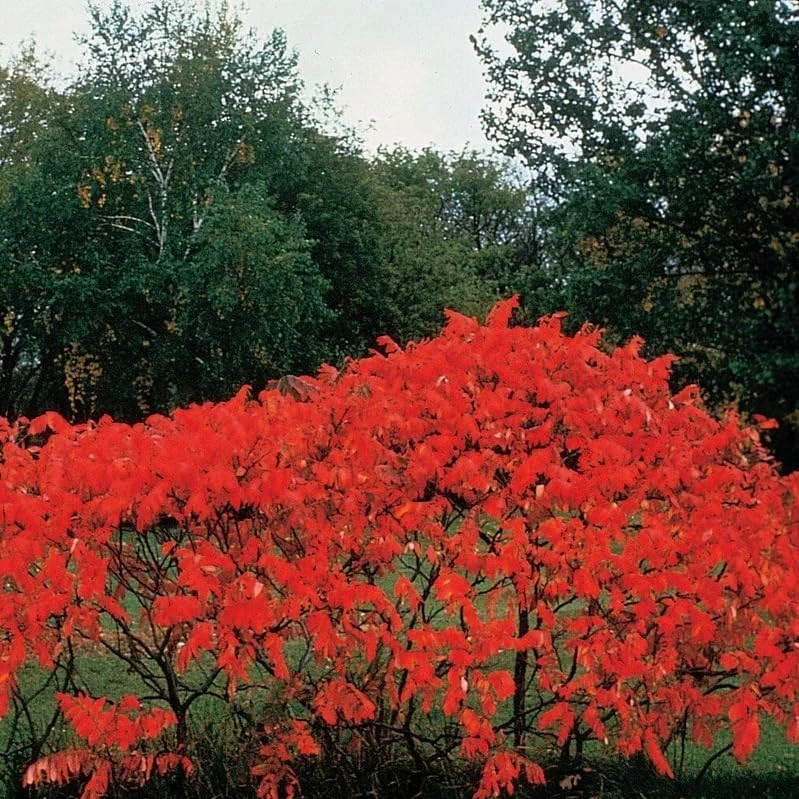
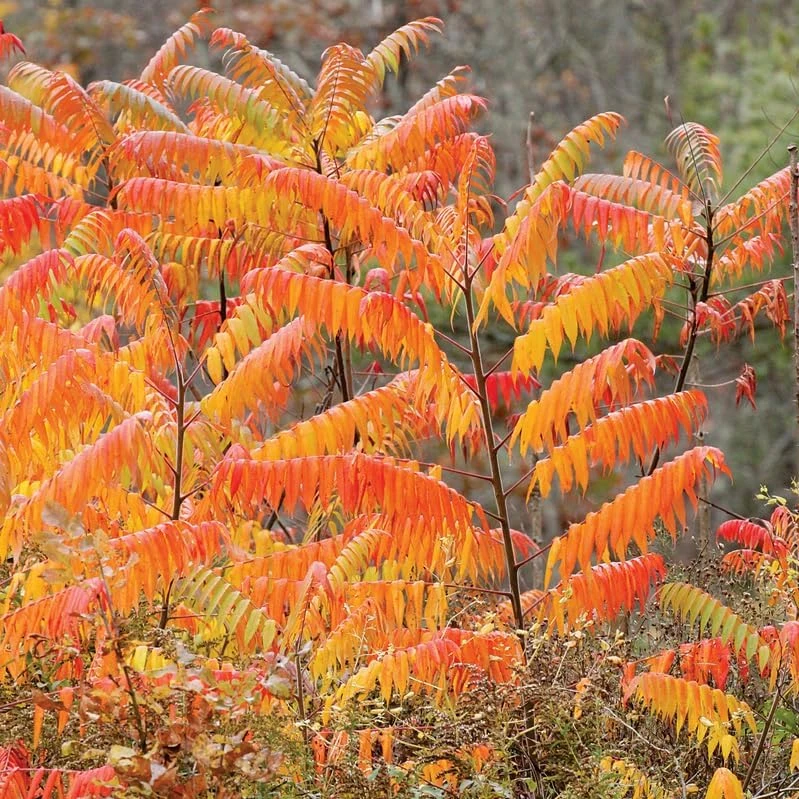
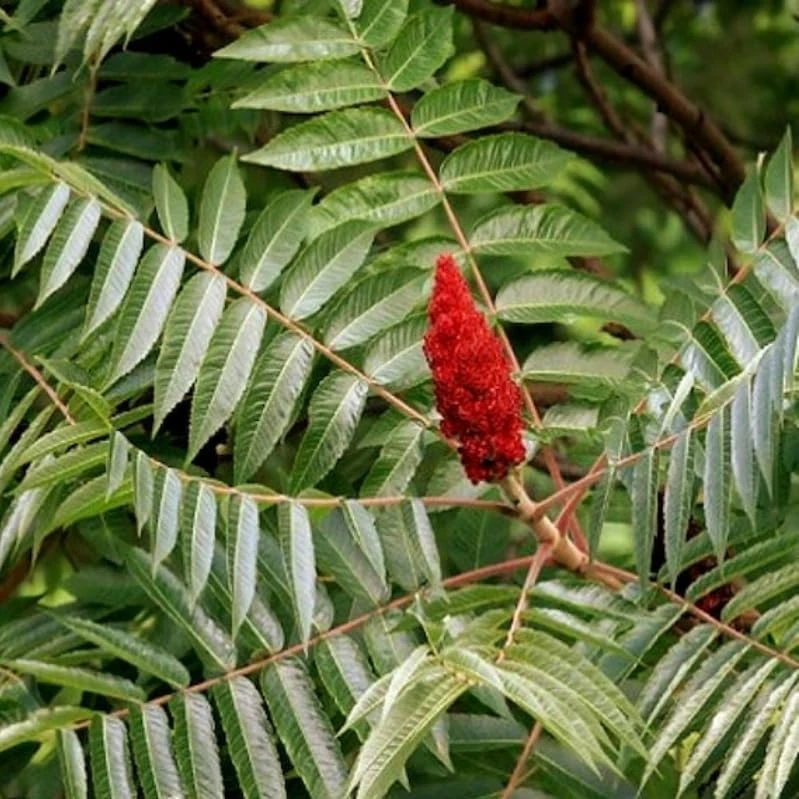



Smooth Sumac Live Plant – 6-12″ Tall Native Shrub for Fall Color, Rhus glabra
Original price was: $45.98.$30.99Current price is: $30.99.
Cultivate a breathtaking landscape with the smooth sumac live plant (Rhus glabra). These 6-12″ tall native shrubs deliver spectacular scarlet fall foliage and vibrant red fruit clusters that attract birds. Known for their fast growth and adaptability, they’re perfect for naturalizing and erosion control in USDA Zones 3-9.
Estimated arrival
Oct 15
Oct 20 - Oct 22
Oct 25 - Oct 29
Shop With Confidence
30-Day Plant Health Guarantee
Arrives damaged? We’ll replace it free — see our return policy.
Responsive Support
Email us anytime, we reply within 1 business day.
Expert Packaging
Temperature-controlled shipping to protect your plants in transit.
Secure Checkout
Pay safely with Visa, Mastercard, PayPal.
Plant Specifications
-
USDA Hardiness Zone
USDA Zones 3-9 -
Soil Type
Well-draining soil -
Sunlight Exposure
Full sun to partial shade -
Expected Planting Period
Spring or Fall
Overview
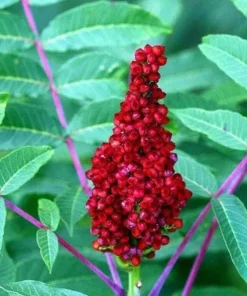
Transform your garden into a vibrant showcase with the smooth sumac live plant (Rhus glabra), a truly dynamic native shrub that offers unparalleled visual impact. Also known as white sumac, upland sumac, or scarlet sumac, this plant is celebrated for its multi-season interest. From its upright clusters of fuzzy crimson fruit cones that provide winter interest and food for birds, to its truly explosive fall color display, the smooth sumac is a landscape powerhouse. These 6-12″ tall live plants are ready to establish quickly, providing an effortless way to introduce dramatic color and texture to your outdoor spaces. Adaptable and fast-growing, Rhus glabra thrives in challenging conditions, making it an excellent choice for a wide range of garden applications.
The smooth sumac live plant is an investment in year-round beauty, delivering a stunning performance from summer through winter. Its striking architectural branching creates captivating silhouettes, especially when adorned with persistent fruit clusters against a snowy backdrop. This adaptable native plant spreads gracefully to form naturalistic colonies, making it perfect for stabilizing slopes and creating low-maintenance, ecologically beneficial landscapes that only improve with age.
Key Benefits
The smooth sumac offers a wealth of benefits, making it an ideal choice for gardeners seeking both beauty and resilience. Its hardiness and visual appeal ensure it stands out in any setting, while its ecological contributions enhance local wildlife. Experience the transformative power of this remarkable native shrub.
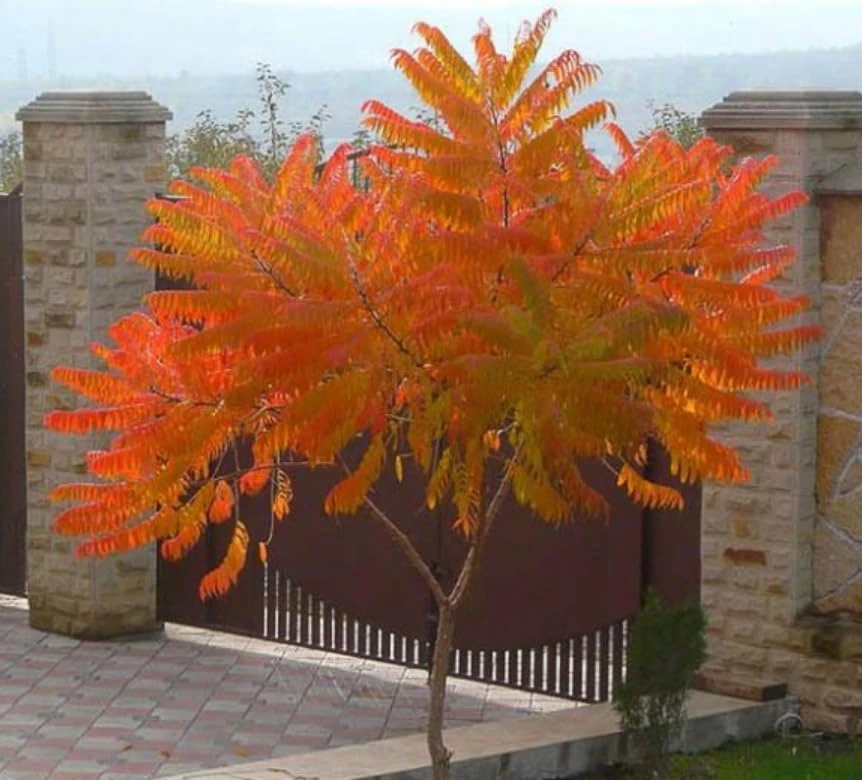
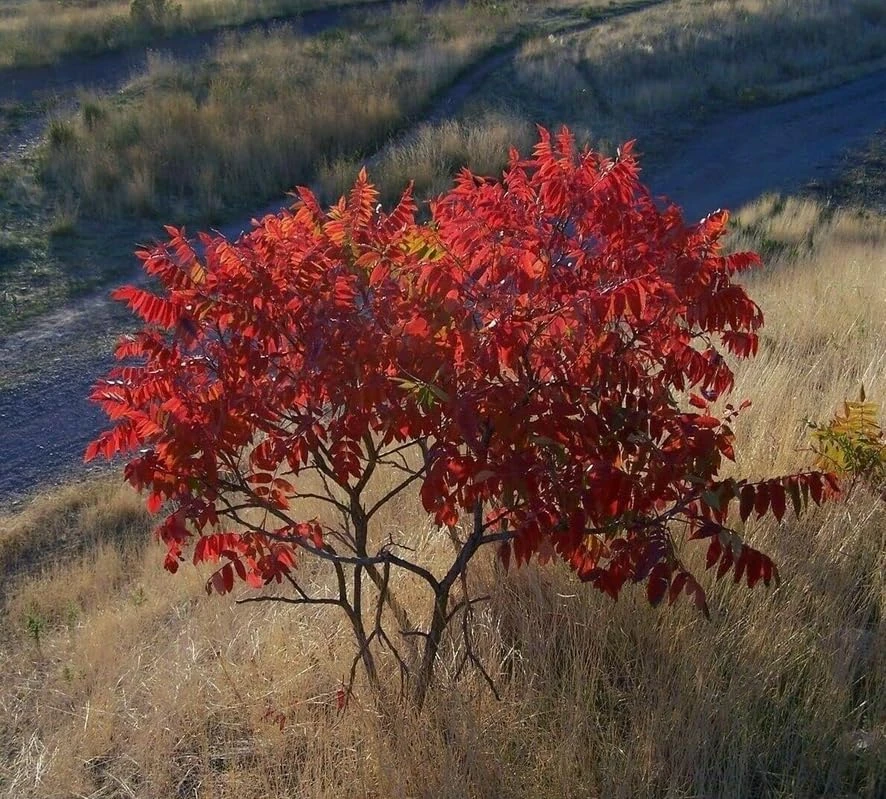
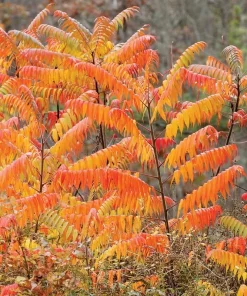
- Spectacular Fall Color: Witness one of nature’s most dramatic autumn displays as the fern-like leaves of the smooth sumac live plant burst into intense shades of flame-red, orange, and crimson, creating a blazing focal point that rivals any Japanese maple but at a fraction of the cost.
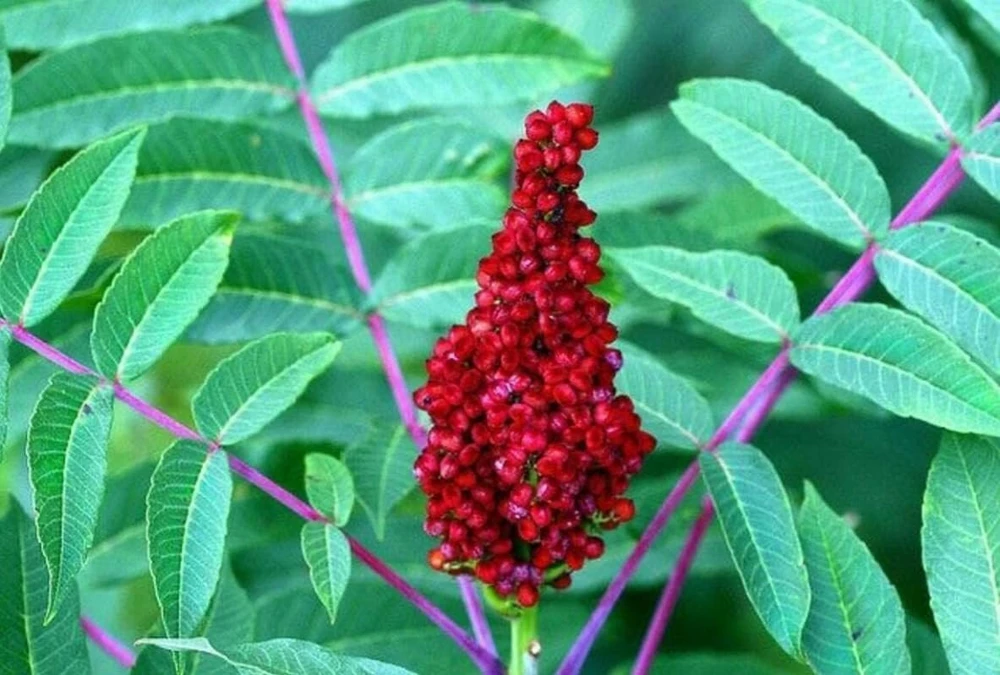
- Year-Round Fruit Clusters: Produces dramatic cone-shaped clusters of velvety crimson berries that stand upright like torches from summer through winter, attracting birds and adding architectural beauty to snow-covered landscapes. These persistent fruit clusters are a hallmark of the rhus glabra shrub.
- Incredibly Fast Growing: Rockets to 10-15 feet tall in just a few years, making it perfect for quick screening, filling problem areas, or establishing a naturalized look rapidly. This characteristic also contributes to its effectiveness as a fast growing native shrub.
- Highly Adaptable & Resilient: Thrives in poor soil, slopes, and challenging sites where many other shrubs struggle, requiring minimal care once established. Its robust nature ensures success in various conditions.
- Effortless Naturalizing: Spreads gracefully to form striking colonies that create a cohesive, naturalistic landscape. This natural spread helps stabilize slopes and erosion-prone areas, making it an excellent choice for ecological restoration.
- Attracts Wildlife: The persistent fruit clusters provide a valuable food source for birds and other wildlife, especially during the lean winter months, making it a vital plant for a healthy ecosystem. This makes it a great choice for those looking for sumac for wildlife.
- Low Maintenance: Once established, this native shrub requires very little attention, making it perfect for busy gardeners or those seeking an easy-care landscape solution.
Plant Care & Growing Tips
Caring for your smooth sumac live plant is remarkably straightforward, owing to its native adaptability and resilience. This shrub is known for its ability to thrive in a variety of conditions, making it an excellent choice for both novice and experienced gardeners. Understanding its basic needs will ensure vigorous growth and stunning seasonal displays.
For sunlight, the rhus glabra shrub prefers full sun to partial shade. It will produce the most vibrant fall color and abundant fruit in a location that receives at least 6 hours of direct sunlight per day. While it tolerates some shade, too much will result in less intense fall foliage and potentially fewer fruit clusters. When it comes to watering, smooth sumac is quite drought-tolerant once established. Water regularly during its first growing season to help it develop a strong root system. After establishment, it generally only needs supplemental watering during extended dry periods. It is crucial to ensure good drainage, as it does not tolerate soggy soil. For soil type, it is highly adaptable and can grow in poor, rocky, or sandy soils. However, it prefers well-draining soil and can tolerate a range of pH levels.
The scarlet sumac fall color is best achieved in its preferred growing conditions. Smooth sumac is hardy in USDA Zones 3-9, indicating its wide climatic tolerance. It can withstand cold winters and hot summers. Fertilization is typically not necessary for established plants, especially if grown in reasonably fertile soil. If your soil is particularly poor, a light application of a balanced, slow-release fertilizer in early spring can be beneficial. Pruning can be done in late winter or early spring to remove dead or damaged branches, or to control its spread. Smooth sumac spreads by suckers, which can be removed if you wish to maintain a more contained form. This fast growing native shrub is generally pest and disease resistant, making it a robust and reliable addition to your landscape.
Size & Details
This offering includes smooth sumac live plant specimens, approximately 6-12 inches tall at the time of shipment. These are vigorous young plants, ready to be transplanted into your garden or a larger container. Smooth sumac is known for its rapid growth, often reaching a mature height of 10-15 feet and a similar spread within a few years. It typically grows in a multi-stemmed, open habit, forming colonies over time. The plants are shipped as live seedlings, carefully packaged to ensure their safe arrival and successful establishment in your landscape.
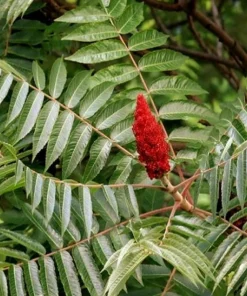
Each rhus glabra shrub will develop its characteristic pinnately-compound leaves, which are the source of its spectacular fall color. The upright, fuzzy crimson fruit clusters will begin to appear as the plant matures, providing visual interest and attracting birds from summer through winter. These plants are ideal for creating naturalized areas, erosion control on slopes, or as a striking specimen plant in a mixed border. With proper care, they will quickly mature into a prominent and beautiful feature of your garden.
Frequently Asked Questions
- Q: How tall will the smooth sumac live plant grow? A: The smooth sumac live plant typically grows to a mature height of 10-15 feet, with a similar spread, forming attractive colonies over time. Its fast-growing nature means it will reach this size relatively quickly.
- Q: What are the sun requirements for Rhus glabra? A: This rhus glabra shrub thrives in full sun to partial shade. For the most vibrant scarlet sumac fall color and abundant fruit production, aim for at least 6 hours of direct sunlight daily.
- Q: Is this plant suitable for beginners? A: Yes, the smooth sumac is an excellent choice for beginners due to its high adaptability, drought tolerance, and low maintenance requirements once established. It’s truly a forgiving plant.
- Q: What condition will my smooth sumac arrive in? A: Your smooth sumac live plant will arrive as a healthy, approximately 6-12 inch tall seedling, carefully packaged to ensure its safe delivery and readiness for planting.
- Q: Can smooth sumac help with erosion control? A: Absolutely. As a fast growing native shrub that spreads to form colonies, smooth sumac is highly effective at stabilizing slopes and preventing erosion, making it a great choice for challenging landscapes.
- Q: When is the best time to plant smooth sumac? A: The best time to plant smooth sumac is in spring or fall, allowing the plant to establish its root system before extreme summer heat or winter cold.
- Q: Will this plant attract wildlife to my garden? A: Yes, the persistent red fruit clusters are a valuable food source for birds, especially in winter, making the sumac for wildlife an excellent addition for attracting feathered friends to your garden.
- Q: What USDA zones is smooth sumac hardy in? A: Smooth sumac (Rhus glabra) is hardy in USDA Zones 3-9, demonstrating its wide range of climatic tolerance and resilience to both cold and heat.
- Q: Does smooth sumac require special soil? A: No, smooth sumac is highly adaptable and can tolerate a variety of soil types, including poor, rocky, or sandy soils, as long as they are well-draining.
- Q: How often do I need to water an established smooth sumac? A: Once established, smooth sumac live plant is drought-tolerant and generally only requires supplemental watering during prolonged dry spells. Water regularly during its first growing season.
Be the first to review “Smooth Sumac Live Plant – 6-12″ Tall Native Shrub for Fall Color, Rhus glabra”
People Also Viewed
Houseplants
Carnivorous Pitcher Plants Sarracenia – Live Plant 2 Pack, 2 Inch Pots, Easy Care Indoor

Houseplants
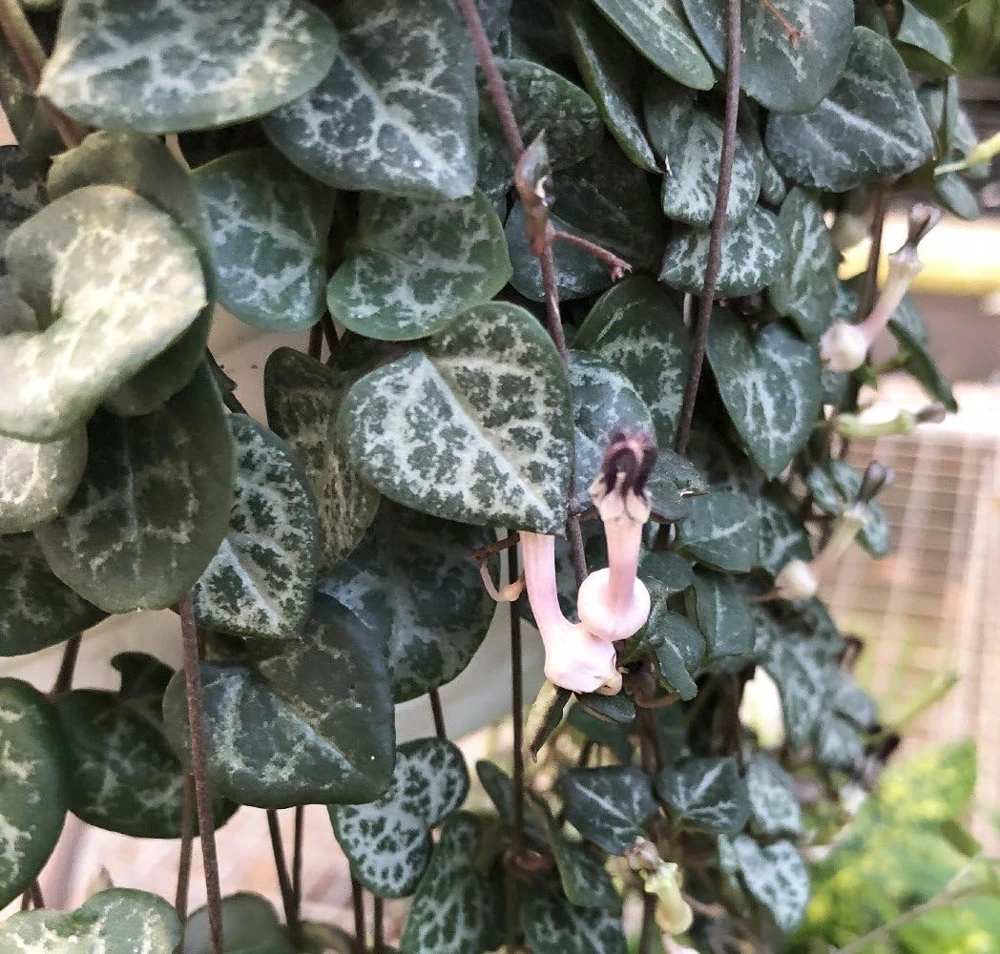
Rosary Vine Live Plant – Ceropegia woodii – String of Hearts – 2.5″ Pot – Indoor Houseplant
Reviews
There are no reviews yet.