
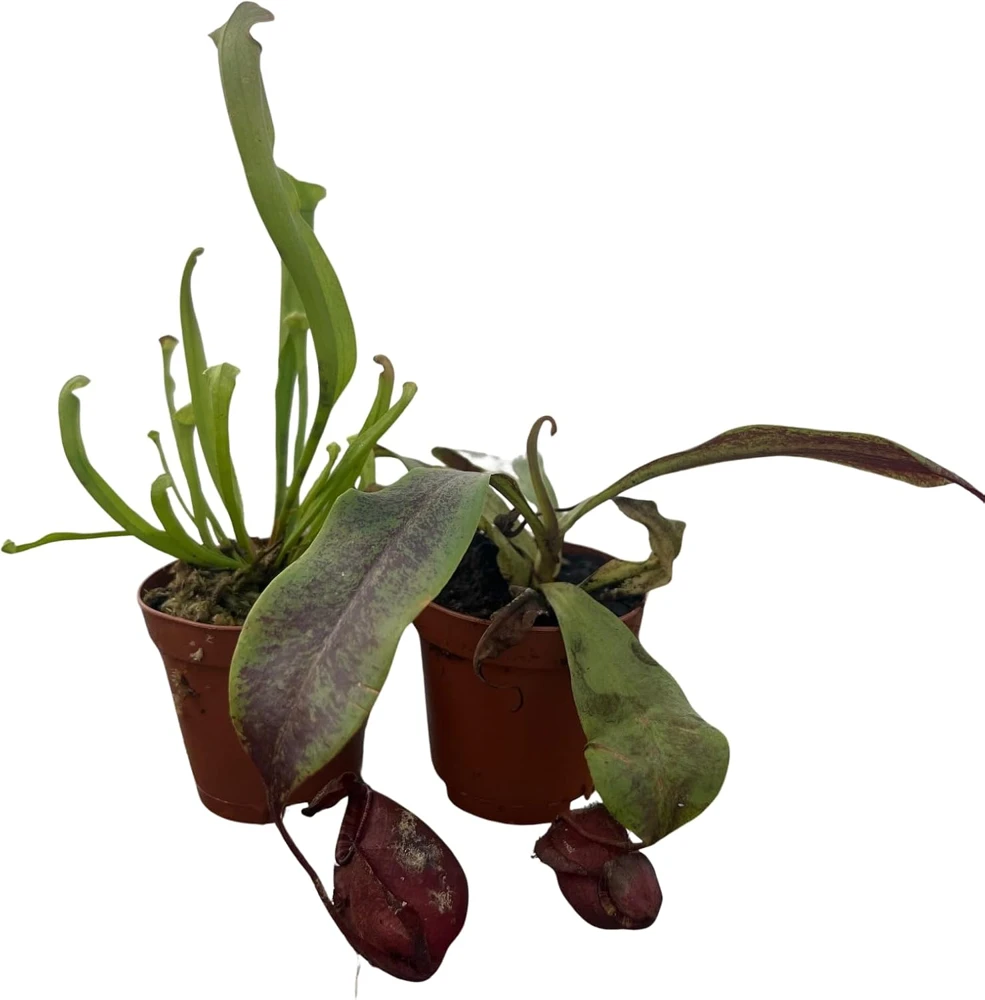
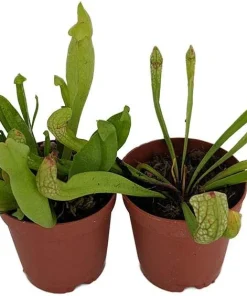
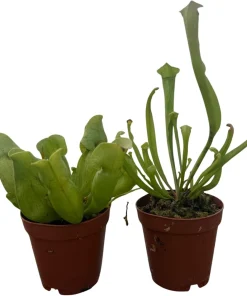
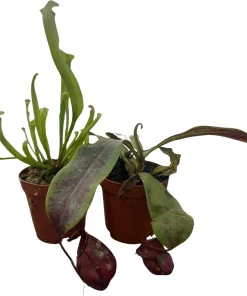
Carnivorous Pitcher Plants Sarracenia – Live Plant 2 Pack, 2 Inch Pots, Easy Care Indoor
Original price was: $56.99.$46.99Current price is: $46.99.
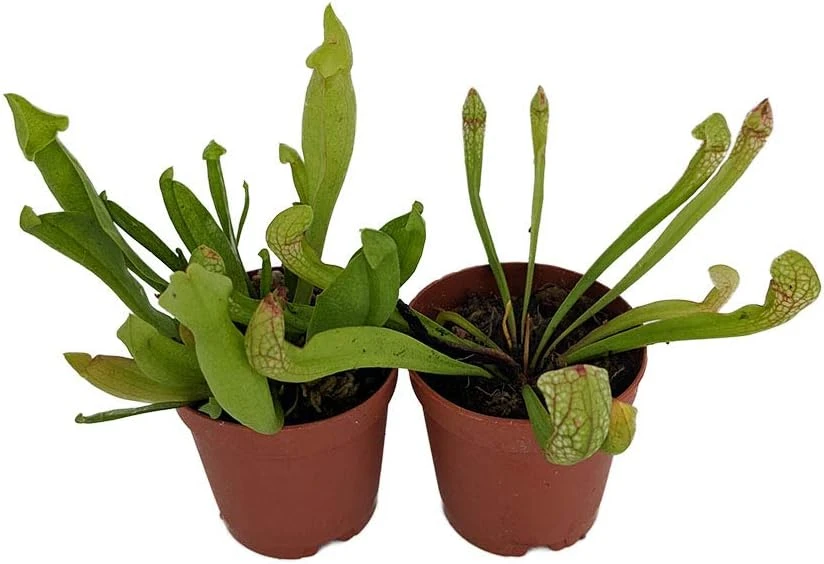
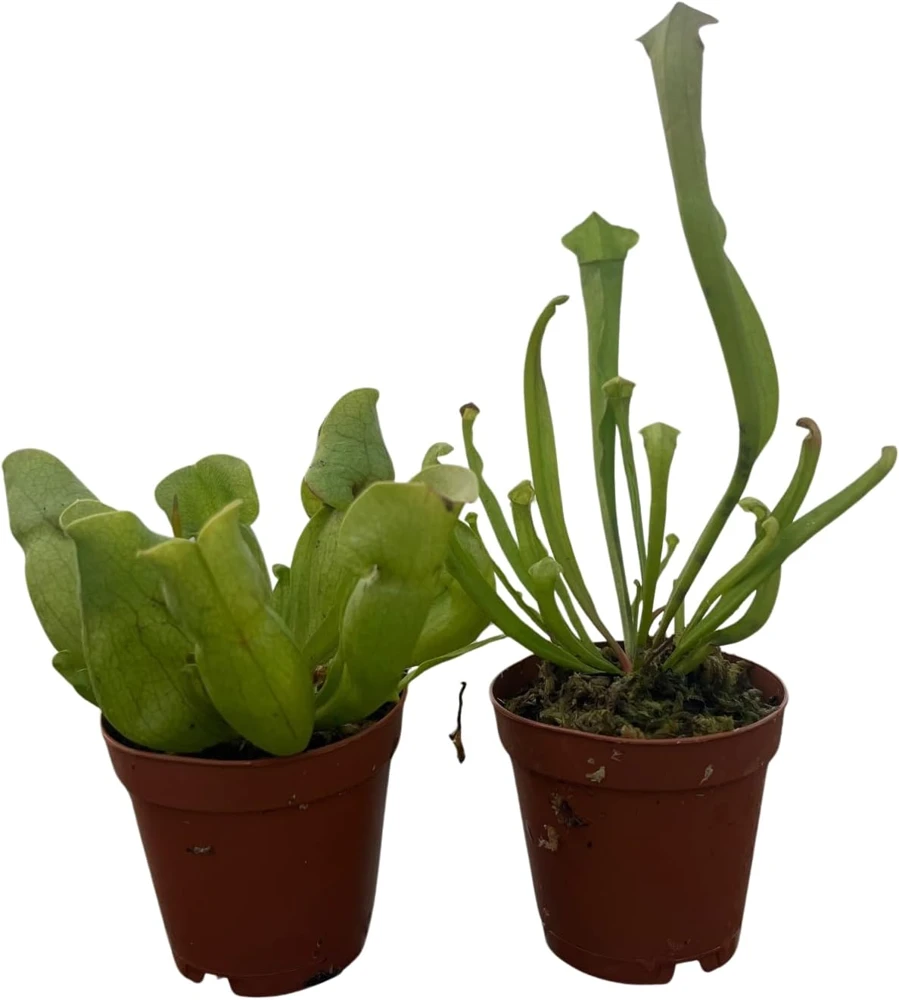
Bring home a fascinating carnivorous pitcher plant with this 2-pack of Sarracenia in 2-inch pots. These unique insect-eating plants are ideal for beginners, offering both beauty and natural pest control. Perfect for sunny indoor windows.
Estimated arrival
Sep 29
Oct 04 - Oct 06
Oct 09 - Oct 13
Shop With Confidence
30-Day Plant Health Guarantee
Arrives damaged? We’ll replace it free — see our return policy.
Responsive Support
Email us anytime, we reply within 1 business day.
Expert Packaging
Temperature-controlled shipping to protect your plants in transit.
Secure Checkout
Pay safely with Visa, Mastercard, PayPal.
Plant Specifications
-
USDA Hardiness Zone
year-round indoors (USDA zones 6-9 outdoors) -
Soil Type
nutrient-free peat moss and perlite mix -
Sunlight Exposure
full sun (6-8 hours direct light) -
Expected Planting Period
year-round indoors
Overview
Introduce an intriguing natural wonder into your home with the carnivorous pitcher plant. This offering includes a convenient 2-pack of Sarracenia, each housed in a 2-inch pot, making them ready to display and grow. Sarracenia, commonly known as pitcher plants, are celebrated for their distinctive, pitcher-shaped leaves that act as natural traps for insects. These captivating plants are not only a conversation starter but also an effective, chemical-free way to manage small flying pests indoors. Perfect for enthusiasts and newcomers alike, these Sarracenia live plant specimens are robust and relatively easy to care for, thriving in the right indoor conditions. Their unique method of nutrient acquisition, through consuming insects, makes them a truly remarkable addition to any plant collection.
Key Benefits
Owning a carnivorous pitcher plant offers a multitude of benefits, from aesthetic appeal to practical pest management. These plants are more than just decorative; they bring a touch of the wild indoors while contributing to a healthier environment.
- Natural Pest Control: The primary benefit of Sarracenia is its ability to naturally trap and consume insects, such as flies, mosquitoes, and gnats. This provides an eco-friendly solution to common household pests without the need for harmful sprays.
- Unique Aesthetic Appeal: With their vibrant colors and distinctive pitcher shapes, these plants add an exotic and visually striking element to any indoor space. Each pitcher is a miniature work of art.
- Educational Value: Perfect for families or curious minds, observing a Sarracenia live plant in action can be a fascinating educational experience, demonstrating the wonders of the natural world.
- Easy Care for Beginners: Often considered one of the easiest carnivorous plants to grow, Sarracenia are an excellent choice for those new to carnivorous plant care. They require consistent moisture and plenty of sun, making their needs straightforward.
- Low Maintenance: Once established in the right conditions, these plants require minimal intervention. They don’t need frequent fertilization and primarily feed themselves through insect capture.
- Air Purification: While not their main function, plants generally contribute to better indoor air quality by absorbing carbon dioxide and releasing oxygen.
- Conversation Starter: The unusual nature of an indoor insect eating plant is bound to spark curiosity and conversation among guests.
Plant Care & Growing Tips
Caring for your carnivorous pitcher plant (Sarracenia) is straightforward, especially for beginners. The key to success lies in understanding their specific environmental needs. These plants thrive in conditions that mimic their natural bog habitats.
Sunlight: Sarracenia require abundant sunlight to flourish. Place your plants in a location that receives at least 6-8 hours of direct sun daily. A south-facing window is often ideal for indoor growing. Insufficient light can lead to weak, pale pitchers and reduced insect-catching ability. Rotate the pots occasionally to ensure even growth.
Watering: Consistent moisture is crucial for pitcher plants. They should never be allowed to dry out. Use only distilled water, rainwater, or reverse osmosis water, as tap water often contains minerals and chemicals that can be harmful over time. The tray method is highly recommended: place the pots in a tray filled with about an inch of water, allowing the plants to absorb water from the bottom. Refill the tray as it emptles, ensuring the soil remains consistently moist. Avoid overhead watering that can wash away the pitcher’s attractants.
Soil: Sarracenia need a nutrient-poor, well-draining soil mix that provides good aeration. A common and effective mix consists of sphagnum peat moss mixed with perlite or horticultural sand (avoid play sand or builder’s sand). Do not use regular potting soil, as it contains fertilizers and minerals that are toxic to carnivorous plants. Repotting is generally needed every 1-2 years, ideally in early spring before new growth begins.
Temperature & Humidity: These plants prefer warm temperatures during the day (70-85°F / 21-29°C) and cooler temperatures at night. While they appreciate high humidity, standard indoor humidity is often sufficient if they are kept consistently moist. Most Sarracenia varieties are hardy in USDA Zones 6-9, but as an easy carnivorous plant grown indoors, temperature control is less of a concern.
Feeding & Fertilization: Your indoor insect eating plant will primarily feed itself by catching insects. If grown indoors with limited insect access, you can occasionally provide freshly killed small insects (like flies or crickets) that fit easily into the pitchers. Do not overfeed, as this can lead to pitcher rot. Avoid using chemical fertilizers on the soil, as this can burn the roots. If you wish to provide supplemental nutrients, a very dilute foliar feed (1/4 to 1/2 teaspoon per gallon of water, formulated for orchids or bromeliads) can be misted onto the leaves (not into the pitchers) during spring and summer.
Dormancy: Sarracenia typically require a winter dormancy period, usually from late fall to early spring. During this time, growth slows significantly, and some pitchers may die back. Reduce watering slightly, but still keep the soil moist, and provide cooler temperatures (40-55°F / 4-13°C) if possible. This dormancy is essential for the plant’s long-term health and vigor. Understanding Sarracenia care during dormancy is crucial for perennial success.
Size & Details
This offering includes two individual carnivorous pitcher plant (Sarracenia) specimens, each presented in its own 2-inch nursery pot. These plants are shipped as established, young live plants, carefully packaged to ensure their safe arrival. At this size, they are perfect for immediate display on a windowsill or desk. Sarracenia typically grow to be 1 to 3 feet tall, depending on the variety and growing conditions, with individual pitchers ranging from a few inches to over a foot in length. They exhibit a moderate growth rate, with new pitchers emerging throughout the growing season. Expect your plants to continue growing and developing their characteristic pitcher traps as they mature, providing continuous interest. They are ready to begin catching insects shortly after arrival.
Frequently Asked Questions
- Q: How big do these Sarracenia plants get? A: Each plant comes in a 2-inch pot. While young, mature Sarracenia can grow to be 1 to 3 feet tall, depending on the specific variety and ideal growing conditions.
- Q: Is this an indoor or outdoor plant? A: While Sarracenia can grow outdoors in suitable climates (USDA Zones 6-9), this 2-pack of carnivorous pitcher plant is ideal for indoor cultivation, thriving in a sunny window.
- Q: How much sunlight does it need? A: Your Sarracenia live plant requires at least 6-8 hours of direct sunlight per day. A bright, south-facing window is typically best for indoor growing.
- Q: Is this plant easy to care for? A: Yes, Sarracenia is often considered an easy carnivorous plant and is excellent for beginners, provided its basic needs for sunlight and water are met.
- Q: What condition will it arrive in? A: Your plants will arrive as healthy, established live plants in their 2-inch nursery pots, carefully packaged to minimize stress during transit.
- Q: Is it shipped in soil? A: Yes, the plants are shipped rooted in their appropriate nutrient-free, well-draining carnivorous plant soil mix, ready for immediate placement.
- Q: How often should I water my pitcher plant? A: These plants need to be kept consistently moist. Use distilled, rainwater, or reverse osmosis water, and keep the pot in a tray with about an inch of water.
- Q: Do I need to feed my indoor insect eating plant? A: If grown indoors, you can occasionally offer freshly killed small insects. They generally do not require supplemental feeding if they catch enough insects naturally.
- Q: What kind of soil is best for Sarracenia care? A: Use a nutrient-free mix of sphagnum peat moss and perlite or horticultural sand. Avoid regular potting soil.
- Q: Will it survive winter indoors? A: Yes, with proper dormancy care (cooler temperatures and reduced watering), your Sarracenia can thrive indoors year after year.
Be the first to review “Carnivorous Pitcher Plants Sarracenia – Live Plant 2 Pack, 2 Inch Pots, Easy Care Indoor”
People Also Viewed
Flower Seeds
Flower Plants
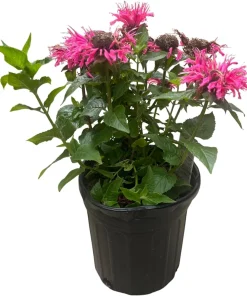
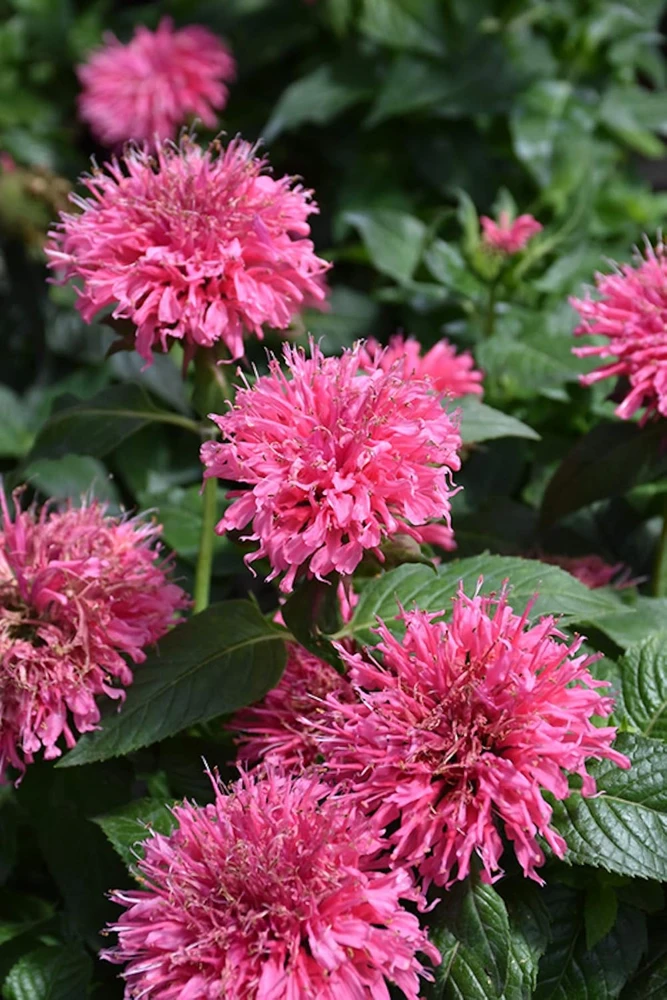
Bubble Gum Blast Bee Balm Live Plant – Pink Monarda in Gallon Pot, Attracts Pollinators
Vegetable Seeds
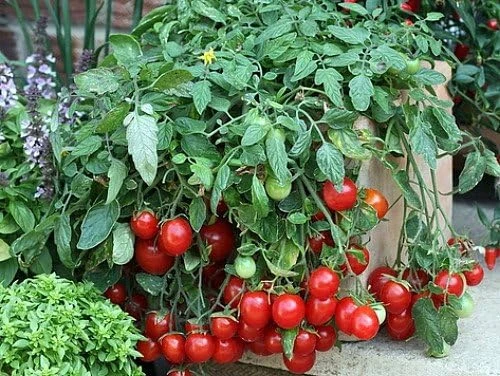
Cherry Falls Tomato Seeds – 10 Seeds – Large Red Cherry Variety

Reviews
There are no reviews yet.