
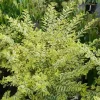
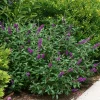

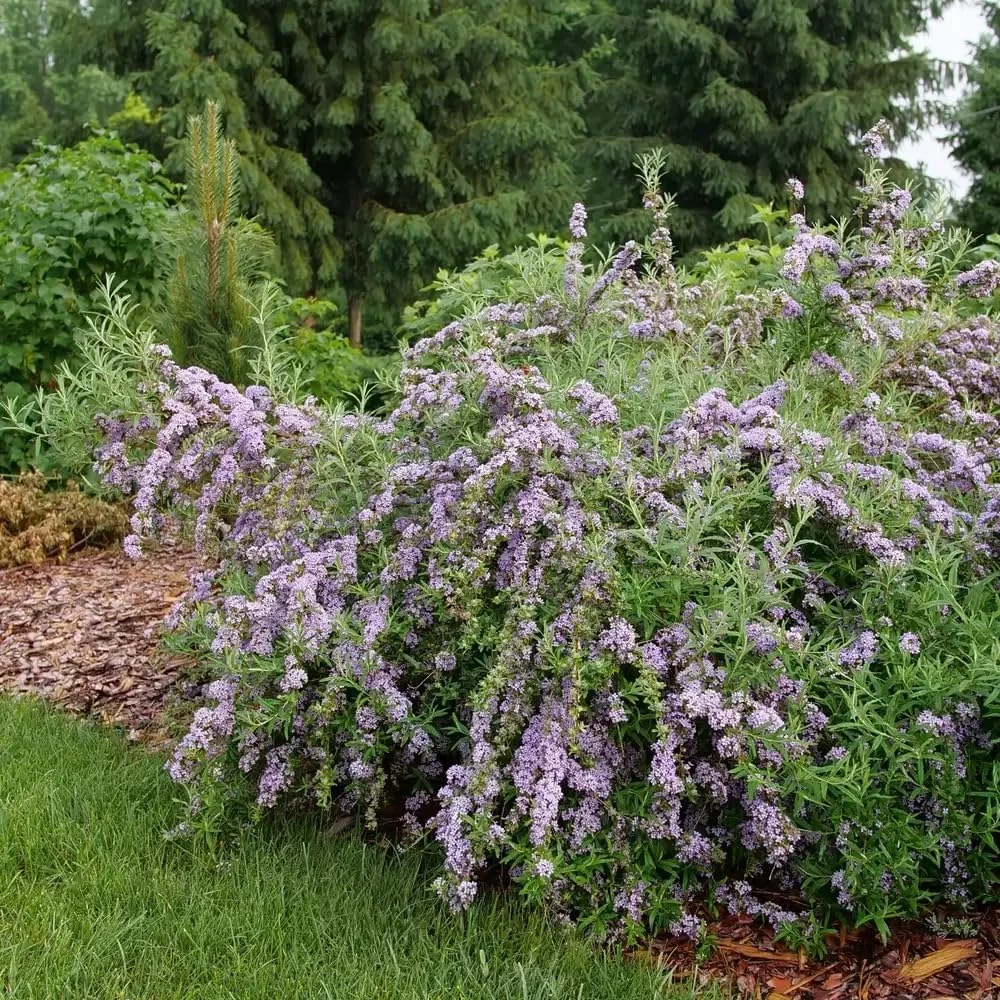
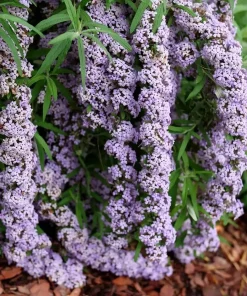

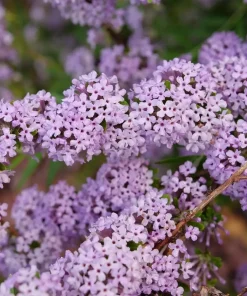
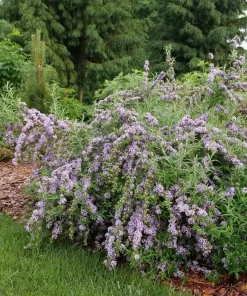
Fountain Butterfly Bush Live Plant – Weeping Buddleia – 4″ Pot – Outdoor Shrub
Original price was: $54.99.$44.99Current price is: $44.99.
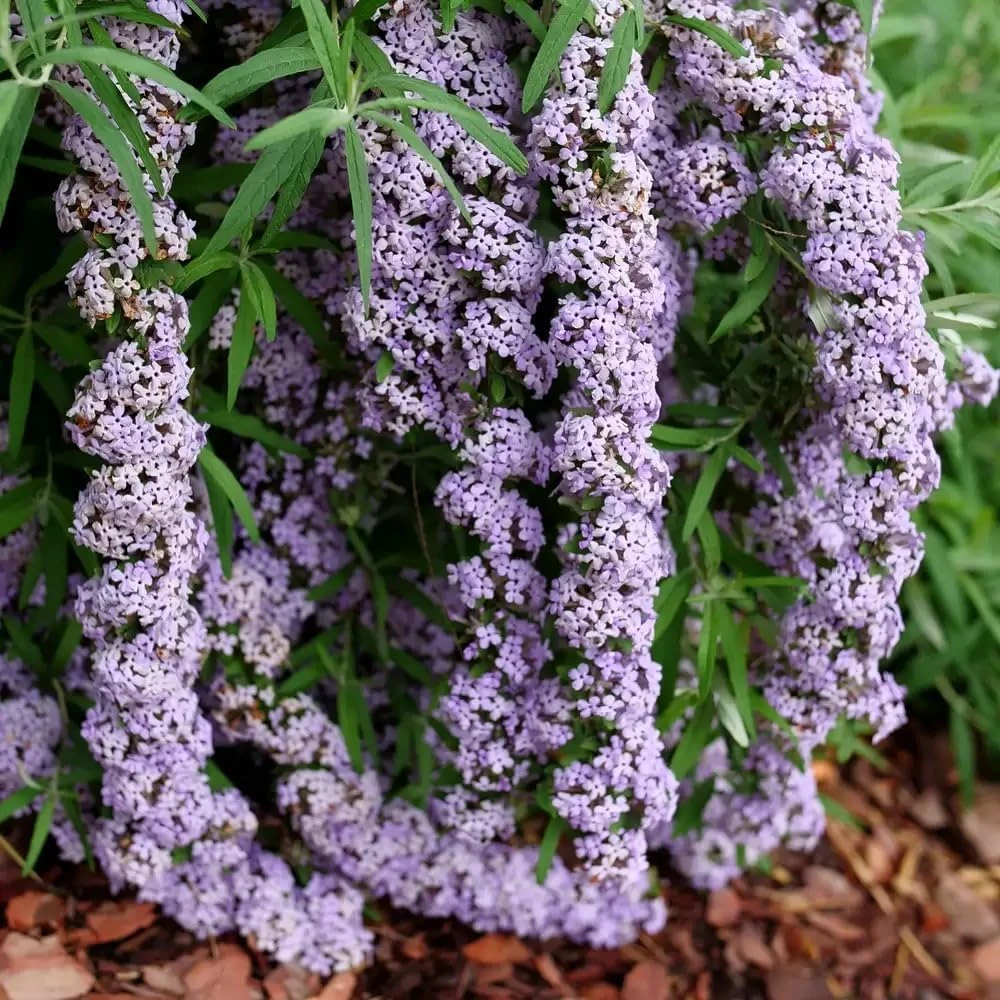
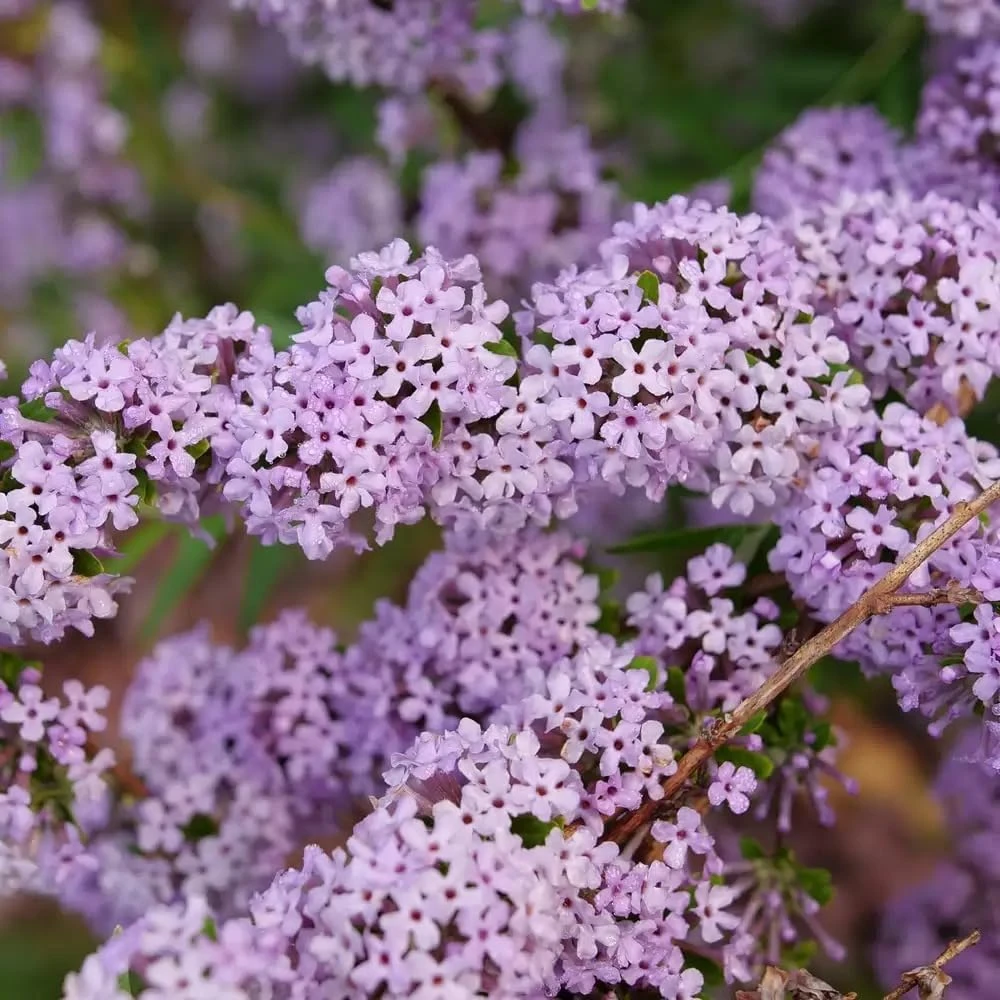
Bring elegance to your garden with the unique fountain butterfly bush, a dwarf Buddleia known for its graceful, weeping habit and abundant purple spring flowers. This weeping buddleia plant is a beautiful outdoor shrub perfect for attracting pollinators.
Estimated arrival
Sep 29
Oct 04 - Oct 06
Oct 09 - Oct 13
Shop With Confidence
30-Day Plant Health Guarantee
Arrives damaged? We’ll replace it free — see our return policy.
Responsive Support
Email us anytime, we reply within 1 business day.
Expert Packaging
Temperature-controlled shipping to protect your plants in transit.
Secure Checkout
Pay safely with Visa, Mastercard, PayPal.
Plant Specifications
-
USDA Hardiness Zone
USDA Zones 4-8 -
Soil Type
Well-draining soil -
Sunlight Exposure
Full Sun -
Expected Planting Period
Spring to early summer
Overview
Introduce a touch of elegance and whimsy to your outdoor space with the stunning fountain butterfly bush. This exceptional live plant, botanically known as Buddleia alternifolia, stands apart from typical butterfly bushes. Unlike its more common relatives, this variety boasts a unique weeping growth habit, creating a beautiful fountain-like display in your garden. Its long, slender branches become completely covered in fragrant lavender-purple flowers each spring, creating a breathtaking spectacle that is perfectly timed to welcome the warmer months. As a dwarf butterfly bush, it offers a more manageable size while still providing significant visual impact and attracting beneficial pollinators like butterflies and bees. This particular selection is celebrated for its hardiness, thriving in a wider range of climates compared to many other Buddleia species, making it a reliable choice for many gardeners across the United States. Experience the charm and unique beauty of this remarkable shrub.
The fountain butterfly bush is a versatile shrub that can be used as a specimen plant, in borders, or even in large containers. Its distinctive form and abundant blooms make it a focal point in any garden setting. Gardeners will appreciate its relatively low maintenance requirements once established, allowing for more enjoyment of its captivating display. Whether you are an experienced gardener or just starting, this Buddleia alternifolia offers a rewarding and beautiful addition to your landscape.
Key Benefits
The fountain butterfly bush offers numerous advantages for any garden, combining aesthetic appeal with ecological benefits. Its unique characteristics make it a standout choice for gardeners seeking both beauty and resilience.
- Unique Weeping Form: Unlike upright butterfly bushes, this variety develops elegant, arching branches that create a graceful, fountain-like silhouette. This distinctive shape adds architectural interest and a soft, flowing texture to the landscape, making it a true garden showpiece.
- Abundant Spring Blooms: Enjoy a spectacular display of lavender-purple flowers that completely cover the weeping branches in spring. These early blooms provide essential nectar for pollinators and bring vibrant color to the garden when many other plants are just beginning to emerge.
- Attracts Pollinators: As its name suggests, the fountain butterfly bush is a magnet for butterflies, bees, and other beneficial insects. Planting this shrub contributes to local biodiversity and supports a healthy ecosystem, making your garden a haven for these vital creatures.
- Enhanced Cold Hardiness: This Buddleia alternifolia selection is notably hardy down to USDA Zone 4, offering significantly greater cold tolerance than many other butterfly bush varieties. This expanded hardiness zone allows more gardeners in colder climates to successfully grow and enjoy this beautiful shrub.
- Dwarf & Manageable Size: While providing a dramatic floral display, this plant maintains a more compact, dwarf stature compared to larger Buddleia species. This makes it suitable for smaller gardens, mixed borders, or even large patio containers, offering versatility in landscape design.
- Low Maintenance: Once established, the weeping buddleia plant is relatively low-maintenance, requiring minimal care to thrive. Its drought tolerance and resilience make it an easy-care option for busy gardeners.
- Yearly Beauty: Beyond its stunning spring blooms, the graceful form of the weeping branches provides year-round interest, even when not in flower. Its unique structure adds character to the winter landscape.
Plant Care & Growing Tips
Caring for your fountain butterfly bush is straightforward, ensuring years of beautiful blooms and a vibrant garden. This hardy shrub thrives with proper siting and basic maintenance. For optimal growth and flowering, select a location that receives full sun, meaning at least six hours of direct sunlight per day. Adequate sunlight is crucial for prolific blooming and strong, healthy growth. The soil should be well-draining; while the plant is adaptable to various soil types, it dislikes consistently wet feet. Amend heavy clay soils with organic matter to improve drainage. Once established, this buddleia alternifolia is quite drought tolerant, but consistent watering during prolonged dry spells, especially in its first year, will help it establish a robust root system.
This hardy butterfly bush is suitable for USDA Zones 4-8. In colder regions (Zone 4-5), consider providing winter protection, such as a layer of mulch around the base, to help insulate the roots. Pruning is best done after the spring flowering period. Because it flowers on old wood, pruning in late winter or early spring will remove flower buds for the upcoming season. After the blooms fade, you can lightly prune to shape the plant and remove any dead or crossing branches. Fertilize sparingly in spring with a balanced slow-release fertilizer if your soil is poor; otherwise, it generally does not require heavy feeding. Watch for common garden pests like spider mites or aphids, though the weeping buddleia plant is generally quite resistant to serious issues. Ensure good air circulation to prevent fungal diseases.
Size & Details
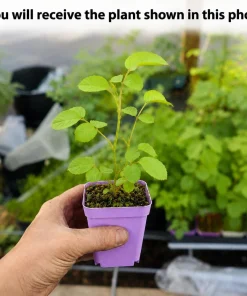
The fountain butterfly bush is a live plant shipped in a 4-inch nursery pot, ready for planting in your garden or a larger container. Upon arrival, the plant will be well-rooted and actively growing, typically ranging from 6 to 12 inches in height, though this can vary slightly based on the time of year and growth cycle. This dwarf butterfly bush will mature to an approximate height and spread of 4 to 6 feet, forming a graceful, mounding shrub with its distinctive weeping branches. Its moderate growth rate means it will establish quickly and begin to provide significant visual impact within a few seasons. The plant is expected to begin flowering in its first or second year after planting, with its most abundant blooms occurring each spring. It’s important to give this plant adequate space to allow its unique weeping habit to fully develop and showcase its beautiful form.
Frequently Asked Questions
- Q: How big does this plant get? A: The fountain butterfly bush typically grows to a mature size of 4 to 6 feet tall and equally wide, forming a beautiful, weeping mound. Its size makes it suitable for various garden applications, from specimen planting to mixed borders.
- Q: Is this an indoor or outdoor plant? A: This is primarily an outdoor plant, designed to thrive in garden settings within USDA Hardiness Zones 4-8. It requires full sun exposure to produce its abundant spring flowers and maintain a healthy growth habit.
- Q: How much sunlight does it need? A: The weeping buddleia plant requires full sun, meaning at least 6 hours of direct sunlight per day, for optimal growth and the most profuse flowering. Insufficient light can lead to sparse blooms and leggy growth.
- Q: Is this plant easy to care for? A: Yes, the fountain butterfly bush is considered relatively easy to care for once established. It is drought-tolerant and requires minimal pruning, making it a good choice for both experienced and novice gardeners.
- Q: What condition will it arrive in? A: Your buddleia alternifolia will arrive as a healthy, actively growing live plant in a 4-inch nursery pot, carefully packaged to ensure its safe journey. It will be ready for immediate planting upon arrival.
- Q: How long until it blooms? A: This plant typically begins to bloom in its first or second year after planting, with its most spectacular display occurring each spring. The timing can depend on planting conditions and regional climate.
- Q: When is the best time to plant? A: The best time to plant your hardy butterfly bush is in spring after the last frost, or in early fall before the ground freezes. This allows the plant sufficient time to establish its root system before extreme temperatures.
- Q: Will it survive winter in my zone? A: This particular fountain butterfly bush is hardy down to USDA Zone 4. In colder zones, ensuring good drainage and possibly adding a layer of mulch around the base can help it successfully overwinter.
- Q: Is this a true dwarf butterfly bush? A: Yes, compared to many larger varieties, this is considered a dwarf type, reaching a more manageable size of 4-6 feet, making it ideal for smaller spaces or container gardening where a large shrub might be overwhelming.
- Q: What kind of soil does it prefer? A: This plant prefers well-draining soil. It is adaptable to various soil types but will perform best in loamy to sandy soil. Avoid heavy, waterlogged soils, which can lead to root rot.
Be the first to review “Fountain Butterfly Bush Live Plant – Weeping Buddleia – 4″ Pot – Outdoor Shrub”
People Also Viewed
Vegetable Seeds
Fordhook 242 Lima Bean Seeds – Bush Vegetable Seeds – 20 Count
Reviews
There are no reviews yet.