
Japanese Raisin Tree Seeds – Hovenia dulcis – 10 Seeds – Hardy Zones 5-9
Original price was: $23.99.$13.99Current price is: $13.99.
Cultivate a unique and fascinating tree with these japanese raisin tree seeds (Hovenia dulcis). Known for its distinctive edible fruit stalks that taste like raisins, this tree adds an exotic touch to any garden. Hardy in USDA Zones 5-9, it’s a tropical plant that adapts well to temperate climates.
Estimated arrival
Sep 29
Oct 04 - Oct 06
Oct 09 - Oct 13
Shop With Confidence
30-Day Plant Health Guarantee
Arrives damaged? We’ll replace it free — see our return policy.
Responsive Support
Email us anytime, we reply within 1 business day.
Expert Packaging
Temperature-controlled shipping to protect your plants in transit.
Secure Checkout
Pay safely with Visa, Mastercard, PayPal.
Plant Specifications
-
USDA Hardiness Zone
USDA Zones 5-9 -
Soil Type
Well-draining, loamy soil -
Sunlight Exposure
Full sun to partial shade -
Expected Planting Period
Spring
Overview
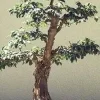
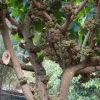
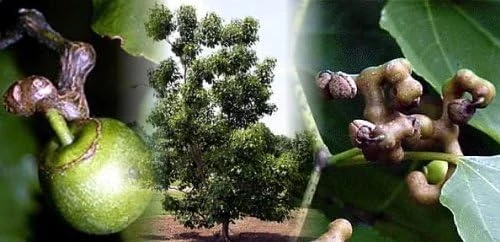
Embark on a unique gardening adventure by planting japanese raisin tree seeds. The Japanese Raisin Tree, scientifically known as Hovenia dulcis, is a captivating and distinctive tree native to Asia. This offering includes 10 premium Hovenia dulcis seeds, allowing you to cultivate this remarkable species in your own garden. Unlike typical fruit trees, the Japanese Raisin Tree is celebrated for its unusual and delicious fruit pedicels – the stalks that support the flowers and fruits. These pedicels swell, contort, and ripen into fleshy, brown, pretzel-shaped structures that boast a sweet, raisin-like flavor. Reaching an impressive height of 30 to 50 feet at maturity, this tree provides not only an interesting edible treat but also an attractive addition to your landscape with its ovate, serrated leaves up to 7 inches long.
Growing a japanese raisin tree plant from seed is a rewarding experience, connecting you with nature and providing a unique food source. These seeds are perfect for enthusiasts looking to grow something out of the ordinary, offering a glimpse into the diverse world of edible landscape plants. Whether you’re an experienced gardener or a curious beginner, these tropical tree seeds provide an exciting opportunity to introduce a rare and beneficial plant to your environment.
Key Benefits
The Japanese Raisin Tree offers a multitude of benefits, both aesthetic and practical, making it a valuable addition to diverse landscapes. Growing japanese raisin tree seeds can lead to a plant that provides unique advantages:
- Edible & Unique Fruit Stalks: The most distinguishing feature is the sweet, raisin-flavored fruit pedicels, offering a novel and healthy snack directly from your garden.
- Attractive Landscape Tree: With its substantial size and appealing foliage, the Hovenia dulcis makes a beautiful shade tree or ornamental specimen in larger gardens.
- Hardy & Adaptable: This tree is surprisingly robust, thriving in USDA Hardiness Zones 5-9, making it suitable for a wide range of climates beyond its tropical origins.
- Potential Health Benefits: Traditionally, parts of the Hovenia dulcis have been associated with various health properties, including anti-carcinogenic, hypoglycemic, and anti-stress effects, though these are not claims for the plant itself.
- Low Maintenance: Once established, the japanese raisin tree plant requires minimal care, making it an excellent choice for gardeners seeking unique but unfussy species.
- Conversation Starter: Its unusual edible parts and intriguing history are sure to spark interest and conversation among visitors to your garden.
- Biodiversity Support: Planting native or well-adapted trees like this contributes to local biodiversity and provides resources for wildlife.
Plant Care & Growing Tips
Cultivating a japanese raisin tree plant from seeds requires patience and attention to detail, but the results are well worth the effort. Start by scarifying the hard seed coat, which can be done by gently rubbing the seeds with sandpaper or nicking them with a small file. After scarification, soak the hovenia dulcis seeds in warm water for 24-48 hours to further aid germination. Plant the prepared seeds about 1/2 inch deep in a well-draining seed starting mix. A consistent soil temperature between 70-80°F (21-27°C) is ideal for germination.
Once seedlings emerge, provide them with plenty of bright, indirect light. As they grow, gradually acclimate them to outdoor conditions if you plan to plant them in the ground. The Japanese Raisin Tree prefers full sun to partial shade, meaning at least 6 hours of direct sunlight per day for optimal growth and fruit production. It thrives in well-draining soil, ranging from sandy to clay, but performs best in fertile, loamy soil with a neutral to slightly acidic pH. Water regularly during the first few years to establish a strong root system, then reduce frequency once mature, as it becomes more drought-tolerant. Fertilize sparingly with a balanced, slow-release fertilizer in spring. This tree is generally pest and disease resistant, making it a relatively easy keeper once established. Ensure proper air circulation to prevent fungal issues.
Size & Details
This product includes 10 japanese raisin tree seeds, providing a great opportunity to start multiple trees or share with fellow gardeners. The Hovenia dulcis is a deciduous tree that can reach a mature height of 30 to 50 feet with a spread of 20 to 30 feet, forming a rounded, open canopy. Its growth rate is considered moderate, typically adding 12-24 inches per year under ideal conditions. The leaves are ovate, up to 7 inches long, and serrated, arranged alternately on long stalks, providing lush green foliage throughout the growing season. The edible fruit pedicels develop in late summer and autumn, becoming sweet and plump after the first frost. These tropical tree seeds are supplied in a protective packet to ensure viability upon arrival. Expect germination to occur within several weeks to a few months, depending on proper pre-treatment and growing conditions. The tree is hardy in USDA Zones 5-9.
Frequently Asked Questions
- Q: How big does the Japanese Raisin Tree get? A: The Japanese Raisin Tree typically grows to a height of 30 to 50 feet with a spread of 20 to 30 feet at maturity, making it a substantial landscape tree.
- Q: What are the edible parts of the japanese raisin tree plant? A: The edible parts are the swollen, fleshy fruit pedicels (flower stalks) that develop after the flowers and fruits. They have a sweet, raisin-like flavor.
- Q: Is this an indoor or outdoor plant? A: The Japanese Raisin Tree is primarily an outdoor tree, hardy in USDA Zones 5-9. Young seedlings can be started indoors before transplanting outside.
- Q: How much sunlight does it need? A: This tree prefers full sun to partial shade, ideally receiving at least 6 hours of direct sunlight per day for the best growth and fruit production.
- Q: Is it easy to grow hovenia dulcis seeds? A: Growing from seed requires scarification and soaking for optimal germination, but with proper care, it is a rewarding process for gardeners of all levels.
- Q: When is the best time to plant the seeds? A: After pre-treatment, the seeds can be sown indoors in late winter or early spring to get a head start, or directly outdoors after the last frost.
- Q: What kind of soil does the Japanese Raisin Tree prefer? A: It thrives in well-draining soil, including sandy, loamy, or clay soils, with a neutral to slightly acidic pH. Good drainage is crucial.
- Q: How long does it take for the tree to produce edible stalks? A: It typically takes several years for the Japanese Raisin Tree to mature enough to produce a significant harvest of its edible fruit pedicels, usually 5-7 years or more.
- Q: Will the tropical tree seeds survive winter in my zone? A: The tree is hardy in USDA Zones 5-9, meaning it can tolerate winter temperatures down to -20°F (-29°C) once established.
- Q: What should I do if my seeds don’t germinate? A: Ensure proper scarification and soaking, consistent warmth, and moisture. Some tree seeds can be recalcitrant; trying multiple seeds increases success.
Be the first to review “Japanese Raisin Tree Seeds – Hovenia dulcis – 10 Seeds – Hardy Zones 5-9”
People Also Viewed
Reviews
There are no reviews yet.