
Elderberry Live Plant – Sambucus canadensis Shrub – Edible Berries – Zones 3-9 – 3.25 inch Pot
Original price was: $46.99.$36.99Current price is: $36.99.
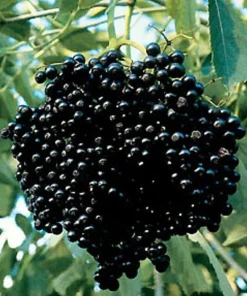
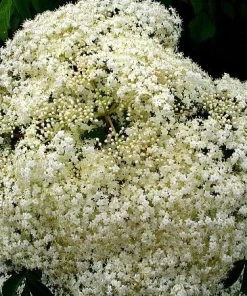
Cultivate your own delicious and nutritious elderberry live plant. This hardy Sambucus canadensis shrub is known for its high fruit yield, beautiful white flowers, and vibrant fall foliage. Perfect for attracting birds and butterflies, and adaptable to various soil types. Arrives in a 3.25″ pot.
Estimated arrival
Sep 29
Oct 04 - Oct 06
Oct 09 - Oct 13
Shop With Confidence
30-Day Plant Health Guarantee
Arrives damaged? We’ll replace it free — see our return policy.
Responsive Support
Email us anytime, we reply within 1 business day.
Expert Packaging
Temperature-controlled shipping to protect your plants in transit.
Secure Checkout
Pay safely with Visa, Mastercard, PayPal.
Plant Specifications
-
USDA Hardiness Zone
USDA Zones 3-9 -
Soil Type
Well-draining, adaptable to various types -
Sunlight Exposure
Full sun to partial shade -
Expected Planting Period
Spring to Fall
Overview
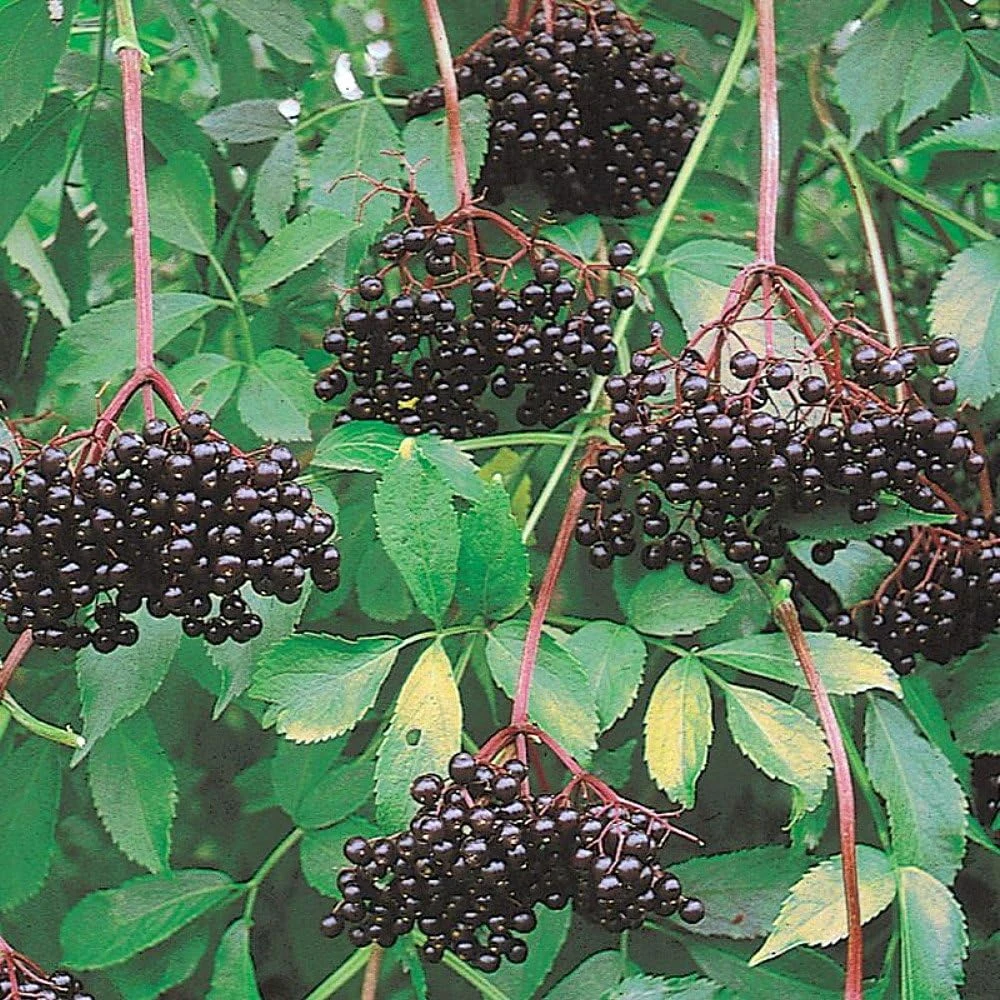
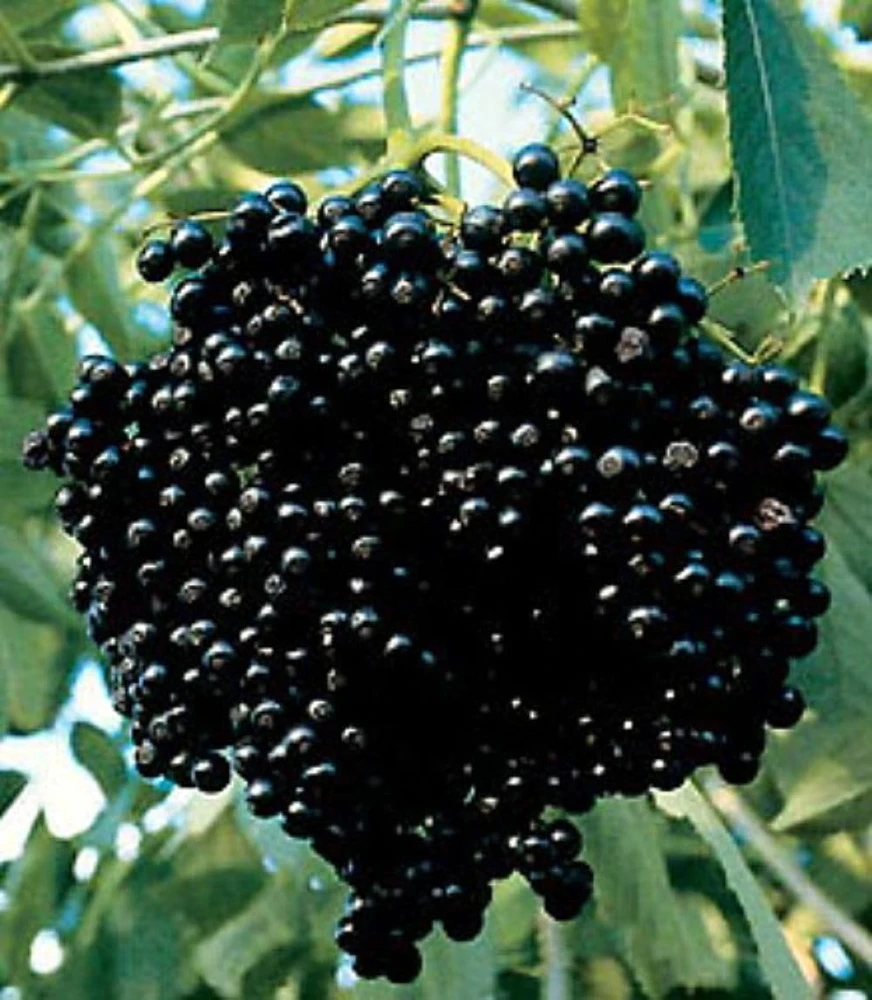
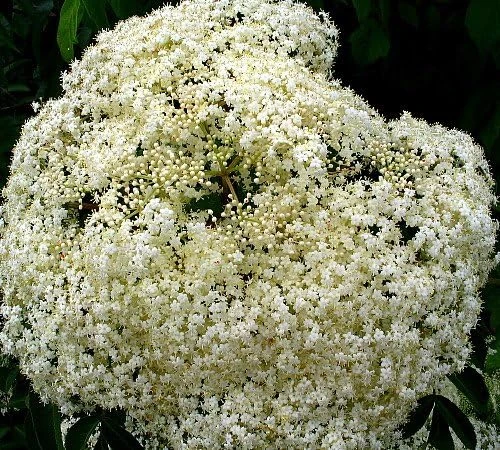
Bring the beauty and bounty of nature to your garden with this exceptional elderberry live plant. Scientifically known as Sambucus canadensis, this robust shrub is a true North American native, celebrated for its ornamental value and highly nutritious fruits. Imagine feeding local wildlife, attracting pollinators, and harvesting your own nutrient-rich elderberries right from your backyard. This multi-stemmed shrub offers significant landscape interest, boasting large, creamy white flowers that draw in butterflies and other nectar-loving creatures. As summer progresses, these flowers give way to abundant clusters of black fruit, draping each branch with potential harvests. Beyond its edible offerings, the plant transforms in fall, displaying outstanding yellow to red-orange foliage that adds a spectacular splash of color to any landscape. This specific variety is renowned for its high yield, capable of producing up to 30 pounds of berries annually, making it a fantastic addition for both seasoned gardeners and those new to growing edible plants.
The elderberry live plant is not just a food source; it’s a dynamic addition to your garden ecosystem. Its adaptability to various soil types and its rapid growth, often producing fruit as early as the second year after planting, make it a rewarding choice. Whether you’re looking to enhance your garden’s biodiversity, create a natural privacy screen, or simply enjoy the unique sweet-tangy flavor of fresh elderberries, this plant delivers. Known for its immune-boosting properties, the berries from this Sambucus canadensis can be transformed into delicious jellies, jams, pies, juices, or even wine. This hardy, native shrub features an upright, suckering growth habit, ensuring a continuous supply of new shoots and ample fruit production year after year. Its resilience and beauty make it a cornerstone for any garden focused on sustainability and natural appeal.
Key Benefits
Choosing an elderberry live plant for your garden offers a multitude of advantages, enhancing both your landscape and your lifestyle. This versatile shrub provides a continuous display of beauty and utility throughout the seasons, from spring blossoms to fall foliage.
- High Yielding Fruit Production: This specific variety is a prolific producer, capable of yielding up to 30 pounds of nutrient-rich elderberries annually. Enjoy a bountiful harvest for culinary uses, known for their immune-strengthening properties.
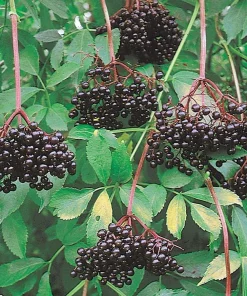
- Attracts Wildlife: The large, creamy white flowers are a magnet for butterflies, bees, and other nectar-loving insects, while the dark blue to black fruits are a favorite of birds like Robins and Cedar Waxwings, enriching your garden’s biodiversity.
- Stunning Ornamental Value: Beyond its fruit, the Sambucus canadensis offers significant landscape appeal. It features vibrant green foliage in spring and summer, followed by spectacular yellow to red-orange fall colors that illuminate the garden.
- Adaptable & Hardy: This native shrub is highly adaptable to a wide range of soil types and is incredibly hardy, thriving in USDA Zones 3-9. It’s a robust choice for gardeners across many climates, requiring minimal fuss once established.
- Versatile Culinary Uses: The sweet-tangy berries are perfect for making homemade jellies, jams, pies, juices, and wines. Growing your own edible elderberry shrub provides a fresh, organic source for these delicious treats.
- Rapid Establishment: Plants typically begin producing fruit by the second year after planting, offering a quick return on your gardening efforts and allowing you to enjoy fresh elderberries sooner.
- Natural Privacy & Screening: With a mature height of 6-10 feet and an upright, suckering growth habit, this shrub can form an effective natural screen or hedge, providing privacy and structure to your garden.
Plant Care & Growing Tips
Caring for your elderberry live plant is relatively straightforward, as this native shrub is quite resilient and adaptable. To ensure optimal growth and a bountiful harvest, understanding its basic needs is key. Elderberries thrive in areas with full sun to partial shade, meaning they prefer at least 6 hours of direct sunlight daily for the best fruit production, though they can tolerate some afternoon shade in hotter climates. While adaptable to various soil types, well-draining soil is crucial to prevent root rot. They perform best in rich, moist, slightly acidic to neutral soil. Incorporating compost or other organic matter into the planting hole will provide a good start for your Sambucus canadensis.
Watering is important, especially during dry spells and in the plant’s first year. Keep the soil consistently moist but not waterlogged. Once established, elderberries are reasonably drought-tolerant, but regular watering during fruit development will lead to juicier berries. Fertilization is generally not heavily required; a balanced, slow-release fertilizer applied in early spring can boost growth, but avoid over-fertilizing. Pruning should be done in late winter or early spring while the plant is dormant. Remove any dead, damaged, or weak canes, and thin out older, less productive stems to encourage new growth and better fruit yield. The multi-stemmed nature of this edible elderberry shrub means it will naturally spread over time, and suckers can be removed if you wish to maintain a more contained form. This hardy plant is generally resistant to most pests and diseases, making elderberry plant care a relatively low-maintenance task.
Size & Details
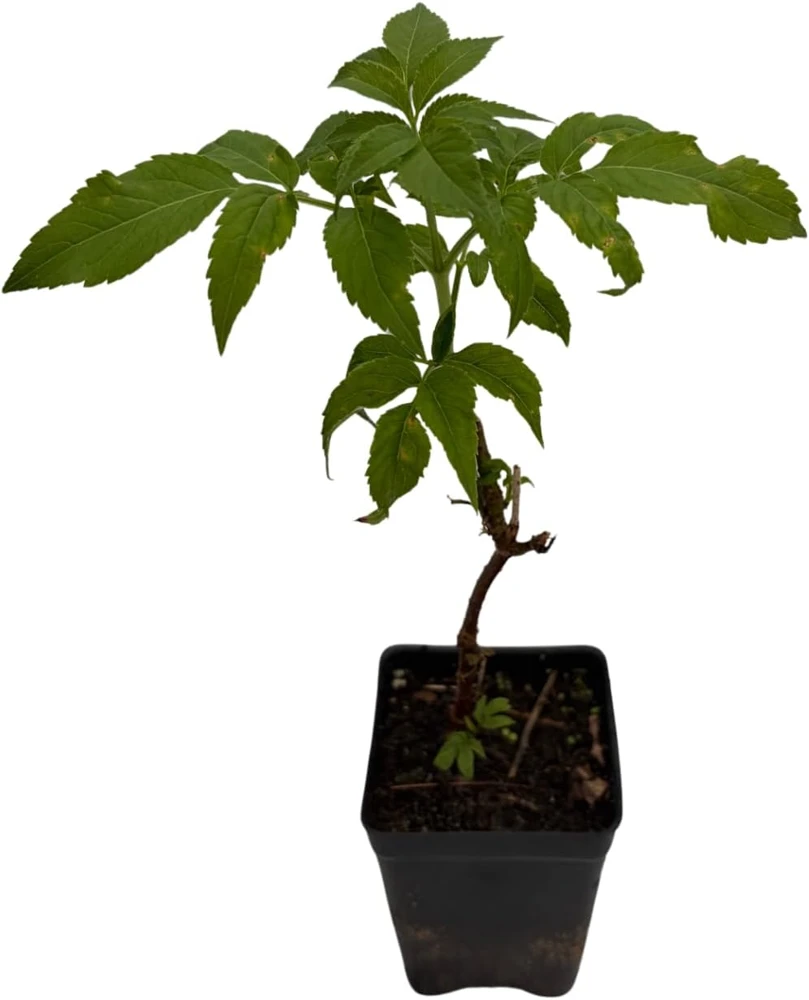
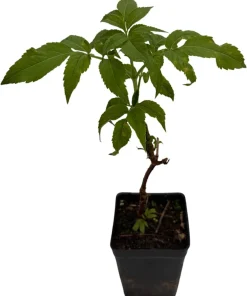
Your elderberry live plant will arrive actively growing in a 3.25-inch pot, ready to be transplanted into your garden or a larger container. This ensures the plant has a strong root system for a successful transition. At maturity, this vigorous shrub typically reaches a height of 6-10 feet with a similar spread, forming a multi-stemmed, upright bush. It exhibits a moderate to fast growth rate, often beginning to produce fruit by its second year. The plant is incredibly hardy, thriving in a wide range of climates within USDA Hardiness Zones 3 through 9, making it suitable for most regions across the United States. Expect beautiful white blooms to appear in mid-summer, followed by the development of dark blue to black fruits in late summer to early fall. The plant’s robust nature and impressive yield make it a valuable long-term addition to any garden.
Frequently Asked Questions
- Q: How big does this elderberry live plant get? A: This Sambucus canadensis shrub typically reaches a mature height of 6-10 feet with a similar spread. Its multi-stemmed, upright growth habit makes it a substantial and beautiful addition to the landscape.
- Q: What size pot does it come in? A: The plant you will receive is actively growing in a 3.25-inch pot, providing a healthy start for your new edible elderberry shrub.
- Q: Is this an indoor or outdoor plant? A: This elderberry live plant is an outdoor shrub. It requires space to grow and thrives in garden settings, suitable for USDA Zones 3-9.
- Q: How much sunlight does it need? A: For optimal fruit production and growth, your elderberry plant needs full sun (at least 6 hours of direct sunlight daily). It can tolerate partial shade, but yields may be reduced.
- Q: Is this plant easy to care for? A: Yes, elderberry plant care is considered relatively easy. This native shrub is hardy, adaptable to various soil types, and generally low-maintenance once established, making it suitable for beginners.
- Q: What condition will it arrive in? A: Your elderberry plant will arrive carefully packaged, actively growing in its 3.25-inch pot, and ready for planting. We ensure it’s healthy and well-protected during transit.
- Q: Can I use the elderberries for cooking? A: Absolutely! The berries from this elderberry live plant are perfect for making jellies, jams, pies, juices, and wine. They have a sweet-tangy flavor and are known for their nutritional benefits.
- Q: How long until it blooms and produces fruit? A: This elderberry variety typically blooms in mid-summer and begins producing fruit in late summer to early fall. Many plants will start fruiting by their second year after planting.
- Q: Will it survive winter in my zone? A: This hardy Sambucus canadensis is tolerant of cold temperatures and is suitable for USDA Hardiness Zones 3 through 9, meaning it will survive winter in most temperate regions.
- Q: What’s the minimum temperature this plant can tolerate? A: Being hardy to Zone 3, this elderberry can withstand winter temperatures as low as -40°F (-40°C) when established.
Be the first to review “Elderberry Live Plant – Sambucus canadensis Shrub – Edible Berries – Zones 3-9 – 3.25 inch Pot”
People Also Viewed
Reviews
There are no reviews yet.