
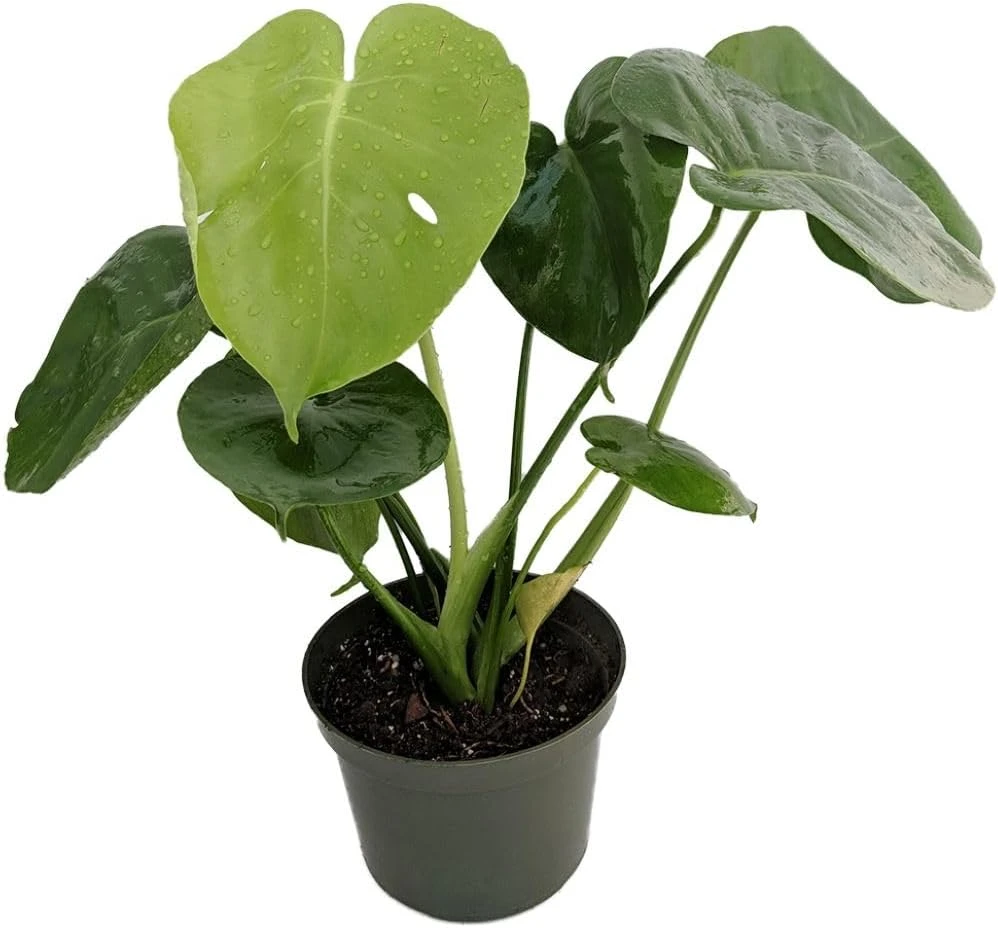
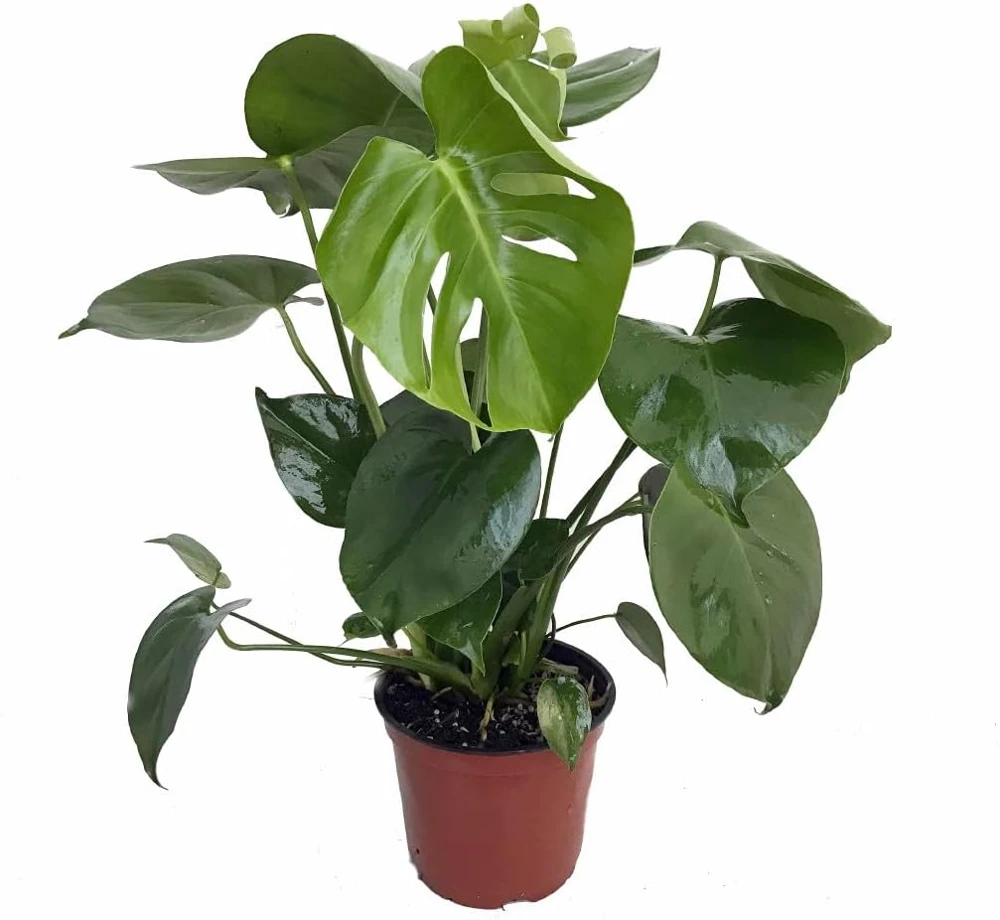
Monstera Deliciosa Live Plant – Split-Leaf Philodendron 4 inch Pot – Indoor Houseplant
Original price was: $48.99.$38.99Current price is: $38.99.
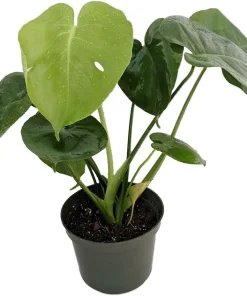
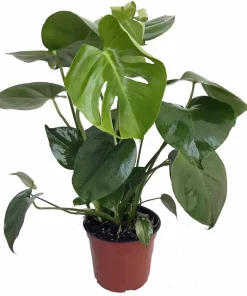
Bring tropical vibes indoors with this beautiful monstera deliciosa live plant. Also known as the split leaf philodendron, this easy-care houseplant comes in a 4-inch pot, ready to thrive in your home or office. Its iconic large, fenestrated leaves add a touch of natural elegance to any space.
Estimated arrival
Sep 29
Oct 04 - Oct 06
Oct 09 - Oct 13
Shop With Confidence
30-Day Plant Health Guarantee
Arrives damaged? We’ll replace it free — see our return policy.
Responsive Support
Email us anytime, we reply within 1 business day.
Expert Packaging
Temperature-controlled shipping to protect your plants in transit.
Secure Checkout
Pay safely with Visa, Mastercard, PayPal.
Plant Specifications
-
USDA Hardiness Zone
USDA zones 10-12 (outdoors), otherwise indoor plant -
Soil Type
Well-draining potting mix -
Sunlight Exposure
Bright indirect light -
Expected Planting Period
Year-round indoors
Overview
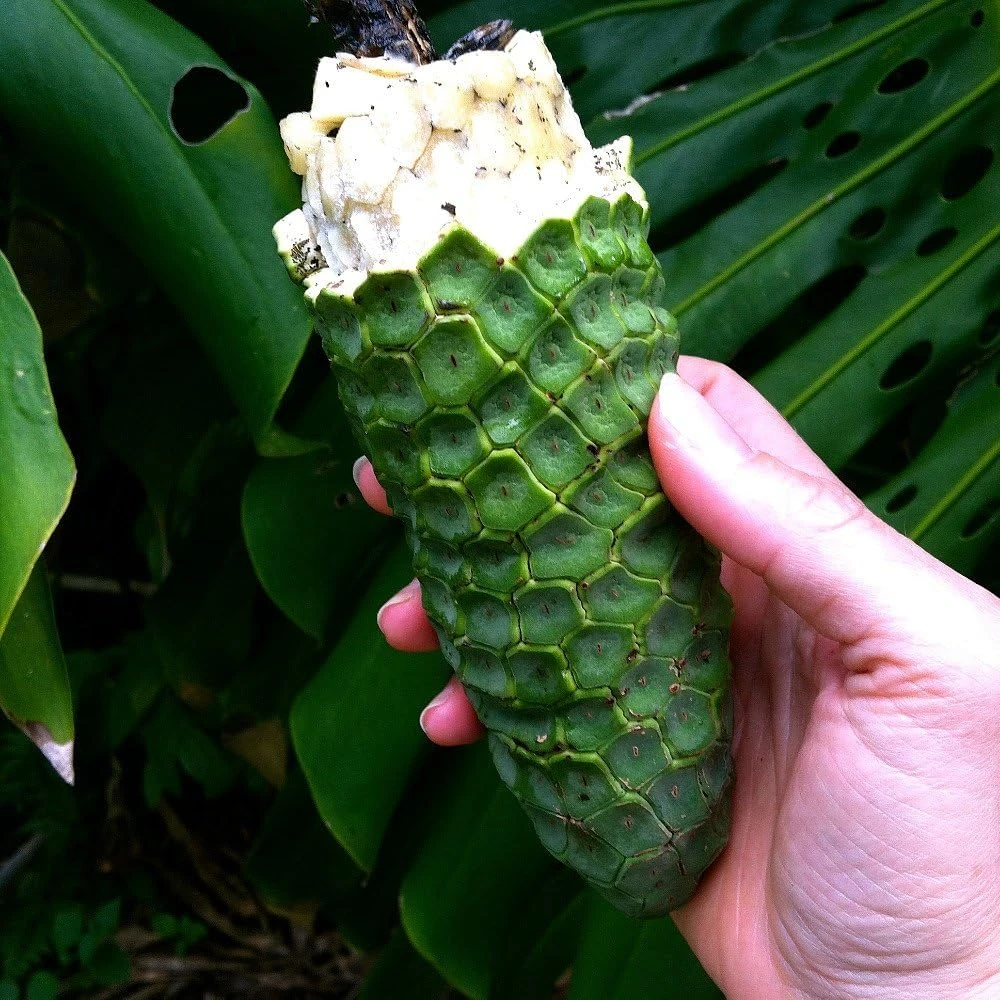
The monstera deliciosa live plant, often affectionately called the split leaf philodendron, is a true icon of the indoor plant world. Renowned for its dramatic, deeply lobed leaves that develop characteristic splits as they mature, this tropical beauty adds an instant touch of lush, jungle-like elegance to any interior. Despite its exotic appearance, the Monstera deliciosa is surprisingly forgiving and easy to care for, making it a fantastic choice for both seasoned plant enthusiasts and new gardeners alike. This particular offering provides you with a healthy, vibrant plant in a 4-inch nursery pot, perfectly sized to start its journey in your home. Beyond its ornamental appeal, mature monstera deliciosa live plant specimens can even produce unique, edible fruit with a pineapple-like taste, though this is rare in indoor settings.
Originating from the tropical rainforests of Central America, the monstera deliciosa live plant is a vining plant that loves to climb, developing aerial roots that help it cling to trees in its natural habitat. When grown indoors, it can be trained on a moss pole or allowed to trail, creating a stunning focal point. Its common name, split leaf philodendron, is a bit of a misnomer as it’s not a true philodendron, but the name has stuck due to its similar appearance and easy-care nature. This plant is celebrated for its ability to transform a room with its vibrant green foliage and architectural form, bringing a piece of the tropics right to your living space.
Key Benefits
Adding a monstera deliciosa live plant to your home offers a multitude of advantages, enhancing both your living space and your well-being. Its striking appearance is just the beginning of what this magnificent plant provides.
- Stunning Aesthetic Appeal: The large, glossy, heart-shaped leaves that develop iconic splits (fenestrations) create a dramatic and sophisticated focal point in any room. It effortlessly elevates your interior design with its tropical charm.
- Easy Care Houseplant: Despite its impressive appearance, the monstera deliciosa live plant is remarkably low-maintenance. It thrives on neglect more than over-attention, making it an ideal choice for busy individuals or those new to plant care. Its resilience contributes to its reputation as an ‘impossible to kill’ houseplant.
- Air Purification Qualities: Like many houseplants, the split leaf philodendron contributes to a healthier indoor environment by helping to filter airborne toxins and improve air quality, making your home feel fresher and cleaner.
- Versatile Decor Piece: Whether placed on a desk, a shelf, or eventually on the floor as it grows, this plant adapts beautifully to various spaces. Its vining nature allows for creative styling, from compact desk plants to impressive floor specimens.
- Promotes Well-being: Studies show that having plants indoors can reduce stress, boost mood, and increase productivity. Caring for your monstera plant indoor provides a calming and rewarding experience.
- Potential for Edible Fruit: While rare in indoor cultivation, mature Monstera deliciosa plants can produce an edible fruit plant that tastes like a blend of pineapple, banana, and mango. This unique feature adds an intriguing element to its profile.
- Great for Gifting: Its popularity, ease of care, and striking looks make the monstera deliciosa live plant a perfect gift for housewarmings, birthdays, or any occasion for plant lovers.
Plant Care & Growing Tips
Caring for your monstera deliciosa live plant is straightforward, ensuring it remains a vibrant and thriving addition to your home. Understanding its basic needs will help you cultivate a lush and beautiful specimen. The key to successful split leaf philodendron care lies in mimicking its natural tropical environment.
Sunlight Requirements: This plant thrives in bright, indirect light. Place it near a window where it receives plenty of ambient light but is shielded from direct, harsh sun, which can scorch its leaves. An east-facing window is often ideal, or a few feet back from a south or west-facing window. If your home lacks natural light, it can also do well under artificial grow lights. Insufficient light can lead to smaller leaves and a lack of the characteristic splits.
Watering Schedule & Soil Moisture: Water your monstera plant indoor thoroughly when the top 2-3 inches of soil feel dry to the touch. This usually translates to once every 7-10 days, but it can vary based on light, humidity, and season. Allow excess water to drain completely from the pot. Monsteras prefer to be evenly moist but absolutely detest soggy soil, which can lead to root rot. If unsure, it’s better to underwater slightly than to overwater.
Soil Type & Drainage: A well-draining potting mix is crucial for the health of your monstera deliciosa live plant. A good blend typically includes peat, perlite, and pine bark, which provides both moisture retention and excellent aeration. Ensure your pot has drainage holes to prevent waterlogging. As the plant grows, consider repotting into a slightly larger pot with fresh soil every 1-2 years.
Temperature & Humidity: Monsteras prefer warm temperatures, ideally between 65-80°F (18-27°C). Avoid exposing them to temperatures below 50°F (10°C), as they are sensitive to cold. As tropical plants, they appreciate high humidity. You can increase humidity by misting the leaves regularly, placing the pot on a pebble tray with water, or using a humidifier, especially in dry indoor environments.
Fertilization: During the growing season (spring and summer), feed your split leaf philodendron with a balanced liquid fertilizer diluted to half strength every 2-4 weeks. Reduce or stop fertilizing during the dormant fall and winter months. Over-fertilization can lead to nutrient burn, so always err on the side of less.
Pruning: Prune your plant as needed to maintain its shape, control its size, or remove any yellowing or damaged leaves. Pruning can also encourage bushier growth. You can propagate new plants from the cuttings you take, making it an even more rewarding experience. Proper split leaf philodendron care includes occasional pruning to ensure robust growth.
Size & Details
This offering features a healthy monstera deliciosa live plant provided in a 4-inch nursery pot. At this stage, the plant typically stands approximately 6-10 inches tall from the base of the pot, with several developing leaves. The iconic splits, or fenestrations, usually begin to appear as the leaves mature and the plant grows larger. Monsteras are known for their relatively fast growth rate under optimal conditions, often adding new leaves every few weeks during the growing season. While the plant is compact and desk-friendly initially, expect it to grow significantly, potentially reaching several feet tall and wide indoors over time, especially with proper support like a moss pole. This easy care houseplants option ships as a young, actively growing specimen, ready to adapt to its new environment.
The plant is carefully packaged to ensure its safe arrival. It will arrive in its plastic nursery pot, well-rooted and established. As the plant matures, it can become quite large, with leaves reaching up to 1-2 feet across. The potential for the unique edible fruit plant is typically realized only on very mature, large specimens grown in ideal conditions, often outdoors in tropical climates, but it adds an interesting dimension to this already fascinating plant species.
Frequently Asked Questions
- Q: How big does this plant get? A: This monstera deliciosa live plant comes in a 4-inch pot and is typically 6-10 inches tall. Indoors, with proper care, it can grow several feet tall and wide, with leaves reaching 1-2 feet across as it matures.
- Q: Is this an indoor or outdoor plant? A: While it can thrive outdoors in tropical climates (USDA Zones 10-12), it is primarily grown as an monstera plant indoor in most regions due to its sensitivity to cold.
- Q: How much sunlight does it need? A: The split leaf philodendron prefers bright, indirect light. Avoid direct sunlight, which can scorch its leaves. It can also adapt to medium light conditions, though growth may be slower.
- Q: Is this plant easy to care for? A: Yes, the monstera deliciosa live plant is considered an easy care houseplants and is very forgiving, making it suitable for beginners. Consistent watering and bright, indirect light are the main requirements.
- Q: What condition will it arrive in? A: Your plant will arrive healthy and actively growing in its nursery pot, carefully packaged to minimize stress during transit. Some slight leaf yellowing from shipping is normal.
- Q: Is it shipped in soil? A: Yes, the monstera deliciosa live plant will be shipped in its original nursery pot with soil, ensuring it stays hydrated and stable during its journey to your home.
- Q: Is this plant pet-safe? A: No, Monstera deliciosa is toxic to pets and humans if ingested due to calcium oxalate crystals. Keep it out of reach of children and pets.
- Q: When is the best time to repot my monstera? A: It’s best to repot your monstera plant indoor in the spring or early summer when it’s actively growing. Repot every 1-2 years or when it becomes root-bound.
- Q: How do the leaves get their splits? A: The characteristic splits, or fenestrations, on the leaves develop naturally as the plant matures. Younger leaves typically emerge whole. Good light and humidity encourage larger leaves and more prominent splits.
- Q: Can I use the fruit from this plant? A: While it is an edible fruit plant, Monstera deliciosa rarely fruits indoors. If it does, the fruit must be fully ripe to be safe and tasty; unripe fruit contains oxalic acid and is irritating.
Be the first to review “Monstera Deliciosa Live Plant – Split-Leaf Philodendron 4 inch Pot – Indoor Houseplant”
People Also Viewed
Flower Plants
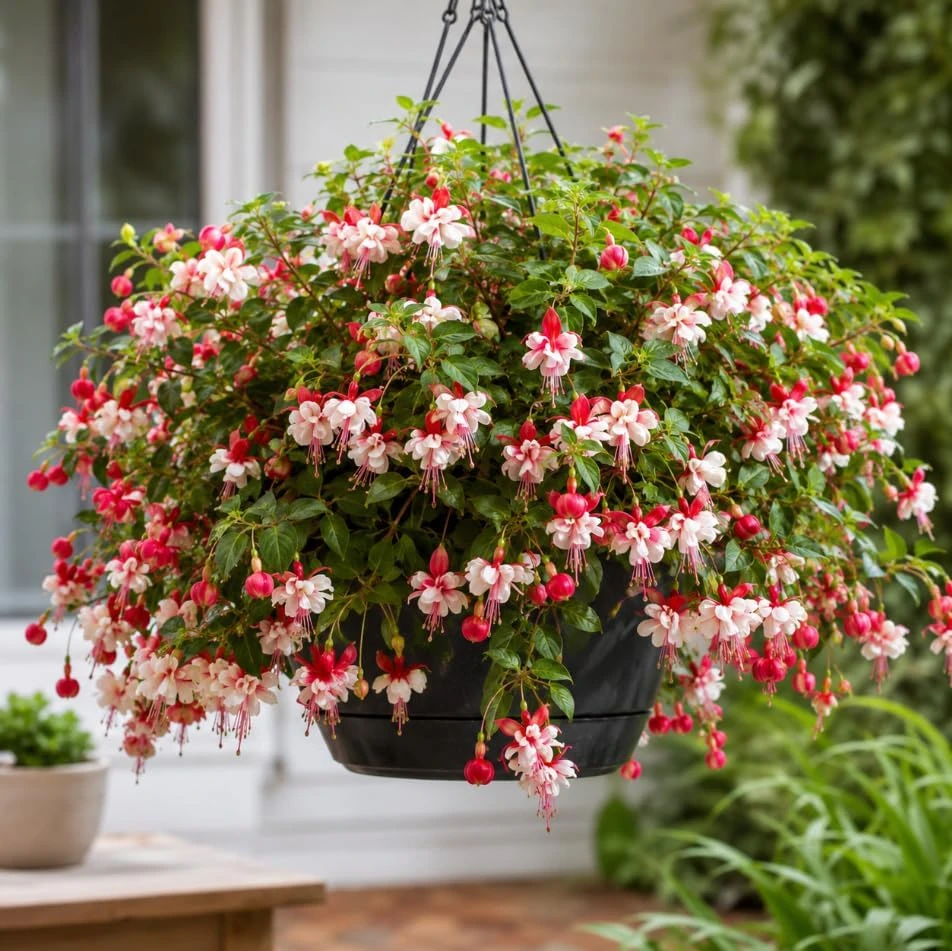
Swingtime Fuchsia Live Plant – Red & White Flowers, 4-6 inch Tall, 6 Inch Pot, Outdoor
Herbs
Set of 4 Mint Live Plants, Fragrant Culinary Herb Starter Plants, 4-7 Inch Tall, Indoor/Outdoor
Reviews
There are no reviews yet.