
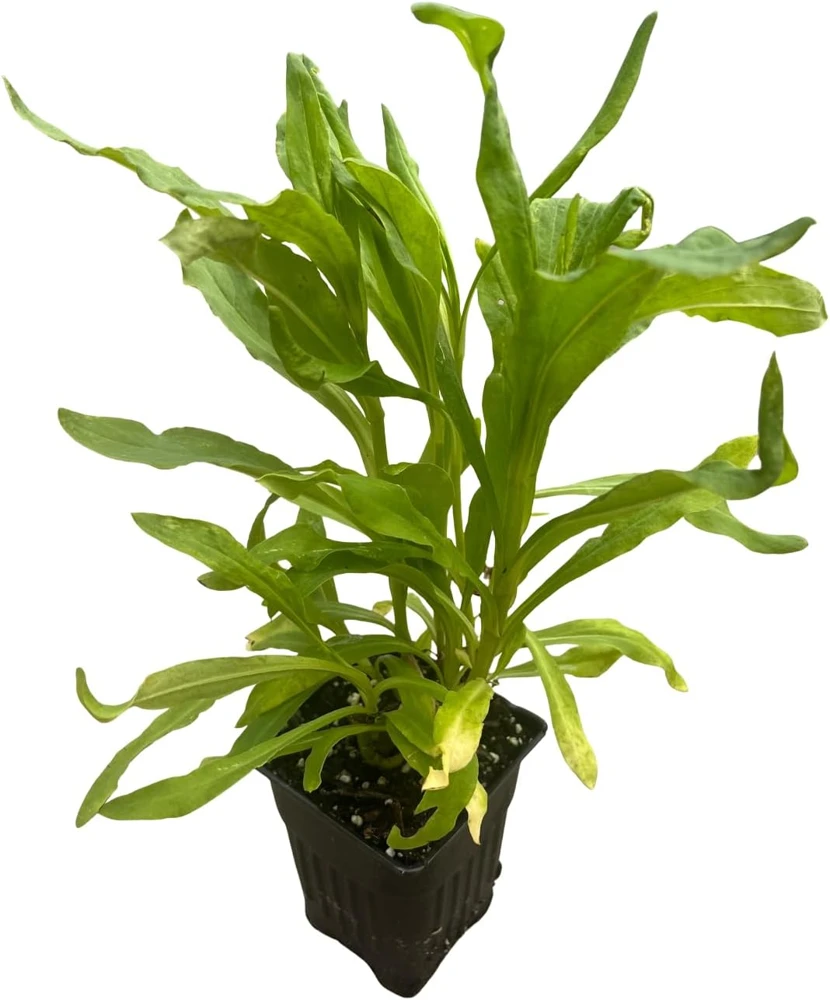
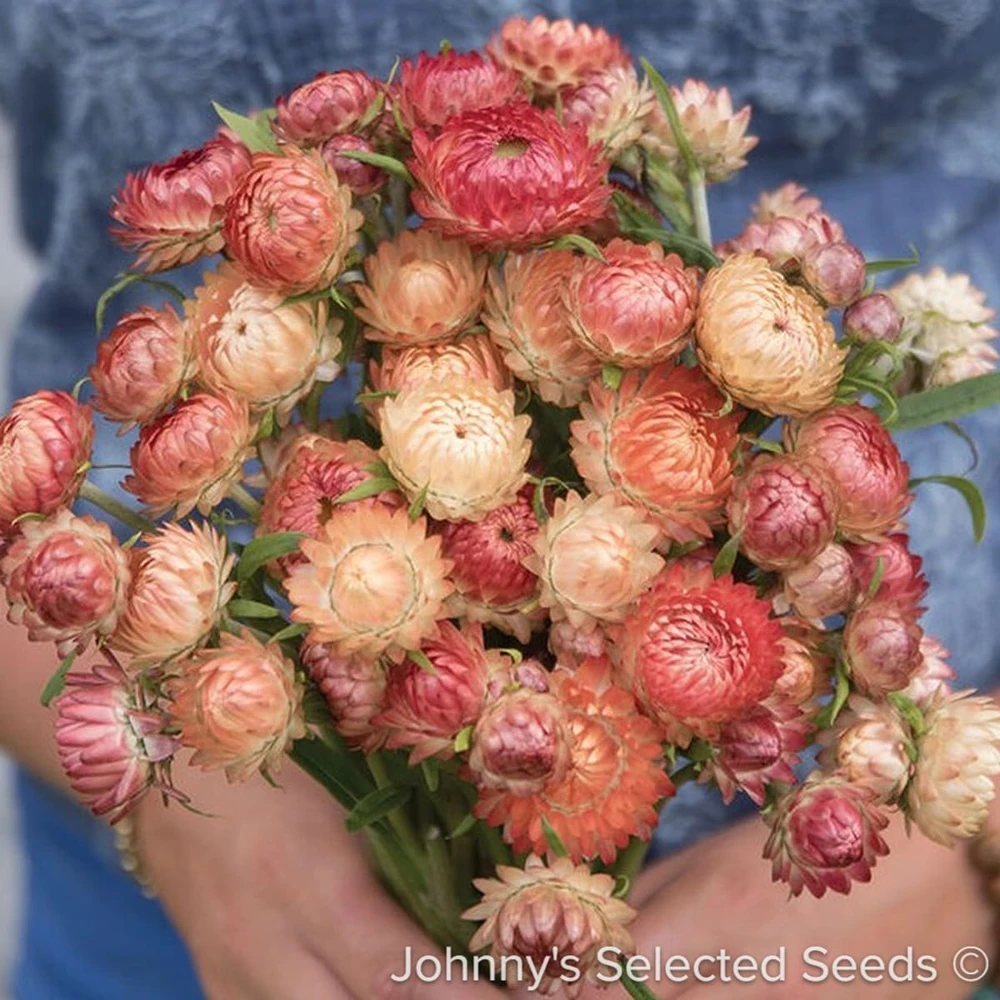
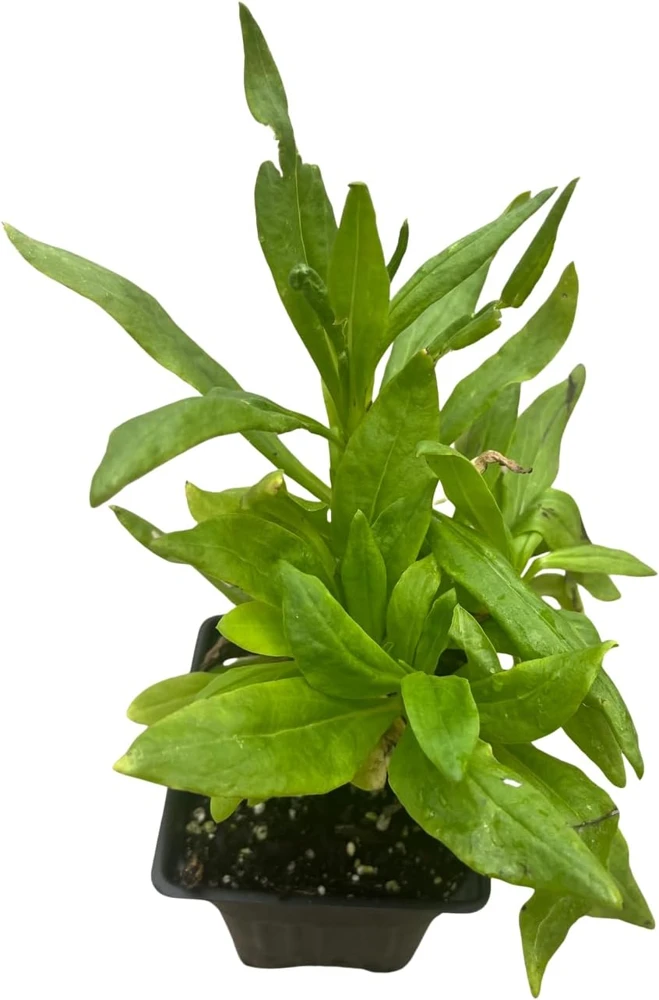
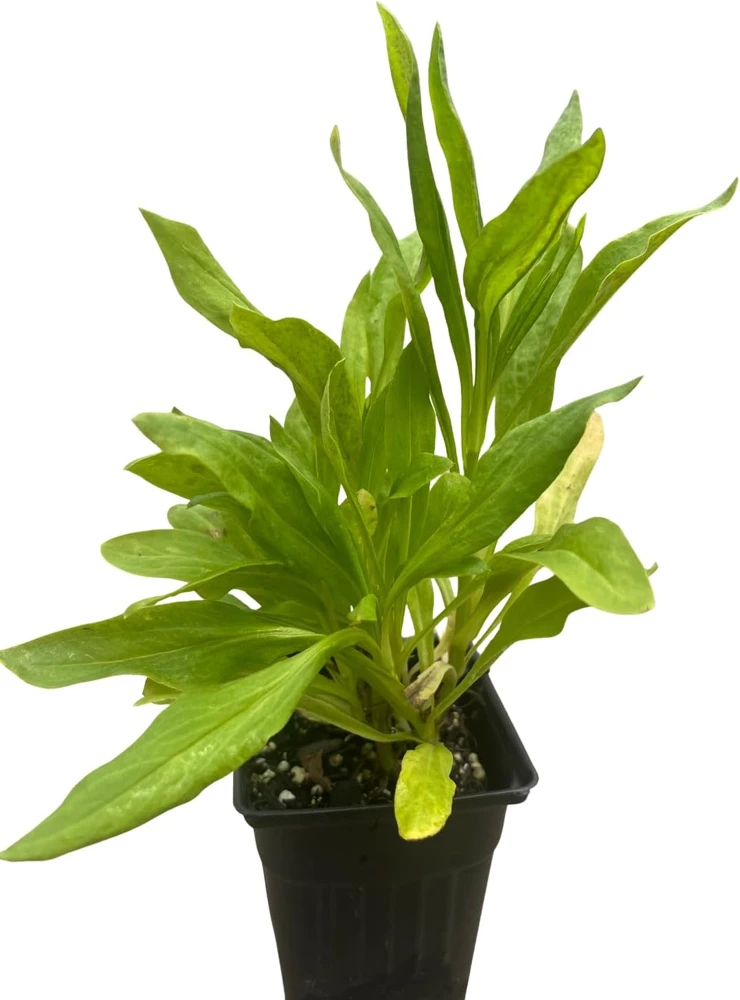
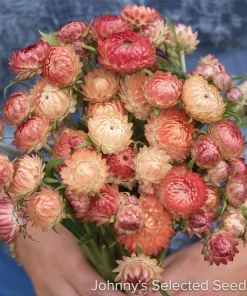
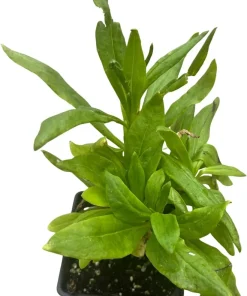
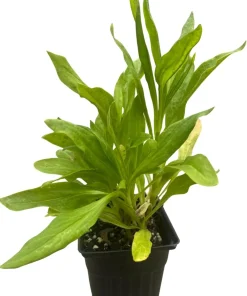
Apricot Peach Strawflower Live Plant – Helichrysum – 3″ Pot – Outdoor Annual
Original price was: $36.99.$26.99Current price is: $26.99.
Bring a burst of color to your garden with this apricot peach strawflower plant. Featuring papery, daisy-like blooms, it’s perfect for fresh bouquets or long-lasting dried arrangements. This paper daisy annual thrives in sunny spots, adding warmth and texture to beds and containers.
Estimated arrival
Sep 29
Oct 04 - Oct 06
Oct 09 - Oct 13
Shop With Confidence
30-Day Plant Health Guarantee
Arrives damaged? We’ll replace it free — see our return policy.
Responsive Support
Email us anytime, we reply within 1 business day.
Expert Packaging
Temperature-controlled shipping to protect your plants in transit.
Secure Checkout
Pay safely with Visa, Mastercard, PayPal.
Plant Specifications
-
USDA Hardiness Zone
USDA zones 2-11 (as annual) -
Soil Type
Well-draining soil -
Sunlight Exposure
Full Sun -
Expected Planting Period
Spring to early summer
Overview
Introducing the stunning apricot peach strawflower plant, also known by its botanical name, Helichrysum bracteatum, or common names like Paper Daisy and Everlasting Daisy. This vibrant annual is a must-have for any gardener looking to add unique texture and long-lasting color to their outdoor space. Originating from Australia, these charming wildflowers have captivated gardeners worldwide, especially in the United States, with their distinctive papery blooms. Unlike many other flowers, strawflowers have a naturally dry, straw-like feel, making them incredibly durable and perfect for both fresh and dried floral arrangements. Each bloom showcases a beautiful blend of soft apricot and peach tones, creating a warm and inviting display in your garden from early to mid-season.
The apricot peach strawflower plant is renowned for its ability to maintain its color and shape even after being cut and dried, earning it the ‘everlasting’ moniker. Whether you’re an experienced gardener or just starting, these easy-to-grow plants will reward you with an abundance of cheerful, daisy-like flowers. They are ideal for borders, mass plantings, container gardening, and cutting gardens, providing a continuous supply of beautiful blooms. This live plant comes ready to thrive, offering instant beauty and a touch of the exotic to your landscape.
Key Benefits
The apricot peach strawflower plant offers a multitude of benefits for both gardeners and floral enthusiasts, making it a highly desirable addition to any outdoor setting. Its unique characteristics contribute to its popularity and ease of enjoyment.
- Long-Lasting Blooms: These strawflowers produce blooms that hold their vibrant apricot and peach colors for an extended period, both on the plant and after being cut. This ensures a continuous display of beauty throughout the growing season.
- Excellent for Drying: Due to their naturally low moisture content and papery texture, these flowers are exceptionally suited for drying. They retain their shape and color beautifully, making them a favorite for everlasting bouquets and crafts.
- Attracts Pollinators: The cheerful, daisy-like flowers are a magnet for beneficial pollinators like bees and butterflies, contributing to a healthy garden ecosystem and enhancing biodiversity.
- Versatile Garden Use: Perfect for a variety of garden applications, including borders, mass plantings, rock gardens, containers, and cutting gardens. Their upright growth habit adds structure and visual interest.
- Low Maintenance: Once established, growing strawflowers requires minimal care. They are relatively drought-tolerant and pest-resistant, making them an excellent choice for busy gardeners.
- Unique Texture: The distinctive papery feel of the petals adds an interesting textural element to floral arrangements and garden designs, setting them apart from other common annuals.
- Vibrant Color Palette: The soft apricot and peach tones provide a warm, inviting, and cheerful aesthetic, easily complementing a wide range of garden styles and color schemes.
Plant Care & Growing Tips
To ensure your apricot peach strawflower plant flourishes and produces an abundance of beautiful blooms, understanding its care requirements is essential. These plants are generally low-maintenance, but providing optimal conditions will yield the best results. Strawflowers thrive in sunny locations, making full sun exposure crucial for their growth. They need at least 6-8 hours of direct sunlight per day to produce the most prolific flowering. In regions with extremely hot summers, some afternoon shade might be beneficial to prevent scorching, but generally, the more sun, the better.
When it comes to watering, the apricot peach strawflower plant prefers consistently moist, but not waterlogged, soil. Allow the top inch or two of soil to dry out between waterings. Overwatering can lead to root rot, so good drainage is paramount. Well-drained soil is critical for these plants, and they are not particularly picky about soil type as long as it drains well. A sandy loam or a general-purpose potting mix amended with compost will provide the ideal environment. For optimal growth and continuous blooming, fertilize lightly every 4-6 weeks with a balanced, all-purpose liquid fertilizer during the growing season. Deadheading spent flowers will encourage new blooms and prevent the plant from putting energy into seed production. You’ll find that helichrysum bracteatum care is quite straightforward, making it an enjoyable plant for all skill levels.
The ideal temperature range for paper daisy annuals is between 65-85°F (18-29°C). As annuals, they are not frost-hardy and will die back with the first hard frost. They are best grown in USDA zones 2-11 as annuals. Pests are generally not a significant issue, but occasional aphids or spider mites can be addressed with insecticidal soap. Ensure good air circulation to prevent fungal diseases, especially in humid conditions. With proper care, your everlasting daisy garden will be a showstopper all season long.
Size & Details
This apricot peach strawflower plant is supplied as a live plant in a 3-inch nursery pot, ready for transplanting into your garden or larger containers. At maturity, these vibrant annuals typically reach a height of 36-40 inches (approximately 3 to 3.3 feet) and spread about 24-36 inches (2 to 3 feet) wide, creating a substantial and impactful presence in the landscape. The plant exhibits an upright, bushy growth habit, making it an excellent choice for adding vertical interest to garden beds and borders.
The blooms appear from early to mid-season, providing continuous color through summer and into fall until the first frost. Each flower head is approximately 1-2 inches in diameter, featuring multiple layers of papery petals in the distinctive apricot and peach hues. This apricot peach strawflower plant prefers full sun conditions to achieve its full flowering potential. It is an annual plant, meaning it completes its life cycle within one growing season, providing a spectacular display before needing to be replanted the following year. Its robust nature and beautiful flowers make it a rewarding addition to any garden.
Frequently Asked Questions
- Q: How big does this apricot peach strawflower plant get? A: This plant typically reaches a mature height of 36-40 inches and spreads 24-36 inches wide, creating a substantial and colorful display in your garden.
- Q: What size pot does it come in? A: The apricot peach strawflower plant is shipped as a live plant in a 3-inch nursery pot, ready for you to transplant into its permanent location.
- Q: Is this an indoor or outdoor plant? A: This plant is an annual, best grown outdoors in full sun. It thrives in garden beds, borders, and outdoor containers, providing vibrant color throughout the growing season.
- Q: How much sunlight does it need? A: Strawflowers require full sun, meaning at least 6-8 hours of direct sunlight per day, to produce the most abundant and vibrant blooms.
- Q: Is this plant easy to care for? A: Yes, growing strawflowers is relatively easy. They are low-maintenance, drought-tolerant once established, and generally pest-resistant, making them suitable for gardeners of all experience levels.
- Q: What condition will it arrive in? A: Your apricot peach strawflower plant will arrive as a healthy, live plant in a 3-inch pot, carefully packaged to ensure its safe journey to your home.
- Q: How long until it blooms? A: These plants typically bloom from early to mid-season and will continue to produce flowers until the first hard frost, offering a long period of enjoyment.
- Q: When is the best time to plant? A: The best time to plant strawflowers outdoors is after all danger of frost has passed in your area, typically in late spring or early summer.
- Q: Will it survive winter in my zone? A: As an annual, the apricot peach strawflower plant will not survive winter in most zones and will need to be replanted each year.
- Q: What is the best soil for helichrysum bracteatum care? A: Strawflowers prefer well-drained soil, such as a sandy loam or a good quality potting mix amended with compost. Good drainage is crucial to prevent root issues.
Be the first to review “Apricot Peach Strawflower Live Plant – Helichrysum – 3″ Pot – Outdoor Annual”
People Also Viewed
Vegetable Seeds
Brown Habanero Pepper Seeds – 50 Hot Capsicum Chinense Seeds
Vines
White Mandevilla Live Plants – Set of 2 Tropical Flowering Vines, 4-6 Inch Tall, Outdoor Garden
Reviews
There are no reviews yet.