


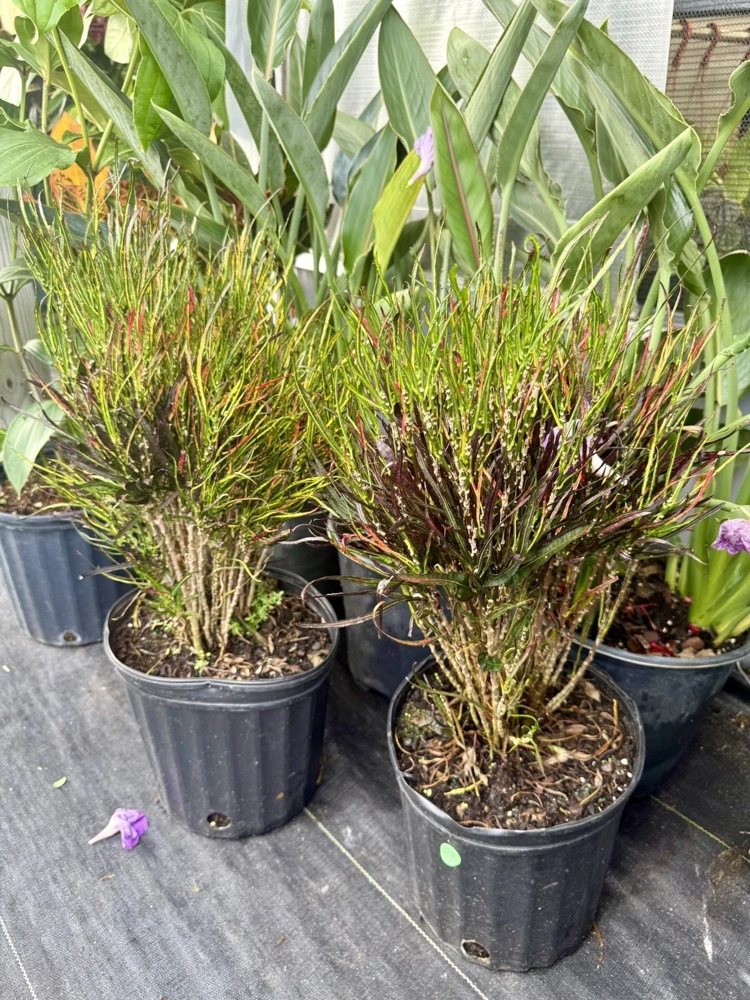
Picasso’s Paintbrush Croton Live Plant – Colorful Codiaeum Variegatum
Original price was: $72.99.$59.99Current price is: $59.99.
Bring a burst of color into your home with the Picasso’s Paintbrush Croton live plant. This stunning Codiaeum variegatum care is known for its vibrant, variegated foliage, making it a perfect tropical houseplant to enhance any indoor setting. Easy to care for and visually striking.
Estimated arrival
Oct 27
Nov 01 - Nov 03
Nov 06 - Nov 10
Shop With Confidence
30-Day Plant Health Guarantee
Arrives damaged? We’ll replace it free — see our return policy.
Responsive Support
Email us anytime, we reply within 1 business day.
Expert Packaging
Temperature-controlled shipping to protect your plants in transit.
Secure Checkout
Pay safely with Visa, Mastercard, PayPal.
Plant Specifications
-
USDA Hardiness Zone
USDA zones 9-11 (outdoors); suitable for year-round indoor cultivation -
Soil Type
Well-draining potting mix -
Sunlight Exposure
Bright indirect light -
Expected Planting Period
Year-round indoors
Overview
Transform your living space with the extraordinary beauty of the Picasso’s Paintbrush Croton live plant. This captivating Codiaeum variegatum, often simply called a croton, is renowned for its spectacular, multicolored leaves that resemble an artist’s palette. Each leaf is a unique masterpiece, boasting an intricate blend of greens, yellows, reds, oranges, and even purples. Originating from tropical regions, this colorful foliage plant is a true showstopper, adding an exotic and vibrant touch to any indoor collection. Unlike many flowering plants, the croton’s allure lies entirely in its stunning leaves, which provide year-round visual interest and a constant splash of dynamic color. It’s a fantastic choice for anyone looking to make a bold statement with their indoor greenery.
The ‘Picasso’s Paintbrush’ variety stands out even among other crotons for its particularly striking and diverse color patterns, often featuring narrower, elongated leaves that add to its artistic appeal. This tropical houseplant thrives in warm, humid environments, reminiscent of its natural habitat, and with proper care, it can grow into a lush, full specimen. Whether you’re a seasoned plant enthusiast or a budding green thumb, the croton offers a rewarding experience, bringing a piece of the tropics right into your home. Its ability to purify the air while looking absolutely magnificent makes it a valuable addition to any indoor garden.
Key Benefits
The Picasso’s Paintbrush Croton live plant offers a multitude of benefits beyond its stunning appearance, enhancing both your home’s aesthetics and your well-being. Its vibrant colors contribute significantly to a lively and cheerful atmosphere, making it a focal point in any room.
- Exceptional Visual Appeal: The primary benefit of this colorful foliage plant is its incredibly diverse and bright leaf coloration. Each leaf is unique, providing a constantly evolving display of greens, yellows, oranges, and reds that can brighten any interior space and serve as a natural piece of living art.
- Air Purification: Like many houseplants, the croton helps to improve indoor air quality by absorbing common airborne toxins and releasing fresh oxygen, contributing to a healthier living environment. This makes it a beneficial addition to bedrooms and living areas.
- Tropical Ambiance: Its exotic appearance instantly transports you to a tropical paradise, creating a serene and relaxing atmosphere within your home. It’s perfect for adding a touch of warmth and vacation vibes, even on the gloomiest days.
- Year-Round Interest: Unlike flowering plants that have seasonal blooms, the croton’s foliage provides continuous vibrant color and texture throughout the year, ensuring your space always looks lively and inviting.
- Versatile Decor: Its striking appearance makes it an excellent choice for various interior design styles, from modern minimalist to bohemian chic. It can be a standalone statement piece or complement a larger plant collection, offering flexibility in placement.
- Rewarding Growth: Watching the new leaves emerge with fresh patterns and colors is a rewarding experience. With consistent Codiaeum variegatum care, this plant can grow into a substantial and impressive specimen over time, becoming a proud part of your home.
- Conversation Starter: The unique and eye-catching appearance of this croton indoor plant is sure to capture attention and spark conversations, as its beauty is truly distinctive and memorable.
Plant Care & Growing Tips
Providing the right care for your Picasso’s Paintbrush Croton live plant is crucial for maintaining its vibrant colors and ensuring healthy growth. These tropical beauties thrive when their specific needs for light, water, and humidity are met. Firstly, light is paramount: crotons need abundant bright, indirect light to develop their best coloration. Placing them near a south or west-facing window where they receive several hours of bright light daily, but are shielded from harsh direct afternoon sun, is ideal. Insufficient light will cause the colors to fade and leaves to lose their variegation, resulting in a greener, less impressive appearance.
Watering requires a delicate balance. Crotons prefer consistently moist, but not waterlogged, soil. Allow the top inch or two of soil to dry out before watering thoroughly. Overwatering can lead to root rot, while underwatering can cause leaves to droop and eventually drop. It’s often better to slightly under-water than to overwater. Humidity is another vital factor for this tropical houseplant. Crotons thrive in high humidity, so consider misting the leaves regularly, placing the pot on a pebble tray with water, or using a humidifier, especially in dry indoor environments. Brown leaf tips are often a sign of low humidity.
For soil, use a well-draining potting mix that retains some moisture. A general-purpose potting mix amended with perlite or orchid bark works well. Fertilize your croton indoor plant every 2-4 weeks during the growing season (spring and summer) with a balanced liquid fertilizer diluted to half strength. Reduce or stop fertilizing in fall and winter. Crotons are sensitive to sudden changes in temperature or location, which can cause leaf drop. Maintain consistent temperatures between 60-85°F (15-29°C) and protect them from cold drafts. With diligent Codiaeum variegatum care, your plant will flourish, displaying its full spectrum of stunning colors.
Size & Details
The Picasso’s Paintbrush Croton live plant typically ships as a young, actively growing specimen, ready to establish itself in your home environment. While specific dimensions can vary based on the exact batch and growing conditions, you can generally expect a plant that is well-rooted and of a manageable size for shipping and initial placement. These plants are known for their moderate growth rate, and with optimal care, they can achieve a significant size indoors, often reaching heights of 3-6 feet over several years, though they can be pruned to maintain a desired stature and bushiness.
The plant will arrive in a nursery pot, usually a 4-6 inch container, providing a healthy root system and sufficient soil to support its initial transition. Its mature width can be comparable to its height, creating a full and lush appearance. The captivating foliage, which is the hallmark of this colorful foliage plant, will be evident upon arrival, showcasing the distinctive ‘Picasso’s Paintbrush’ patterns. Expect the plant to continue developing more intense and varied colors as it matures and receives adequate light. This tropical houseplant is a long-lived addition to your collection, offering many years of vibrant display.
Frequently Asked Questions
- Q: How big does this plant get? A: With proper Codiaeum variegatum care, the ‘Picasso’s Paintbrush’ Croton can grow to be 3-6 feet tall indoors. Its size can be managed with regular pruning to maintain a desired height and shape, making it versatile for different spaces.
- Q: Is this an indoor or outdoor plant? A: While it can be grown outdoors in tropical climates (USDA zones 9-11), the Picasso’s Paintbrush Croton live plant is primarily cultivated as a croton indoor plant in most regions of the US due to its sensitivity to cold temperatures and preference for consistent warmth.
- Q: How much sunlight does it need? A: This colorful foliage plant thrives in bright, indirect light. Direct afternoon sun can scorch its leaves, while too little light will cause its vibrant colors to fade and new growth to be dull green. An east-facing window or a few feet away from a south or west-facing window is ideal.
- Q: Is this plant easy to care for? A: Crotons are considered moderately easy to care for. They require consistent attention to their light, watering, and humidity needs. Once you understand their preferences, they are quite rewarding. It’s a great choice for those ready to move beyond beginner-level plants.
- Q: What condition will it arrive in? A: Your tropical houseplant will be carefully packaged and shipped as a live, healthy plant in its nursery pot, with soil. We take precautions to ensure it arrives in the best possible condition, ready for you to introduce to its new home.
- Q: How often should I water my Croton? A: Water your Croton when the top 1-2 inches of soil feel dry to the touch. It’s important to allow excess water to drain away to prevent root rot. Adjust watering frequency based on light, humidity, and temperature conditions in your home.
- Q: Is the Picasso’s Paintbrush Croton pet-safe? A: No, croton plants are considered toxic if ingested by pets or humans. It’s best to keep this plant out of reach of curious children and pets to ensure their safety.
- Q: What temperature range is best for this Croton indoor plant? A: Crotons prefer warm temperatures, ideally between 60-85°F (15-29°C). They are sensitive to cold drafts and sudden temperature fluctuations, which can cause leaf drop.
- Q: Can I prune my Croton? A: Yes, you can prune your Picasso’s Paintbrush Croton live plant to encourage bushier growth, maintain a desired size, or remove leggy stems. Pruning is best done in the spring or early summer.
- Q: What kind of soil does it need? A: A well-draining potting mix that retains some moisture is ideal. A standard houseplant potting mix mixed with perlite or orchid bark for improved drainage works well for optimal Codiaeum variegatum care.
Be the first to review “Picasso’s Paintbrush Croton Live Plant – Colorful Codiaeum Variegatum”
People Also Viewed


Houseplants
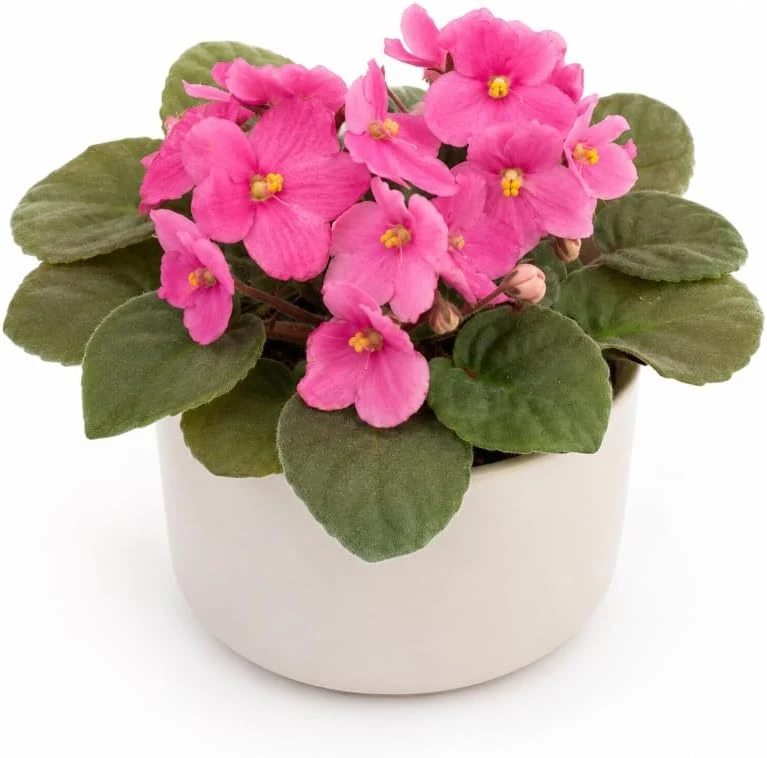
African Violet Live Plant with Pink Flowers, 3-5 Inches Tall in 4 Inch Pot, Potted Houseplant





Reviews
There are no reviews yet.