
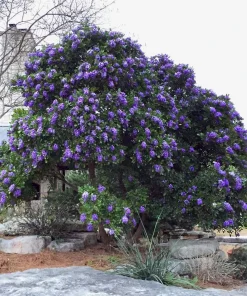
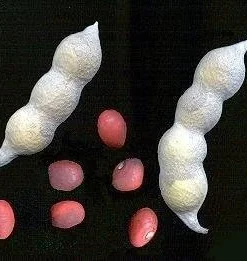
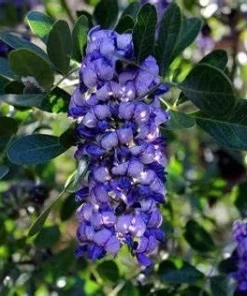

Mescal Bean Tree Seeds – Sophora secundiflora – 10 Seeds – Fragrant Flowers
Original price was: $25.99.$15.99Current price is: $15.99.
Cultivate the striking Mescal Bean Tree seeds (Sophora secundiflora), known for its vibrant purple flowers and delightful fragrance. These Sophora secundiflora seeds are perfect for creating a beautiful, water-wise garden or an unusual bonsai specimen.
Estimated arrival
Sep 29
Oct 04 - Oct 06
Oct 09 - Oct 13
Shop With Confidence
30-Day Plant Health Guarantee
Arrives damaged? We’ll replace it free — see our return policy.
Responsive Support
Email us anytime, we reply within 1 business day.
Expert Packaging
Temperature-controlled shipping to protect your plants in transit.
Secure Checkout
Pay safely with Visa, Mastercard, PayPal.
Plant Specifications
-
USDA Hardiness Zone
USDA zones 7-10 -
Soil Type
Well-draining, sandy, or rocky soil -
Sunlight Exposure
Full sun -
Expected Planting Period
Spring to early summer
Overview
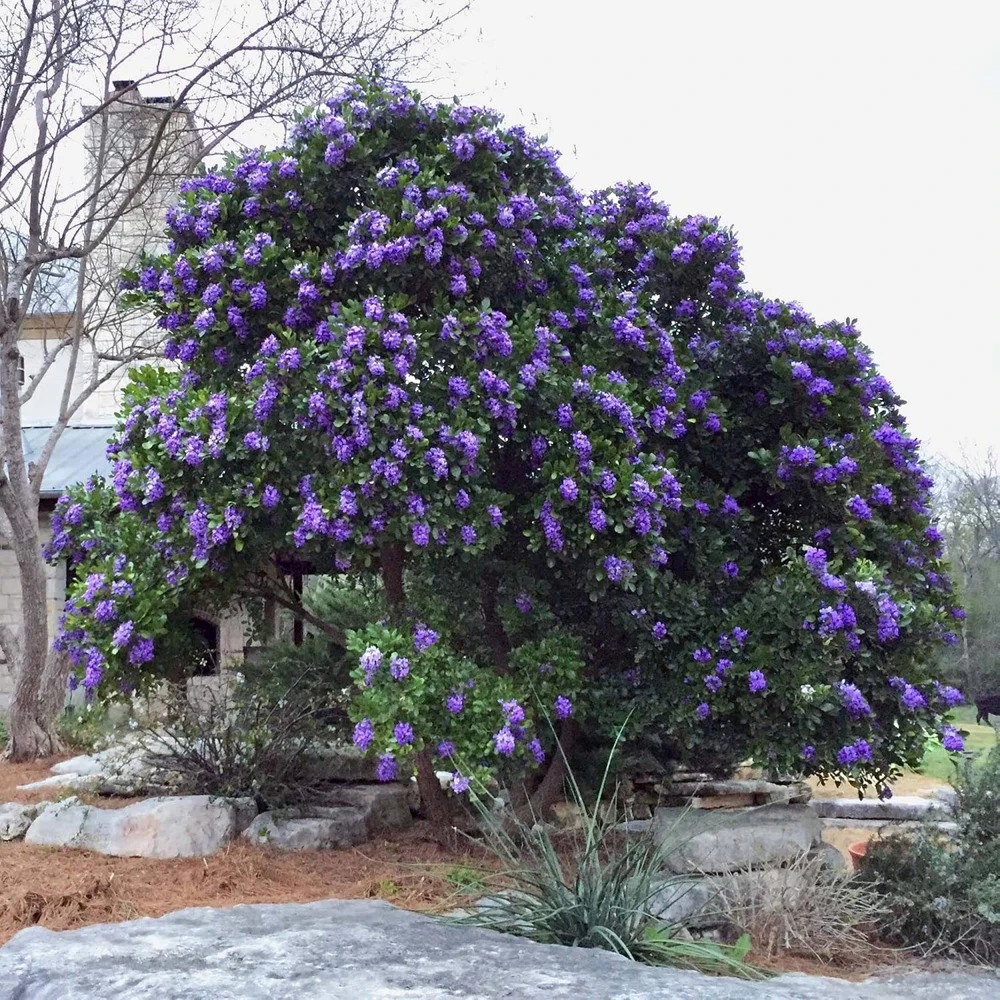
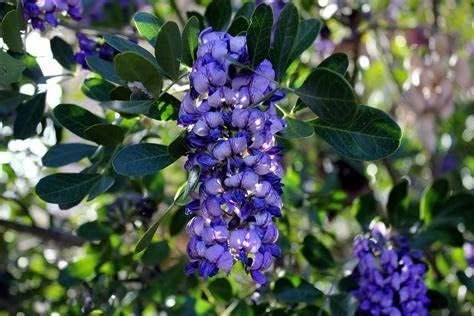
Embark on a rewarding gardening journey with these high-quality Mescal Bean Tree seeds. Scientifically known as Sophora secundiflora, this remarkable plant is a true gem of the desert landscape, celebrated for its showy blooms and evergreen foliage. Unlike many desert flora, the Mescal Bean Tree proudly displays large clusters of fragrant purple flowers in spring, creating a stunning visual and aromatic experience. These Sophora secundiflora seeds offer the opportunity to grow a resilient and beautiful specimen that thrives in challenging conditions. The tree’s unique characteristics, including its striking appearance and low water needs, make it a valuable addition to native plant gardens, xeriscapes, and even traditional plantings. Discover the allure of this extraordinary plant and bring its vibrant beauty to your outdoor space.
Key Benefits
Growing the Mescal Bean Tree from seed provides numerous advantages for gardeners seeking both beauty and resilience:
- Stunning Floral Display: Enjoy large, pendulous clusters of fragrant purple flowers that emerge in spring, providing a spectacular show and filling the air with a pleasant scent. These blooms are a significant draw for pollinators and add vibrant color to any landscape.
- Evergreen Foliage: The tree maintains its rich green leaves year-round, offering consistent visual appeal and structure in your garden, even during drier periods. This evergreen quality makes it a reliable choice for continuous greenery.
- Drought Tolerance: Once established, the Mescal Bean Tree is exceptionally water-wise, making it an ideal choice for xeriscaping and sustainable gardening practices. It requires minimal irrigation, conserving precious water resources.
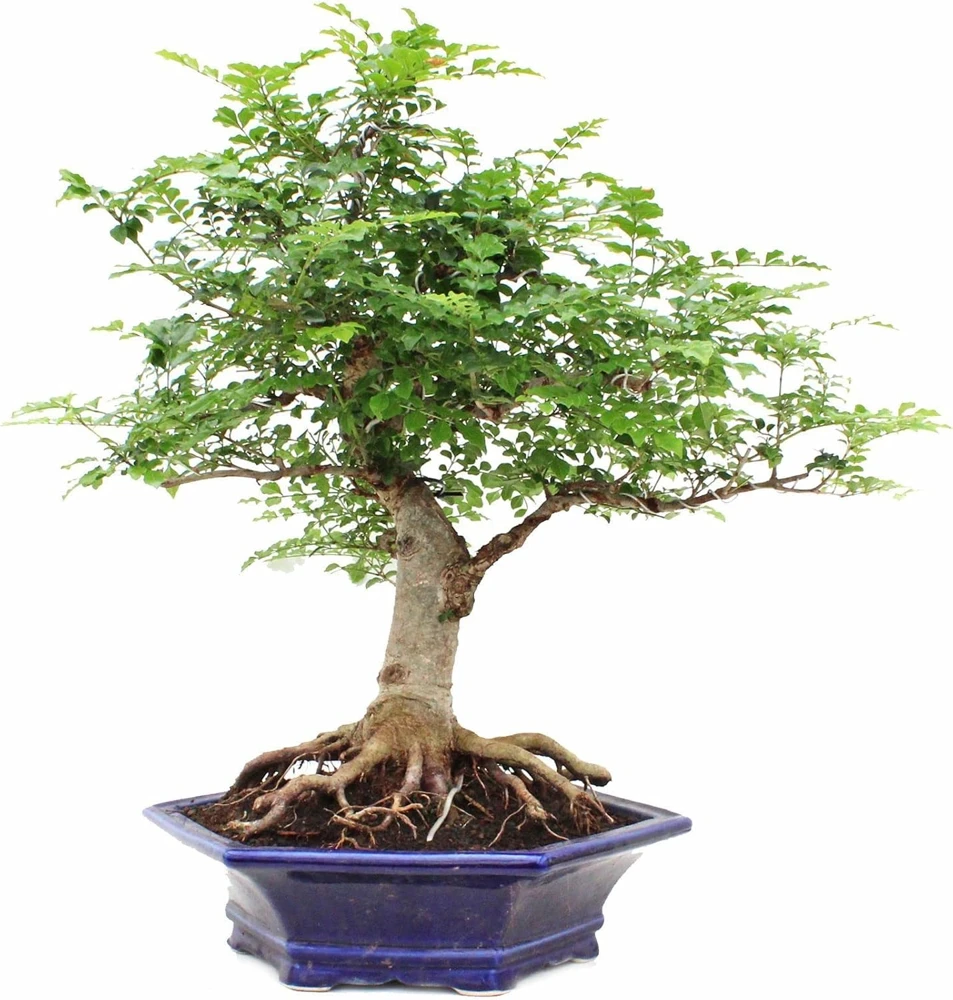
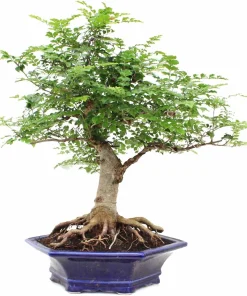
- Unique Bonsai Potential: The Mescal Bean Tree makes an excellent and unusual subject for bonsai, allowing enthusiasts to cultivate its distinctive form in a miniature scale. Growing bonsai tree seeds like these offers a creative and engaging challenge.
- Wildlife Attraction: The vibrant flowers attract various pollinators, contributing to the biodiversity of your garden. Its presence supports local ecosystems and adds lively activity to your outdoor space.
- Hardy and Resilient: This tree is known for its toughness and ability to thrive in harsh conditions, making it a low-maintenance option for gardeners in suitable climates.
Plant Care & Growing Tips
Cultivating Mescal Bean Tree seeds requires patience and understanding of its specific needs, especially during germination and establishment. These trees are well-suited to arid and semi-arid regions. For optimal growth, ensure they receive full sun exposure, meaning at least 6-8 hours of direct sunlight per day. They are highly adaptable to various soil types but prefer well-draining, rocky, or sandy soils. Avoid heavy, waterlogged soils as these can lead to root rot. Once established, the Mescal Bean Tree is remarkably drought-tolerant, requiring infrequent watering. During its initial growth phase, consistent but moderate watering is crucial to help the root system develop.
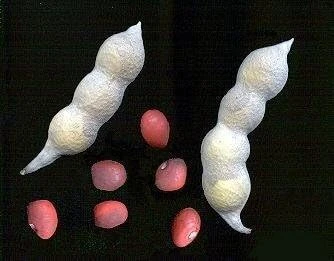
The Mescal Bean Tree is generally hardy and does not require extensive fertilization. A light application of a balanced, slow-release fertilizer in early spring can be beneficial, especially for young trees. Pruning should be minimal, primarily for shaping or removing dead/damaged branches. This species is known to be slow-growing, particularly from seed, so patience is key. Protect young seedlings from extreme cold, though mature trees are quite cold-hardy once established within their appropriate USDA zones. While known for its vibrant red seeds, it’s important to note that these seeds are toxic if ingested and have a very hard coat, often requiring scarification for successful germination. Always handle the seeds with care and keep them away from children and pets. Growing fragrant tree seeds like these can be a rewarding experience for those who appreciate unique and resilient plants.
Size & Details
This offering includes 10 Mescal Bean Tree seeds, providing an excellent opportunity to start multiple specimens or experiment with different growing techniques. The Mescal Bean Tree (Sophora secundiflora) is a slow-growing, evergreen shrub or small tree that typically reaches heights of 15 to 25 feet, with a spread of 10 to 15 feet at maturity. In ideal conditions, it can occasionally grow taller. The seeds are harvested from mature plants, ensuring genetic viability. Each seed has a distinctive hard, bright red coat. The tree exhibits a moderate growth rate once established, eventually forming a dense, rounded crown. It’s a long-lived species, offering decades of beauty in your landscape. These drought-tolerant trees are delivered as raw seeds, requiring proper preparation and planting for successful germination.
Frequently Asked Questions
- Q: How big does the Mescal Bean Tree get? A: The Mescal Bean Tree typically grows to a height of 15 to 25 feet with a spread of 10 to 15 feet, though it can occasionally reach larger sizes in optimal conditions. It is a slow-growing species.
- Q: Is this an indoor or outdoor plant? A: The Mescal Bean Tree is primarily an outdoor plant, thriving in warm, arid climates. It can be grown in containers and brought indoors in colder regions, especially if cultivated as a bonsai.
- Q: How much sunlight does it need? A: This tree requires full sun exposure, ideally receiving at least 6-8 hours of direct sunlight daily to promote healthy growth and abundant flowering.
- Q: Is this plant easy to care for? A: Once established, the Mescal Bean Tree is very low-maintenance and drought-tolerant. However, germinating the Mescal Bean Tree seeds and establishing young plants requires specific care and patience due to their hard seed coat.
- Q: What condition will the seeds arrive in? A: You will receive 10 raw, un-germinated Mescal Bean Tree seeds. They will require scarification and soaking before planting to aid germination.
- Q: When is the best time to plant Mescal Bean Tree seeds? A: The best time to plant is in spring or early summer after the last frost, allowing the seedlings ample time to establish before cooler weather.
- Q: Will it survive winter in my zone? A: The Mescal Bean Tree is hardy in USDA Zones 7-10. In colder zones, it may need winter protection or be grown in containers and moved indoors.
- Q: Are the Mescal Bean Tree seeds poisonous? A: Yes, the bright red seeds of the Mescal Bean Tree are considered toxic if ingested. They are very hard and not easily consumed, but caution should always be exercised, especially around children and pets.
- Q: Can I use these seeds for bonsai? A: Absolutely! The Mescal Bean Tree is an excellent choice for bonsai due to its attractive foliage, flowers, and interesting bark. These bonsai tree seeds provide a great starting point.
- Q: What kind of soil does it prefer? A: It prefers well-draining soil, including sandy, rocky, or loamy types. Good drainage is crucial to prevent root issues.
Be the first to review “Mescal Bean Tree Seeds – Sophora secundiflora – 10 Seeds – Fragrant Flowers”
People Also Viewed
Reviews
There are no reviews yet.