

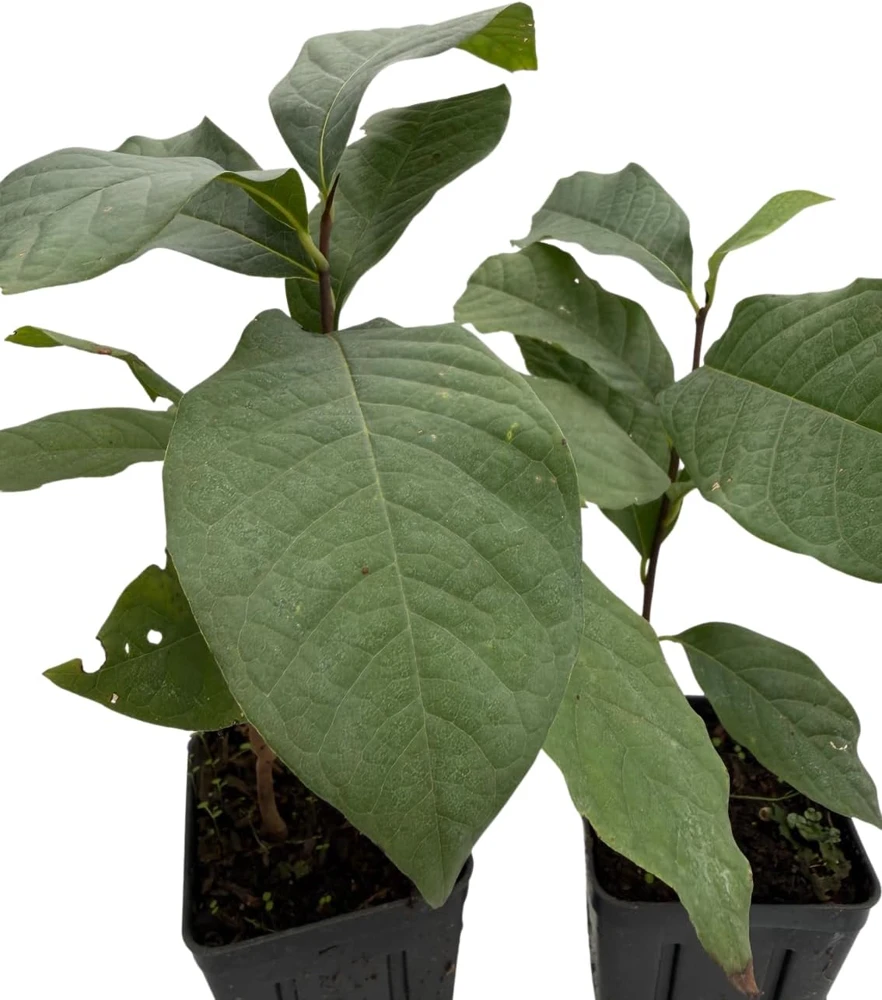
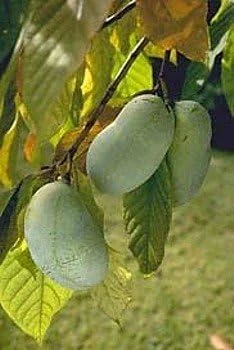
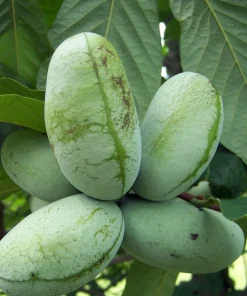
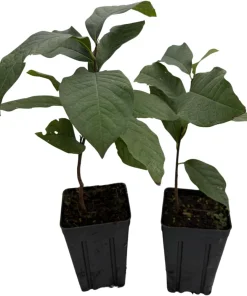
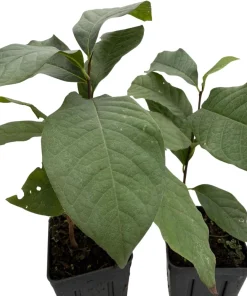
Pawpaw Tree Live Plants – 2-Pack Banana Fruit Asimina triloba – 3.25″ Pot
Original price was: $87.99.$77.99Current price is: $77.99.
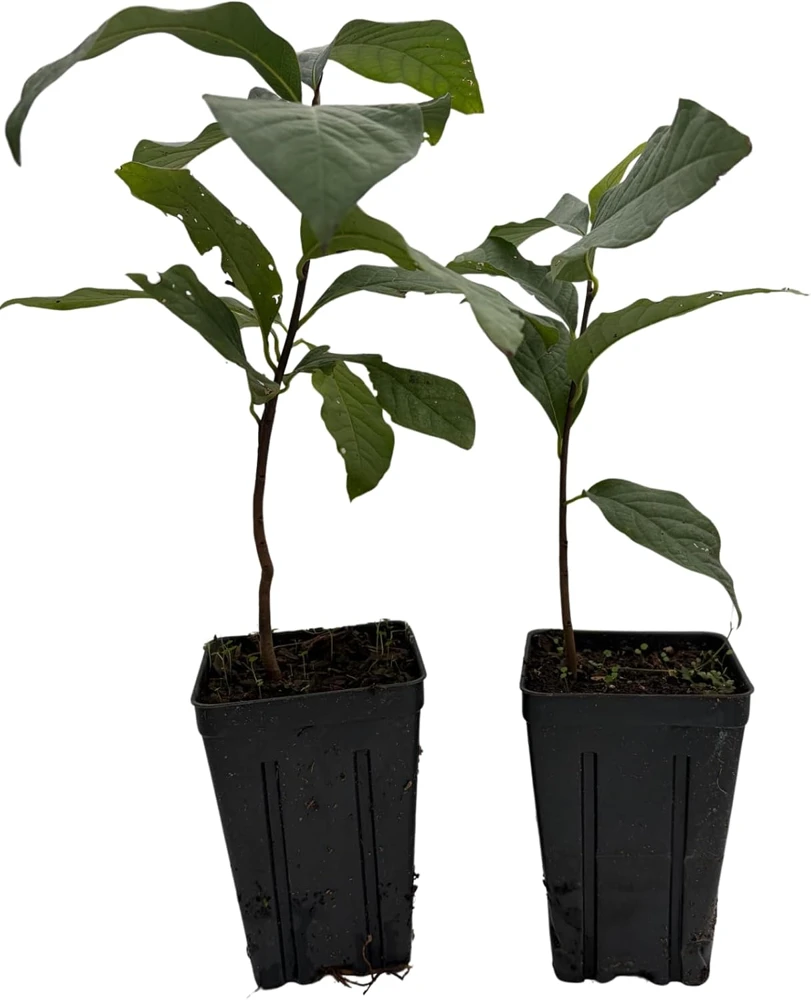
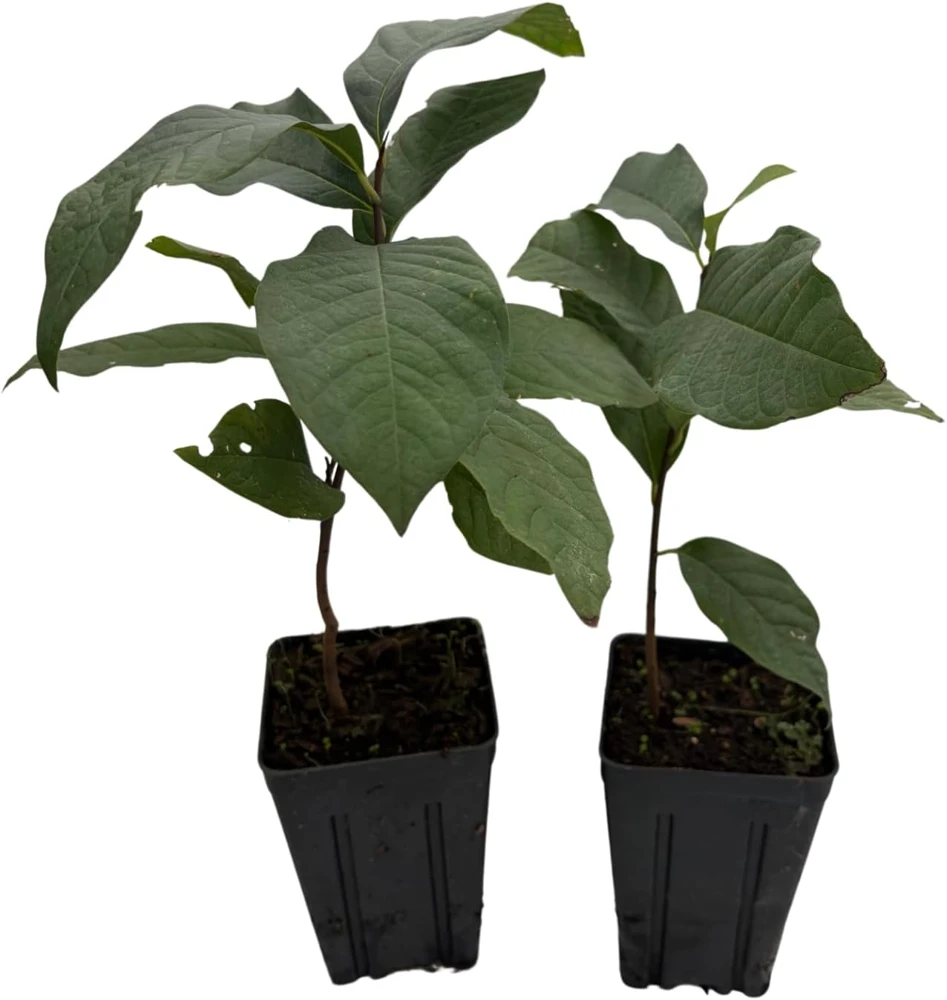
Cultivate your own unique fruit with this 2-pack of pawpaw tree live plant. Known for its delicious, banana-like fruit, the asimina triloba plant is a native American species, perfect for USDA Zones 5-8. These young trees come in 3.25″ pots, ready to establish in your garden or a larger container.
Estimated arrival
Sep 29
Oct 04 - Oct 06
Oct 09 - Oct 13
Shop With Confidence
30-Day Plant Health Guarantee
Arrives damaged? We’ll replace it free — see our return policy.
Responsive Support
Email us anytime, we reply within 1 business day.
Expert Packaging
Temperature-controlled shipping to protect your plants in transit.
Secure Checkout
Pay safely with Visa, Mastercard, PayPal.
Plant Specifications
-
USDA Hardiness Zone
USDA Zones 5-8 -
Soil Type
Rich, well-draining, slightly acidic to neutral soil (pH 5.5-7.0) -
Sunlight Exposure
Partial shade (young plants), Full sun to partial shade (mature plants) -
Expected Planting Period
Early spring or early fall
Overview
Discover the joy of growing your own native American fruit with this 2-pack of pawpaw tree live plant. The pawpaw, scientifically known as asimina triloba plant, is a unique and delicious fruit tree that is gaining popularity for its creamy, tropical-tasting fruit, often described as a blend of banana, mango, and pineapple. These deciduous trees are native to the eastern United States, thriving in temperate woodlands and offering a taste of forgotten Americana. Each order includes two healthy young pawpaw trees, ready to be planted in your garden or a suitable container. Perfect for enthusiasts looking for a low-maintenance, cold-hardy fruit producer, the pawpaw fruit tree is a fantastic addition to any edible landscape.
Commonly referred to as Pawpaw, Papaw, Poor Man’s Banana, or Hoosier Banana, this remarkable tree is not only a source of delectable fruit but also a beautiful ornamental specimen. It can grow from 12 to 20 feet tall, often forming a narrowly conical shape. The deep winter dormancy of the pawpaw makes it highly frost-tolerant, capable of withstanding temperatures as low as -25°F, making it hardy in USDA Climate Zone 5 and above. Embrace the opportunity to cultivate America’s largest native fruit with these robust pawpaw tree live plant specimens.
Key Benefits
Adding a pawpaw tree live plant to your garden offers a multitude of advantages, from its unique fruit production to its ecological benefits. These trees are a truly special choice for any gardener:
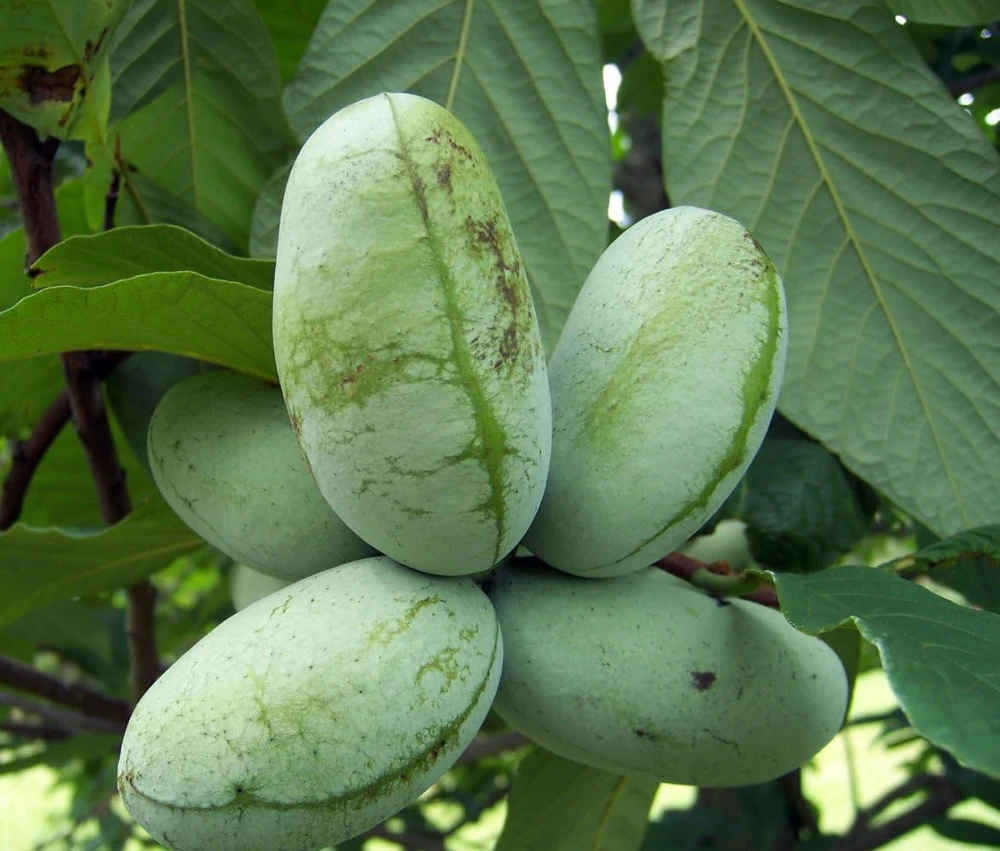
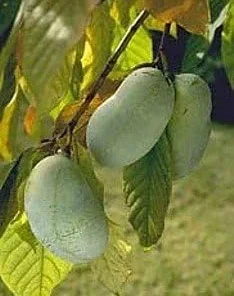
- Unique Edible Fruit: Enjoy the largest edible fruit native to America. The pawpaw fruit is renowned for its rich, custardy texture and tropical flavor, a delightful treat straight from your own backyard. Individual fruits can weigh 5 to 16 ounces and are 3 to 6 inches long, often appearing in clusters.
- Native & Hardy: As a native species (asimina triloba plant), the pawpaw is well-adapted to the eastern U.S. climate, exhibiting excellent cold hardiness down to USDA Zone 5 (-25°F). This makes it a resilient and reliable choice for many regions.
- Low Maintenance: Once established, growing pawpaw trees are relatively low-maintenance, requiring minimal care compared to many other fruit trees. They are generally resistant to most pests and diseases.
- Ecological Value: Pawpaw trees serve as a host plant for the beautiful Zebra Swallowtail butterfly, contributing to local biodiversity and supporting native wildlife.
- Shade Tolerance: Unlike many fruit trees, young pawpaw trees prefer partial shade, making them suitable for understory planting or areas with dappled sunlight. This makes growing pawpaw trees more versatile for different garden layouts.
- Ornamental Appeal: Beyond their fruit, pawpaw trees boast attractive foliage and unique maroon flowers in spring, adding aesthetic value to your landscape. The deciduous nature provides seasonal interest.
- Health Benefits: Pawpaw fruit is packed with vitamins, minerals, and antioxidants, offering a healthy and delicious addition to your diet.
Plant Care & Growing Tips
Caring for your pawpaw tree live plant is straightforward, especially once it’s established. Pawpaws thrive in conditions that mimic their native woodland environment. For young plants, partial shade is crucial, especially during the first year or two, to protect them from intense sun. As they mature, they can tolerate more sun, eventually preferring full sun for optimal fruit production, though they will still produce in partial shade. Aim for at least 6 hours of direct sunlight for mature trees. These trees are hardy in USDA Zones 5-8.
When it comes to watering, pawpaw trees prefer consistently moist but well-draining soil. They do not like soggy roots. Water regularly, especially during dry spells and in their first few years after planting. A good layer of mulch around the base of the tree will help retain soil moisture and regulate soil temperature. The ideal soil for asimina triloba plant is deep, rich, slightly acidic to neutral (pH 5.5-7.0), and well-drained. Incorporating organic matter into the planting hole will greatly benefit growth. Fertilize sparingly; a balanced, slow-release fertilizer in early spring is usually sufficient once the tree is established. Avoid over-fertilizing young plants.
While relatively pest-resistant, keep an eye out for common garden issues. Proper spacing and good air circulation can help prevent fungal problems. Pawpaw plant care also involves ensuring cross-pollination for fruit production, as most pawpaw varieties are not self-fertile. Planting two different genetic varieties is essential for a good harvest. These trees are shipped dormant in late fall and winter, ensuring they arrive ready for their deep winter dormancy and spring growth.
Size & Details
This offering includes two healthy pawpaw tree live plant specimens, each growing in a 3.25-inch pot. These young trees are ready for transplanting into a larger container or directly into your garden. While the exact height at shipment may vary, they are typically young saplings with established root systems. Pawpaw trees are deciduous, meaning they will lose their leaves in the fall and remain dormant through winter, which is their natural state for shipping in colder months. Once established, they are moderate growers, reaching a mature height of 12 to 20 feet with a spread of 15 to 20 feet. Expect fruit production to begin in 3-5 years under ideal conditions for your pawpaw fruit tree.
The fruit itself is the largest edible fruit native to North America, typically weighing 5 to 16 ounces and measuring 3 to 6 inches in length. It ripens in late summer to early fall, offering a sweet, custardy flesh. These plants are ideal for growing pawpaw trees in a home orchard or as an interesting specimen plant. Their adaptability and unique fruit make them a rewarding addition to any garden in USDA Zones 5-8.
Frequently Asked Questions
- Q: How big does this plant get? A: A mature pawpaw tree live plant can reach heights of 12 to 20 feet with a similar spread. The size can be managed with pruning, but they naturally grow into medium-sized trees.
- Q: What size pot does it come in? A: Each pawpaw tree live plant is shipped in a 3.25-inch pot, providing a healthy start for its root system. You’ll want to transplant it to a larger container or directly into the ground upon arrival.
- Q: Is this an indoor or outdoor plant? A: The asimina triloba plant is an outdoor tree, native to temperate woodlands. While young plants can be started indoors in a sunny spot, they need to be transitioned outdoors to thrive and produce fruit.
- Q: How much sunlight does it need? A: Young pawpaw trees prefer partial shade. As they mature, they will thrive in full sun (at least 6 hours direct sunlight) for best fruit production, though they can tolerate partial shade.
- Q: Is this plant easy to care for? A: Yes, once established, pawpaw plant care is relatively easy. They are robust, cold-hardy, and generally resistant to pests and diseases, making them a good choice for both novice and experienced gardeners.
- Q: What condition will it arrive in? A: If shipped in late fall or winter, your pawpaw tree live plant will arrive in a dormant state, which is normal and healthy for deciduous trees during this time. They will leaf out in spring.
- Q: Is it shipped in soil? A: Yes, the pawpaw tree live plant will arrive rooted in its 3.25-inch pot with soil, ensuring its roots are protected during transit.
- Q: How long until it blooms and fruits? A: Pawpaw trees typically begin to bloom and produce fruit 3 to 5 years after planting, depending on growing conditions and proper cross-pollination.
- Q: When is the best time to plant? A: The best time for growing pawpaw trees is in early spring after the last frost, or in early fall before the ground freezes, allowing the roots to establish.
- Q: Will it survive winter in my zone? A: Yes, the pawpaw fruit tree is highly cold-hardy, thriving in USDA Zones 5-8, meaning it can withstand winter temperatures down to -25°F.
- Q: Do I need more than one pawpaw tree for fruit? A: Yes, most pawpaw varieties are not self-fertile, so you’ll need at least two genetically different pawpaw trees (which this 2-pack provides) for successful cross-pollination and fruit production.
Be the first to review “Pawpaw Tree Live Plants – 2-Pack Banana Fruit Asimina triloba – 3.25″ Pot”
People Also Viewed
Reviews
There are no reviews yet.