
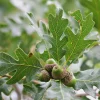

Chinkapin Oak Tree Live Plant – 5 Quercus muehlenbergii 12-24″ Starter Quart Pot
Original price was: $129.99.$104.99Current price is: $104.99.
Cultivate a beautiful shade tree with this 5-pack of Chinkapin Oak tree starter plants. Each Quercus muehlenbergii live plant is 12-24 inches tall, ready for planting outdoors. Known for its adaptability and attractive foliage, it’s a great addition to any landscape.
Estimated arrival
Sep 29
Oct 04 - Oct 06
Oct 09 - Oct 13
Shop With Confidence
30-Day Plant Health Guarantee
Arrives damaged? We’ll replace it free — see our return policy.
Responsive Support
Email us anytime, we reply within 1 business day.
Expert Packaging
Temperature-controlled shipping to protect your plants in transit.
Secure Checkout
Pay safely with Visa, Mastercard, PayPal.
Plant Specifications
-
USDA Hardiness Zone
USDA Zones 4-8 -
Soil Type
Well-draining soil, adaptable to various types including alkaline -
Sunlight Exposure
Full sun -
Expected Planting Period
Spring to fall
Overview
Introduce a magnificent and resilient species to your landscape with this offer for five Chinkapin Oak tree starter plants. Scientifically known as Quercus muehlenbergii, these young trees are robust and ready to establish themselves in your garden or property. The Chinkapin Oak tree is highly valued for its strong, durable wood, attractive foliage, and its ability to thrive in a variety of conditions, making it a superb choice for both ornamental and ecological purposes. Each plant arrives as a healthy, vibrant starter plant, carefully nurtured to ensure a smooth transition to its new home. This species is particularly noted for its sweet, edible acorns, which are a favorite food source for wildlife, adding an extra layer of biodiversity to your environment.
The Quercus muehlenbergii live plant is a deciduous oak that belongs to the white oak group. It’s characterized by its unique, chestnut-like leaves, which are bright green and turn a pleasing yellow-brown in autumn. Unlike some other oak species, the Chinkapin Oak is relatively fast-growing once established, providing quicker shade and visual impact. Its adaptability to various soil types and its impressive drought tolerance make it a low-maintenance yet high-reward addition to almost any landscape. Whether you’re looking to create a naturalized area, a shade canopy, or a wildlife habitat, these five starter plants offer an excellent foundation for a thriving, long-lived grove.
Key Benefits
The Chinkapin Oak tree offers a multitude of benefits, making it a standout choice for gardeners and landscapers alike. Its robust nature and aesthetic appeal contribute significantly to any outdoor space.
- Excellent Shade Provider: As a mature tree, the Chinkapin Oak tree develops a broad, rounded canopy, casting dense shade perfect for cooling your home or creating comfortable outdoor living spaces during hot summer months. Its strong branches provide reliable coverage for decades.
- Wildlife Attraction: Produces sweet, palatable acorns that are a crucial food source for various wildlife, including deer, turkeys, squirrels, and other small mammals and birds. Planting these trees helps support local ecosystems and biodiversity.
- Drought Tolerance: Once established, Quercus muehlenbergii live plant is remarkably resistant to drought conditions, making it an ideal choice for landscapes in regions with irregular rainfall or for those seeking water-wise gardening solutions.
- Adaptable to Soil Types: Thrives in a wide range of soil conditions, from dry, rocky hillsides to moist, well-drained loams. It is particularly tolerant of alkaline soils, where many other oak species struggle.
- Attractive Foliage: Features distinctive, saw-toothed leaves that resemble those of a chestnut tree, providing unique texture and visual interest. The leaves turn a beautiful yellow-brown in autumn, adding seasonal color to your yard.
- Fast Growth Rate: Compared to many other oak species, the fast growing oak tree characteristic of the Chinkapin Oak means you’ll enjoy its benefits sooner. It establishes quickly and adds significant height and spread each year.
- Long Lifespan: A long-lived tree, the Chinkapin Oak can provide beauty and ecological benefits for generations, making it a valuable investment for future enjoyment and environmental contribution.
Plant Care & Growing Tips
Caring for your Chinkapin Oak tree starter plants is straightforward, ensuring they grow into majestic specimens. These trees are known for their resilience, but providing optimal conditions during their early years will lead to the best results. The Quercus muehlenbergii live plant prefers full sun, meaning at least 6 hours of direct sunlight per day. While it can tolerate some partial shade, especially when young, full sun exposure promotes the strongest growth and best form. Prepare your planting site by digging a hole twice as wide as the root ball and just as deep, ensuring the top of the root ball is level with the surrounding soil.
When it comes to watering, young Chinkapin Oak tree plants require consistent moisture to establish a strong root system. Water deeply once or twice a week during the first growing season, especially during dry spells. Once established, this tree exhibits excellent drought tolerant oak characteristics and will require less frequent watering, typically only during prolonged dry periods. The Chinkapin Oak is not particular about soil type and can adapt to various conditions, from clay to sandy loam, but it thrives best in well-drained soil. It is particularly tolerant of alkaline soils, which can be a challenge for other oak varieties. Fertilization is generally not necessary for healthy, established trees, but a balanced, slow-release fertilizer can be applied in early spring for young trees to encourage vigorous growth. Avoid over-fertilizing, as this can harm the plant.
Pruning should primarily focus on removing dead, damaged, or diseased branches to maintain the tree’s health and structural integrity. Any major structural pruning is best done in late winter when the tree is dormant. This helps shape the tree and prevents future problems. The fast growing oak tree is generally resistant to most pests and diseases, but regular inspection can help catch any issues early. Ensure good air circulation around the tree and avoid overwatering to prevent fungal problems. With proper care, your Chinkapin Oak will flourish, providing shade and beauty for many years.
Size & Details
This offering includes five healthy Chinkapin Oak tree starter plants, each measuring approximately 12-24 inches in height from the top of the soil in their quart-sized pots. These young trees are grown in 1-quart containers, providing a well-developed root system ready for transplanting. While they are currently modest in size, the Chinkapin Oak is known as a fast growing oak tree and will quickly begin to add significant height and spread once established in your landscape. You can expect these trees to reach a mature height of 50-70 feet with a spread of 50-70 feet, forming a majestic, rounded canopy.
These Quercus muehlenbergii live plant specimens are shipped potted in their original growing medium to minimize transplant shock and ensure they arrive in the best possible condition. The Chinkapin Oak is a deciduous tree, meaning it will shed its leaves in the fall and grow new ones in the spring. It typically takes several years for the tree to begin producing acorns, but once it does, it will provide a consistent food source for local wildlife. The expected time to reach a significant size for shade production is around 10-15 years, with continued growth for many decades. These trees are ideal for planting in spring or fall, allowing their root systems to establish before extreme temperatures.
Frequently Asked Questions
- Q: How big does this plant get? A: The Chinkapin Oak tree can reach a mature height of 50-70 feet with a similar spread, developing a broad, rounded canopy. Its impressive size makes it an excellent choice for large landscapes needing significant shade.
- Q: What size pot does it come in? A: Each Chinkapin Oak tree starter plant is shipped in a 1-quart pot, ensuring the root system is well-protected and ready for transplanting into your garden or a larger container.
- Q: Is this an indoor or outdoor plant? A: The Chinkapin Oak tree is an outdoor plant. It requires ample space to grow and thrives when planted directly in the ground, where it can reach its full potential as a large shade tree.
- Q: How much sunlight does it need? A: This tree prefers full sun, meaning it needs at least 6 hours of direct sunlight per day to grow vigorously and maintain its health. It can tolerate some partial shade, especially when young.
- Q: Is this plant easy to care for? A: Yes, the Chinkapin Oak tree is considered relatively easy to care for, especially once established. It is known for its adaptability, disease resistance, and drought tolerant oak characteristics, making it a low-maintenance option.
- Q: What condition will it arrive in? A: Your Quercus muehlenbergii live plant will arrive as a healthy, actively growing starter plant, carefully packaged in its quart pot with soil to ensure minimal stress during transit.
- Q: When is the best time to plant? A: The best times to plant your Chinkapin Oak tree are in the spring or fall. This allows the tree to establish its root system during milder temperatures before the stress of summer heat or winter cold.
- Q: Will it survive winter in my zone? A: The Chinkapin Oak is a very hardy tree, typically thriving in USDA Hardiness Zones 4-8. It is well-adapted to cold winters and hot summers within these zones.
- Q: Is it a fast growing oak tree? A: Yes, compared to many other oak varieties, the Chinkapin Oak is considered a fast growing oak tree. It establishes quickly and exhibits a good growth rate, especially in favorable conditions.
- Q: Does this tree produce acorns? A: Yes, mature Chinkapin Oak tree specimens produce sweet, edible acorns. These acorns are a valuable food source for various wildlife and contribute to the ecological diversity of your property.
Be the first to review “Chinkapin Oak Tree Live Plant – 5 Quercus muehlenbergii 12-24″ Starter Quart Pot”
People Also Viewed
Reviews
There are no reviews yet.