
Pawpaw Trees Live Plants – Asimina triloba – 2 Gallon Pots – Fruit Bearing
Original price was: $149.99.$139.99Current price is: $139.99.
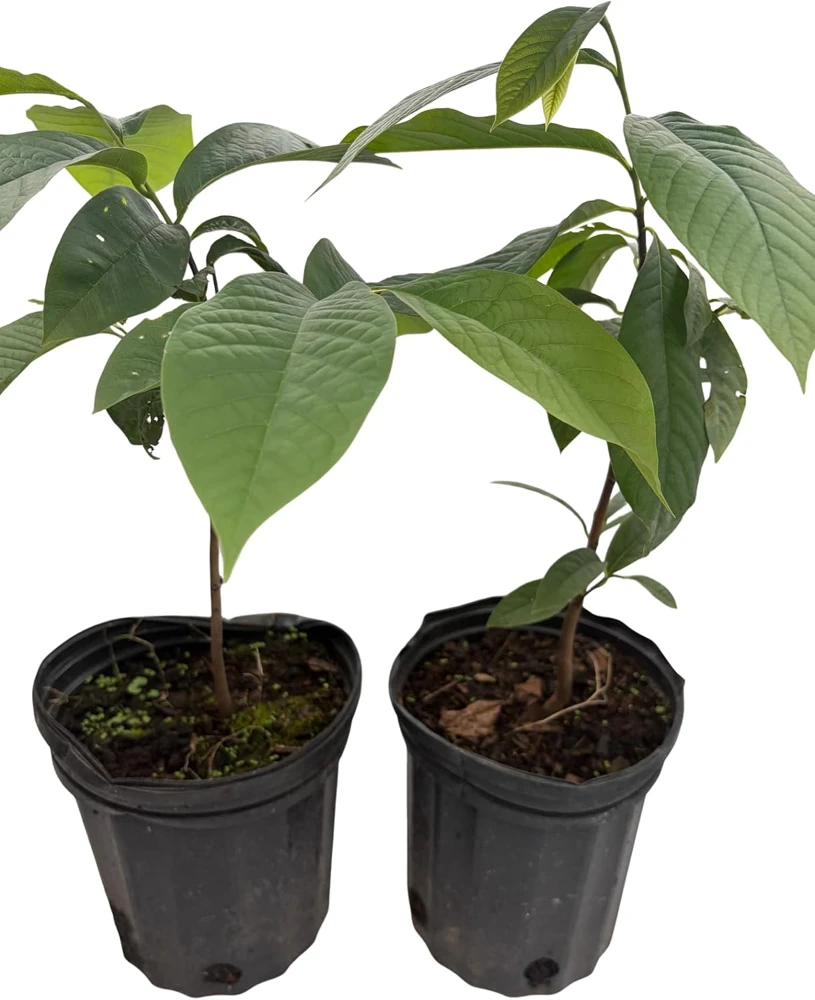
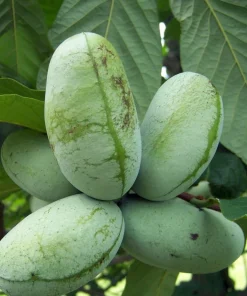
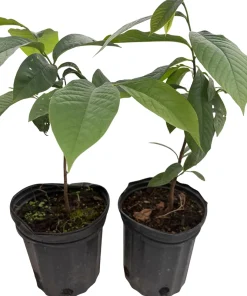
Cultivate your own unique, tropical-tasting fruit with these pawpaw trees live plants. This offering includes 2 Gallon Pots of the native American fruit tree, Asimina triloba fruit, known for its delicious, custard-like flavor. These deciduous trees are cold hardy and thrive in USDA Zones 4-9, making them a fantastic addition to many home gardens.
Estimated arrival
Sep 29
Oct 04 - Oct 06
Oct 09 - Oct 13
Shop With Confidence
30-Day Plant Health Guarantee
Arrives damaged? We’ll replace it free — see our return policy.
Responsive Support
Email us anytime, we reply within 1 business day.
Expert Packaging
Temperature-controlled shipping to protect your plants in transit.
Secure Checkout
Pay safely with Visa, Mastercard, PayPal.
Plant Specifications
-
USDA Hardiness Zone
4-9 -
Soil Type
Well-draining, rich, slightly acidic to neutral soil -
Sunlight Exposure
Partial shade when young, full sun when mature -
Expected Planting Period
Spring to early fall
Overview
Bring a taste of the American tropics to your garden with these magnificent pawpaw trees live plants. This listing includes two healthy specimens of Asimina triloba, commonly known as Pawpaw, Paw Paw, or Papaw. Often referred to as the “Poor Man’s Banana” or “Hoosier Banana,” the pawpaw is the largest edible fruit native to North America, offering a unique, creamy flavor reminiscent of banana, mango, and pineapple. These deciduous trees are well-suited for a wide range of climates, demonstrating excellent frost tolerance down to -25°F, thriving in USDA Zones 4-9. Establishing these trees in your landscape will not only provide delicious fruit but also contribute to local biodiversity.
The pawpaw tree is a fascinating and rewarding addition for any gardener looking to expand their edible landscape. Historically spread across the eastern U.S. by Native Americans, these trees have a rich heritage. Our Asimina triloba fruit trees are supplied in 2 Gallon Pots, providing a robust root system for successful transplanting and growth. They are an excellent choice for those interested in sustainable gardening and enjoying a truly unique, native American fruit.
Key Benefits
Investing in pawpaw trees live plants offers a multitude of advantages for the home gardener. These unique fruit trees provide more than just a harvest; they offer a blend of ecological and culinary benefits that are hard to match:
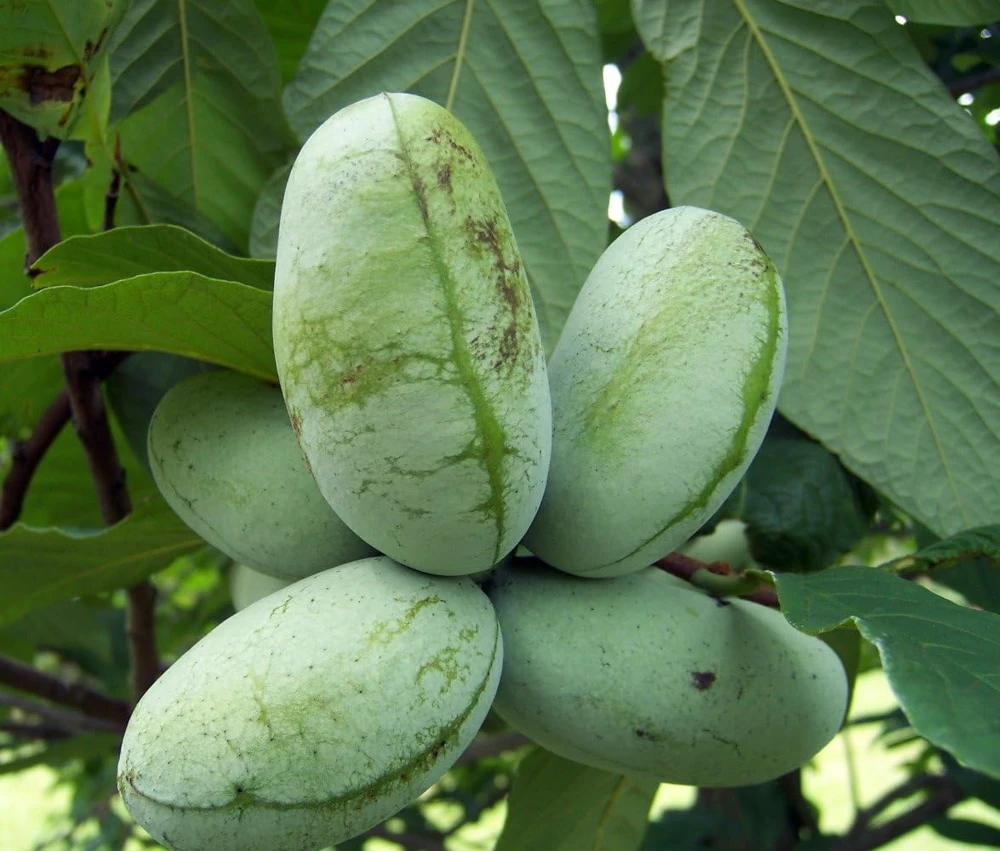
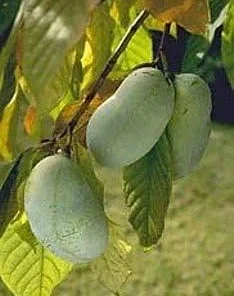
- Unique Edible Fruit: Enjoy the largest native American fruit, known for its creamy, tropical flavor. The Asimina triloba fruit can weigh between 5 to 16 ounces, providing a substantial and delicious treat.
- Cold Hardiness: Exceptionally resilient, these trees can withstand temperatures as low as -25°F, making them suitable for a wide range of temperate climates (USDA Zones 4-9). This makes them a reliable choice for those seeking cold hardy fruit trees.
- Low Maintenance: Once established, pawpaw trees are relatively low-maintenance, requiring minimal intervention compared to many other fruit-bearing trees. They are naturally adapted to their native environment.
- Native Plant Benefits: Supporting local ecosystems, pawpaw trees provide food and habitat for native wildlife, including the zebra swallowtail butterfly, which uses pawpaw leaves as its host plant.
- Ornamental Value: With their often narrowly conical growth habit and attractive foliage, pawpaw trees add an aesthetic appeal to your landscape, growing to a mature height of 12 to 20 feet.
- Container Growing Potential: While typically grown in the ground, pawpaws can be grown as container specimens if a deep pot is provided to accommodate their root system, offering flexibility for smaller spaces or patios.
- Health Benefits: Pawpaw fruit is rich in vitamins, minerals, and antioxidants, contributing to a healthy diet straight from your own garden.
Plant Care & Growing Tips
Caring for your pawpaw trees live plants is relatively straightforward, especially once they are established. Pawpaws prefer a location with well-draining soil and partial shade when young, gradually transitioning to full sun as they mature for optimal fruit production. In their native habitat, young pawpaws often grow as understory trees. For best results, plant in an area that receives at least 6 hours of direct sunlight once the trees are established. They are adaptable to various soil types but thrive in rich, deep, and slightly acidic to neutral soils with good drainage. Avoid waterlogged conditions, as this can lead to root rot.
Watering is crucial, especially during the first few years after planting and during dry spells. Keep the soil consistently moist but not saturated. Fertilize in early spring with a balanced, slow-release fertilizer designed for fruit trees. Protect young trees from strong winds and intense afternoon sun for the first year or two. Pruning is generally minimal, focused on removing dead or crossing branches to maintain good air circulation and shape. Understanding pawpaw plant care will ensure a bountiful harvest. These trees are generally pest and disease resistant, contributing to their appeal as cold hardy fruit trees.
Pawpaws require cross-pollination to produce fruit, meaning you’ll need at least two genetically distinct trees for successful fruiting. Since this offering includes two plants, you’re well on your way to a successful harvest of Asimina triloba fruit. Expect fruit production to begin within 3-5 years after planting. The deep winter dormancy of the tree helps it withstand cold temperatures, making it a reliable choice for gardeners in cooler regions who want to grow pawpaw fruit.
Size & Details
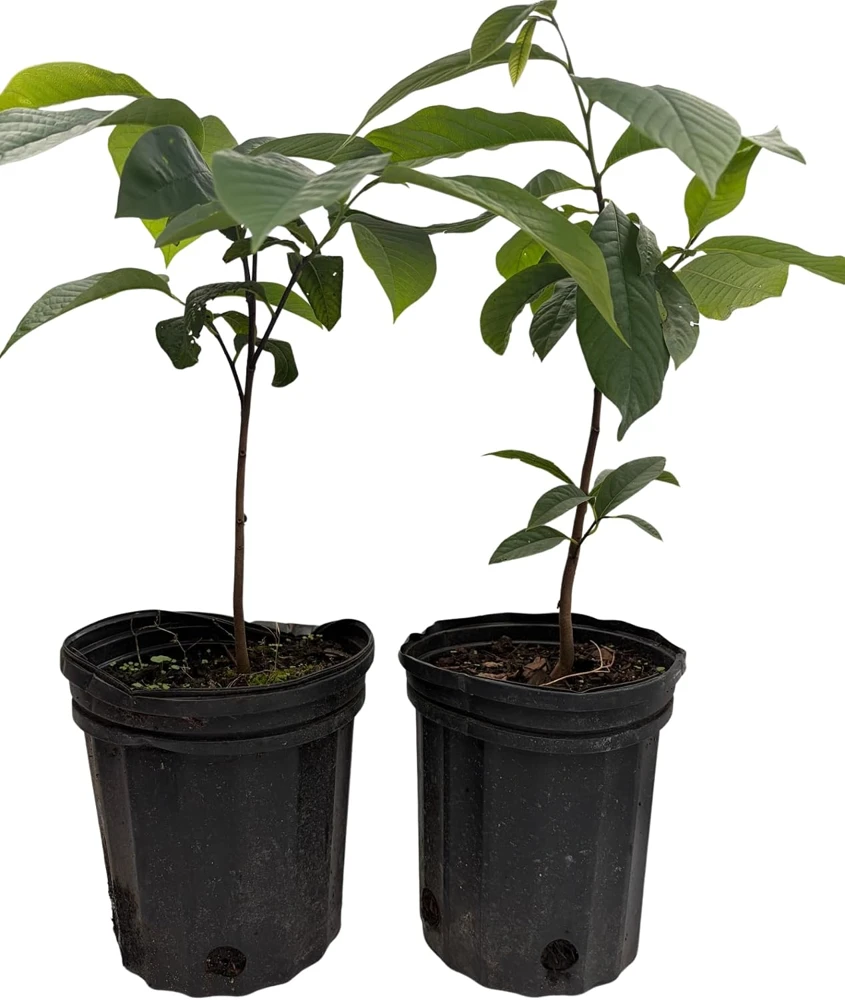
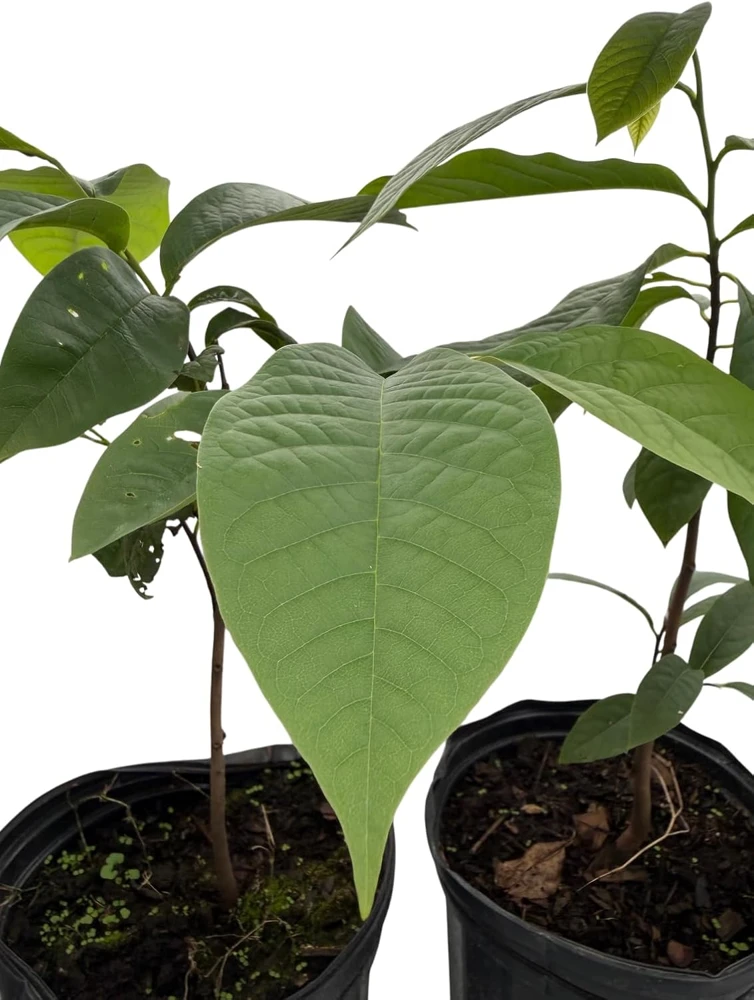
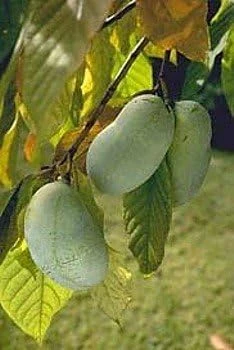
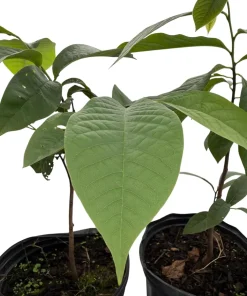
This offering includes two healthy pawpaw trees live plants, each grown in a 2 Gallon Pots. These plants have established root systems, ready for transplanting into your garden or a larger container. Pawpaw trees are deciduous, meaning they will lose their leaves in the fall and grow new ones in the spring. They typically grow into a narrowly conical shape, reaching a mature height of approximately 12 to 20 feet, with a spread of 10 to 15 feet. Growth rate is moderate. Individual fruits are substantial, weighing between 5 to 16 ounces and measuring 3 to 6 inches in length, often appearing in clusters.
The trees are shipped with care to ensure they arrive in excellent condition, ready for planting. While measurements are approximate, these are robust young trees with strong growth potential. They are suitable for planting in USDA Hardiness Zones 4-9. With proper pawpaw plant care, you can expect these trees to become a long-term, productive addition to your landscape, allowing you to grow pawpaw fruit for many years to come.
Frequently Asked Questions
- Q: How big do these pawpaw trees get? A: These pawpaw trees live plants typically grow to a mature height of 12 to 20 feet with a spread of 10 to 15 feet. They are supplied in 2 Gallon Pots, providing a good start for growth.
- Q: Is this an indoor or outdoor plant? A: Pawpaw trees are outdoor plants, ideally suited for temperate climates in USDA Zones 4-9. They require seasonal changes to thrive and produce Asimina triloba fruit.
- Q: How much sunlight does it need? A: Young pawpaw trees prefer partial shade, especially in hot climates. As they mature, they require at least 6 hours of full sun daily for optimal fruit production.
- Q: Is this plant easy to care for? A: Yes, once established, pawpaw trees are considered relatively low-maintenance. They are naturally resilient and require basic pawpaw plant care like watering and occasional fertilization.
- Q: What condition will it arrive in? A: Your pawpaw trees live plants will arrive carefully packaged in their 2 Gallon Pots, ensuring they are healthy and ready for planting. We prioritize safe delivery of our cold hardy fruit trees.
- Q: Can I grow pawpaw fruit in a container? A: While primarily an in-ground tree, pawpaws can be grown in large, deep containers. Ensure the pot is deep enough to accommodate its taproot system.
- Q: When is the best time to plant pawpaw trees? A: The best time to plant pawpaw trees is in spring or early fall, allowing the roots to establish before extreme temperatures. This is key to successfully grow pawpaw fruit.
- Q: Will it survive winter in my zone? A: Pawpaw trees are very cold hardy, thriving in USDA Zones 4-9 and capable of withstanding temperatures down to -25°F. This makes them excellent cold hardy fruit trees.
- Q: Do I need more than one pawpaw tree to get fruit? A: Yes, pawpaws require cross-pollination from a genetically different tree to produce fruit. This listing includes two plants, increasing your chances of a successful harvest of Asimina triloba fruit.
Be the first to review “Pawpaw Trees Live Plants – Asimina triloba – 2 Gallon Pots – Fruit Bearing”
People Also Viewed
Houseplants
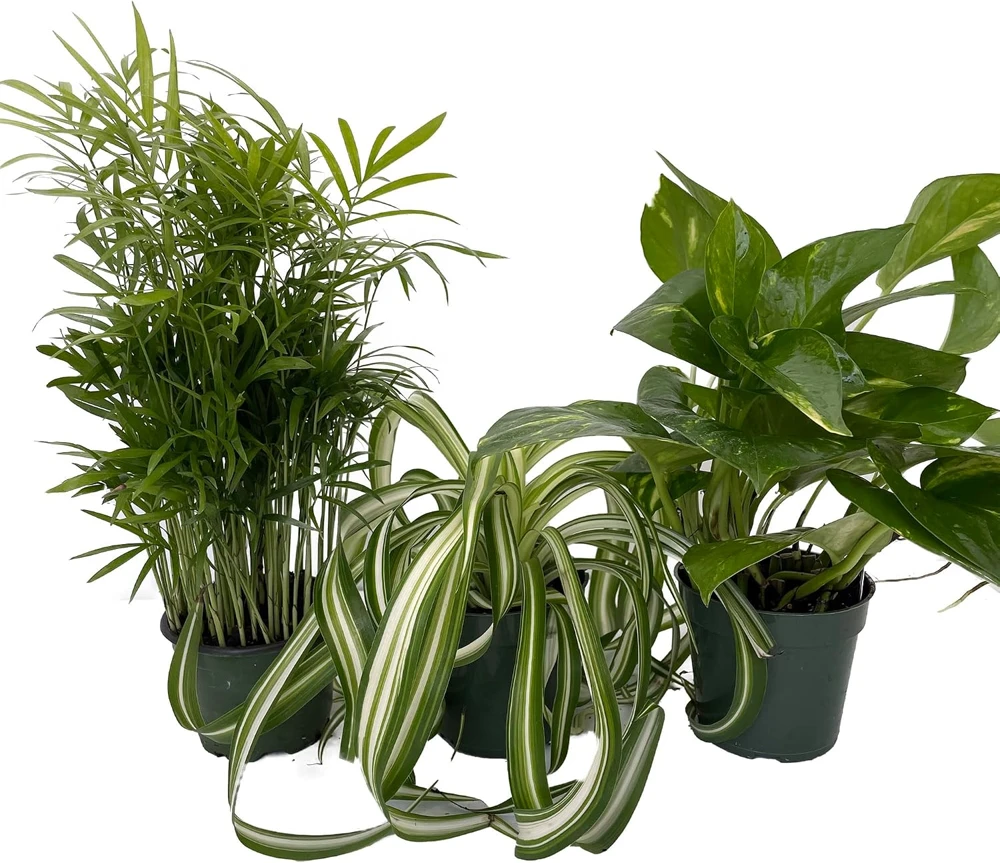
Dorm Room Plant Collection – 3 Live Plants, Parlor Palm, Spider Plant, Pothos, 4″ Pots, Indoor
Reviews
There are no reviews yet.