
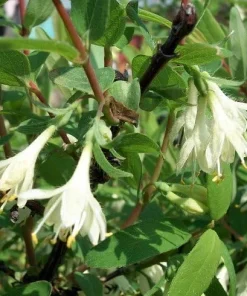
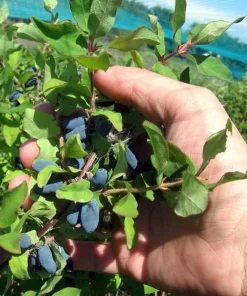
Tundra Sweetberry Edible Honeysuckle Live Plant – Haskap – 4″ Pot – Outdoor
Original price was: $51.99.$41.99Current price is: $41.99.
Cultivate your own delicious berries with the Tundra Sweetberry Edible Honeysuckle live plant. This robust Haskap berry plant, delivered in a 4″ Pot, is known for its early-ripening, flavorful fruit, perfect for gardeners in colder climates.
Estimated arrival
Sep 29
Oct 04 - Oct 06
Oct 09 - Oct 13
Shop With Confidence
30-Day Plant Health Guarantee
Arrives damaged? We’ll replace it free — see our return policy.
Responsive Support
Email us anytime, we reply within 1 business day.
Expert Packaging
Temperature-controlled shipping to protect your plants in transit.
Secure Checkout
Pay safely with Visa, Mastercard, PayPal.
Plant Specifications
-
USDA Hardiness Zone
USDA Zones 3-7 -
Soil Type
Well-draining, slightly acidic to neutral (pH 5.5-7.0) soil -
Sunlight Exposure
Full sun to partial shade -
Expected Planting Period
Early spring to fall
Overview
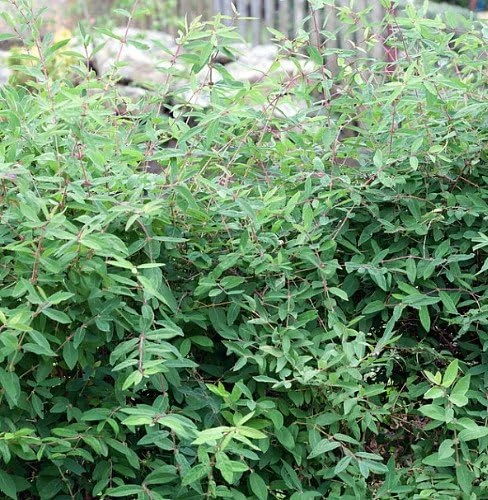
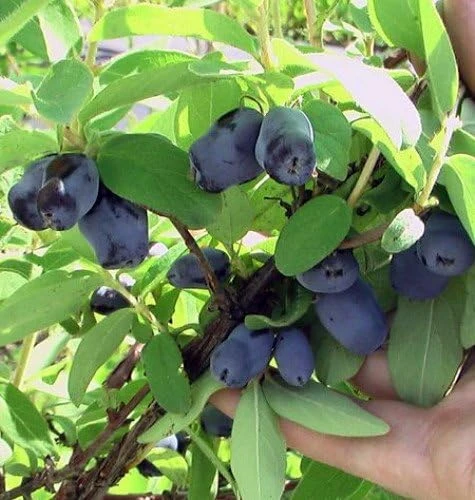
Discover the joy of growing your own superfruits with the Tundra Sweetberry Edible Honeysuckle. This remarkable plant, also widely known as Haskap or Honeyberry, is a fantastic addition to any edible landscape, particularly for those in cooler regions. Our offerings include a healthy Tundra Sweetberry Edible Honeysuckle live plant, ready to thrive in your garden. Derived from the species Lonicera caerulea ‘Tundra’, this variety is celebrated for its early harvest, producing delicious, elongated blue fruits even before strawberries make their appearance. These compact, hardy European bushes are incredibly resilient, thriving in conditions as harsh as Siberia, making them an ideal choice for gardeners seeking a low-maintenance yet productive fruit-bearing shrub.
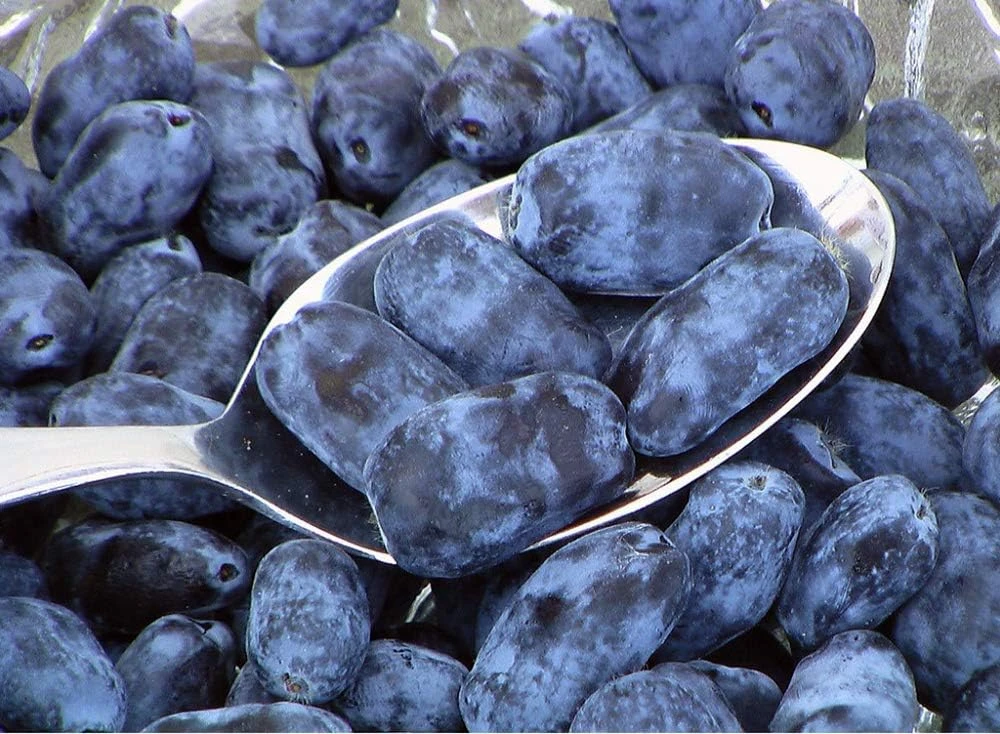
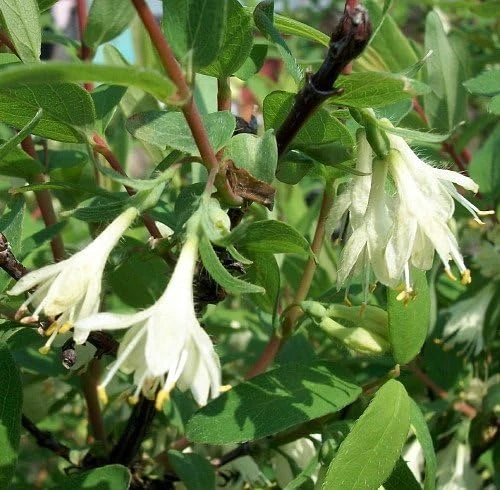
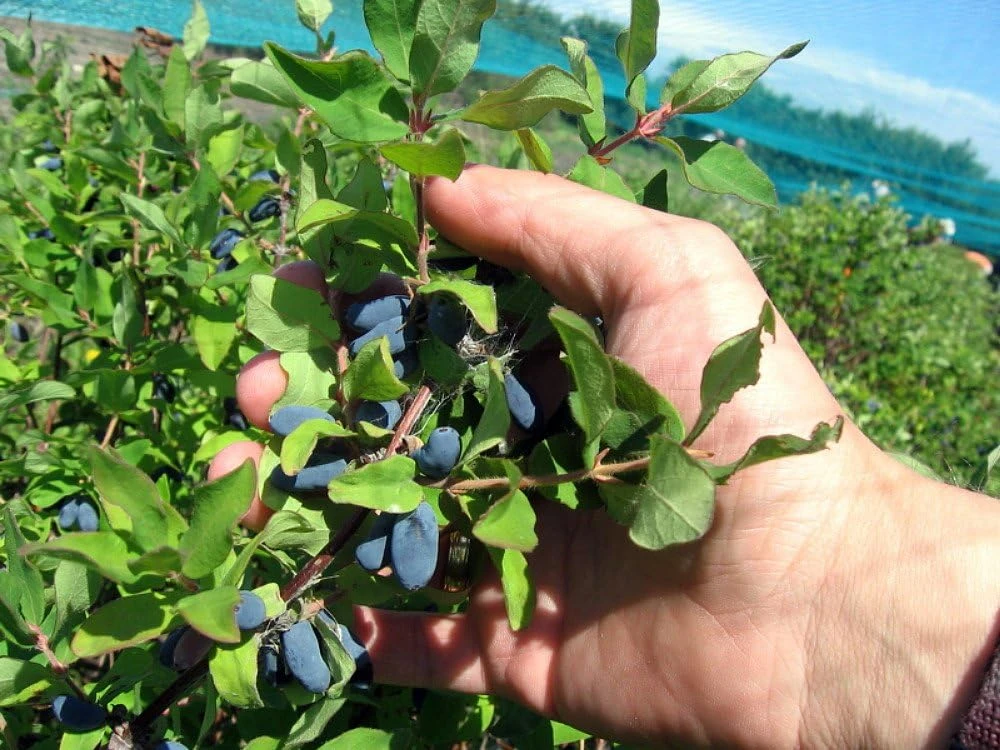
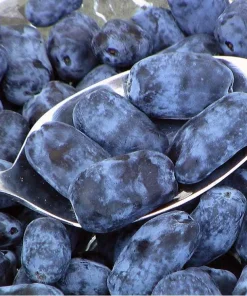
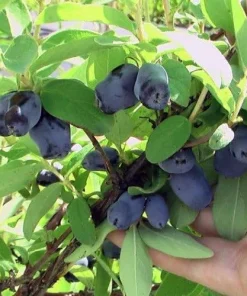
The ‘Tundra’ cultivar stands out among other honeyberry varieties for its exceptional fruit quality. The berries are plump, highly aromatic, and boast a unique flavor profile often described as a delightful blend of black raspberry sweetness with a blueberry tang. With an average fruit weight of 1.5 grams, they are larger than many other types, and their attractive light blue color and shape make them a visually appealing treat. While the flowers are subtle, the true reward lies in the abundant and flavorful harvest. For optimal fruit set, the Tundra Sweetberry Edible Honeysuckle requires a pollinator such as ‘Berry Blue’, ensuring you receive a generous crop of these antioxidant-rich berries. This Haskap berry plant is a true garden gem.
Key Benefits
The Tundra Sweetberry Edible Honeysuckle offers a multitude of advantages for the home gardener, combining ornamental appeal with practical fruit production. Its hardiness and delicious berries make it a standout choice for various landscapes.
- Early & Abundant Fruit Production: Enjoy delicious, elongated blue berries that ripen well before strawberries, typically 1-2 years after planting. This early harvest provides a unique opportunity for fresh fruit when other options are still developing.
- Exceptional Flavor Profile: ‘Tundra’ is renowned for its top-rated flavor, offering a delightful combination of black raspberry sweetness with a refreshing blueberry tang. The highly aromatic, plump fruits are a gourmet treat.
- Cold Hardy & Resilient: Thrives in cold climates, performing best in USDA Zones 3-7, making it an excellent choice for northern gardeners. This honeyberry bush is highly adaptable to various conditions.
- Low Maintenance & Easy Care: Once established, this edible honeysuckle plant requires minimal attention, making it suitable for both experienced and novice gardeners. Its robust nature means less fuss and more enjoyment.
- Nutrient-Rich Superfruit: Haskap berries are packed with antioxidants, vitamins, and minerals, offering a healthy and delicious addition to your diet. Enjoy them fresh, in jams, pies, or smoothies.
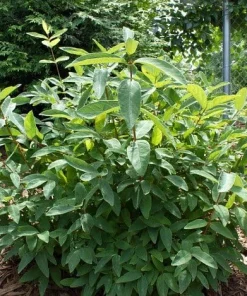
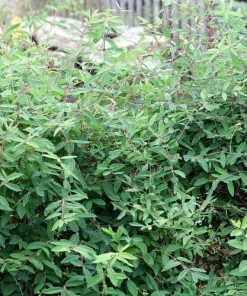
- Attractive Landscape Addition: Beyond its fruit, the compact bush offers year-round interest with its neat habit. It’s a functional and beautiful shrub for your garden.
- Pollinator for Other Varieties: The ‘Tundra’ variety benefits from cross-pollination to maximize fruit set, ensuring a productive harvest when paired with a suitable companion like ‘Berry Blue’.
Plant Care & Growing Tips
Caring for your Tundra Sweetberry Edible Honeysuckle is straightforward, thanks to its hardy nature. To ensure a bountiful harvest, understanding its specific needs is key. This Haskap berry plant prefers a location that receives full sun to partial shade, meaning at least 6 hours of direct sunlight daily for optimal fruit production. While tolerant of some shade, more sun generally leads to sweeter and more abundant berries. Ensure good air circulation around the plant to prevent fungal issues.
Watering should be consistent, especially during the plant’s establishment phase and dry periods. Honeyberries prefer consistently moist, but not waterlogged, soil. A good rule of thumb is to water deeply when the top inch or two of soil feels dry to the touch. The ideal soil for this honeyberry bush is well-draining, slightly acidic to neutral (pH 5.5-7.0), and rich in organic matter. Amending heavy clay soils with compost or peat moss can improve drainage and fertility. Fertilize in early spring with a balanced slow-release fertilizer or an organic berry fertilizer to support healthy growth and fruit development. Pruning is generally minimal, focusing on removing dead or weak branches and shaping the bush after fruiting to maintain vigor.
The Lonicera caerulea Tundra is exceptionally cold hardy, thriving in USDA Zones 3-7. It can tolerate temperatures well below freezing, making it a reliable choice for regions with harsh winters. However, late frosts can sometimes affect early flower production, leading to shy fruiting in certain years. Providing some protection during unexpected late frosts can help. Pests and diseases are generally not a major concern for this resilient plant, but monitoring for common garden issues and addressing them promptly will help maintain a healthy and productive bush. With proper care, your edible honeysuckle plant will provide years of delicious, early-season fruit.
Size & Details
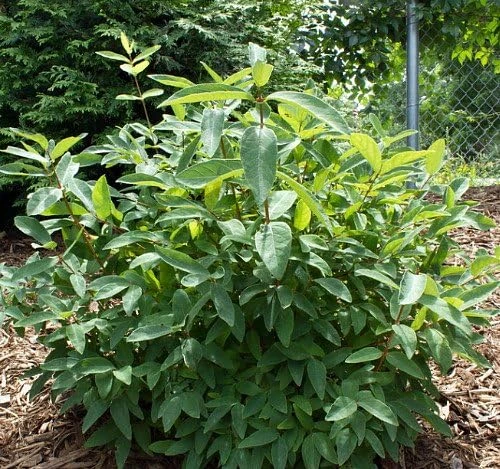
Your Tundra Sweetberry Edible Honeysuckle live plant arrives in a 4″ Pot, providing a well-established root system ready for planting. This ensures a strong start in your garden, allowing the plant to quickly acclimate and begin its growth cycle. The mature height of the ‘Tundra’ variety typically ranges from 5-6 feet, with a similar spread, forming a compact, rounded bush. When planting, allow for a 4-foot circle of space around each plant to accommodate its mature size and ensure adequate air circulation. This variety is known for producing large crops of elongated blueberry-like fruits within 1-2 years after planting, reaching its full productive potential within 3-5 years.
This Haskap berry plant is shipped as a healthy, actively growing specimen, carefully packaged to minimize stress during transit. It is crucial to plant two different varieties of honeyberry for maximum berry production, as cross-pollination significantly increases yields. ‘Tundra’ requires a companion pollinator like ‘Berry Blue’ to set fruit effectively. This ensures that you will enjoy an abundant harvest of its distinctively flavored berries. The plant is suitable for outdoor cultivation in USDA Zones 3-7, making it a versatile and reliable choice for many North American climates.
Frequently Asked Questions
- Q: How big does the Tundra Sweetberry Edible Honeysuckle get? A: The Tundra variety typically grows to a mature height of 5-6 feet with a similar spread, forming a compact, rounded bush.
- Q: What size pot does it come in? A: This edible honeysuckle plant is delivered as a live plant in a 4″ Pot, ensuring a healthy start for your garden.
- Q: Is this an indoor or outdoor plant? A: The Tundra Sweetberry Edible Honeysuckle is an outdoor plant, highly adapted to various climates and best suited for garden planting.
- Q: How much sunlight does it need? A: This Haskap berry plant thrives in full sun to partial shade, ideally receiving at least 6 hours of direct sunlight daily for optimal fruit production.
- Q: Is this plant easy to care for? A: Yes, honeyberries are generally considered easy to care for, requiring consistent watering, well-draining soil, and minimal pruning once established.
- Q: What condition will it arrive in? A: Your plant will arrive as a healthy, actively growing live plant, carefully packaged to ensure its well-being during transit.
- Q: When is the best time to plant this honeyberry bush? A: The best time to plant is in early spring or fall, allowing the plant to establish its root system before extreme temperatures.
- Q: Will it survive winter in my zone? A: Yes, the Lonicera caerulea Tundra is extremely cold hardy and thrives in USDA Zones 3-7, easily surviving harsh winters.
- Q: Does the Tundra Sweetberry Edible Honeysuckle need a pollinator? A: Yes, for maximum fruit production, ‘Tundra’ requires a different honeyberry variety as a pollinator, such as ‘Berry Blue’.
- Q: How long until it produces fruit? A: You can expect the Tundra Sweetberry Edible Honeysuckle to produce fruit within 1-2 years after planting, with significant yields in 3-5 years.
Be the first to review “Tundra Sweetberry Edible Honeysuckle Live Plant – Haskap – 4″ Pot – Outdoor”
People Also Viewed
Reviews
There are no reviews yet.