
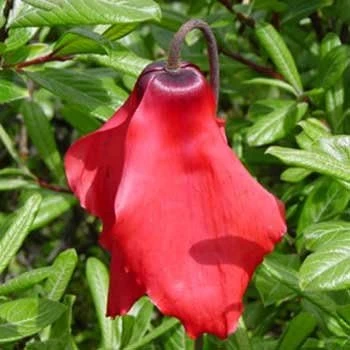
Red Flag Himalayan Poppy Seeds – Meconopsis Perennial, 25 Seed Pack
Original price was: $27.99.$17.99Current price is: $17.99.
Cultivate the striking beauty of the Red Flag Himalayan Poppy seeds in your garden. This perennial Meconopsis variety produces vibrant red blooms, adding an exotic touch to any landscape. Each pack contains 25 seeds, perfect for starting your own stunning floral display.
Estimated arrival
Sep 29
Oct 04 - Oct 06
Oct 09 - Oct 13
Shop With Confidence
30-Day Plant Health Guarantee
Arrives damaged? We’ll replace it free — see our return policy.
Responsive Support
Email us anytime, we reply within 1 business day.
Expert Packaging
Temperature-controlled shipping to protect your plants in transit.
Secure Checkout
Pay safely with Visa, Mastercard, PayPal.
Plant Specifications
-
USDA Hardiness Zone
USDA Zones 3-8 -
Soil Type
Rich, well-draining, slightly acidic to neutral loam -
Sunlight Exposure
Partial to full shade -
Expected Planting Period
Late autumn or early spring
Overview
Discover the captivating allure of the Red Flag Himalayan Poppy seeds, a truly remarkable addition to any garden. This exquisite perennial, scientifically known as Meconopsis punicea, is renowned for its vibrant, cup-shaped red flowers that seem to float delicately on slender stems. Originating from the high altitudes of the Himalayas, this plant brings a touch of rare, exotic beauty to temperate climates. Unlike many common poppies, the Himalayan Poppy offers a sophisticated elegance with its rich color and unique form. Each packet contains 25 seeds, providing an excellent opportunity to grow these stunning blooms from scratch. Perfect for gardeners looking to introduce a splash of dramatic color and an intriguing botanical specimen, these Meconopsis perennial seeds promise a rewarding cultivation experience.
The Red Flag Himalayan Poppy seeds are ideal for creating a focal point in shaded garden beds or woodland settings. Their distinct appearance and striking hue make them stand out amongst other perennials. With proper care and attention, these seeds will germinate into strong, healthy plants that will grace your garden for years to come. Prepare to be enchanted by the delicate yet bold presence of these magnificent flowers.
Key Benefits
Cultivating Red Flag Himalayan Poppy seeds offers numerous advantages for the discerning gardener:
- Stunning Visual Appeal: The primary benefit is undoubtedly the breathtaking beauty of its vibrant red, cup-shaped flowers. These unique blooms create a dramatic and sophisticated focal point, drawing the eye and enhancing the aesthetic of any garden space. They are a true conversation starter.
- Exotic & Rare Addition: Unlike more common garden flowers, the Himalayan Poppy brings an exotic and somewhat rare quality to your landscape. Growing these Meconopsis perennial seeds allows you to cultivate a plant not often seen, making your garden truly unique.
- Perennial Growth: As a perennial, once established, the Red Flag Himalayan Poppy will return year after year, providing continuous beauty without the need for annual replanting. This makes it a sustainable and cost-effective choice for long-term garden planning.
- Shade Garden Enhancement: These poppies thrive in partial to full shade, making them perfect for illuminating darker corners of the garden where other sun-loving plants might struggle. They add vibrant color to areas that often lack it.
- Pollinator Friendly: While not a primary pollinator plant, the delicate flowers can still attract beneficial insects, contributing to the overall health and biodiversity of your garden ecosystem.
- Rewarding Growing Experience: Successfully growing these unique poppies from red poppy seeds provides immense satisfaction and a deeper connection to nature. The journey from seed to bloom is particularly gratifying.
- Architectural Interest: The elegant stems and distinct flower shape provide interesting architectural form in the garden, adding depth and structure to your plant arrangements.
Plant Care & Growing Tips
Growing the Red Flag Himalayan Poppy seeds requires attention to specific environmental conditions to ensure their success. These plants prefer cool, moist, and partially shaded environments, mimicking their natural Himalayan habitat. When planting your Meconopsis perennial seeds, choose a site with dappled sunlight or morning sun and afternoon shade. Avoid harsh, direct afternoon sun, which can scorch the delicate foliage and flowers. Consistent moisture is crucial; the soil should never be allowed to dry out completely, but also ensure good drainage to prevent root rot. A layer of organic mulch can help maintain soil moisture and keep roots cool.
For soil, opt for a rich, well-draining, slightly acidic to neutral loam. Amending heavy clay soils with compost and grit will improve drainage and fertility. Sow red poppy seeds in late autumn or early spring directly outdoors, or start them indoors 8-10 weeks before the last frost. Lightly cover the seeds with fine soil or vermiculite, as they require light to germinate. Germination can be slow and erratic, so patience is key. Once seedlings emerge, thin them to 12-18 inches apart to allow for proper air circulation and growth. Protect young plants from slugs and snails, which can be particularly damaging. Fertilize sparingly with a balanced, slow-release fertilizer in spring. The Red Flag Himalayan Poppy is generally hardy in USDA zones 3-8, but may require winter protection in colder zones.
Size & Details
The Red Flag Himalayan Poppy typically grows to a height of 18-30 inches (45-75 cm) with a spread of 12-18 inches (30-45 cm) when mature, forming an upright clump of foliage and flower stalks. The striking red flowers, which are about 2-3 inches (5-7.5 cm) in diameter, appear in late spring to early summer, usually from May to July, depending on your climate. Each packet contains 25 seeds, ready for planting. These are perennial flower seeds, meaning they will return year after year once established, offering a long-lasting display of color. The plants are shipped as seeds, providing you with the opportunity to nurture them from the very beginning. Expect flowering to begin in the second year after planting, as perennials often focus on root establishment in their first season. The foliage is typically a soft, hairy green, providing a lovely contrast to the vibrant red blooms.
Frequently Asked Questions
- Q: How many Red Flag Himalayan Poppy seeds are included in this pack? A: Each pack contains 25 seeds of the Red Flag Himalayan Poppy, giving you a good quantity to start your garden project and ensure successful germination.
- Q: Is the Red Flag Himalayan Poppy an indoor or outdoor plant? A: The Red Flag Himalayan Poppy seeds are intended for outdoor cultivation. They thrive in garden beds, woodland settings, or shaded borders, preferring cool, moist conditions.
- Q: How much sunlight does the Red Flag Himalayan Poppy need? A: These poppies prefer partial to full shade. They do best with morning sun and protection from intense afternoon sun to prevent scorching of their delicate flowers and foliage.
- Q: Is this plant easy to care for? A: While not the most difficult plant to grow, the Red Flag Himalayan Poppy requires specific conditions, including consistent moisture, well-draining soil, and shade. It’s considered moderately challenging but highly rewarding for its unique beauty.
- Q: What condition will the Red Flag Himalayan Poppy seeds arrive in? A: The product you will receive is a packet containing 25 high-quality, viable red poppy seeds, ready for planting. They are carefully packaged to ensure their integrity during transit.
- Q: When is the best time to plant Red Flag Himalayan Poppy seeds? A: The best time to sow Meconopsis perennial seeds is in late autumn for natural stratification, or in early spring after the last frost. They can also be started indoors 8-10 weeks before the last frost.
- Q: What USDA hardiness zones are suitable for these perennial flower seeds? A: The Red Flag Himalayan Poppy is generally hardy in USDA Zones 3-8. In colder zones, some winter protection like mulching may be beneficial.
- Q: How long until the Red Flag Himalayan Poppy blooms after planting? A: As a perennial, the Red Flag Himalayan Poppy typically establishes its root system in the first year. You can generally expect the first blooms to appear in the second growing season after planting.
- Q: What type of soil is best for growing Red Flag Himalayan Poppy seeds? A: These poppies thrive in rich, well-draining, and slightly acidic to neutral soil. Amending with plenty of organic matter like compost is highly recommended for optimal growth.
- Q: Do I need to stratify these Red Flag Himalayan Poppy seeds? A: Yes, cold stratification can significantly improve germination rates for Red Flag Himalayan Poppy seeds. This can be done naturally by fall planting or artificially by refrigerating seeds in a moist medium for several weeks.
Be the first to review “Red Flag Himalayan Poppy Seeds – Meconopsis Perennial, 25 Seed Pack”
People Also Viewed

Reviews
There are no reviews yet.