
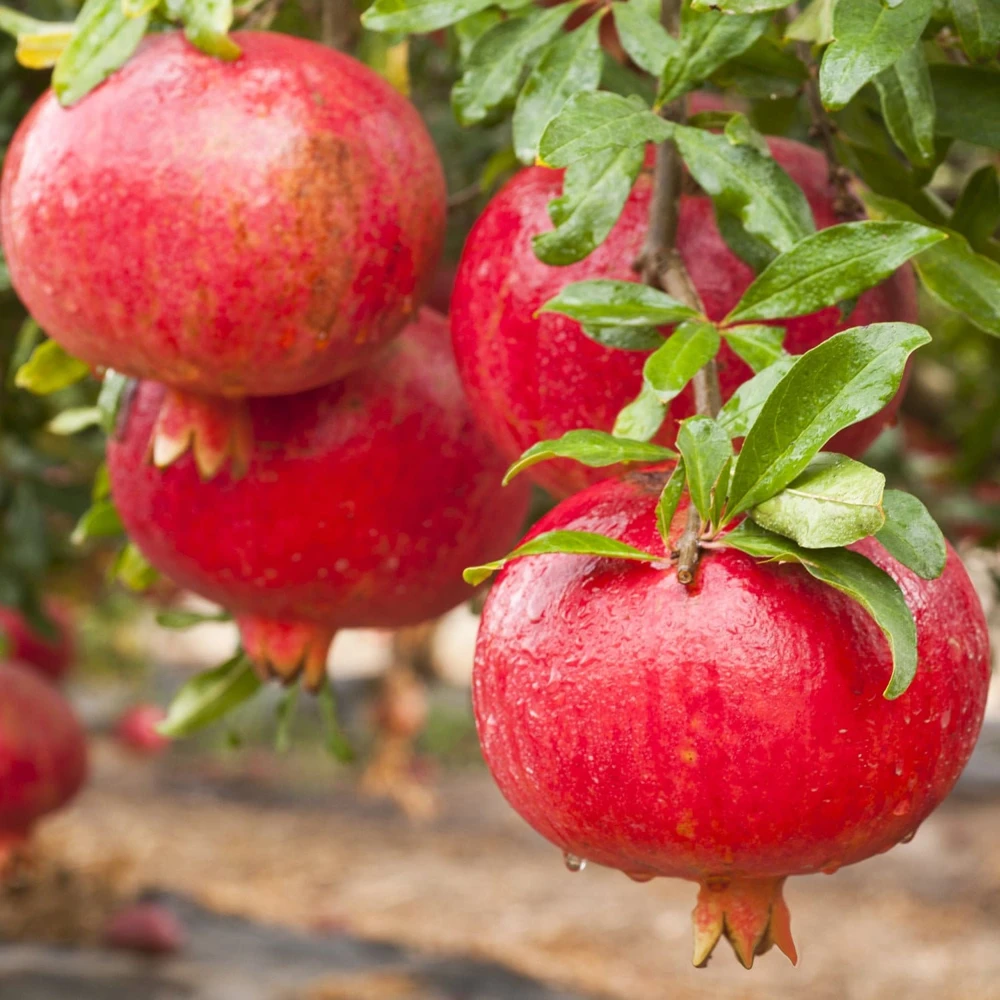
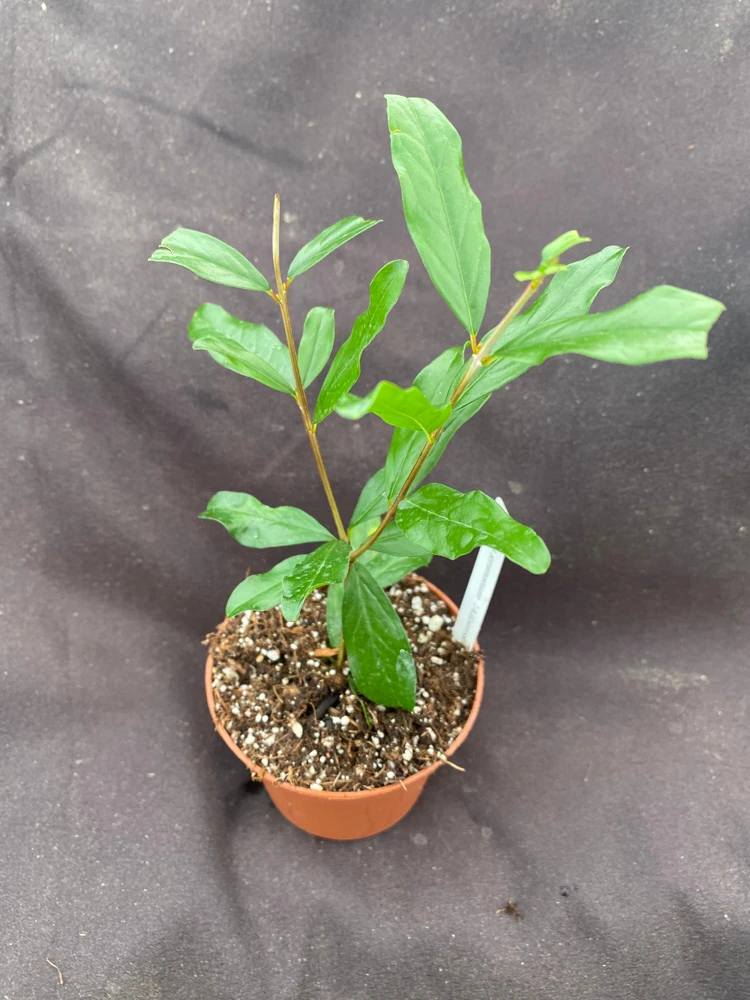
Afganski Pomegranate Live Plant – Punica Granatum – Sweet & Tart Fruit – 3 inch Pot
Original price was: $54.99.$34.99Current price is: $34.99.
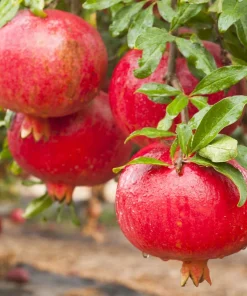
Cultivate your own delicious fruit with the Afganski pomegranate live plant. This self-fertile variety is known for its consistent production of very large, sweet-tart fruit, ideal for fresh eating or juicing. Shipped as a rooted plant in a 3 inch pot, ready for planting in USDA Zones 6-10.
Estimated arrival
Sep 22
Sep 27 - Sep 29
Oct 02 - Oct 06
Shop With Confidence
30-Day Plant Health Guarantee
Arrives damaged? We’ll replace it free — see our return policy.
Responsive Support
Email us anytime, we reply within 1 business day.
Expert Packaging
Temperature-controlled shipping to protect your plants in transit.
Secure Checkout
Pay safely with Visa, Mastercard, PayPal.
Plant Specifications
-
USDA Hardiness Zone
USDA Zones 6-10 -
Soil Type
Well-draining soil -
Sunlight Exposure
Full sun -
Expected Planting Period
Spring to early summer
Overview
Bring the exotic beauty and delicious fruit of the Afganski pomegranate live plant to your garden. This exceptional variety, scientifically known as Punica granatum Afganski, is celebrated for its reliable and abundant harvests. Originating from Afghanistan, this particular pomegranate cultivar is highly prized for producing very large fruits with a distinctive sweet and tart flavor, making it a favorite for fresh consumption and juice production. Unlike many fruit trees, the Afganski pomegranate live plant is self-fertile, meaning you only need one plant to enjoy a bountiful harvest. It’s a robust and adaptable plant, thriving in a wide range of climates and bringing a touch of Mediterranean charm to any landscape.
Our Afganski pomegranate live plant arrives well-rooted and ready to establish in your garden or a larger container. Whether you’re an experienced gardener or just starting, this productive fruit tree offers a rewarding growing experience and a continuous supply of healthy, homegrown pomegranates. Its attractive foliage and vibrant flowers add ornamental value before the delicious fruit even begins to ripen.
Key Benefits
The Afganski pomegranate live plant offers numerous advantages for both the home gardener and fruit enthusiast. Its ease of care and generous yields make it a highly desirable addition to any edible landscape.
- Abundant Fruit Production: Enjoy a consistent and heavy yield of very large pomegranates, ensuring you have plenty of fruit for all your culinary needs. The Afganski pomegranate live plant is a true workhorse in the garden.
- Exceptional Flavor Profile: The fruit’s juice boasts a perfect balance of sweet and tart, making it incredibly versatile for fresh eating, juicing, making sauces, or adding to salads.
- Self-Fertile Variety: No need for multiple plants or cross-pollination. This self-fertile pomegranate will produce fruit all on its own, simplifying your gardening efforts.
- Wide Adaptability: Thrives in USDA Zones 6-10, making it suitable for a broad range of climates across the United States. This resilience contributes to its popularity as a growing pomegranate tree.
- Ornamental Appeal: Beyond its fruit, the plant itself is attractive, featuring bright green leaves and vibrant, often orange-red, blossoms that add visual interest to your garden.
- Nutritional Value: Pomegranates are renowned for their health benefits, packed with antioxidants and vitamins, offering a delicious way to boost your well-being.
- Drought Tolerance: Once established, pomegranate plants are quite drought-tolerant, requiring less frequent watering than many other fruit trees, making them a sustainable choice.
Plant Care & Growing Tips
Caring for your Afganski pomegranate live plant is relatively straightforward, ensuring years of delicious fruit. Pomegranates prefer a location with full sun, meaning at least 6-8 hours of direct sunlight per day. This maximizes fruit production and ensures proper ripening. In hotter climates, some afternoon shade can be beneficial to prevent scorching. They are quite adaptable to various soil types but thrive best in well-draining soil with a pH between 5.5 and 7.0. Avoid heavy clay soils that retain too much moisture, as this can lead to root rot. If your soil is heavy, amend it with organic matter like compost or sand to improve drainage.
Water newly planted pomegranates regularly to help them establish, typically 2-3 times per week during dry periods. Once established, they are more drought-tolerant but will benefit from deep watering every 1-2 weeks, especially during fruit development. Reduce watering in the fall as the plant prepares for dormancy. Fertilize your growing pomegranate tree in early spring with a balanced fertilizer, or one slightly higher in phosphorus and potassium to encourage flowering and fruiting. Pruning is essential for maintaining plant shape, encouraging air circulation, and promoting fruit production. Remove suckers from the base, dead or damaged branches, and thin out overcrowded areas. The Punica granatum Afganski is hardy in USDA Zones 6-10, meaning it can tolerate winter temperatures down to around 0°F (-18°C). In Zone 6, some winter protection or planting in a sheltered location may be beneficial.
Size & Details
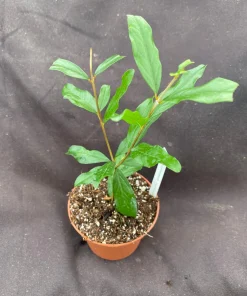
This Afganski pomegranate live plant is shipped as a well-rooted specimen, actively growing in a 3 inch pot. At the time of shipping, especially during dormant seasons, plants may arrive without leaves, which is completely normal and healthy for deciduous plants. Upon arrival, the plant will typically stand between 6-12 inches tall, depending on growth stage. Pomegranate trees are relatively fast-growing and can reach heights of 10-20 feet at maturity if left unpruned, though they are often kept smaller with regular pruning, making them suitable for containers or smaller garden spaces. Expect the plant to begin producing fruit within 2-3 years after planting, with yields increasing as the plant matures. The mature fruit size for the Punica granatum Afganski is notably large, often several inches in diameter, offering substantial arils for juicing and eating. This self-fertile pomegranate ensures consistent fruit development without the need for a companion plant.
Frequently Asked Questions
- Q: How big does this Afganski pomegranate live plant get? A: If left unpruned, a mature Afganski pomegranate tree can reach heights of 10-20 feet. However, it can be easily maintained at a smaller size with regular pruning, making it suitable for various garden sizes or large containers.
- Q: What size pot does it come in? A: The Afganski pomegranate live plant is shipped as a well-rooted plant in a 3 inch nursery pot, providing a strong start for transplanting into your garden or a larger container.
- Q: Is this an indoor or outdoor plant? A: This pomegranate variety is primarily an outdoor plant, thriving in USDA Zones 6-10. In colder zones, it can be grown in a large container and brought indoors during winter, or treated as an annual.
- Q: How much sunlight does my growing pomegranate tree need? A: Pomegranates require full sun, which means at least 6-8 hours of direct sunlight daily, to produce the best fruit yields and ensure healthy growth.
- Q: Is this plant easy to care for? A: Yes, pomegranates are generally considered easy to care for, especially once established. They are drought-tolerant and relatively pest-resistant, making them a great choice for both novice and experienced gardeners.
- Q: What condition will the Punica granatum Afganski arrive in? A: Your plant will arrive well-rooted in its 3 inch pot. During dormant seasons (fall and winter), it’s normal for the plant to be shipped without leaves, as it’s conserving energy for new spring growth.
- Q: Can I grow this self-fertile pomegranate in a container? A: Absolutely! Pomegranates adapt very well to container growing, especially if you choose a large pot (at least 15-20 gallons) and ensure good drainage. This is an excellent option for gardeners in colder climates.
- Q: How long until it blooms or produces fruit? A: While young plants may produce some flowers, significant fruit production typically begins 2-3 years after planting. The plant’s yield will increase as it matures.
- Q: When is the best time to plant a zone 6 pomegranate? A: The best time to plant is in early spring after the last danger of frost has passed, or in early fall in warmer climates, allowing the roots to establish before extreme temperatures.
- Q: Will it survive winter in my zone? A: The Afganski pomegranate is hardy in USDA Zones 6-10. If you are in Zone 6, consider planting in a sheltered location or providing winter protection to help it thrive.
Be the first to review “Afganski Pomegranate Live Plant – Punica Granatum – Sweet & Tart Fruit – 3 inch Pot”
People Also Viewed


Fruits
Dwarf Cavendish Banana Live Plant, Musa Acuminata, 4-6 Inch Tall, Tropical Fruit for Patio & Garden


Reviews
There are no reviews yet.