
Northern Red Oak Tree Live Plant – 24-36 Inches Tall – Fast Growing Shade Tree
Original price was: $99.99.$82.99Current price is: $82.99.
Cultivate a legacy with this northern red oak live plant, standing 24-36 inches tall. This fast growing shade tree is renowned for its vibrant fall foliage and ability to attract wildlife, making it a perfect addition for a beautiful and thriving landscape.
Estimated arrival
Sep 20
Sep 25 - Sep 27
Sep 30 - Oct 04
Shop With Confidence
30-Day Plant Health Guarantee
Arrives damaged? We’ll replace it free — see our return policy.
Responsive Support
Email us anytime, we reply within 1 business day.
Expert Packaging
Temperature-controlled shipping to protect your plants in transit.
Secure Checkout
Pay safely with Visa, Mastercard, PayPal.
Plant Specifications
-
USDA Hardiness Zone
USDA Zones 3-8 -
Soil Type
Well-draining, loamy soil -
Sunlight Exposure
Full sun -
Expected Planting Period
Spring or Fall
Overview
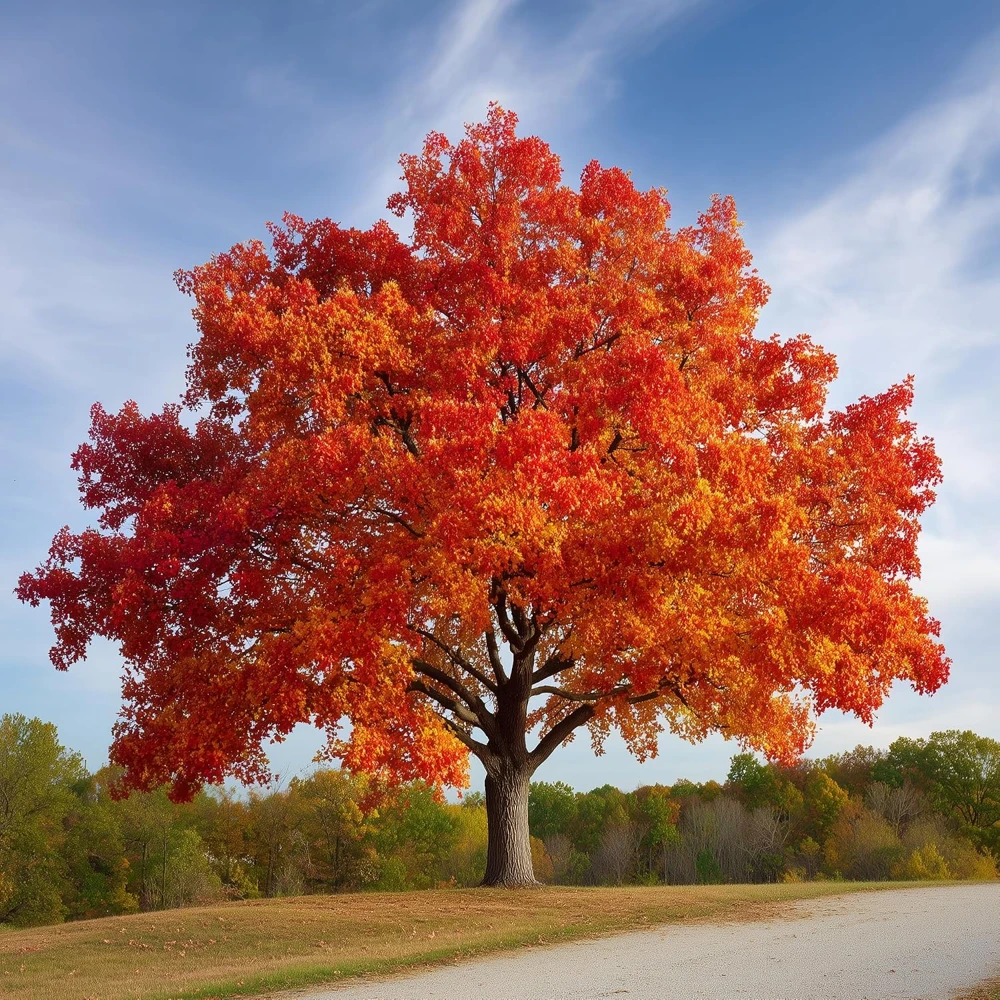
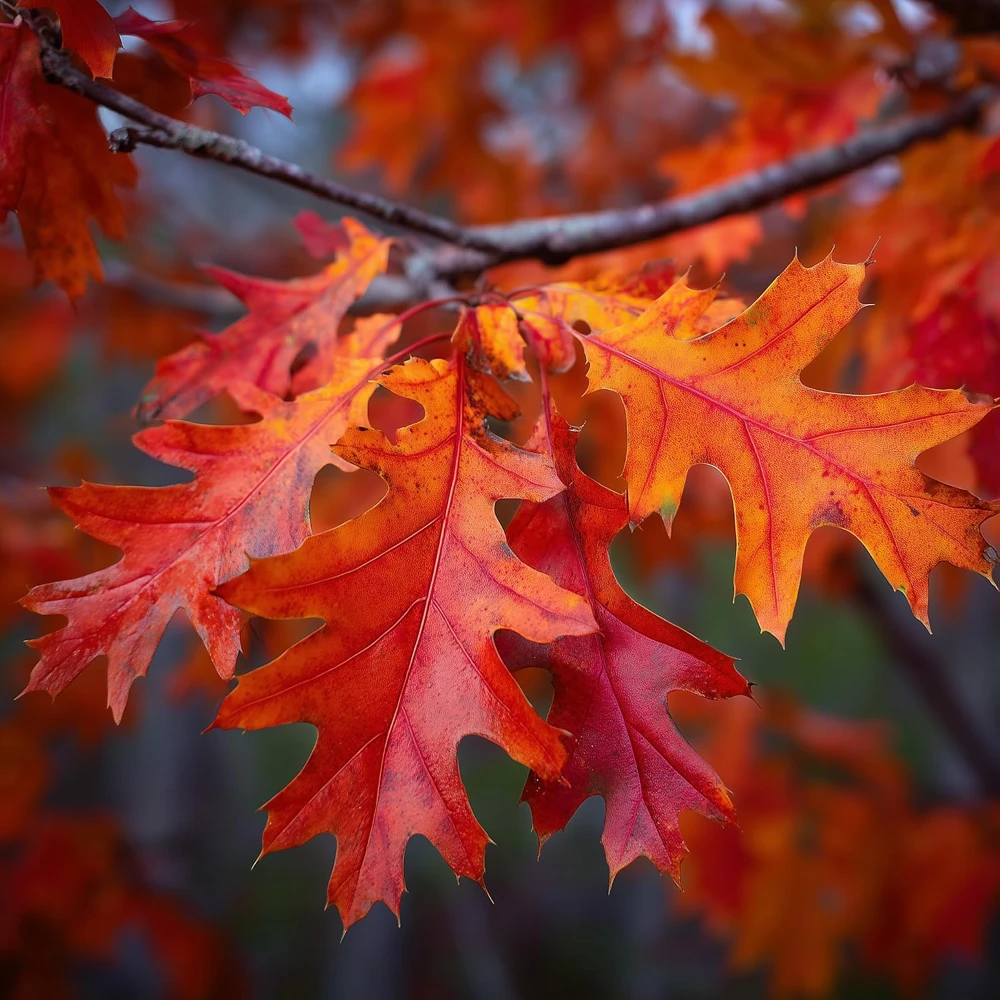
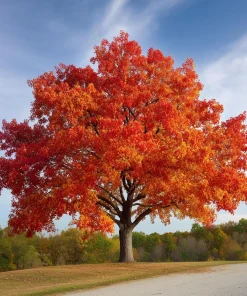
Bring the grandeur of North American forests to your own backyard with a magnificent northern red oak live plant. This impressive tree, scientifically known as Quercus rubra, arrives approximately 24-36 inches tall and is ready to establish itself as a cornerstone of your landscape. The northern red oak live plant is highly prized for its rapid growth, providing significant shade much sooner than many other oak varieties. It transforms each autumn into a breathtaking display of deep reds, russets, and bronzes, ensuring your yard becomes a focal point of seasonal beauty. Beyond its aesthetic appeal, this tree is a vital contributor to local ecosystems, offering shelter and food for a variety of wildlife, including deer, squirrels, and birds. Choosing a northern red oak live plant is an investment in both the beauty and ecological health of your property for generations to come.
Key Benefits
The northern red oak live plant offers a multitude of benefits, making it an excellent choice for any gardener looking to enhance their outdoor space with a tree that provides both beauty and ecological value.
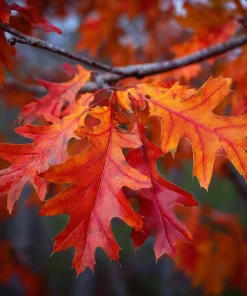
- Stunning Fall Foliage: Experience a spectacular seasonal transformation as the leaves burst into brilliant shades of deep red, burnt orange, and burgundy each fall. This vibrant display lasts for weeks, creating an unforgettable landscape feature that adds dramatic curb appeal.
- Fast-Growing Shade Tree: Enjoy meaningful shade sooner with this fast growing shade tree. Red Oaks are known for their relatively quick growth rate, adding several feet of height annually under optimal conditions, providing a cooling canopy for your home and yard.
- Attracts & Supports Wildlife: Enhance your garden’s biodiversity. The abundant acorns produced by the quercus rubra tree serve as a crucial food source, attracting deer, squirrels, wild turkeys, and numerous bird species, turning your yard into a lively natural habitat.
- Durable & Adaptable: This native North American tree is incredibly tough and resilient, adapting well to a wide range of soil types and environmental conditions. Its robust nature makes it an ideal choice for various climates, ensuring long-term success with minimal fuss once established.
- Long-Term Value & Legacy: Plant a tree that will outlast any structure on your property. The northern red oak live plant is known for its longevity, growing more beautiful and valuable with each passing year, increasing your home’s aesthetic and property value for decades.
- Low Maintenance Once Established: After its initial establishment period, the red oak tree care requirements are minimal. Its natural hardiness and adaptability mean less time spent on upkeep and more time enjoying its majestic presence.
Plant Care & Growing Tips
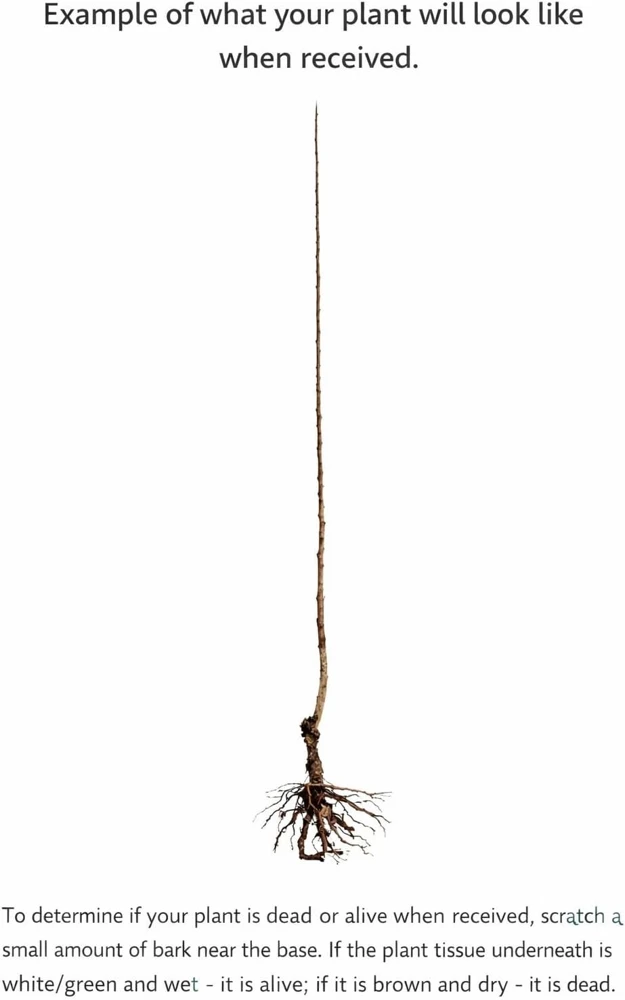
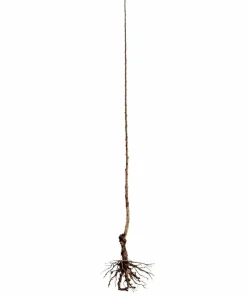
Proper red oak tree care is essential for ensuring your northern red oak live plant thrives and reaches its full potential. While generally robust, understanding its specific needs will help it establish quickly and grow into a magnificent specimen. Upon arrival, your northern red oak live plant will be shipped bare root. It’s crucial to plant it as soon as possible after receiving it. Dig a hole twice as wide as the root spread and just deep enough so the root collar is even with the soil line. Fan out the roots carefully and backfill with soil, gently tamping down to remove air pockets. Water thoroughly immediately after planting.
The Northern Red Oak prefers full sun, meaning at least 6 hours of direct sunlight per day, to achieve the best growth and most vibrant red oak fall color. It is adaptable to a variety of soil types, but ideally, it thrives in well-drained, slightly acidic to neutral loamy soils. Avoid overly wet or compacted soils, as these can hinder root development. Consistent moisture is vital during the first few growing seasons, so water deeply once or twice a week, especially during dry spells. Once established, the tree becomes quite drought-tolerant. Fertilization is generally not needed in the first year; after that, a balanced, slow-release fertilizer can be applied in spring if soil tests indicate nutrient deficiencies. Pruning should focus on removing dead, damaged, or crossing branches, preferably in late winter or early spring when the tree is dormant.
This species is hardy across USDA Hardiness Zones 3 through 8, demonstrating its wide adaptability to various climates. Protecting young trees from deer browsing in their early years can be beneficial, as deer are attracted to tender new growth. The quercus rubra tree is a long-lived species, capable of gracing your landscape for hundreds of years. Minimal maintenance once mature makes it a truly rewarding long-term investment. Keep an eye out for common oak pests or diseases, though healthy, well-sited trees are generally quite resistant.
Size & Details
This offering is for one northern red oak live plant, which stands approximately 24-36 inches (2-3 feet) tall at the time of shipping. It is shipped bare root, meaning it will arrive without soil around its roots, carefully packaged to ensure its health during transit. Once planted, this fast growing shade tree can add several feet of growth per year, depending on growing conditions and care. Mature Northern Red Oaks typically reach heights of 60-75 feet with a spread of 45-50 feet, developing a broad, rounded canopy. The impressive size and robust growth habit of the quercus rubra tree make it an excellent choice for creating significant shade and a majestic presence in your landscape. Expect to see its characteristic lobed leaves and, in time, the distinctively ridged bark that adds to its mature beauty, culminating in the spectacular red oak fall color each autumn.
Frequently Asked Questions
- Q: How big will the northern red oak live plant get? A: This particular northern red oak live plant is shipped at 24-36 inches tall. At maturity, it can reach impressive heights of 60-75 feet with a spread of 45-50 feet, making it a truly majestic shade tree.
- Q: Is this an indoor or outdoor plant? A: The Northern Red Oak is an outdoor tree, best suited for planting directly in the ground where it has ample space to grow. It is not suitable as an indoor plant.
- Q: How much sunlight does a red oak tree need? A: For optimal growth and vibrant red oak fall color, the Northern Red Oak requires full sun, meaning at least 6 hours of direct sunlight per day.
- Q: Is this plant easy to care for? A: Once established, the red oak tree care is relatively low maintenance. It is adaptable and tough, making it a good choice for both experienced and novice gardeners, especially after the initial planting and establishment period.
- Q: What condition will the northern red oak live plant arrive in? A: Your northern red oak live plant will be shipped bare root, carefully packaged to protect its roots during transit. It’s important to plant it promptly upon arrival.
- Q: When is the best time to plant a red oak tree? A: The best time to plant a bare root quercus rubra tree is in the spring or fall when the tree is dormant or semi-dormant, allowing it to establish its root system before extreme temperatures.
- Q: Will this tree survive winter in my zone? A: The Northern Red Oak is hardy in USDA Zones 3-8, indicating it can withstand a wide range of winter temperatures across most of the United States. Ensure your zone falls within this range for best results.
- Q: What kind of soil does the Northern Red Oak prefer? A: This tree is quite adaptable but thrives best in well-drained, moist, slightly acidic to neutral loamy soils. Good drainage is crucial for healthy root development.
- Q: How fast does the Northern Red Oak grow? A: The Northern Red Oak is considered a fast growing shade tree, often adding several feet of height per year under good growing conditions, allowing you to enjoy its benefits sooner.
- Q: What makes the red oak fall color so special? A: The red oak fall color is renowned for its intense and long-lasting display of deep red, russet, and bronze hues, creating one of the most spectacular autumn landscapes.
Be the first to review “Northern Red Oak Tree Live Plant – 24-36 Inches Tall – Fast Growing Shade Tree”
People Also Viewed


Flowers
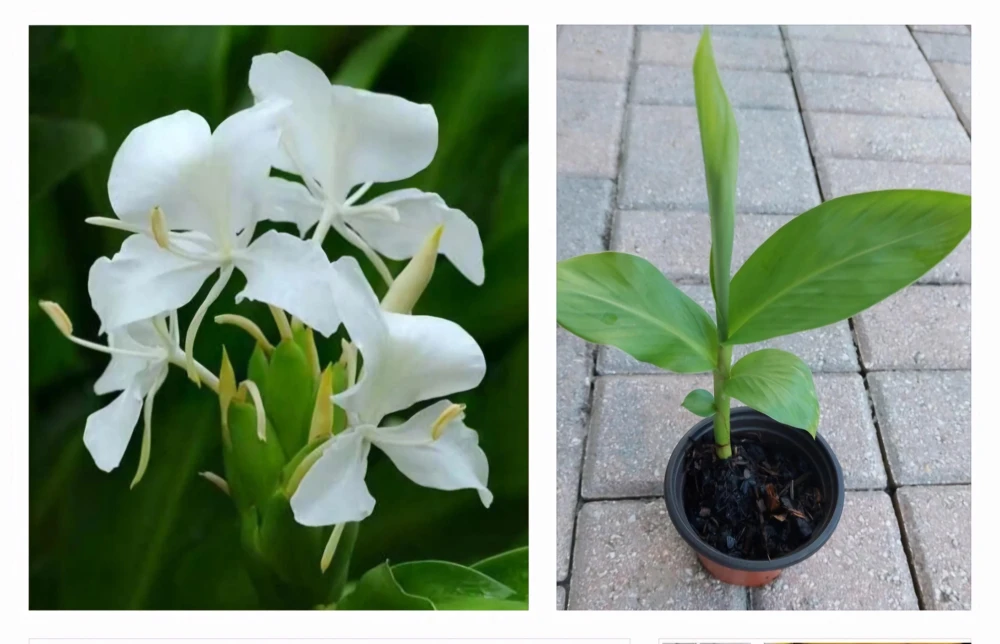
Fragrant White Butterfly Ginger Lily Live Plant – Hedychium Coronarium – Rooted Tropical Flower
Reviews
There are no reviews yet.