
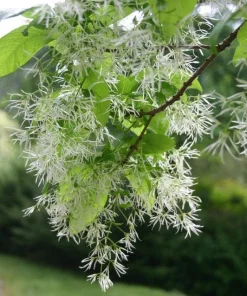
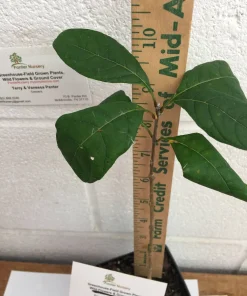
White Fringe Tree Live Plant – Chionanthus virginicus – 1 Quart Pot – Outdoor
Original price was: $56.99.$36.99Current price is: $36.99.
Bring elegance to your garden with a White Fringe Tree live plant (Chionanthus virginicus) in a 1 quart pot. Known for its spectacular white spring blooms and attractive golden fall foliage, this deciduous tree is perfect for outdoor landscapes. Hardy in USDA Zones 4-9, it’s a beautiful and unique addition to any yard.
Estimated arrival
Sep 20
Sep 25 - Sep 27
Sep 30 - Oct 04
Shop With Confidence
30-Day Plant Health Guarantee
Arrives damaged? We’ll replace it free — see our return policy.
Responsive Support
Email us anytime, we reply within 1 business day.
Expert Packaging
Temperature-controlled shipping to protect your plants in transit.
Secure Checkout
Pay safely with Visa, Mastercard, PayPal.
Plant Specifications
-
USDA Hardiness Zone
4-9 -
Soil Type
Well-draining soil -
Sunlight Exposure
Full sun to partial shade -
Expected Planting Period
Spring to early fall
Overview
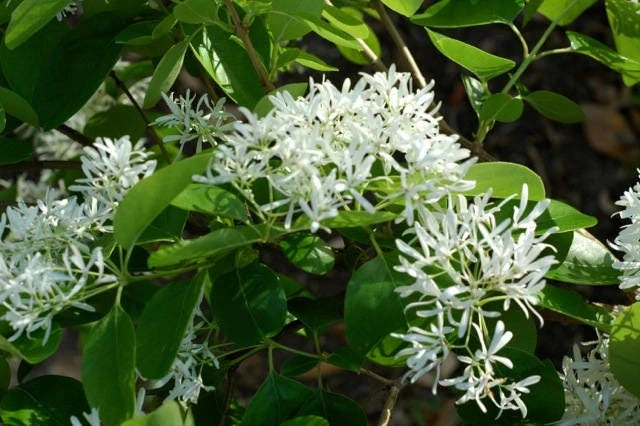
Introduce a touch of natural beauty and elegance to your garden with the exquisite White Fringe Tree live plant. This captivating deciduous tree, scientifically known as Chionanthus virginicus, is a native American species renowned for its spectacular floral display. Often referred to by charming common names such as Grancy Graybeard, Snow Flower Tree, Flowering Ash, Old Man’s Beard, or Grandfather Graybeard, it’s a true spectacle in the landscape. Each White Fringe Tree live plant arrives ready to thrive in your outdoor space, cultivated in a 1 quart pot, offering a robust start for its journey in your garden. Its distinctive appearance, particularly when adorned with its signature white, fringe-like blossoms, makes it a highly sought-after specimen for gardeners and landscape enthusiasts alike. This unique tree promises to be a focal point, drawing admiration with its seasonal transformations.
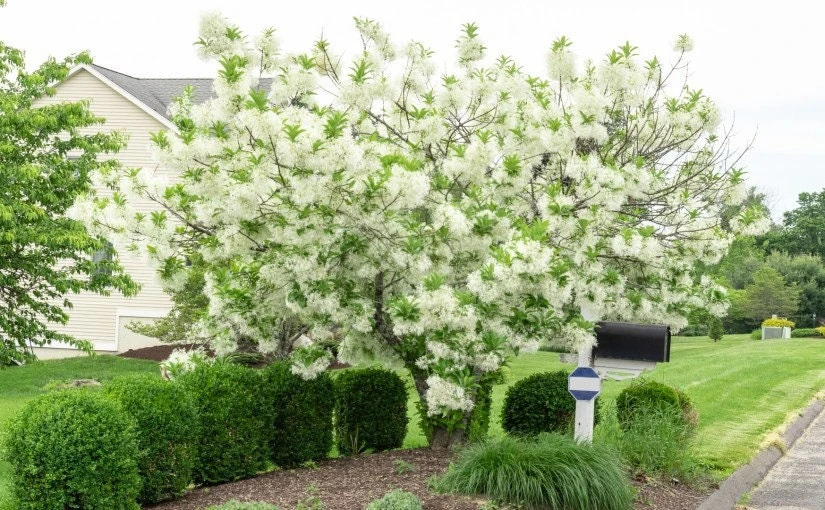
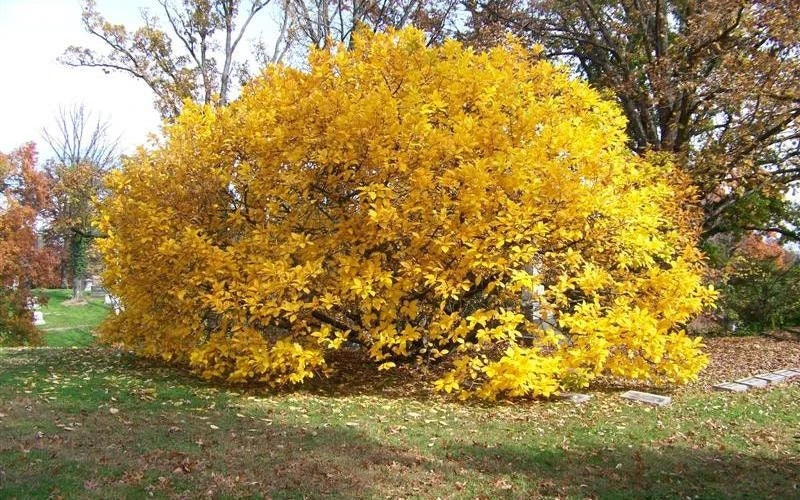
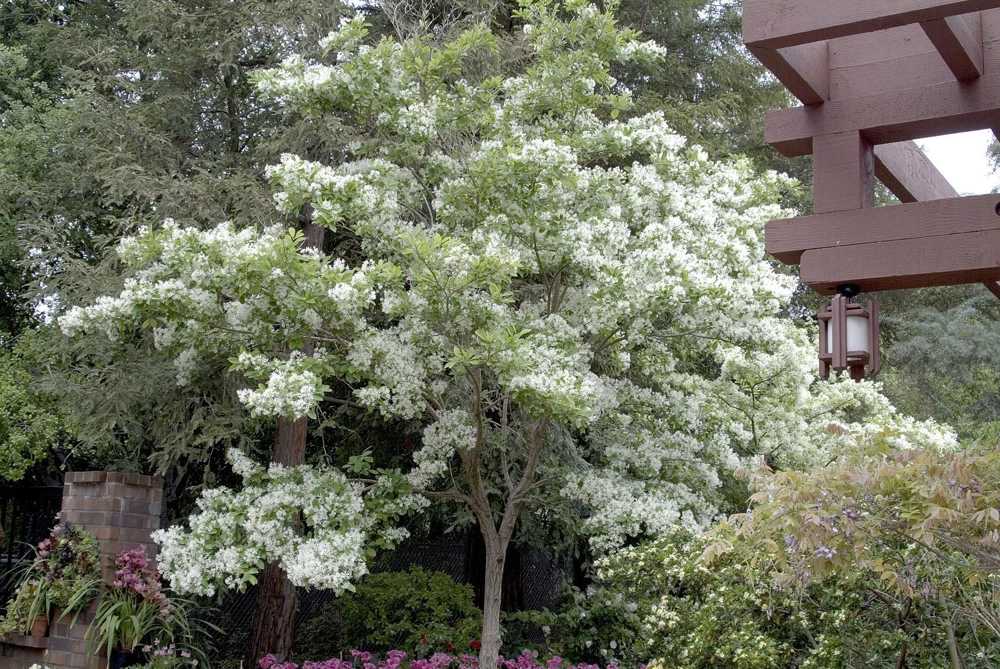
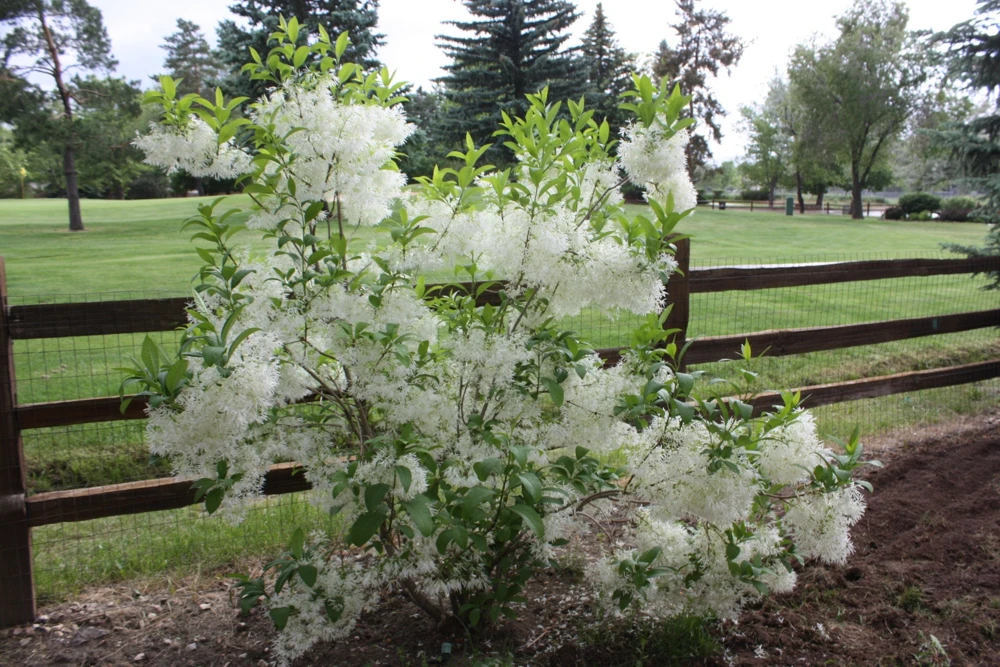
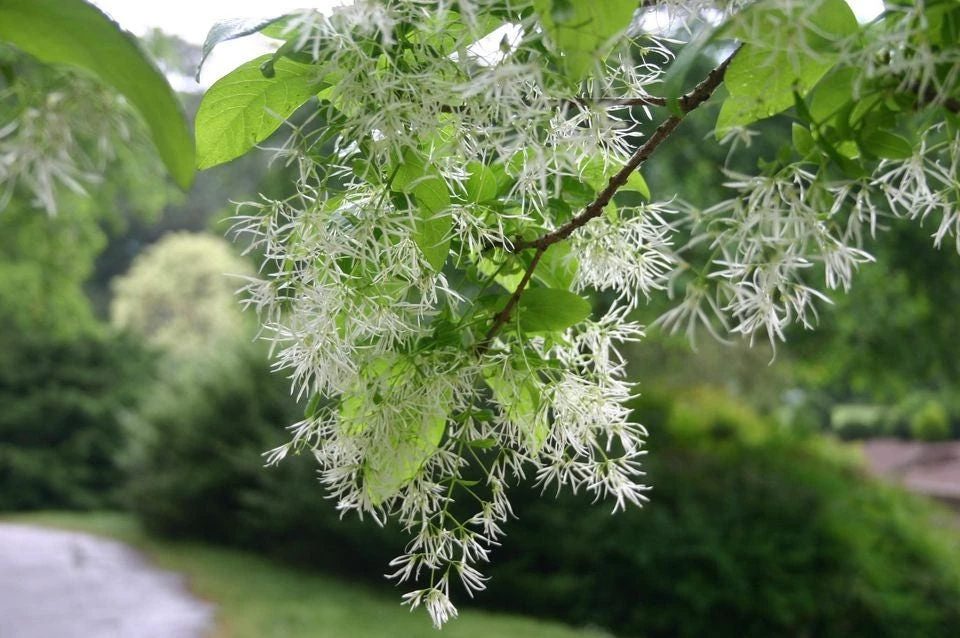
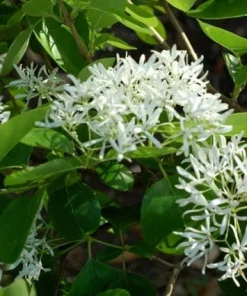
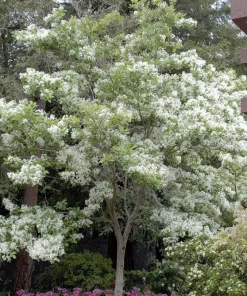
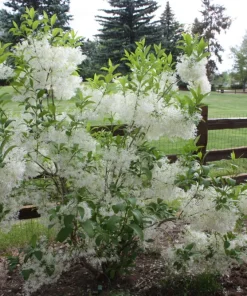
The Chionanthus virginicus is a truly unique specimen, often being one of the last trees to leaf out in spring, building anticipation for its grand reveal. When it does, it transforms into a breathtaking cloud of delicate white blooms, creating an ethereal, lacy effect that gives the tree its common name. Beyond its spring splendor, this Grancy Graybeard tree provides year-round interest. As a deciduous tree, it graces the autumn landscape with vibrant golden-yellow foliage before shedding its leaves for the winter. Adaptable and resilient, it can be grown as a single-trunk specimen or trained into a multi-stemmed shrub, offering versatility in garden design. This beautiful and hardy tree is an excellent choice for a variety of garden styles, adding an element of sophisticated charm.
Key Benefits
The White Fringe Tree live plant offers a multitude of benefits that make it an exceptional choice for any garden. Its unique characteristics contribute significantly to both aesthetic appeal and ecological value.
- Spectacular Spring Blooms: The tree produces an abundance of delicate, fragrant white flowers in late spring, creating a stunning, cloud-like display that is truly unforgettable. These ‘fringe-like’ blossoms are a major highlight and source of its common name.
- Attractive Autumn Foliage: Before dropping its leaves for winter, the foliage turns a brilliant golden yellow, adding a warm and vibrant color to the fall landscape. This seasonal color change provides extended visual interest.
- Native & Adaptable: As a native American species, the Chionanthus virginicus is well-adapted to local climates and soils, making it a low-maintenance choice for many regions. It thrives in various conditions and is hardy in USDA Zones 4-9.
- Versatile Growth Habit: It can be cultivated as a stately small tree with a single trunk or allowed to grow as a multi-stemmed shrub, offering flexibility in landscape design to suit different garden spaces and preferences.
- Pollinator Friendly: The fragrant flowers attract a variety of pollinators, including bees and butterflies, contributing to the biodiversity and health of your garden ecosystem.
- Disease & Pest Resistant: The Grancy Graybeard tree is generally robust and resistant to most common diseases and pests, reducing the need for intensive care and chemical treatments.
- Unique Landscape Specimen: Its distinctive flowering habit and overall form make it a unique specimen tree that can serve as a focal point, adding character and charm to borders, patios, or as a standalone feature.
Plant Care & Growing Tips
Caring for your White Fringe Tree live plant is relatively straightforward, making it a rewarding addition to your landscape. This resilient species thrives with proper placement and basic attention to its needs. For optimal growth and flowering, select a site that receives full sun to partial shade. While it can tolerate full sun, especially in cooler climates, some afternoon shade can be beneficial in hotter regions to protect the delicate blooms and foliage from scorching. Ensure the planting location has well-draining soil, as the tree does not tolerate consistently wet feet. A slightly acidic to neutral soil pH is preferred, but it is adaptable to a range of soil types including sandy, loamy, or clay, provided drainage is adequate.
Watering is crucial, especially during the establishment phase and prolonged dry spells. Keep the soil consistently moist but not waterlogged. Once established, the Chionanthus virginicus becomes more drought-tolerant, but regular watering during dry periods will promote healthier growth and more abundant flowering. Fertilization is generally not heavily required; a balanced, slow-release granular fertilizer applied in early spring can support vigorous growth, but avoid over-fertilizing. Pruning is typically minimal, focused on removing dead, damaged, or crossing branches to maintain a healthy structure. You can also prune to shape the tree, especially if you wish to maintain a single-trunk form or encourage a bushier multi-stemmed habit. This outdoor flowering tree is hardy in USDA Zones 4-9, making it suitable for a wide range of climates. It can withstand winter temperatures within this range, but young trees may benefit from some winter protection in the colder parts of its hardiness zone.
Size & Details
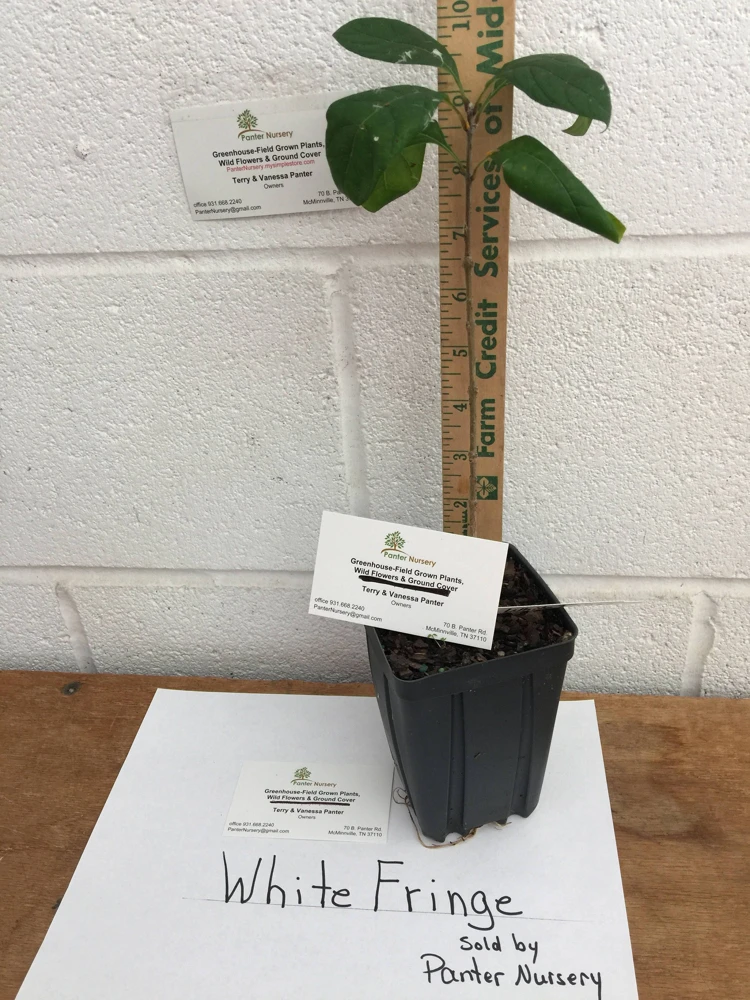
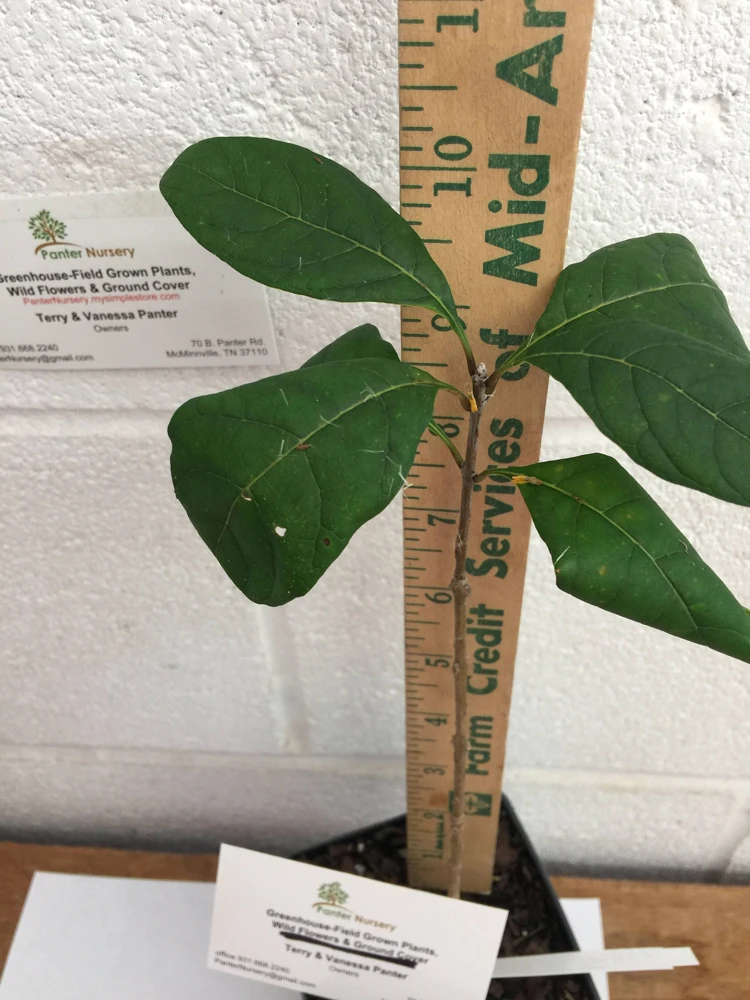
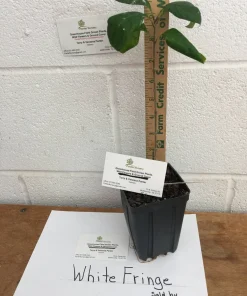
This White Fringe Tree live plant is supplied in a 1 quart nursery pot, offering a healthy and established root system for successful transplanting. At maturity, the Chionanthus virginicus typically reaches heights of 15-20 feet tall and spreads 10-15 feet wide, forming a beautiful small tree or large shrub. Its growth rate is moderate, allowing you to enjoy its development over time without it becoming unruly too quickly. The tree’s deciduous nature means it will shed its leaves in late autumn after they turn a brilliant golden yellow, providing seasonal interest.
The distinctive white, fringe-like flowers appear in late spring, creating a stunning visual display. These blooms are followed by small, olive-like fruits that are attractive to birds. This tree is a long-lived specimen, offering many years of beauty and enjoyment in your landscape. Its adaptable nature and moderate size make it an excellent choice for various garden applications, from accent plantings to naturalized areas. The deciduous tree zone 4-9 classification ensures its resilience across a broad climatic range.
Frequently Asked Questions
- Q: How big does this White Fringe Tree live plant get? A: At maturity, the White Fringe Tree live plant typically reaches a height of 15-20 feet and a spread of 10-15 feet. Its size makes it suitable for smaller gardens or as an understory tree in larger landscapes.
- Q: Is this an indoor or outdoor plant? A: The Chionanthus virginicus is an outdoor plant. It is a hardy deciduous tree that requires seasonal changes and sufficient space to grow to its mature size.
- Q: How much sunlight does the Grancy Graybeard tree need? A: This tree prefers full sun to partial shade. In warmer climates, some afternoon shade can protect its delicate flowers and foliage from intense heat.
- Q: Is this plant easy to care for? A: Yes, the Grancy Graybeard tree is considered relatively low-maintenance once established. It’s adaptable to various soil types and generally resistant to pests and diseases.
- Q: What condition will the White Fringe Tree live plant arrive in? A: Your White Fringe Tree live plant will arrive in a 1 quart pot with an established root system, carefully packaged to ensure its health during transit.
- Q: When is the best time to plant this outdoor flowering tree? A: The best time to plant is in spring or early fall, allowing the tree sufficient time to establish its root system before extreme summer heat or winter cold.
- Q: What’s the minimum temperature this deciduous tree zone 4-9 can withstand? A: This deciduous tree zone 4-9 is hardy down to approximately -20 to -30 degrees Fahrenheit, making it suitable for a wide range of temperate climates.
- Q: Does the White Fringe Tree have fragrant flowers? A: Yes, the beautiful white, fringe-like flowers of the Chionanthus virginicus are known for their pleasant, subtle fragrance, adding another layer of sensory appeal to your garden.
- Q: Can I grow this tree in a container? A: While it can be grown in a large container when young, for long-term health and mature size, the White Fringe Tree live plant is best planted directly in the ground.
- Q: Does this tree attract wildlife? A: Yes, the flowers attract pollinators like bees and butterflies, and the small, dark blue fruits produced after flowering are a food source for various bird species.
Be the first to review “White Fringe Tree Live Plant – Chionanthus virginicus – 1 Quart Pot – Outdoor”
People Also Viewed


Vegetable Seeds
300 Lunar White Carrot Seeds – Crisp & Sweet Vegetable Seeds
Reviews
There are no reviews yet.