
Blackhaw Viburnum Live Plant – 6-12″ Tall Shrub in 4-inch Pot – Zones 3-9
Original price was: $47.99.$27.99Current price is: $27.99.
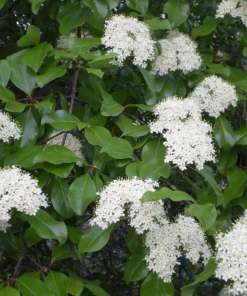
Bring natural beauty to your landscape with a blackhaw viburnum live plant. This versatile shrub offers lovely white spring flowers, vibrant fall foliage, and berries attractive to birds. Growing 6-12″ tall in a 4-inch pot, it’s perfect for hedges or as a standalone specimen.
Estimated arrival
Sep 20
Sep 25 - Sep 27
Sep 30 - Oct 04
Shop With Confidence
30-Day Plant Health Guarantee
Arrives damaged? We’ll replace it free — see our return policy.
Responsive Support
Email us anytime, we reply within 1 business day.
Expert Packaging
Temperature-controlled shipping to protect your plants in transit.
Secure Checkout
Pay safely with Visa, Mastercard, PayPal.
Plant Specifications
-
USDA Hardiness Zone
USDA Zones 3-9 -
Soil Type
Well-draining soil, rich in organic matter -
Sunlight Exposure
Full sun to partial shade -
Expected Planting Period
Spring or Fall
Overview
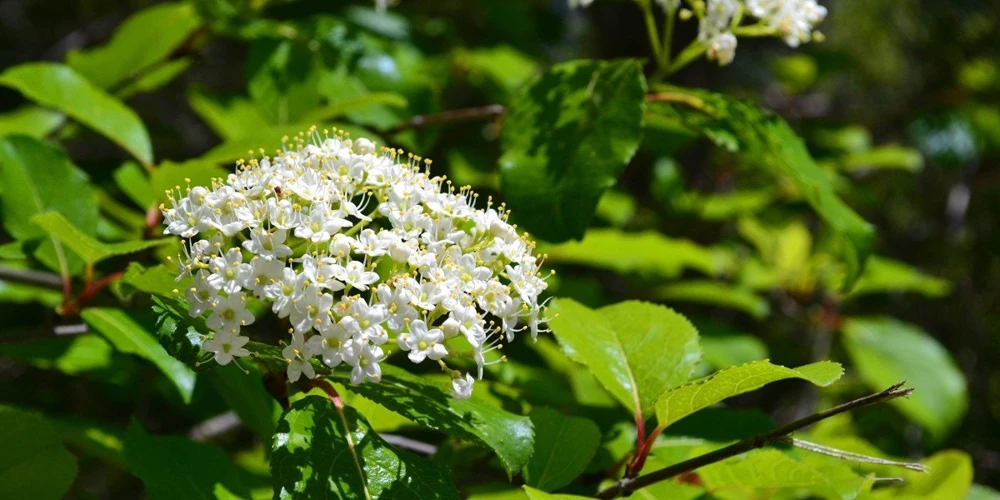
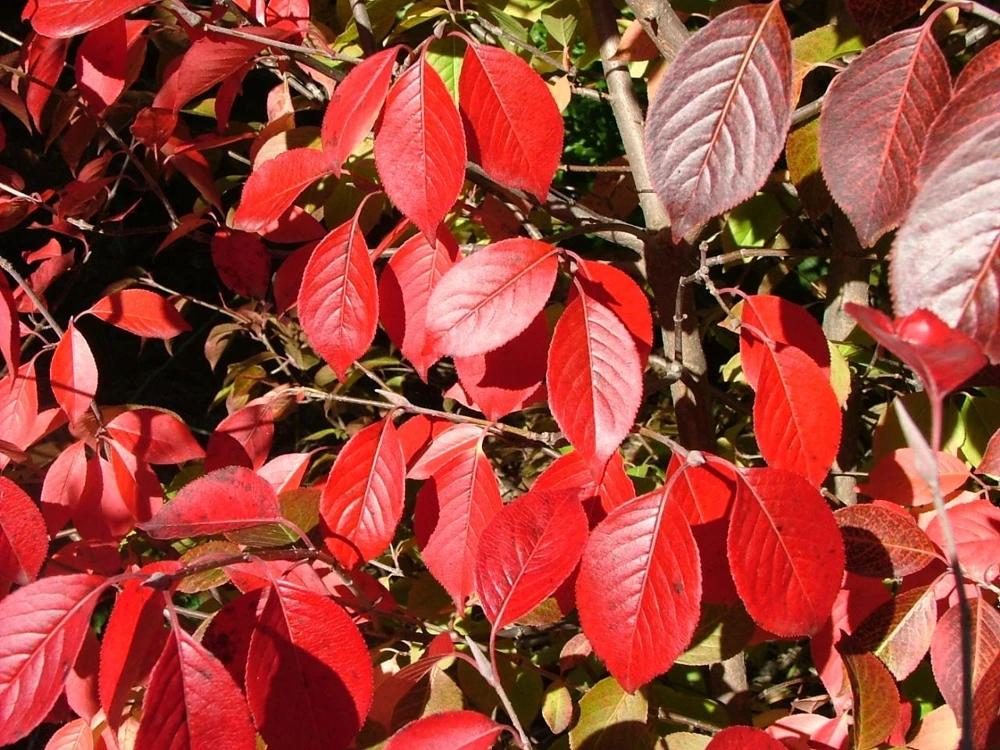
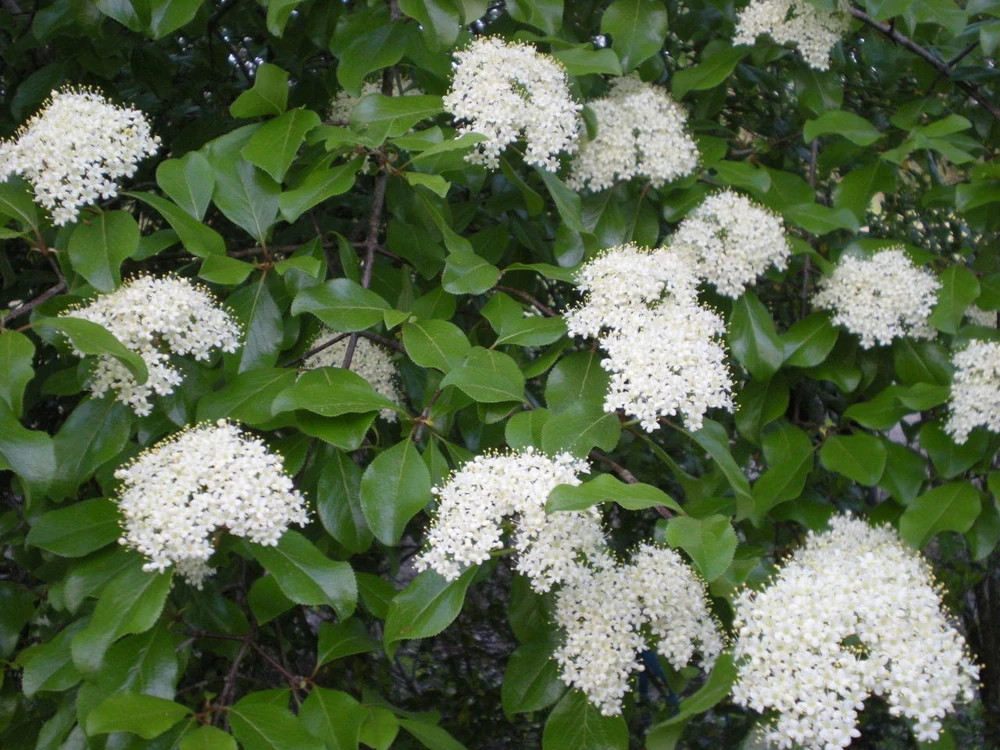
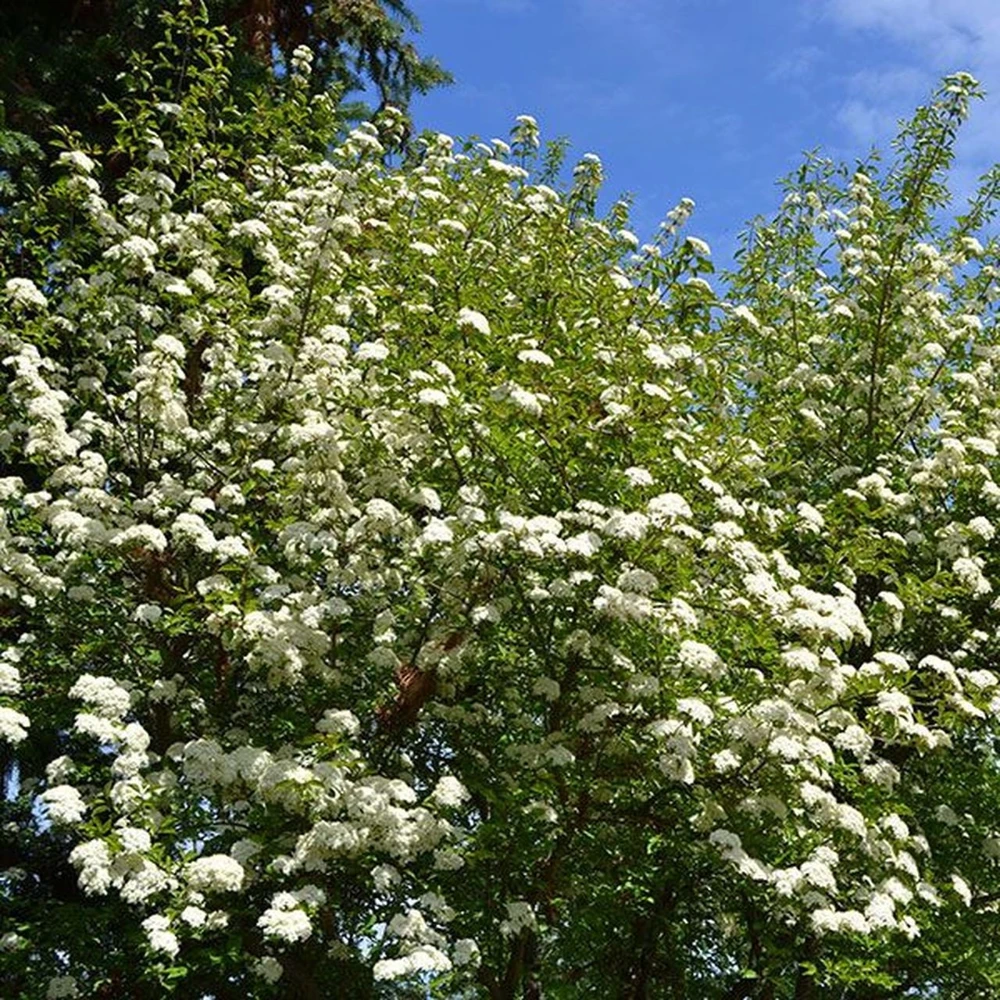
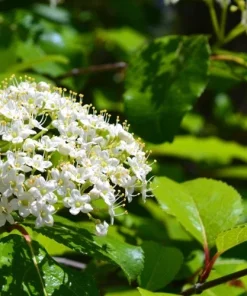
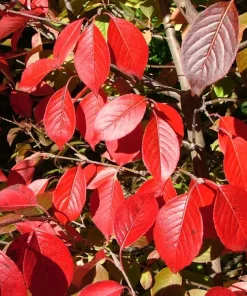
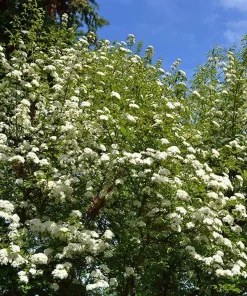
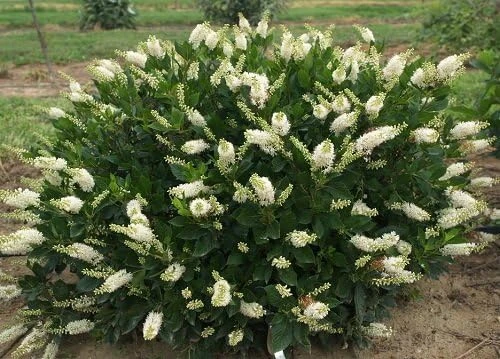
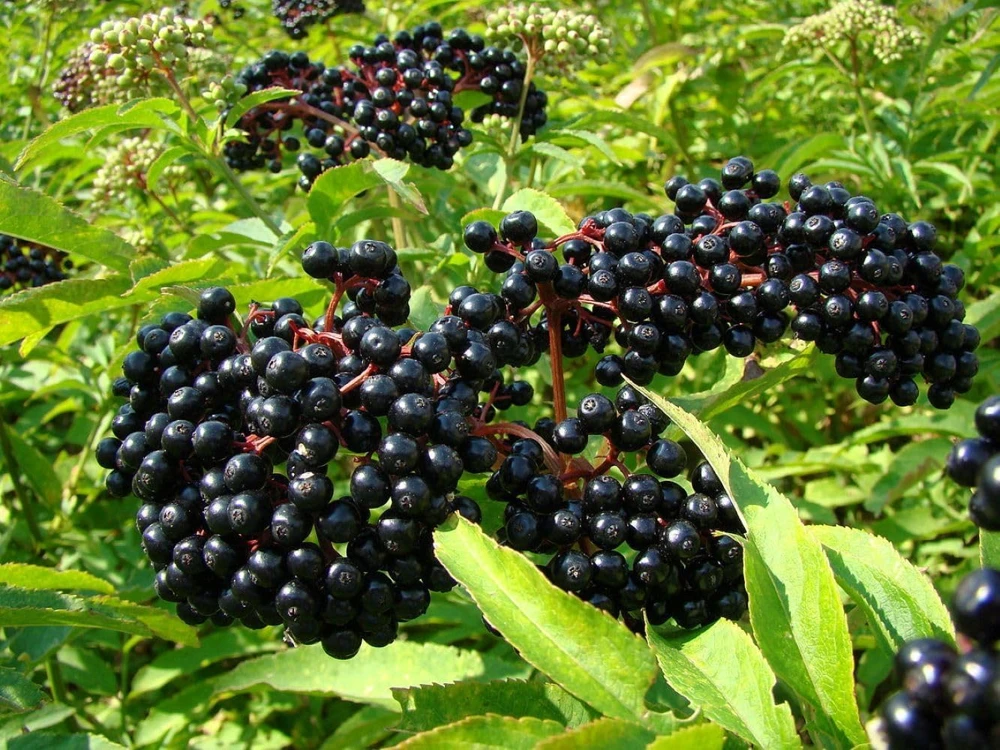
Introduce a touch of natural elegance to your garden with the blackhaw viburnum live plant (Viburnum prunifolium). This remarkable shrub is celebrated for its rounded, upright growth habit, making it an excellent choice for both individual planting and creating dense, attractive hedges or screens. As a multi-stemmed plant, it develops a robust structure that provides year-round interest. In spring, it bursts forth with flat clusters of delicate white flowers, creating a stunning visual display. These flowers are followed by small, yellow berries that gradually mature to a deep blue-black, offering a valuable food source for birds and even suitable for making preserves. The foliage, a rich dark green, transitions into breathtaking shades of red and purple in autumn, providing a spectacular seasonal show. The blackhaw viburnum live plant is a resilient and adaptable shrub, thriving in a wide range of conditions and offering significant ecological benefits to your outdoor space.
Known for its hardiness and ease of care, the blackhaw viburnum live plant is a fantastic addition for both experienced gardeners and novices alike. Its adaptability to various soil types and light conditions makes it a versatile landscape solution. Beyond its aesthetic appeal, this plant contributes to local biodiversity by providing food and shelter for wildlife, especially birds who relish its berries. Its natural growth habit requires minimal pruning, allowing it to maintain its attractive form with little intervention. Whether you’re looking to establish a privacy screen, add an ornamental specimen, or enhance your garden’s ecological value, this viburnum is an outstanding choice that promises beauty and resilience for many years.
Key Benefits
The blackhaw viburnum live plant offers a multitude of benefits, enhancing both the beauty and ecological value of your garden. Its attractive features and hardiness make it a top choice for diverse landscaping needs.
- Seasonal Beauty: Enjoy a dynamic display throughout the year, from clusters of white spring flowers to vibrant dark green summer foliage that transforms into striking red and purple hues in autumn. This continuous visual interest ensures your garden remains captivating across seasons.
- Wildlife Attraction: The yellow berries that ripen to blue-black are a significant food source for various bird species, bringing life and activity to your garden. These berries also offer a unique opportunity for homemade preserves.
- Versatile Landscaping: With its rounded, upright growth form, the blackhaw viburnum live plant is perfect for creating dense privacy hedges, effective screens, or as an elegant standalone specimen in mixed borders. Its adaptability allows for creative garden design.
- Exceptional Hardiness: This shrub is incredibly robust, thriving in USDA Zones 3-9, making it suitable for a vast range of climates. It tolerates various soil conditions and is generally low-maintenance, requiring minimal fuss once established.
- Low Maintenance: Once planted, the blackhaw viburnum requires relatively little care. It’s naturally resistant to many pests and diseases, reducing the need for chemical interventions and making it an eco-friendly garden choice.
- Erosion Control: Its extensive root system helps stabilize soil, making it an excellent option for slopes or areas prone to erosion, contributing to the overall health and stability of your landscape.
- Pollinator Friendly: The spring blooms attract a variety of pollinators, including bees and butterflies, contributing to the health of your local ecosystem and supporting beneficial insect populations.
Plant Care & Growing Tips
Caring for your blackhaw viburnum live plant is straightforward, ensuring a healthy and thriving shrub for years to come. This hardy plant is relatively undemanding, making it suitable for gardeners of all experience levels. It prefers a location with full sun to partial shade, meaning it thrives with at least six hours of direct sunlight daily but can also tolerate some afternoon shade, especially in hotter climates. Adequate sunlight promotes the best flowering and berry production, as well as vibrant fall color. When it comes to soil, the blackhaw viburnum is quite adaptable, but it performs best in well-draining soil that is rich in organic matter. A slightly acidic to neutral pH is ideal. Avoid excessively wet or poorly drained areas, as this can lead to root issues. Regular watering is crucial during its establishment period, typically the first year after planting. Once established, it becomes more drought-tolerant, though consistent moisture during prolonged dry spells will ensure optimal health and vigor.
For optimal fruiting, viburnum prunifolium care includes planting two or three shrubs to ensure cross-pollination, as while the flowers are ‘perfect’ (containing both male and female parts), cross-pollination greatly enhances reliable fruit production. Fertilization is generally not heavily required; a balanced, slow-release granular fertilizer applied in early spring can be beneficial, especially for younger plants or those in less fertile soils. Pruning should be done in late winter or early spring to remove any dead, damaged, or crossing branches. You can also lightly prune to maintain shape or size, but avoid heavy pruning if you desire abundant berry production, as flowers and berries form on old wood. The plant is hardy in zones 3-9, making it resilient to cold winters. Common problems are few, but watch for typical shrub pests like aphids or scale, which can usually be managed with horticultural oil or insecticidal soap if necessary. Ensuring good air circulation and proper watering helps prevent fungal diseases. This hardy viburnum shrub is a robust choice for a low-maintenance, high-impact landscape.
Size & Details
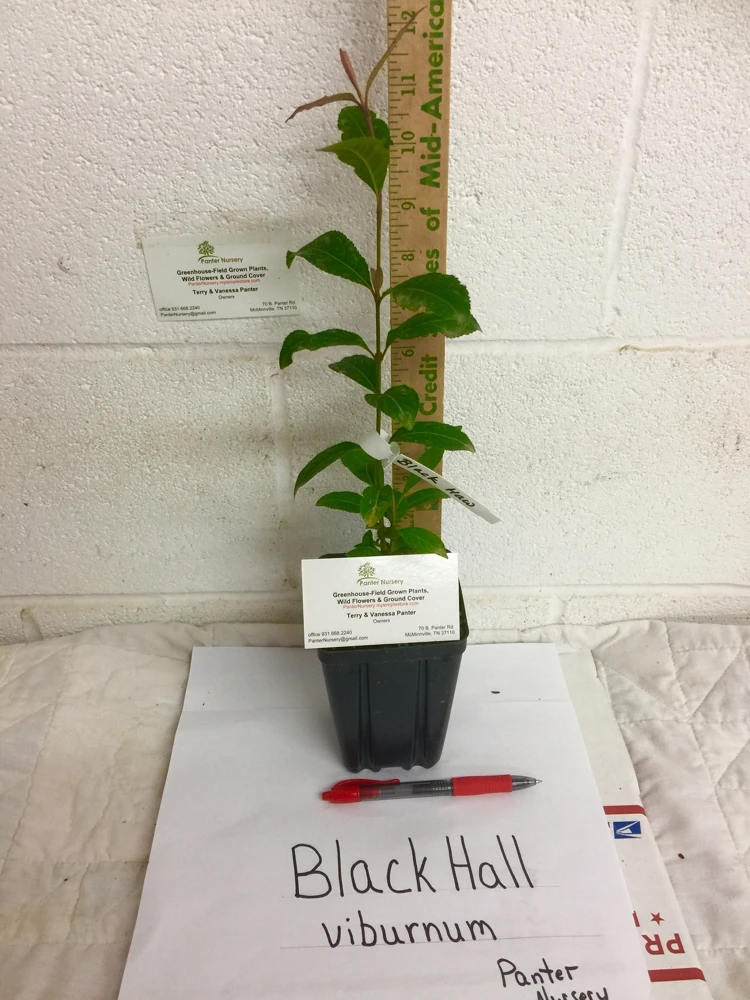
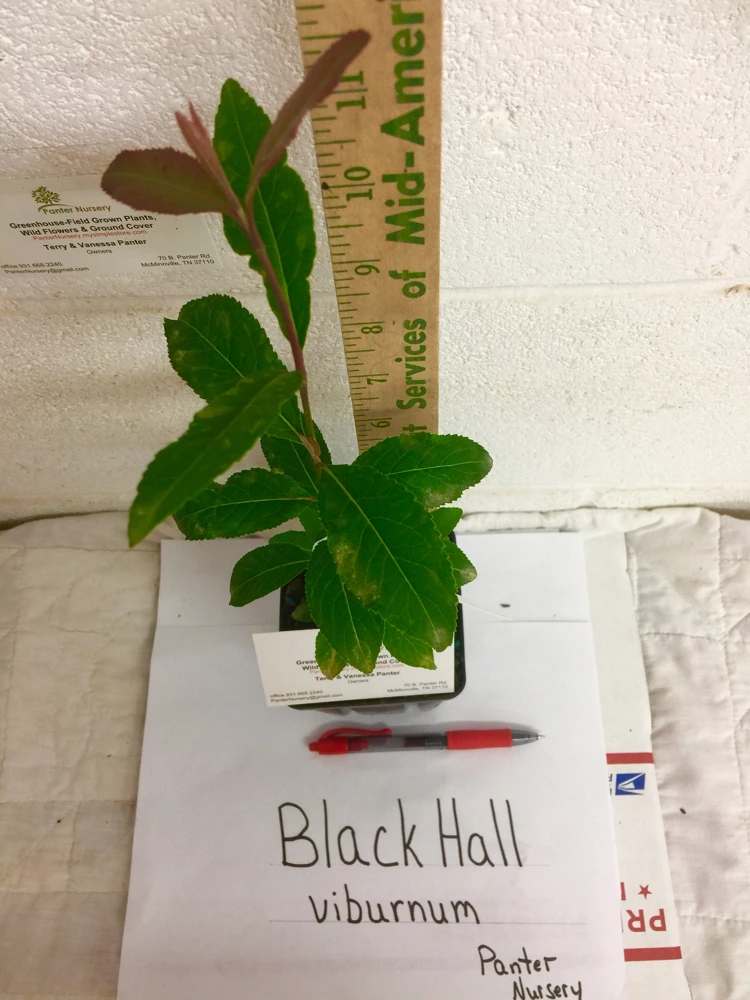
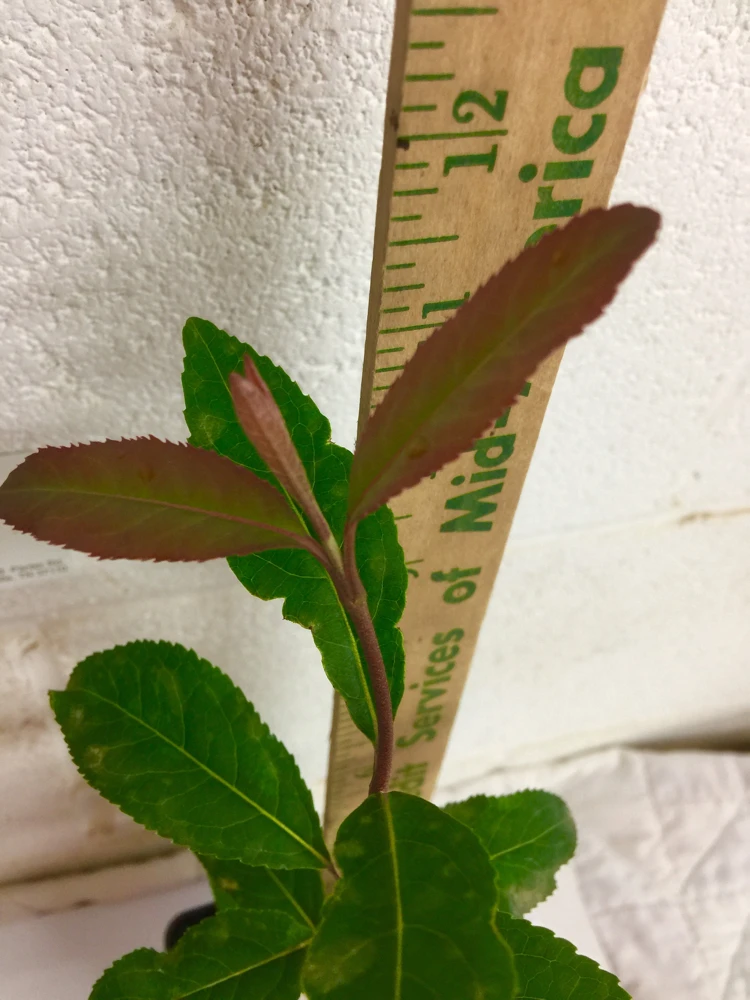
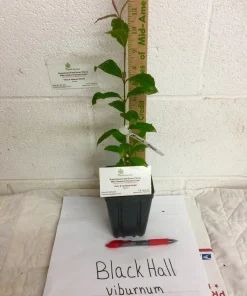
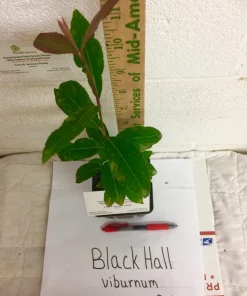
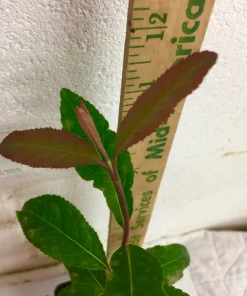
This blackhaw viburnum live plant arrives ready to thrive, typically measuring 6-12 inches tall and carefully potted in a 4-inch nursery container. This size is ideal for easy transplanting into your garden or a larger pot. The plant is generally multi-stemmed, providing a full and healthy appearance from the start. Expect this shrub to reach mature heights of 12-15 feet with a spread of approximately 5 feet, creating a substantial presence in your landscape. Its growth rate is moderate, allowing it to establish well and begin contributing significantly to your garden’ within a few seasons. The plant’s vigorous root system ensures good establishment and resilience once planted. It is a long-lived shrub, providing decades of beauty and ecological benefits. This specific offering is perfect for those looking to establish a blackhaw viburnum hedge or integrate a prominent specimen into their existing garden design.
The product you receive is a live, actively growing plant, carefully packaged to ensure its safe arrival. It is suitable for immediate planting outdoors once the risk of severe frost has passed, or it can be nurtured in its pot until conditions are ideal. The 4-inch pot size provides a healthy root ball, ensuring a smooth transition to its permanent location. With proper care, this hardy viburnum shrub will quickly adapt and begin to flourish, offering its characteristic white flowers, attractive berries, and stunning fall foliage. Remember that for abundant berry production, planting two or three plants is recommended to facilitate cross-pollination. This ensures you get the most from your blackhaw viburnum’s decorative and wildlife-attracting features.
Frequently Asked Questions
- Q: How big does this blackhaw viburnum live plant get? A: This blackhaw viburnum live plant can reach an impressive mature height of 12-15 feet with a spread of about 5 feet. Its upright, rounded form makes it a significant landscape feature.
- Q: What size pot does the plant come in? A: The plant is shipped in a 4-inch nursery pot, providing a healthy root system ready for transplanting into your garden or a larger container.
- Q: Is this an indoor or outdoor plant? A: The Blackhaw Viburnum is an outdoor plant, ideally suited for garden landscapes, hedges, and screens. It is hardy in USDA Zones 3-9.
- Q: How much sunlight does this viburnum need? A: For best results, the blackhaw viburnum live plant thrives in full sun to partial shade, meaning it requires at least 4-6 hours of direct sunlight daily to ensure robust growth and abundant flowering and fruiting.
- Q: Is this plant easy to care for? A: Yes, this is a relatively low-maintenance shrub. Once established, viburnum prunifolium care is quite easy, requiring minimal pruning and being tolerant of various conditions.
- Q: What condition will it arrive in? A: Your plant will arrive as a healthy, actively growing specimen, carefully packaged to ensure it reaches you in the best possible condition, ready for planting.
- Q: Can I use the blackhaw viburnum berries? A: Yes, the berries are desirable to birds and can also be used by humans to make preserves, offering a unique culinary option from your garden.
- Q: When is the best time to plant this shrub? A: The best time to plant is generally in spring or fall, allowing the plant to establish its root system before extreme summer heat or winter cold.
- Q: Will it survive winter in my zone? A: This hardy viburnum shrub is suitable for USDA Zones 3-9, meaning it is very cold hardy and will typically survive winters in these regions.
- Q: What is the ideal soil type for blackhaw viburnum? A: While adaptable, it prefers well-draining soil that is rich in organic matter. Avoid heavy, waterlogged soils for optimal health.
Be the first to review “Blackhaw Viburnum Live Plant – 6-12″ Tall Shrub in 4-inch Pot – Zones 3-9”
People Also Viewed
Houseplants
Reviews
There are no reviews yet.