
5 Celandine Poppy Bulbs (Stylophorum diphyllum) – Yellow Wood Poppy for Shade
Original price was: $47.99.$27.99Current price is: $27.99.
Cultivate Celandine Poppy bulbs for a stunning spring display in your shade garden. These native wood poppy bulbs produce vibrant yellow flowers and attractive blue-green foliage, ideal for naturalizing under trees or in woodland settings. Easy to grow and hardy in USDA zones 4-9.
Estimated arrival
Sep 20
Sep 25 - Sep 27
Sep 30 - Oct 04
Shop With Confidence
30-Day Plant Health Guarantee
Arrives damaged? We’ll replace it free — see our return policy.
Responsive Support
Email us anytime, we reply within 1 business day.
Expert Packaging
Temperature-controlled shipping to protect your plants in transit.
Secure Checkout
Pay safely with Visa, Mastercard, PayPal.
Plant Specifications
-
USDA Hardiness Zone
USDA Zones 4-9 -
Soil Type
Humusy, medium to wet, well-draining soil -
Sunlight Exposure
Part shade to full shade -
Expected Planting Period
Fall or early spring
Overview
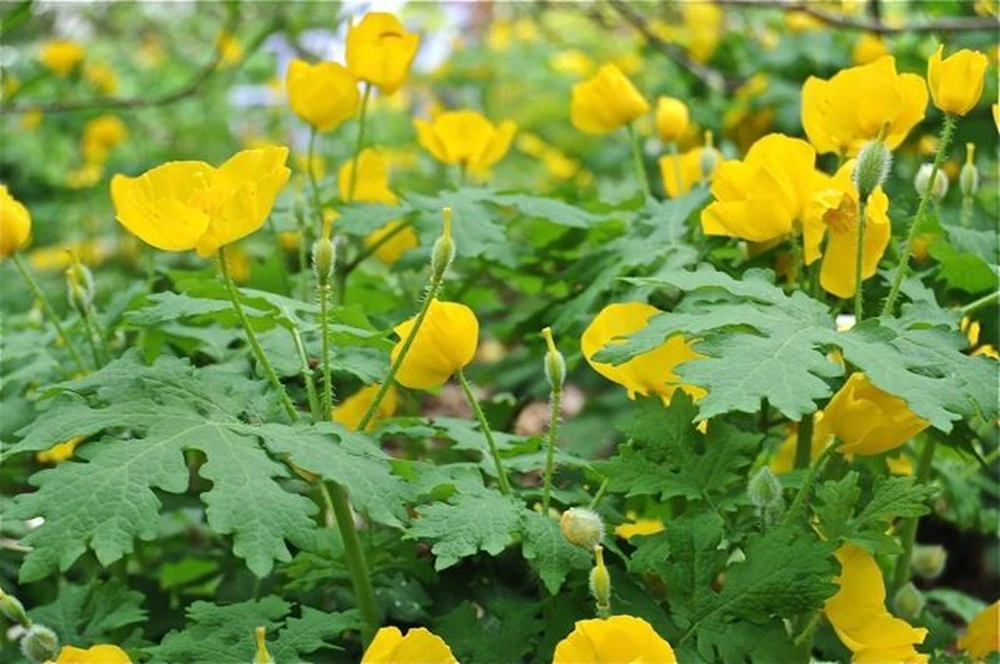
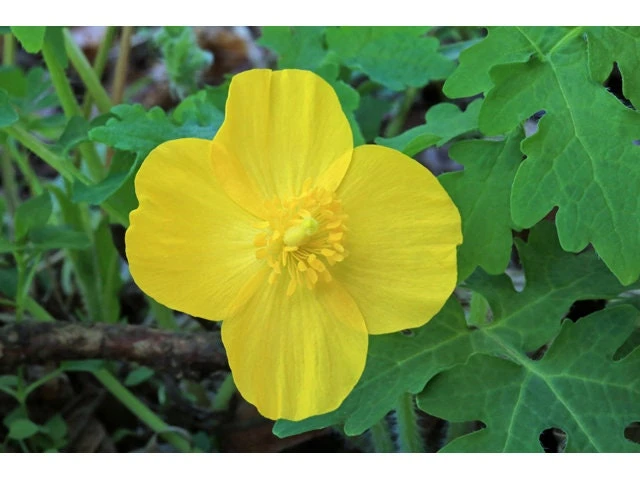
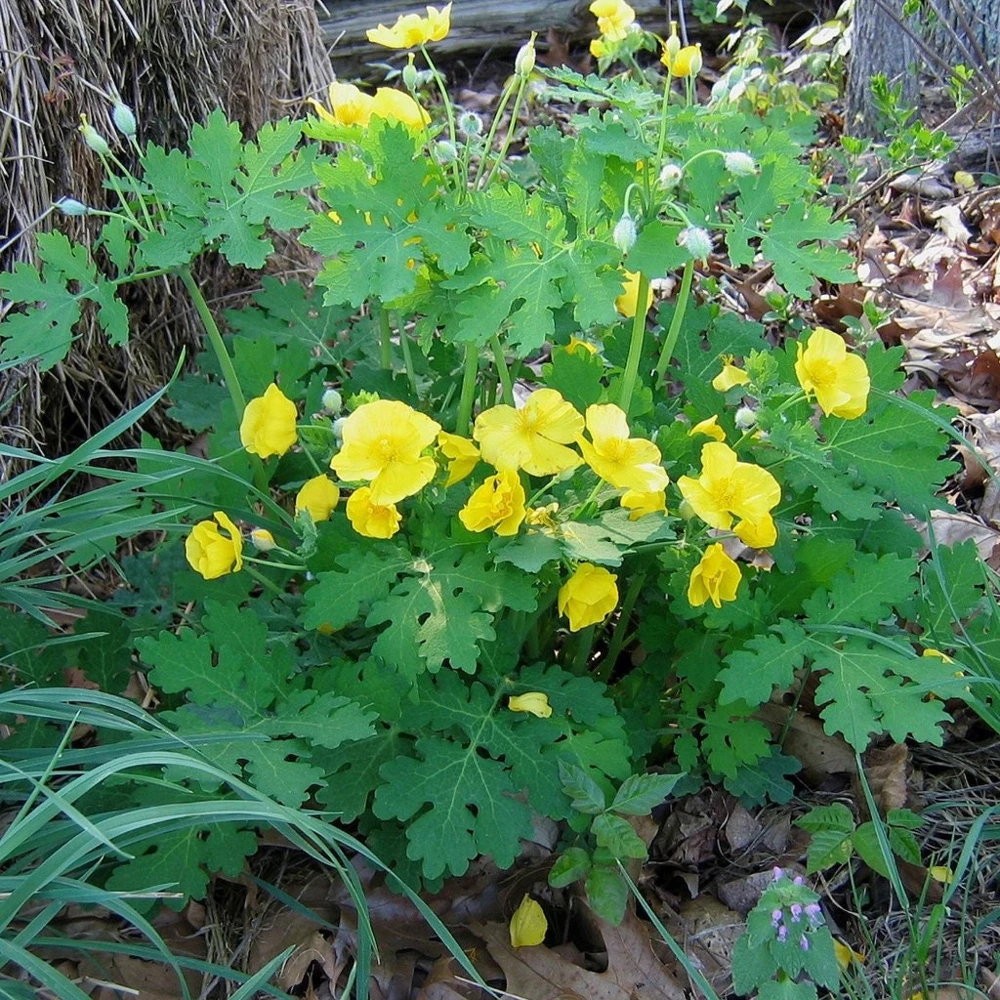
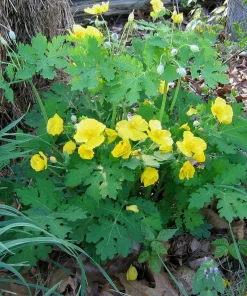
Introduce the charm of native woodlands to your garden with these Celandine Poppy bulbs. Also known as Yellow Wood Poppy or Stylophorum diphyllum, this delightful perennial is celebrated for its cheerful yellow, four-petaled flowers that emerge in small clusters during spring. Each order includes 5 bulbs, ready to establish themselves and create a captivating display. The plant’s distinctive blue-green lobed foliage, silvery beneath, adds textural interest even when not in bloom. A unique feature of the Celandine Poppy is its bright yellow sap, historically used as a dye by Native Americans. These bulbs are perfect for naturalizing, providing a vibrant pop of color in shaded areas where many other plants struggle to thrive. They are an excellent choice for woodland gardens, shaded borders, or under deciduous trees, offering a low-maintenance solution for beautiful spring landscaping.
Key Benefits
Planting Celandine Poppy bulbs brings a host of benefits to your garden, enhancing both its aesthetic appeal and ecological value. This native plant is an exceptional addition for various reasons:
- Vibrant Spring Blooms: Enjoy a cheerful display of bright yellow flowers that illuminate shaded garden areas early in the season, providing much-needed color after winter.
- Attractive Foliage: The distinctive blue-green, lobed leaves with silvery undersides offer visual interest throughout the growing season, even beyond the flowering period.
- Native Plant: As a native wood poppy, it is well-adapted to local conditions, requiring less intervention and contributing to local biodiversity by supporting native pollinators.
- Shade Tolerant: Thrives in partial to full shade, making it an ideal choice for challenging areas under trees or on the north side of buildings where sunlight is limited.
- Low Maintenance: Once established, Stylophorum diphyllum is relatively carefree, requiring minimal attention beyond ensuring adequate moisture.
- Naturalizing Capabilities: This plant readily self-seeds in optimal conditions, allowing it to naturalize and create beautiful, spreading colonies over time, filling empty spaces with ease.
- Hardy Perennial: Resilient in USDA zones 4-9, it returns year after year, providing reliable beauty and reducing the need for annual replanting.
- Historical Significance: The bright yellow sap was historically used as a dye, adding an interesting cultural dimension to this beautiful plant.
Plant Care & Growing Tips
Cultivating Celandine Poppy bulbs is straightforward, especially when provided with the right conditions. These plants flourish in environments that mimic their natural woodland habitat. For optimal growth, plant your Celandine Poppy bulbs in medium to wet, humusy soils. Rich, organic soil is preferred to ensure good moisture retention while still providing adequate drainage. Avoid excessively dry or waterlogged conditions, as these can stress the plant. Amending your soil with compost or leaf mold before planting can greatly improve its structure and nutrient content, promoting vigorous growth.
When considering sunlight, the Yellow Wood Poppy performs best in part shade to full shade. This means it can tolerate a few hours of morning sun but should be protected from harsh afternoon sun, which can scorch its delicate foliage. Ideal locations include under the canopy of deciduous trees, along shaded north-facing walls, or in woodland gardens. Consistent moisture is crucial, particularly during the active growing season. While established plants can tolerate short periods of dryness, prolonged drought will cause them to go dormant prematurely in early summer. Regular watering, especially during dry spells, will help extend their foliage and bloom period. Fertilization is generally not heavily required in rich, organic soils, but a light application of a balanced, slow-release granular fertilizer in early spring can boost growth. These plants are hardy in USDA zones 4-9, making them suitable for a wide range of climates. They are known to naturalize easily by self-seeding, especially in optimum growing conditions, making them a wonderful choice for creating a lush, informal shade garden plants display. Monitor for common garden pests, though the native wood poppy is generally quite resilient.
Size & Details
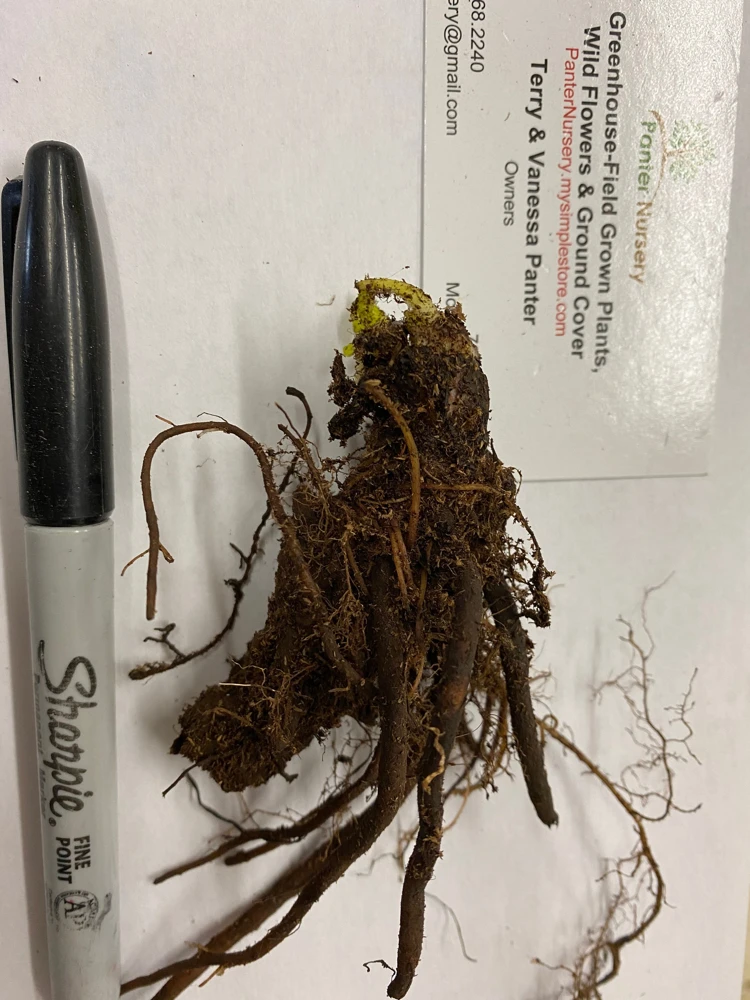
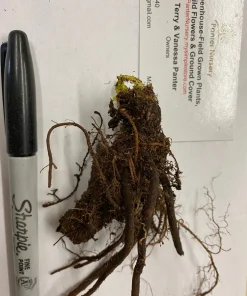
Each purchase includes 5 healthy Celandine Poppy bulbs, ready for planting. Once established, these charming plants typically grow to a height of 12-18 inches (30-45 cm) tall, forming attractive clumps. The blue-green lobed foliage creates a dense groundcover effect, providing lush greenery. The yellow flowers, about 1-2 inches in diameter, appear in spring, usually from April to May, depending on your climate zone. The bulbs are shipped dormant and are best planted in fall or early spring for bloom in the subsequent spring. In cooler climates, planting in early spring after the last frost is also suitable. These plants have a moderate growth rate and will begin to establish and spread through self-seeding within a few seasons under favorable conditions, creating a beautiful and expanding display of Stylophorum diphyllum. Expect them to go dormant in early summer, especially if soils dry out, but they will reliably return the following spring.
Frequently Asked Questions
- Q: How big do these Celandine Poppy plants get? A: Celandine Poppy plants typically grow to a height of 12-18 inches (30-45 cm) tall. They form attractive clumps and can spread over time through self-seeding, creating a beautiful groundcover in shaded areas.
- Q: Is this an indoor or outdoor plant? A: The Celandine Poppy bulbs are intended for outdoor cultivation. They thrive in woodland garden settings, shaded borders, or under deciduous trees, making them excellent shade garden plants.
- Q: How much sunlight does the Yellow Wood Poppy need? A: This plant prefers part shade to full shade. It can tolerate a few hours of morning sun but should be protected from intense afternoon sunlight to prevent foliage burn and ensure healthy growth.
- Q: Is this plant easy to care for? A: Yes, the native wood poppy is considered relatively easy to care for once established. Its primary requirements are consistently moist, humus-rich soil and a shaded environment.
- Q: What condition will the bulbs arrive in? A: You will receive 5 dormant Celandine Poppy bulbs, carefully packaged and ready for planting. Dormant bulbs are ideal for successful establishment.
- Q: How long until the Celandine Poppy blooms? A: If planted in the fall or early spring, the Stylophorum diphyllum bulbs will typically bloom in the following spring, usually from April to May, providing a vibrant display of yellow flowers.
- Q: Will it survive winter in my zone? A: Yes, these Celandine Poppy bulbs are hardy in USDA zones 4-9, meaning they are well-suited to survive winter in a wide range of temperate climates and return year after year.
- Q: What type of soil is best for Celandine Poppy? A: The Yellow Wood Poppy prefers medium to wet, humusy soils. Rich, organic soil that retains moisture but drains well is ideal for its growth and establishment.
- Q: Can I use the sap from the Celandine Poppy? A: While the bright yellow sap of Celandine Poppy was historically used as a dye by Native Americans, it’s generally not recommended for casual use without proper knowledge of plant handling, as some plant saps can cause skin irritation.
- Q: Does this plant attract pollinators? A: Yes, the vibrant yellow flowers of the Celandine Poppy attract early spring pollinators, contributing positively to your garden’s ecosystem.
Be the first to review “5 Celandine Poppy Bulbs (Stylophorum diphyllum) – Yellow Wood Poppy for Shade”
People Also Viewed
Houseplants
Succulents
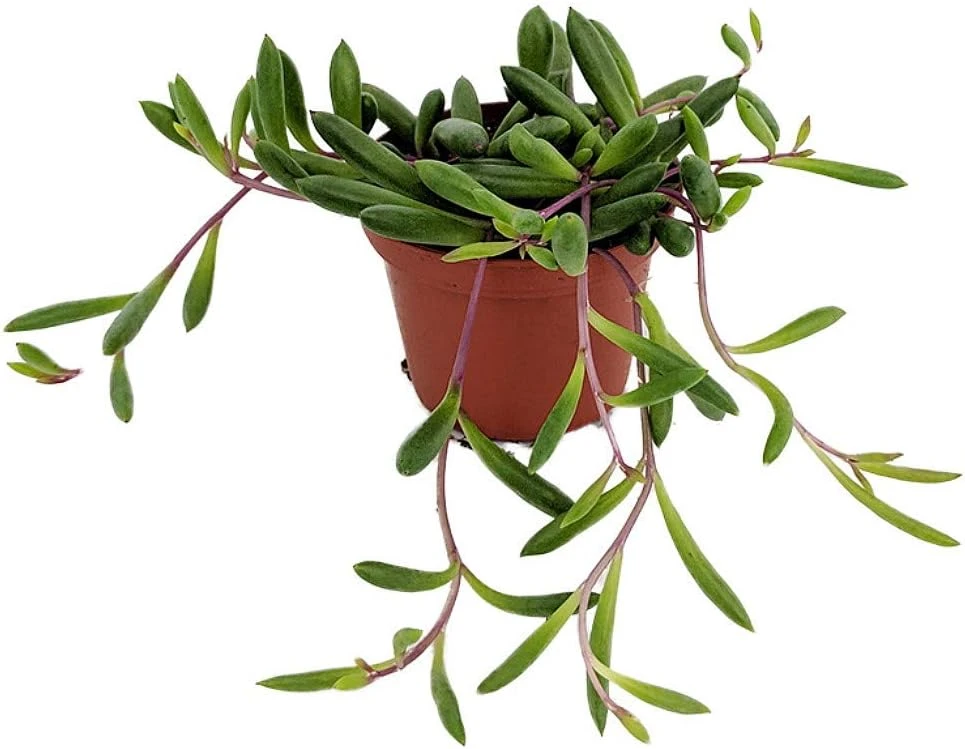
String of Rubies Succulent Live Plant – Othonna capensis – 2.5″ Pot – Trailing Indoor/Outdoor


Vegetable Seeds
Black Russian Tomato Seeds – Heirloom, Indeterminate, 30 Count
Reviews
There are no reviews yet.