

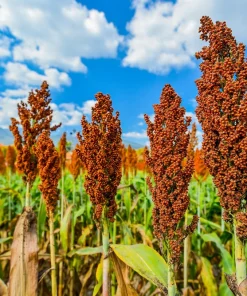
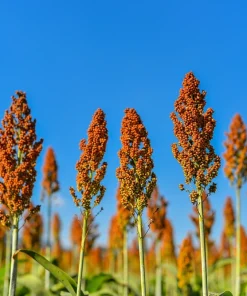
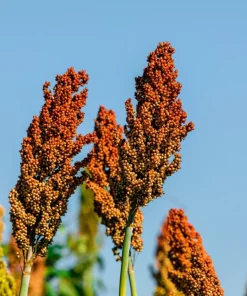
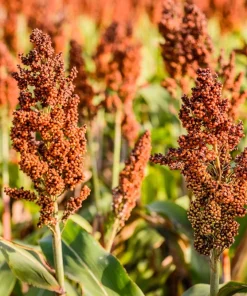

50 Honey Drip Sorghum Seeds – Bicolor Honey Drop Syrup Grain Vegetable Seeds
Original price was: $37.99.$17.99Current price is: $17.99.
Cultivate your own sweet harvest with these honey drip sorghum seeds. Perfect for making delicious syrup or harvesting nutritious grains, this bicolor variety is an excellent addition to any garden. Easy to grow and highly versatile.
Estimated arrival
Sep 17
Sep 22 - Sep 24
Sep 27 - Oct 01
Shop With Confidence
30-Day Plant Health Guarantee
Arrives damaged? We’ll replace it free — see our return policy.
Responsive Support
Email us anytime, we reply within 1 business day.
Expert Packaging
Temperature-controlled shipping to protect your plants in transit.
Secure Checkout
Pay safely with Visa, Mastercard, PayPal.
Plant Specifications
-
USDA Hardiness Zone
Annual in most zones (4-10) -
Soil Type
Well-draining soil, pH 6.0-7.0 -
Sunlight Exposure
Full sun (6-8+ hours daily) -
Expected Planting Period
Late spring to early summer (after last frost)
Overview
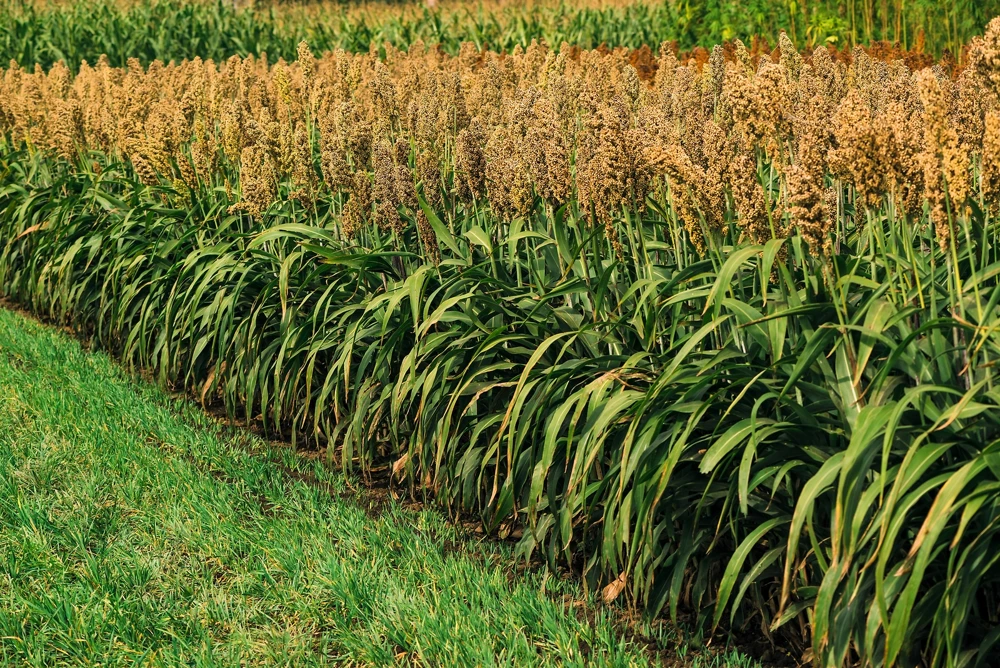
Discover the joy of growing your own sweetener and grain with our premium honey drip sorghum seeds. This unique bicolor variety, also known as Honey Drop Sorghum, is celebrated for its dual-purpose capabilities: producing stalks rich in sweet, honey-like syrup and yielding nutritious grains. Ideal for home gardeners looking to explore sustainable food sources, sorghum is a resilient and rewarding crop. These honey drip sorghum seeds offer an exciting opportunity to cultivate a plant that is both historically significant and incredibly versatile in modern culinary applications. Whether you’re a seasoned gardener or just starting out, sorghum provides a fascinating and productive growing experience.
Sorghum bicolor, commonly referred to as sorghum, is a grass species cultivated for its grain, which is used for food, animal feed, and ethanol production. Sweet sorghum varieties, like this Honey Drip type, are specifically bred for their high sugar content in the stalks, making them perfect for syrup extraction. The grains are also edible and can be used in various recipes, from flour to popped snacks. Grow honey drip sorghum seeds to add a unique and functional crop to your garden.
Key Benefits
Growing honey drip sorghum seeds offers a multitude of benefits for the home gardener and beyond:
- Dual-Purpose Crop: Enjoy the versatility of harvesting both sweet syrup from the stalks and nutritious grains from the seed heads. This makes it a highly efficient plant for food production.
- Natural Sweetener: Produce your own homemade, natural sweetener. The syrup from honey drip sorghum seeds can be used as an alternative to maple syrup or honey in various dishes.
- Nutritious Grain: The grains are gluten-free and packed with fiber, protein, and essential minerals, making them a healthy addition to your diet. Learn how to grow sorghum for syrup and grain effectively.
- Drought Tolerant: Sorghum is known for its remarkable drought resistance, making it an excellent choice for gardens in drier climates or for those looking for water-wise plants.
- Easy to Grow: Relatively low-maintenance once established, these bicolor sorghum seeds are suitable for gardeners of all experience levels.
- Soil Improvement: Sorghum can contribute to soil health as a cover crop or by adding organic matter when tilled back into the earth after harvest.
- Wildlife Attractor: The seed heads can attract birds, providing a natural food source and adding life to your garden.
Plant Care & Growing Tips
Successfully growing honey drip sorghum seeds requires attention to a few key factors to ensure a bountiful harvest. Sorghum thrives in full sun, requiring at least 6-8 hours of direct sunlight per day. Choose a location in your garden that receives ample light throughout the growing season. While adaptable, sorghum prefers well-draining soil with a pH between 6.0 and 7.0. Amend heavy clay soils with organic matter to improve drainage, or sandy soils to enhance water retention. It’s best to plant after the last frost, when soil temperatures have consistently reached at least 60°F (15°C).
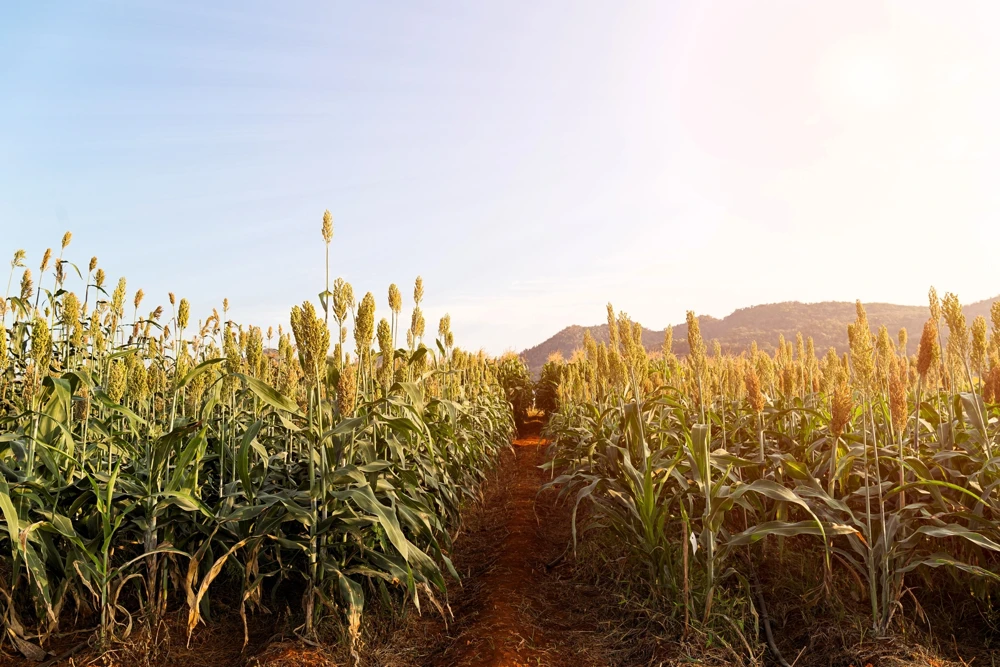
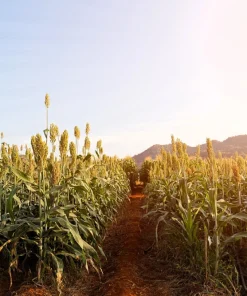
Sow the bicolor sorghum seeds directly into the garden about 1 inch deep and 6-8 inches apart in rows 30-36 inches apart. Once seedlings emerge and are a few inches tall, thin them to 8-12 inches apart to allow for proper stalk development. While sorghum is drought-tolerant, consistent moisture is crucial during germination and early growth. Once established, it can withstand drier periods but will benefit from deep watering during prolonged dry spells, especially when stalks are developing. Fertilize with a balanced granular fertilizer at planting, and side-dress with nitrogen when plants are about 1-2 feet tall to encourage vigorous growth. Keep the area around the plants free of weeds, which can compete for nutrients and water. Harvesting for syrup typically occurs when the grains are in the soft dough stage, while grain harvest is when the heads are fully mature and dry. Understanding how to grow sorghum for syrup will ensure you get the best yield.
Size & Details
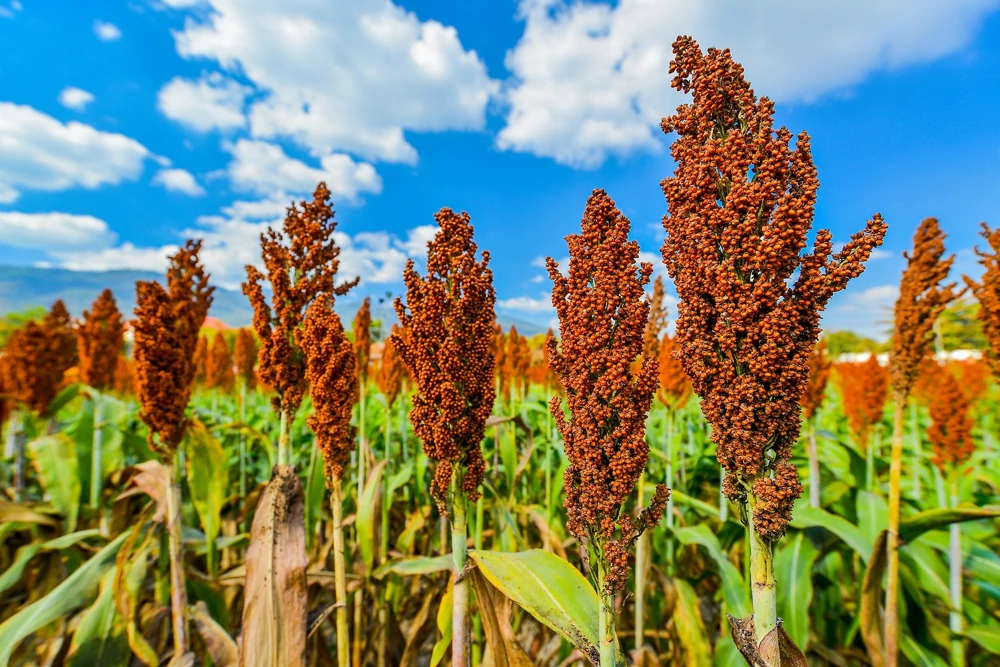
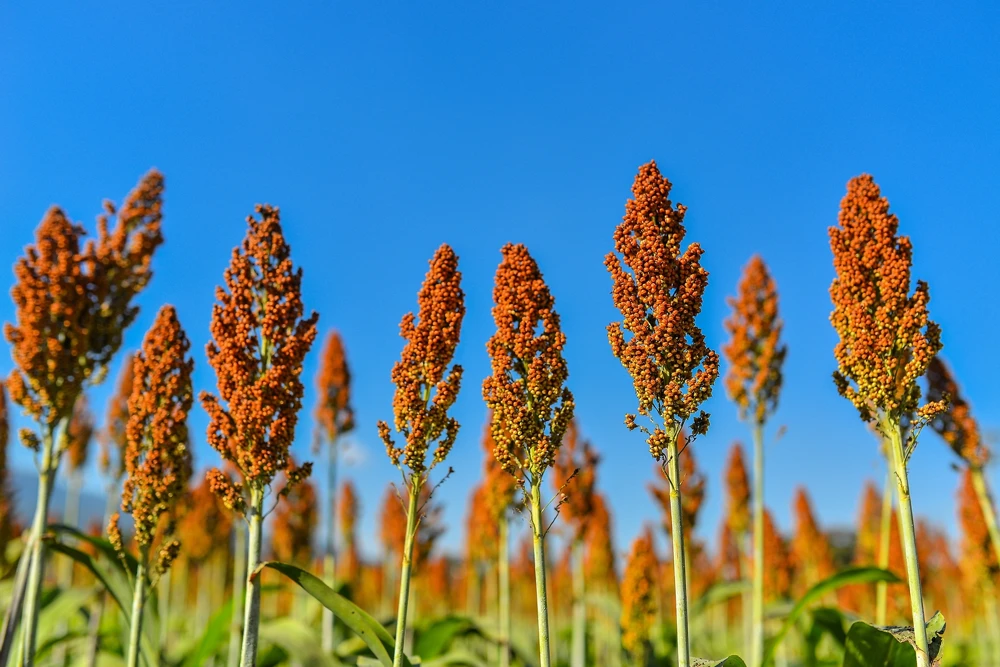
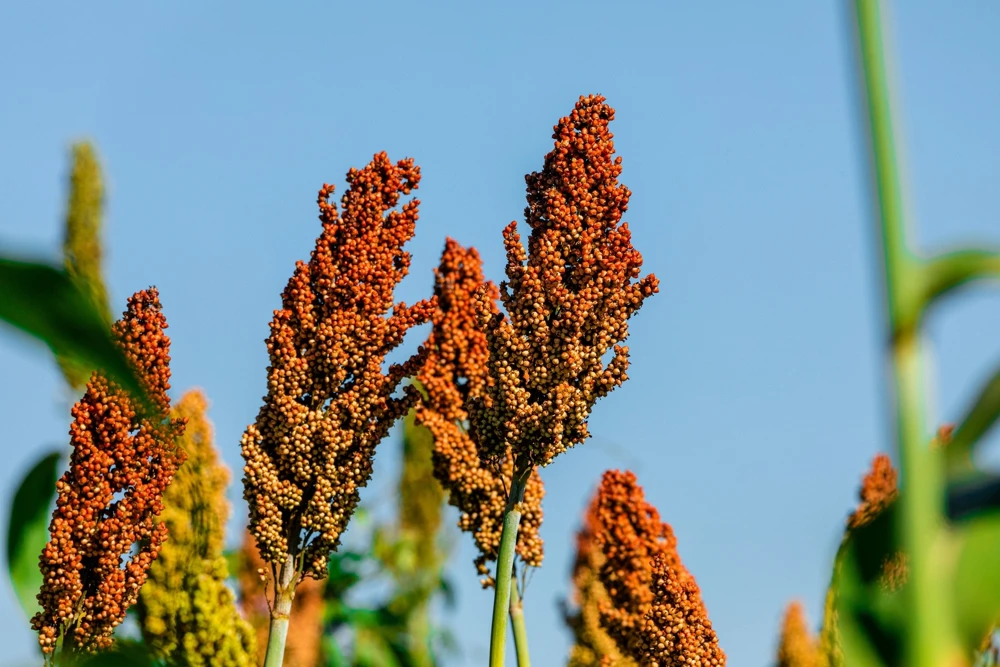
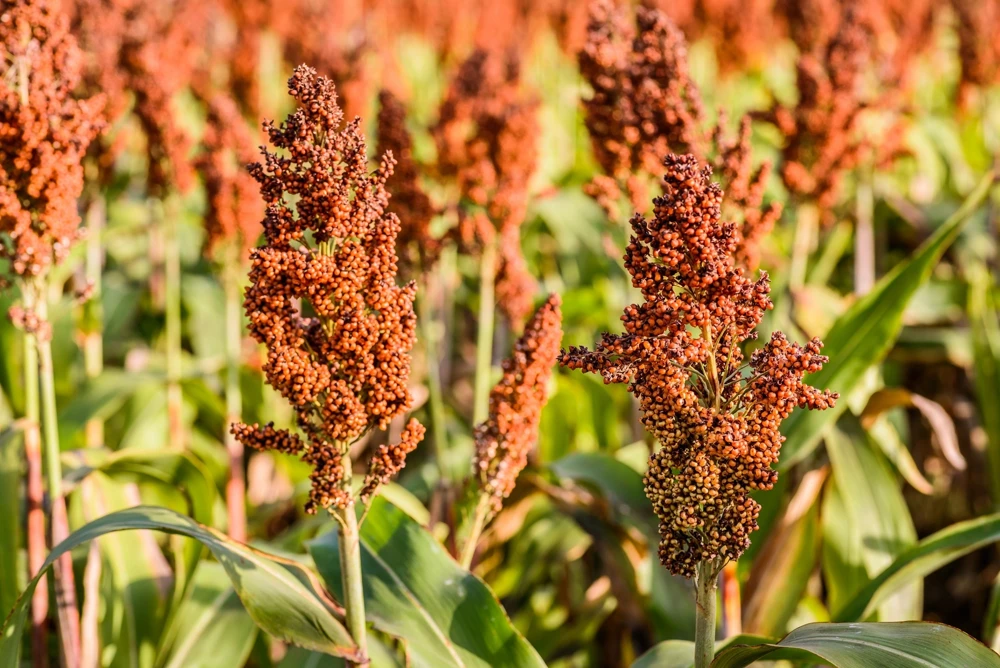
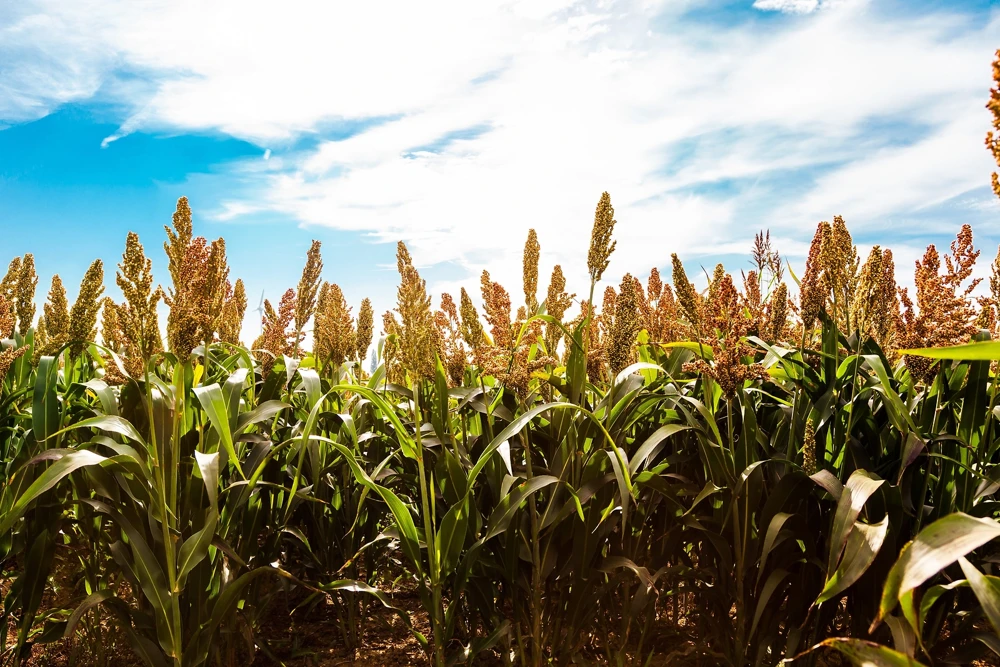
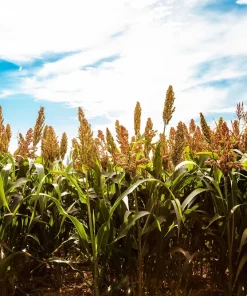
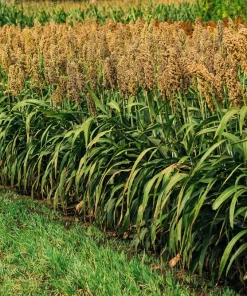
These honey drip sorghum seeds will mature into tall, impressive plants, typically reaching heights of 6 to 10 feet, depending on growing conditions and variety. The stalks are thick and sturdy, designed to hold the sweet sap for syrup production. Each packet contains 50 seeds, providing ample opportunity to cultivate a substantial patch for syrup and grain. Sorghum has a relatively fast growth rate, with maturity usually reached within 90-120 days from planting. The plants produce distinctive seed heads, often with a bicolor appearance, which are both ornamental and functional. Expect a robust yield of stalks for syrup and abundant grain from these high-quality honey drop sorghum seeds.
Frequently Asked Questions
- Q: How big does Honey Drip Sorghum get? A: Honey Drip Sorghum plants typically grow quite tall, reaching heights between 6 to 10 feet (1.8 to 3 meters). Their sturdy stalks are designed to support the heavy seed heads and store the sweet sap.
- Q: Is this an indoor or outdoor plant? A: Sorghum is an outdoor plant that requires full sun exposure to thrive. It is not suitable for indoor cultivation due to its size and light requirements.
- Q: How much sunlight does Honey Drip Sorghum need? A: For optimal growth and syrup production, Honey Drip Sorghum needs at least 6-8 hours of direct sunlight per day. Plant it in the sunniest part of your garden.
- Q: Is this plant easy to care for? A: Yes, sorghum is generally considered easy to care for, especially once established. It’s known for its drought tolerance and adaptability, making it a good choice for beginner gardeners interested in growing their own grains or syrup.
- Q: What condition will the seeds arrive in? A: The honey drip sorghum seeds will arrive as a packet of dry seeds, ready for planting. They are carefully packaged to ensure viability and freshness.
- Q: When is the best time to plant Honey Drip Sorghum seeds? A: The best time to plant is after all danger of frost has passed in your region, typically in late spring or early summer, when soil temperatures consistently reach 60°F (15°C) or higher. This ensures good germination for your sweet sorghum grain.
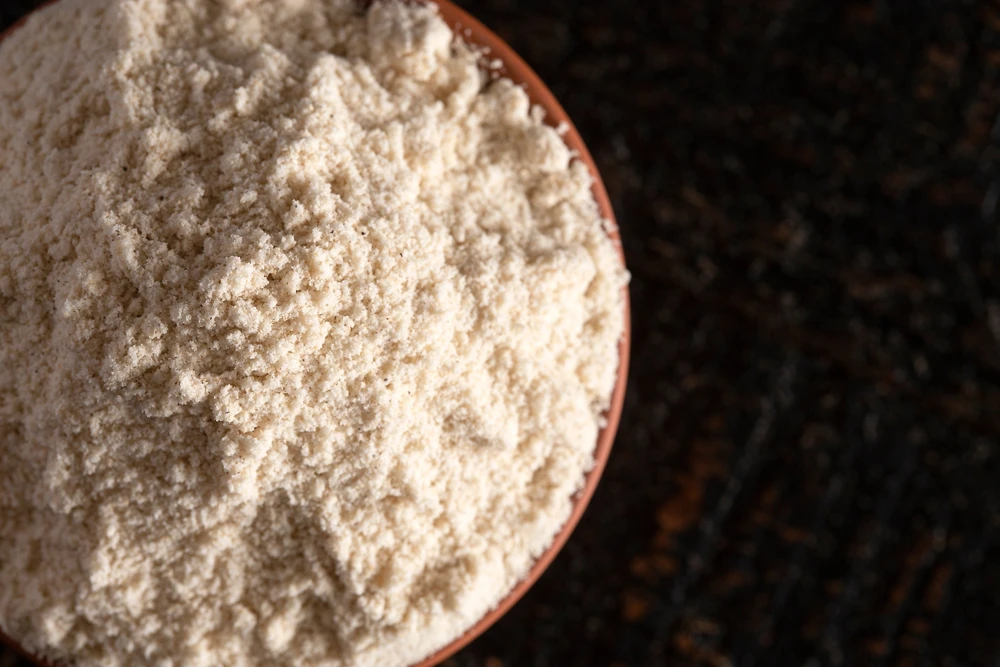
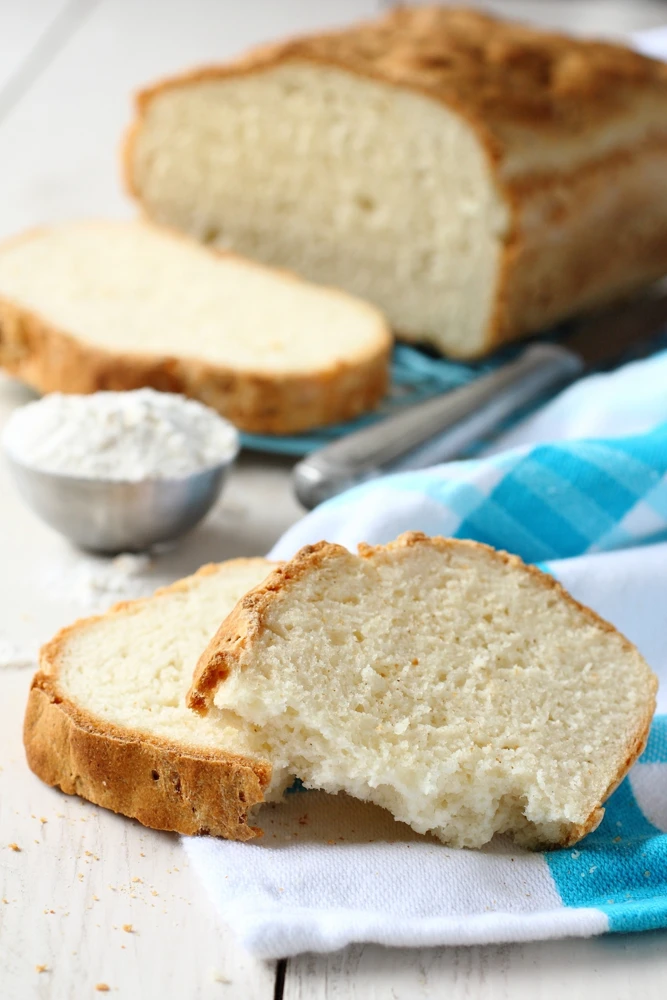
- Q: Can I use sorghum grain for human consumption? A: Absolutely! The grain from Honey Drip Sorghum is edible and gluten-free. It can be ground into flour, cooked like rice, or even popped like popcorn, offering a versatile and nutritious food source. This is a great way to utilize your honey drop sorghum.
- Q: How do I harvest sorghum for syrup? A: For syrup, harvest the stalks when the grains are in the soft dough stage, before they fully harden. Strip the leaves, press the stalks to extract the juice, and then boil down the juice to create syrup. This process allows you to effectively grow sorghum for syrup.
- Q: What is the USDA hardiness zone for sorghum? A: Sorghum is typically grown as an annual crop in most USDA zones, meaning it completes its life cycle in one growing season. It thrives in warmer climates and is generally suited for zones 4-10 during the summer months.
- Q: Is sorghum pest-resistant? A: While sorghum is generally hardy, it can be susceptible to certain pests and diseases. Regular garden inspection and good cultural practices, such as proper spacing and rotation, can help minimize issues.
Be the first to review “50 Honey Drip Sorghum Seeds – Bicolor Honey Drop Syrup Grain Vegetable Seeds”
People Also Viewed
Reviews
There are no reviews yet.