


100 Black Lentil Bush Seeds – Lens Culinaris Vegetable Legume Sprouts
Original price was: $37.99.$17.99Current price is: $17.99.
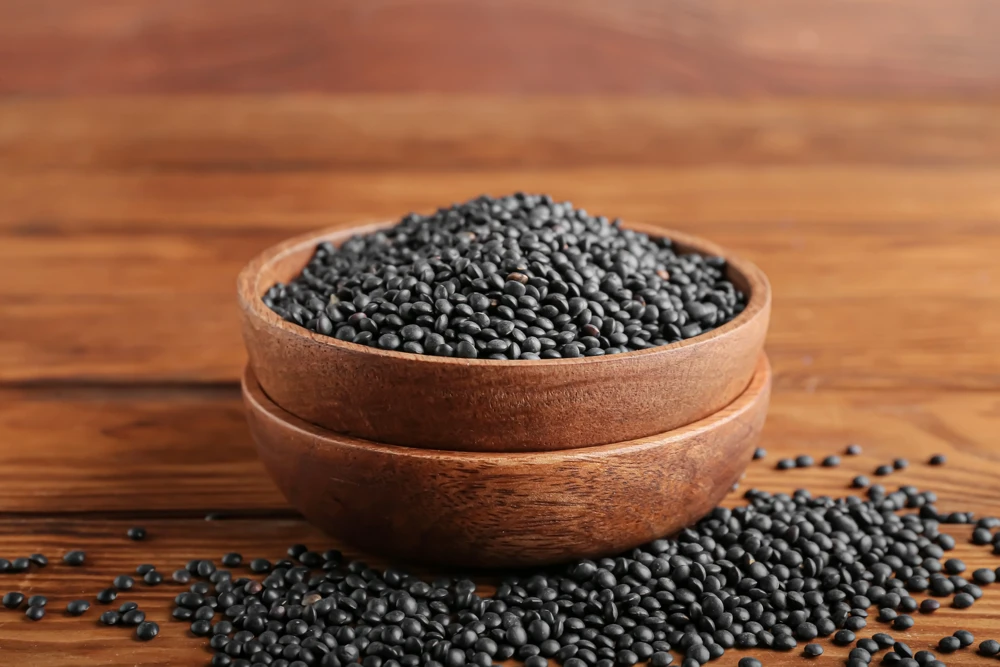
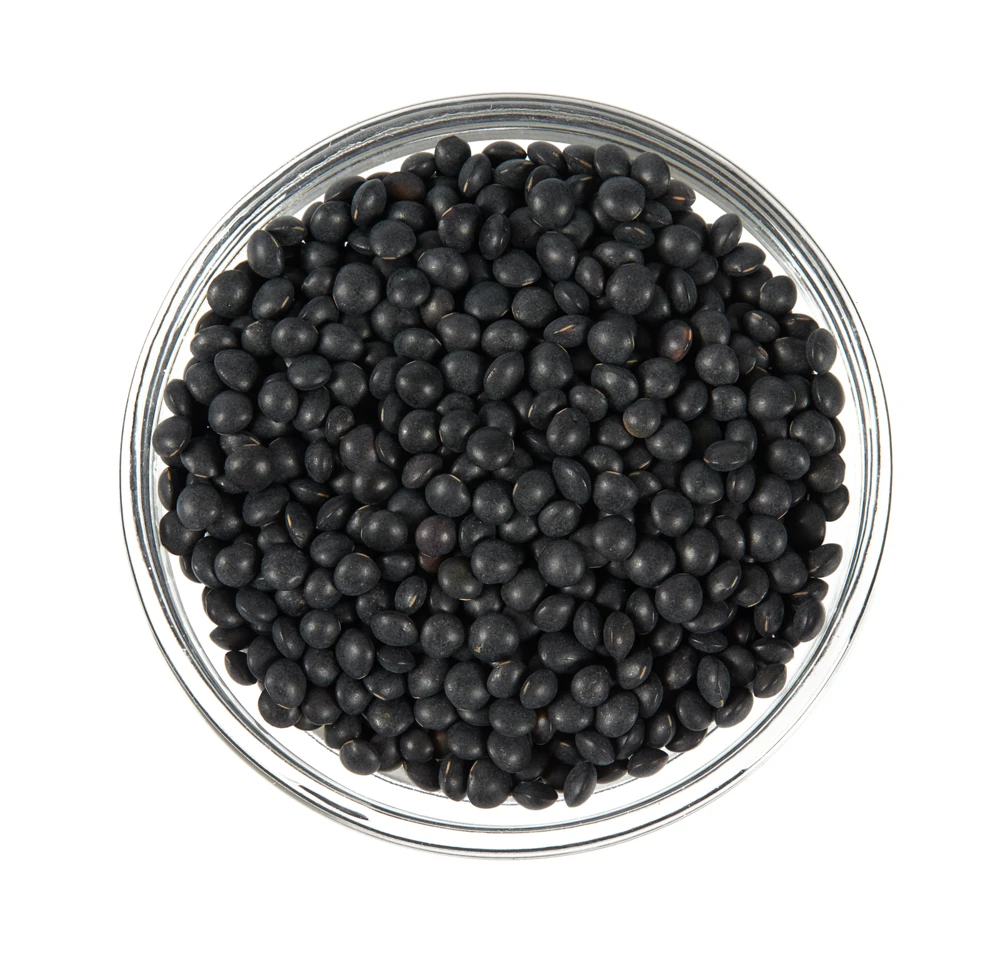
Cultivate your own healthy and delicious black lentil seeds at home. These Lens Culinaris seeds are ideal for growing nutrient-rich sprouts or adding fresh legumes to your vegetable garden. Enjoy a bountiful harvest with these versatile and easy-to-grow seeds.
Estimated arrival
Sep 17
Sep 22 - Sep 24
Sep 27 - Oct 01
Shop With Confidence
30-Day Plant Health Guarantee
Arrives damaged? We’ll replace it free — see our return policy.
Responsive Support
Email us anytime, we reply within 1 business day.
Expert Packaging
Temperature-controlled shipping to protect your plants in transit.
Secure Checkout
Pay safely with Visa, Mastercard, PayPal.
Plant Specifications
-
USDA Hardiness Zone
Annual (grows in most zones during warm season) -
Soil Type
Well-draining, loose soil (sandy loam to loam) -
Sunlight Exposure
Full sun (6-8 hours daily) -
Expected Planting Period
Early spring after last frost or late summer
Overview
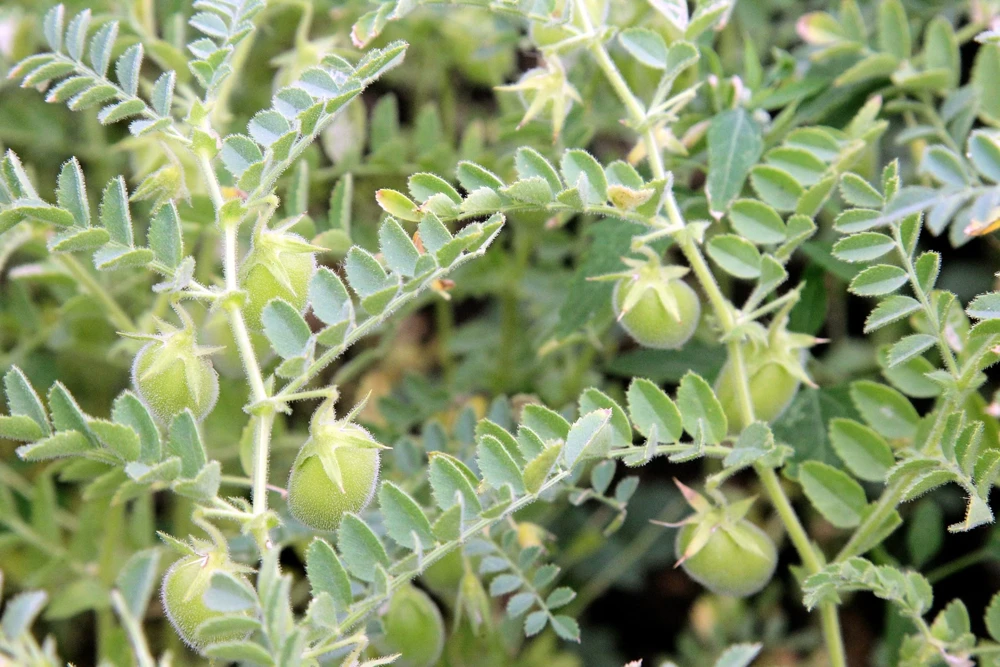
Embark on a rewarding gardening journey with our premium pack of black lentil seeds. These Lens Culinaris seeds offer a fantastic opportunity to cultivate your own nutritious and versatile legumes right in your backyard or even in containers. Known for their robust flavor and health benefits, black lentils are a staple in many cuisines and an excellent source of protein, fiber, and essential minerals. Whether you’re an experienced gardener or just starting out, growing your own black lentil seeds is a simple and satisfying endeavor that yields delicious results. These bush-type lentils are relatively compact, making them suitable for various garden sizes and even urban gardening.
Our high-quality Lens Culinaris seeds are carefully selected to ensure excellent germination rates and vigorous growth. They are perfect for those interested in sustainable living, growing their own food, or simply enjoying the freshest ingredients possible. Beyond their culinary uses, growing lentils can also contribute to soil health by fixing nitrogen, making them a beneficial addition to any crop rotation. Discover the joy of harvesting your own home-grown black lentils, whether for savory dishes or fresh, crunchy sprouts.
Key Benefits
Growing black lentil seeds offers a multitude of benefits, from enhancing your diet to enriching your garden. These robust legumes are a fantastic choice for any home gardener looking for a high-yield, low-maintenance crop. Here are some of the key advantages of cultivating your own black lentils:
- Nutrient-Rich Harvest: Black lentils are packed with protein, dietary fiber, and various vitamins and minerals, making them an incredibly healthy addition to your diet. Growing your own ensures you have access to the freshest, most nutritious legumes.
- Versatile Culinary Use: From hearty soups and stews to vibrant salads and flavorful side dishes, black lentils are incredibly versatile in the kitchen. Having a fresh supply of your own Lens Culinaris seeds means endless culinary possibilities.
- Easy to Grow: Lentils are known for being one of the easiest legumes to grow, thriving in a variety of climates and soil conditions. They are an excellent choice for beginner gardeners or those looking for a low-effort, high-reward crop.
- Soil Improvement: Like other legumes, lentils are nitrogen-fixers, meaning they can enrich your soil with essential nutrients, reducing the need for synthetic fertilizers in subsequent plantings. This makes them a great component of a sustainable gardening system.
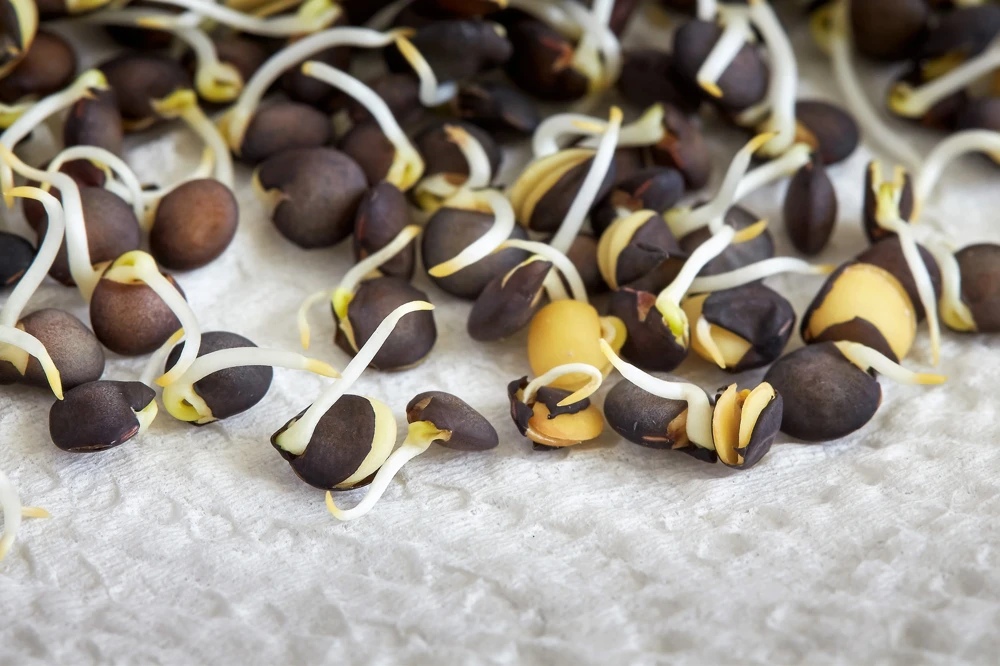
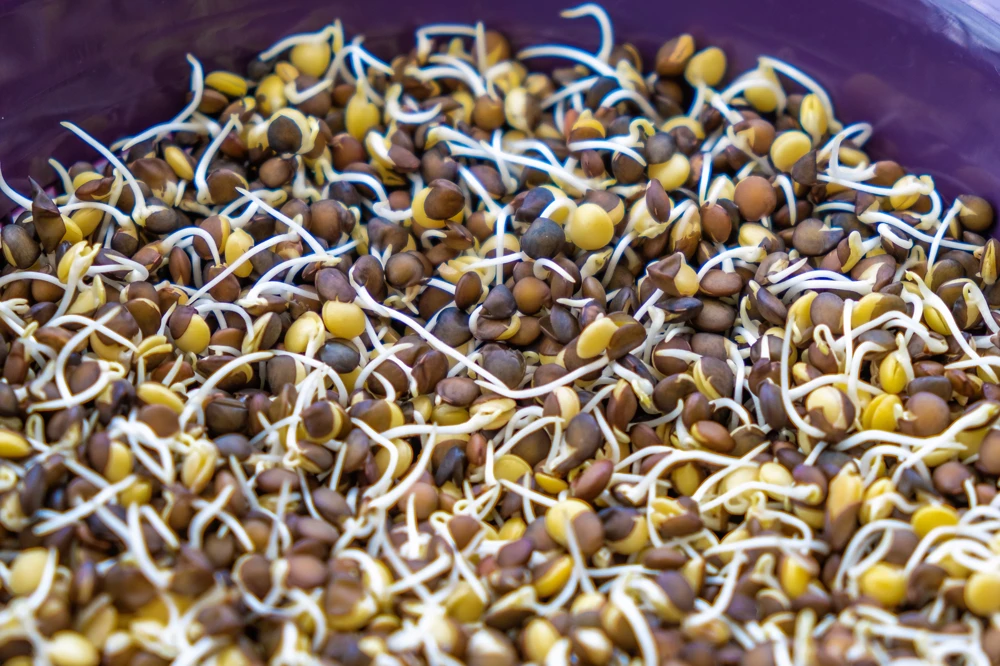
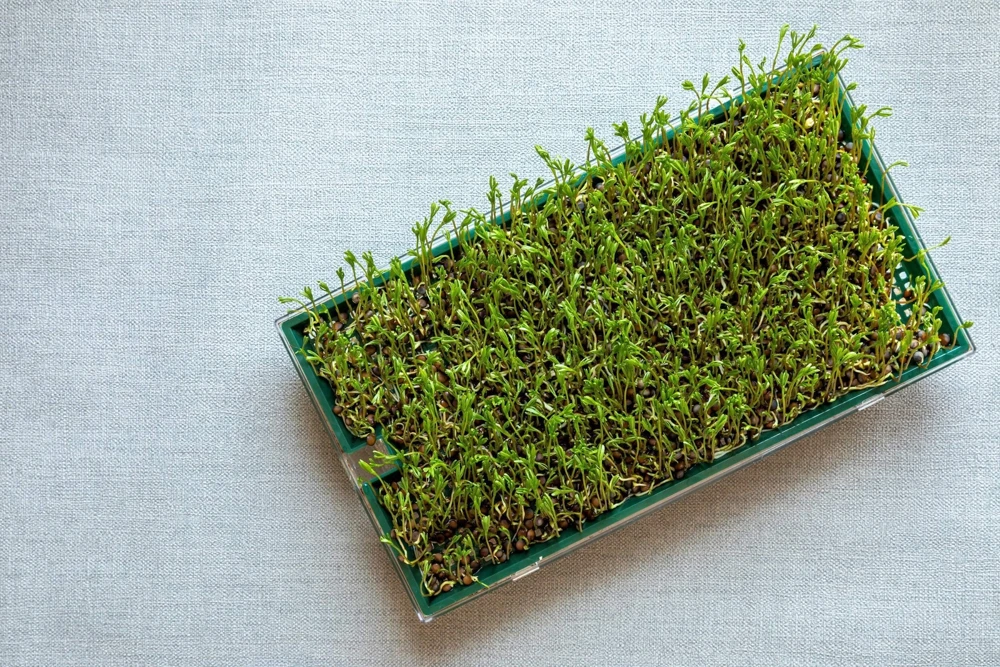
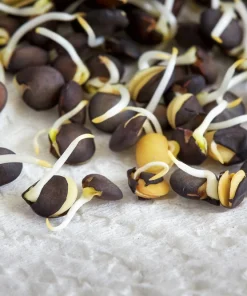
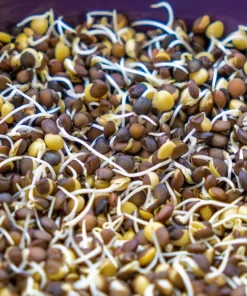
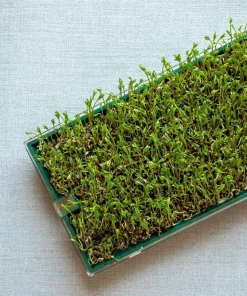
- Sprouting Potential: These legume sprouts seeds are perfect for sprouting! Enjoy fresh, crunchy, and nutrient-dense sprouts in just a few days, adding a healthy boost to sandwiches, salads, and wraps.
- Compact Growth Habit: The bush-type growth of these lentils makes them suitable for smaller gardens, raised beds, or even large containers, allowing more people to enjoy the benefits of growing their own food.
- Sustainable Food Source: Cultivating your own vegetable garden seeds helps reduce your carbon footprint and provides a reliable, fresh food source, connecting you more closely to where your food comes from.
Plant Care & Growing Tips
Growing black lentil seeds is a straightforward process, making them an ideal choice for gardeners of all experience levels. To ensure a successful harvest, understanding their basic care requirements is key. Lentils prefer full sun, meaning they need at least 6-8 hours of direct sunlight per day. Choose a location in your garden that receives ample light throughout the day. They are cool-season crops and can be planted in early spring as soon as the danger of hard frost has passed, or in late summer for a fall harvest in milder climates. Optimal soil temperatures for germination are between 60-70°F (15-21°C).
Regarding soil, lentils thrive in well-draining, loose soil that is not overly rich in nitrogen, as they fix their own. A sandy loam or loamy soil with a pH between 6.0 and 7.0 is ideal. Avoid heavy clay soils that retain too much moisture, as this can lead to root rot. Plant your Lens Culinaris seeds about 1 inch deep and 2-3 inches apart in rows that are 12-18 inches apart. Once established, thin seedlings to 4-6 inches apart. Water consistently, especially during flowering and pod development, but allow the soil to dry slightly between waterings to prevent fungal issues. Overwatering is a common mistake that can hinder growth.
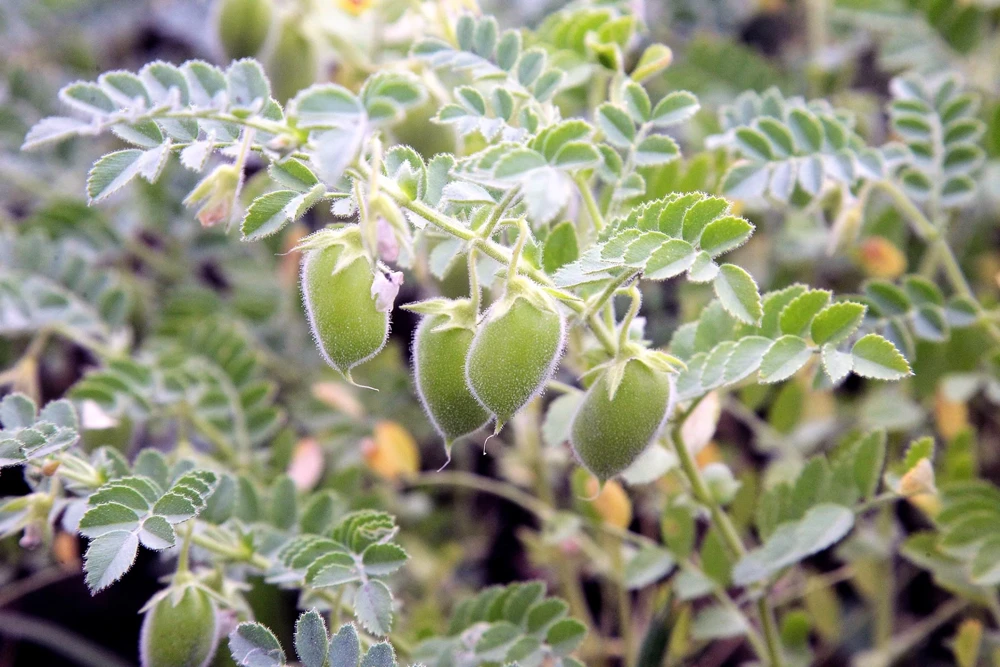
Lentils generally do not require heavy fertilization. In fact, too much nitrogen can lead to excessive foliage growth at the expense of pod production. A balanced, low-nitrogen fertilizer can be applied if your soil is particularly poor. Pest and disease issues are generally minimal for lentils. Keep an eye out for aphids or powdery mildew, which can be managed with organic sprays if necessary. Harvest your lentils when the pods are dry and the seeds inside are hard. This usually occurs about 80-110 days after planting, depending on the variety and growing conditions. For sprouting, harvest the seeds when they are plump and ready to germinate.
Size & Details
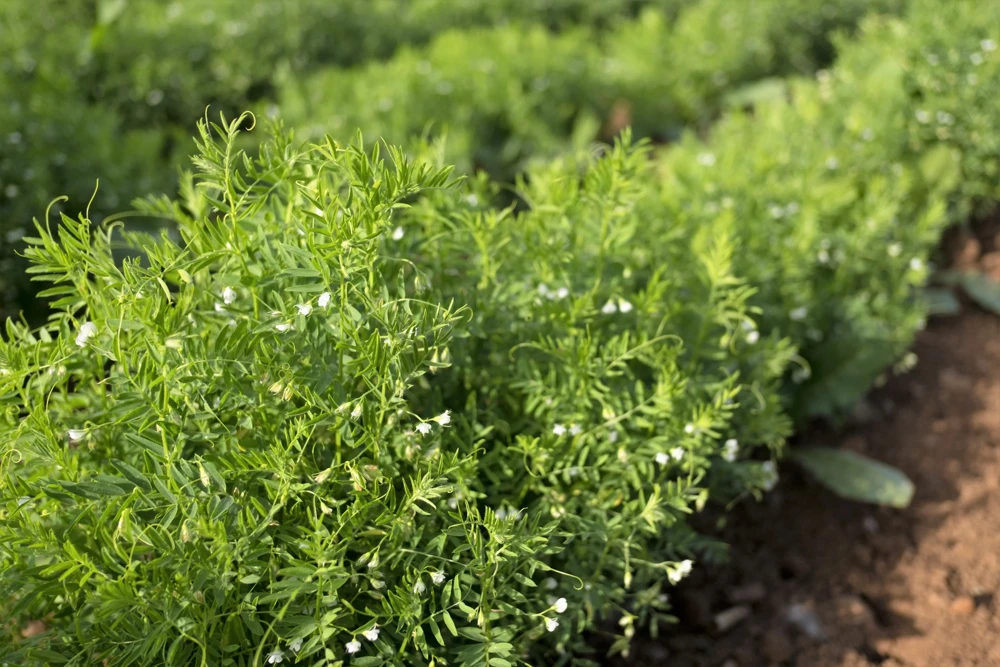
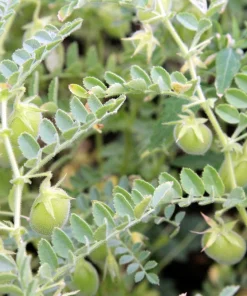
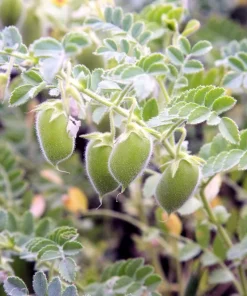
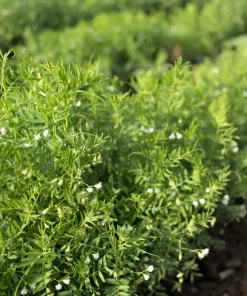
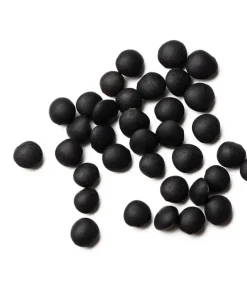
This package contains 100 black lentil seeds, providing an ample supply for a productive harvest in your home garden. These are bush-type lentils, meaning they have a compact growth habit, typically reaching a height of 12 to 18 inches (30-45 cm) and spreading about 6-10 inches (15-25 cm) wide. This makes them an excellent choice for smaller garden plots, raised beds, or even container gardening on a patio or balcony. The seeds are supplied in a secure packet, ensuring their viability and readiness for planting.
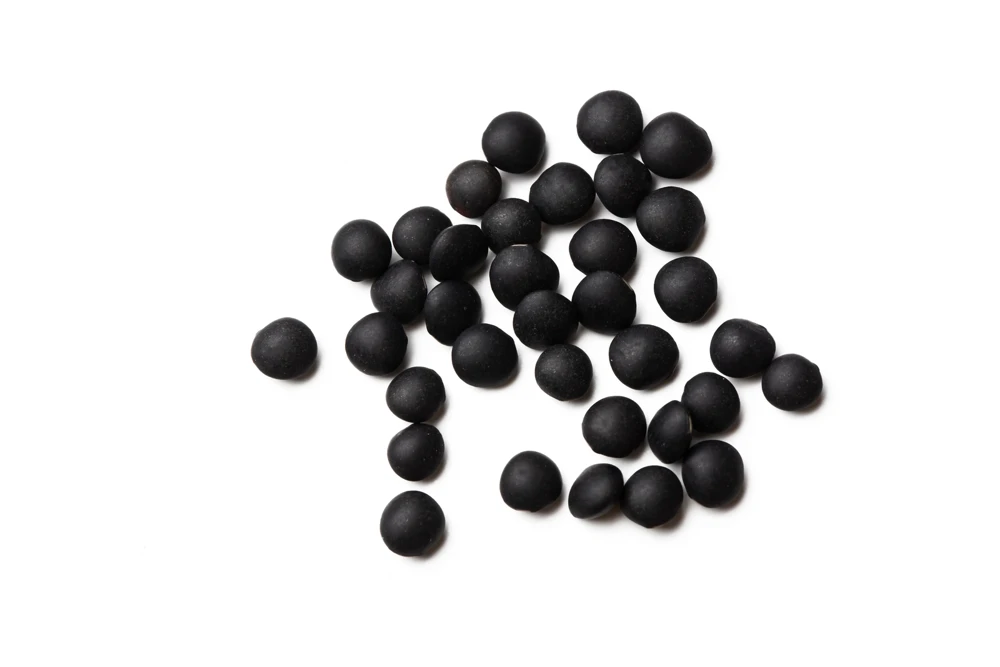
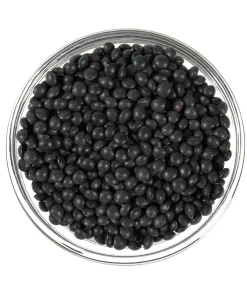
Each seed is a potential plant, offering the opportunity to grow a substantial amount of fresh, organic lentils. From planting to harvest, the cycle typically takes between 80 to 110 days, depending on your local climate and specific growing conditions. The mature pods will contain several small, dark-colored lentil seeds, ready for culinary use or for sprouting as healthy legume sprouts seeds. These vegetable garden seeds are selected for their robust nature and ability to produce a reliable yield, providing you with a consistent supply of this valuable superfood.
Frequently Asked Questions
- Q: How big does this plant get? A: Black lentil plants are bush-type varieties that typically grow to a height of 12 to 18 inches (30-45 cm) and spread about 6-10 inches (15-25 cm) wide. They are compact and suitable for various garden sizes.
- Q: Is this an indoor or outdoor plant? A: While lentils are primarily grown outdoors in a garden setting, they can be grown in large containers on a sunny patio or balcony. They are generally not suited for indoor cultivation as a full plant, but the black lentil seeds are excellent for indoor sprouting.
- Q: How much sunlight does it need? A: Lentil plants thrive in full sun, requiring at least 6-8 hours of direct sunlight per day for optimal growth and pod production. Choose the sunniest spot in your garden.
- Q: Is this plant easy to care for? A: Yes, lentils are considered one of the easier legumes to grow, making them a great choice for both novice and experienced gardeners. They require consistent watering but are relatively low-maintenance once established.
- Q: What condition will it arrive in? A: Your order will arrive as a packet of black lentil seeds, ready for planting. The seeds are carefully packaged to maintain their viability during transit.
- Q: Can I use these seeds for sprouting? A: Absolutely! These Lens Culinaris seeds are perfect for sprouting. Simply follow standard sprouting procedures to enjoy fresh, nutritious legume sprouts seeds in just a few days.
- Q: When is the best time to plant? A: For most regions, the best time to plant vegetable garden seeds like lentils is in early spring after the last frost, or in late summer for a fall harvest in areas with mild winters.
- Q: How long until it’s ready to harvest? A: Lentils typically take between 80 to 110 days from planting to harvest, depending on the growing conditions and specific variety. Harvest when the pods are dry and the seeds are hard.
- Q: What type of soil do black lentils prefer? A: Lentils prefer well-draining, loose soil with a pH between 6.0 and 7.0. Sandy loam or loamy soil is ideal. Avoid heavy, waterlogged clay soils.
- Q: Will it survive winter in my zone? A: Lentils are annual plants and will not survive winter frosts. They complete their life cycle within one growing season. You will need to replant black lentil seeds each year.
Be the first to review “100 Black Lentil Bush Seeds – Lens Culinaris Vegetable Legume Sprouts”
People Also Viewed
Vegetable Seeds
Jing Orange Okra Seeds – 50 Heirloom Vegetable Seeds for Garden
Reviews
There are no reviews yet.