
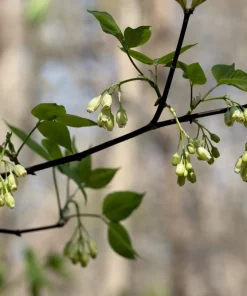
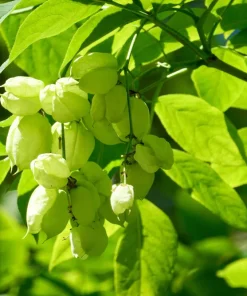
5 American Bladdernut Tree Seeds – Staphylea Trifolia Shrub, White Flowers
Original price was: $37.99.$17.99Current price is: $17.99.
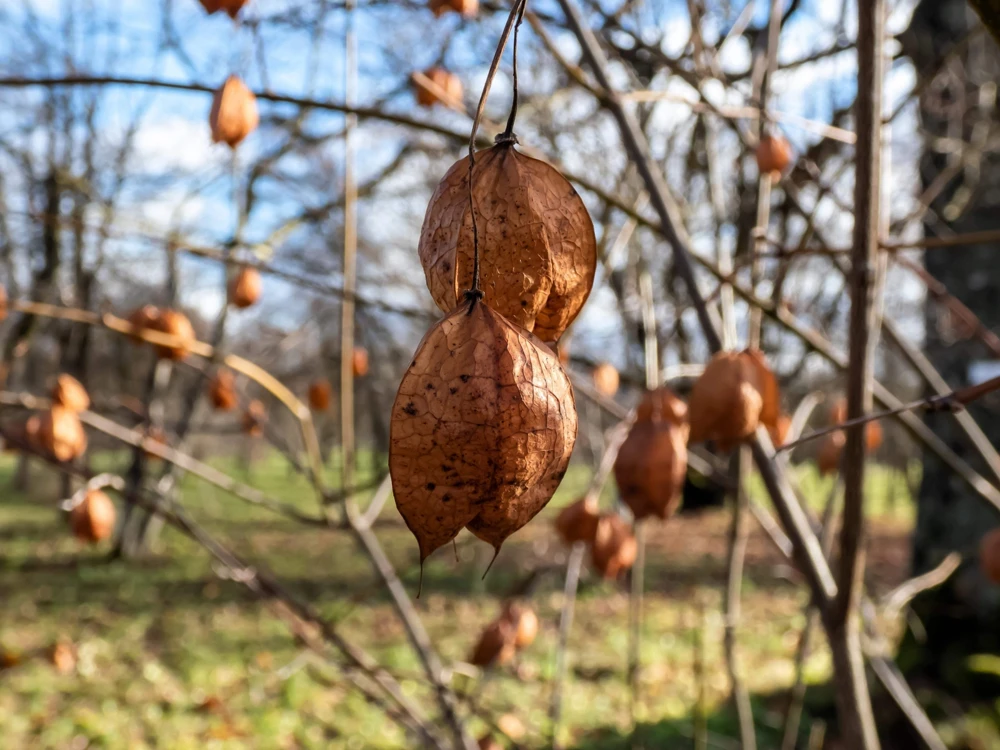
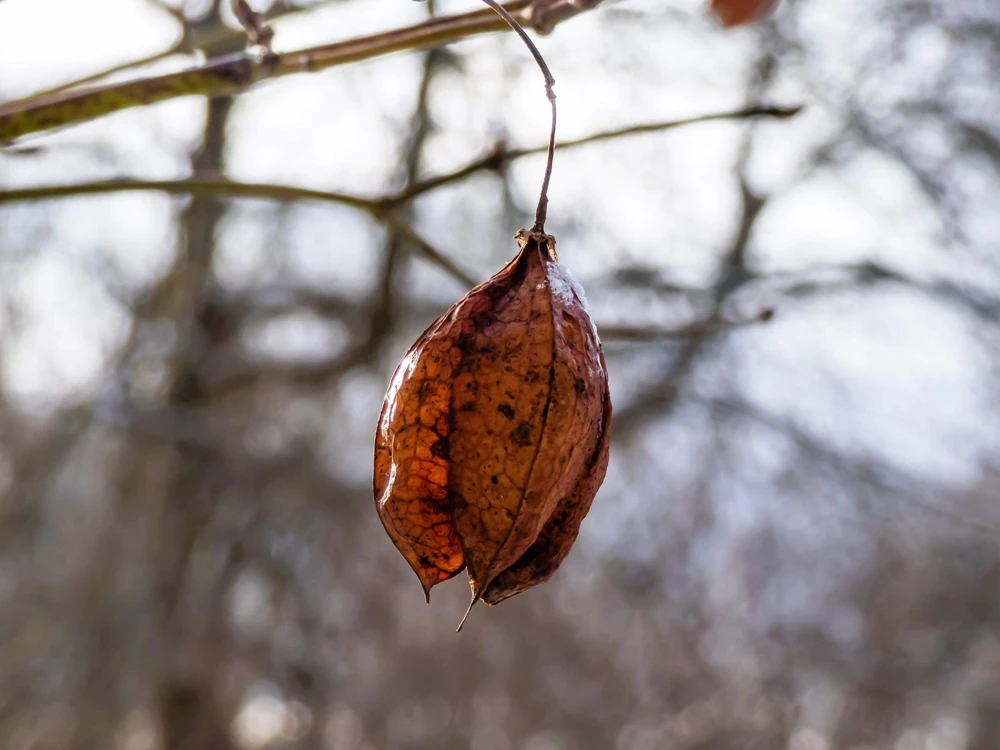
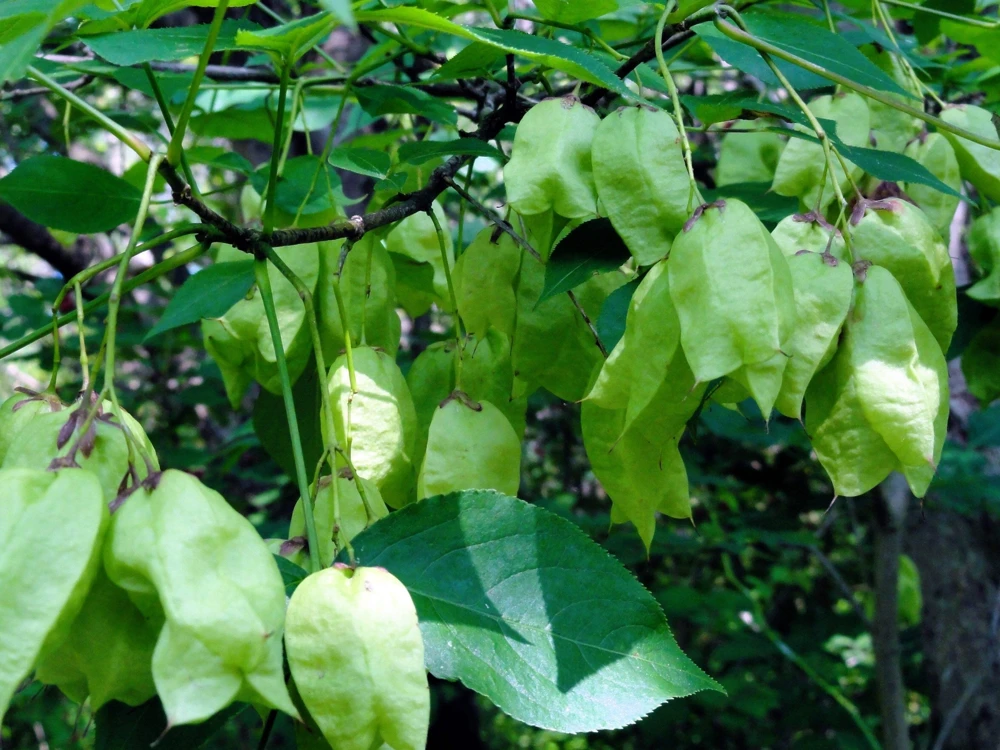
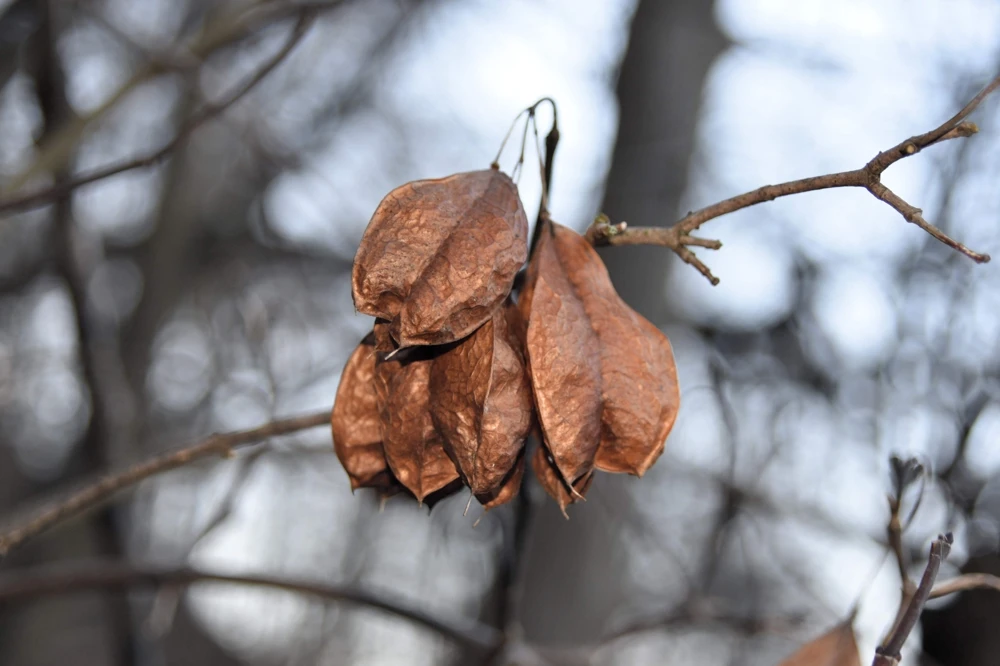
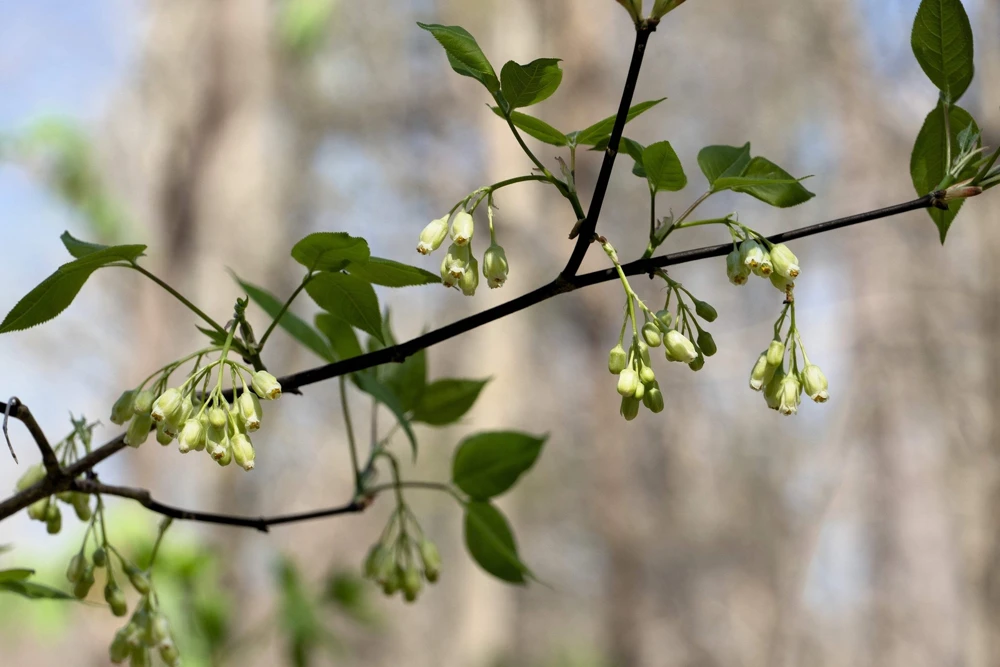
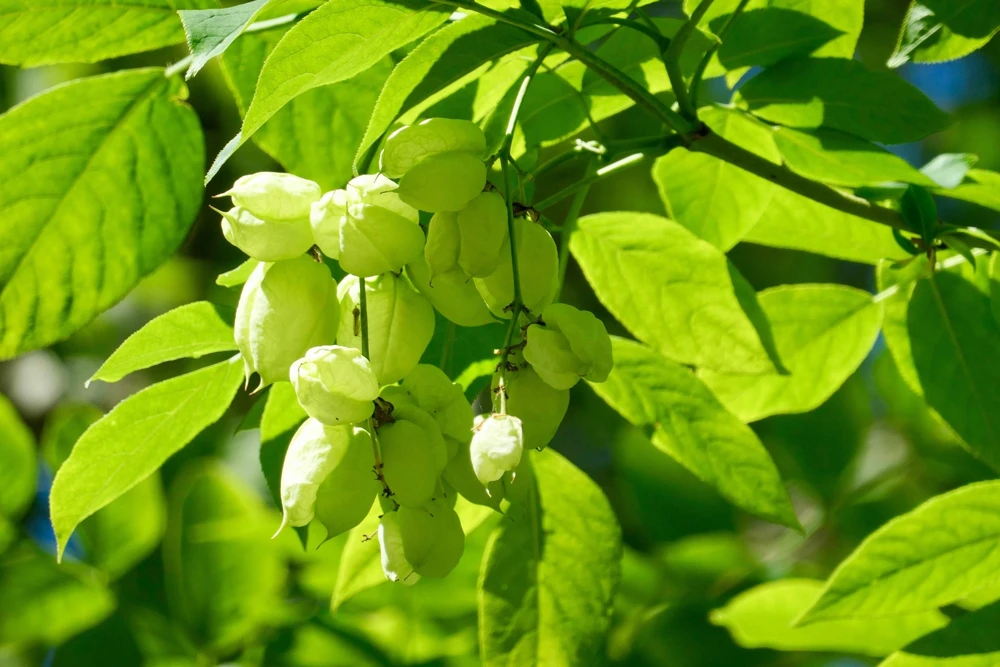
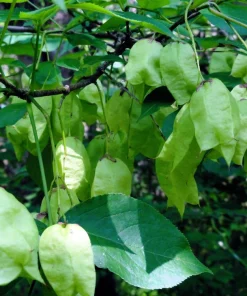
Cultivate the distinctive american bladdernut seeds, Staphylea trifolia, a unique native shrub known for its charming white flowers and interesting green, bladder-like pods. This pack contains 5 american bladdernut seeds, perfect for starting your own resilient and ornamental landscape addition. Ideal for naturalized areas or woodland gardens, these seeds offer an opportunity to grow american bladdernut and enhance local biodiversity.
Estimated arrival
Sep 17
Sep 22 - Sep 24
Sep 27 - Oct 01
Shop With Confidence
30-Day Plant Health Guarantee
Arrives damaged? We’ll replace it free — see our return policy.
Responsive Support
Email us anytime, we reply within 1 business day.
Expert Packaging
Temperature-controlled shipping to protect your plants in transit.
Secure Checkout
Pay safely with Visa, Mastercard, PayPal.
Plant Specifications
-
USDA Hardiness Zone
USDA Zones 3-8 -
Soil Type
Moist, well-draining soil -
Sunlight Exposure
Partial shade to full sun -
Expected Planting Period
Early spring after cold stratification
Overview
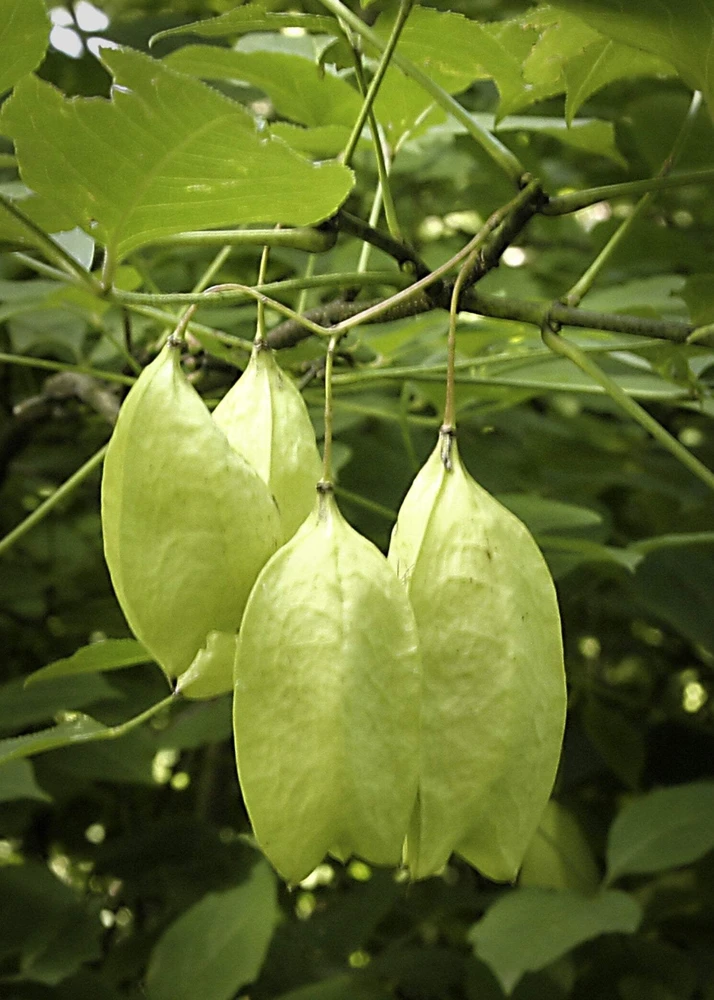
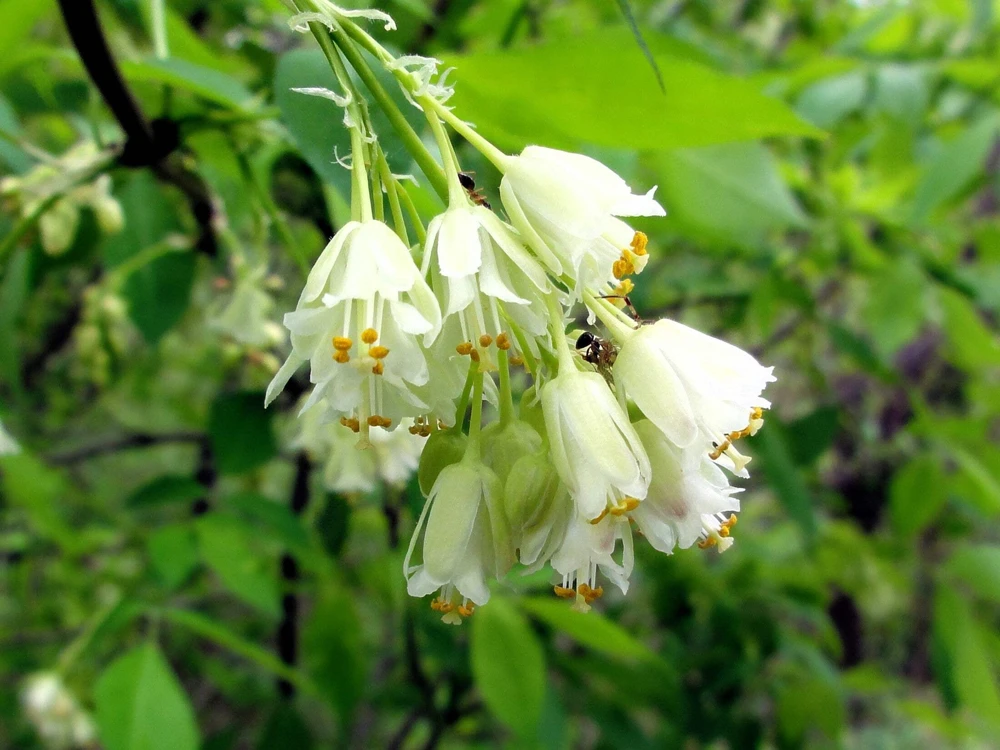
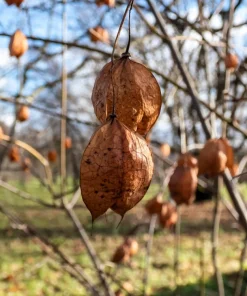
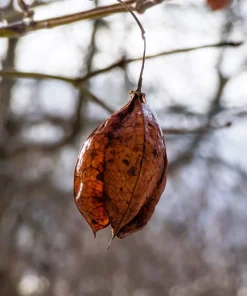
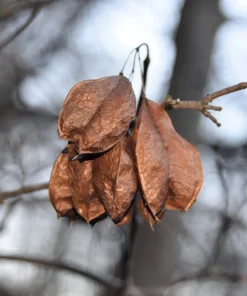
Embark on a rewarding gardening journey with this pack of 5 american bladdernut seeds, scientifically known as Staphylea trifolia. The American Bladdernut is a fascinating native shrub or small tree, cherished for its unique ornamental qualities. These seeds provide the perfect starting point for cultivating this deciduous plant, which is celebrated for its delicate white, bell-shaped flowers that emerge in spring, followed by distinctive, inflated, bladder-like seed pods that mature to a papery brown in late summer and persist into winter. It’s a fantastic choice for those looking to introduce a touch of natural elegance and ecological value to their garden. Whether you’re a seasoned gardener or a beginner, learning to grow american bladdernut from seed offers an engaging experience, connecting you directly with nature’s cycles.
The american bladdernut seeds are an excellent option for creating a diverse and resilient landscape. This species is adaptable and can thrive in various conditions, making it a valuable addition to woodland gardens, naturalized areas, or as a unique specimen plant. Its multi-stemmed growth habit and attractive foliage provide year-round interest, transitioning from fresh green in spring to a lovely yellow in autumn. The unusual seed pods are not only visually appealing but also provide a unique texture to the winter garden. By planting these seeds, you’re not just growing a plant; you’re fostering a habitat and contributing to local flora, making it a wise choice for environmentally conscious gardeners seeking to cultivate native shrub seeds.
Key Benefits
The american bladdernut seeds offer a multitude of benefits for both your garden and local ecosystem. This native species is a low-maintenance yet highly rewarding addition, providing aesthetic appeal and ecological value.
- Unique Ornamental Appeal: The plant boasts delicate white flowers in spring and distinctive, inflated green pods that become papery brown, offering year-round visual interest. These unusual pods are a conversation starter and add unique texture to the landscape.
- Supports Local Wildlife: The flowers attract pollinators like bees, while the seeds provide food for small mammals. It acts as a larval host plant for certain butterflies and moths, enhancing biodiversity in your garden.
- Adaptable and Resilient:Staphylea trifolia is known for its ability to adapt to a range of soil types and light conditions, making it a robust choice for various garden settings. It’s also relatively disease and pest-free, simplifying care.
- Erosion Control: Its fibrous root system helps stabilize soil, making it an excellent choice for planting on slopes or in areas prone to erosion.
- Autumn Foliage: Beyond its flowers and pods, the American Bladdernut offers attractive green foliage that turns a pleasant yellow in the fall, adding seasonal color to your landscape.
- Low Maintenance: Once established, this shrub requires minimal care, making it suitable for gardeners who prefer an easy-to-manage yet impactful plant. Learning to grow american bladdernut is straightforward.
- Native Plant Benefits: As a native species, it is well-suited to local climates and ecosystems, requiring less intervention and contributing positively to the regional environment.
Plant Care & Growing Tips
Successfully cultivating american bladdernut seeds into thriving shrubs requires understanding their specific needs, though they are generally quite adaptable. For optimal germination, these seeds typically require a period of cold stratification, mimicking winter conditions. You can achieve this by placing the seeds in a moist medium (like sand or peat moss) in a sealed bag within your refrigerator for 60-90 days before planting. Once stratified, sow the seeds about 1/4 inch deep in well-draining soil, either directly outdoors in early spring after the last frost or indoors in pots for later transplanting. Providing consistent moisture during germination is crucial for these staphylea trifolia seeds.
Once established, the American Bladdernut prefers a location with partial shade to full sun. While it can tolerate full sun, especially in cooler climates, some afternoon shade can be beneficial in hotter regions to prevent leaf scorch. It thrives in moist, well-drained soil, but is quite tolerant of various soil types, including clay and sandy soils, as long as they are not waterlogged. Regular watering is important during the plant’s first few years to help establish a strong root system. After establishment, it is relatively drought-tolerant. The shrub is hardy in USDA zones 3-8. Pruning is generally not necessary beyond removing dead or crossing branches to maintain shape and health. This helps the plant develop its natural, multi-stemmed form and ensures robust growth, contributing to a healthy bladdernut tree.
To encourage vigorous growth, consider amending the soil with organic matter at planting time. While the plant doesn’t require heavy fertilization, a balanced slow-release fertilizer in early spring can be beneficial, especially for younger plants. Keep an eye out for common garden pests, though the American Bladdernut is generally quite resistant. Ensuring good air circulation around the plant can help prevent fungal issues. With these care tips, your native shrub seeds will flourish into beautiful and ecologically valuable additions to your landscape.
Size & Details
The american bladdernut seeds you receive are ready for planting after proper stratification. Once germinated and established, the American Bladdernut (Staphylea trifolia) typically grows into a large deciduous shrub or small multi-stemmed tree, reaching a mature height of 10 to 15 feet with a similar spread. Its growth rate is moderate, allowing it to establish itself effectively within a few years. The unique bladder-like seed pods, which are the plant’s namesake, develop after the spring bloom and can persist on the branches into late fall or early winter, adding seasonal interest. These seeds offer the opportunity to grow american bladdernut from scratch, witnessing its full life cycle.
The plant usually takes a few years to reach flowering maturity, typically blooming in spring (April to May) with clusters of small, bell-shaped white flowers. The foliage consists of attractive trifoliate leaves that turn a soft yellow in autumn. This seed pack provides 5 individual seeds, allowing for multiple planting attempts or for cultivating several specimens. Starting with these staphylea trifolia seeds allows you to control the plant’s initial development and placement within your garden, ensuring it has the best conditions to thrive and become a mature bladdernut tree. Ensure proper spacing to accommodate its mature size.
Frequently Asked Questions
- Q: How big does this plant get? A: The American Bladdernut typically grows into a large shrub or small tree, reaching a mature height of 10 to 15 feet with a similar spread. Its size makes it suitable for various landscape uses, from specimen planting to naturalized areas.
- Q: Is this an indoor or outdoor plant? A: The American Bladdernut (staphylea trifolia seeds) is an outdoor deciduous shrub or small tree. It is not suitable for indoor cultivation and requires outdoor conditions to thrive.
- Q: How much sunlight does it need? A: It prefers partial shade to full sun. In hotter climates, some afternoon shade is beneficial to protect the foliage. It’s adaptable, making it a versatile choice for different garden aspects.
- Q: Is this plant easy to care for? A: Yes, once established, the American Bladdernut is considered a low-maintenance plant. It’s resilient and generally resistant to pests and diseases, making it a good choice for both experienced and novice gardeners looking to grow american bladdernut.
- Q: What condition will the seeds arrive in? A: You will receive 5 american bladdernut seeds in a protective package, ready for stratification and planting. They are dormant and require specific preparation before germination.
- Q: How long until it blooms? A: After planting the native shrub seeds, the American Bladdernut typically takes several years to reach flowering maturity, usually blooming in its third to fifth year, depending on growing conditions.
- Q: What’s the best time to plant these seeds? A: After a period of cold stratification, it’s best to plant these seeds in early spring, either directly outdoors or indoors for transplanting once the danger of frost has passed.
- Q: Will it survive winter in my zone? A: The American Bladdernut is hardy in USDA Zones 3-8, meaning it can tolerate cold winter temperatures within this range. It is a deciduous plant, so it will lose its leaves in winter.
- Q: What is the benefit of growing a bladdernut tree? A: Beyond its unique ornamental features like white flowers and bladder-like pods, it provides ecological benefits by attracting pollinators and wildlife, and it’s a resilient, low-maintenance native plant.
- Q: Do these seeds require any special preparation? A: Yes, these american bladdernut seeds typically require a period of cold stratification (60-90 days in a moist medium in the refrigerator) to break dormancy and encourage germination.
Be the first to review “5 American Bladdernut Tree Seeds – Staphylea Trifolia Shrub, White Flowers”
People Also Viewed
Uncategorized
Houseplants
Set of 4 Yellow Christmas Cactus Live Plants – 4-8 Inch Tall Tropical Thanksgiving Cactus
Reviews
There are no reviews yet.