
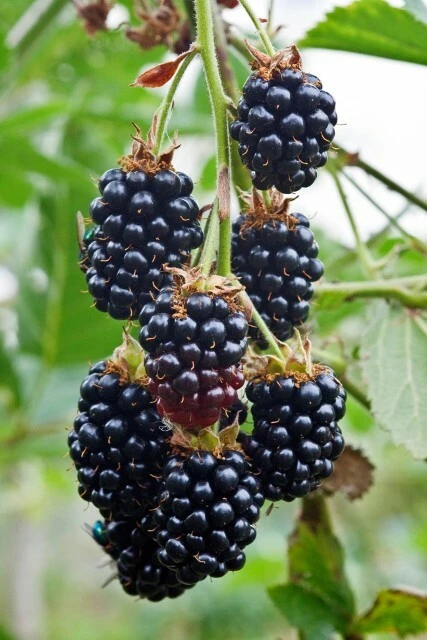
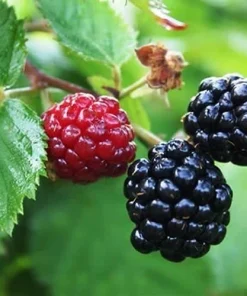
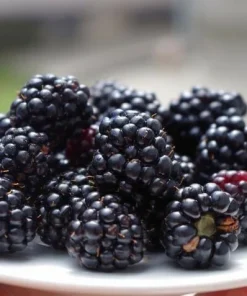
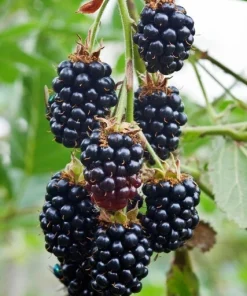
Arapaho Blackberry Live Plants – 2 Pack, 1-2 Year Old Shrubs, Outdoor
Original price was: $90.99.$70.99Current price is: $70.99.
Cultivate your own sweet and juicy berries with this 2-pack of Arapaho blackberry live plant. These 1-2 year old, pruned plants are ready for immediate outdoor planting, offering a thornless and self-pollinating variety perfect for any home garden.
Out of stock
Estimated arrival
Oct 25
Oct 30 - Nov 01
Nov 04 - Nov 08
Shop With Confidence
30-Day Plant Health Guarantee
Arrives damaged? We’ll replace it free — see our return policy.
Responsive Support
Email us anytime, we reply within 1 business day.
Expert Packaging
Temperature-controlled shipping to protect your plants in transit.
Secure Checkout
Pay safely with Visa, Mastercard, PayPal.
Plant Specifications
-
USDA Hardiness Zone
USDA Zones 5-9 -
Soil Type
Well-draining, slightly acidic soil (pH 6.0-6.5) -
Sunlight Exposure
Full sun (6-8+ hours daily) -
Expected Planting Period
Early spring or fall
Overview
Bring the joy of home-grown berries to your garden with this 2-pack of Arapaho blackberry live plant. These vigorous, 1-2 year old bare-root specimens are meticulously pruned and prepared, ensuring they are ready for planting upon arrival. The Arapaho blackberry is a highly sought-after variety, celebrated for its thornless canes, making harvesting a pleasure rather than a prickly chore. As a self-pollinating fruit plant, it simplifies the growing process, guaranteeing a bountiful harvest even if planted alone. Ideal for gardeners looking to cultivate their own fresh, nutritious fruit, these thornless blackberry plant shrubs will establish quickly and begin producing delicious berries in due course. Enjoy the satisfaction of picking sweet, dark fruit directly from your own backyard.
The Arapaho blackberry live plant is renowned for its early ripening season, allowing you to enjoy fresh blackberries sooner than many other varieties. Its robust nature and adaptability make it a popular choice for various climates across the United States. Whether you’re an experienced horticulturist or a budding gardener, these plants provide an excellent foundation for a productive and enjoyable berry patch. Their ease of care and high yield potential make them a rewarding addition to any edible landscape.
Key Benefits
The Arapaho blackberry offers numerous advantages for the home gardener, transforming your outdoor space into a productive and delightful haven. From ease of maintenance to delicious yields, these plants are a fantastic investment.
- Thornless Canes: One of the most significant benefits of the Arapaho blackberry live plant is its completely thornless canes. This feature makes tending and harvesting your berries much safer and more comfortable, eliminating the risk of scratches and making the plant accessible for all ages.
- Self-Pollinating: These plants are naturally self-fertile, meaning you only need one plant to produce fruit. This simplifies planting requirements and ensures a reliable harvest without the need for multiple varieties or cross-pollination.
- Early & Abundant Harvest: Arapaho blackberries are known for their early ripening season, often producing fruit in late spring to early summer. They are also highly productive, providing a generous yield of large, firm, and flavorful berries.
- Delicious & Versatile Fruit: The berries are sweet, juicy, and perfect for fresh eating, baking, jams, jellies, or freezing. Having fresh blackberries readily available offers a healthy and tasty addition to your diet.
- Disease Resistant: The Arapaho blackberry live plant exhibits good resistance to common blackberry diseases, contributing to its hardiness and making it a more reliable choice for gardeners. This resilience reduces the need for extensive chemical treatments.
- Vigorous Growth: These plants grow strongly and establish well, quickly developing into productive bushes. Their robust nature ensures a healthy and thriving berry patch with proper care.
- Ornamental Value: Beyond their fruit production, the lush green foliage and attractive berries add ornamental value to your garden, making them a beautiful and functional landscape element.
Plant Care & Growing Tips
Caring for your Arapaho blackberry live plant is straightforward, especially given its hardy nature. To ensure a prolific harvest of delicious berries, provide the right conditions and consistent care. Blackberries thrive in full sun, meaning they need at least 6-8 hours of direct sunlight per day to produce the best fruit. Choose a location in your garden that receives ample sun exposure throughout the day. While they can tolerate some partial shade, fruit production may be reduced.
When it comes to watering, consistent moisture is key, especially during flowering and fruiting periods. Aim for about 1 inch of water per week, either from rainfall or irrigation. The soil should be kept consistently moist but not waterlogged, as good drainage is crucial to prevent root rot. These plants prefer well-draining, slightly acidic soil with a pH between 6.0 and 6.5. Incorporating organic matter like compost before planting will greatly improve soil structure and fertility. Fertilize in early spring with a balanced fertilizer, and again after harvest if desired, following product instructions carefully. Pruning is essential for maximizing yield and maintaining plant health. Since growing Arapaho blackberry plants produce fruit on second-year canes (floricanes), you should prune out all canes that have fruited after harvest, cutting them back to the ground. Thin new primocanes (first-year canes) in the spring to encourage strong growth on the remaining canes. These plants are generally hardy in USDA zones 5-9.
Monitor your plants for common pests and diseases, though Arapaho blackberries are known for their good resistance. Address any issues promptly with appropriate organic or chemical controls. Proper air circulation also helps prevent fungal diseases, so ensure adequate spacing between plants. With these consistent care practices, your self-pollinating blackberry plants will reward you with years of delicious fruit.
Size & Details
This offering includes two individual Arapaho blackberry live plant specimens, each 1-2 years old. They are typically shipped as bare-root plants, carefully pruned and prepared for optimal transplanting success. While exact dimensions can vary, these plants are typically well-developed, with a robust root system ready to establish quickly in your garden. Upon planting, they will begin to grow, with mature plants reaching an average height of 4-6 feet and a similar spread, forming a manageable bush. The vigorous growth ensures they will quickly fill their allocated space and begin producing fruit.
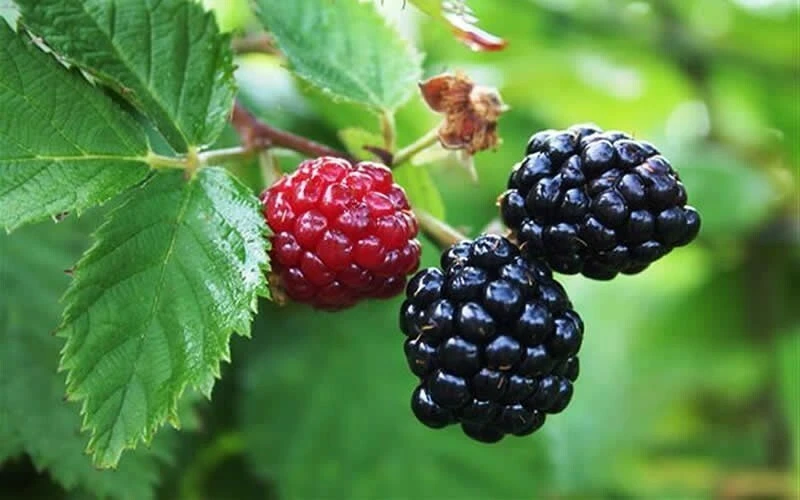
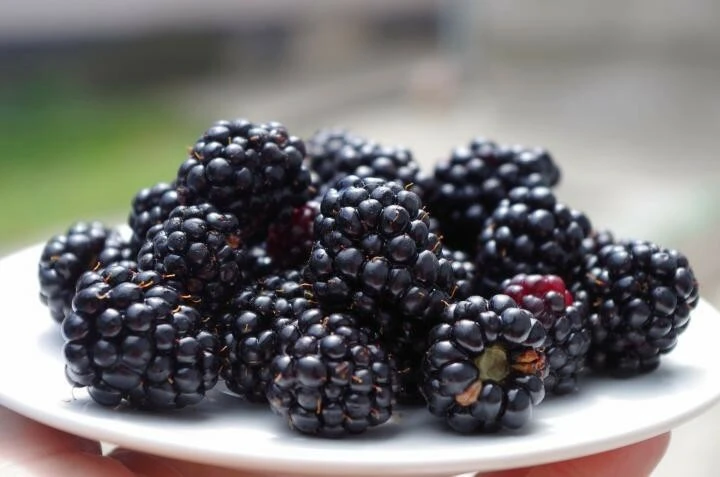
These outdoor fruit plant bushes are known for their upright growth habit, which often reduces the need for extensive trellising, though some support can be beneficial for heavy fruit loads. Expect your plants to begin producing fruit within their first two years post-planting, with yields increasing as the plant matures. The berries are typically large, firm, and have a glossy black appearance when ripe. These plants are ideal for creating an edible hedge, a dedicated berry patch, or integrating into a mixed perennial border.
Frequently Asked Questions
- Q: How big does this Arapaho blackberry live plant get? A: A mature Arapaho blackberry live plant typically reaches a height of 4-6 feet and can spread similarly. Its upright growth habit makes it relatively compact for a blackberry variety.
- Q: Is this an indoor or outdoor plant? A: The Arapaho blackberry live plant is an outdoor fruit plant. It requires full sun and is best suited for planting directly in the ground in a garden or a very large outdoor container.
- Q: How much sunlight does the thornless blackberry plant need? A: For optimal fruit production, your thornless blackberry plant needs at least 6-8 hours of direct sunlight per day. Choose a sunny location in your garden.
- Q: Is this plant easy to care for? A: Yes, the Arapaho blackberry is considered relatively easy to care for, especially due to its thornless canes and self-pollinating nature. Consistent watering, proper pruning, and adequate sunlight are the main requirements for growing Arapaho blackberry successfully.
- Q: What condition will the plants arrive in? A: These 1-2 year old plants typically arrive as bare-root specimens, carefully pruned and ready for immediate planting. They are packaged to ensure their health during transit.
- Q: When is the best time to plant Arapaho blackberry? A: The best time to plant Arapaho blackberry live plant is typically in early spring after the last frost, or in the fall before the ground freezes. This allows the roots to establish before extreme weather conditions.
- Q: Will it survive winter in my zone? A: The Arapaho blackberry is generally hardy in USDA Zones 5-9. If you are in a colder zone, you may need to provide winter protection, such as mulching or covering the plants.
- Q: Can I grow this self-pollinating blackberry in a container? A: While possible, a very large container (at least 15-20 gallons) would be needed for a self-pollinating blackberry to thrive and produce well, as they are vigorous growers. Ensure excellent drainage.
- Q: How long until it produces fruit? A: Your Arapaho blackberry live plant should start producing fruit within its first two years after planting, with yields increasing significantly as the plant matures and establishes itself.
- Q: Are these plants truly thornless? A: Yes, the Arapaho blackberry is specifically bred to be a completely thornless variety, making harvesting and maintenance much more pleasant.
Be the first to review “Arapaho Blackberry Live Plants – 2 Pack, 1-2 Year Old Shrubs, Outdoor”
People Also Viewed
Succulents
Kalanchoe Pinnata Live Plants – Leaf of Life Succulent, 2-Pack, 4 Inch Pot, Indoor/Outdoor

Succulents
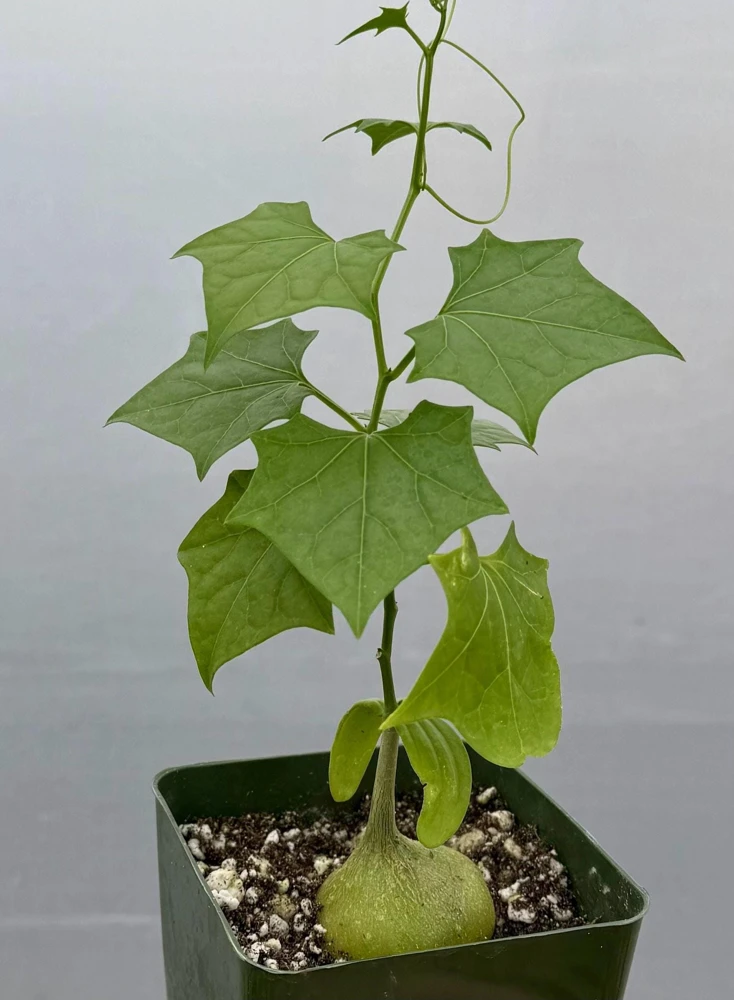
Gerrardanthus Macrorhizus Caudex Live Plant – Bigfoot Plant in 4 Inch Pot, Indoor/Outdoor
Reviews
There are no reviews yet.