
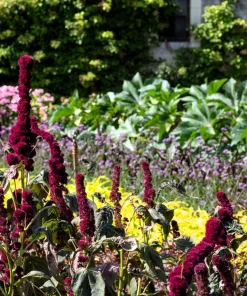
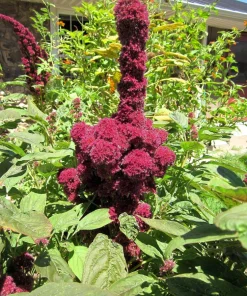
100 Organic Elephant Head Amaranth Seeds – Amaranthus Gangeticus Burgundy Red
Original price was: $37.99.$17.99Current price is: $17.99.
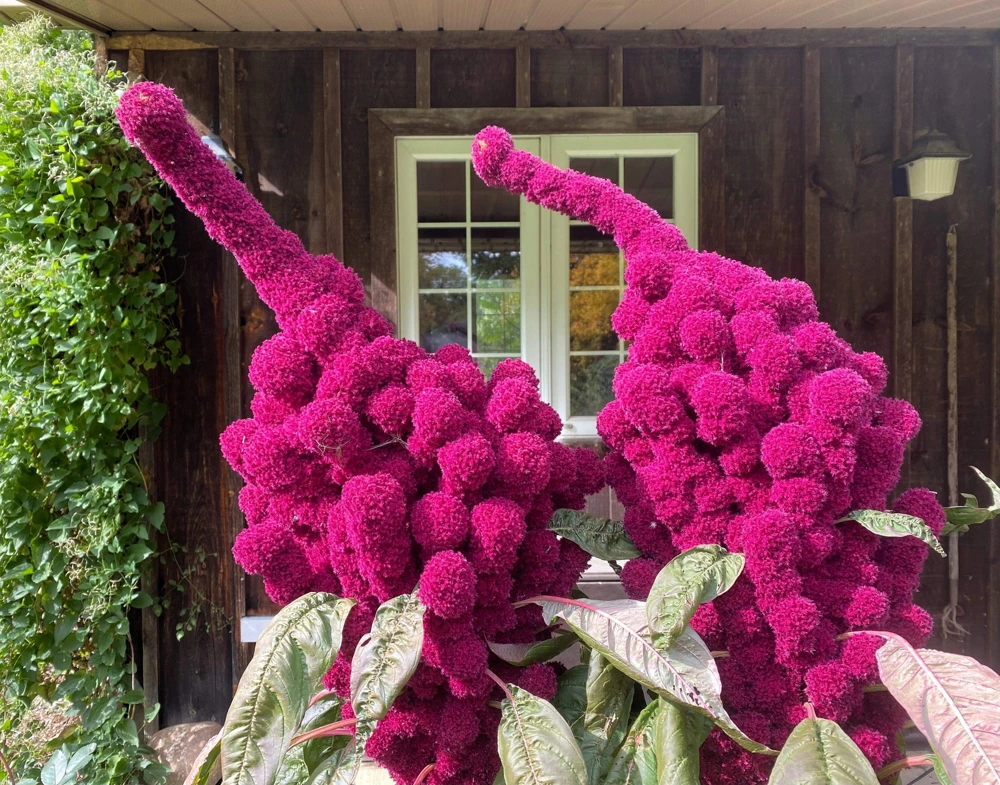
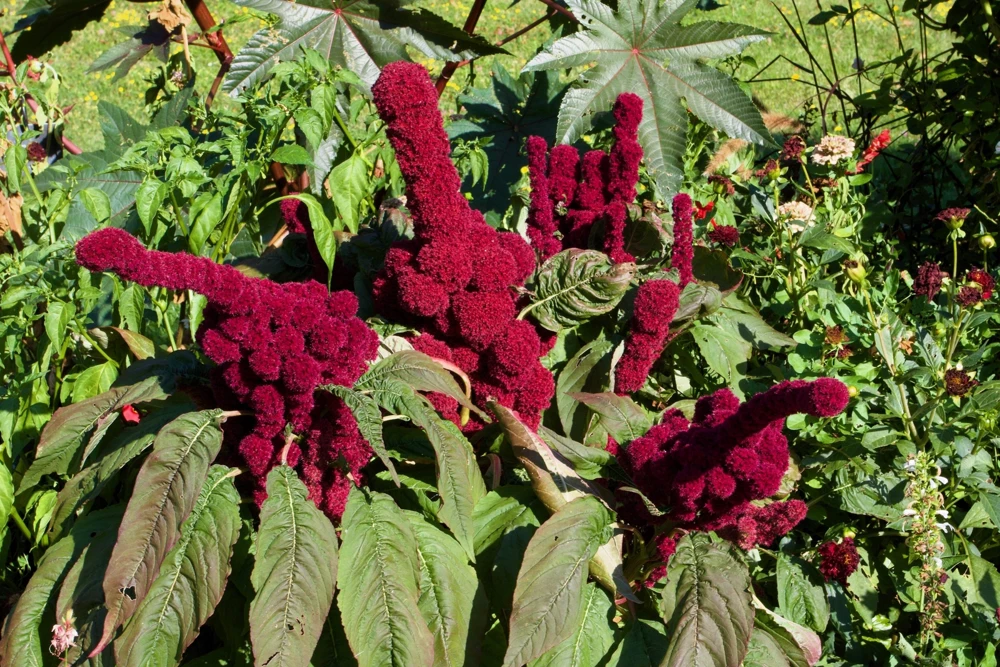
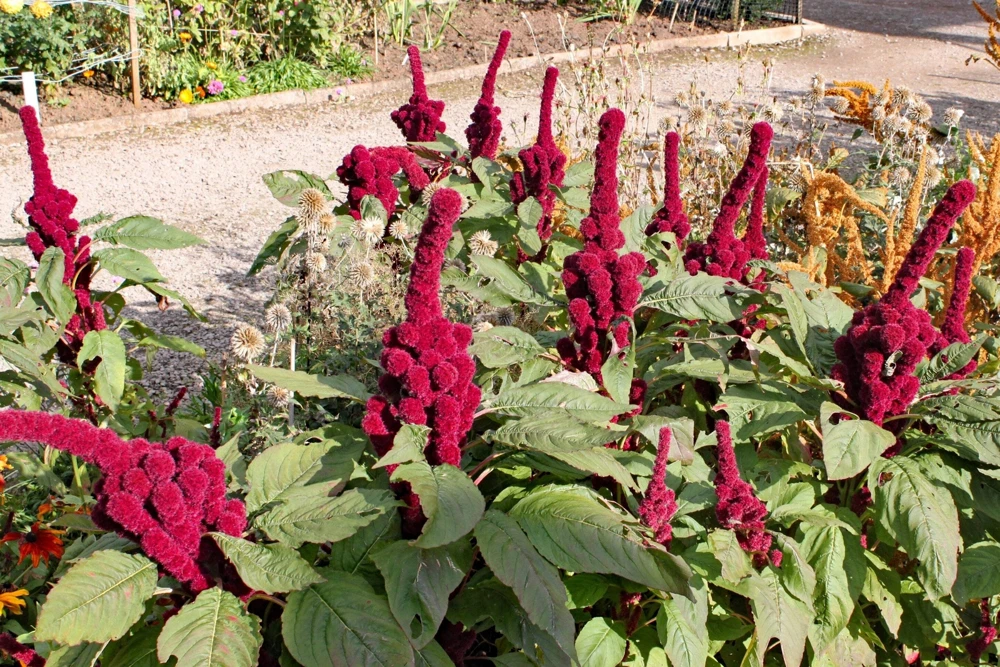
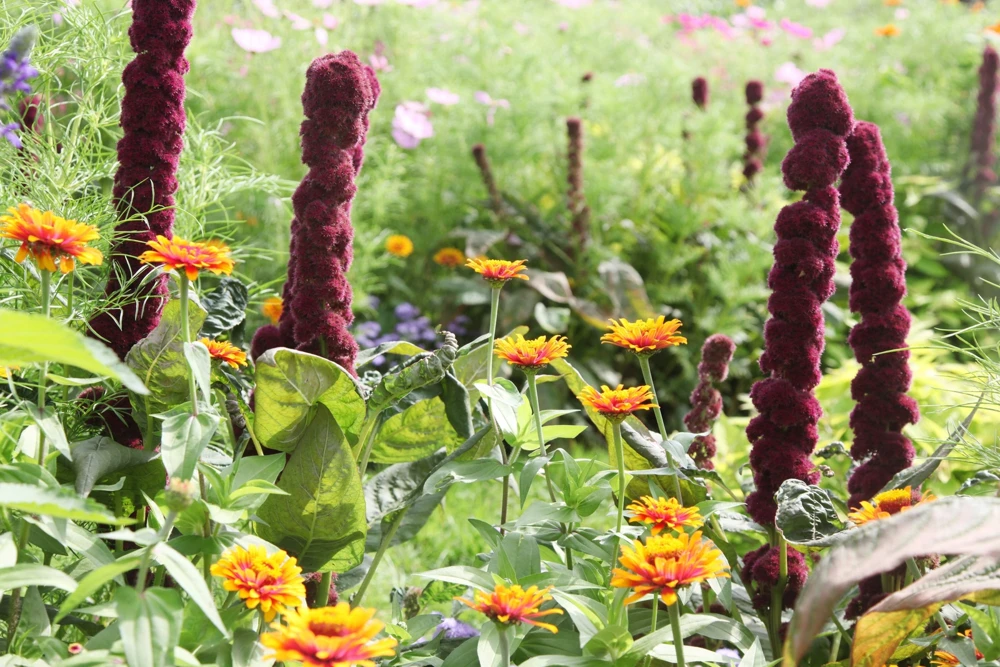
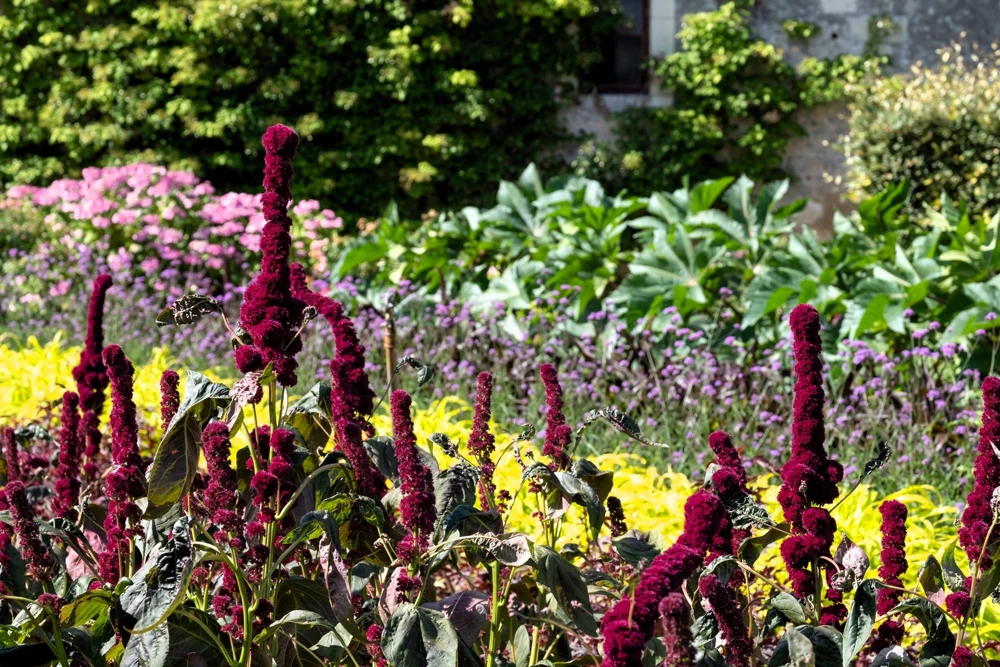
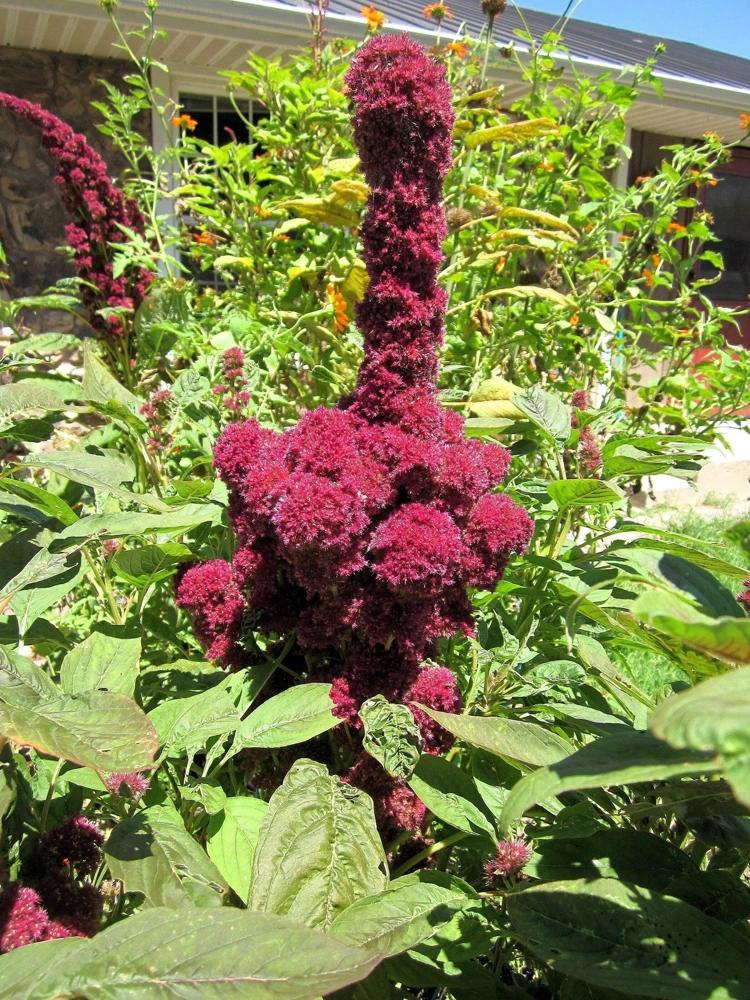
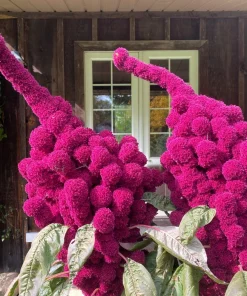
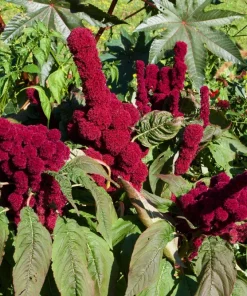
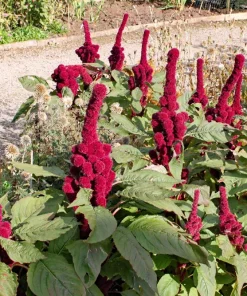
Discover the beauty of organic Elephant Head Amaranth seeds, perfect for adding a dramatic touch to your garden. These Amaranthus Gangeticus seeds produce striking burgundy-red, elephant head-shaped flowers, ideal for ornamental displays and cut flower arrangements.
Estimated arrival
Sep 18
Sep 23 - Sep 25
Sep 28 - Oct 02
Shop With Confidence
30-Day Plant Health Guarantee
Arrives damaged? We’ll replace it free — see our return policy.
Responsive Support
Email us anytime, we reply within 1 business day.
Expert Packaging
Temperature-controlled shipping to protect your plants in transit.
Secure Checkout
Pay safely with Visa, Mastercard, PayPal.
Plant Specifications
-
USDA Hardiness Zone
Annual in all zones -
Soil Type
Well-draining, fertile soil -
Sunlight Exposure
Full sun -
Expected Planting Period
Late spring to early summer
Overview
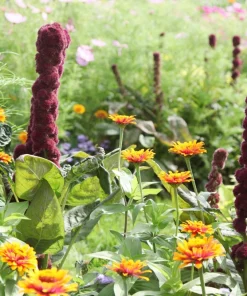
Introduce a touch of exotic elegance to your garden with these premium organic Elephant Head Amaranth seeds. Also known by its botanical name, Amaranthus Gangeticus, this unique plant is celebrated for its truly distinctive, pendulous flower heads that strikingly resemble an elephant’s trunk, hence its common name. The vibrant burgundy-red coloration of these blooms creates a stunning visual impact, making them a focal point in any landscape or floral arrangement. These organic Amaranthus Gangeticus seeds are an excellent choice for gardeners looking to cultivate an unusual and conversation-starting specimen, ensuring a healthy start for vigorous, eye-catching plants. Cultivating Amaranth flower seeds is a rewarding experience, leading to a garden filled with dramatic color and texture.
Each packet contains 100 organic Elephant Head Amaranth seeds, providing ample opportunity to grow a lush display of these magnificent plants. Whether you’re an experienced gardener or just starting, these seeds offer a straightforward path to cultivating a truly unique ornamental. The rich, deep red hues of the flowers are not only beautiful but also symbolize strength and passion, adding deeper meaning to your garden design. Embrace the joy of growing Elephant Head Amaranth and transform your outdoor space into a vibrant sanctuary.
Key Benefits
Cultivating organic Elephant Head Amaranth seeds offers a myriad of benefits, from enhancing garden aesthetics to providing unique cut flowers. These plants are relatively easy to grow and maintain, making them suitable for various gardening skill levels.
- Dramatic Visual Appeal: The most striking feature of this plant is its unique, large, burgundy-red, elephant head-shaped flower clusters. They provide an unparalleled focal point and add architectural interest to garden beds and borders. When you consider growing Elephant Head Amaranth, you’re choosing a plant that stands out.
- Excellent Cut Flowers: The long-lasting, vibrant blooms of Amaranthus Gangeticus are perfect for fresh or dried floral arrangements, bringing their unique form and rich color indoors. Many gardeners specifically seek out Amaranth flower seeds for this purpose.
- Attracts Pollinators: While primarily grown for ornamental value, the flowers can attract beneficial pollinators like bees and butterflies, contributing to a healthy garden ecosystem. This makes organic Elephant Head Amaranth seeds a great choice for biodiversity.
- Hardy and Adaptable: Once established, Elephant Head Amaranth plants are quite resilient and can tolerate a range of growing conditions, including some drought, making them a low-maintenance option for busy gardeners.
- Unique Texture and Form: Beyond color, the distinct texture and pendulous form of the flower heads add an unusual and captivating element to your garden design, differentiating it from more common floral varieties.
- Organic Certification: These organic Amaranthus Gangeticus seeds ensure you’re growing plants free from synthetic pesticides and fertilizers, promoting a healthier environment and a more natural gardening experience.
Plant Care & Growing Tips
Successfully growing Elephant Head Amaranth from organic Elephant Head Amaranth seeds requires attention to a few key conditions to ensure robust growth and abundant flowering. These plants thrive in warm climates and prefer a sunny location to reach their full potential. Plant after all danger of frost has passed, as Amaranth is sensitive to cold temperatures. For best results, sow seeds directly into the garden after the soil has warmed, typically in late spring or early summer. Lightly cover the Amaranthus Gangeticus seeds with about 1/4 inch of fine soil and keep consistently moist until germination, which usually occurs within 7-14 days.
Sunlight requirements:Elephant Head Amaranth flourishes in full sun, meaning at least 6-8 hours of direct sunlight per day. Adequate sunlight is crucial for developing vibrant flower color and strong stems. In regions with intense summer heat, a location that receives some afternoon shade can be beneficial to prevent scorching, though full sun is generally preferred. Watering schedule and soil moisture preferences: While somewhat drought-tolerant once established, young plants require consistent moisture. Water regularly, especially during dry spells, ensuring the soil remains evenly moist but not waterlogged. Good drainage is essential to prevent root rot. Soil type and drainage requirements: These plants are adaptable but perform best in fertile, well-draining soil with a neutral to slightly acidic pH (6.0-7.5). Amending heavy clay soils with organic matter like compost can improve drainage and fertility. Temperature range and USDA hardiness zone:Elephant Head Amaranth is a warm-season annual. It thrives in temperatures between 70-85°F (21-29°C) and is typically grown in all USDA zones as an annual. It will not tolerate frost. Fertilization schedule and type: In rich garden soil, minimal fertilization is needed. If your soil is poor, a balanced, all-purpose fertilizer can be applied once or twice during the growing season. Avoid over-fertilizing with nitrogen, which can lead to excessive foliage growth at the expense of flowers. Common problems and solutions: Pests are generally not a major issue, but watch for aphids or spider mites, especially in hot, dry conditions. Treat with insecticidal soap if necessary. Ensure good air circulation to prevent fungal diseases.
Size & Details
These organic Elephant Head Amaranth seeds will mature into impressive plants that add significant height and texture to your garden. Typically, Elephant Head Amaranth plants grow to an average height of 3 to 5 feet (90-150 cm), though some vigorous specimens can reach up to 6 feet (180 cm) under ideal conditions. The spread is generally about 1 to 2 feet (30-60 cm), creating a bushy, upright form. The distinctive burgundy-red flower heads can be quite large, often 1 to 2 feet long, making a dramatic statement. These seeds are shipped as a dry seed packet, ready for planting. From sowing, expect germination in 7-14 days, with flowering typically beginning in mid-summer and continuing until the first frost. The rapid growth rate makes growing Elephant Head Amaranth a satisfying experience for quick garden impact.
Frequently Asked Questions
- Q: How big does this plant get? A: Elephant Head Amaranth typically grows 3 to 5 feet tall, though it can reach up to 6 feet in optimal conditions, with a spread of 1 to 2 feet. Its large, pendulous flower heads add to its impressive stature.
- Q: Is this an indoor or outdoor plant? A: This plant is best grown outdoors as an annual. While it can be started indoors from organic Elephant Head Amaranth seeds to get a head start, it thrives in full sun and warm temperatures in the garden.
- Q: How much sunlight does it need? A: Amaranthus Gangeticus requires full sun, meaning at least 6-8 hours of direct sunlight daily, to produce the most vibrant flowers and strong growth.
- Q: Is this plant easy to care for? A: Yes, Elephant Head Amaranth is generally considered easy to care for. Once established, it is quite hardy and relatively low-maintenance, making it suitable for gardeners of all experience levels.
- Q: What condition will the seeds arrive in? A: The product consists of 100 organic Elephant Head Amaranth seeds packaged in a protective seed packet, ensuring they arrive dry and ready for planting.
- Q: When is the best time to plant these Amaranth flower seeds? A: The best time to plant these seeds is in late spring or early summer, after all danger of frost has passed and the soil has warmed up, as they are a warm-season annual.
- Q: Will it survive winter in my zone? A: As an annual, Elephant Head Amaranth will not survive winter and will die back with the first hard frost. However, it can self-seed in favorable climates, providing new plants the following spring.
- Q: Can these burgundy Amaranth seeds be used for culinary purposes? A: While some Amaranth varieties are grown for their edible leaves or grains, Elephant Head Amaranth (Amaranthus Gangeticus) is primarily cultivated for its ornamental value. For culinary Amaranth, it’s best to seek out specific edible varieties.
- Q: How long until it blooms after planting? A: After planting these organic Amaranthus Gangeticus seeds, you can typically expect the plants to start flowering in mid-summer, continuing to produce blooms until the first frost.
- Q: Are these seeds certified organic? A: Yes, these are organic Elephant Head Amaranth seeds, ensuring they are produced without synthetic pesticides or fertilizers, adhering to organic farming standards.
Be the first to review “100 Organic Elephant Head Amaranth Seeds – Amaranthus Gangeticus Burgundy Red”
People Also Viewed
Flower Seeds
Vegetable Seeds
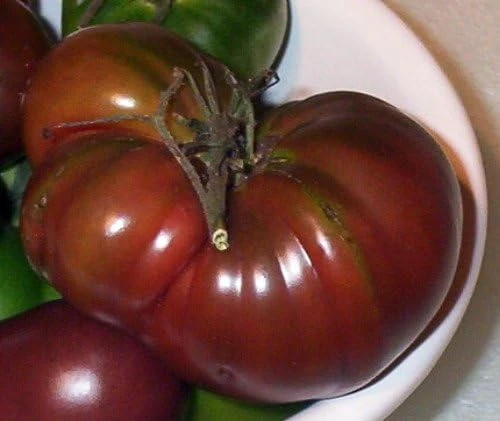
Black Russian Tomato Seeds – Heirloom, Indeterminate, 30 Count
Vegetable Seeds
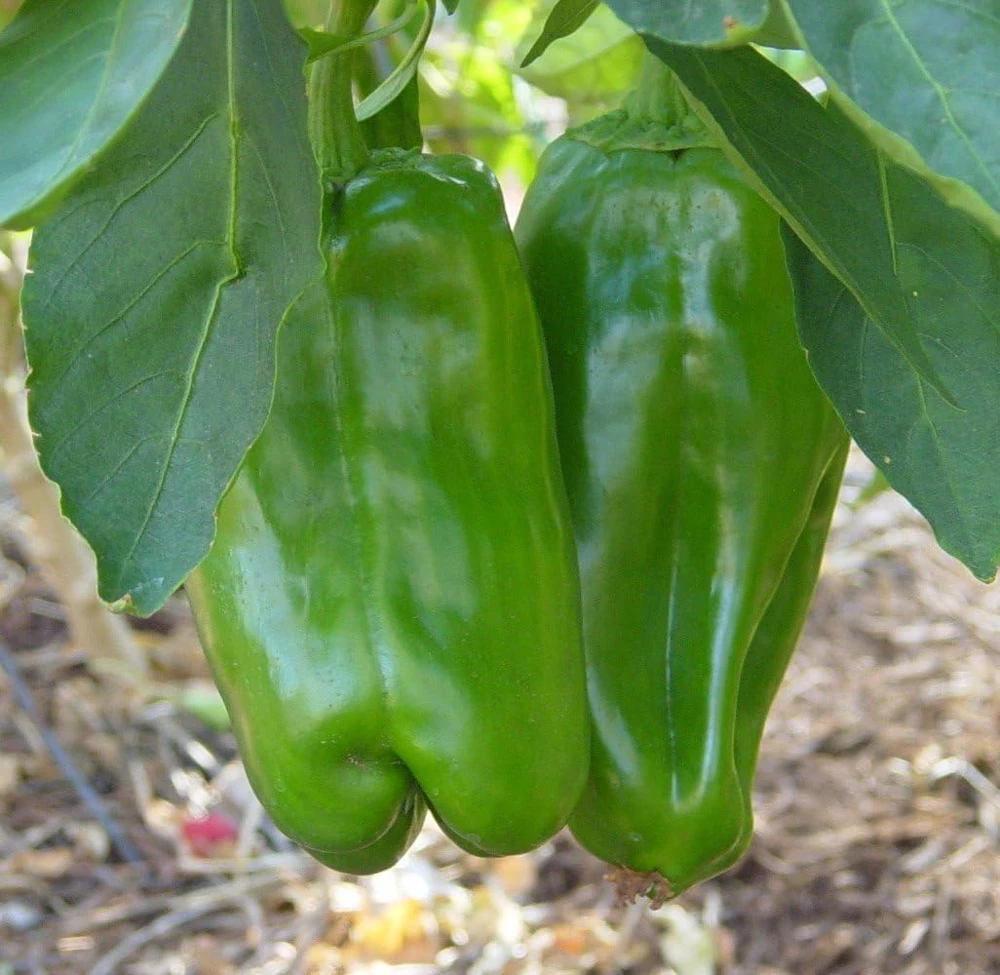
Big Bertha Sweet Pepper Seeds – 10 Count – Giant Bell Peppers
Reviews
There are no reviews yet.