
25 Judas Tree European Redbud Seeds – Cercis Siliquastrum Pink Purple Flower
Original price was: $37.99.$17.99Current price is: $17.99.
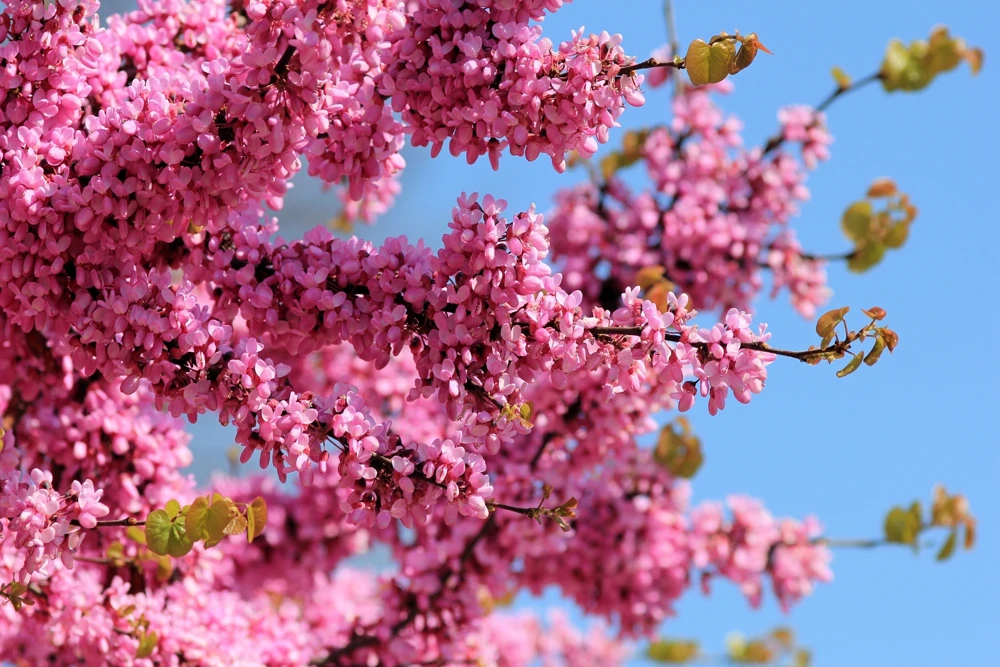
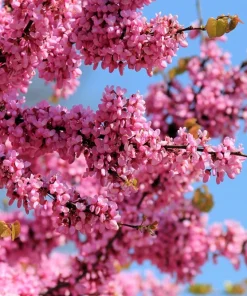
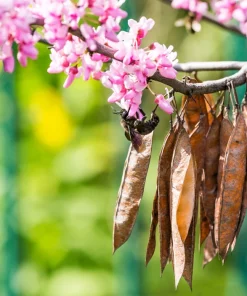
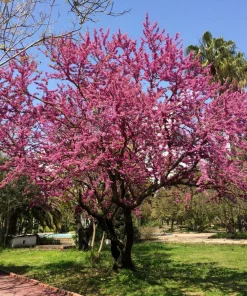
Cultivate a stunning ornamental tree with these Judas Tree European Redbud seeds. Known for their vibrant pink-purple blossoms that emerge directly from the branches in spring, these Cercis Siliquastrum seeds offer a unique addition to any garden. Ideal for creating a focal point or adding seasonal color to your landscape.
Estimated arrival
Sep 17
Sep 22 - Sep 24
Sep 27 - Oct 01
Shop With Confidence
30-Day Plant Health Guarantee
Arrives damaged? We’ll replace it free — see our return policy.
Responsive Support
Email us anytime, we reply within 1 business day.
Expert Packaging
Temperature-controlled shipping to protect your plants in transit.
Secure Checkout
Pay safely with Visa, Mastercard, PayPal.
Plant Specifications
-
USDA Hardiness Zone
USDA Zones 5-9 -
Soil Type
Well-draining, rich in organic matter, neutral to slightly alkaline pH -
Sunlight Exposure
Full sun to partial shade -
Expected Planting Period
Late winter to early spring (after stratification)
Overview
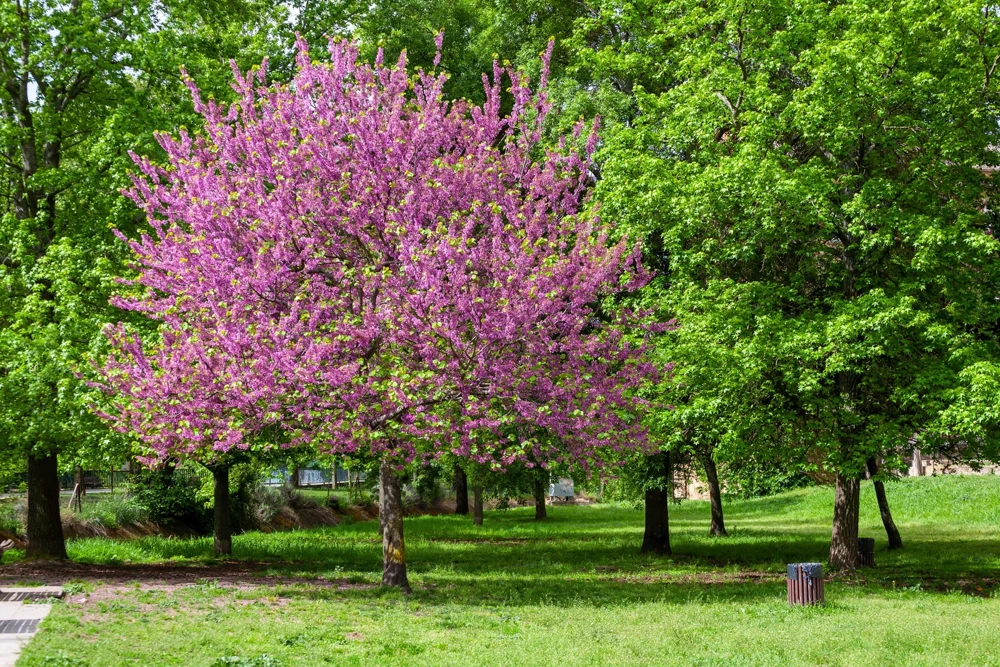
Embark on a rewarding gardening journey with these high-quality Judas Tree European Redbud seeds. Also known by its botanical name, Cercis Siliquastrum, this magnificent deciduous tree is celebrated for its breathtaking display of pink-purple flowers that bloom profusely in early spring, often before the leaves appear. Each packet contains 25 Judas Tree European Redbud seeds, providing an excellent opportunity to grow this iconic ornamental tree in your own garden. The European Redbud is renowned for its distinctive heart-shaped leaves and attractive multi-stemmed growth habit, making it a captivating specimen throughout the seasons. These seeds are a fantastic choice for gardeners looking to add a touch of elegance and vibrant color to their outdoor spaces.
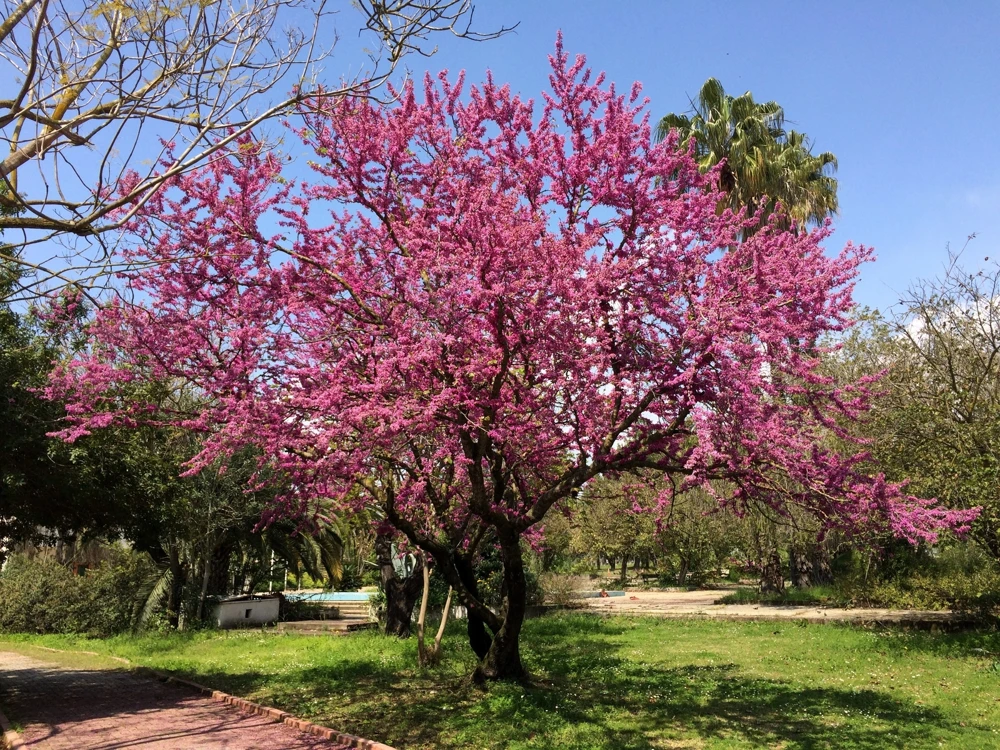
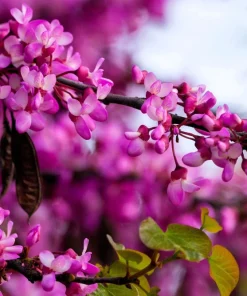
The Judas Tree European Redbud is a truly versatile tree, fitting beautifully into various landscape designs, from cottage gardens to more formal settings. Its unique flowering habit, where blossoms appear directly on older branches and even the trunk, creates a dramatic visual impact. Growing from Cercis Siliquastrum seeds allows you to nurture this plant from its earliest stages, fostering a strong and healthy tree that will be a joy for years to come. This particular variety is cherished for its resilience and adaptability, making it a popular choice for many regions.
Key Benefits
The Judas Tree European Redbud seeds offer numerous advantages for any gardening enthusiast, transforming your landscape with its unique charm and ecological benefits. Discover why this tree is a must-have:
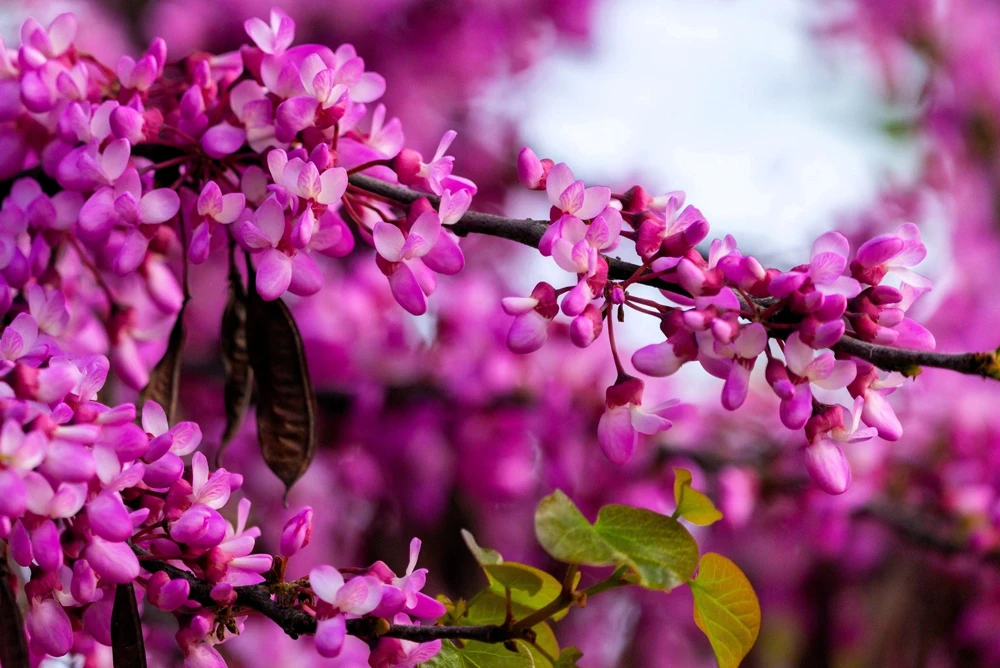
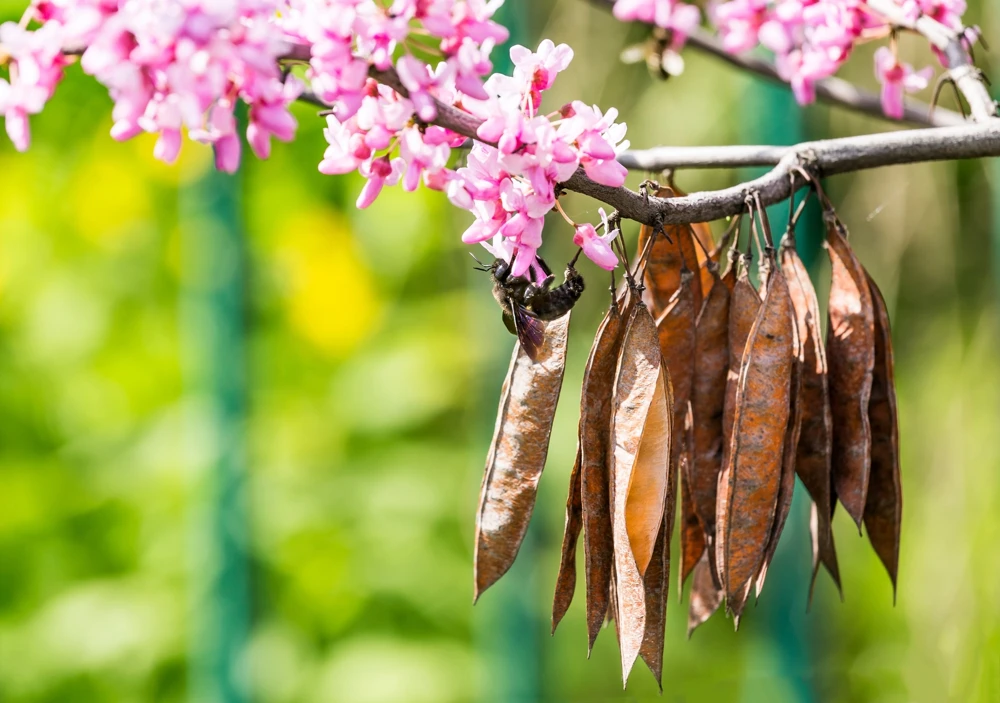
- Spectacular Spring Blooms: Enjoy an unforgettable display of vivid pink-purple flowers that emerge in clusters along the branches and trunk in early spring. These striking blossoms provide an early source of nectar for pollinators, enhancing your garden’s biodiversity. The vibrant color makes the European Redbud tree a true standout.
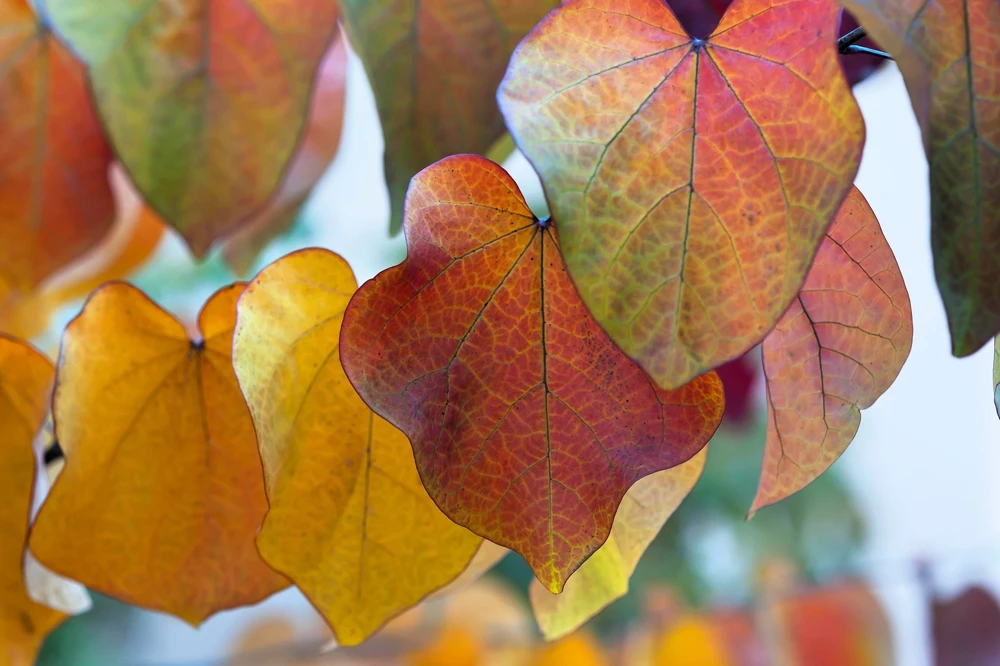
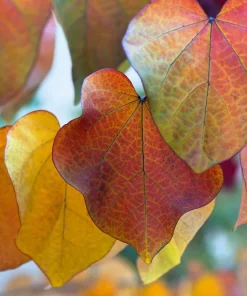
- Distinctive Foliage: Following the floral show, heart-shaped, glossy green leaves emerge, providing attractive summer shade. In autumn, the foliage often turns a lovely yellow, adding another layer of seasonal interest to your garden. This beautiful leaf structure contributes to the overall appeal of the Cercis Siliquastrum.
- Architectural Interest: The multi-stemmed growth habit and often picturesque, spreading canopy create an excellent focal point in any landscape. The unique branching pattern remains visually appealing even in winter, providing year-round structure.
- Pollinator Magnet: The early spring flowers are a vital food source for bees and other beneficial insects, helping to support local ecosystems and improve pollination in your garden. Planting these pink purple flowering tree seeds contributes to a healthier environment.
- Moderate Growth Rate: This tree grows at a moderate pace, allowing you to enjoy its beauty without an excessively long wait. It typically reaches a mature height that is manageable for most residential gardens.
- Drought Tolerance: Once established, the Judas Tree European Redbud shows good drought resistance, making it a relatively low-maintenance option for various climates.
- Versatile Landscaping: Suitable for a variety of garden styles, it can be planted as a specimen tree, part of a mixed border, or even in naturalized settings. It’s an excellent choice if you’re looking for an ornamental tree seeds project.
Plant Care & Growing Tips
Successfully growing your Judas Tree European Redbud seeds requires attention to specific conditions. This beautiful tree thrives when given the right environment and care. Start by preparing your seeds; Cercis Siliquastrum seeds often benefit from stratification to break dormancy. You can achieve this by scarifying the hard seed coat (gently nicking it with a file or sandpaper) and then cold stratifying them for 2-3 months in moist sand or peat in the refrigerator. This mimics the natural winter conditions and encourages germination.
Once prepared, sow the seeds in well-draining soil, either in pots indoors during late winter/early spring or directly outdoors after the last frost. The soil should be rich in organic matter and have a neutral to slightly alkaline pH. Full sun to partial shade is ideal for the European Redbud tree; aim for at least 6 hours of direct sunlight daily for optimal flowering, though some afternoon shade can be beneficial in hotter climates. Keep the soil consistently moist but not waterlogged, especially during the germination and establishment phases. Young seedlings are sensitive to drying out.
When transplanting, ensure the root ball is disturbed as little as possible. The Judas Tree European Redbud is generally hardy in USDA Zones 5-9. Provide a balanced fertilizer in spring to support healthy growth, following product instructions. Pruning should be minimal and focused on removing dead, damaged, or crossing branches, preferably in late winter or early spring before new growth begins. Protect young trees from deer and other pests. With proper care, your pink purple flowering tree will flourish.
Size & Details
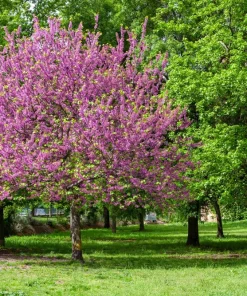
This offering includes 25 Judas Tree European Redbud seeds, providing a generous quantity to start your tree-growing project. The Judas Tree European Redbud (Cercis Siliquastrum) is a moderately sized deciduous tree, typically growing to a height of 15 to 25 feet (4.5 to 7.5 meters) with a similar spread at maturity. Its growth rate is medium, often adding 12 to 24 inches per year. When grown from ornamental tree seeds, it will take several years to reach flowering maturity, usually around 4-7 years, depending on growing conditions.
The seeds are shipped in a protective packet, ready for planting. The mature tree develops a beautiful, often multi-stemmed form with a rounded or vase-shaped canopy, making it an excellent choice for a specimen tree or as part of a mixed border. The heart-shaped leaves are typically 2-5 inches long, turning a soft yellow in the autumn. The distinctive pink-purple flowers appear in clusters, directly on the branches and trunk, creating a unique and stunning visual effect in early spring.
Frequently Asked Questions
- Q: How big does this plant get? A: The Judas Tree European Redbud typically reaches a mature height of 15 to 25 feet with a similar spread. It grows at a moderate rate, usually adding 1 to 2 feet per year once established.
- Q: Is this an indoor or outdoor plant? A: The Judas Tree European Redbud is an outdoor tree, best suited for planting in gardens, landscapes, or as a specimen tree. It requires ample space to grow and thrive.
- Q: How much sunlight does it need? A: This tree prefers full sun to partial shade. For the most abundant blooms, aim for at least 6 hours of direct sunlight per day. In very hot climates, some afternoon shade can be beneficial.
- Q: Is this plant easy to care for? A: Once established, the Judas Tree European Redbud is relatively low-maintenance. It requires consistent watering in its early years but becomes more drought-tolerant with age. Proper planting and initial care are key to its success.
- Q: What condition will the Judas Tree European Redbud seeds arrive in? A: The seeds will arrive in a protective packet, ready for you to prepare and plant. They are carefully selected to ensure viability.
- Q: How long until it blooms? A: When grown from Cercis Siliquastrum seeds, the tree typically begins to flower within 4 to 7 years after germination, depending on growing conditions and care.
- Q: When is the best time to plant these ornamental tree seeds? A: After scarification and cold stratification, the best time to sow these seeds is in late winter or early spring indoors, or directly outdoors after the last danger of frost has passed.
- Q: Will the European Redbud tree survive winter in my zone? A: The Judas Tree European Redbud is hardy in USDA Zones 5 through 9. If you live within these zones, it should tolerate winter conditions well.
- Q: What’s the minimum temperature this pink purple flowering tree can tolerate? A: This tree can generally tolerate winter temperatures down to -20°F (-29°C), which corresponds to USDA Zone 5.
- Q: Do these Judas Tree European Redbud seeds require special treatment before planting? A: Yes, these seeds have a hard seed coat and require scarification followed by cold stratification for 2-3 months to improve germination rates significantly.
Be the first to review “25 Judas Tree European Redbud Seeds – Cercis Siliquastrum Pink Purple Flower”
People Also Viewed







Houseplants
Large Lipstick Plant Live Hanging Basket – Aeschynanthus Flowering Houseplant, 9 Inch Basket
Reviews
There are no reviews yet.