
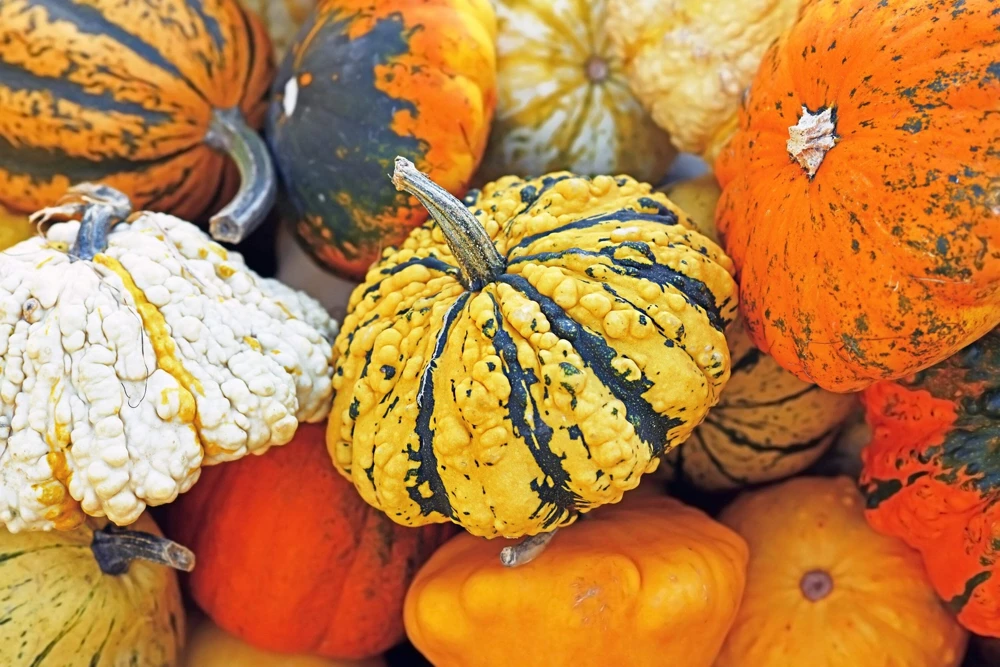
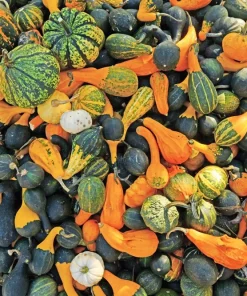
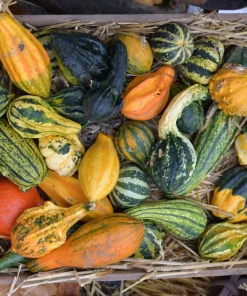
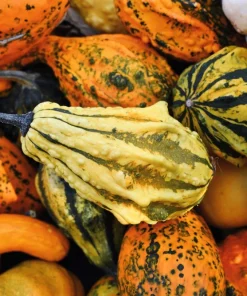
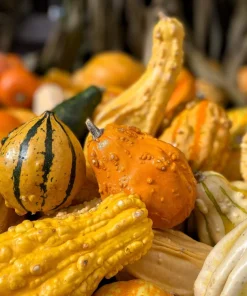
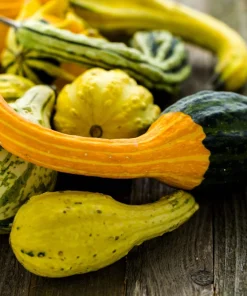
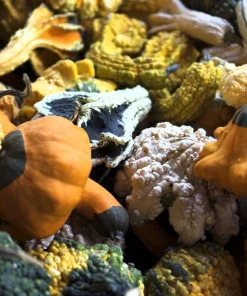
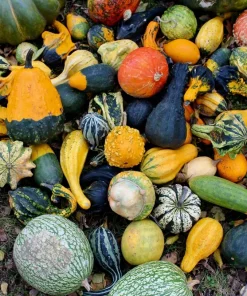
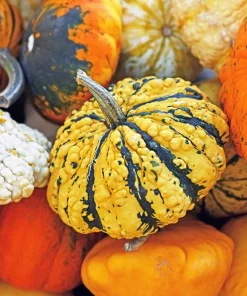
30 Mixed Gourd Seeds – Lagenaria Siceraria – Craft & Ornamental
Original price was: $37.99.$17.99Current price is: $17.99.
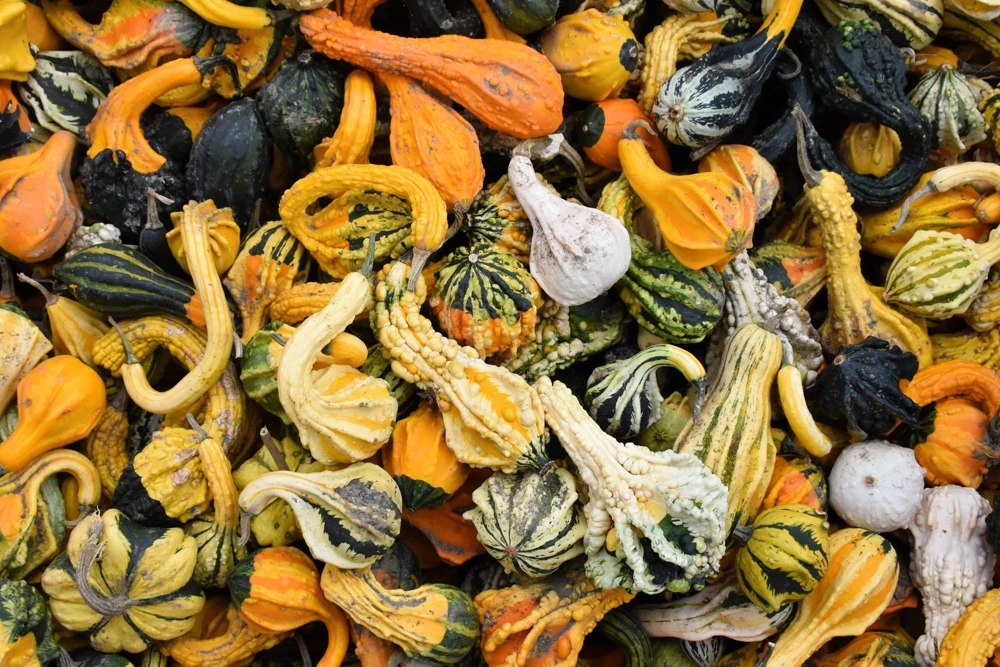
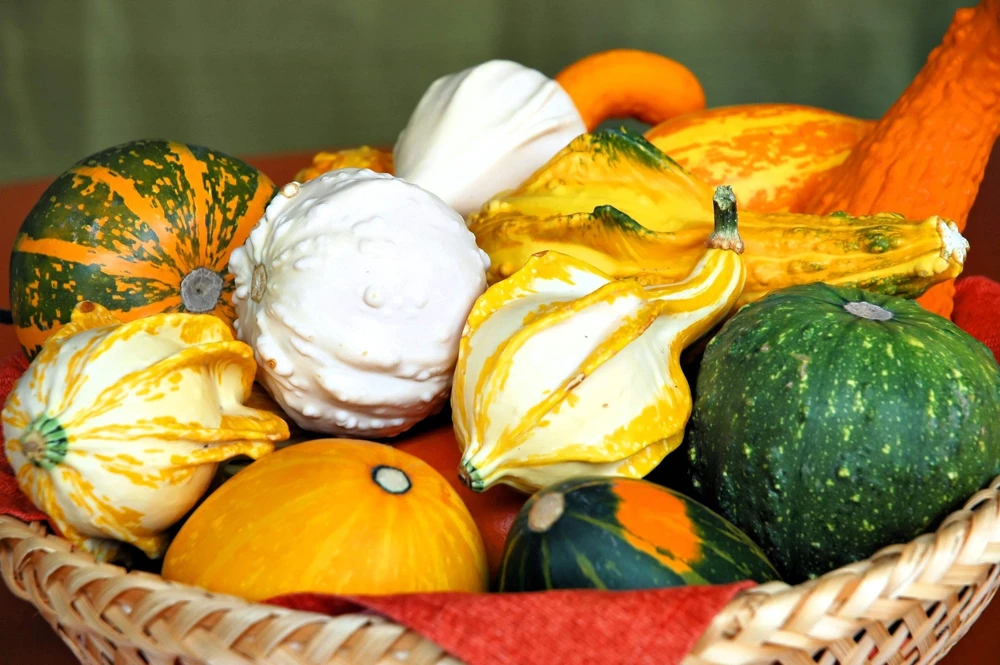
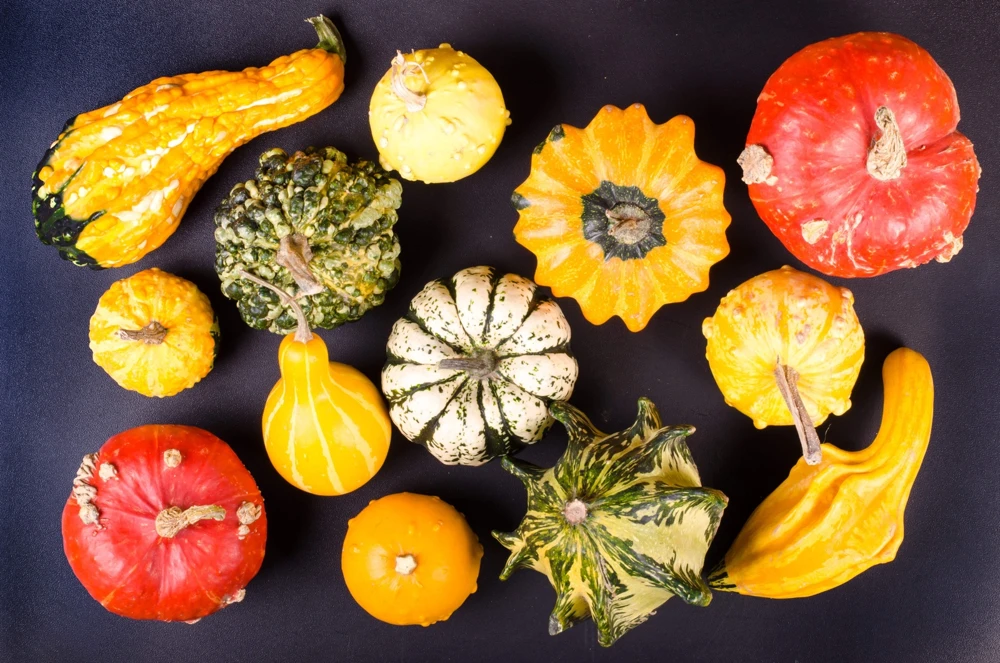
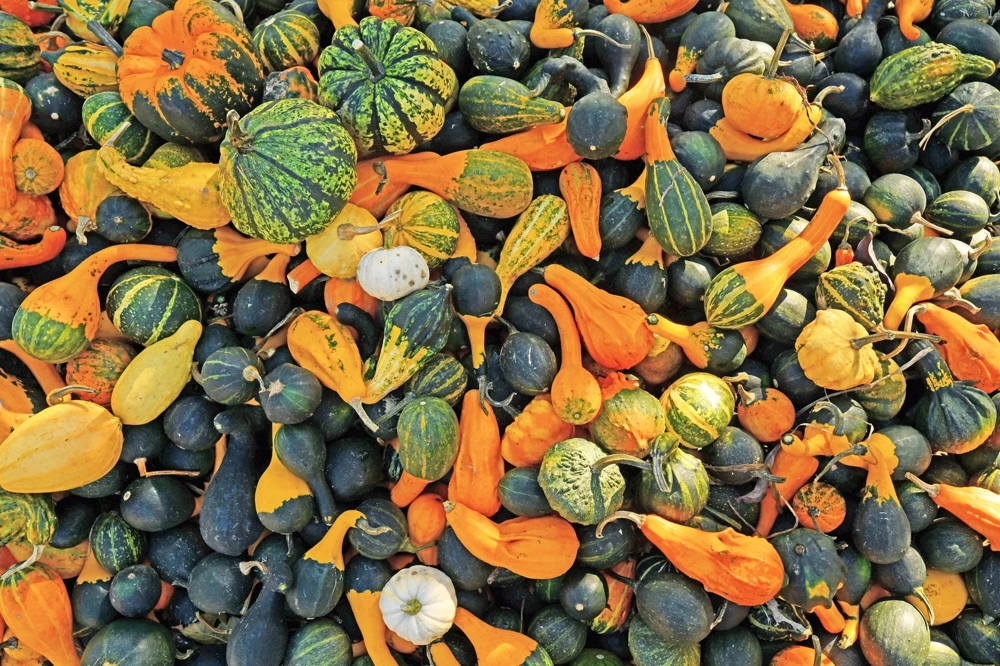
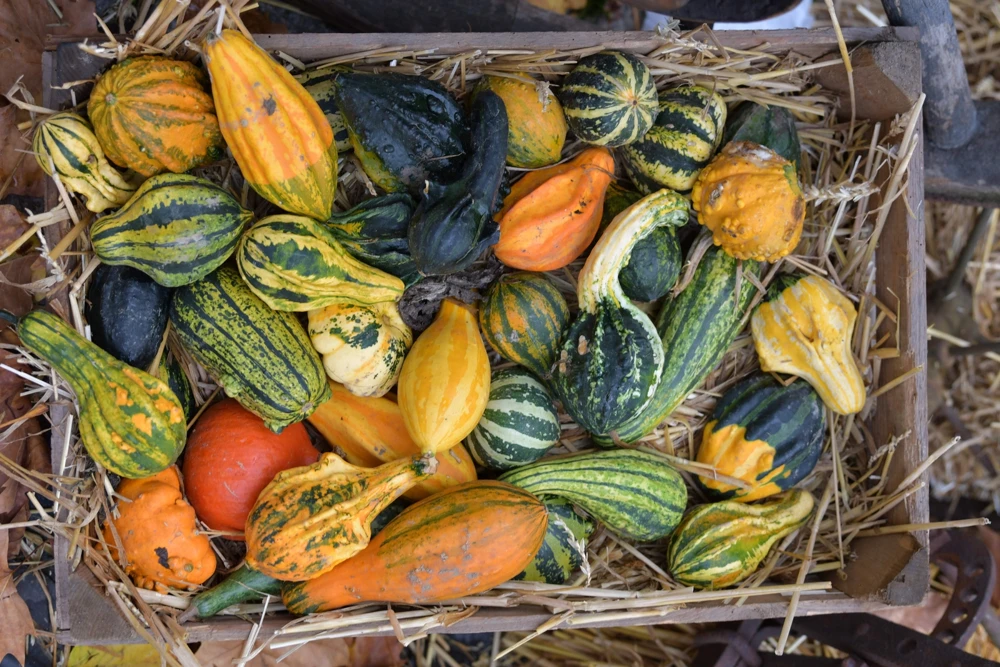
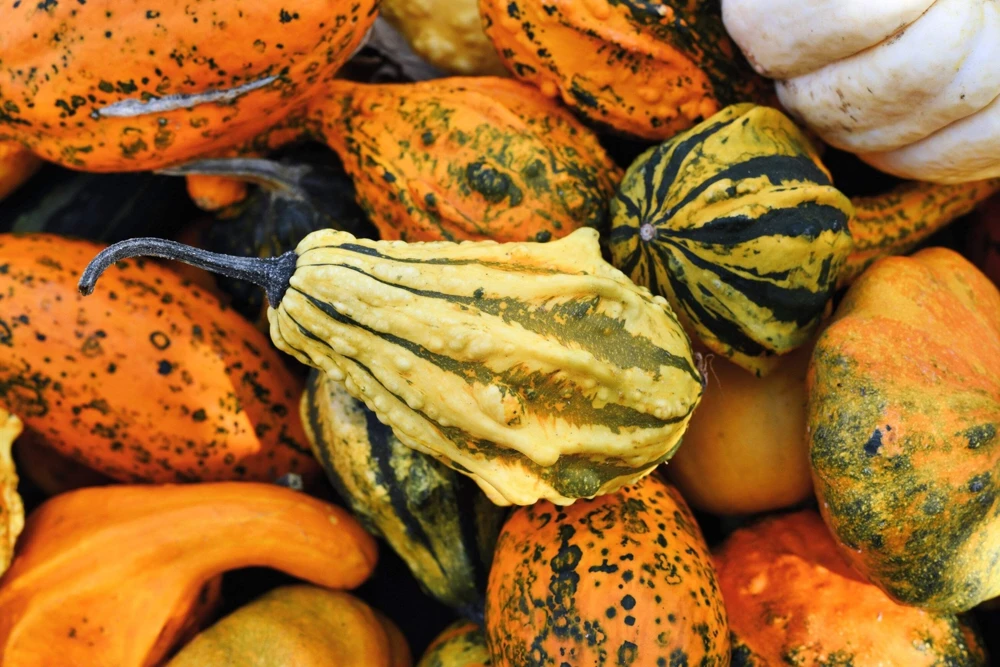
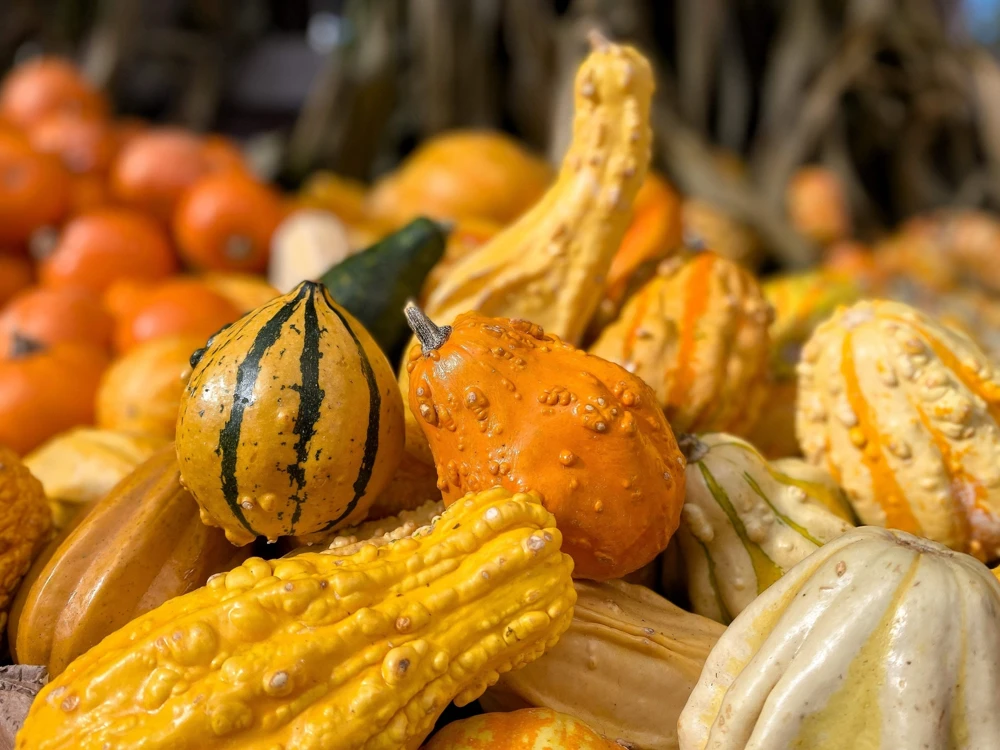
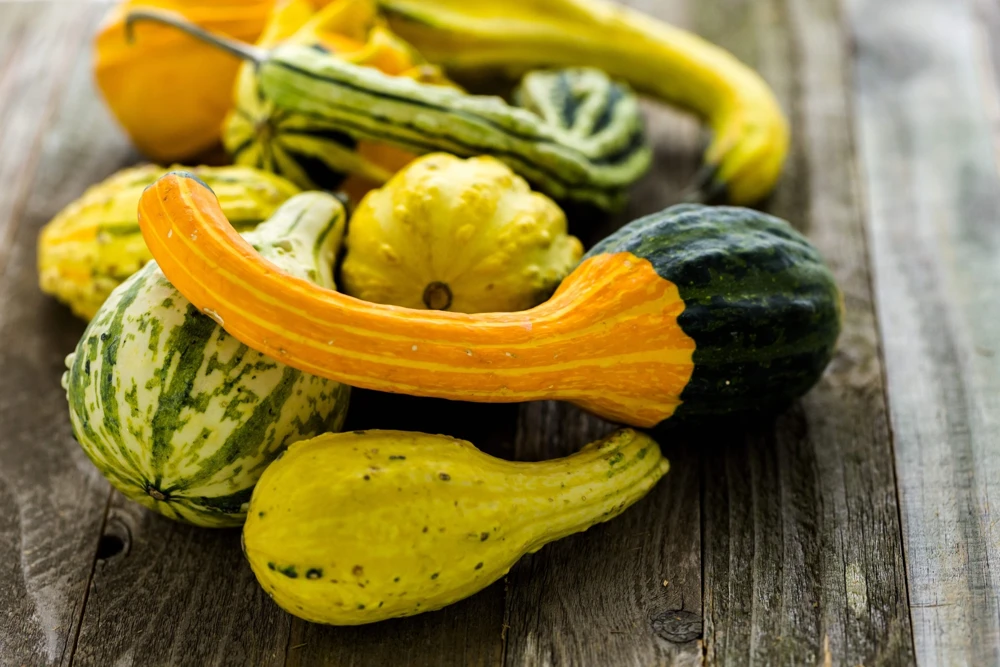
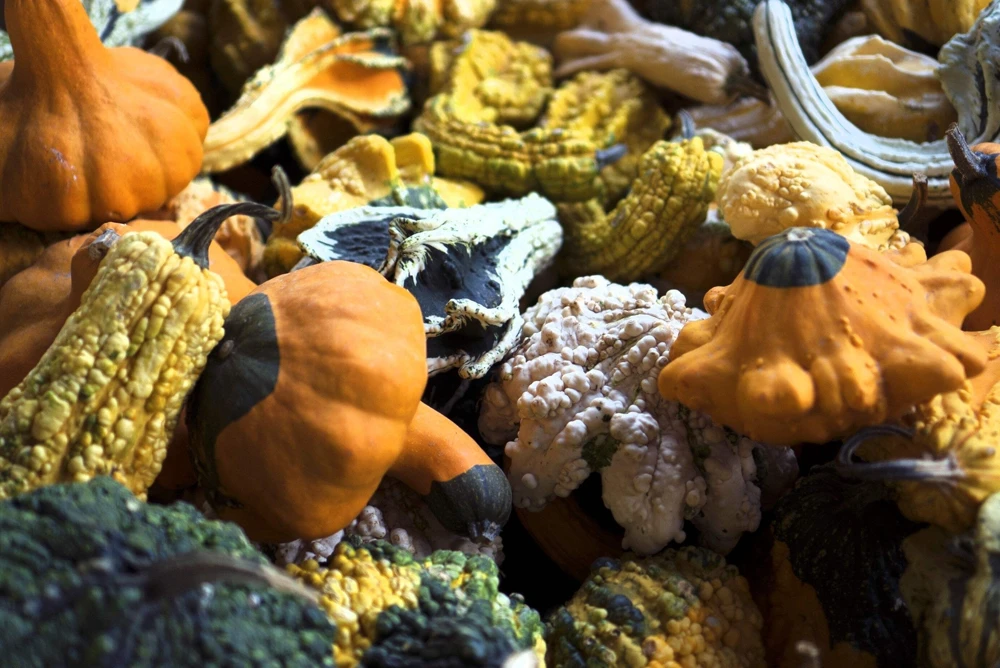
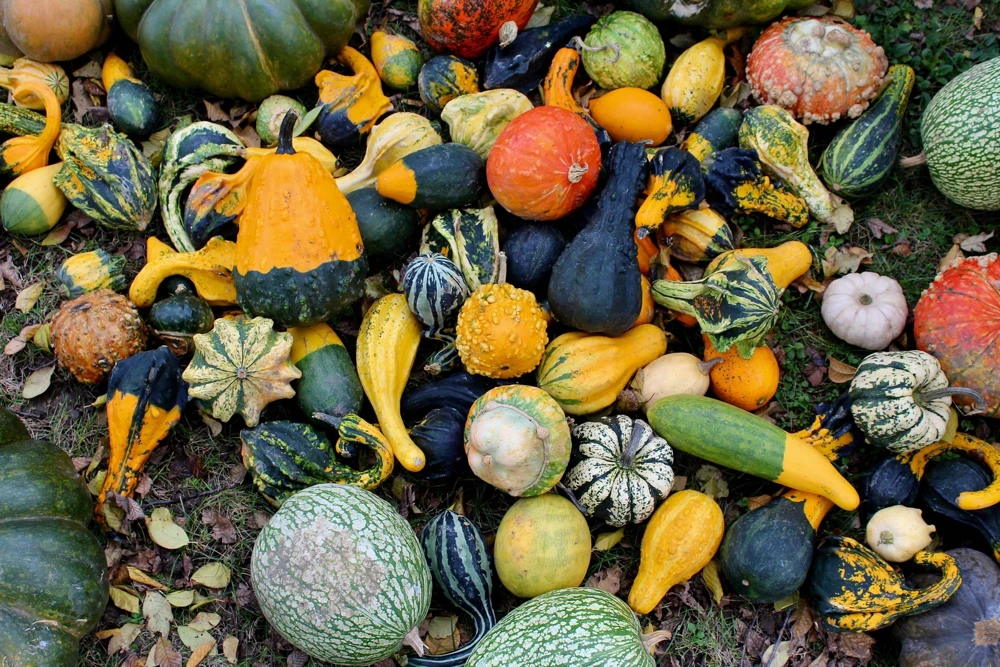
Cultivate a fascinating array of shapes and sizes with these 30 mixed gourd seeds (Lagenaria siceraria). Ideal for gardening enthusiasts and crafters, these seeds promise a rewarding growing experience, leading to unique ornamental and functional gourds. Enjoy the satisfaction of harvesting your own distinctive garden treasures.
Estimated arrival
Sep 17
Sep 22 - Sep 24
Sep 27 - Oct 01
Shop With Confidence
30-Day Plant Health Guarantee
Arrives damaged? We’ll replace it free — see our return policy.
Responsive Support
Email us anytime, we reply within 1 business day.
Expert Packaging
Temperature-controlled shipping to protect your plants in transit.
Secure Checkout
Pay safely with Visa, Mastercard, PayPal.
Plant Specifications
-
USDA Hardiness Zone
USDA zones 4-11 (annual) -
Soil Type
Well-draining, rich soil with organic matter -
Sunlight Exposure
Full sun (6-8+ hours daily) -
Expected Planting Period
Spring after last frost
Overview
Embark on a captivating gardening journey with our premium selection of 30 mixed gourd seeds. These Lagenaria siceraria seeds offer an exciting opportunity to cultivate a diverse collection of gourds right in your own backyard. Known for their rapid growth and varied forms, gourds are a favorite among gardeners who enjoy both the process of growing and the creative possibilities that arise from their harvest. Whether you’re planning to create decorative pieces, functional containers, or even birdhouses, these seeds provide the foundation for a truly unique and rewarding experience. Each seed holds the promise of a distinct gourd, making every harvest a delightful surprise. Growing your own gourds is not only a fulfilling hobby but also a wonderful way to connect with nature and express your artistic side.
These particular mixed gourd seeds are sourced for their viability and potential to produce a wide range of shapes, from classic bottle gourds to more whimsical dipper and canteen varieties. Lagenaria siceraria, commonly known as bottle gourd, calabash gourd, or white-flowered gourd, is a vine grown for its fruit. It can be harvested young for use as a vegetable, or harvested mature, dried, and used as a utensil, container, or musical instrument. The mature fruit has a hard shell, making it excellent for crafting. The versatility of these gourds makes them a fantastic addition to any garden, appealing to both seasoned horticulturists and novice growers alike.
Key Benefits
Growing mixed gourd seeds offers a multitude of benefits, from enhancing your garden’s aesthetic to providing materials for various crafts. These seeds are a gateway to a world of creativity and natural beauty.
- Unique Decorative Potential: Harvest a stunning array of gourds that serve as natural, rustic decorations for your home, garden, or seasonal displays. Each gourd will have its own distinct shape and character.
- Crafting Versatility: Dried gourds are excellent for a wide range of craft projects, including painting, carving, making birdhouses, bowls, musical instruments, and more. Unleash your artistic flair with these natural canvases.
- Educational & Rewarding: Engage in a hands-on gardening experience that teaches about plant growth, cultivation, and the lifecycle of a unique crop. It’s a satisfying process from planting the lagenaria siceraria seeds to harvesting the mature gourds.
- Attracts Wildlife: Once dried and prepared, gourds can be transformed into functional birdhouses, providing shelter for local birds and adding life to your garden.
- Sustainable & Eco-Friendly: Grow your own materials for crafts and decor, reducing the need for manufactured goods and promoting a more sustainable lifestyle.
- Easy to Grow: Gourds are relatively straightforward to cultivate, making them suitable for gardeners of all skill levels. With proper care, you can expect a bountiful harvest.
Plant Care & Growing Tips
Cultivating mixed gourd seeds successfully requires attention to a few key factors, ensuring a healthy vine and abundant harvest. Gourds thrive in warm conditions and require plenty of space to spread. Start your seeds indoors 3-4 weeks before the last frost date, or sow directly outdoors once all danger of frost has passed and soil temperatures consistently reach 65°F (18°C) or higher. Plant seeds about 1 inch deep and 3-4 feet apart in rows that are 8-10 feet apart, or in hills with 3-4 seeds per hill, spacing hills 6-8 feet apart. Thin to the strongest 1-2 plants per hill once seedlings are established. Providing a strong trellis or support structure is highly recommended, as gourds are vigorous climbers and allowing them to grow vertically conserves space and produces straighter, more uniformly shaped gourds.
Gourds prefer a location with full sun, meaning at least 6-8 hours of direct sunlight per day. They need rich, well-draining soil with a pH between 6.0 and 7.0. Incorporate plenty of organic matter, such as compost or well-rotted manure, into the soil before planting to provide essential nutrients. Consistent moisture is crucial, especially during flowering and fruit development. Water deeply and regularly, aiming for 1-2 inches of water per week, either from rainfall or irrigation. Avoid overhead watering to minimize the risk of fungal diseases. Fertilize every 3-4 weeks with a balanced fertilizer, or one slightly higher in phosphorus and potassium once flowering begins, to support fruit production. Watch out for common pests like squash bugs and cucumber beetles, and address them promptly with organic pest control methods or by hand-picking. Proper air circulation and pruning of excessive foliage can also help prevent diseases. Understanding this gourd planting guide will help you achieve a successful harvest.
Harvesting gourds for drying involves letting them mature fully on the vine until the stem begins to dry and turn brown, and the skin hardens. Do not pick them prematurely. Once harvested, cure them in a dry, well-ventilated area for several weeks or months until they are completely dry and lightweight. This careful drying process is essential for preparing them for crafting and ensuring their longevity. Learning how to grow gourds effectively means paying attention to these details for optimal results.
Size & Details
This offering includes 30 mixed gourd seeds, specifically Lagenaria siceraria, also known as bottle gourds or calabash gourds. The size and shape of the mature gourds will vary greatly due to the mixed nature of the seeds, but you can expect a fascinating range, from small decorative types to larger, more functional varieties suitable for crafting. Gourd vines are vigorous growers, typically reaching lengths of 10-20 feet or more, especially when provided with a trellis or support. Each seed has the potential to produce multiple gourds over the growing season. The growth rate is relatively fast, with gourds maturing and ready for harvest typically within 90-120 days from planting, depending on the variety and growing conditions. These seeds are designed for outdoor cultivation.
Upon receipt, store your ornamental gourd seeds in a cool, dry place until you are ready to plant. For best germination rates, consider scarifying the hard outer shell of the seeds and soaking them in warm water for 24 hours before planting. This helps to soften the seed coat and encourages quicker sprouting. The resulting gourds, once dried, will have a hard, durable shell, perfect for a multitude of craft projects and long-lasting decorations.
Frequently Asked Questions
- Q: What types of gourds can I expect from these 30 mixed gourd seeds? A: This mix of lagenaria siceraria seeds is designed to produce a diverse array of shapes and sizes, including bottle, dipper, and canteen gourds, among others. The exact varieties will be a delightful surprise, offering unique forms for crafting and decoration.
- Q: How much sunlight do gourds need? A: Gourds are sun-loving plants and require at least 6-8 hours of direct sunlight per day to thrive and produce a good harvest. Choose a sunny spot in your garden for planting.
- Q: Is this product suitable for beginners? A: Yes, gourds are relatively easy to grow and are an excellent choice for beginner gardeners. Following a simple gourd planting guide will ensure success.
- Q: When is the best time to plant these mixed gourd seeds? A: The best time to plant is after all danger of frost has passed in spring, and the soil has warmed up. You can also start seeds indoors a few weeks earlier for a head start.
- Q: How long does it take for gourds to mature? A: Typically, gourds mature and are ready for harvest within 90 to 120 days after planting, though this can vary slightly depending on the specific variety and growing conditions.
- Q: Can I grow these gourds in containers? A: While gourds are vigorous climbers and prefer ample space, they can be grown in very large containers (at least 15-20 gallons) with strong trellising. Ensure consistent watering and feeding.
- Q: What kind of soil do gourds prefer? A: Gourds prefer rich, well-draining soil with a neutral pH. Amend your soil with plenty of organic compost to provide the necessary nutrients for robust growth.
- Q: Are these ornamental gourd seeds edible? A: While Lagenaria siceraria gourds can be eaten when very young and tender, this mix is primarily intended for growing mature gourds for ornamental and crafting purposes, not for culinary use.
- Q: How do I dry the gourds for crafting? A: Harvest gourds when their stems are dry and skins are hard. Cure them in a cool, dry, well-ventilated area for several weeks to months until they are completely dry and lightweight.
- Q: Will these seeds attract pests? A: Like many cucurbits, gourds can attract pests such as squash bugs and cucumber beetles. Regular inspection and appropriate pest management are recommended for healthy plants.
Be the first to review “30 Mixed Gourd Seeds – Lagenaria Siceraria – Craft & Ornamental”
People Also Viewed
Reviews
There are no reviews yet.