

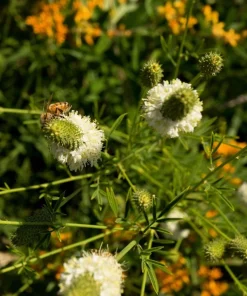
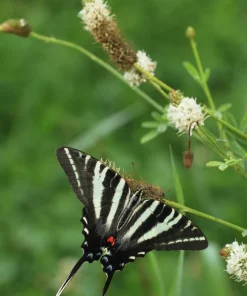
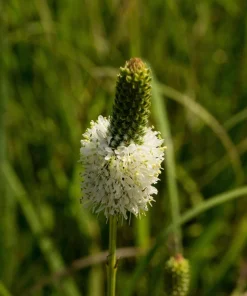
1000 White Prairie Clover Seeds – Dalea Candida Flower Seeds for Garden
Original price was: $37.99.$17.99Current price is: $17.99.
Discover the beauty of white prairie clover seeds (Dalea candida), perfect for creating a vibrant, native landscape. These native flower seeds are ideal for attracting pollinators and adding ecological value to your garden.
Estimated arrival
Sep 17
Sep 22 - Sep 24
Sep 27 - Oct 01
Shop With Confidence
30-Day Plant Health Guarantee
Arrives damaged? We’ll replace it free — see our return policy.
Responsive Support
Email us anytime, we reply within 1 business day.
Expert Packaging
Temperature-controlled shipping to protect your plants in transit.
Secure Checkout
Pay safely with Visa, Mastercard, PayPal.
Plant Specifications
-
USDA Hardiness Zone
USDA zones 3-8 -
Soil Type
Well-draining soil, sandy to loamy -
Sunlight Exposure
Full sun -
Expected Planting Period
Fall or early spring
Overview
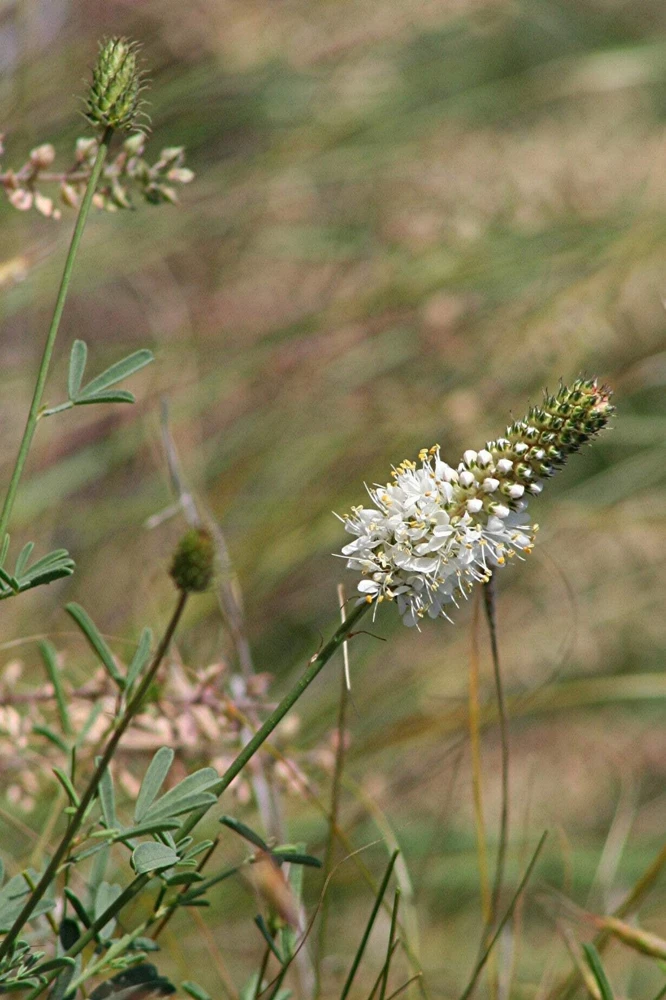
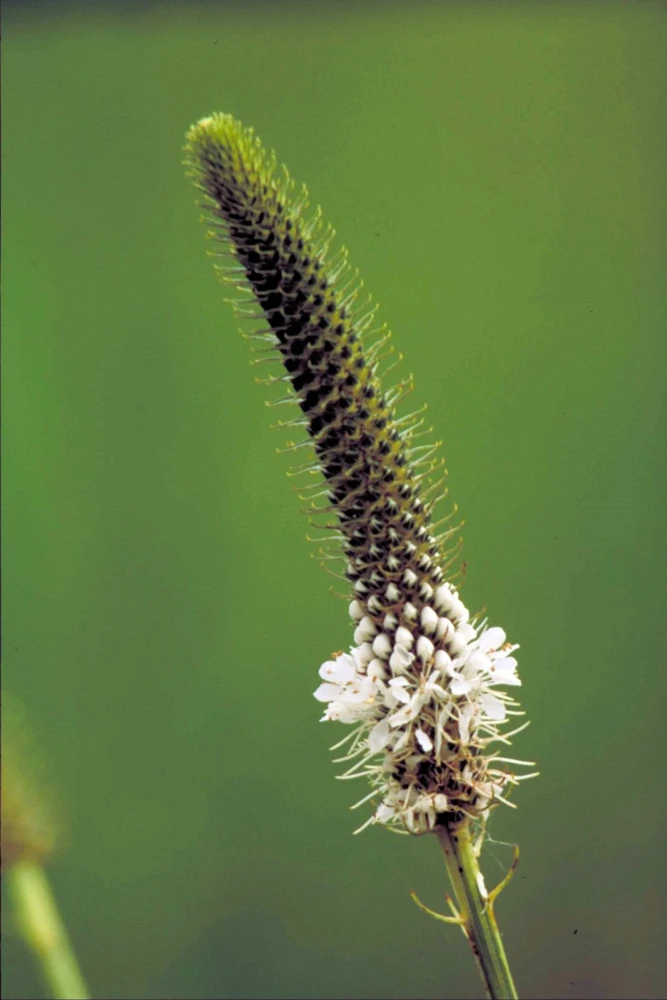
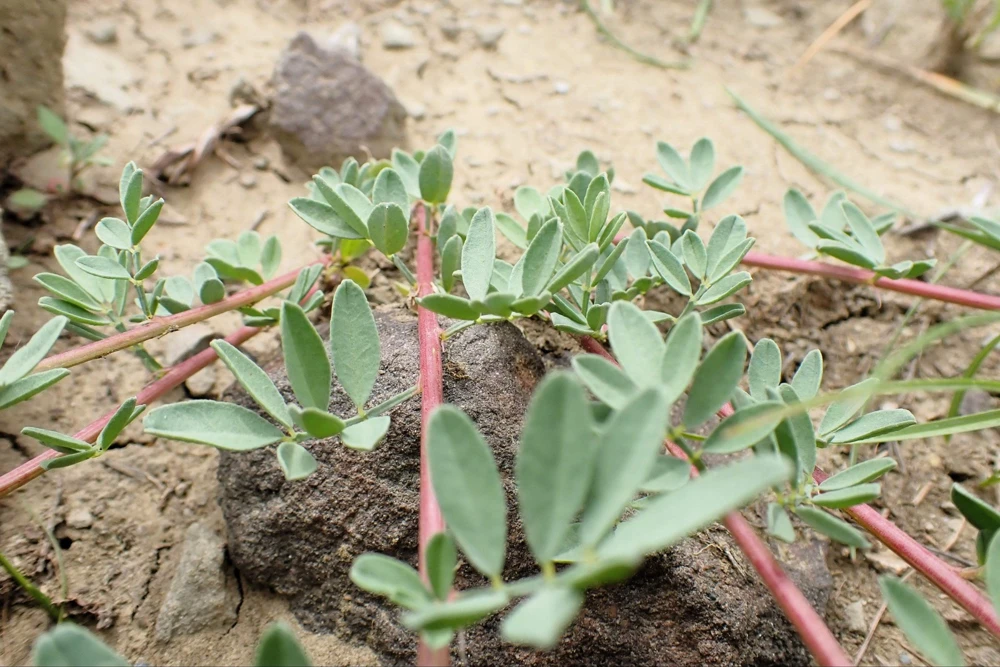
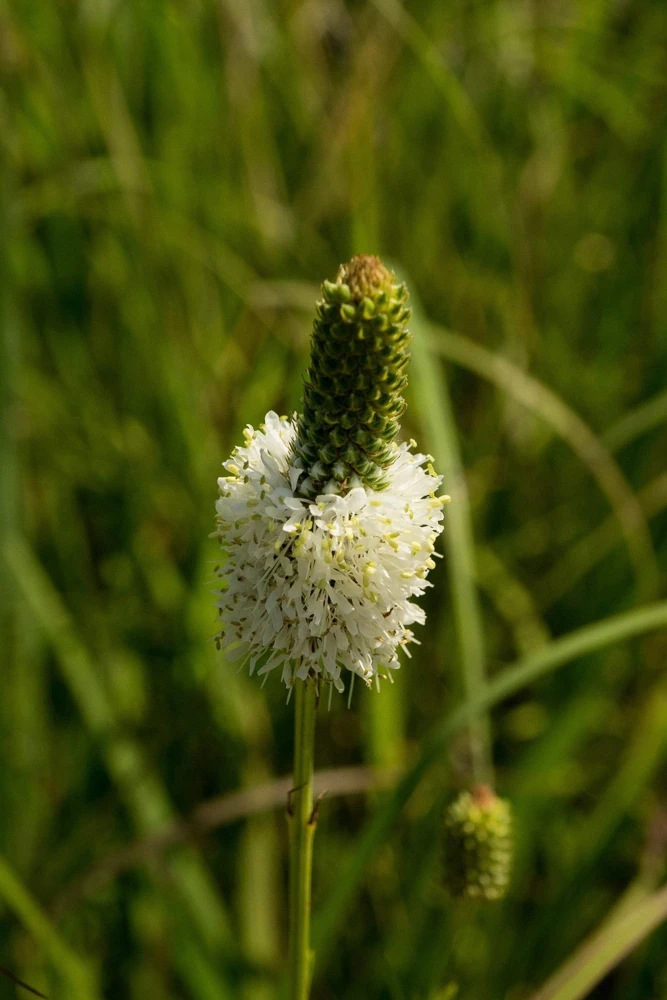
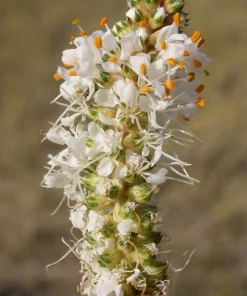
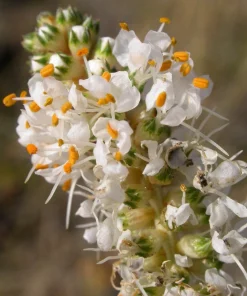
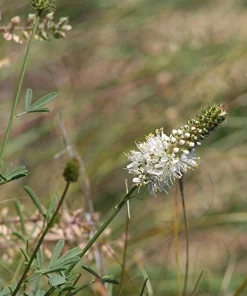
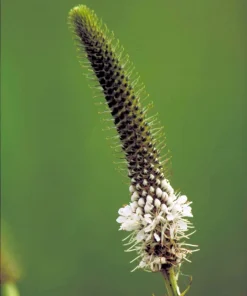
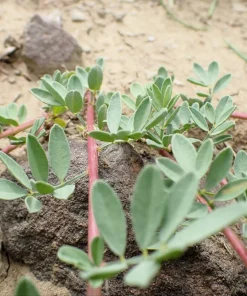
Transform your garden into a haven for wildlife with these high-quality white prairie clover seeds. Each packet contains 1000 white prairie clover seeds (Dalea candida), offering an abundant supply for establishing a stunning native wildflower display. Dalea candida, commonly known as White Prairie Clover, is a beautiful and resilient perennial belonging to the legume family. Native to much of North America, it plays a crucial role in prairie ecosystems, contributing to soil health and biodiversity. These Dalea candida seeds are an excellent choice for gardeners looking to support local ecosystems, create a low-maintenance landscape, or participate in prairie restoration projects. Its distinctive white flower spikes add an elegant touch to any naturalized area, blooming profusely in mid-summer.
Key Benefits
Planting white prairie clover seeds offers a multitude of advantages for your garden and the environment. This native perennial is not only visually appealing but also highly beneficial for local wildlife and soil health. Here are some of the key benefits you’ll enjoy:
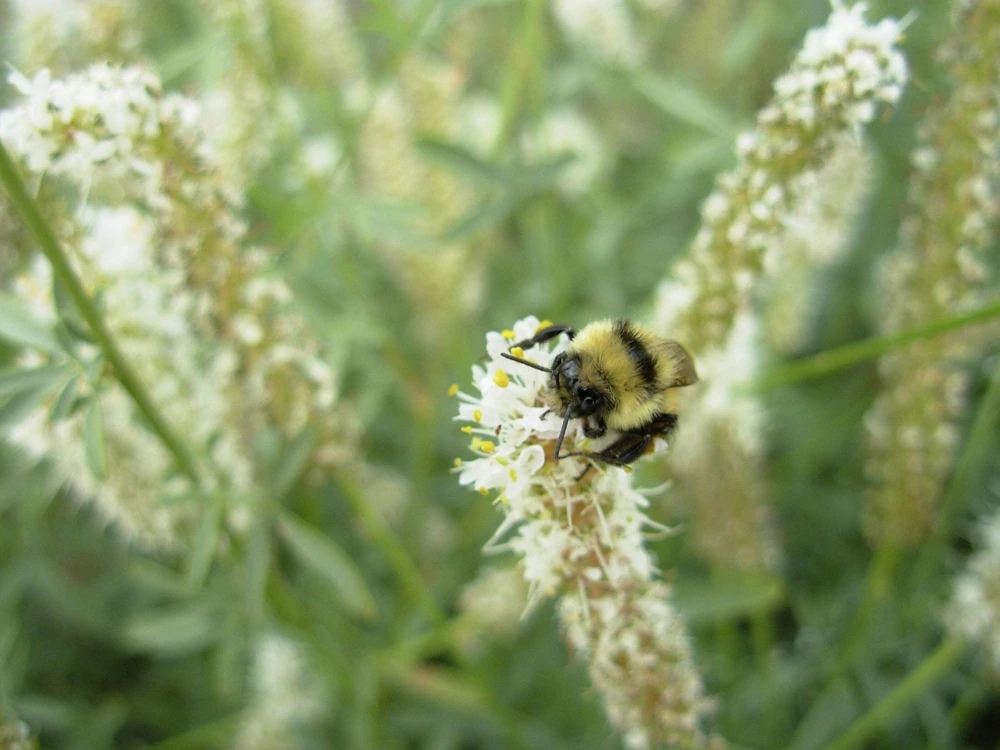
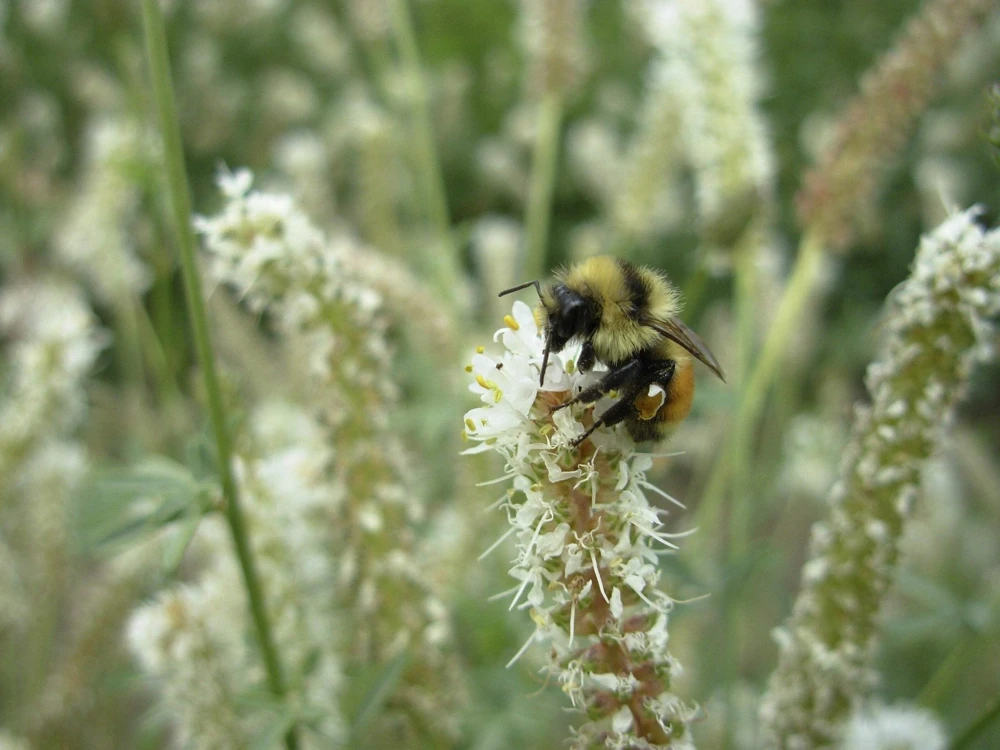
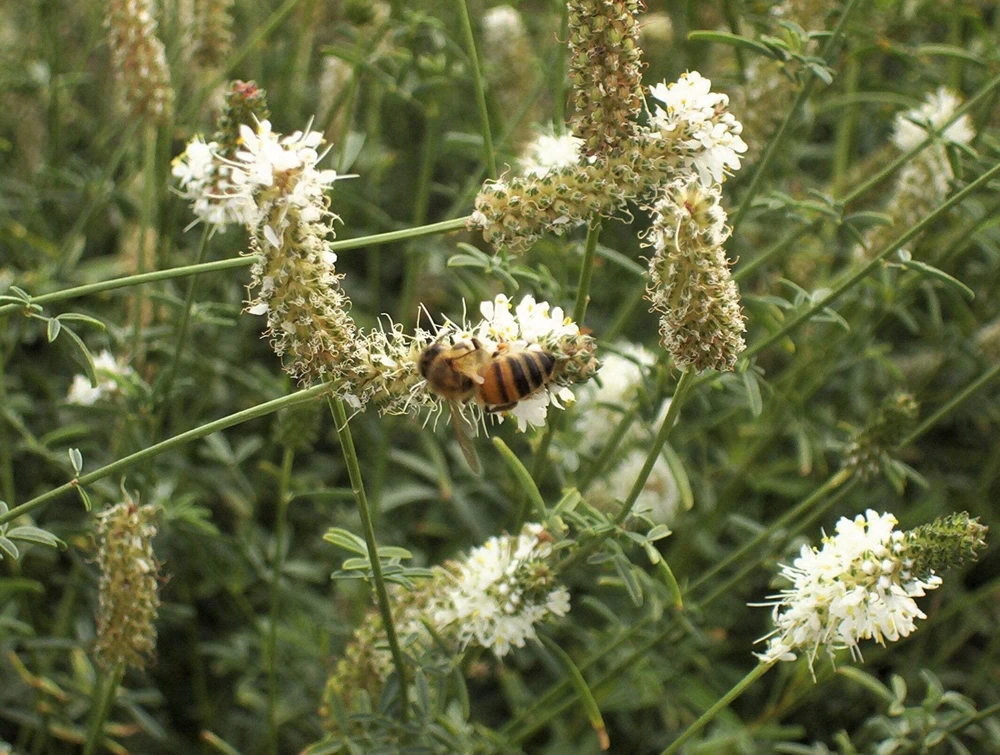
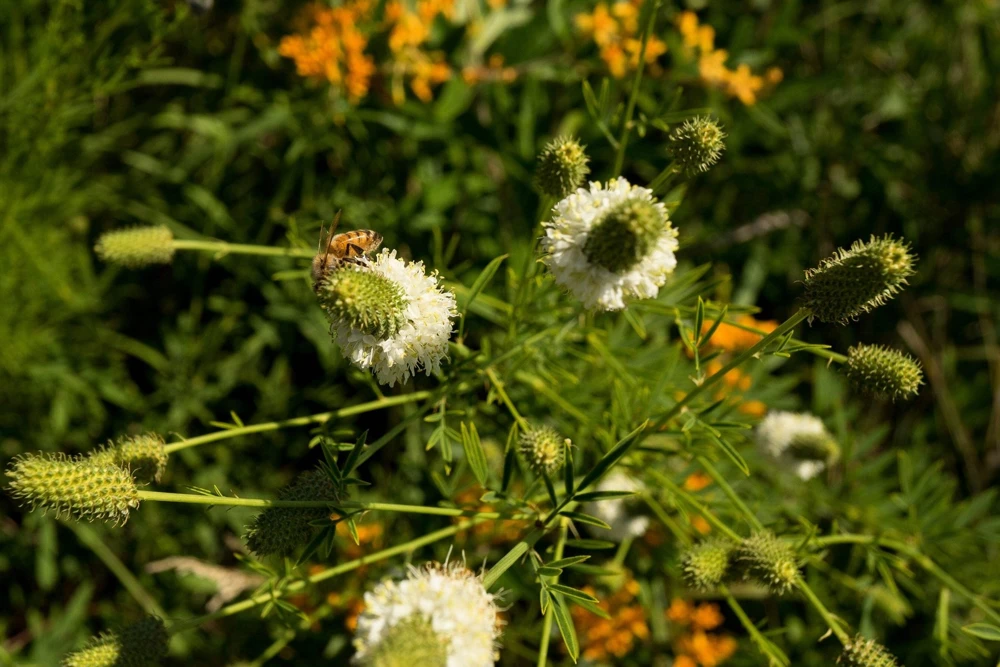
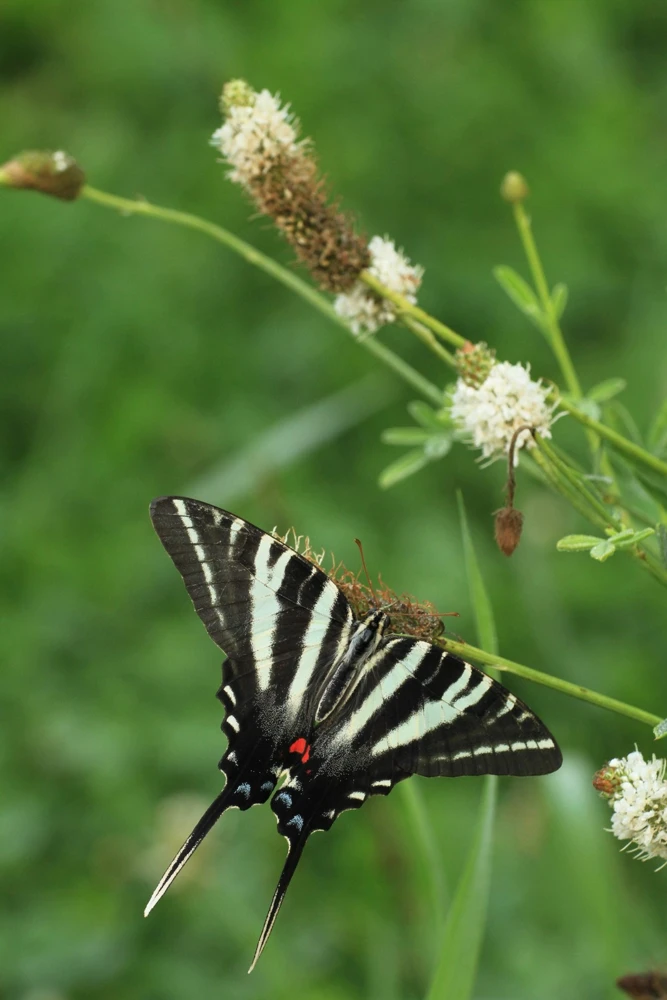
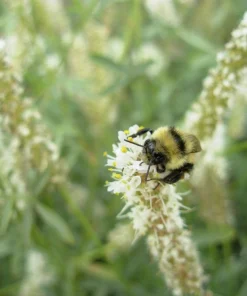
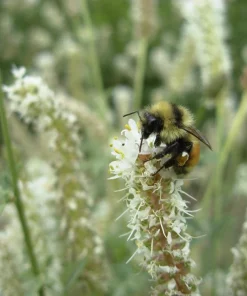
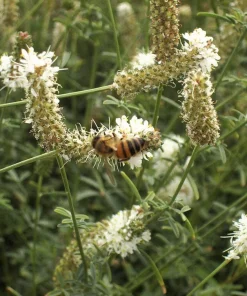
- Attracts Pollinators: White Prairie Clover is a magnet for bees, butterflies, and other beneficial insects, making it an essential component for any pollinator garden seeds project. Its nectar-rich flowers provide a vital food source for these crucial creatures.
- Enhances Soil Health: As a legume, Dalea candida is a nitrogen-fixing plant, naturally enriching your soil with essential nutrients. This reduces the need for artificial fertilizers and promotes healthier plant growth in surrounding areas.
- Drought Tolerant: Once established, White Prairie Clover is incredibly resilient to dry conditions, making it an excellent choice for xeriscaping or gardens in areas with limited rainfall. This saves water and reduces maintenance efforts.
- Low Maintenance: Requiring minimal care, these native flower seeds are perfect for busy gardeners. They thrive with little intervention, allowing you to enjoy their beauty without constant attention.
- Erosion Control: Its deep root system helps to stabilize soil, preventing erosion on slopes and in areas prone to runoff. This makes it a valuable plant for land reclamation and ecological restoration.
- Native Beauty: Embrace the natural elegance of a native landscape. White Prairie Clover provides a delicate yet striking visual appeal, blending seamlessly into naturalistic designs and offering a unique aesthetic.
- Supports Wildlife: Beyond pollinators, the plant provides habitat and food for various other wildlife species, contributing to a thriving and balanced ecosystem in your backyard.
Plant Care & Growing Tips
Growing Dalea candida seeds successfully begins with proper site selection and sowing techniques. White Prairie Clover thrives in full sun, requiring at least 6-8 hours of direct sunlight per day to achieve its best bloom. It is highly adaptable to a range of soil types but prefers well-drained conditions. Sandy or loamy soils are ideal, but it can tolerate clay soils as long as drainage is adequate. Scarification and stratification can improve germination rates for these prairie restoration seeds. For scarification, gently abrade the seed coat with sandpaper. For stratification, mix seeds with moist sand and refrigerate for 30-60 days before planting in spring or fall.
Once established, White Prairie Clover is remarkably low-maintenance. Watering should be consistent during the first growing season to help establish a strong root system, but mature plants are highly drought-tolerant and rarely need supplemental irrigation. Avoid overwatering, as this can lead to root rot. Fertilization is generally not required, as the plant fixes its own nitrogen. If your soil is extremely poor, a light application of a balanced, slow-release fertilizer in early spring can be beneficial, but use sparingly. Pests and diseases are rarely an issue, making this a robust choice for any garden. Deadheading spent flower spikes can encourage a tidier appearance, but leaving them allows for natural seed dispersal and provides winter interest.
Size & Details
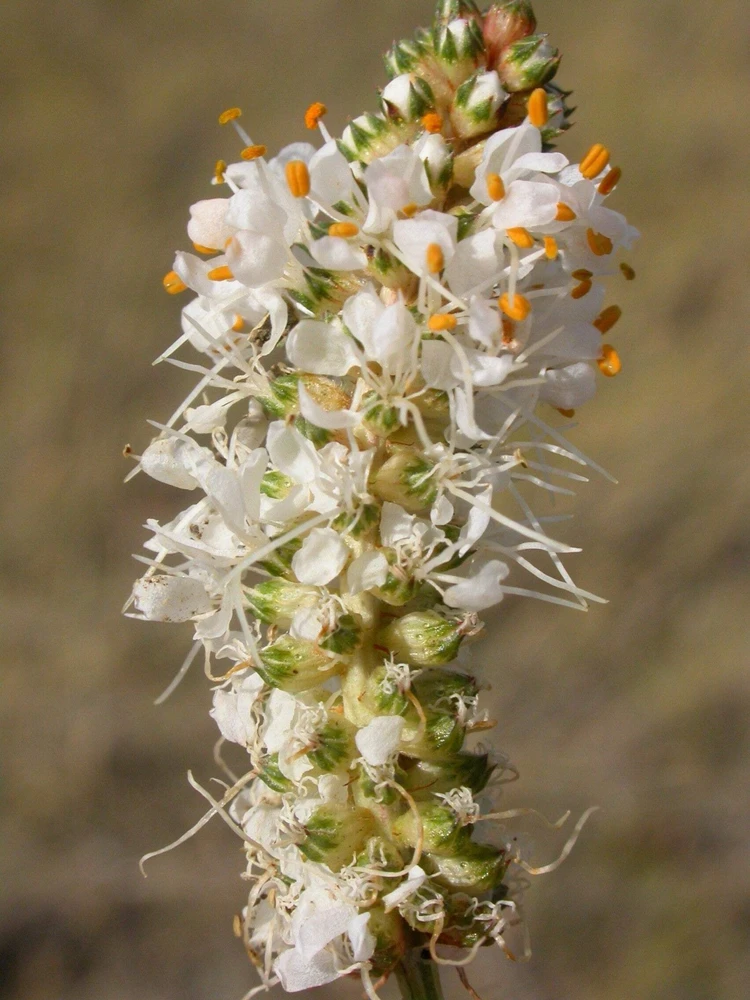
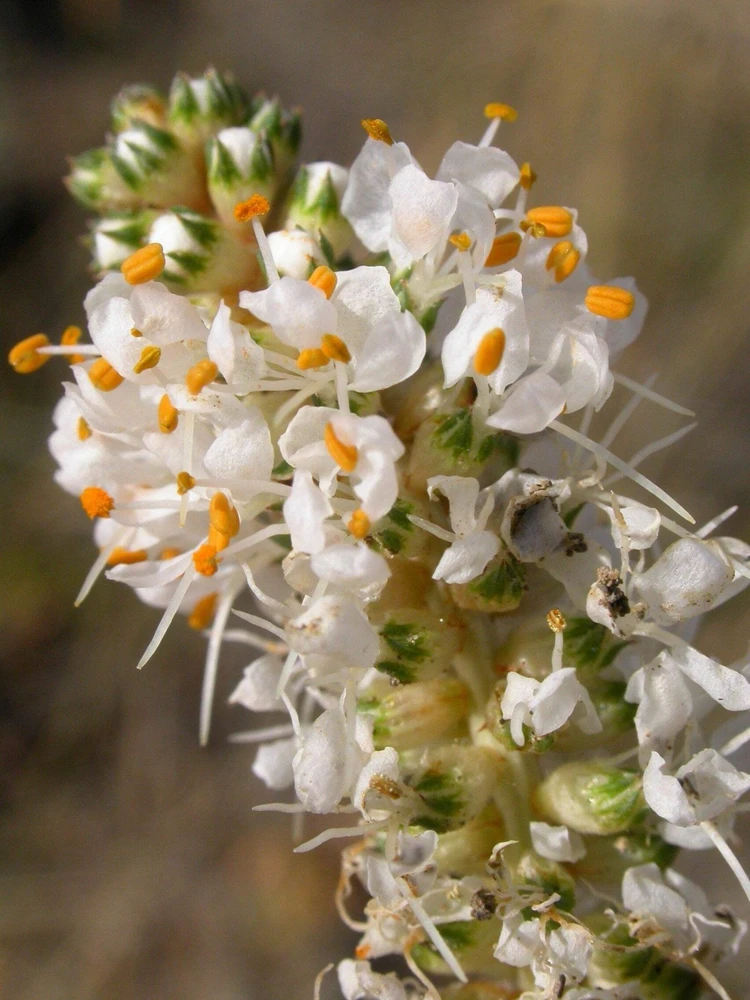
This product contains 1000 white prairie clover seeds (Dalea candida), providing ample quantity for establishing a significant planting area. Once mature, White Prairie Clover typically grows 1 to 3 feet tall and spreads about 1 to 2 feet wide, forming an upright, bushy perennial. The plant develops a strong taproot, allowing it to access deep soil moisture and withstand dry periods. Blooms appear from June to August, showcasing dense, cylindrical spikes of small white flowers. These native flower seeds are shipped in a protective packet, ensuring their viability upon arrival. Expect germination within 2-4 weeks under optimal conditions, with flowering typically occurring in the second year after planting.
Frequently Asked Questions
- Q: How many white prairie clover seeds are included? A: This package contains approximately 1000 white prairie clover seeds, providing a generous quantity for planting a significant area or multiple smaller projects.
- Q: Is this an indoor or outdoor plant? A: White Prairie Clover is primarily an outdoor plant, best suited for gardens, prairies, and naturalized areas where it can receive full sun and establish its deep root system. It is not typically grown as an indoor houseplant.
- Q: How much sunlight do these Dalea candida seeds need? A: These seeds require full sun exposure, meaning at least 6 to 8 hours of direct sunlight per day, to thrive and produce abundant blooms.
- Q: Is White Prairie Clover easy to care for? A: Yes, once established, White Prairie Clover is very low-maintenance. It is drought-tolerant and generally resistant to pests and diseases, making it an excellent choice for beginners and experienced gardeners alike.
- Q: What condition will the seeds arrive in? A: The native flower seeds will arrive in a protective, sealed packet designed to maintain their viability during transit, ensuring they are ready for planting.
- Q: How long until the plants bloom? A: White Prairie Clover typically blooms in its second year after planting, with flowers appearing from June to August. The first year focuses on root establishment.
- Q: What is the best time to plant these prairie restoration seeds? A: The best time to plant is in late fall, allowing for natural cold stratification over winter, or in early spring after the last frost, following artificial stratification.
- Q: Will White Prairie Clover survive winter in my zone? A: White Prairie Clover is hardy in USDA zones 3-8. It is well-adapted to cold winters and will return year after year in these regions.
- Q: Are these seeds good for a pollinator garden seeds project? A: Absolutely! White Prairie Clover is an excellent choice for pollinator gardens, attracting a wide variety of bees, butterflies, and other beneficial insects with its abundant white flowers.
- Q: What kind of soil does White Prairie Clover prefer? A: It prefers well-drained soil, including sandy, loamy, or even clay soils, as long as they do not retain excessive moisture. It is quite adaptable to various soil conditions.
Be the first to review “1000 White Prairie Clover Seeds – Dalea Candida Flower Seeds for Garden”
People Also Viewed
Reviews
There are no reviews yet.