
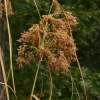
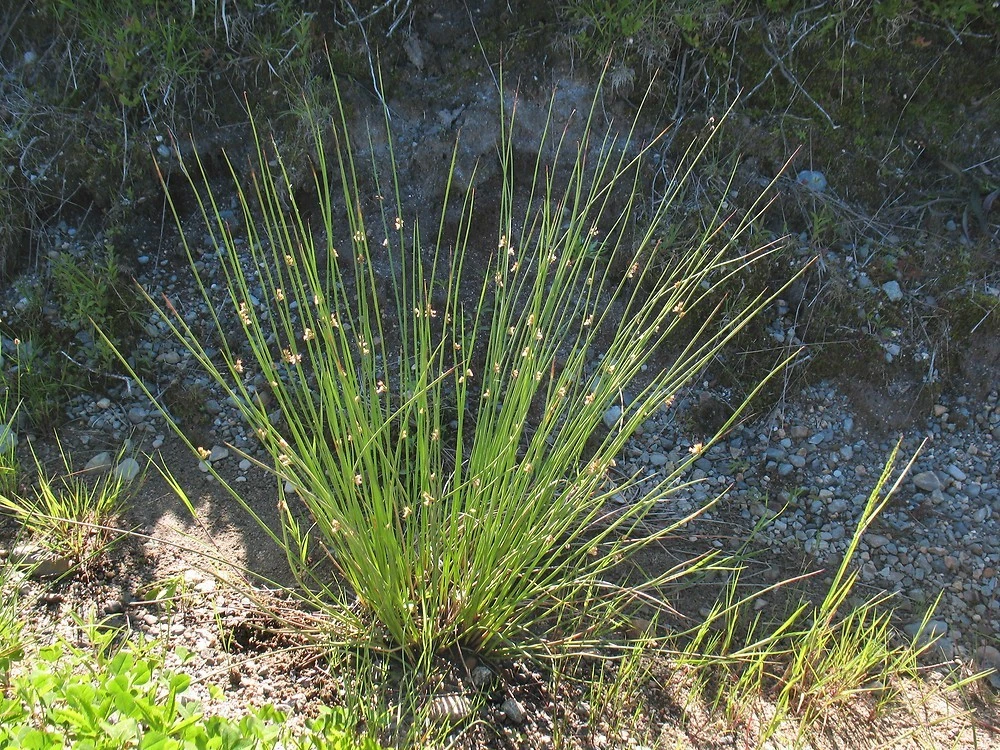
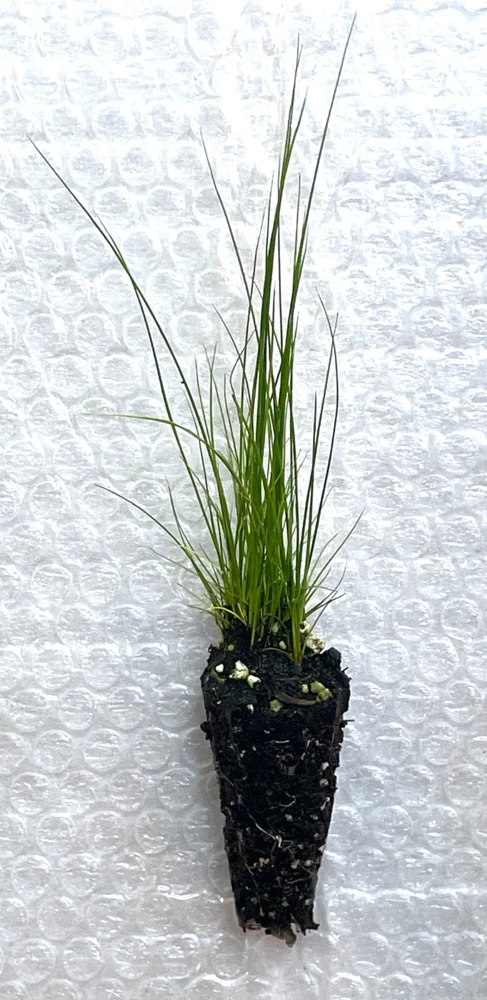
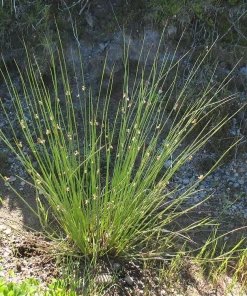

Common Rush Live Plant – 5-Pack Starter Plugs – Native Grasses for Outdoor Gardens
Original price was: $71.99.$46.99Current price is: $46.99.
Introduce the beauty of natural wetlands to your landscape with this common rush live plant 5-pack. These hardy Juncus effusus starter plugs are perfect for creating natural borders, managing erosion, and adding texture to water features or bog gardens. Easy to grow and low maintenance, they are an excellent choice for sustainable gardening and providing habitat.
Estimated arrival
Sep 17
Sep 22 - Sep 24
Sep 27 - Oct 01
Shop With Confidence
30-Day Plant Health Guarantee
Arrives damaged? We’ll replace it free — see our return policy.
Responsive Support
Email us anytime, we reply within 1 business day.
Expert Packaging
Temperature-controlled shipping to protect your plants in transit.
Secure Checkout
Pay safely with Visa, Mastercard, PayPal.
Plant Specifications
-
USDA Hardiness Zone
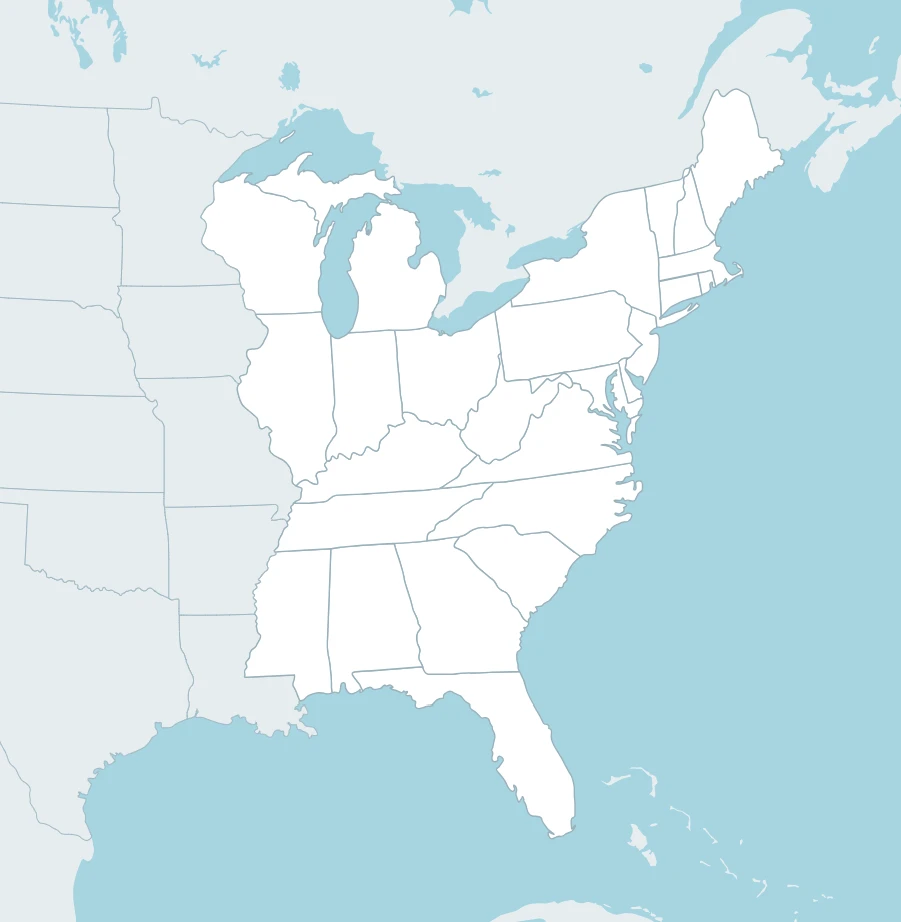
USDA Zones 4-9 -
Soil Type
Moist to wet, heavy, loamy soil -
Sunlight Exposure
Full sun to partial shade -
Expected Planting Period
Spring to early summer
Overview
Discover the versatility and natural charm of the common rush live plant, offered here as a convenient 5-pack of robust starter plugs. Scientifically known as Juncus effusus, this perennial rush is a fantastic addition to various outdoor settings, particularly those with moist to wet soil conditions. Often found thriving in ditches, wetlands, and along pond edges, the common rush live plant is celebrated for its distinctive upright, cylindrical stems that provide unique architectural interest and a calming green hue to any landscape. These starter plugs are an ideal way to establish a naturalized area, enhance a rain garden, or create a serene waterside planting. They are also excellent for erosion control in wetland environments, contributing to the health and stability of your garden ecosystem. Whether you’re a seasoned gardener or just starting, these easy-to-grow plugs offer a resilient and attractive solution for challenging moist spots.
The common rush live plant is a true workhorse in the garden, bringing both aesthetic appeal and ecological benefits. Its understated elegance lies in its simple, strong form, which provides a wonderful contrast to broad-leaved plants. This native species is not only beautiful but also supports local wildlife, offering shelter and contributing to biodiversity. With this 5-pack, you can easily create a cohesive planting, ensuring a lush and vibrant display in areas that might otherwise be difficult to cultivate. Embrace the natural beauty and ecological advantages of planting Juncus effusus starter plugs in your outdoor space.
Key Benefits
Adding the common rush to your garden brings a multitude of advantages, enhancing both its beauty and its ecological function. This resilient plant is an excellent choice for gardeners seeking sustainable and low-maintenance options.
- Natural Wetland Appeal: The common rush live plant excels in moist to wet conditions, making it perfect for rain gardens, pond edges, and boggy areas. It creates an authentic wetland aesthetic, bringing a peaceful, natural feel to your landscape.
- Erosion Control: Its fibrous root system is highly effective at stabilizing soil, particularly in areas prone to erosion near water bodies or on slopes. This makes it a practical choice for sustainable landscaping.
- Low Maintenance: Once established, native rushes for wetlands require minimal care. They are tolerant of various conditions and generally pest and disease-free, allowing you to enjoy their beauty without constant upkeep.
- Architectural Interest: The tall, slender, upright stems of Juncus effusus provide unique vertical texture and a striking visual element, offering a strong contrast to other plant forms in your garden.
- Wildlife Habitat: Common rush provides shelter and nesting material for various small wildlife, contributing to the biodiversity of your garden and creating a more vibrant ecosystem.
- Water Quality Improvement: As a wetland plant, it can help filter pollutants from water, contributing to improved water quality in and around your garden features.
- Adaptable and Hardy: This rush plant landscaping staple is known for its hardiness and ability to adapt to a range of environmental conditions, making it a reliable choice for many regions.
Plant Care & Growing Tips
Caring for your common rush live plant is relatively straightforward, as these plants are naturally robust and resilient. The primary factor for success is ensuring they receive adequate moisture. Common rush thrives in full sun to partial shade. In hotter climates, some afternoon shade can prevent scorching, but generally, more sun leads to denser growth. Aim for at least 6 hours of direct sunlight daily for optimal performance. These plants are native to wetland areas, so consistently moist to wet soil is crucial. They can even tolerate standing water for periods, making them ideal for pond margins, rain gardens, or areas with poor drainage. Do not let the soil dry out, especially during establishment. Regular watering will be necessary if planted in an area that isn’t naturally boggy.
When it comes to soil, common rush plant care is unfussy. They prefer rich, heavy, loamy soils but can adapt to a wide range of soil types as long as they remain consistently wet. Good drainage is not a requirement; in fact, poor drainage is often preferred. Fertilization is rarely needed for established common rush plants, especially if they are in naturally fertile soil. If your soil is particularly poor, a light application of a balanced, slow-release aquatic plant fertilizer in spring can encourage growth. These plants are hardy in USDA zones 4-9, tolerating a wide range of temperatures. They are generally problem-free, with few significant pests or diseases. If growth becomes too dense, you can divide the clumps in spring or fall to maintain vigor and control spread. For optimal rush plant landscaping results, consider planting in groups to create a lush, natural effect.
Size & Details
This offering includes a 5-pack of common rush live plant starter plugs, providing you with a strong foundation for establishing these versatile native grasses in your landscape. Each plug is a young, healthy seedling grown to a robust size, ready for transplanting directly into your garden. When mature, Juncus effusus typically grows to a height of 2 to 4 feet, with a spread of 1 to 2 feet, forming dense, upright clumps. The growth rate is moderate, and with proper moisture, you can expect these plants to establish well within their first growing season. They ship as actively growing starter plugs, ensuring they are ready to thrive upon arrival. Expect the distinctive cylindrical, dark green stems to emerge, adding unique vertical texture to your garden. These Juncus effusus starter plants are perfect for quickly filling in areas or creating natural screens.
Frequently Asked Questions
- Q: How big does this common rush live plant get? A: The common rush live plant typically reaches a mature height of 2 to 4 feet with a spread of 1 to 2 feet. It forms dense, upright clumps, providing significant vertical interest in your garden.
- Q: Is this an indoor or outdoor plant? A: Common rush is primarily an outdoor plant, best suited for garden beds, wetland areas, rain gardens, and pond margins. It thrives in moist to wet outdoor conditions.
- Q: How much sunlight does it need? A: This plant prefers full sun to partial shade. For the best growth and densest habit, aim for at least 6 hours of direct sunlight per day.
- Q: Is this plant easy to care for? A: Yes, common rush plant care is considered very easy. Once established, it is a low-maintenance plant, tolerant of various conditions and generally resistant to pests and diseases.
- Q: What condition will the Juncus effusus starter plugs arrive in? A: Your Juncus effusus starter plugs will arrive as healthy, actively growing young plants, carefully packaged to ensure their safe journey and readiness for immediate planting.
- Q: When is the best time to plant common rush? A: The best time to plant common rush starter plugs is in spring or early summer after the last frost, allowing them ample time to establish before cooler weather.
- Q: Will it survive winter in my zone? A: Common rush is very hardy and typically survives winters in USDA Zones 4-9. It is quite tolerant of cold temperatures once established.
- Q: Can I plant these native rushes for wetlands in regular garden soil? A: While they prefer consistently wet to boggy conditions, native rushes for wetlands can adapt to regular garden soil if it remains consistently moist. They will not tolerate dry conditions.
- Q: How quickly will the rush plant landscaping fill in an area? A: With adequate moisture and sunlight, the rush plant landscaping plugs will establish and begin to fill in an area at a moderate pace, often showing significant growth within the first season.
- Q: Do these plants require any special soil amendments? A: Common rush is not particularly fussy about soil amendments, thriving in heavy, loamy soils that retain moisture. No special amendments are usually required, especially in naturally fertile or boggy areas.
Be the first to review “Common Rush Live Plant – 5-Pack Starter Plugs – Native Grasses for Outdoor Gardens”
People Also Viewed
Houseplants
Philodendron Micans Live Plant – Velvet Leaf Bronze Micans Vine – 4″ Pot – Indoor Houseplant



Reviews
There are no reviews yet.