

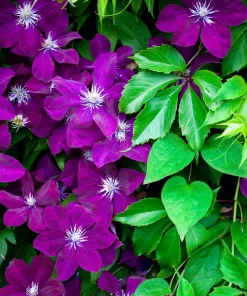
10 Mixed Hybrid Clematis Seeds – Vibrant Flower Vine for Sun to Part Shade
Original price was: $39.09.$19.09Current price is: $19.09.
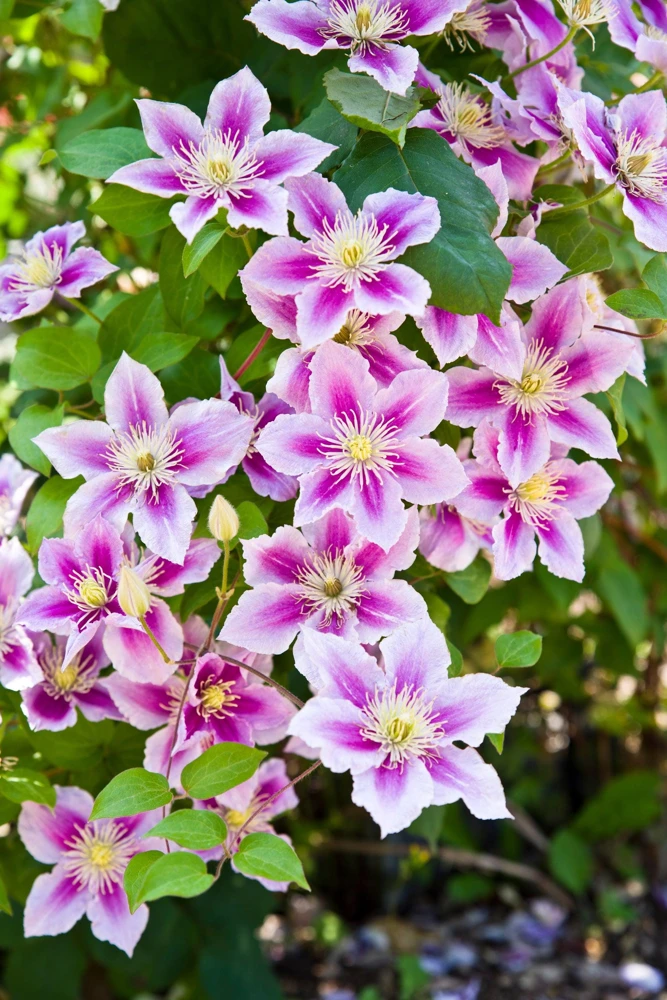
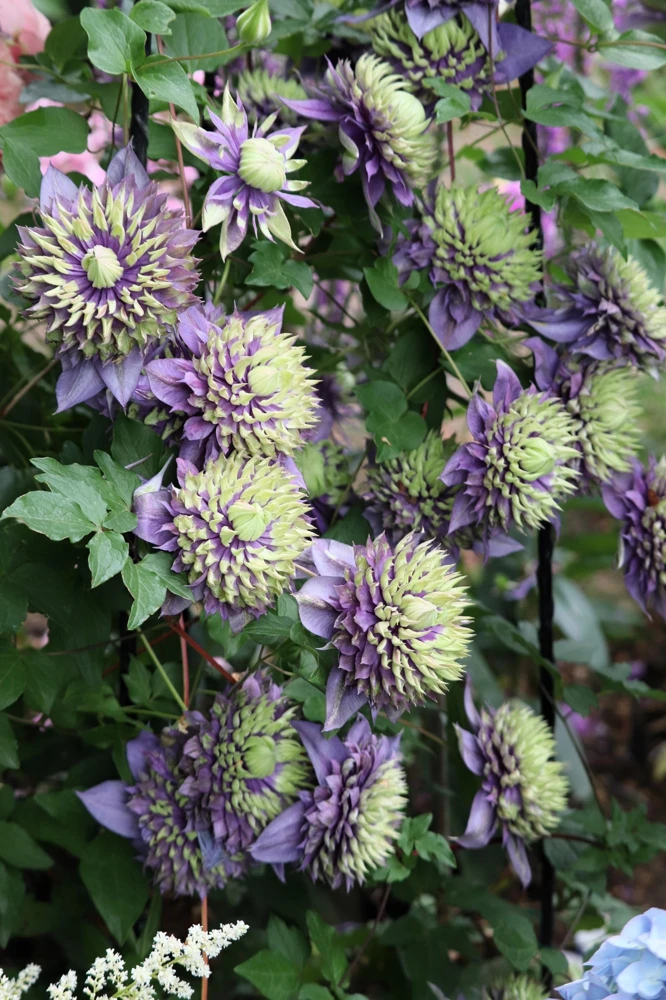
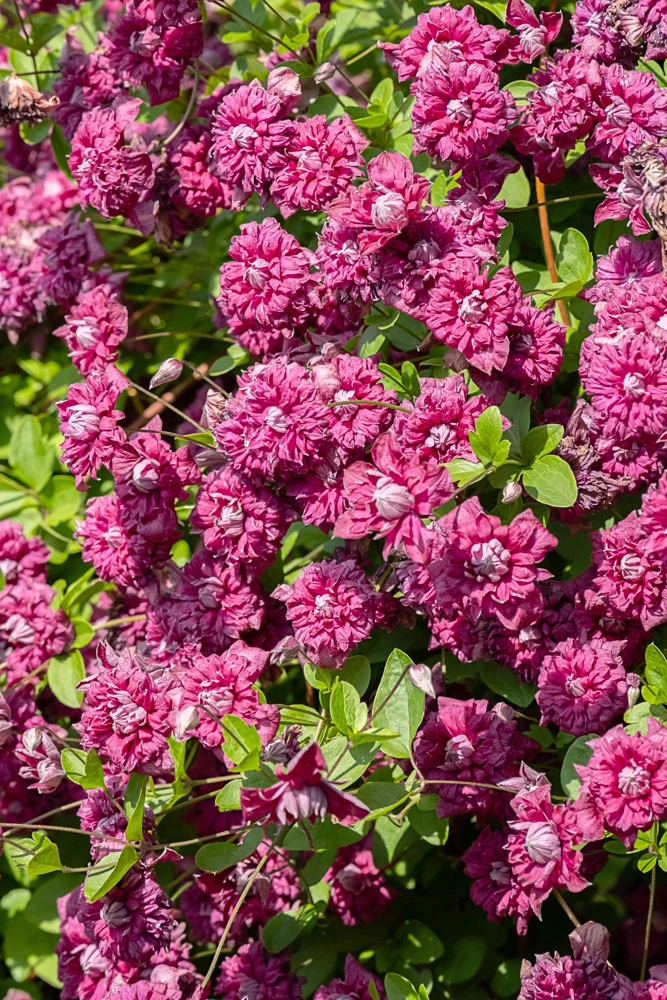
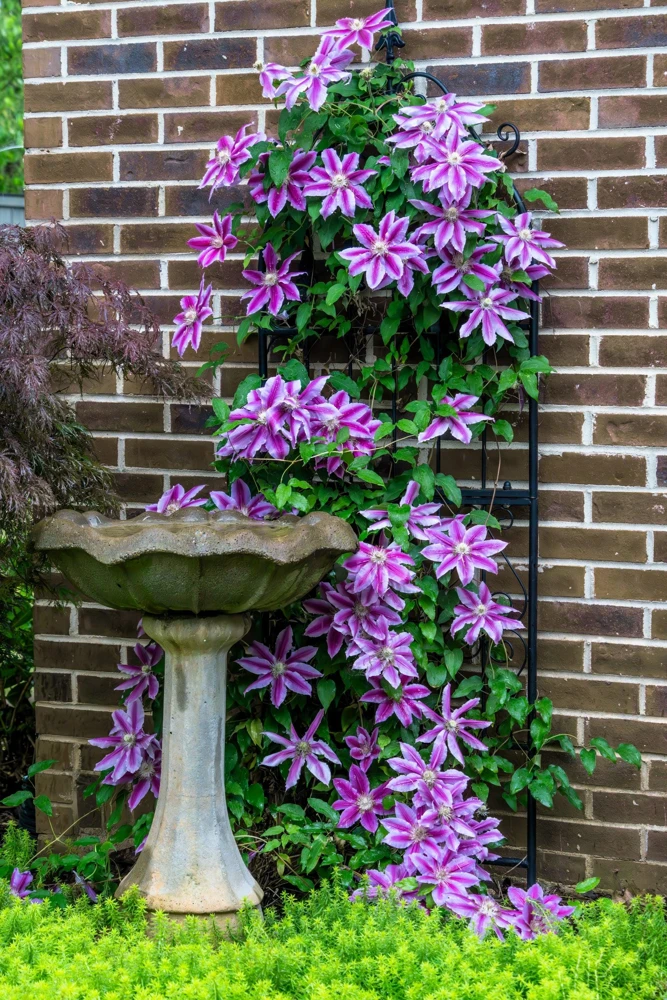
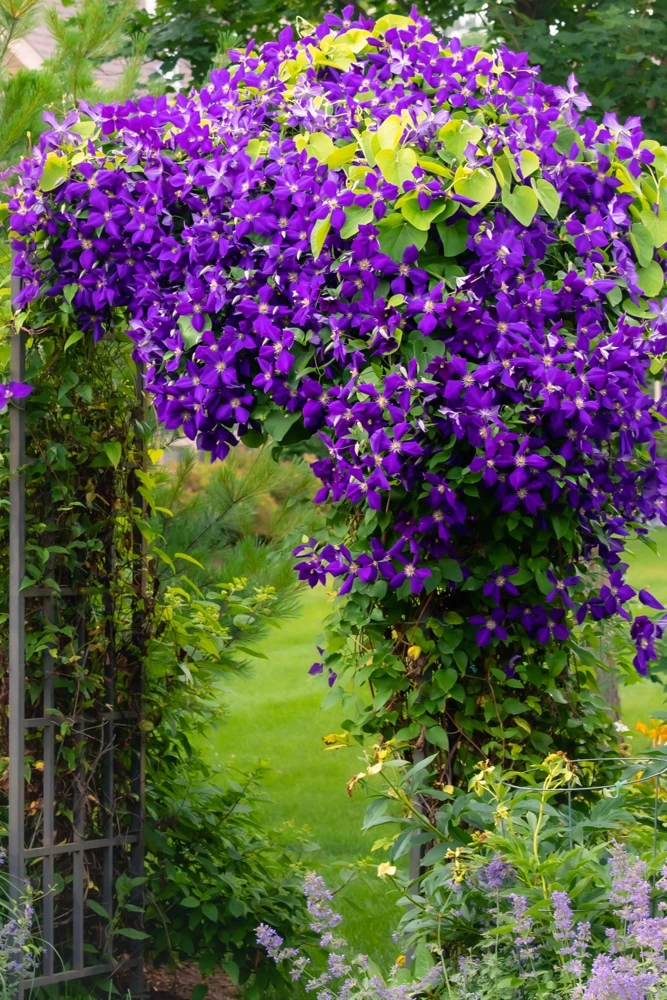
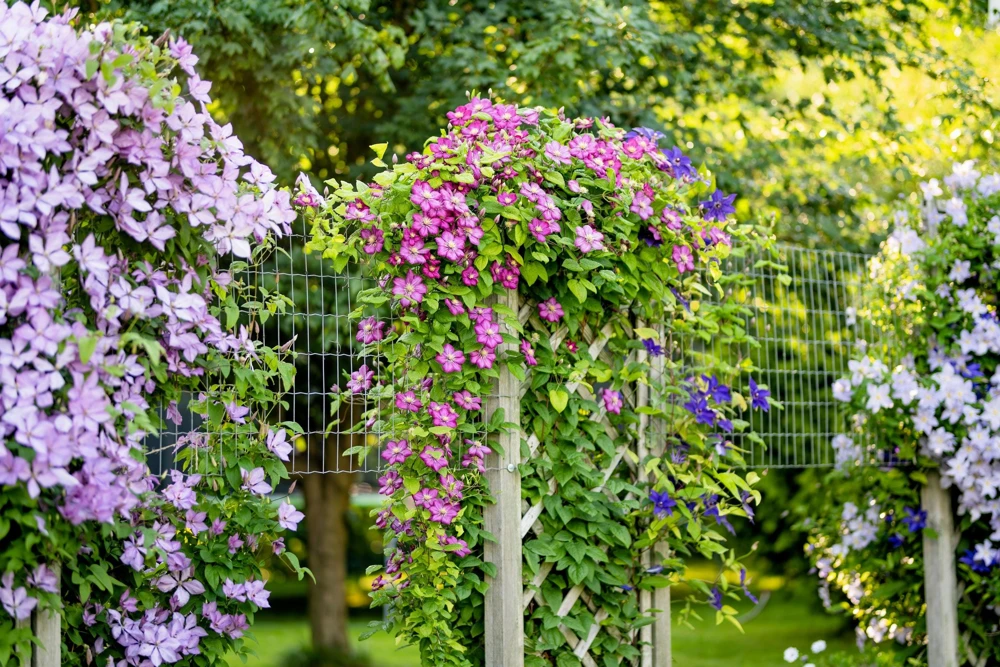
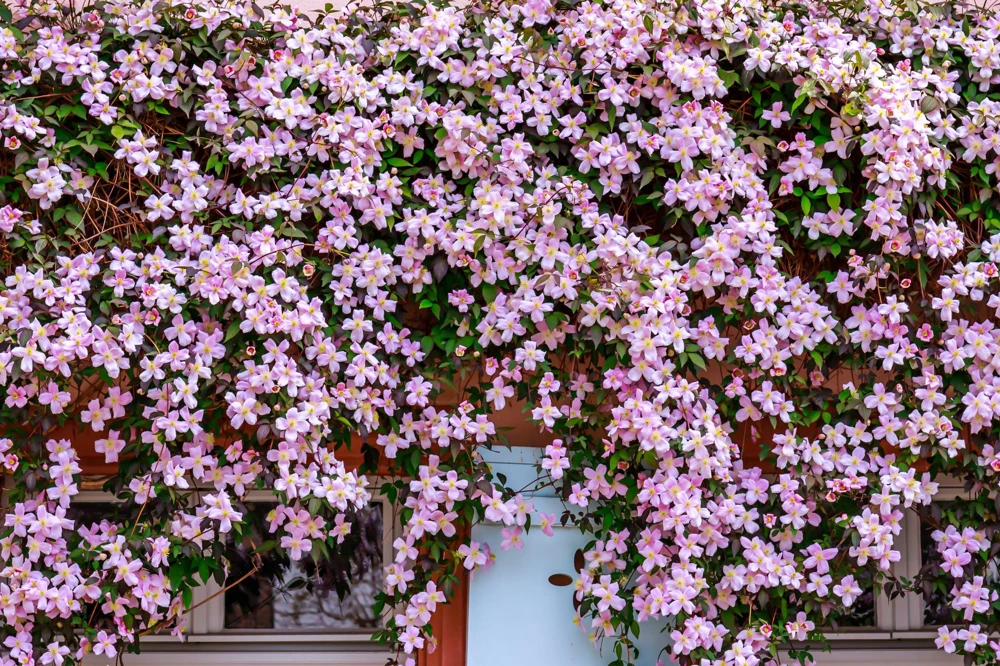
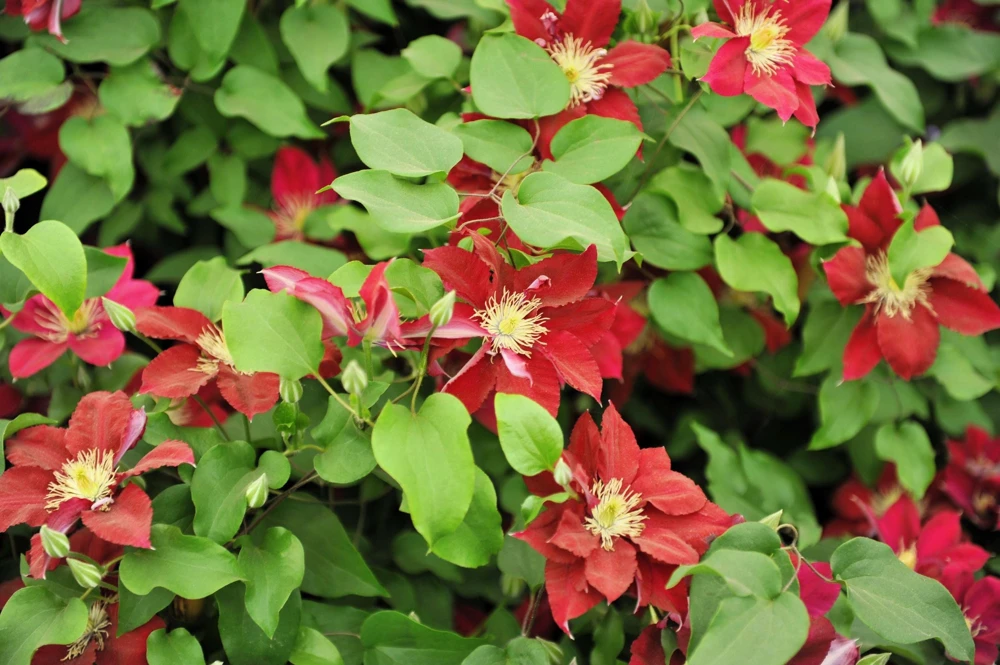
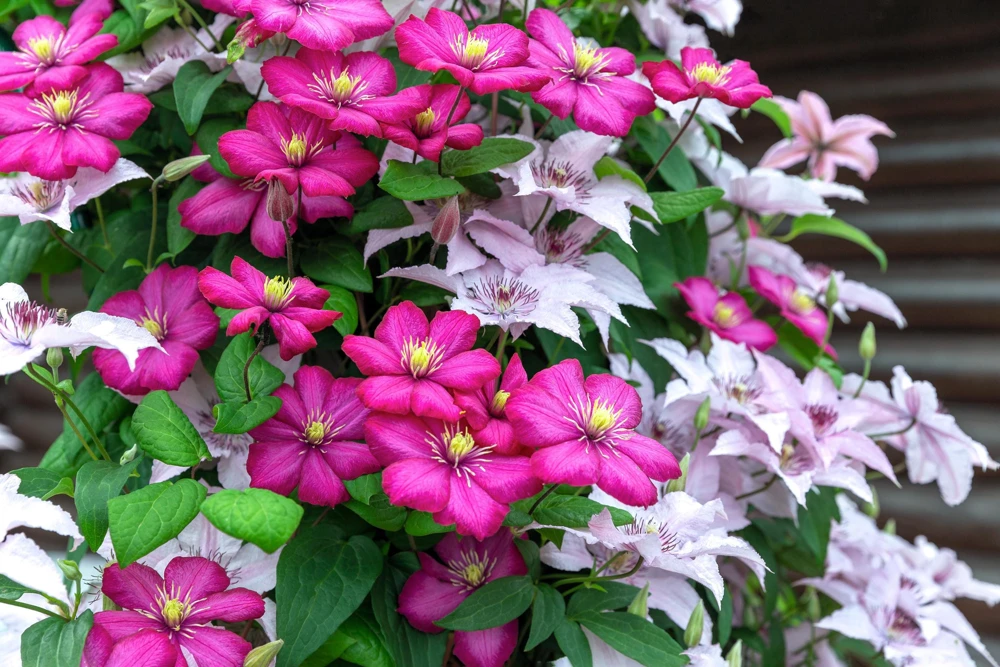
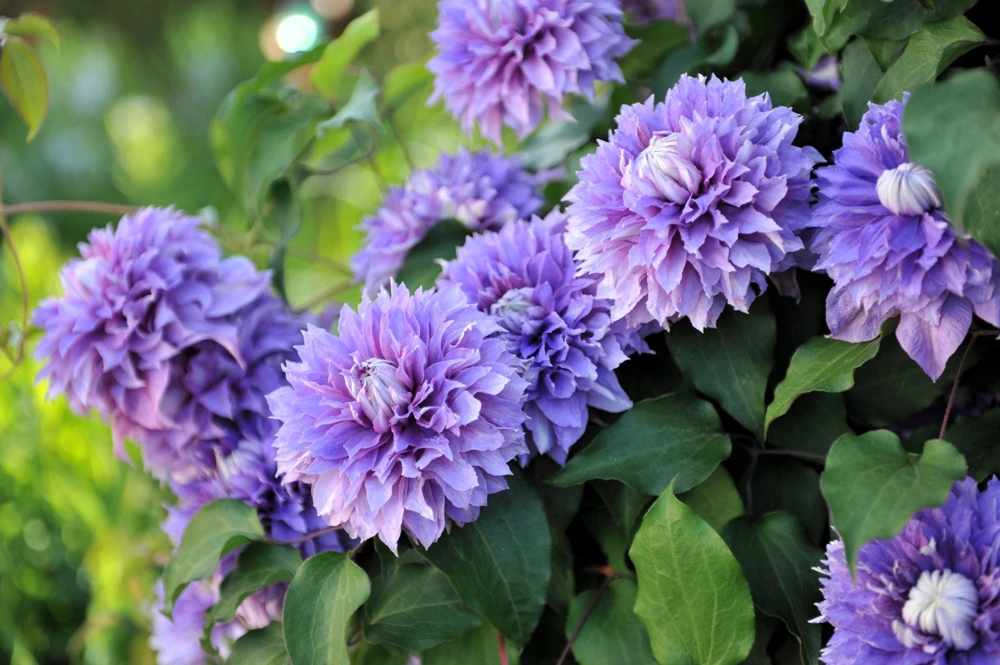
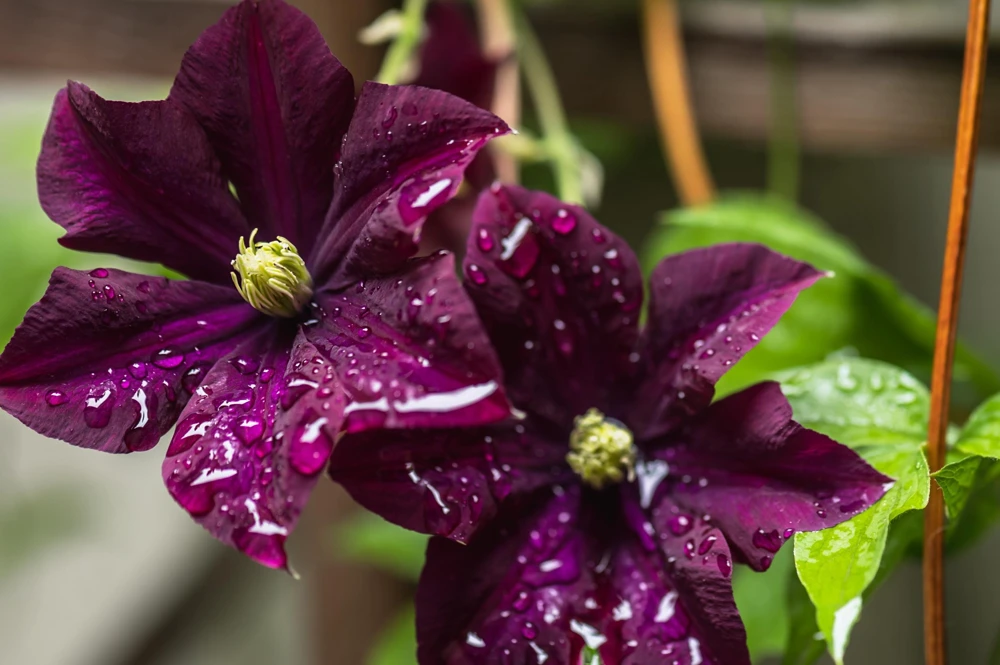
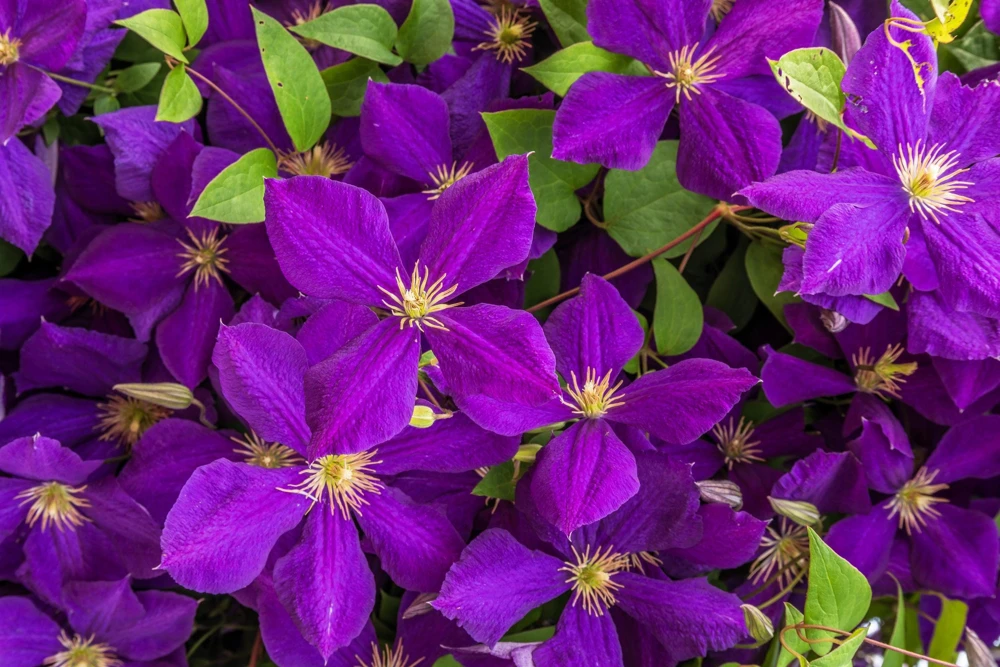
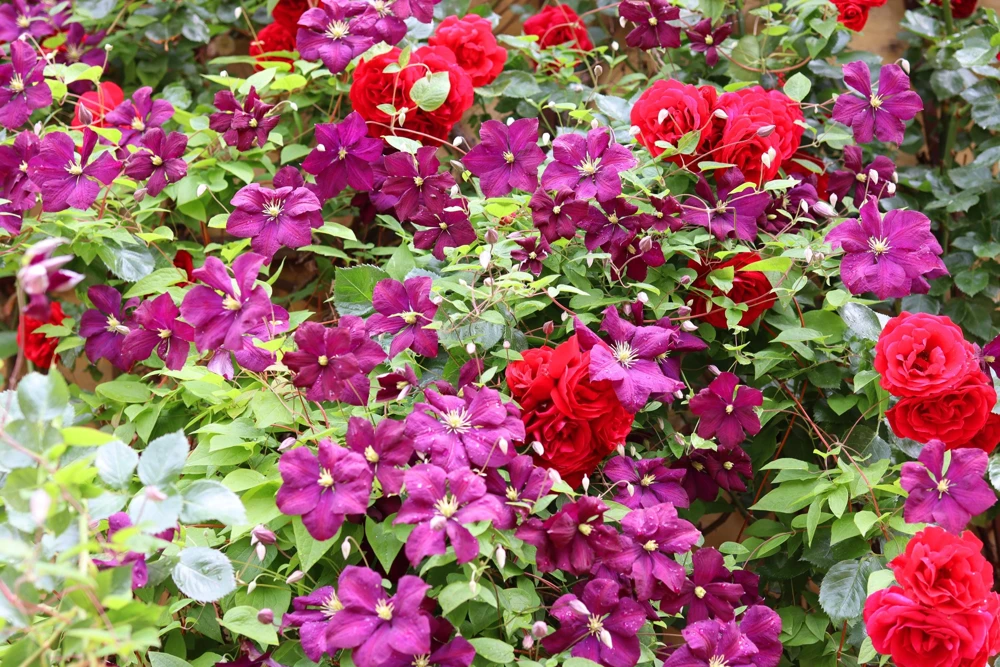
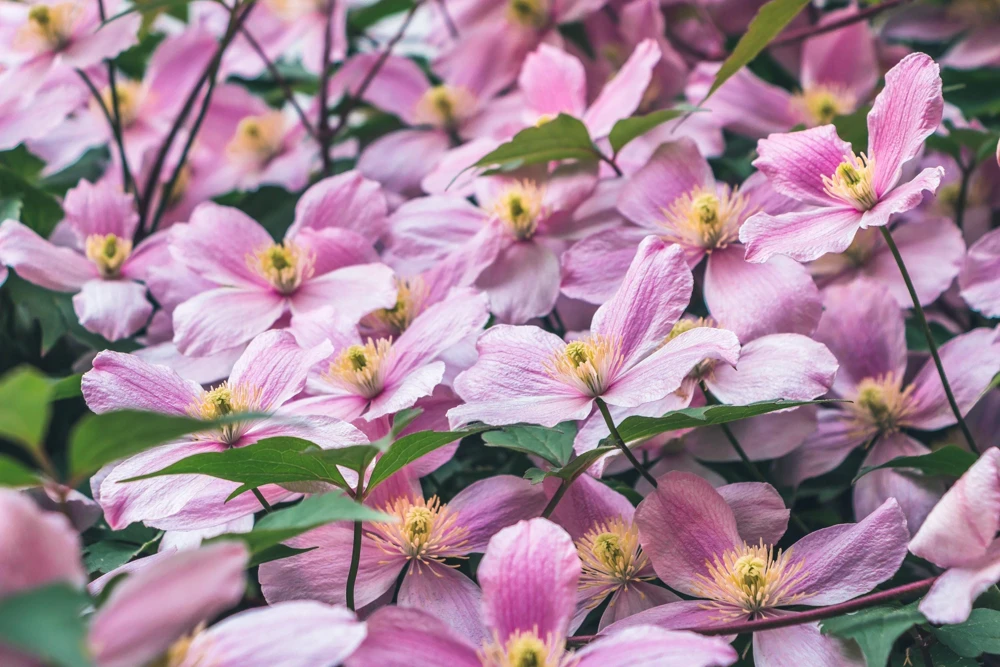
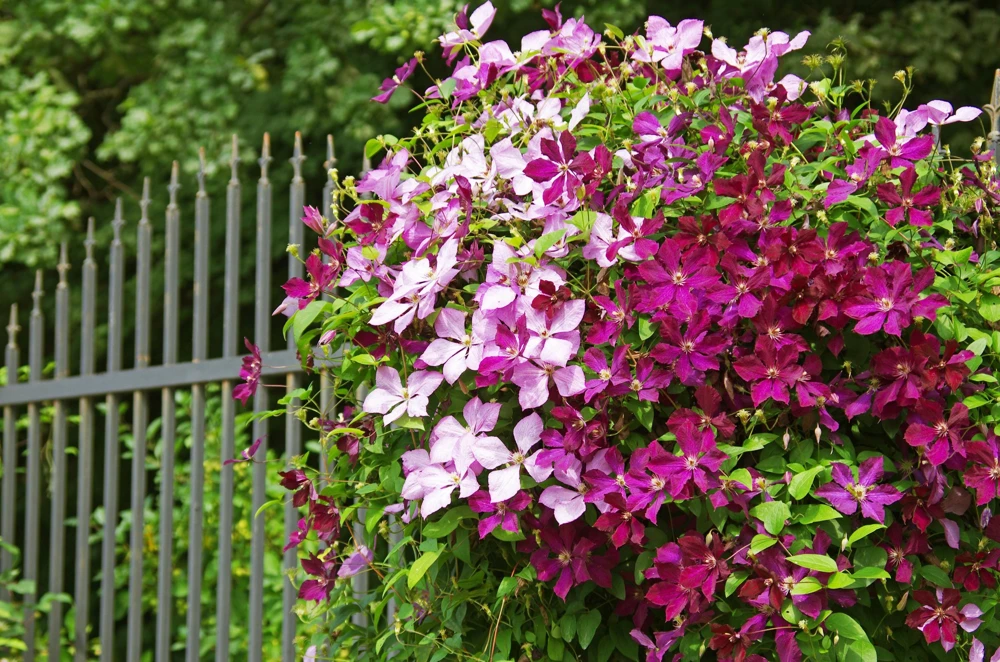
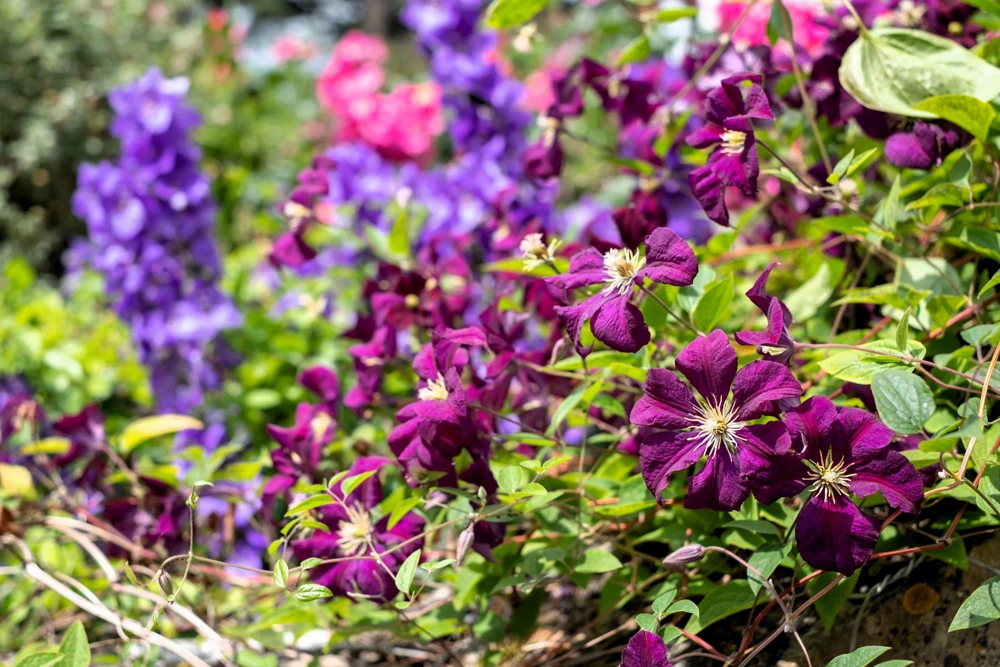
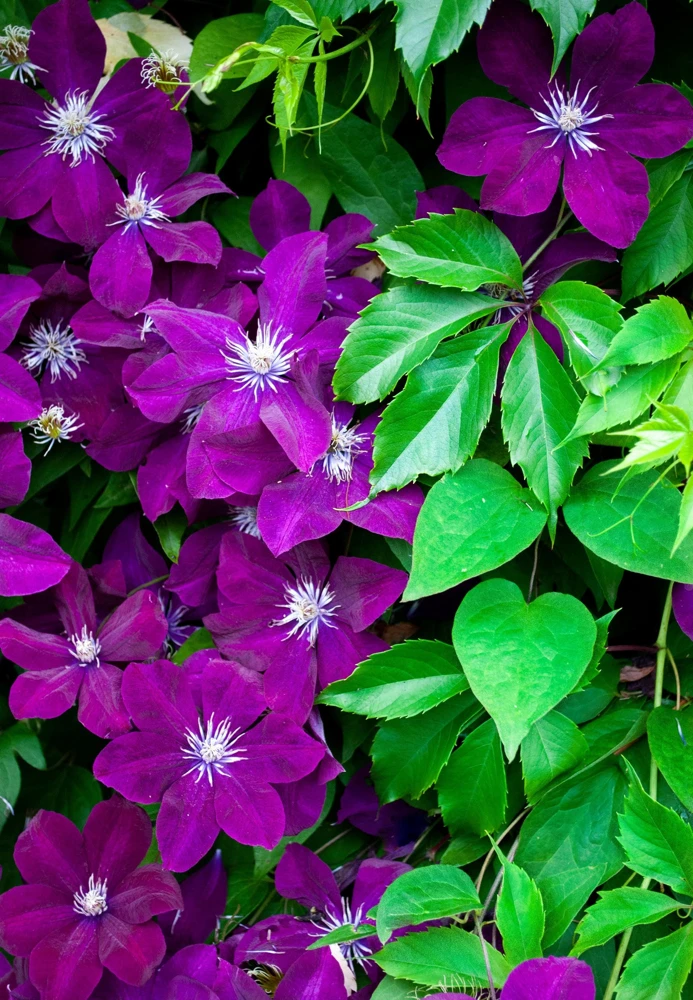
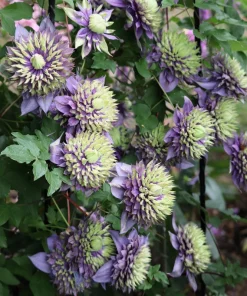
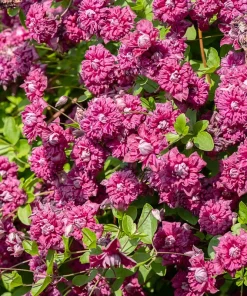
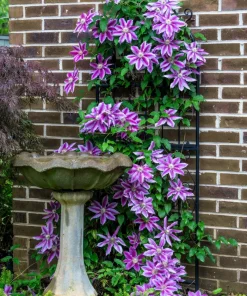
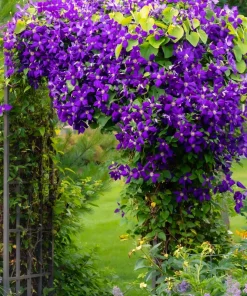
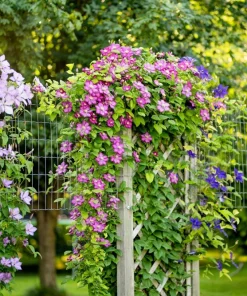
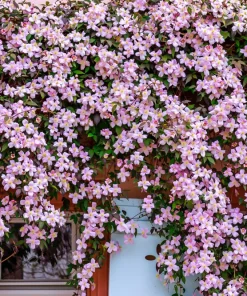
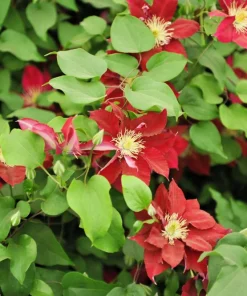
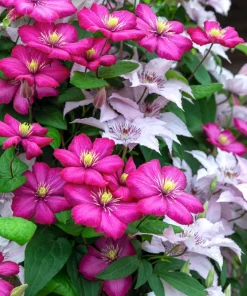
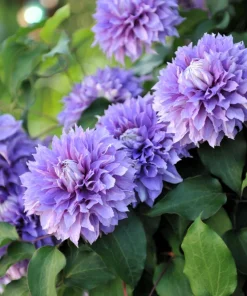
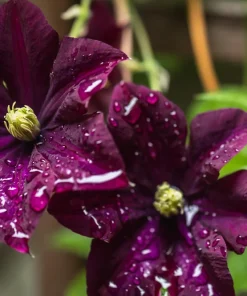
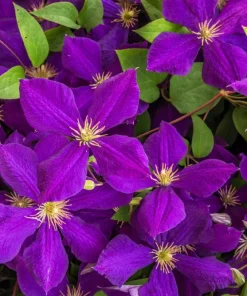
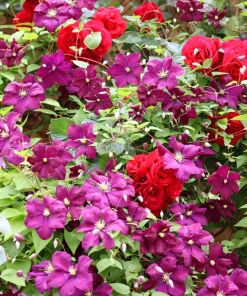
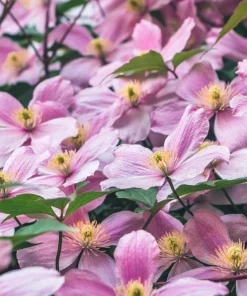
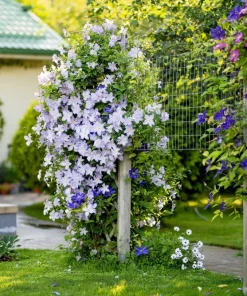
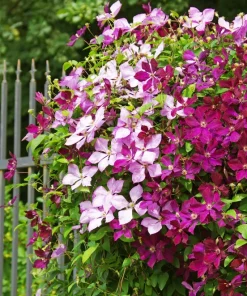
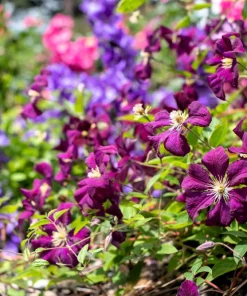
Cultivate stunning mixed hybrid clematis seeds, offering a spectacular array of pink, blue, purple, red, and white flowers. These vigorous vines are ideal for adding vertical interest to your garden or patio. Easy to grow from seed, they provide long-lasting blooms from late spring through fall.
Estimated arrival
Sep 17
Sep 22 - Sep 24
Sep 27 - Oct 01
Shop With Confidence
30-Day Plant Health Guarantee
Arrives damaged? We’ll replace it free — see our return policy.
Responsive Support
Email us anytime, we reply within 1 business day.
Expert Packaging
Temperature-controlled shipping to protect your plants in transit.
Secure Checkout
Pay safely with Visa, Mastercard, PayPal.
Plant Specifications
-
USDA Hardiness Zone
3 - 9 -
Soil Type
Average, well-draining soil -
Sunlight Exposure
Sun - Part Shade -
Expected Planting Period
Outdoors after frost / Fall / Cold stratify / Indoors weeks before last frost
Overview
Transform your garden with our exquisite selection of mixed hybrid clematis seeds. This collection promises a dazzling display of colors, including vibrant pinks, serene blues, rich purples, fiery reds, and crisp whites, some even featuring charming bicolors. Each packet contains 10 mixed hybrid clematis seeds, allowing you to cultivate a diverse and beautiful vine that will become the focal point of any landscape. Known scientifically as Clematis x Hybrida and sometimes referred to by its common name, Virgins Bower, this plant is celebrated for its prolific and often reblooming nature. Growing clematis from seed offers a rewarding experience, leading to robust vines that can reach impressive heights, perfect for trellises, arbors, or fences, creating a living wall of spectacular blooms.
Our clematis flower seeds are carefully selected to ensure a high germination rate, giving you the best start for your gardening project. These hybrid varieties are chosen for their resilience and their ability to produce a variety of flower forms, from single petals to lush doubles and unique bell-shaped blossoms. Whether you’re an experienced gardener or just starting, learning how to grow clematis from seed is an accessible and enjoyable endeavor that yields breathtaking results season after season.
Key Benefits
Growing mixed hybrid clematis seeds offers numerous advantages for enhancing your outdoor spaces. These versatile vines bring both beauty and ecological benefits to your garden:
- Stunning Visual Appeal: Enjoy a continuous show of vibrant, mixed-color flowers from late spring to early fall. The diverse palette and varied flower shapes create an ever-changing spectacle that captivates the eye and adds dramatic flair to any garden design. The beauty of these clematis flower seeds is truly unparalleled once they mature.
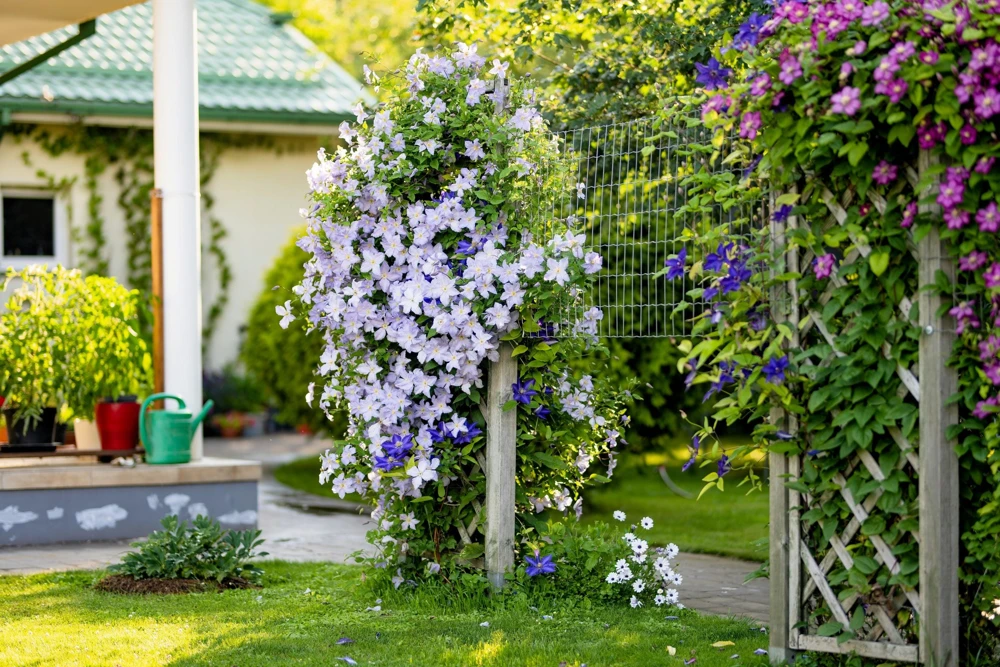
- Vertical Interest: Clematis are natural climbers, making them perfect for adding height and dimension to your garden. Train them up walls, pergolas, fences, or trellises to maximize your planting space and create lush, floral backdrops. This makes clematis vine seeds an excellent choice for smaller gardens or for adding privacy.
- Extended Bloom Period: Many hybrid clematis varieties boast an extended blooming season, often reblooming later in the summer. This ensures your garden remains colorful and lively for months, providing continuous enjoyment and a reliable source of nectar for pollinators.
- Attracts Pollinators: The abundant flowers of clematis are a magnet for bees, butterflies, and other beneficial pollinators, contributing to a healthier and more biodiverse garden ecosystem. Planting these mixed hybrid clematis seeds supports local wildlife.
- Versatile Landscaping: Beyond climbing structures, clematis can be used as ground cover, allowed to cascade over retaining walls, or even grown in large containers. Their adaptability makes them suitable for various garden styles and applications, offering flexibility in design.
- Hardy and Resilient: These hybrid clematis are known for their hardiness, thriving in a wide range of climates (USDA Zones 3-9). Once established, they are relatively low-maintenance, offering a rewarding return on your initial planting effort.
- Economical Gardening: Starting with clematis flower seeds is a cost-effective way to acquire multiple plants, allowing you to fill larger areas or experiment with different placements without the higher cost of purchasing mature plants.
Plant Care & Growing Tips
Successfully growing mixed hybrid clematis seeds requires understanding their specific needs, particularly regarding light, soil, and watering. Clematis thrive in a location where their ‘heads are in the sun, and their feet are in the shade.’ This means they prefer at least 6 hours of direct sunlight on their foliage and flowers, but their roots should be kept cool and moist. You can achieve this by planting low-growing perennials or annuals at their base, or by applying a thick layer of mulch. They are adaptable to Sun to Part Shade conditions, making them versatile for various garden spots. These are hardy plants, suitable for USDA Hardiness Zones 3-9, indicating their ability to withstand a broad range of winter temperatures.
For optimal growth from your clematis vine seeds, plant them in well-draining soil that is rich in organic matter. A slightly alkaline to neutral pH is ideal. When planting outdoors, ensure the soil is consistently moist but never waterlogged. Cold stratification is often beneficial or required for clematis seeds; this involves exposing the seeds to cold, moist conditions for a period to break dormancy and encourage germination. This can be done by planting them outdoors in the fall, allowing natural winter cycles to stratify them, or by refrigerating them indoors in a moist medium for several weeks before the last frost. Regular watering is crucial, especially during dry spells and the plant’s establishment phase. Fertilize in early spring with a balanced slow-release fertilizer designed for flowering plants.
Pruning is an important aspect of clematis care. Many hybrid varieties fall into Pruning Group 2 or 3, meaning they bloom on both old and new wood, or primarily on new wood. Our mixed hybrid clematis seeds will produce plants that bloom late spring to early summer on old wood, and rebloom late summer to early fall on new growth, indicating they are likely Pruning Group 2 or 3. Understanding the specific pruning group for your mature plant will help maximize blooms. Protect the root zone in colder climates with extra mulch for winter. Learning how to grow clematis from seed effectively will ensure a vibrant and healthy vine for years to come.
Size & Details
This product includes 10 mixed hybrid clematis seeds, providing a generous quantity to start your garden project. Once established, these vigorous clematis vines are capable of reaching impressive heights, typically growing between 10 to 25 feet tall, making them perfect for covering large trellises, arbors, or fences. When planning your planting, allow for a plant spacing of 2 to 3 feet between individual vines to ensure adequate air circulation and growth. The bloom time for these beautiful plants spans from late spring to early summer (May-June) on old wood, with a welcome rebloom from late summer to early fall (July-September) on new growth, offering an extended period of color in your garden. The plants thrive in USDA Hardiness Zones 3-9, indicating their adaptability to a wide range of climates. With proper care, these clematis flower seeds will mature into magnificent flowering vines.
Frequently Asked Questions
- Q: How big does this clematis vine get? A: These mixed hybrid clematis seeds will grow into robust vines that can reach an impressive height of 10 to 25 feet, making them ideal for vertical garden structures like trellises and arbors. Their vigorous growth provides substantial coverage and a dramatic floral display.
- Q: Is this an indoor or outdoor plant? A: Clematis are primarily outdoor plants, thriving in garden settings where they can climb and receive ample sunlight. They are hardy in USDA Zones 3-9, making them suitable for a wide range of climates across the United States. While they need sun on their foliage, their roots prefer cooler, shaded conditions.
- Q: How much sunlight does the clematis need? A: For optimal blooming and health, clematis requires at least 6 hours of direct sunlight per day on its foliage and flowers. However, it’s crucial to keep the root zone cool and shaded, which can be achieved with mulch or companion planting. This balance is key for all clematis flower seeds to flourish.
- Q: Is this plant easy to care for? A: Once established, hybrid clematis are relatively low-maintenance. The most critical aspects of their care involve proper initial planting, consistent watering, and appropriate pruning according to their bloom cycle. Starting with clematis vine seeds can be a bit more involved than planting a mature plant, but it’s a rewarding process.
- Q: When is the best time to plant these clematis seeds? A: You can plant mixed hybrid clematis seeds outdoors in the fall, allowing natural cold stratification over winter, or indoors several weeks before the last frost after cold stratifying them in your refrigerator. This prepares them for germination in spring.
- Q: What condition will the seeds arrive in? A: You will receive 10 mixed hybrid clematis seeds in a protective packet, ensuring they are fresh and viable for planting. We take care to package our seeds to maintain their quality during transit.
- Q: Will these clematis survive winter in my zone? A: These hybrid clematis varieties are hardy in USDA Zones 3-9. This means they are well-suited to survive the winter in most parts of the US, though providing a layer of mulch around the base can offer extra protection in colder regions, especially for young plants grown from virgins bower seeds.
- Q: What kind of soil do clematis prefer? A: Clematis thrive in well-draining, fertile soil that is rich in organic matter. A slightly alkaline to neutral pH is ideal. Ensuring good drainage is crucial to prevent root rot, which can be a common issue if the soil remains waterlogged.
- Q: How long until the seeds germinate? A: Germination time for clematis flower seeds can vary widely, often taking several weeks to months, and sometimes even longer, especially if cold stratification is required and done naturally. Patience is key when growing clematis from seed.
- Q: Do I need to cold stratify these seeds? A: Yes, cold stratification is highly recommended for mixed hybrid clematis seeds to break dormancy and improve germination rates. This can be done naturally by planting in fall or artificially by refrigerating seeds in a moist medium.
Be the first to review “10 Mixed Hybrid Clematis Seeds – Vibrant Flower Vine for Sun to Part Shade”
People Also Viewed
Houseplants
Reviews
There are no reviews yet.