
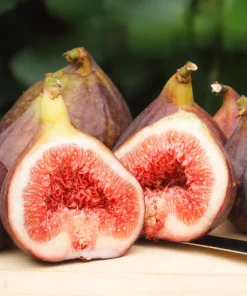
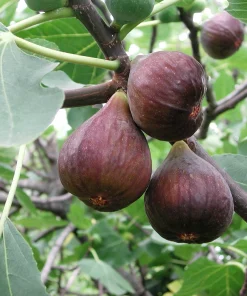
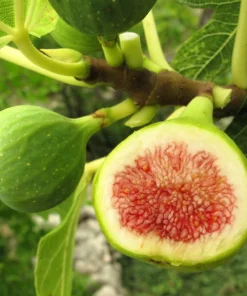
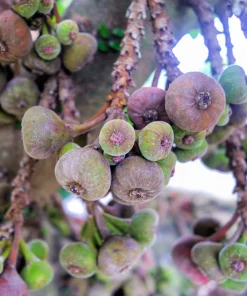
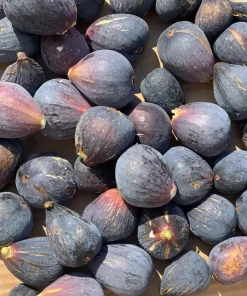

30 Common Edible Fig Tree Seeds – Ficus Carica, Purple Brown Skin, Pink Flesh Fruit
Original price was: $36.99.$16.99Current price is: $16.99.
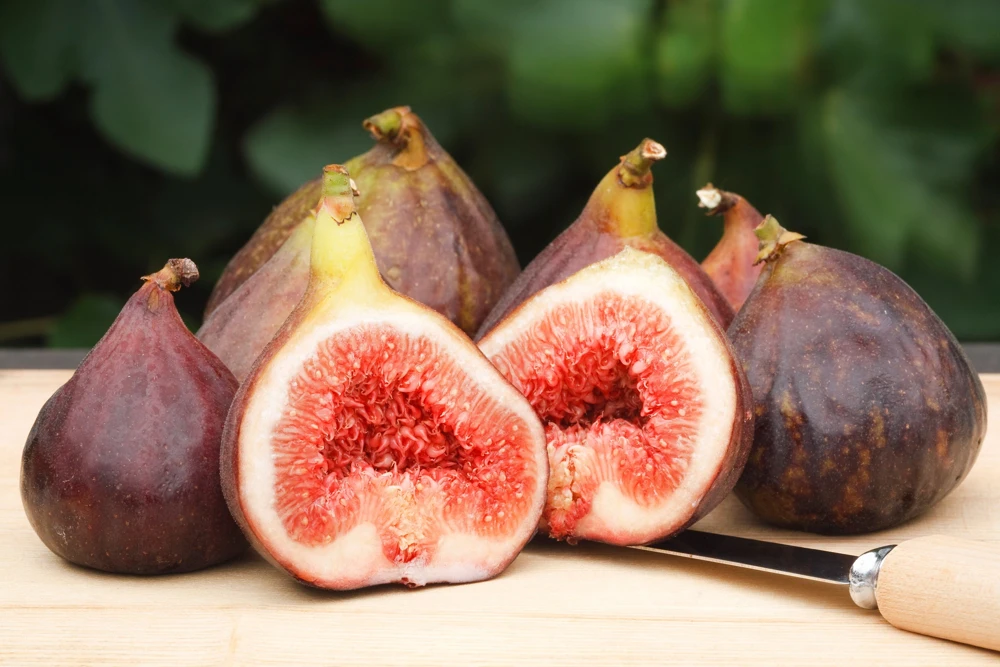
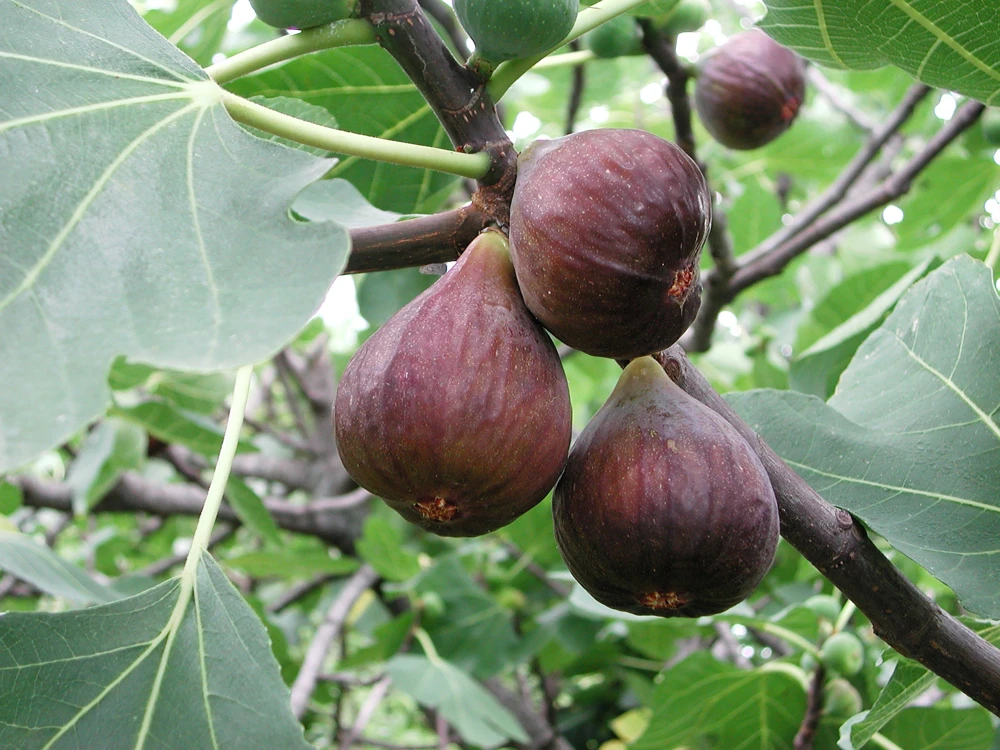
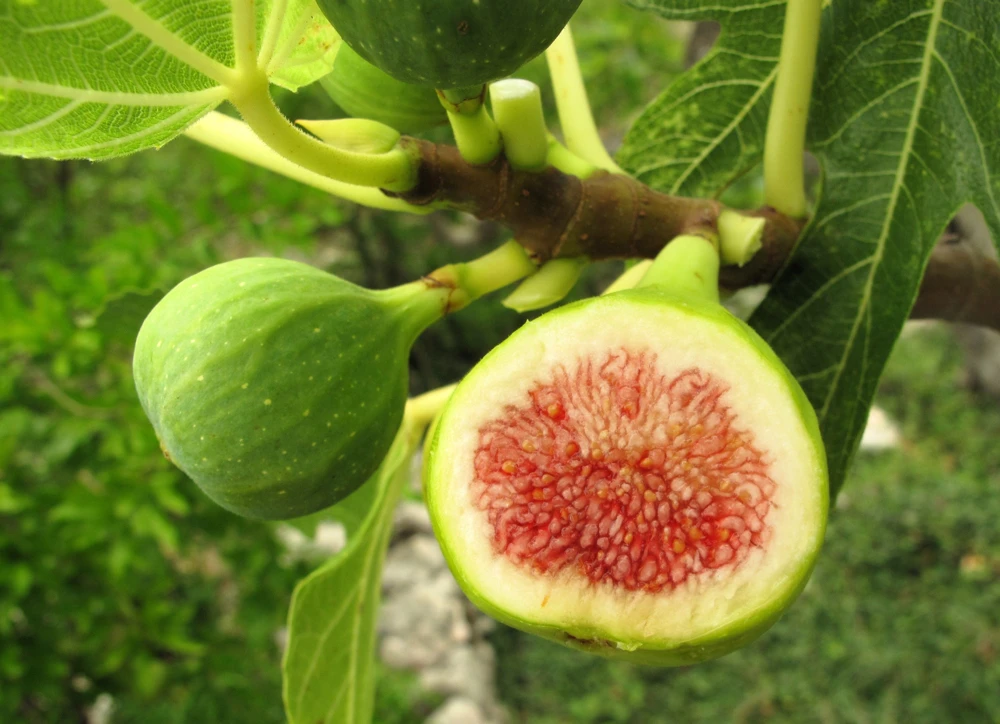
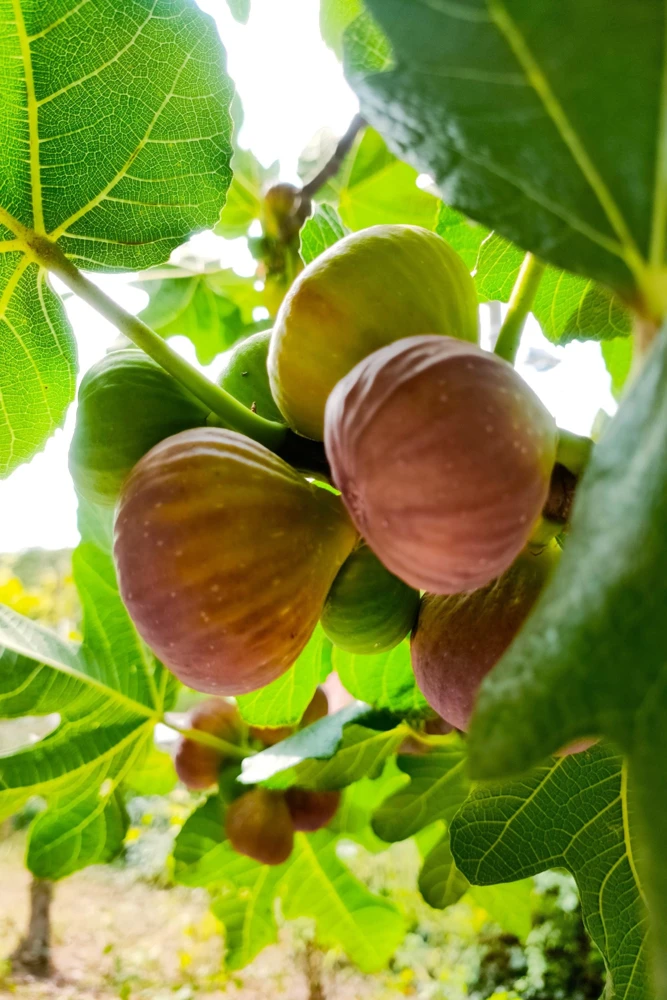
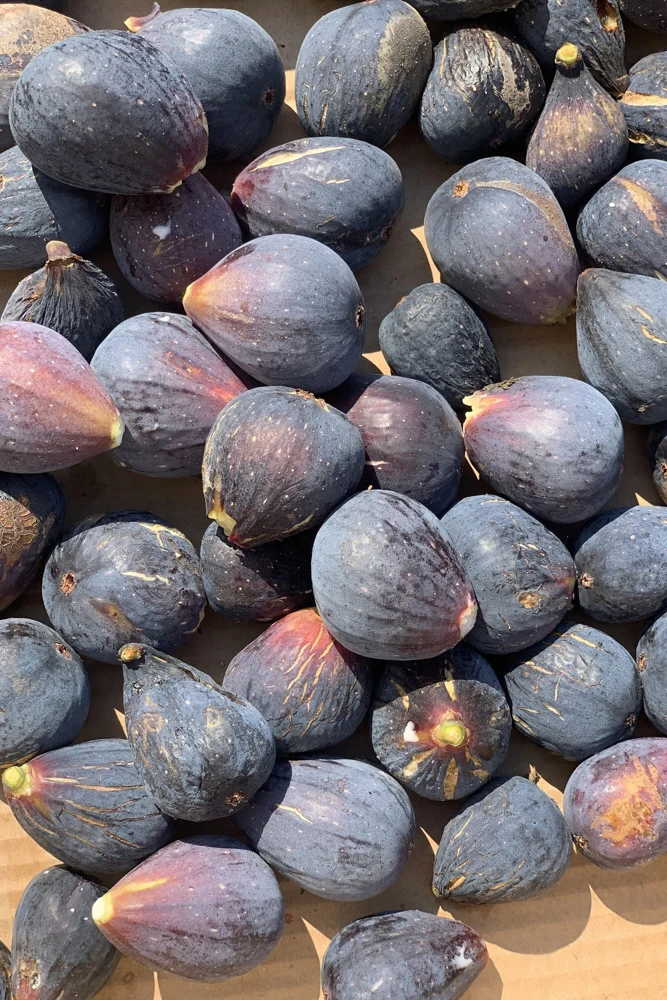
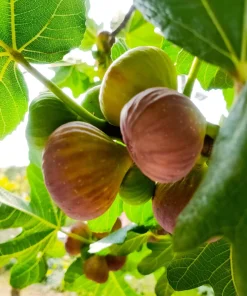
Cultivate your own delicious fig trees with this packet of 30 common edible fig tree seeds. These Ficus carica seeds promise trees yielding sweet, purple-brown skinned fruit with juicy pink flesh. Ideal for home gardeners looking to grow their own fruit.
Estimated arrival
Sep 17
Sep 22 - Sep 24
Sep 27 - Oct 01
Shop With Confidence
30-Day Plant Health Guarantee
Arrives damaged? We’ll replace it free — see our return policy.
Responsive Support
Email us anytime, we reply within 1 business day.
Expert Packaging
Temperature-controlled shipping to protect your plants in transit.
Secure Checkout
Pay safely with Visa, Mastercard, PayPal.
Plant Specifications
-
USDA Hardiness Zone
USDA zones 8-10 (can be grown in zones 6-7 with winter protection) -
Soil Type
Rich, well-draining soil (pH 6.0-6.5) -
Sunlight Exposure
Full sun (6-8 hours direct sunlight daily) -
Expected Planting Period
Spring to early summer
Overview
Embark on the rewarding journey of growing your own fruit-bearing trees with our high-quality packet of 30 common edible fig tree seeds. These seeds are sourced from the revered Ficus carica, a species celebrated for its delectable fruit. Known for their distinctive purple-brown skin and succulent pink flesh, these figs offer a sweet and rich flavor profile that is truly unparalleled. Growing a fig fruit tree from seed allows you to experience the full life cycle of this ancient and beloved plant, bringing a touch of Mediterranean charm and a bounty of fresh fruit to your garden or patio. Whether you’re an experienced horticulturist or a budding enthusiast, these seeds provide an exciting opportunity to cultivate a resilient and productive fruit tree that will offer years of enjoyment.
The Ficus carica seeds are carefully selected to ensure viability, setting you up for success in your gardening endeavors. Figs are not only delicious but also a healthy addition to any diet, packed with fiber, vitamins, and minerals. Imagine harvesting your own fresh figs for snacks, desserts, or culinary creations right from your backyard. Our common fig tree seeds are perfect for creating a sustainable food source and enhancing the biodiversity of your outdoor space. These seeds are a gateway to a fruitful and rewarding gardening experience.
Key Benefits
Growing your own edible fig tree seeds offers a multitude of advantages, from the joy of cultivation to the delight of harvest. These seeds provide an accessible way to introduce a productive and beautiful plant into your home garden.
- Homegrown Freshness: Enjoy the unparalleled taste of freshly picked figs, free from pesticides and ripened naturally on your own tree. There’s nothing quite like the flavor of fruit harvested directly from your garden.
- Rewarding Gardening Experience: Witnessing the growth of a fig tree from a tiny seed to a fruit-bearing plant is incredibly satisfying, connecting you more deeply with nature and the food you consume. It’s a journey of patience and reward.
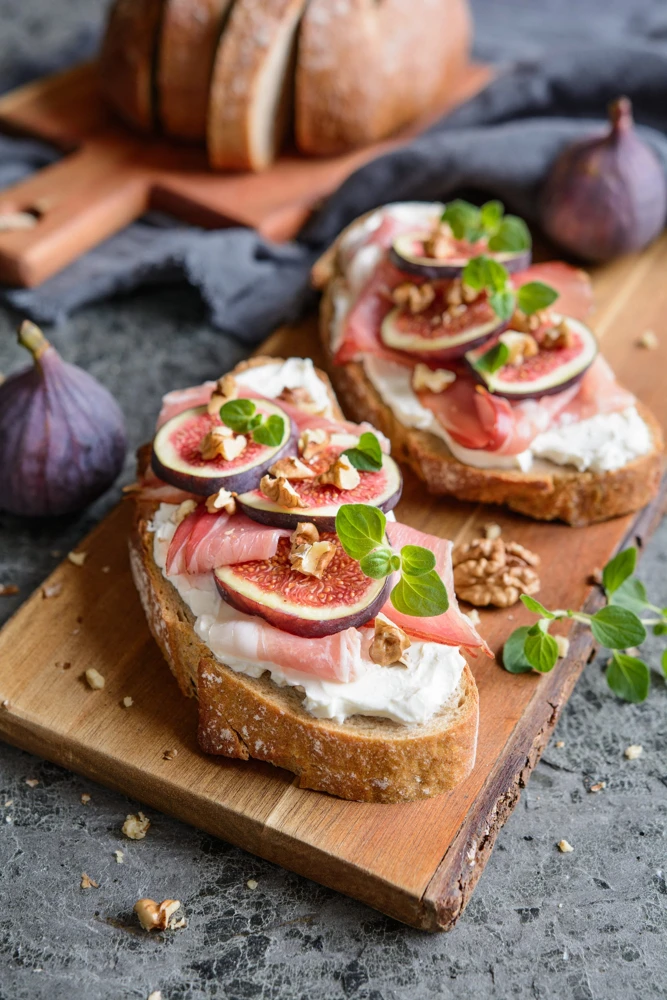
- Versatile Culinary Uses: The sweet fruit from your common fig tree can be enjoyed fresh, dried, in jams, desserts, salads, or paired with cheeses, offering endless culinary possibilities. Figs are a versatile ingredient in many cuisines.
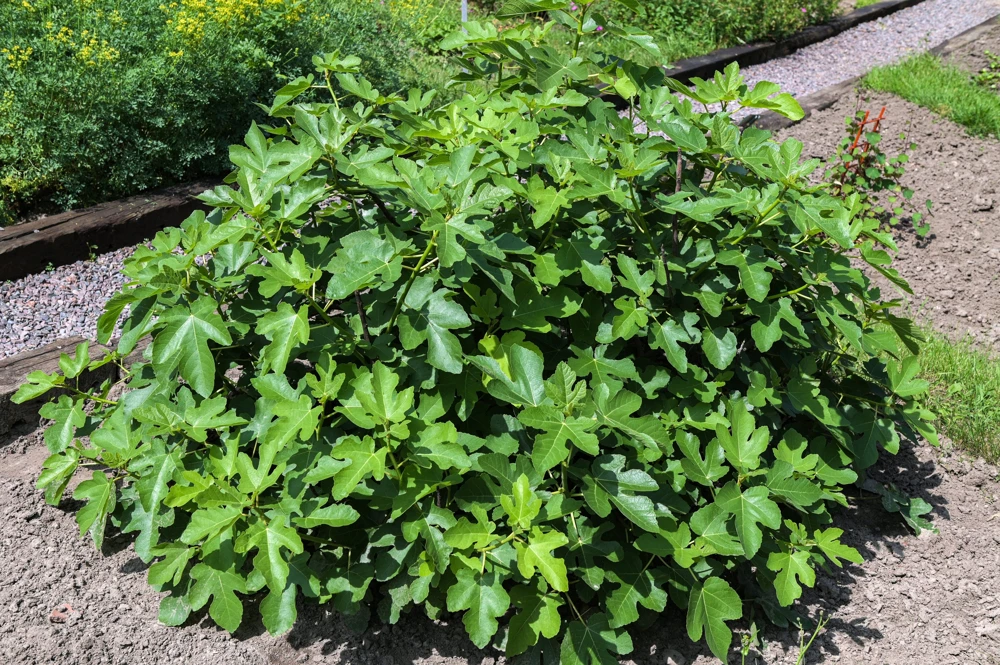
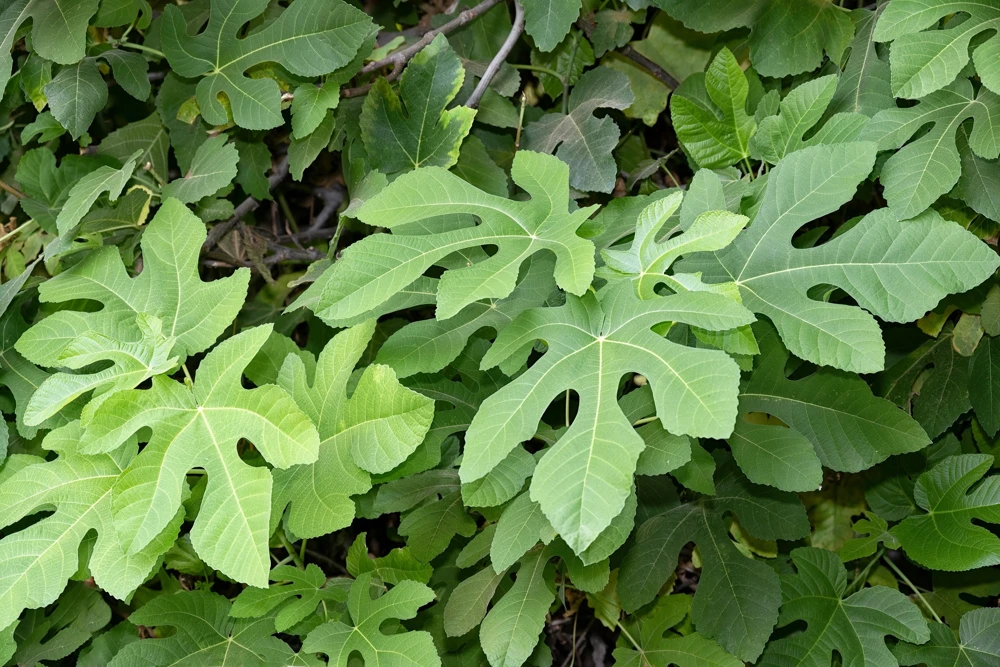
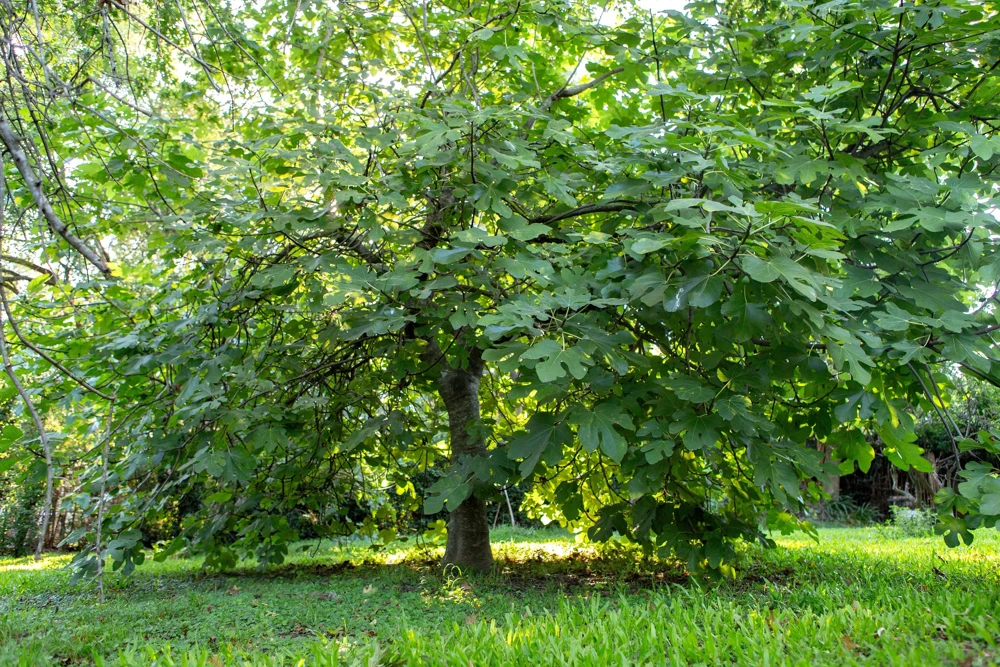
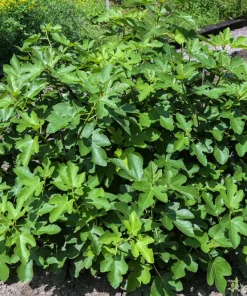
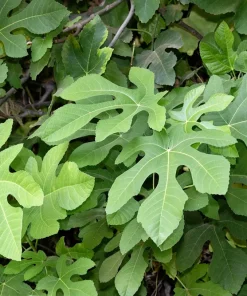
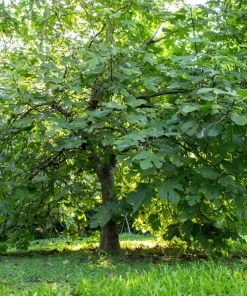
- Attractive Landscape Addition: Beyond its fruit, the fig tree itself is an attractive specimen with lush foliage, providing shade and visual interest to your garden or patio. Its unique leaf shape adds an exotic touch.
- Sustainable Food Source: Cultivating your own fig fruit seeds contributes to a more sustainable lifestyle by reducing reliance on commercially grown produce and fostering self-sufficiency.
- Health Benefits: Figs are rich in dietary fiber, potassium, calcium, and antioxidants, contributing to a healthy diet and overall well-being. Eating fresh figs is a delicious way to boost your nutrient intake.
- Adaptable Growth: While traditionally a Mediterranean plant, with proper care, Ficus carica seeds can be grown in various climates, often thriving in containers in colder regions.
Plant Care & Growing Tips
Successfully growing a common fig tree from seed requires attention to detail, but the process is highly rewarding. Begin by scarifying the fig seeds gently with sandpaper or a nail file to break dormancy, then soak them in warm water for 24 hours. Plant the seeds about 1/4 inch deep in a well-draining seed starting mix. Maintain a consistent soil temperature of 70-85°F (21-29°C) using a heat mat, if necessary. Keep the soil consistently moist but not waterlogged. Germination can be erratic, sometimes taking anywhere from a few weeks to several months, so patience is key when you grow fig tree from seed.
Once seedlings emerge, provide them with plenty of bright, indirect light. As they grow, gradually acclimate them to more direct sunlight. Fig trees thrive in full sun, requiring at least 6-8 hours of direct sunlight per day once established. They prefer a rich, well-draining soil with a pH between 6.0 and 6.5. Water deeply and regularly, especially during dry periods and when the tree is actively fruiting, but allow the top inch or two of soil to dry out between waterings to prevent root rot. Fertilize young trees with a balanced fertilizer during the growing season. In colder climates (USDA zones 6 and below), it’s advisable to grow fig trees in containers that can be moved indoors during winter, protecting them from harsh freezes. Pruning should be done in late winter or early spring to shape the tree and encourage fruit production. Protecting young trees from pests and diseases with organic solutions will ensure a healthy and productive edible fig tree.
Size & Details
This packet contains 30 common edible fig tree seeds, providing ample opportunity to establish several fig trees. While the initial seed size is small, a mature Ficus carica tree can reach heights of 10-30 feet (3-9 meters) and spread 10-20 feet (3-6 meters) wide, though container-grown trees will remain significantly smaller. The growth rate is moderate, with trees typically beginning to produce fruit within 2-3 years from seed, given optimal growing conditions. The seeds are shipped in a protective packet to ensure their viability upon arrival. Expect the fruit to have a distinct purple-brown skin and sweet, pink flesh. These fig fruit seeds are perfect for cultivating a long-term, productive addition to your garden.
Frequently Asked Questions
- Q: How long does it take for these fig seeds to germinate? A: Germination can vary widely, typically taking anywhere from a few weeks to several months. Patience and consistent moisture and warmth are crucial when you grow fig tree from seed.
- Q: What is the best way to start these seeds? A: Scarify the seeds lightly and soak them for 24 hours before planting them 1/4 inch deep in a sterile, well-draining seed starting mix. Maintain warmth and moisture.
- Q: Can I grow a common fig tree in a pot? A: Yes, fig trees, including those grown from edible fig tree seeds, adapt very well to container growing, especially beneficial in colder climates where they can be moved indoors during winter.
- Q: How much sun does a fig tree need? A: Once established, fig trees thrive in full sun, requiring at least 6-8 hours of direct sunlight per day for optimal growth and fruit production.
- Q: When can I expect fruit from a fig tree grown from seed? A: Fig trees grown from Ficus carica seeds typically begin to produce fruit within 2-3 years, although some may take a bit longer depending on growing conditions.
- Q: What type of soil is best for these fig seeds? A: A rich, well-draining soil with a pH between 6.0 and 6.5 is ideal for growing fig trees. For seedlings, a sterile seed starting mix is recommended.
- Q: Are these fig trees suitable for all USDA zones? A: While fig trees prefer warmer climates (USDA zones 8-10), they can be grown in colder zones (6-7) if protected during winter, often by growing them in containers and bringing them indoors.
- Q: What will the fruit taste like? A: The fruit from these fig fruit seeds is known for its sweet, rich flavor with a juicy pink flesh and a distinctive purple-brown skin.
Be the first to review “30 Common Edible Fig Tree Seeds – Ficus Carica, Purple Brown Skin, Pink Flesh Fruit”
People Also Viewed

Shrubs
Evergreen Huckleberry Live Plant Set (2) – Vaccinium ovatum – 4-10″ Tall – 4″ Pot – Edible Berries
Reviews
There are no reviews yet.