
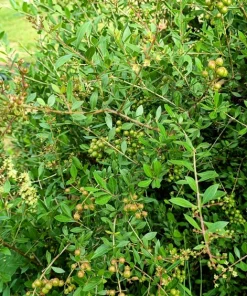
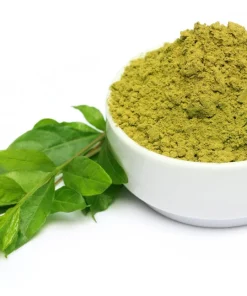
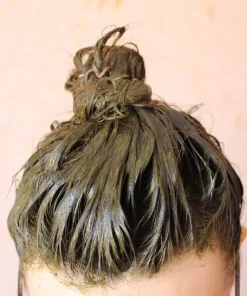
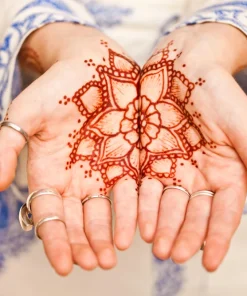
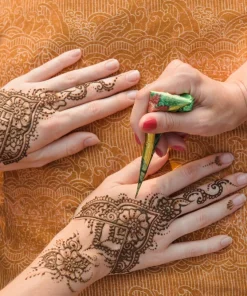
Henna Mehandi Dye Plant Seeds – Lawsonia Inermis for Natural Tattoo & Hair Dye
Original price was: $36.99.$16.99Current price is: $16.99.
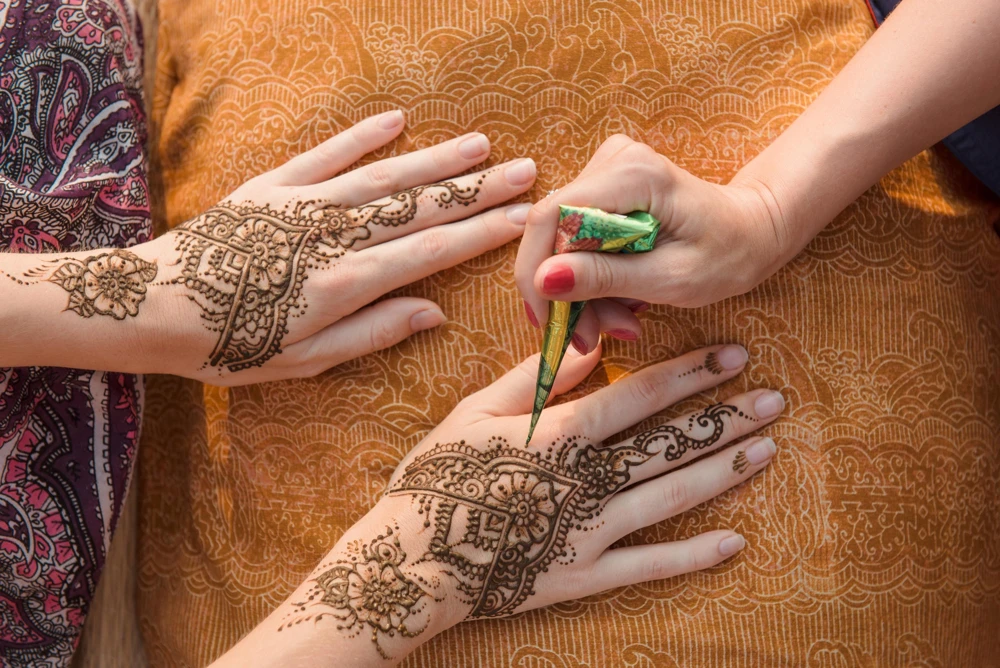
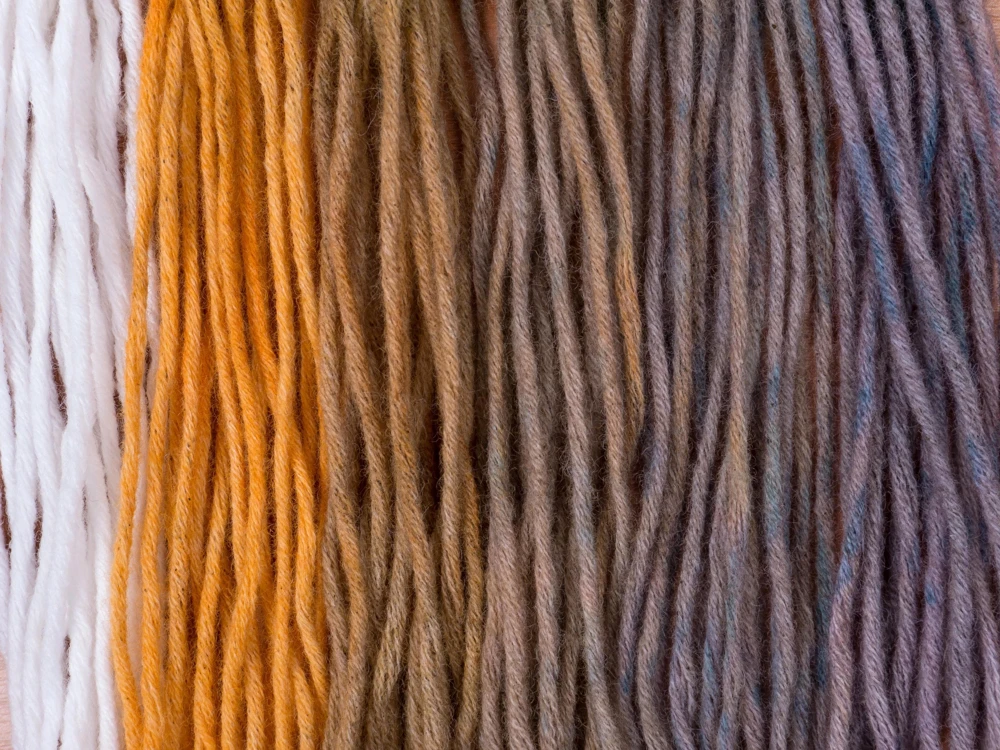
Cultivate your own henna plant seeds for natural dye applications. These Lawsonia Inermis seeds allow you to grow fresh henna for traditional mehandi art, temporary tattoos, and natural hair coloring. Enjoy the satisfaction of a homegrown, chemical-free dye source.
Estimated arrival
Sep 14
Sep 19 - Sep 21
Sep 24 - Sep 28
Shop With Confidence
30-Day Plant Health Guarantee
Arrives damaged? We’ll replace it free — see our return policy.
Responsive Support
Email us anytime, we reply within 1 business day.
Expert Packaging
Temperature-controlled shipping to protect your plants in transit.
Secure Checkout
Pay safely with Visa, Mastercard, PayPal.
Plant Specifications
-
USDA Hardiness Zone
USDA zones 9-11 (or indoors) -
Soil Type
Well-draining, sandy loam -
Sunlight Exposure
Full sun -
Expected Planting Period
Year-round indoors; spring to early summer outdoors (after last frost)
Overview
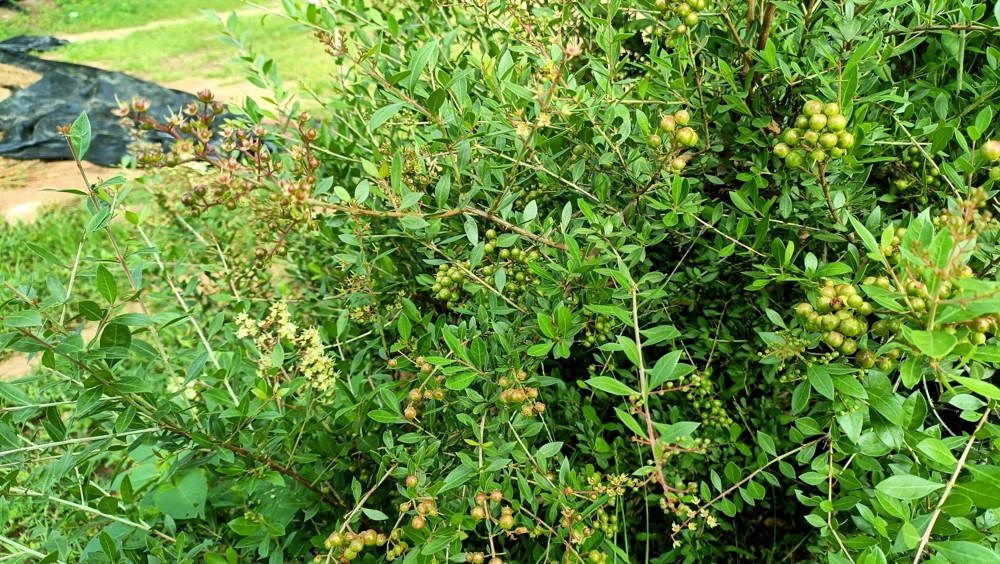
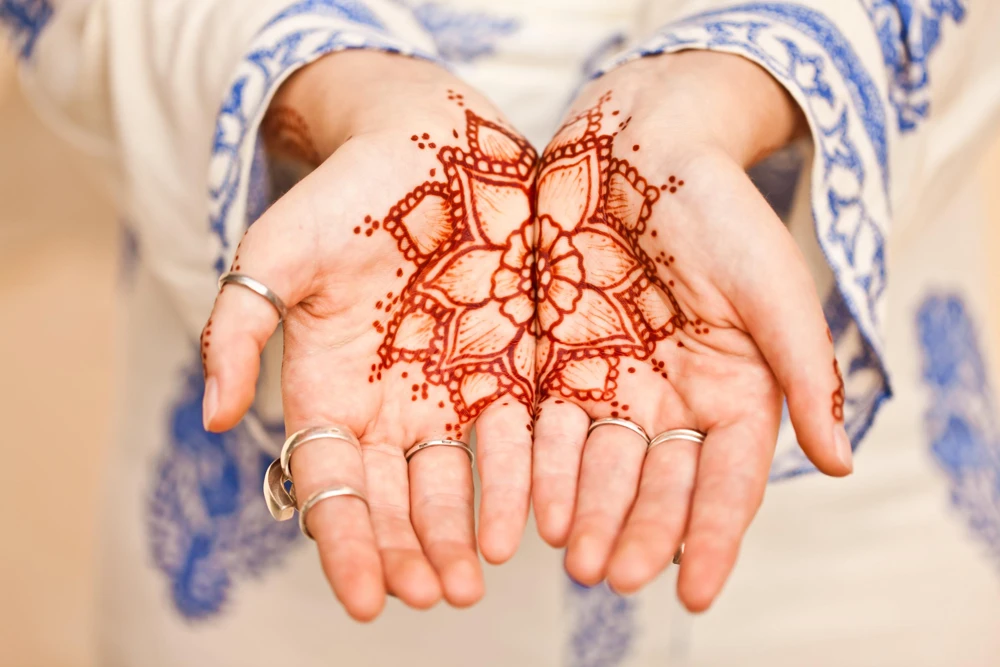
Embark on a rewarding botanical journey by growing your own henna plant seeds. This offering provides high-quality seeds of Lawsonia Inermis, the revered plant known globally for its natural dyeing properties. Often referred to as the mehandi plant, henna has been used for centuries in various cultures for intricate body art, temporary tattoos, and as a natural hair dye. Cultivating your own henna ensures a fresh, potent, and chemical-free source for all your dyeing needs. These seeds are a fantastic starting point for anyone interested in traditional crafts, natural beauty, or simply adding a unique and culturally significant plant to their garden.
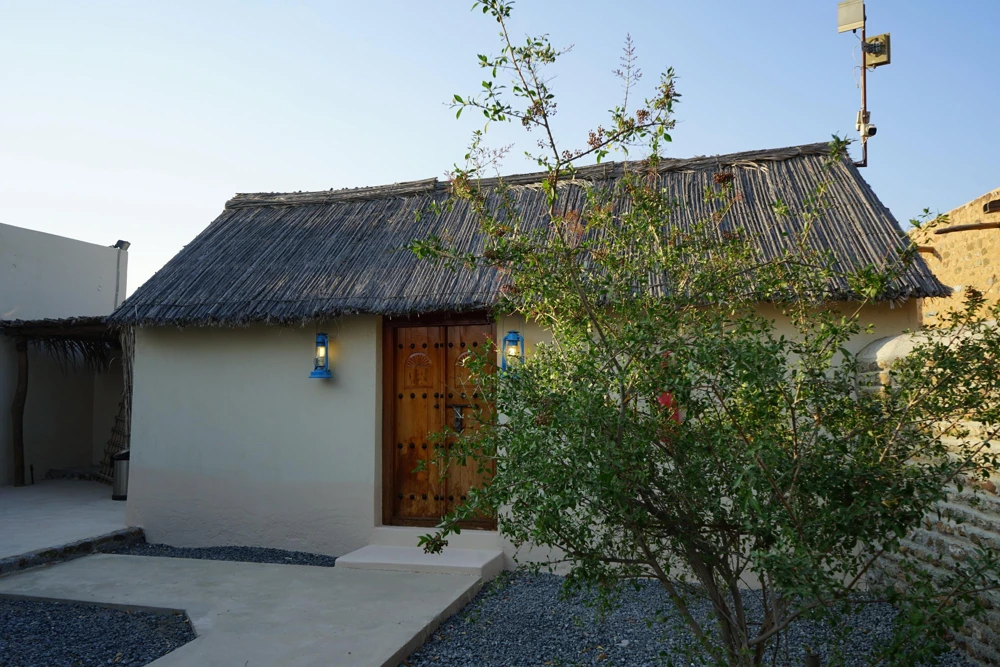
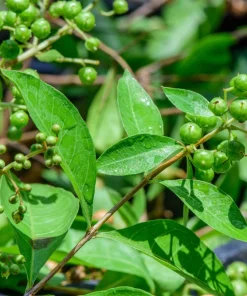
The Lawsonia Inermis seeds will sprout into beautiful, flowering shrubs that thrive in warm climates. Beyond its practical uses, the henna plant itself is an attractive addition to any garden, featuring small, fragrant flowers and lush green foliage. This product empowers you to experience the full cycle of natural dye production, from seed to leaf, making it an ideal choice for enthusiasts and beginners alike who wish to explore the rich heritage of henna.
Key Benefits
Growing your own henna from seed offers a multitude of benefits, combining cultural tradition with personal satisfaction and natural beauty solutions:
- Authentic Natural Dye Source: Produce your own pure, unadulterated henna powder directly from the leaves. This ensures you have a chemical-free and potent source for traditional mehandi designs, temporary body art, and natural hair coloring, superior to many commercial products.
- Cultural Connection: Engage with a rich historical tradition by cultivating the plant that has been central to ceremonies and celebrations for thousands of years. Understanding the source of henna deepens appreciation for its cultural significance.
- Sustainable & Eco-Friendly: Reduce your environmental footprint by growing your own dye. This eliminates the need for industrially processed dyes, often packaged in plastics, and supports a more sustainable approach to beauty and art.
- Freshness & Potency: Harvest leaves at their peak for maximum dye release. Freshly processed henna typically yields a stronger, longer-lasting stain compared to older, pre-packaged powders, giving you vibrant results for your natural henna dye.
- Gardening Enjoyment: Experience the joy of nurturing a plant from seed to maturity. The Lawsonia Inermis plant is beautiful in its own right, offering fragrant flowers and attractive foliage, making it a delightful addition to your garden or indoor space.
- Educational Opportunity: Perfect for educational projects or for those who wish to learn more about ethnobotany and traditional plant uses. Growing mehandi dye plant provides hands-on learning about botanical properties and agricultural practices.
- Cost-Effective: Over time, growing your own henna can be more economical than continuously purchasing pre-made henna powders or cones, especially if you are a frequent user.
Plant Care & Growing Tips
Successfully growing your henna plant seeds requires attention to specific environmental conditions. Henna (Lawsonia Inermis) thrives in warm, tropical, and subtropical climates. For germination, sow seeds indoors in a warm environment, ideally with consistent temperatures between 75-90°F (24-32°C). Lightly cover the seeds with about 1/4 inch of soil. Keep the soil consistently moist but not waterlogged. Germination can be slow and erratic, sometimes taking several weeks, so patience is key.
Once seedlings are established, transplant them to a location with full sun exposure, meaning at least 6-8 hours of direct sunlight per day. If growing indoors, provide the brightest possible light, perhaps supplementing with a grow light. The ideal soil type is well-draining and slightly acidic to neutral (pH 6.0-7.5). A sandy loam mix enriched with organic matter works well. Ensure excellent drainage to prevent root rot. Henna plants are somewhat drought-tolerant once established but perform best with regular watering, allowing the top inch of soil to dry out between waterings. Avoid overwatering, especially in cooler conditions.
Regarding temperature, henna plants are sensitive to cold and frost. They thrive in temperatures above 60°F (15°C) and can tolerate heat well. In regions with cold winters, it’s best to grow them in containers that can be moved indoors or treated as annuals. Fertilize sparingly with a balanced liquid fertilizer during the growing season (spring and summer) to encourage lush growth, which is essential for a good harvest of leaves for your grow henna at home project. Pruning can help maintain a bushy shape and encourage more leaf production. Watch out for common pests like spider mites and aphids, especially on indoor plants, and treat with organic insecticidal soap if necessary.
Size & Details
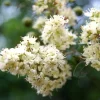
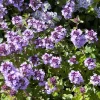
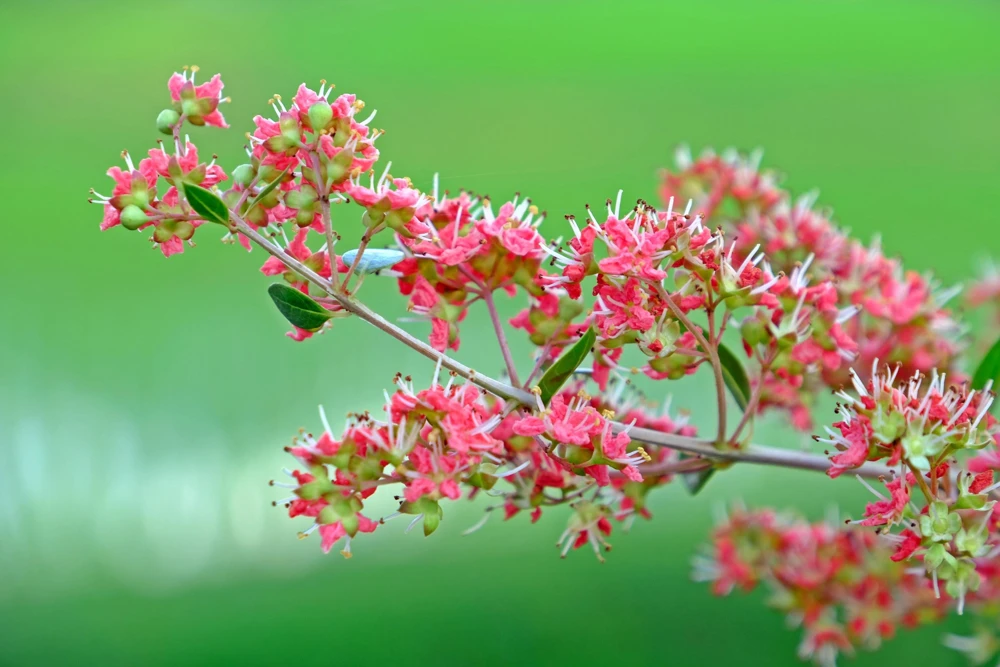
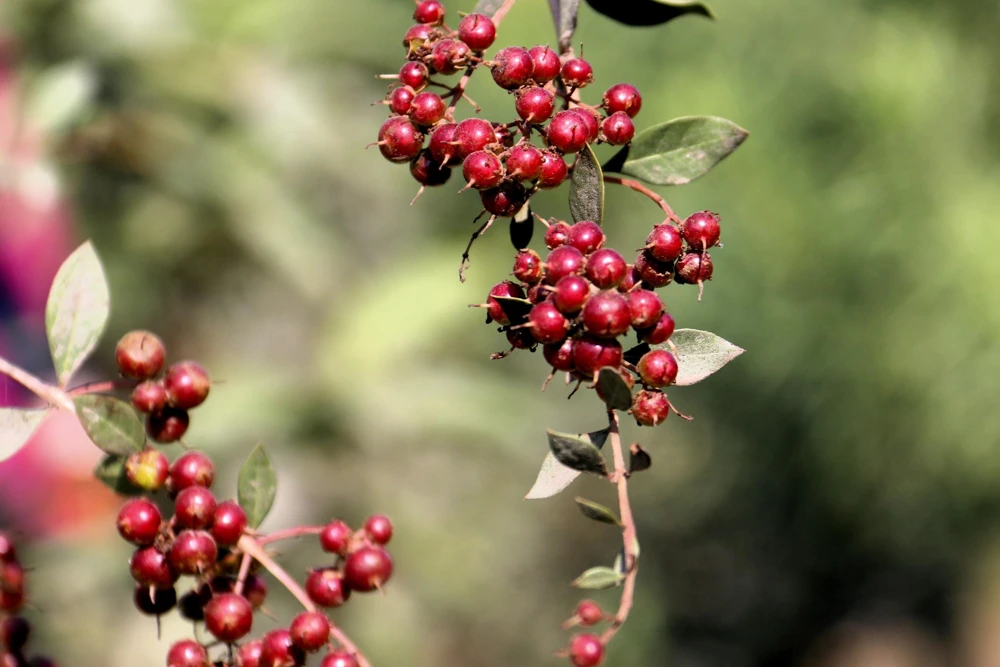
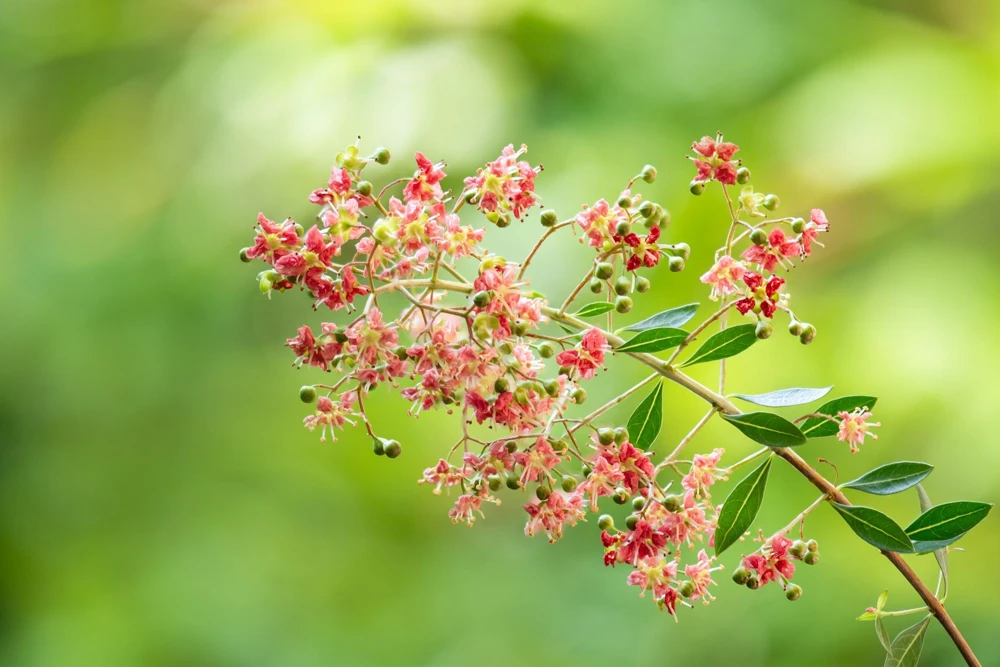
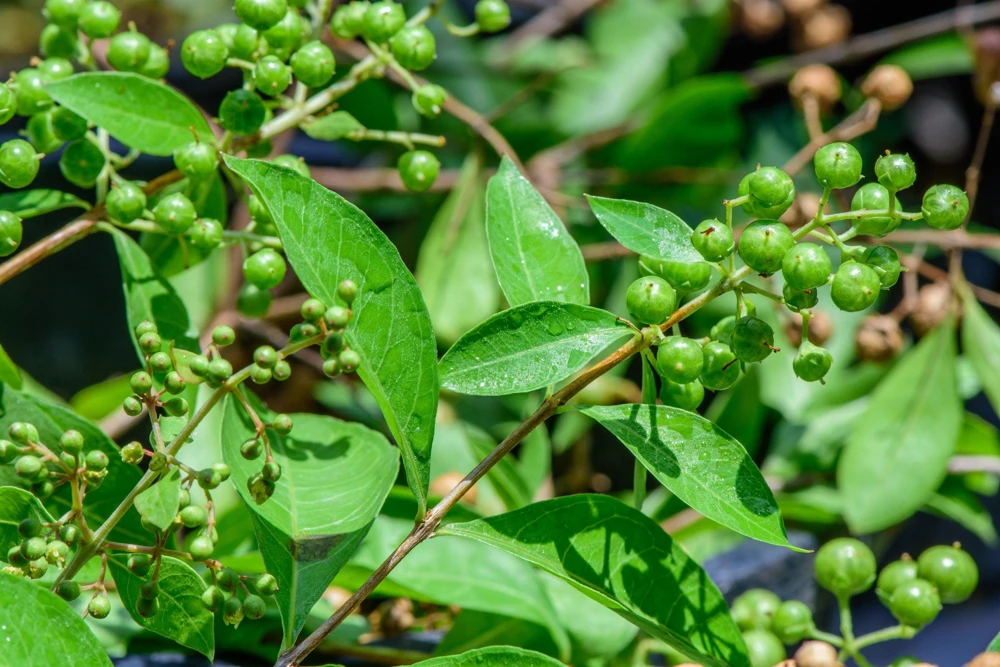
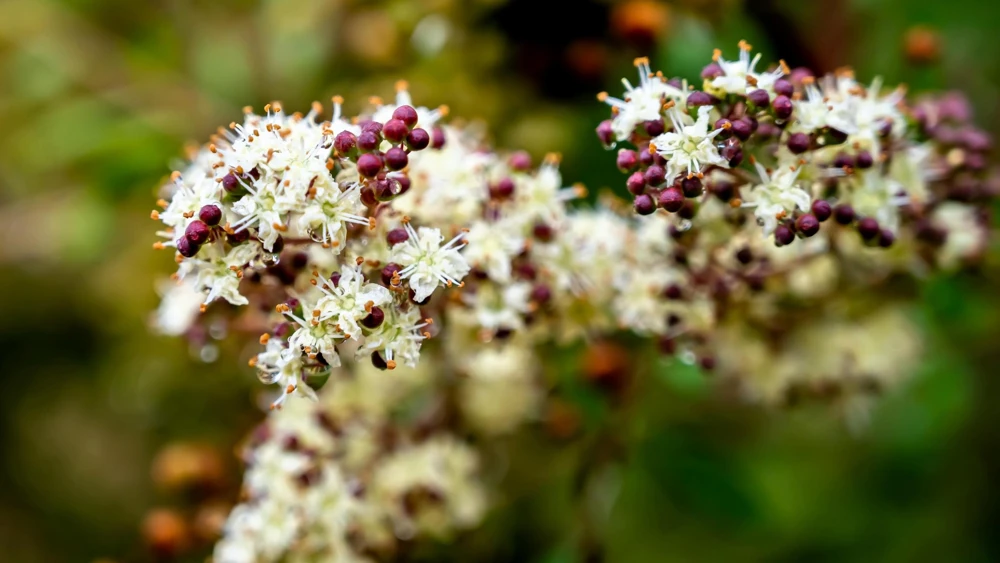
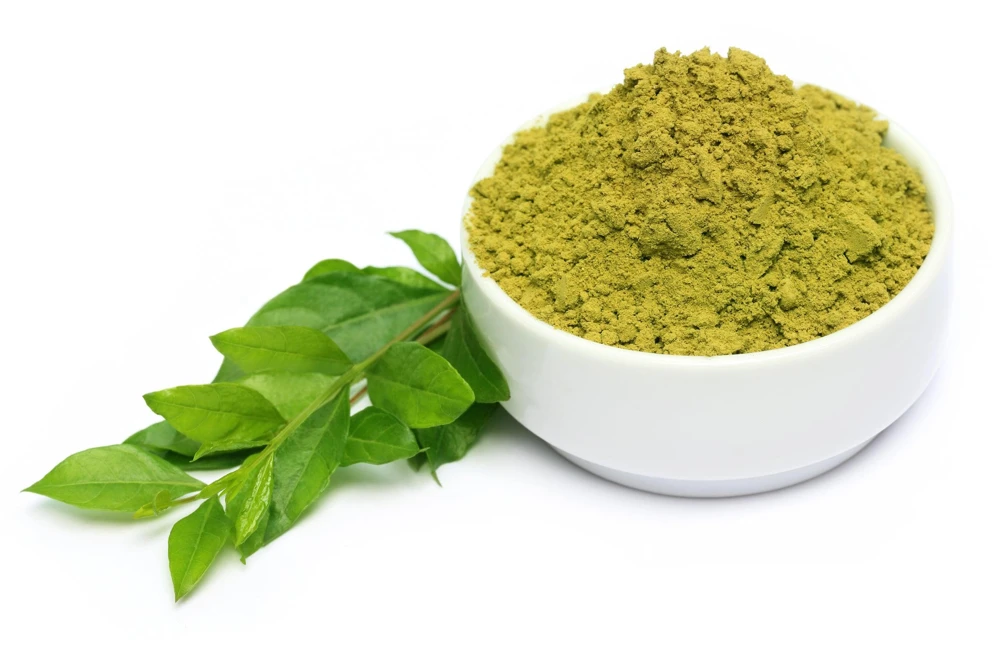
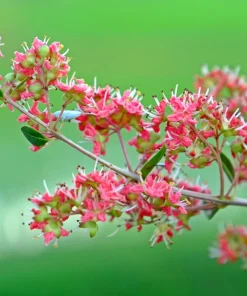
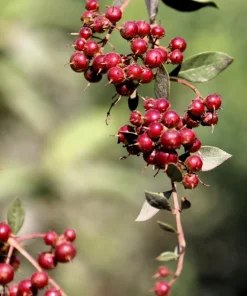
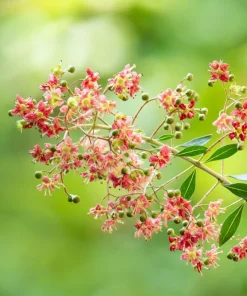
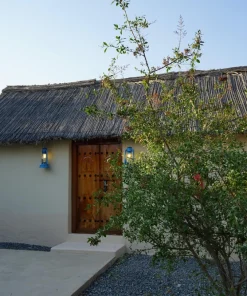
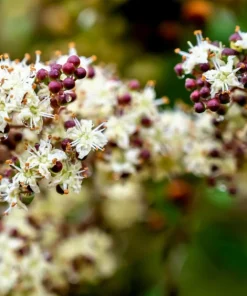
These henna plant seeds are sourced from robust Lawsonia Inermis plants, providing you with the foundation to cultivate your own natural dye source. Each seed packet contains 20 common seeds, offering a good start for germination and growth. When mature, the mehandi dye plant typically grows into a multi-stemmed shrub, reaching heights of 6 to 20 feet (1.8 to 6 meters) in ideal outdoor conditions, though it can be maintained at a smaller, more manageable size through pruning, especially when grown in containers. The plant produces small, fragrant white to red flowers, followed by small fruit capsules. The primary harvest involves gathering the leaves, which are then dried and crushed to produce the dye powder. Expected time to maturity for harvesting leaves typically ranges from 1 to 3 years, depending on growing conditions, with subsequent harvests possible multiple times a year.
Frequently Asked Questions
- Q: How big does this plant get? A: In ideal warm climates, the Lawsonia Inermis plant can grow into a shrub 6 to 20 feet tall. When grown in containers or cooler climates, its size can be managed through regular pruning, typically remaining much smaller.
- Q: Is this an indoor or outdoor plant? A: Henna thrives outdoors in USDA Zones 9-11. In colder regions, it can be grown as an annual or overwintered indoors as a potted plant, requiring bright light.
- Q: How much sunlight does it need? A: The henna plant requires full sun, meaning at least 6-8 hours of direct sunlight per day, to achieve optimal growth and leaf production for dyeing purposes.
- Q: Is this plant easy to care for? A: While germination can require patience, established henna plants are relatively low-maintenance, needing consistent warmth, plenty of sun, and well-draining soil. It’s a rewarding plant for those interested in growing their own dye.
- Q: What condition will the seeds arrive in? A: Your Lawsonia Inermis seeds will arrive in a protective packet, ensuring their viability for planting. They are dormant and ready for stratification and germination according to instructions.
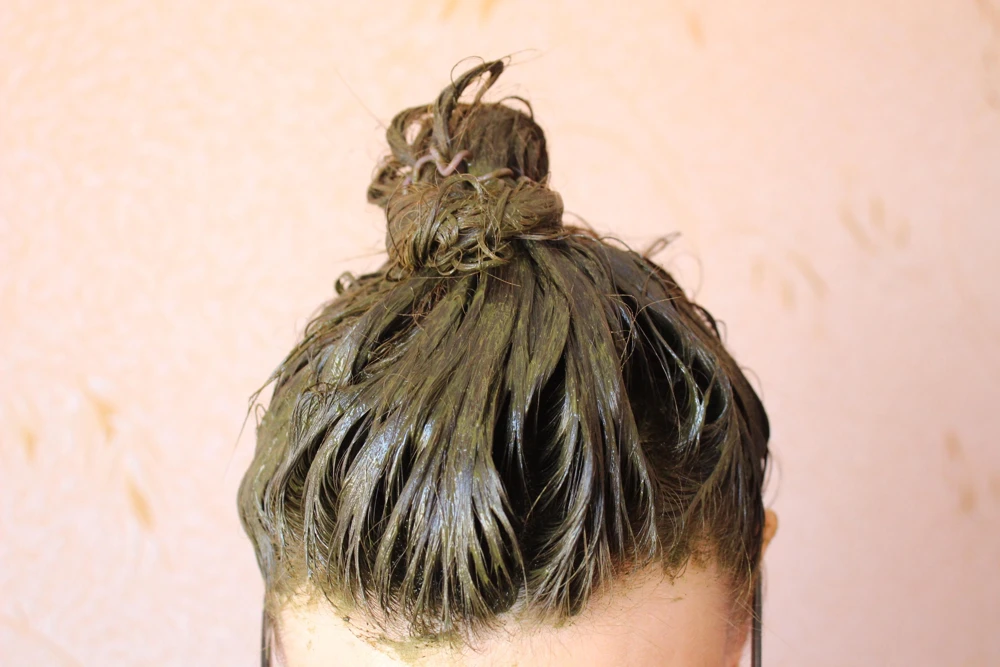
- Q: Can I use the leaves for natural hair dye? A: Yes, the primary use of the leaves from the henna plant seeds is to create natural hair dye and traditional mehandi designs. The leaves are dried, ground into a powder, and then mixed with liquid to release the dye.
- Q: When is the best time to plant these seeds? A: For best results, start the seeds indoors 6-8 weeks before the last frost date in your area, or at any time indoors if you plan to keep the plant inside year-round. Ensure consistent warmth for germination.
- Q: What’s the minimum temperature this plant can tolerate? A: Henna plants are very sensitive to cold and will not tolerate frost. They prefer temperatures above 60°F (15°C) and can be damaged or killed by temperatures below 40°F (4°C).
- Q: How long until I can harvest leaves from my grow henna at home plant? A: Depending on growing conditions, you can typically begin harvesting leaves when the plant is 1-3 years old and well-established. Regular pruning encourages new growth and more frequent harvests.
- Q: What kind of soil is best for growing henna? A: Henna prefers well-draining, slightly acidic to neutral soil (pH 6.0-7.5). A sandy loam mix enriched with compost or other organic matter is ideal.
Be the first to review “Henna Mehandi Dye Plant Seeds – Lawsonia Inermis for Natural Tattoo & Hair Dye”
People Also Viewed
Tree Seeds
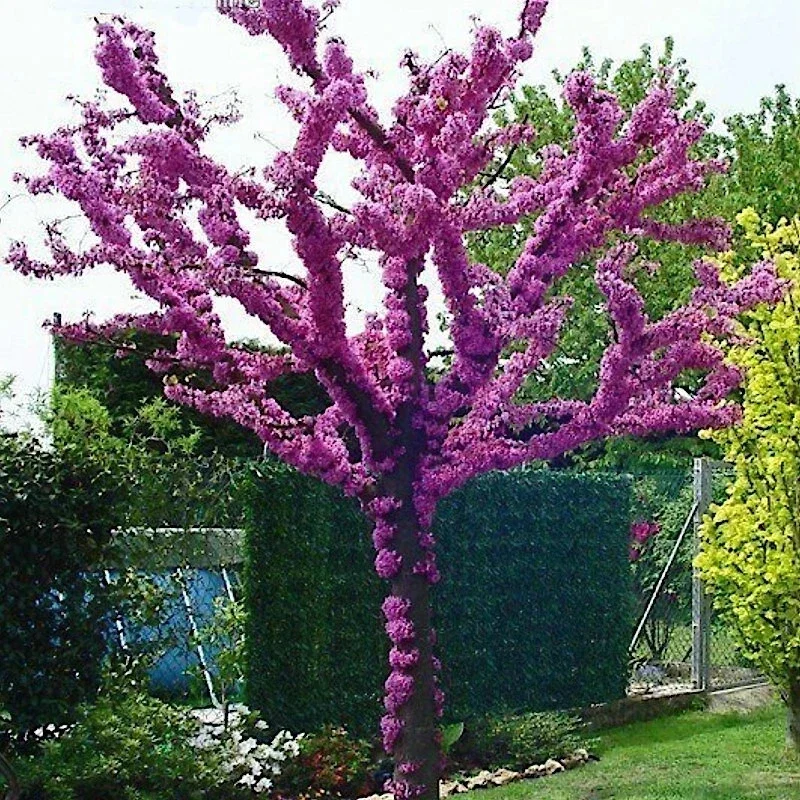
Judas Tree Seeds (Cercis siliquastrum) – Mediterranean Redbud Tree Seeds – Fast Growing, Hardy
Herb Seeds
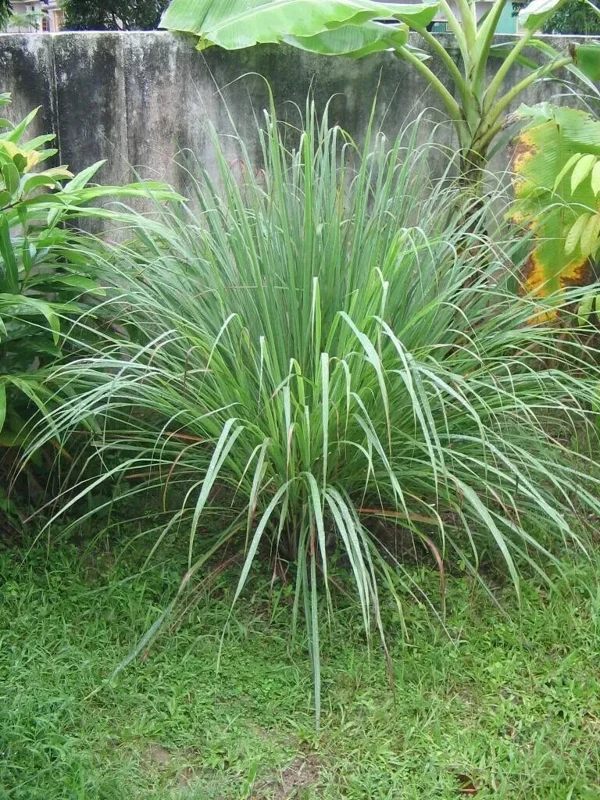
Lemongrass Seeds – 400+ Aromatic Herb Seeds | Non-GMO Cymbopogon Spreng. for Indoor/Outdoor Planting
Reviews
There are no reviews yet.