









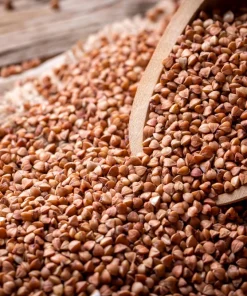

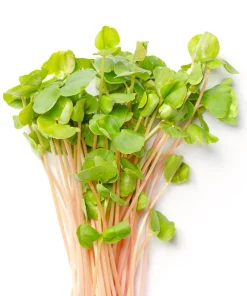


200 Organic Buckwheat Seeds – Ground Cover & Grain Crop
Original price was: $36.99.$16.99Current price is: $16.99.
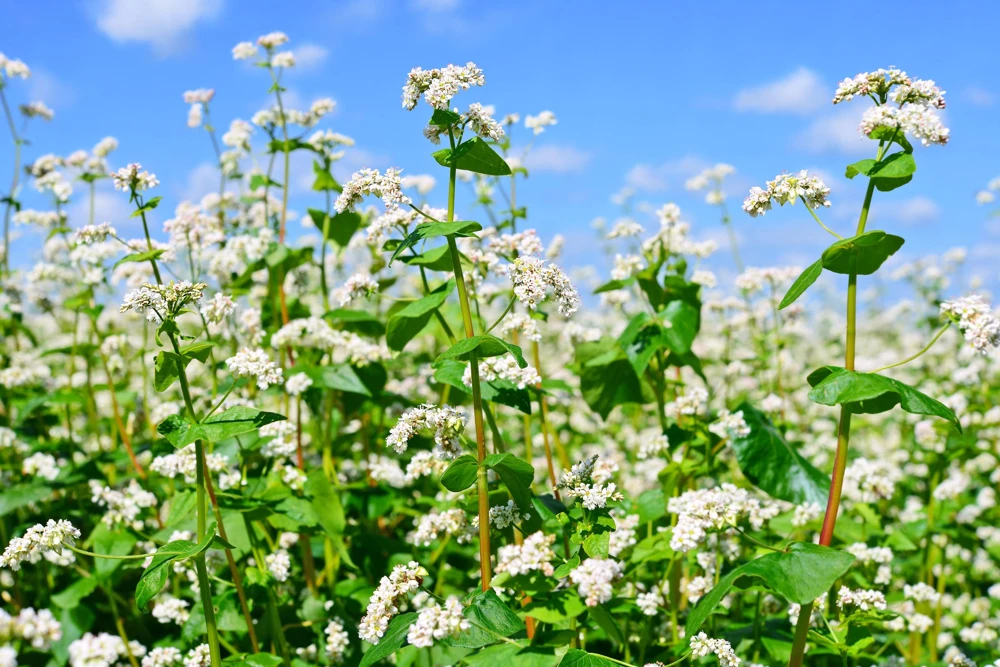
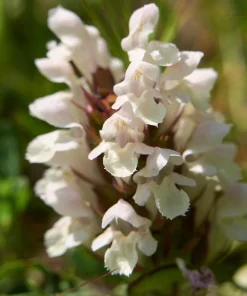
Cultivate organic buckwheat seeds to enhance your garden with a versatile cover crop and beneficial ground cover. These buckwheat seeds produce attractive white flowers that are a favorite of bees, while also improving soil health and controlling weeds. Easy to grow and perfect for gardeners seeking sustainable solutions.
Estimated arrival
Sep 14
Sep 19 - Sep 21
Sep 24 - Sep 28
Shop With Confidence
30-Day Plant Health Guarantee
Arrives damaged? We’ll replace it free — see our return policy.
Responsive Support
Email us anytime, we reply within 1 business day.
Expert Packaging
Temperature-controlled shipping to protect your plants in transit.
Secure Checkout
Pay safely with Visa, Mastercard, PayPal.
Plant Specifications
-
USDA Hardiness Zone
N/A (Annual) -
Soil Type
Average, well-draining soil -
Sunlight Exposure
Sun - Part Shade -
Expected Planting Period
Outdoors after frost
Overview
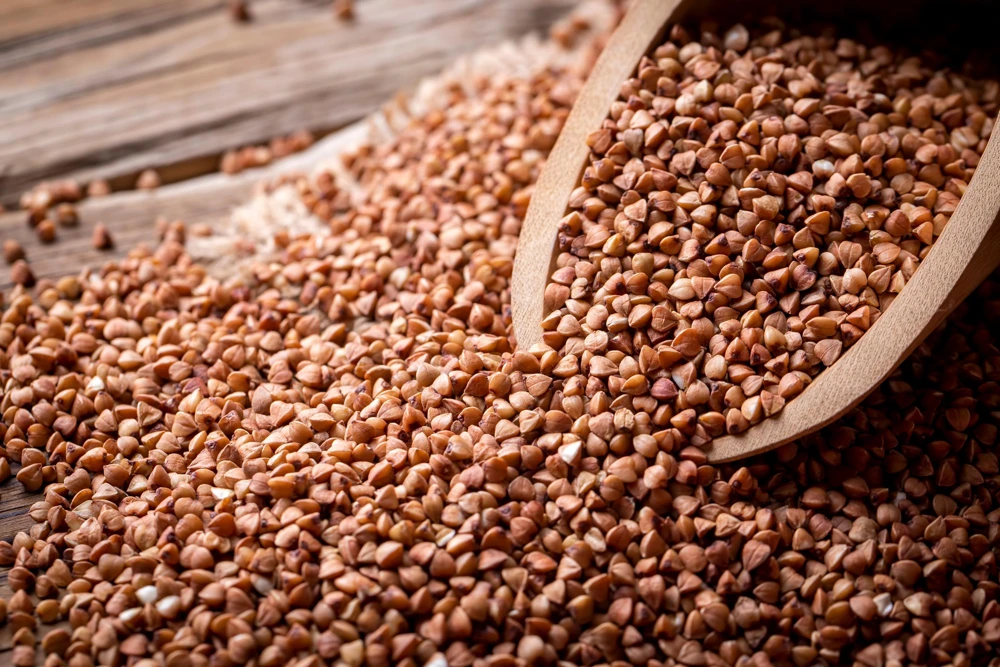
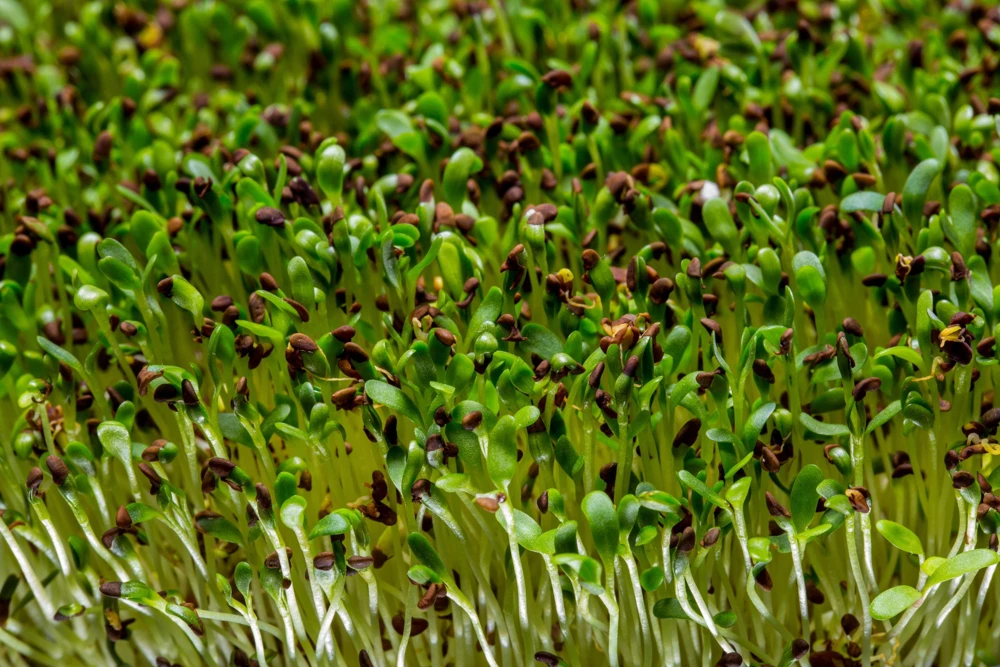
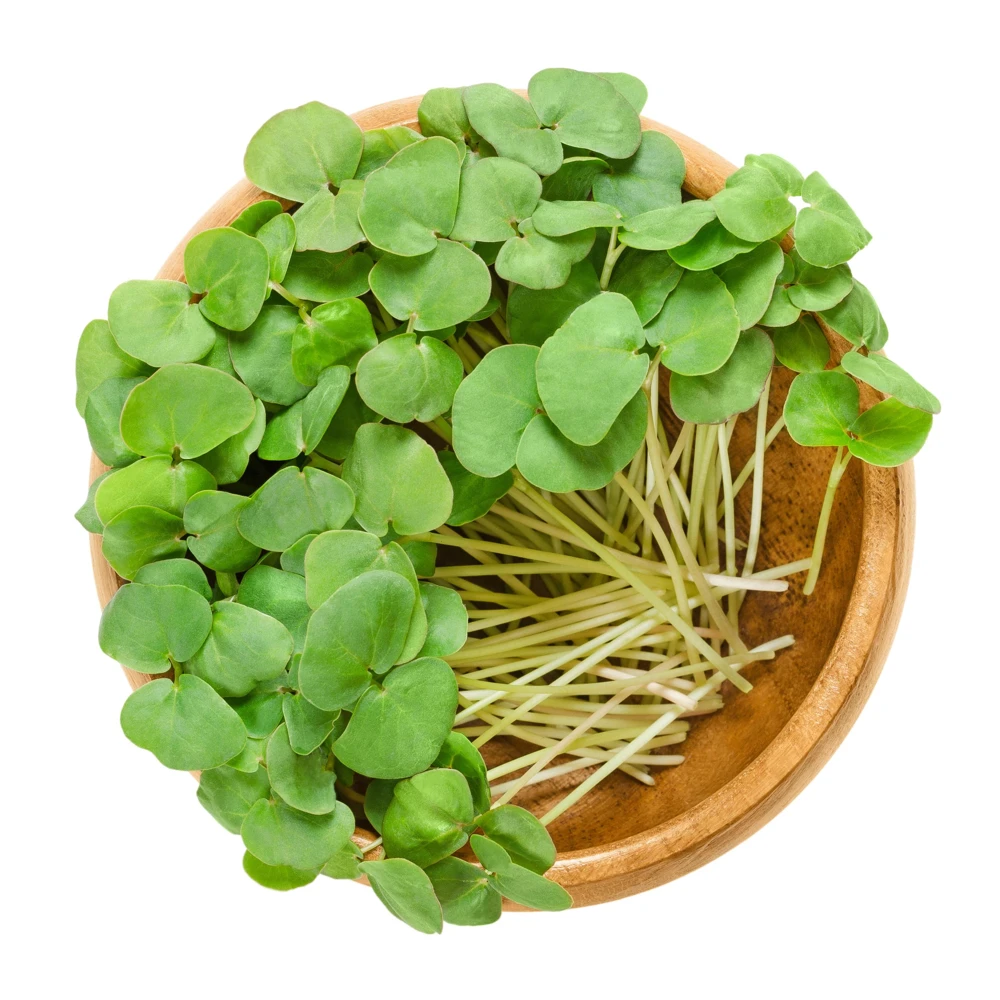
Discover the benefits of growing organic buckwheat seeds, an incredibly versatile and beneficial plant for any garden or farm. Buckwheat, scientifically known as Fagopyrum Esculentum, is not a true grain but rather a fruit seed related to rhubarb. These seeds are perfect for gardeners looking to improve soil quality, suppress weeds, and attract pollinators. Our 200 count of organic buckwheat seeds offers a sustainable and natural way to enrich your soil as a cover crop or provide a beautiful, low-maintenance ground cover. It’s an excellent choice for both experienced and novice gardeners, thriving even in less-than-ideal soil conditions.
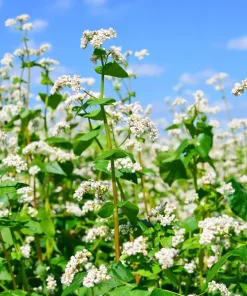
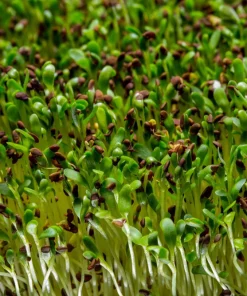
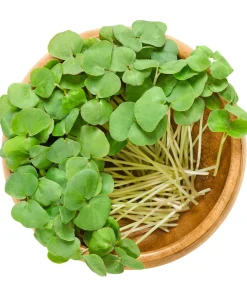
Buckwheat is renowned for its rapid growth and ability to outcompete weeds, making it an invaluable tool in organic gardening practices. Beyond its utility in the garden, its white flowers are a magnet for bees and other beneficial insects, supporting local ecosystems. The plant’s heart-shaped leaves add to its charm, and its long blooming period ensures a consistent food source for pollinators throughout the season. Whether you aim to grow buckwheat for its ecological benefits or its potential as a nutritious grain, these seeds provide a robust and reliable option.
Key Benefits
Incorporating organic buckwheat seeds into your gardening routine offers a multitude of advantages, contributing to a healthier and more productive environment.
- Soil Improvement: Buckwheat roots help break up compacted soil, improving its structure and aeration. It also adds organic matter when tilled under as a green manure, boosting fertility.
- Weed Suppression: Its fast and dense growth habit effectively smothers and outcompetes undesirable weeds, reducing the need for manual weeding or herbicides. This makes buckwheat cover crop an excellent choice for maintaining clean garden beds.
- Pollinator Attraction: The abundant white flowers are highly attractive to bees, butterflies, and other beneficial insects, supporting biodiversity and enhancing pollination for other plants in your garden.
- Erosion Control: As a dense ground cover, buckwheat helps prevent soil erosion from wind and rain, particularly on sloped areas or during fallow periods.
- Nutrient Scavenging: Buckwheat can retrieve phosphorus and other nutrients from the soil that might be unavailable to other crops, making them accessible for subsequent plantings.
- Easy to Grow: These seeds are exceptionally easy to cultivate, tolerating a range of soil types, including poor soils, and requiring minimal maintenance. This makes it simple to grow buckwheat successfully.
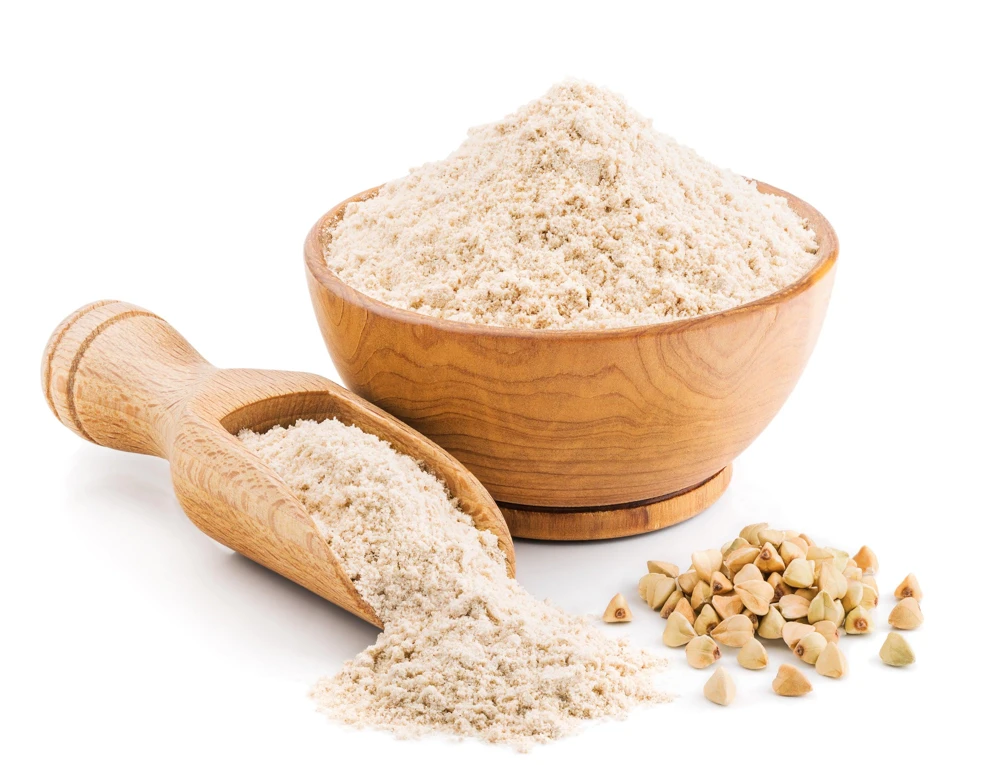
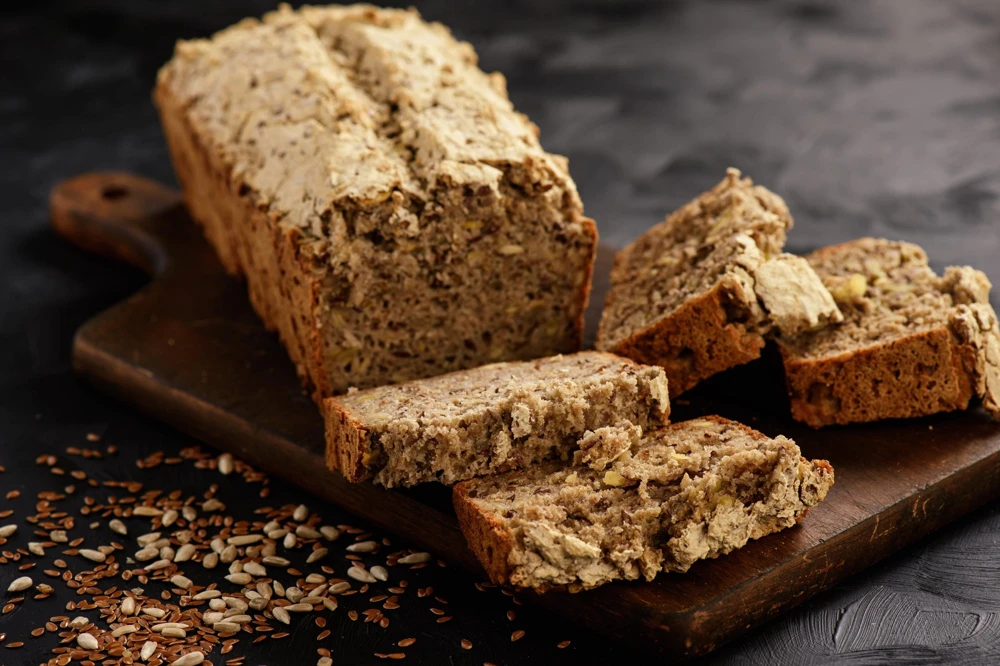
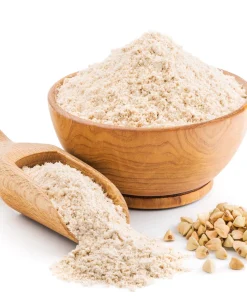
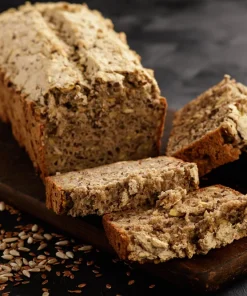
- Edible Grain: While primarily used as a cover crop, buckwheat produces edible seeds that can be harvested and used for flour, noodles, and other culinary applications, offering a dual-purpose benefit.
Plant Care & Growing Tips
Growing organic buckwheat seeds is straightforward, making it an ideal choice for gardeners of all skill levels. For best results, sow seeds outdoors after the last frost, when soil temperatures are consistently above 55°F (13°C). Buckwheat prefers full sun to partial shade, meaning it thrives with at least 4-6 hours of direct sunlight daily. It is not particular about soil type and can even improve poor soils, but it appreciates average, well-draining conditions. Avoid waterlogged areas, as this can hinder growth.
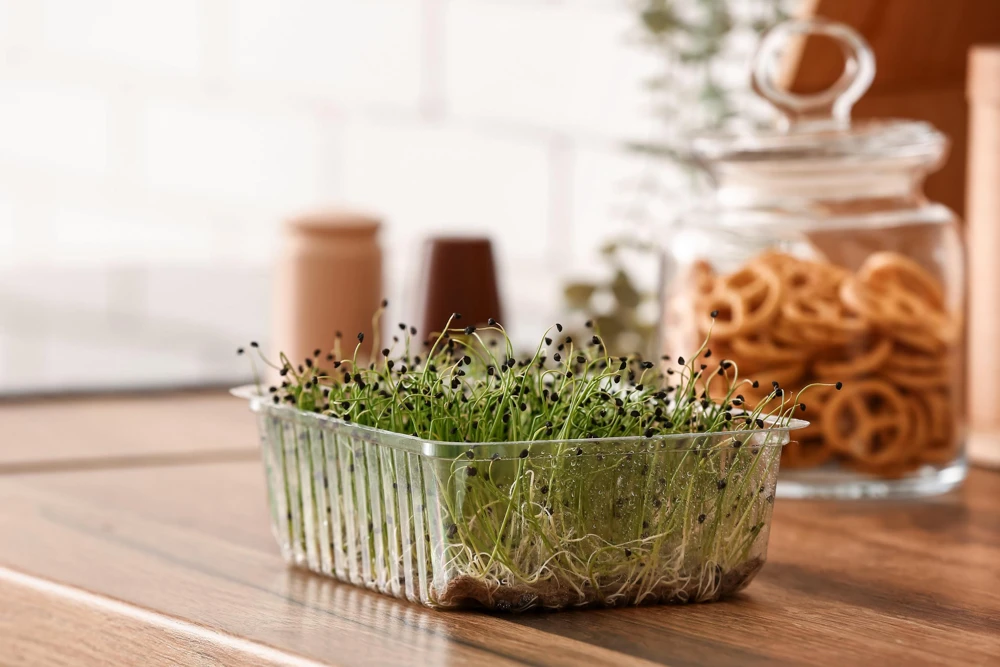
Plant the buckwheat seeds about 1 inch deep and space them approximately 12-18 inches apart if you’re growing individual plants, or broadcast them more densely for a solid cover crop. Keep the soil consistently moist until germination, which usually occurs within 3-5 days. Once established, buckwheat is relatively drought-tolerant but will benefit from regular watering during prolonged dry spells. No significant fertilization is typically required, especially if grown as a cover crop, as it helps to enrich the soil naturally. Keep an eye out for common garden pests, though buckwheat is generally quite resilient. To maximize its benefits as a green manure, till the plants into the soil before they set seed, usually around 80 days after planting, to prevent self-seeding and return nutrients to the soil. This practice significantly enhances the soil structure and nutrient content for future plantings.
Size & Details
This package contains 200 organic buckwheat seeds, providing ample quantity for various gardening projects, whether for a small garden bed or a larger cover cropping area. Once established, buckwheat plants typically reach a height of 6 to 9 inches, forming a dense canopy that effectively shades out weeds. The harvest period for grain is approximately 80 days from planting, allowing for a quick turnaround. These seeds are perfect for planting outdoors after the last spring frost or can be started indoors a few weeks prior for an earlier start, particularly in cooler climates. The plants will produce delicate white flowers over a long blooming period, attracting beneficial insects, making them ideal for those who want to attract buckwheat for bees.
The seeds are supplied in a protective packet, ensuring their viability and readiness for planting. Buckwheat is a fast-growing annual, completing its life cycle within a single season. Its adaptability to various light conditions, from full sun to partial shade, makes it a flexible choice for different garden aspects. The average soil and water preferences mean it doesn’t demand specialized care, making it a low-hassle, high-reward addition to your garden. This quantity is ideal for experimenting with its benefits or for small-to-medium scale cover cropping.
Frequently Asked Questions
- Q: How big does this buckwheat plant get? A: Buckwheat plants typically grow to a height of 6 to 9 inches. They form a dense, bushy habit that is excellent for ground cover and weed suppression.
- Q: Is this an indoor or outdoor plant? A: While you can start the seeds indoors, organic buckwheat seeds are primarily intended for outdoor cultivation. They thrive best when planted directly in the garden after the last frost.
- Q: How much sunlight does it need? A: Buckwheat performs best in full sun to partial shade, requiring at least 4-6 hours of direct sunlight per day for optimal growth and flowering.
- Q: Is this plant easy to care for? A: Yes, buckwheat is considered very easy to grow, even in poor soil conditions. It’s an excellent choice for beginners or those looking for a low-maintenance cover crop.
- Q: What condition will the seeds arrive in? A: The buckwheat seeds will arrive in a sealed packet, ensuring their freshness and viability for planting. They are carefully packaged to prevent damage during transit.
- Q: Can I use buckwheat for culinary purposes? A: Yes, buckwheat produces edible seeds that can be harvested and milled into flour for baking, used in porridges, or as a gluten-free grain alternative.
- Q: How long until it blooms? A: Buckwheat has a relatively quick growth cycle. It typically starts blooming within a few weeks of germination and has a long flowering period, which is great for attracting buckwheat for bees.
- Q: When is the best time to plant? A: The best time to plant organic buckwheat seeds outdoors is after the last spring frost, when the danger of cold temperatures has passed.
- Q: Will it survive winter in my zone? A: Buckwheat is an annual plant and will not survive winter frosts. It completes its life cycle within one growing season.
- Q: What are the main benefits of using it as a cover crop? A: As a buckwheat cover crop, it improves soil structure, suppresses weeds, prevents erosion, and scavenges nutrients from the soil, making it available for subsequent crops.
Be the first to review “200 Organic Buckwheat Seeds – Ground Cover & Grain Crop”
People Also Viewed


Houseplants
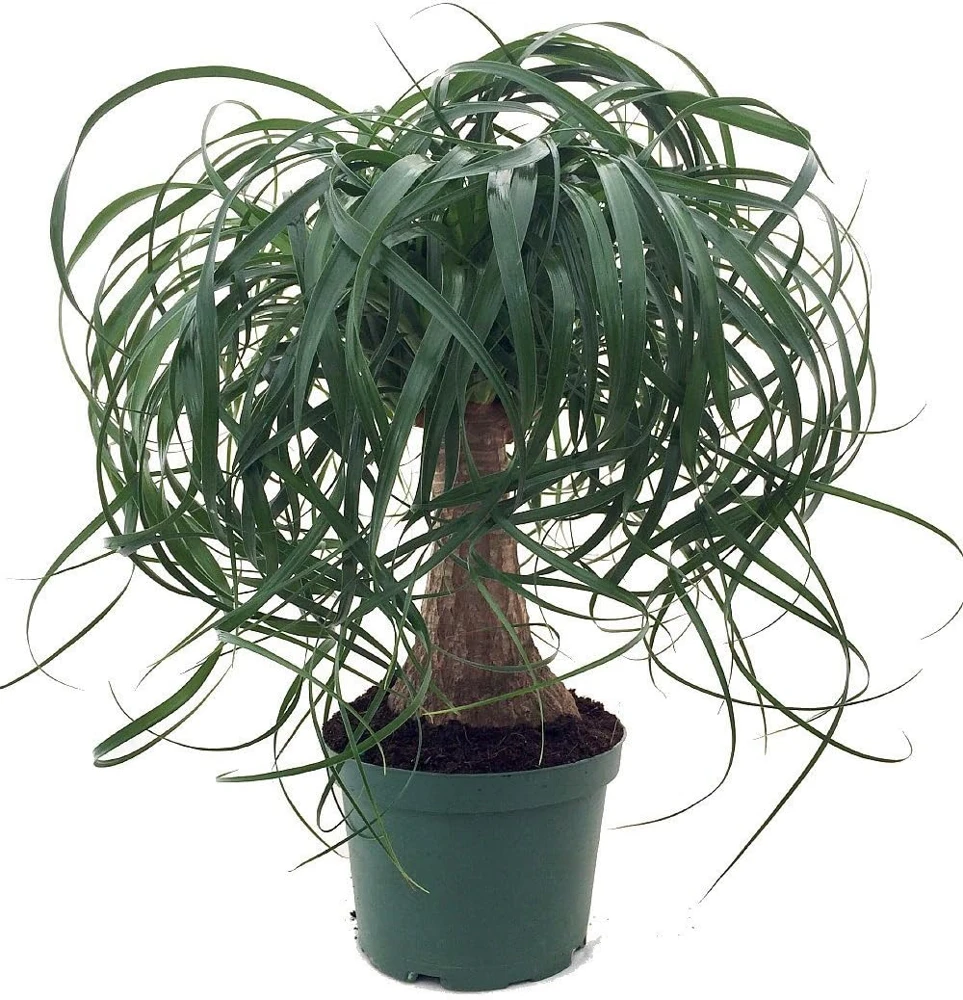
Guatemalan Red Ponytail Palm Live Plant – Beaucarnea guatemalensis – 6″ Pot – Indoor/Outdoor








Reviews
There are no reviews yet.