







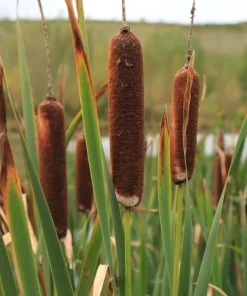
50 Cattail Seeds – Typha Latifolia – Pond & Wetland Grass Seeds
Original price was: $36.99.$16.99Current price is: $16.99.
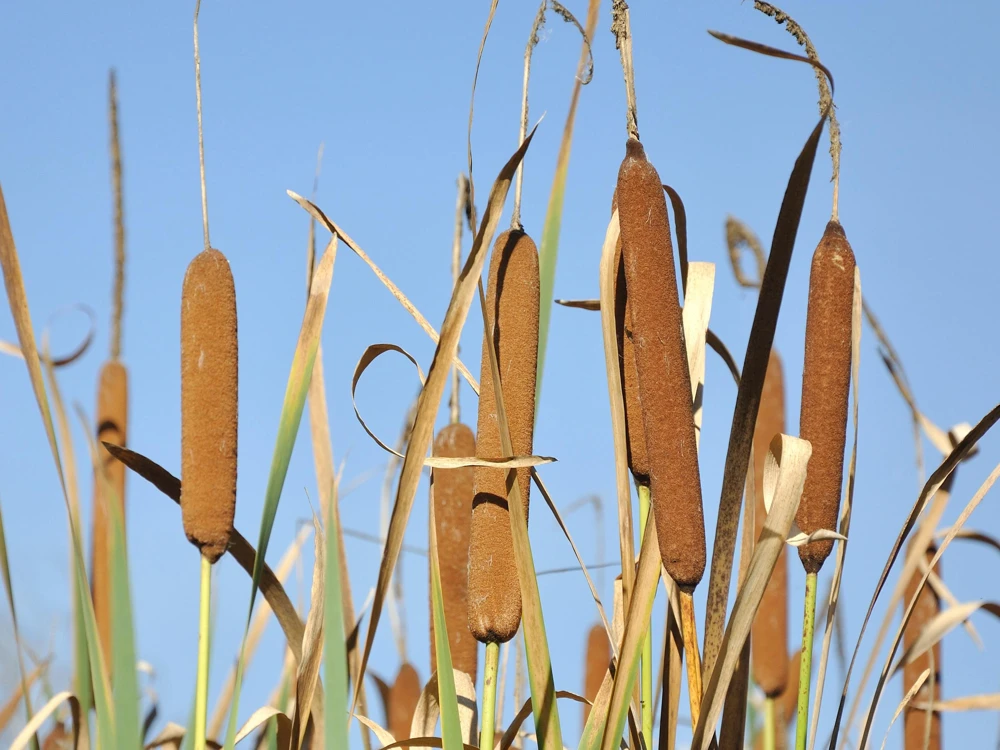
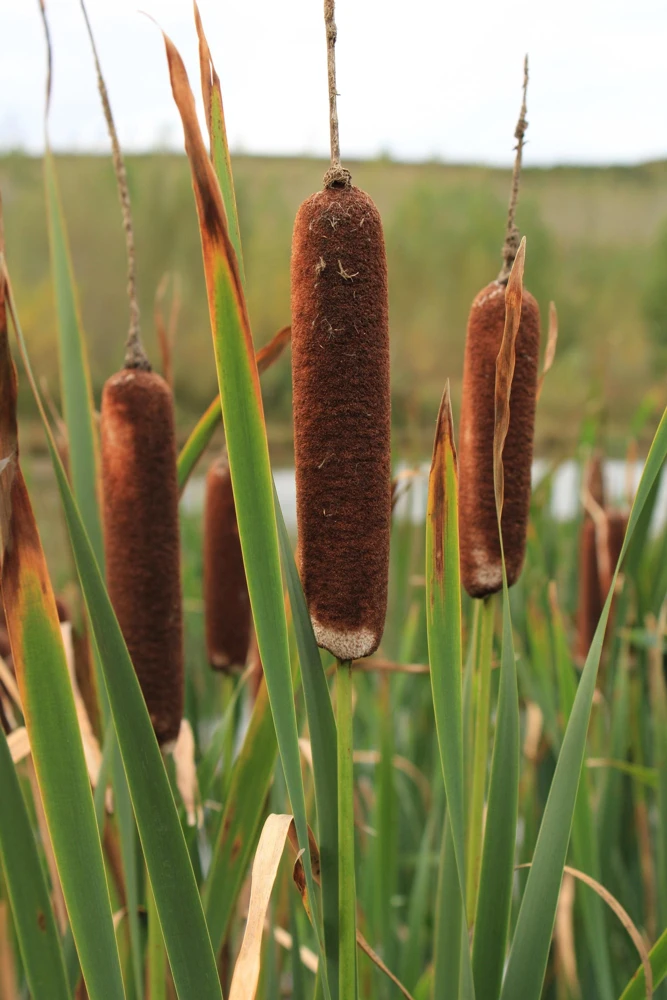
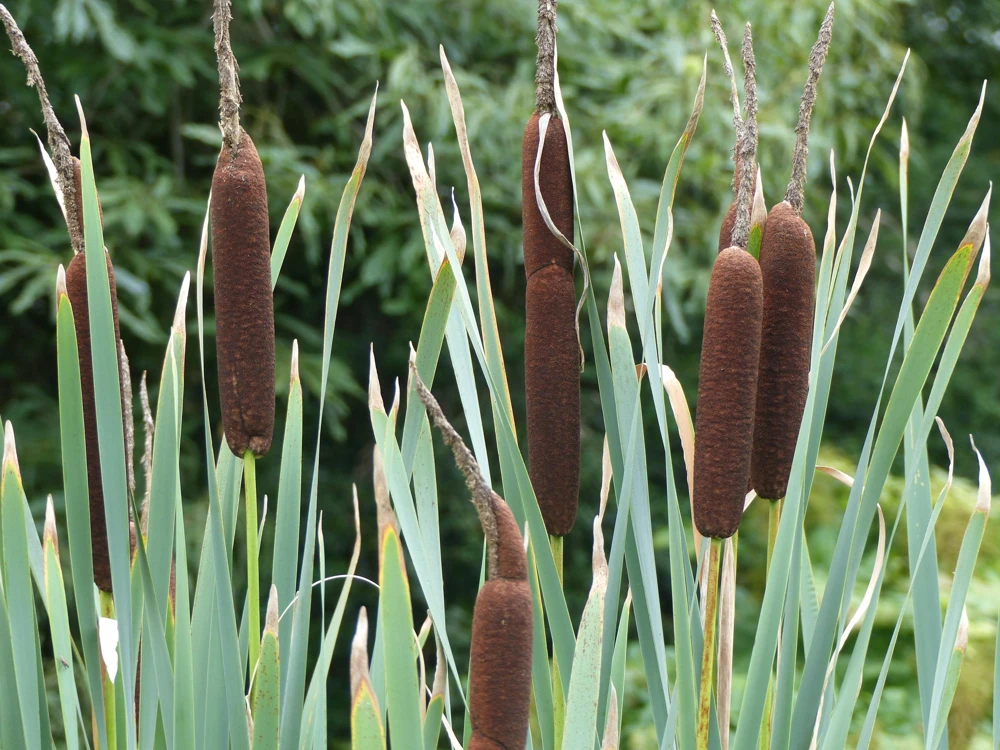
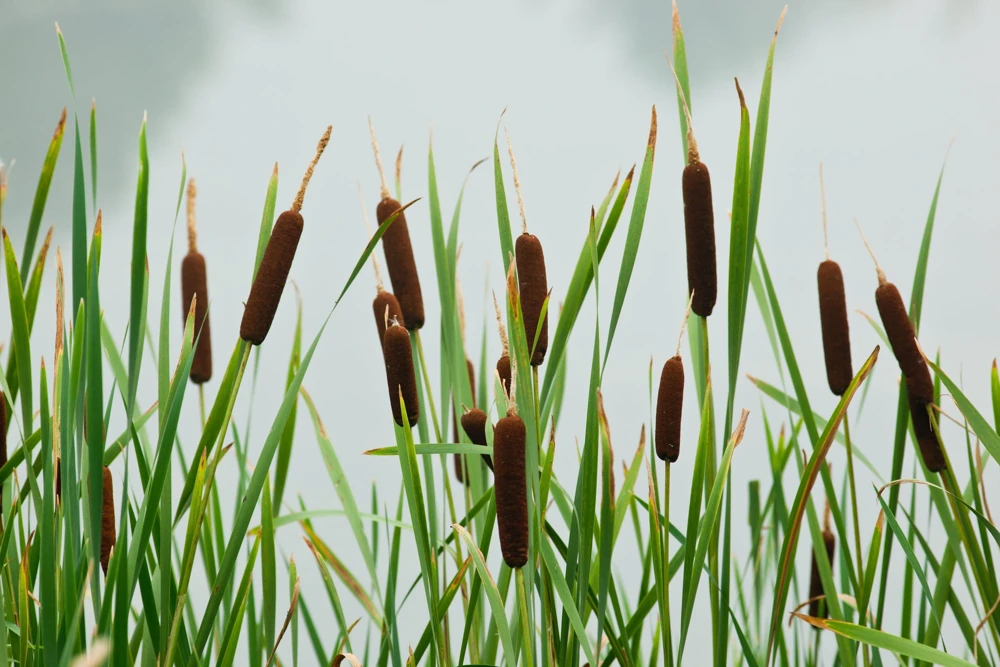
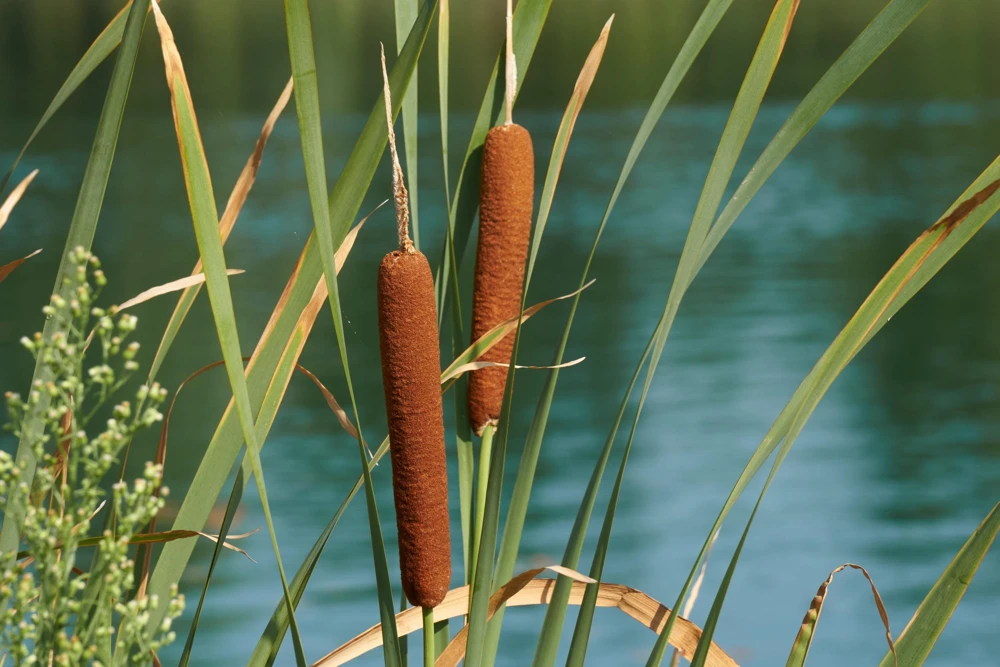
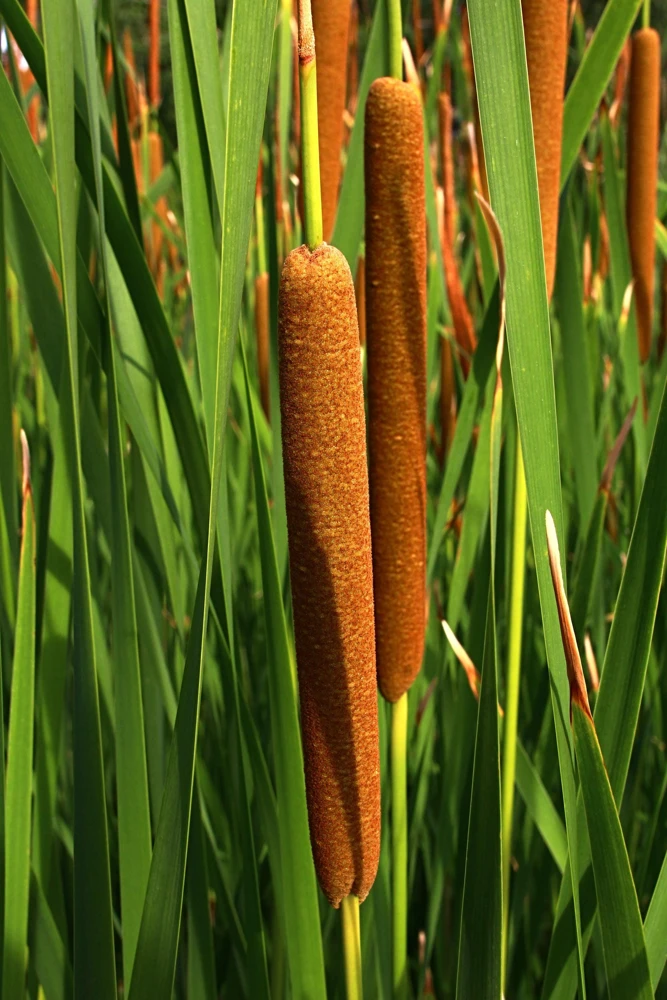
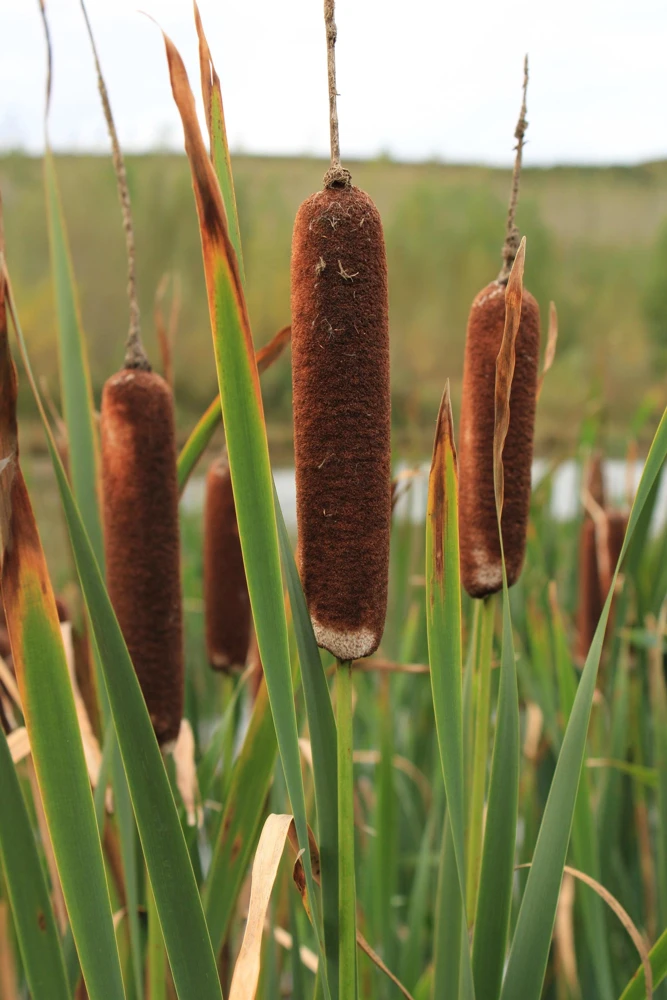
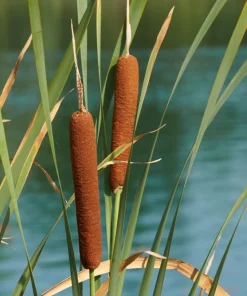
Cultivate stunning cattail seeds (Typha Latifolia) perfect for enhancing ponds, wetlands, or any high-moisture garden area. These Typha Latifolia seeds offer an excellent way to introduce natural beauty and provide habitat for local wildlife. Enjoy the distinctive brown/bronze blooms and robust growth of this versatile plant.
Estimated arrival
Sep 14
Sep 19 - Sep 21
Sep 24 - Sep 28
Shop With Confidence
30-Day Plant Health Guarantee
Arrives damaged? We’ll replace it free — see our return policy.
Responsive Support
Email us anytime, we reply within 1 business day.
Expert Packaging
Temperature-controlled shipping to protect your plants in transit.
Secure Checkout
Pay safely with Visa, Mastercard, PayPal.
Plant Specifications
-
USDA Hardiness Zone
3 - 11 -
Soil Type
High moisture / Pond / Bog -
Sunlight Exposure
Shade - Part Sun -
Expected Planting Period
Outdoors after frost / Indoors weeks before last frost
Overview
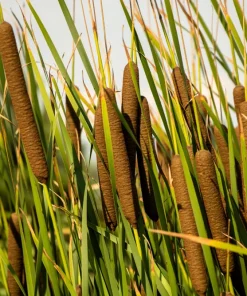
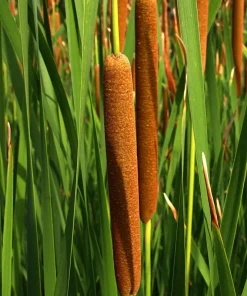
Discover the beauty and ecological benefits of planting cattail seeds. This packet contains 50 high-quality seeds of Typha Latifolia, commonly known as Broadleaf Cattail, Bulrush, or Cat Tails. These versatile plants are an excellent choice for adding natural elegance to ponds, bogs, and other wet garden areas. Known for their distinctive brown, cigar-shaped flower heads, cattails provide visual interest and serve as a vital resource for local wildlife, offering shelter and food for various birds. Unlike some other varieties, this Typha Latifolia type is noted for its less aggressive spreading, making it a manageable and wonderful native addition to your landscape. Growing cattail seeds allows you to cultivate a resilient and beneficial aquatic plant that thrives in moist environments.
Beyond their aesthetic appeal, cattails are also recognized for their edible qualities. Young shoots can be prepared like asparagus, pollen can be used as a flour substitute, and starch from the roots can also be processed into flour. They are also highly valued for decorative purposes, making beautiful cut or dried flowers that can transform even a simple ditch into a captivating feature. Whether you’re looking to create a natural pond edge, establish a wetland habitat, or simply enjoy the unique form of these plants, these Typha Latifolia seeds are an ideal starting point.
Key Benefits
Planting cattail seeds offers a multitude of advantages for both your garden and the environment. These robust aquatic plants are easy to establish and provide long-lasting appeal.
- Enhances Aquatic Environments: Cattails are perfect for naturalizing pond edges, bogs, and marshy areas, adding a rustic and wild aesthetic to your water features. Their upright growth habit creates a beautiful backdrop.
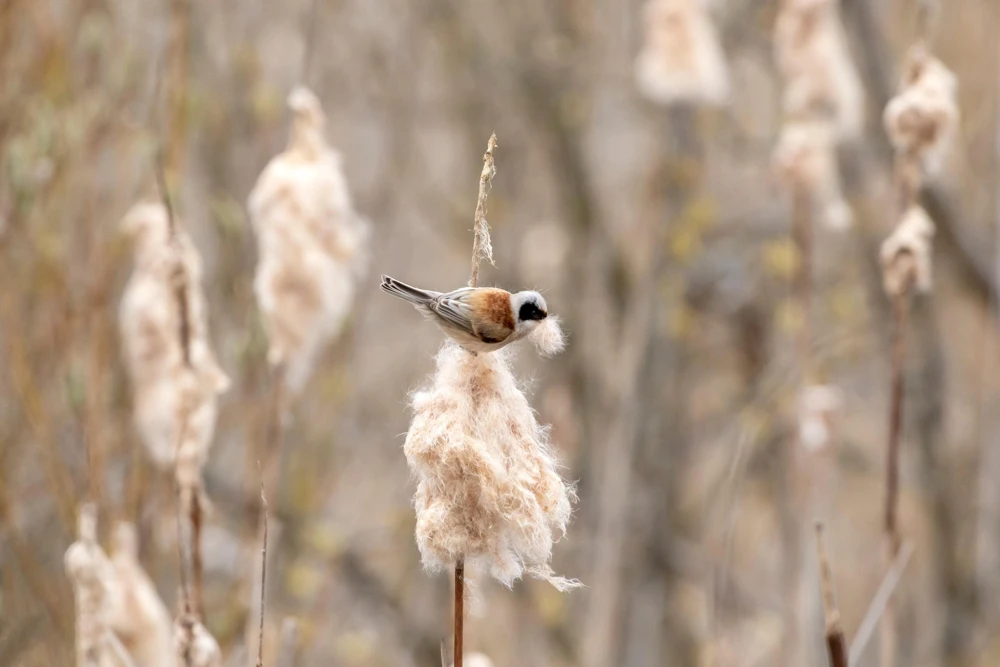
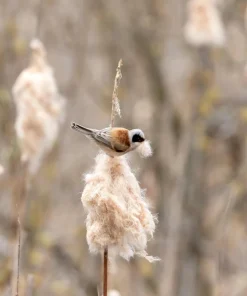
- Supports Wildlife: The dense foliage and seed heads of cattails provide essential shelter and food sources for a variety of birds, including songbirds, and other small aquatic creatures. They contribute significantly to local biodiversity.
- Natural Water Filtration: As wetland plants, cattails play a role in natural water purification, helping to absorb excess nutrients and improve water quality in their immediate surroundings.
- Edible Components: Many parts of the Typha Latifolia plant are edible at various stages. Young shoots can be cooked and eaten, pollen can be used as a flour, and the roots yield starch, offering a survival food source.
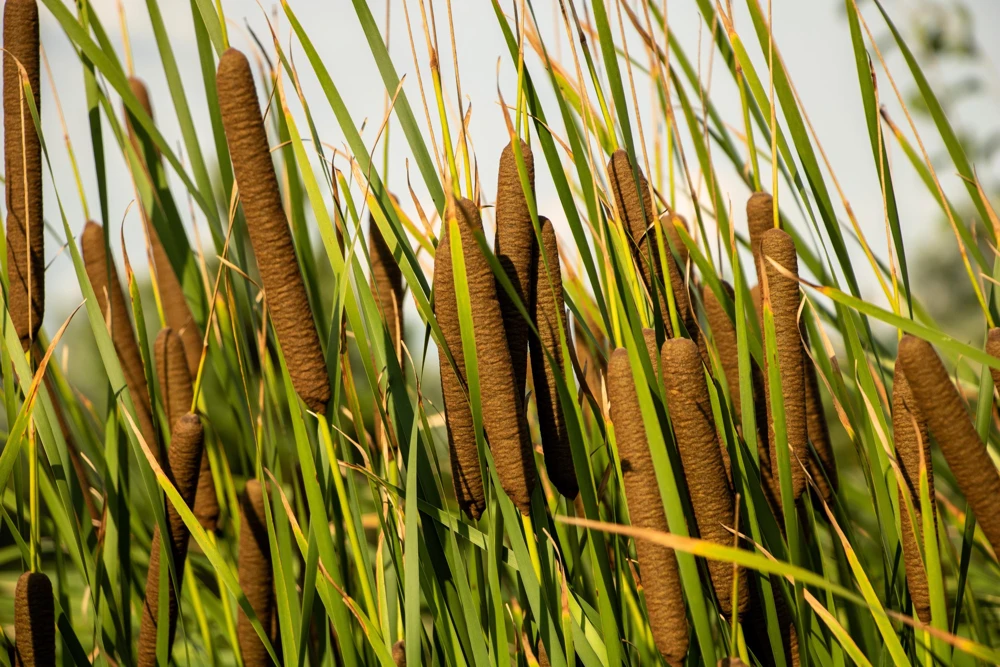
- Decorative Versatility: The unique brown/bronze seed heads are highly prized for floral arrangements, both fresh and dried. They add a striking natural element to home decor and craft projects.
- Non-Invasive Variety: This particular variety of cattail is known for its slower spreading habit compared to other types, ensuring it remains a manageable and welcome addition to your garden without becoming overly invasive.
- Low Maintenance: Once established, these cattail seeds grow into resilient plants that require minimal care, thriving naturally in their preferred wet conditions.
Plant Care & Growing Tips
Growing cattail seeds is a rewarding experience, especially with the right care and conditions. These plants are remarkably resilient and thrive in specific environments. For successful germination and growth, it’s best to plant the seeds outdoors after the last frost, or indoors several weeks before. Ensure the soil remains consistently wet, as cattails are bog and pond plants. They prefer high moisture levels and can even grow with their roots submerged in shallow water.
Cattails are adaptable to various light conditions, performing well in anything from partial sun to full shade. While they can tolerate some shade, more sunlight generally leads to more vigorous growth and abundant seed heads. The ideal hardiness zones for Typha Latifolia are 3 through 11, making them suitable for a wide range of climates across the US. Plant them with a spacing of 9 to 12 inches to allow for adequate growth and spread. While this variety is less invasive, proper spacing ensures healthy development. Fertilization is generally not required in natural pond or bog settings, as the plants draw sufficient nutrients from the water and soil. Keep an eye on water levels, especially during dry spells, to prevent the soil from drying out completely. With minimal intervention, your Typha Latifolia seeds will flourish into impressive aquatic plants.
Size & Details
This packet contains 50 cattail seeds of the Typha Latifolia variety, ready for planting. Once established, these impressive plants can reach a height of 48 to 84 inches (4 to 7 feet), creating a significant vertical element in your garden. They typically spread 9 to 12 inches per plant, forming natural clumps over time. Cattails are known for their rapid growth in ideal conditions, with blooms appearing during the summer months. The distinctive brown/bronze seed heads develop after flowering, adding ornamental value throughout the fall and winter.
These cattail seeds are shipped in a protective packet, ensuring their viability upon arrival. While exact germination times can vary, you can expect to see seedlings emerge within a few weeks under optimal conditions. The mature plants will provide a stunning visual impact and ecological benefits for many years. Whether you’re looking to establish a new pond garden or enhance an existing wetland area, these seeds offer a cost-effective and natural solution. You’ll be able to enjoy the full growth and beauty of these plants as they mature.
Frequently Asked Questions
- Q: How many cattail seeds are included in this packet? A: This packet contains 50 cattail seeds, providing ample opportunity to establish a beautiful patch of these aquatic plants in your garden or pond area.
- Q: What are the ideal growing conditions for these cattail seeds? A: These Typha Latifolia seeds thrive in wet conditions, such as ponds, bogs, or consistently moist soil. They can tolerate light levels from full shade to partial sun and are hardy in USDA Zones 3-11.
- Q: How tall do these cattails grow? A: Once mature, these cattails typically reach a height of 48 to 84 inches (4 to 7 feet), making them a prominent feature in any landscape.
- Q: Are these cattails considered invasive? A: This specific variety of Typha Latifolia is known for being less aggressive in its spreading compared to other cattail types, making it a more manageable choice for garden settings.
- Q: Can I use cattails for decorative purposes? A: Absolutely! The distinctive brown/bronze seed heads are highly sought after for both fresh and dried floral arrangements, adding a unique natural touch to home decor.
- Q: When is the best time to plant cattail seeds? A: You can plant these cattail seeds outdoors after the last frost, or start them indoors several weeks before the last expected frost date for an earlier start.
- Q: Are there any edible parts of the cattail plant? A: Yes, many parts of the cattail are edible. Young shoots can be cooked like asparagus, the pollen can be used as a flour, and starch can be extracted from the roots for culinary use.
- Q: What kind of soil do cattails prefer? A: Cattails prefer high moisture soil or boggy conditions. They can even grow with their roots submerged in shallow water, making them ideal for pond edges.
- Q: Do these cattails provide benefits for wildlife? A: Yes, cattails are excellent for wildlife. Their dense growth provides shelter, and their seed heads offer a food source for various birds, including songbirds.
- Q: Is this a native plant to the US? A: Yes, Typha Latifolia, or Broadleaf Cattail, is a wonderful native plant across much of North America, contributing to local ecosystems.
Be the first to review “50 Cattail Seeds – Typha Latifolia – Pond & Wetland Grass Seeds”
People Also Viewed



Reviews
There are no reviews yet.