


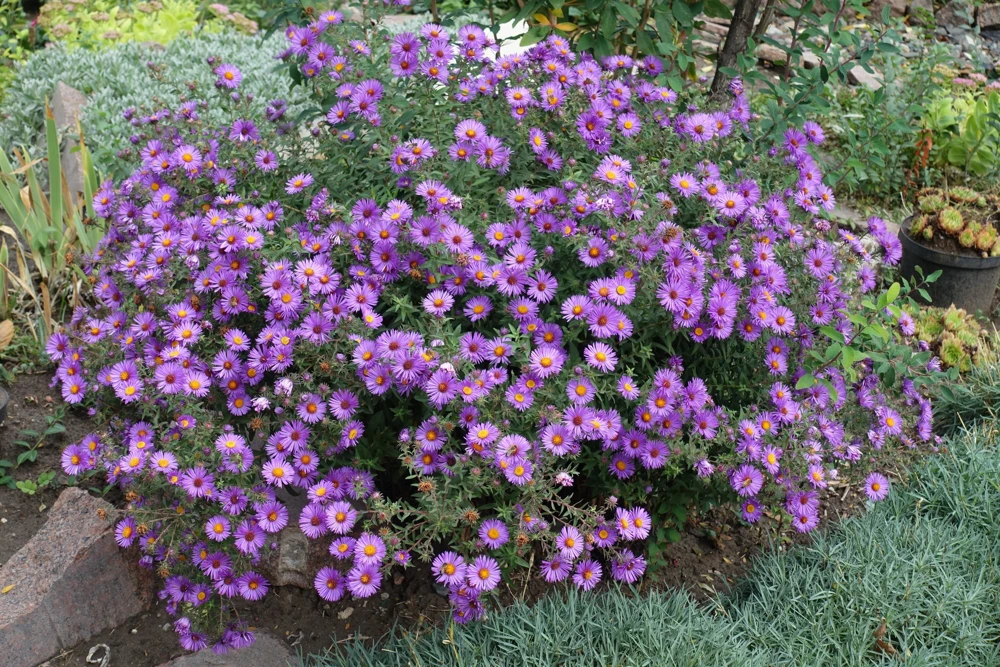
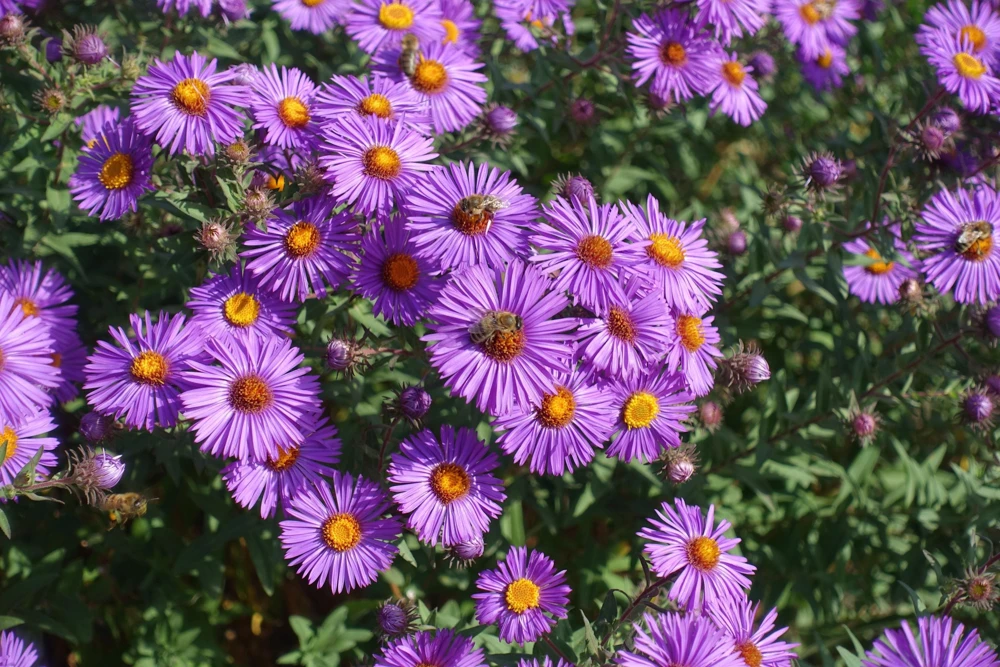
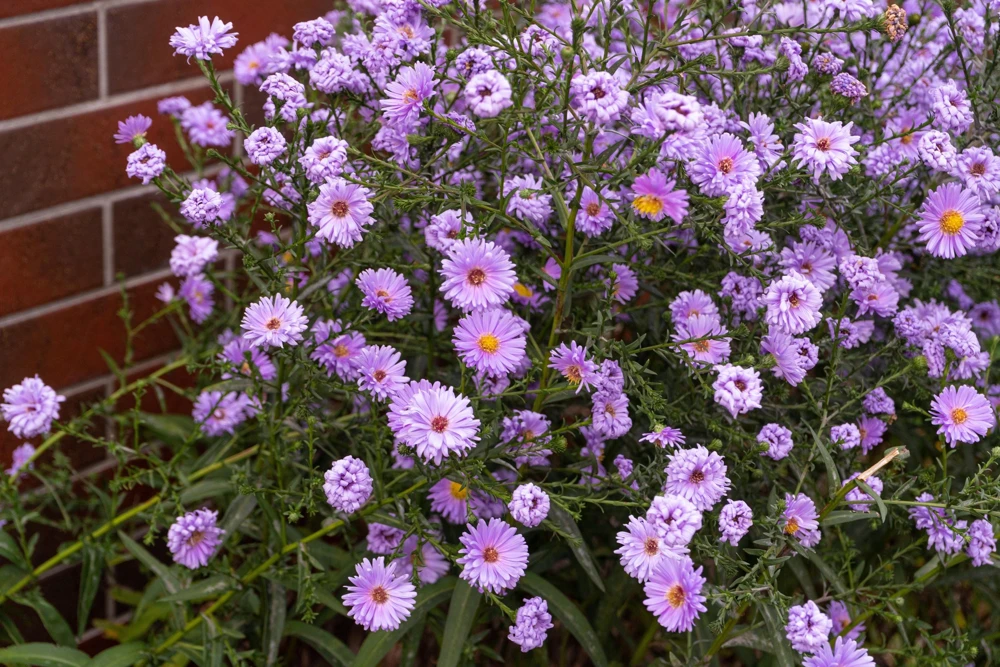
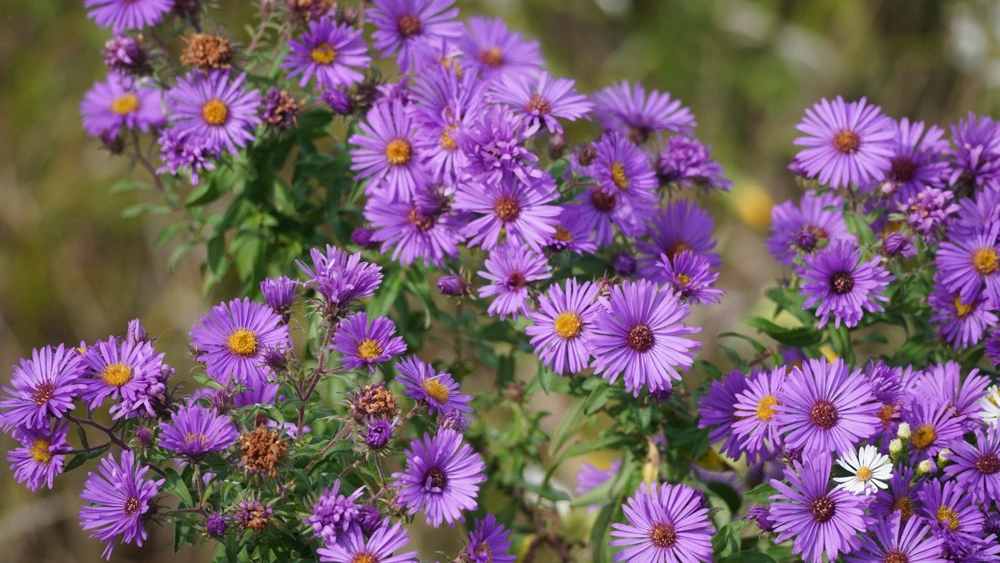
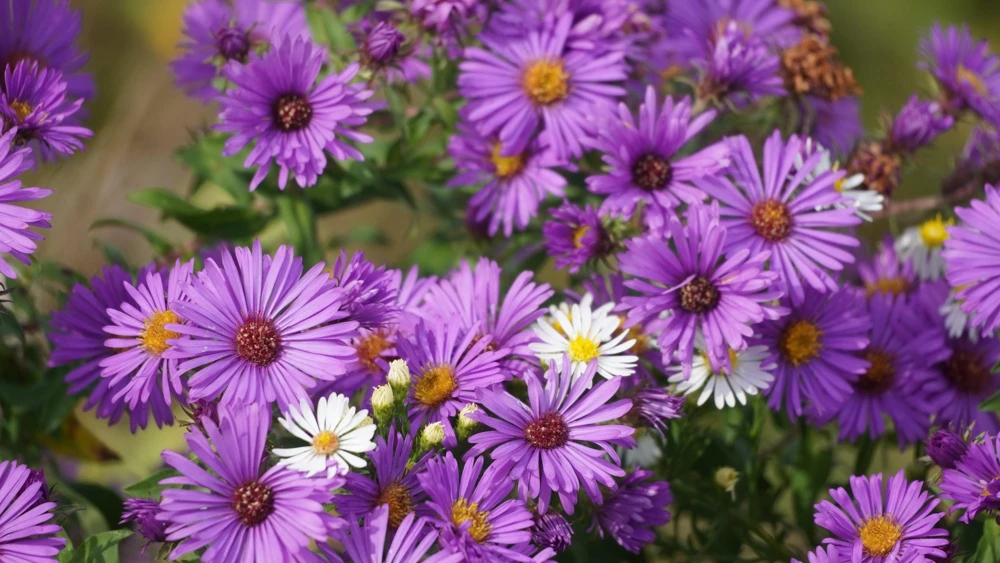

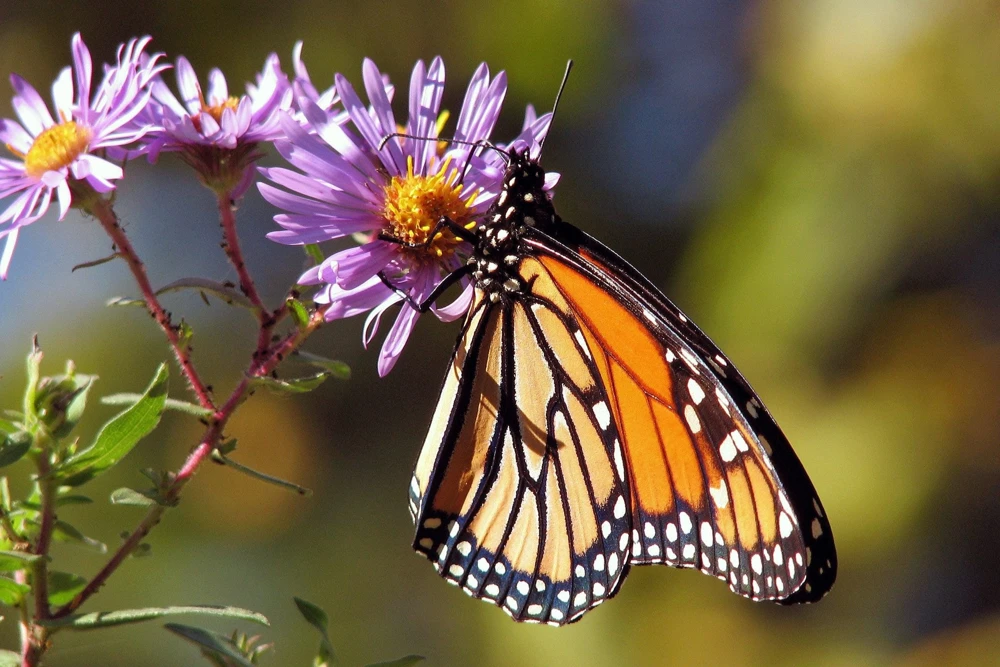
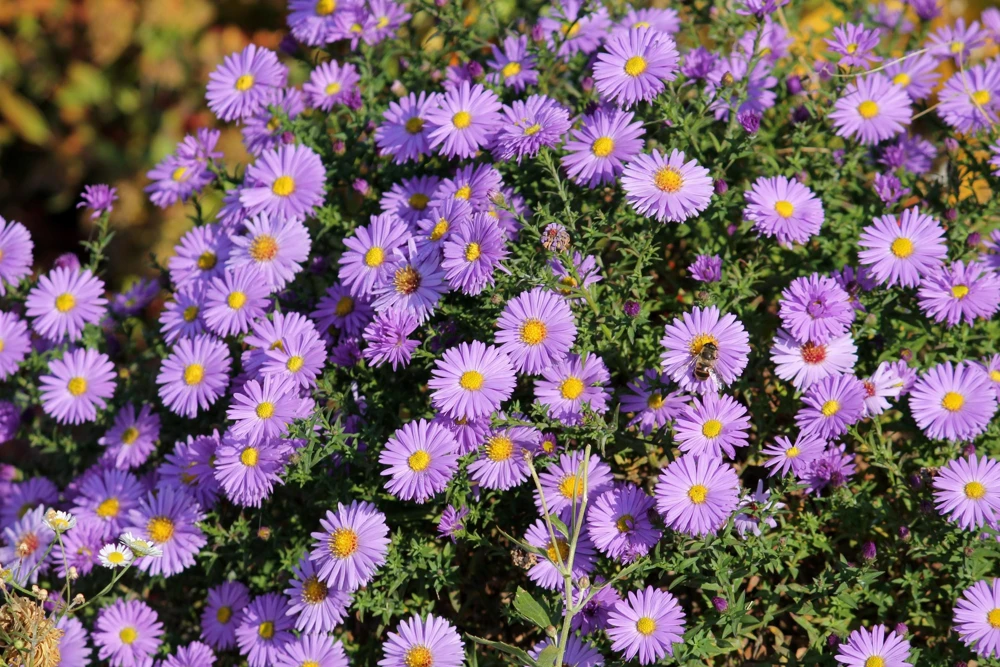
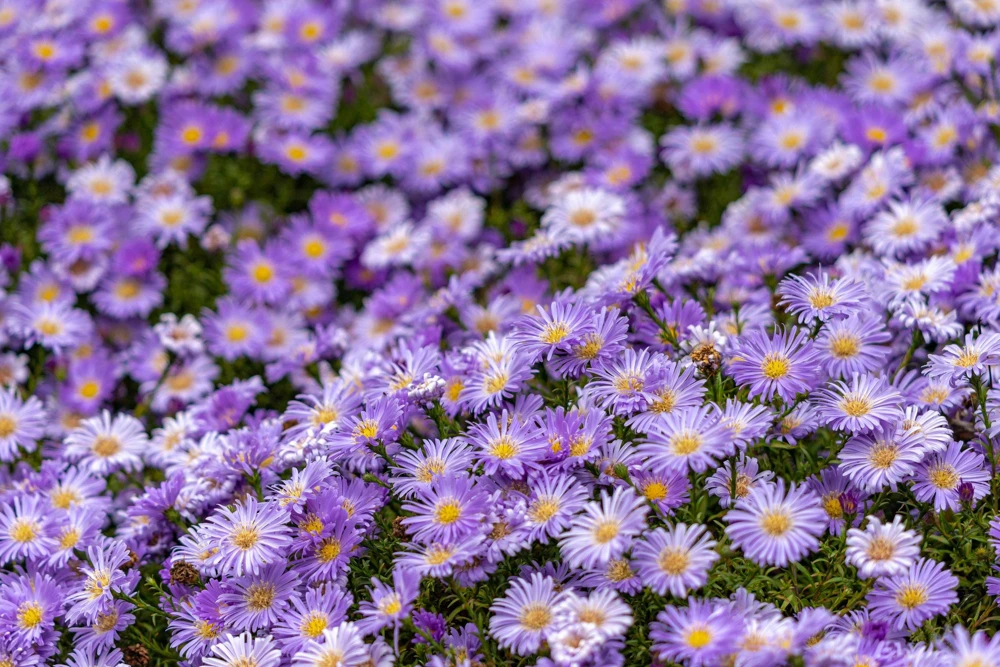

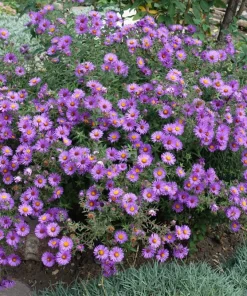
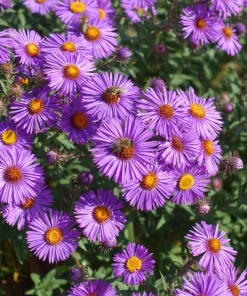
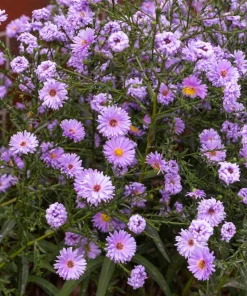
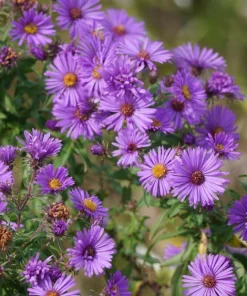



Purple New England Aster Flower Seeds – 100 Michaelmas Daisy Seeds – Fall Blooms
Original price was: $36.99.$16.99Current price is: $16.99.
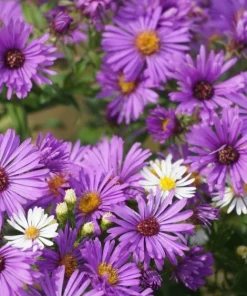
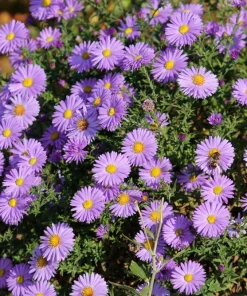
Cultivate stunning purple new england aster seeds, also known as Michaelmas Daisy seeds, from this 100-seed pack. Enjoy vibrant fall blooms that attract butterflies and bees, perfect for zones 3-9 in sun to part shade.
Estimated arrival
Sep 14
Sep 19 - Sep 21
Sep 24 - Sep 28
Shop With Confidence
30-Day Plant Health Guarantee
Arrives damaged? We’ll replace it free — see our return policy.
Responsive Support
Email us anytime, we reply within 1 business day.
Expert Packaging
Temperature-controlled shipping to protect your plants in transit.
Secure Checkout
Pay safely with Visa, Mastercard, PayPal.
Plant Specifications
-
USDA Hardiness Zone
3 - 9 -
Soil Type
Average, well-draining soil -
Sunlight Exposure
Full Sun - Part Shade -
Expected Planting Period
Outdoors after frost / Indoors weeks before last frost
Overview
Transform your garden into a haven for pollinators with these high-quality purple new england aster seeds. Each packet contains 100 seeds of the beautiful Aster Novae var Angliae, commonly known as the Michaelmas Daisy seeds. These stunning perennials are celebrated for their abundant, showy purple flowers with bright yellow centers, bringing a spectacular splash of color to your landscape when most other plants are fading. Perfect for adding late-season interest, these asters are a vital food source for birds, bees, and butterflies, including the majestic Monarchs, making them an excellent choice for a vibrant and ecologically friendly garden. Growing aster novae var angliae seeds is a rewarding experience, providing both aesthetic beauty and ecological benefits.
Whether you’re an experienced gardener or just starting, these purple new england aster seeds offer an easy way to establish a resilient and beautiful plant that thrives across a wide range of climates. From late summer into fall, your garden will be alive with the activity of pollinators drawn to these captivating blooms. The robust nature of the New England Aster ensures a reliable display year after year, establishing itself as a cherished component of your perennial beds, borders, or naturalized areas.
Key Benefits
Adding purple new england aster seeds to your garden offers a multitude of advantages, enhancing both its beauty and its ecological value. These benefits make them a fantastic choice for any gardener:
- Spectacular Fall Blooms: Enjoy a vibrant display of rich purple flowers with sunny yellow centers from late summer through autumn, extending your garden’s visual appeal long after other plants have finished blooming. These fall blooming aster varieties are truly a showstopper.
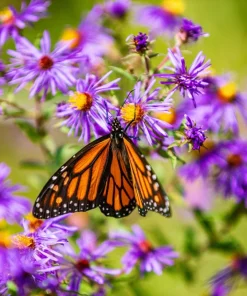
- Attracts Pollinators: The abundant nectar and pollen of these asters are irresistible to a wide array of beneficial insects. They are a known magnet for bees, butterflies (including Monarchs), and various bird species, supporting local ecosystems and biodiversity.
- Hardy and Resilient: These Michaelmas Daisy seeds mature into robust plants that are incredibly tough, tolerating a broad range of conditions and thriving in USDA Hardiness Zones 3-9. Once established, they require minimal care.
- Low Maintenance: Once established, New England Asters are relatively self-sufficient. They are generally disease-resistant and can handle average soil and water conditions, making them an ideal choice for busy gardeners.
- Versatile Garden Use: Perfect for perennial borders, cottage gardens, naturalized areas, or as a striking background plant. Their height allows them to create impressive vertical interest in your garden design.
- Supports Wildlife: By providing a crucial late-season food source, these purple new england aster seeds contribute significantly to the health and survival of pollinator populations as they prepare for winter.
- Easy to Grow from Seed: With 100 seeds included, you can easily start a large patch of these beautiful flowers, ensuring a bountiful harvest of blooms. Growing aster novae var angliae seeds is a straightforward process.
Plant Care & Growing Tips
Growing purple new england aster seeds successfully is straightforward, and with proper care, you’ll be rewarded with a spectacular autumn display. These plants prefer a location with full sun to part shade, meaning they need at least 6 hours of direct sunlight per day for optimal flowering. While they can tolerate some shade, too much will result in fewer blooms and lankier growth. When planting your Michaelmas Daisy seeds, ensure the soil is well-draining but can retain some moisture. Average garden soil is usually sufficient, but amending heavy clay soils with compost will improve drainage and fertility.
For best results, sow purple new england aster seeds outdoors after the last frost in spring, or indoors several weeks before the last frost to get a head start. Lightly cover the seeds with soil, as some aster varieties benefit from light to germinate. Keep the soil consistently moist until germination occurs, which can take 10-20 days. Once seedlings are established, thin them to a spacing of 18-24 inches apart to allow for proper air circulation and growth. These asters thrive in USDA Hardiness Zones 3-9, indicating their excellent cold tolerance. During dry spells, provide supplemental watering, especially when the plants are young. Fertilization is generally not heavily required; a balanced, all-purpose fertilizer applied in spring can encourage vigorous growth, but avoid over-fertilizing as it can lead to leggy plants. Deadheading spent blooms can encourage more flowers, though many gardeners leave them for seed production for birds.
Regular monitoring for common garden pests is always a good practice, though New England Asters are generally robust. Ensuring good air circulation by proper spacing helps prevent fungal issues. With these simple tips, your fall blooming aster plants will flourish, providing beauty and life to your garden for years to come. Remember, the key to vibrant purple new england aster seeds is consistent moisture during establishment and plenty of sunlight.
Size & Details
This offering includes 100 purple new england aster seeds, allowing you to cultivate a substantial patch of these vibrant fall-blooming perennials. Once mature, these impressive plants typically reach a height of 36 to 60 inches, creating a striking presence in the garden. They should be spaced approximately 18 to 24 inches apart to ensure adequate air circulation and room for growth, which helps in preventing disease and promoting robust flowering. The bloom time for these asters is primarily in the fall, providing essential late-season color and nectar for pollinators.
These Michaelmas Daisy seeds are suitable for a wide range of climates, thriving in USDA Hardiness Zones 3 through 9. They prefer conditions ranging from full sun to part shade and are adaptable to average soil and water preferences, making them a relatively low-maintenance addition to most gardens. Each seed pack provides the potential for numerous plants, ensuring a generous display of their beautiful purple flowers with yellow centers. Expect vigorous growth and a truly spectacular floral show once these plants are established.
Frequently Asked Questions
- Q: How big do these purple new england aster plants get? A: These plants typically grow to a height of 36 to 60 inches (3 to 5 feet) with a spread of 18 to 24 inches. Their impressive size makes them excellent for background plantings or creating a tall, colorful border.
- Q: When is the best time to plant these purple new england aster seeds? A: You can sow the purple new england aster seeds outdoors after the last frost in spring, or start them indoors 6-8 weeks before the last frost for earlier blooms. This gives the seedlings a head start before transplanting.
- Q: Are these Michaelmas Daisy seeds easy to care for? A: Yes, once established, these asters are considered low-maintenance. They are hardy, drought-tolerant, and generally disease-resistant, making them suitable for both beginner and experienced gardeners looking for a beautiful fall blooming aster.
- Q: What kind of sunlight do these asters need? A: Purple New England Asters thrive in full sun, meaning at least 6 hours of direct sunlight daily. They can tolerate part shade, but may produce fewer flowers and become leggier in shadier conditions.
- Q: Will these aster novae var angliae seeds attract butterflies? A: Absolutely! These flowers are well-known for attracting a wide variety of pollinators, including bees, various butterflies, and especially Monarch butterflies, making them a great choice for a pollinator garden.
- Q: What USDA Hardiness Zones are suitable for these seeds? A: These purple new england aster seeds are very cold-hardy and are suitable for growing in USDA Hardiness Zones 3 through 9, covering a broad range of climates across the United States.
- Q: How long does it take for these seeds to bloom? A: When grown from seed, New England Asters typically bloom in their second year. However, if started early indoors, some plants may produce a few blooms in their first fall.
Be the first to review “Purple New England Aster Flower Seeds – 100 Michaelmas Daisy Seeds – Fall Blooms”
People Also Viewed

Shrubs
2 Burning Bush Live Plant (Euonymus alatus) – Hardy Red Shrub, 6-12 Inch Tall, 4″ Pot, Outdoor
Vegetable Seeds
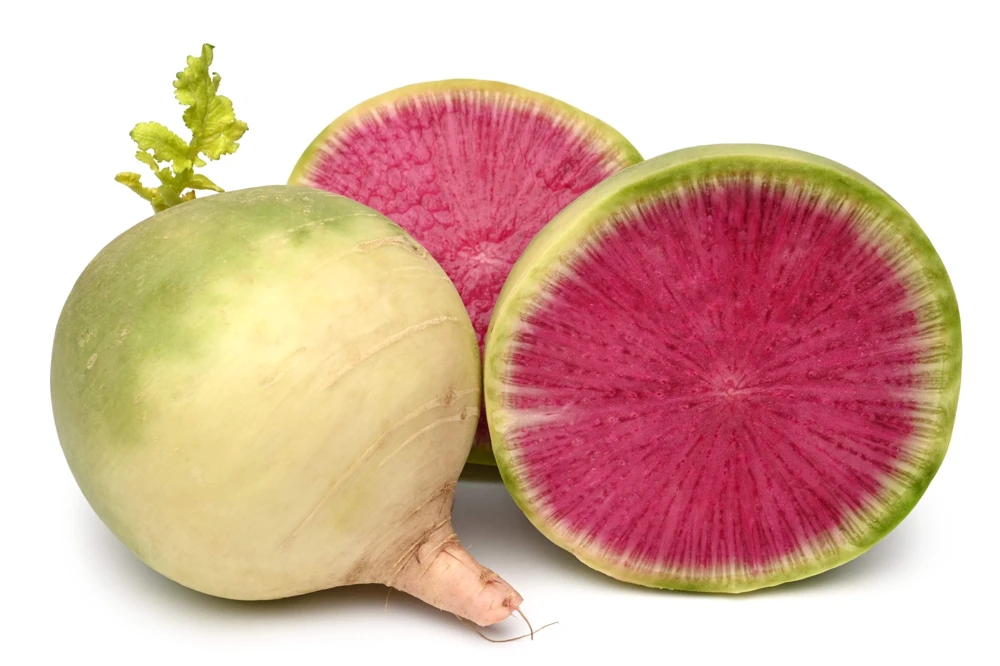
300 Watermelon Radish Seeds – Beauty Heart Pink White Vegetable
Reviews
There are no reviews yet.