
Hardy Orange Tree Seeds – Trifoliate Citrus Trifoliata Poncirus – 5 Seeds
Original price was: $36.99.$16.99Current price is: $16.99.
Cultivate your own hardy orange tree seeds with this pack of 5 Trifoliate Citrus Trifoliata seeds. Enjoy beautiful white flowers, unique edible fruit similar to lemon, and a deer-resistant ornamental shrub or small tree for zones 5-9.
Estimated arrival
Sep 14
Sep 19 - Sep 21
Sep 24 - Sep 28
Shop With Confidence
30-Day Plant Health Guarantee
Arrives damaged? We’ll replace it free — see our return policy.
Responsive Support
Email us anytime, we reply within 1 business day.
Expert Packaging
Temperature-controlled shipping to protect your plants in transit.
Secure Checkout
Pay safely with Visa, Mastercard, PayPal.
Plant Specifications
-
USDA Hardiness Zone
5 - 9 -
Soil Type
Average, well-draining soil -
Sunlight Exposure
Full sun - Part shade -
Expected Planting Period
Fall / Cold stratify / Outdoors after frost / Indoors weeks before last frost
Overview
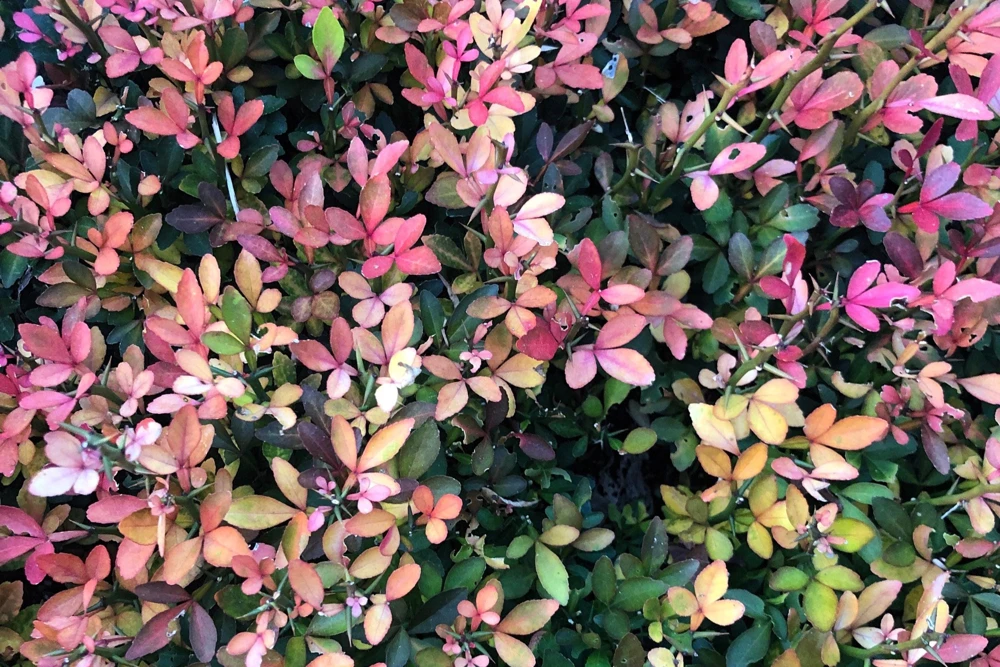
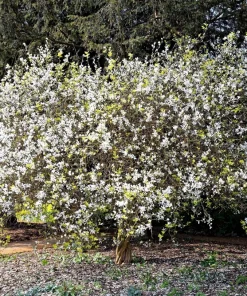
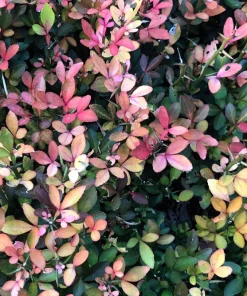
Embark on a rewarding gardening journey with these hardy orange tree seeds. The Trifoliate Citrus Trifoliata, also known as Trifoliate Orange seeds or Poncirus Trifoliata seeds, offers a unique opportunity to grow a resilient and attractive plant. Native to China and Korea, this heirloom species has been cultivated for thousands of years, cherished for its ornamental beauty, edible fruit, and traditional medicinal uses. Unlike typical citrus, this deciduous plant brings a stunning display of glossy dark green leaves, vibrant yellow fall foliage, and fragrant white flowers that attract pollinators. Growing from these seeds allows you to experience the full life cycle of this remarkable plant, from germination to fruit production.
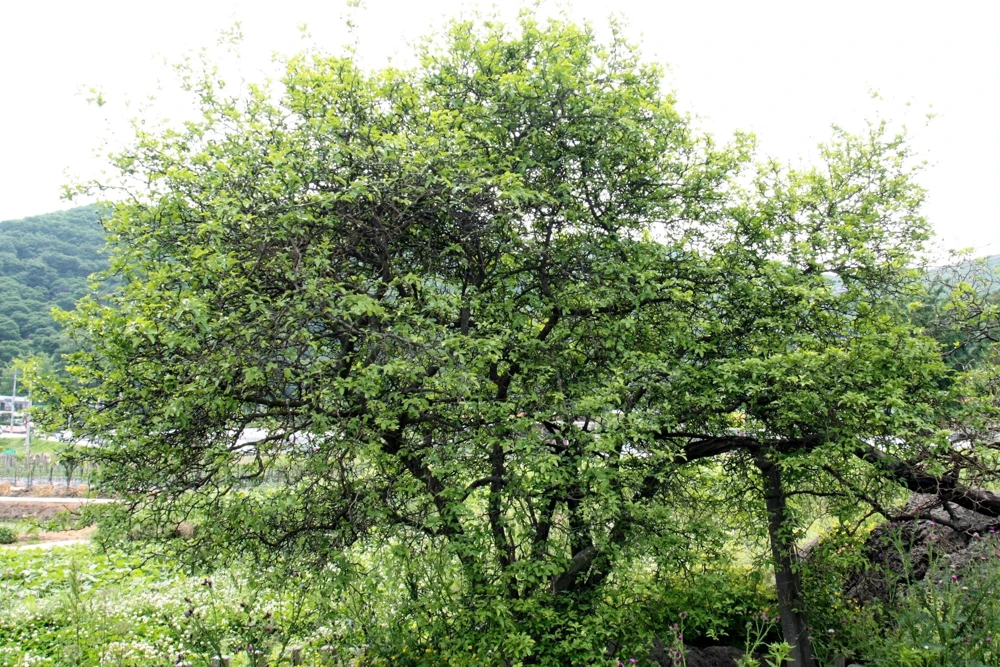
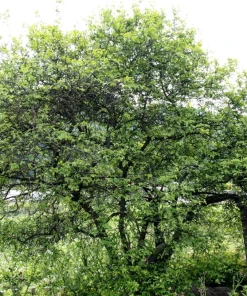
These hardy orange tree seeds will develop into a versatile shrub or small tree, capable of being pruned to your desired form. The plant’s deciduous nature provides seasonal interest, with fruit often remaining on the branches through winter. Its exceptional cold hardiness, thriving in USDA zones 5-9, distinguishes it from most other citrus varieties, making it an excellent choice for gardeners in cooler climates who wish to cultivate citrus.
Whether you’re an experienced horticulturist or a budding enthusiast, planting these trifoliate orange seeds promises a fascinating and fruitful endeavor. Discover the joy of nurturing a plant that offers both aesthetic appeal and practical benefits, including its unique, slightly bitter fruit, perfect for preserves or culinary experiments.
Key Benefits
The hardy orange tree seeds provide numerous advantages for any garden or landscape, combining beauty with resilience and utility. Cultivating this plant from seed offers a satisfying experience with many long-term rewards.
- Exceptional Cold Hardiness: Unique among citrus, this plant tolerates temperatures down to USDA Zone 5, making it suitable for regions where other citrus cannot survive. This resilience is a key feature of the Poncirus Trifoliata seeds.
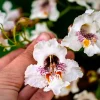
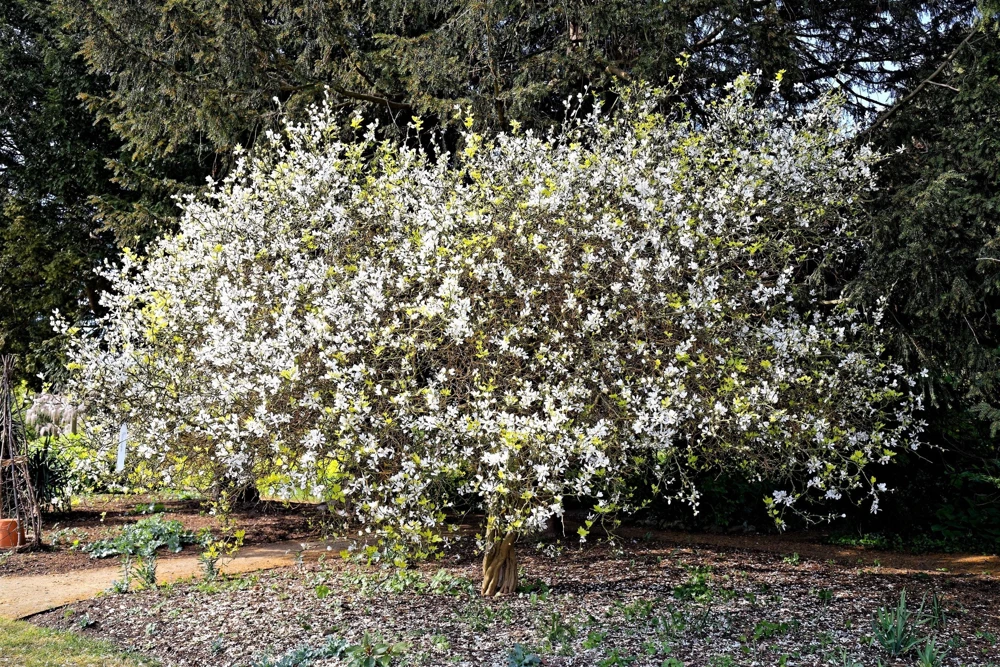
- Ornamental Appeal: Enjoy fragrant white spring flowers, glossy green leaves, vibrant yellow fall foliage, and interesting thorny branches, providing year-round visual interest.
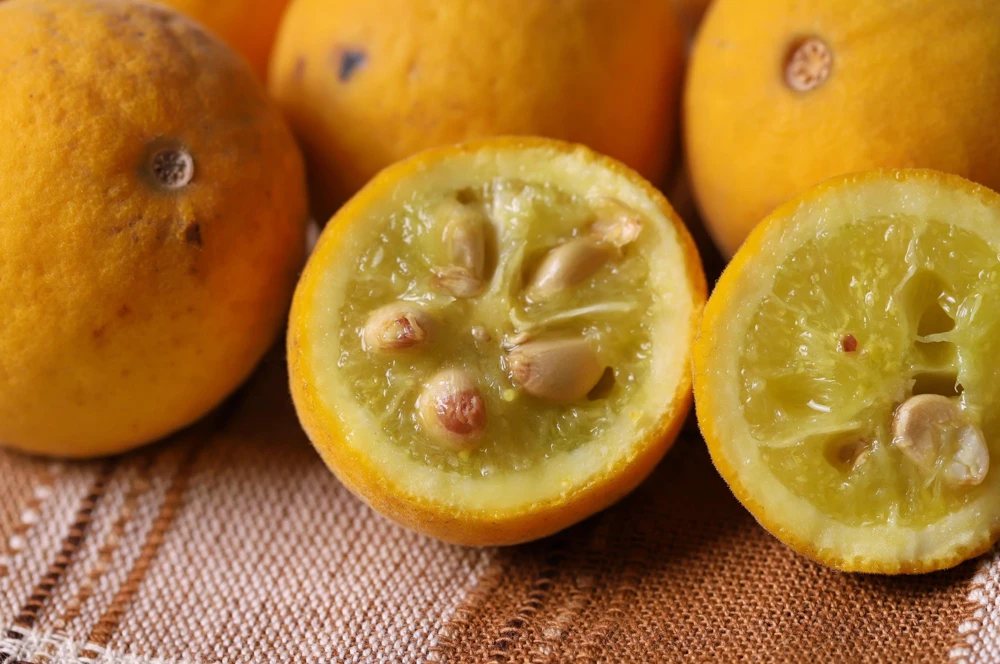
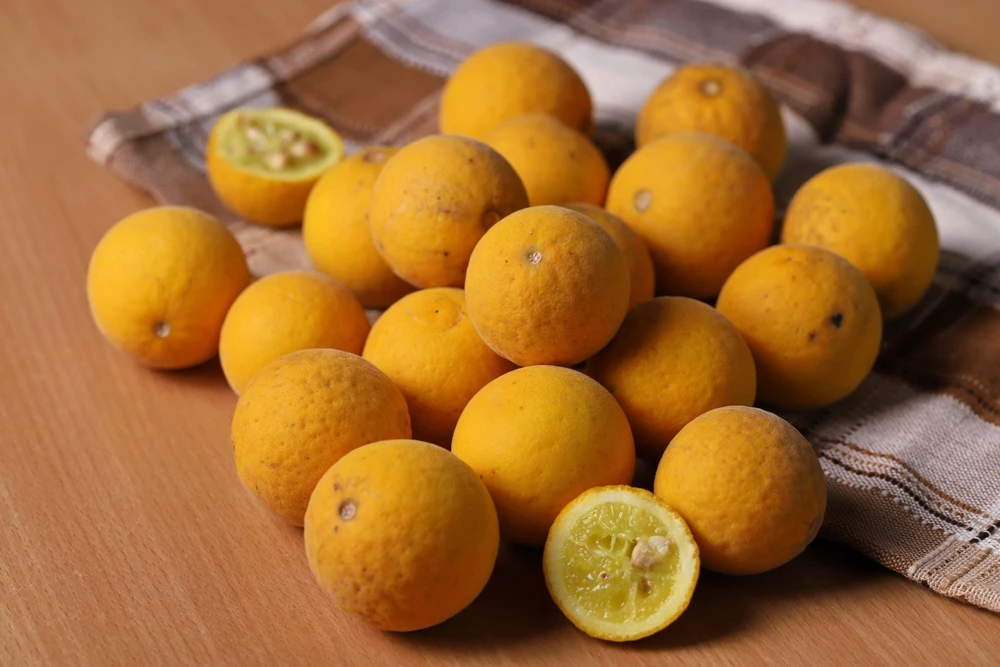
- Edible & Culinary Uses: The bitter orange fruit, similar to a lemon or grapefruit, can be used raw, juiced, or in jellies, chutneys, and desserts, offering a distinct flavor profile.
- Deer & Rabbit Resistant: The natural thorns on the branches deter pests, making it an excellent choice for a security hedge or an area prone to wildlife browsing.
- Drought & Soil Tolerant: This robust plant adapts to a wide range of soil conditions, from heavy clay to sandy, and is highly drought-tolerant once established, requiring minimal care.
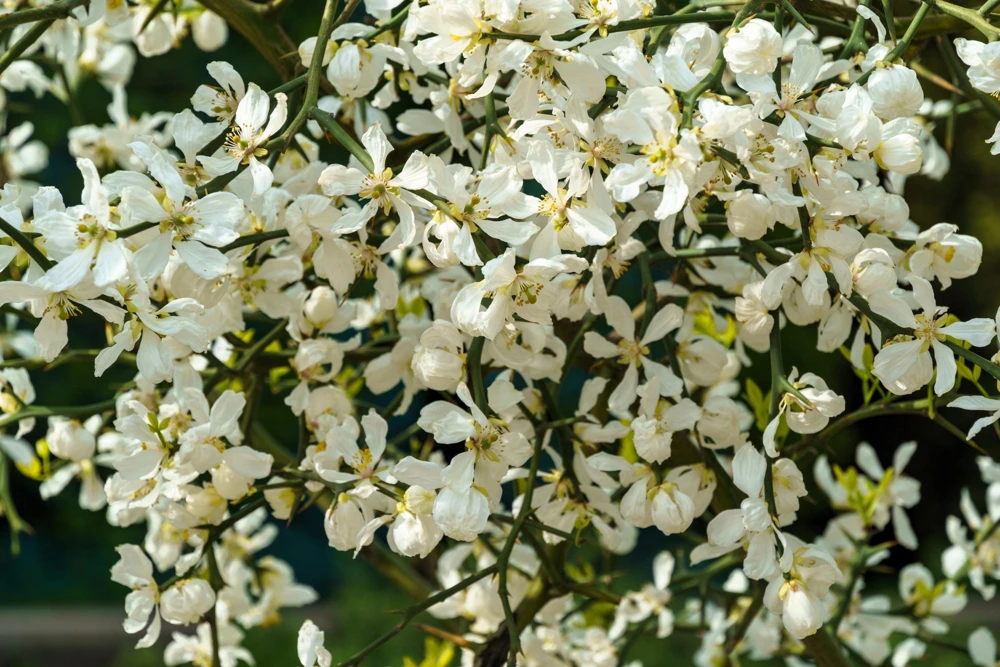
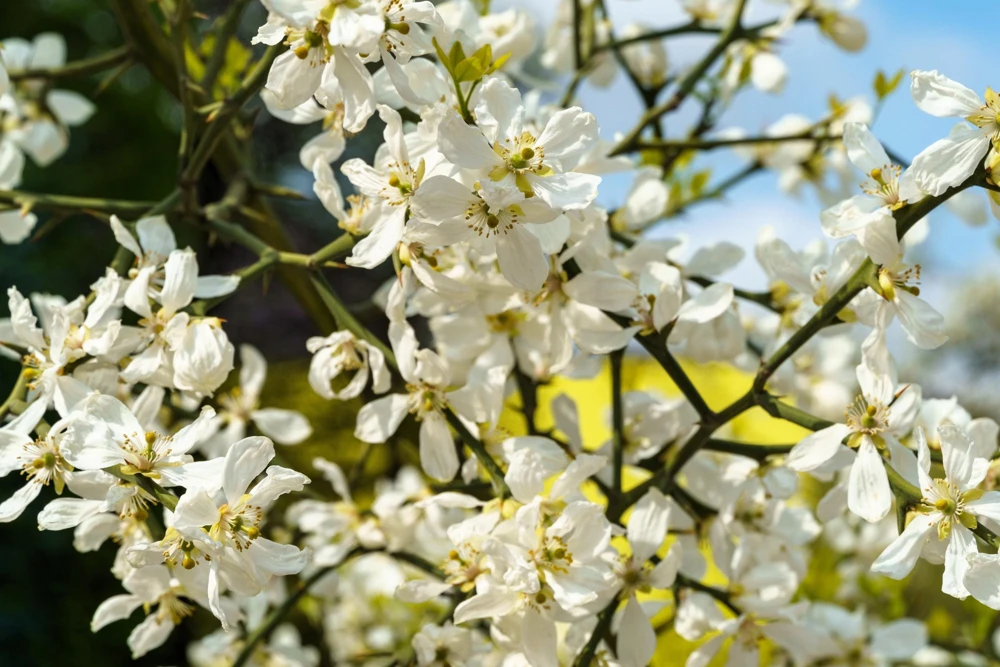
- Pollinator Attractor: The showy white flowers with pink stamens in spring are a magnet for bees and butterflies, enhancing your garden’s biodiversity.
- Rootstock Potential: Often used as a rootstock to increase the cold hardiness of other citrus varieties, showcasing the versatility of the cold hardy citrus.
Plant Care & Growing Tips
Growing a hardy orange tree from seed is a straightforward process, provided you give it the right start. These hardy orange tree seeds benefit from a period of cold stratification to break dormancy. You can achieve this by planting them outdoors in the fall, allowing nature to take its course, or by cold stratifying them indoors for a few weeks before your last frost date. Once germinated, the seedlings are quite robust and adaptable. For best results, sow seeds in well-draining soil, either in pots or directly into a prepared garden bed.
The Trifoliate Citrus Trifoliata thrives in full sun to part shade conditions. While it can tolerate some shade, it will produce more fruit when exposed to at least 6-8 hours of direct sunlight daily. It is not particular about soil type and can grow in heavy clay, sandy, or nutritionally poor soils, ranging from very alkaline to acidic. However, average, well-draining soil is ideal. Water regularly during the establishment phase, but once mature, the plant is remarkably drought-tolerant. Fertilize sparingly, if at all, as it can thrive in less-than-ideal conditions. Pruning can be done to maintain its shape, whether you prefer a bushy shrub or a small tree form. For gardeners in Zone 5, providing extra mulch around the base in winter and planting in a sheltered location can offer additional protection from extreme cold, ensuring your cold hardy citrus continues to flourish.
Size & Details
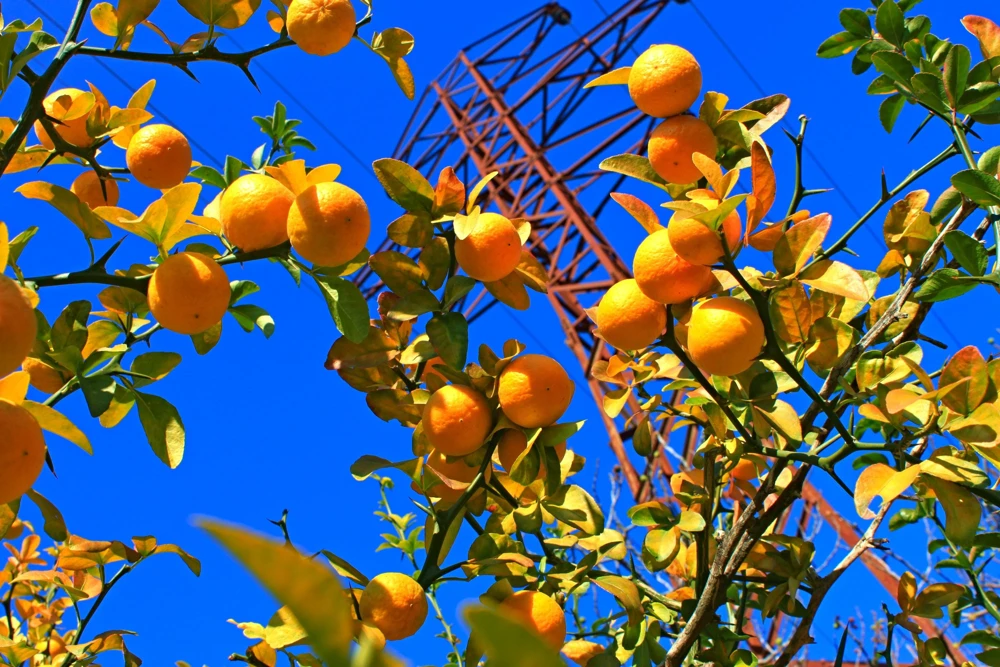
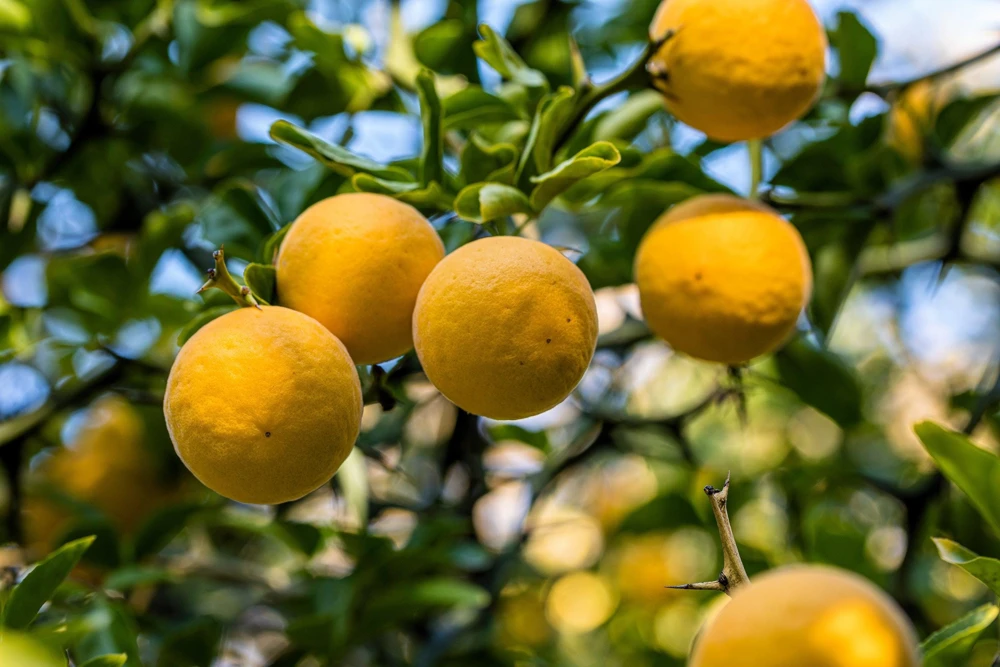
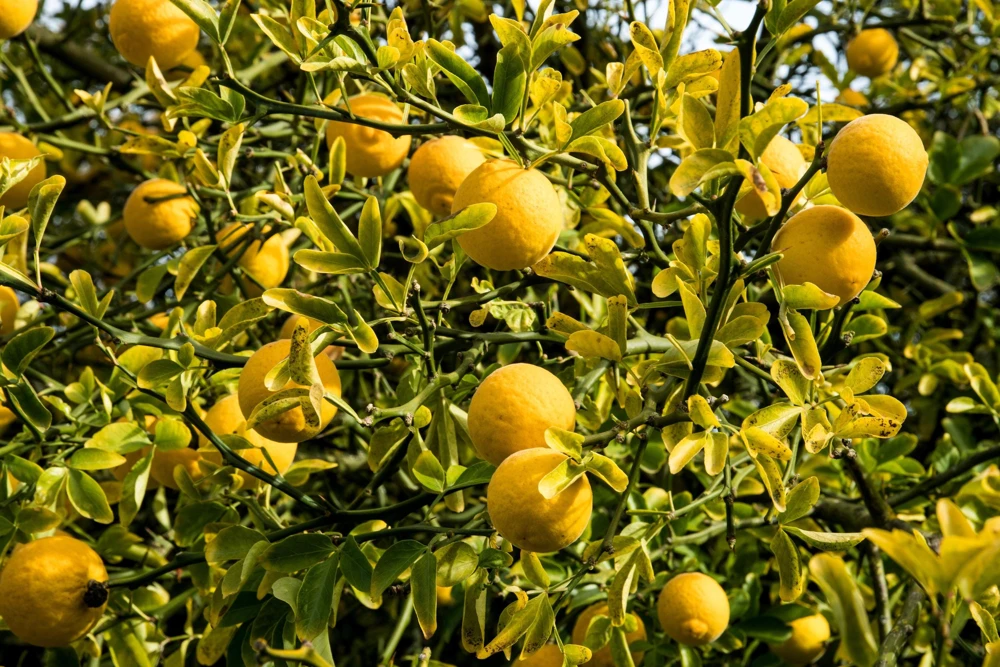
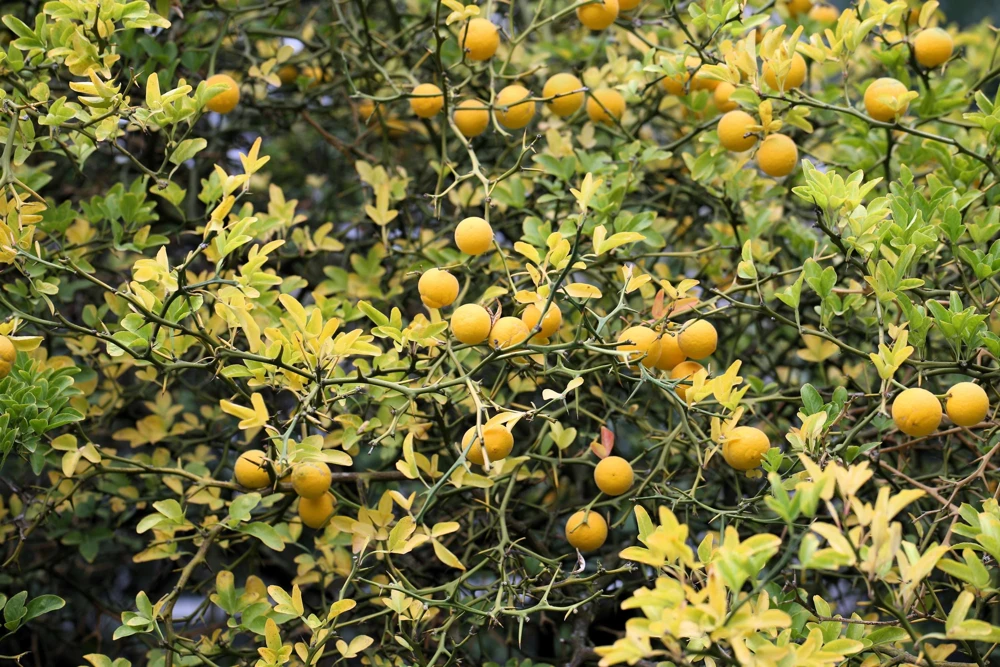
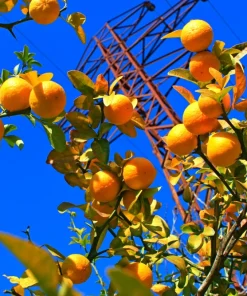
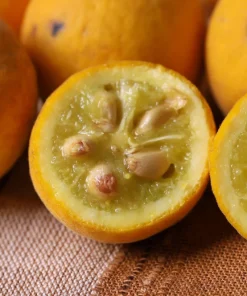
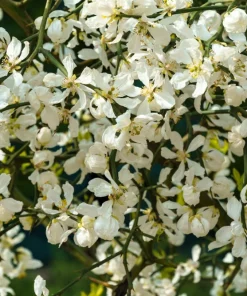
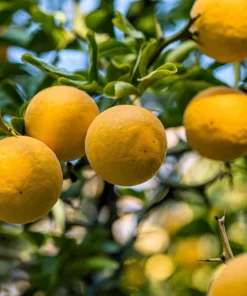
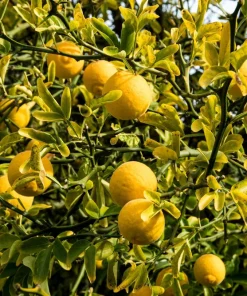
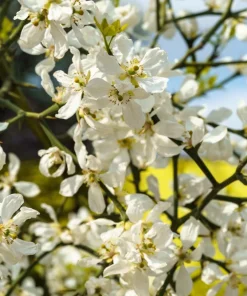
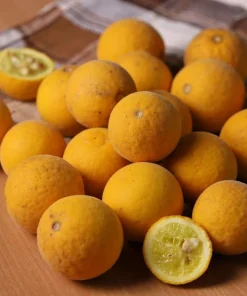
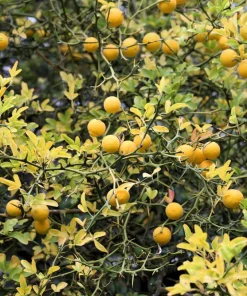
These hardy orange tree seeds will grow into a deciduous shrub or small tree, typically reaching a height of 12-18 feet with a spread of 5-15 feet. The plant exhibits a moderate growth rate, establishing itself well within a few seasons. Each packet contains 5 high-quality Poncirus Trifoliata seeds, providing a good starting quantity for your gardening project. The fruit, measuring 2-2.5 inches in diameter, starts green and ripens to a deep yellow in the fall, often remaining on the tree through winter for extended visual interest. The white flowers, about 2 inches across, appear in spring (April-May), followed by the fuzzy-skinned fruit.
The plant is known for its thorns, which serve as a natural defense against deer and rabbits. It is highly adaptable to various environmental conditions, including heat and drought. The bitter orange fruit is rich in Vitamin C, and a single mature plant can produce as much as 30 pounds of fruit in a season. These characteristics make it a durable and productive addition to your garden, whether for ornamental purposes, its unique fruit, or as a robust rootstock for other citrus.
Frequently Asked Questions
- Q: How many hardy orange tree seeds are included in this packet? A: Each packet contains 5 individual hardy orange tree seeds, providing a good quantity to start your cultivation project and ensure successful germination.
- Q: What is the ideal planting time for these Trifoliate Citrus Trifoliata seeds? A: The best time to plant these seeds is in the fall for natural cold stratification, or indoors a few weeks before the last frost in spring after artificial cold stratification. This prepares them for optimal germination.
- Q: How much sun does a hardy orange tree need? A: These trees prefer full sun to partial shade. For the best fruit production and overall vigor, aim for at least 6-8 hours of direct sunlight daily. They are quite adaptable but thrive with more light.
- Q: Is the fruit from Poncirus Trifoliata seeds edible? A: Yes, the fruit is edible, though it has a somewhat bitter taste akin to a lemon or grapefruit. It’s often used in culinary applications like juices, jellies, marmalades, chutneys, and desserts.
- Q: What USDA Hardiness Zones are suitable for growing this cold hardy citrus? A: The hardy orange tree is exceptionally cold-tolerant and can thrive in USDA Hardiness Zones 5 through 9. Gardeners in Zone 5 may need to provide winter protection.
- Q: How tall does a hardy orange tree typically grow? A: These plants can grow into a shrub or small tree, reaching an average height of 12 to 18 feet, with a spread of 5 to 15 feet. They can be pruned to maintain a desired size and shape.
- Q: Are these bitter orange fruit trees deer resistant? A: Yes, the hardy orange tree is known for its thorns, which act as a natural deterrent to deer and rabbits, making it an excellent choice for a protective hedgerow or garden border.
- Q: What type of soil does the Trifoliate Citrus Trifoliata prefer? A: This plant is highly adaptable and not picky about soil type. It can grow in heavy clay, sandy, or nutritionally poor soils, as long as they are well-draining.
- Q: What are the flowers like on a hardy orange tree? A: The tree produces lovely, fragrant white flowers, approximately 2 inches in diameter, with delicate pink stamens in the spring (April-May). These flowers are attractive to pollinators like bees and butterflies.
- Q: Can these hardy orange tree seeds be used as rootstock for other citrus? A: Absolutely. The hardy orange tree is commonly used as a rootstock for other citrus varieties to impart its exceptional cold hardiness, extending the growing range for less resilient citrus.
Be the first to review “Hardy Orange Tree Seeds – Trifoliate Citrus Trifoliata Poncirus – 5 Seeds”
People Also Viewed
Vegetable Seeds
Reviews
There are no reviews yet.