
Honey Jar Jujube Tree – Live Plant, Grafted, 3-4 Feet Tall, Sweet Fruit, 3 Gallon Pot
Original price was: $279.76.$179.76Current price is: $179.76.
Cultivate your own delightful fruit with this honey jar jujube tree. This grafted jujube plant stands 3-4 feet tall, ready to produce extremely sweet, apple-textured fruit. Enjoy fresh, homegrown produce with this easy-to-grow tree, perfect for any garden.
Estimated arrival
Sep 14
Sep 19 - Sep 21
Sep 24 - Sep 28
Shop With Confidence
30-Day Plant Health Guarantee
Arrives damaged? We’ll replace it free — see our return policy.
Responsive Support
Email us anytime, we reply within 1 business day.
Expert Packaging
Temperature-controlled shipping to protect your plants in transit.
Secure Checkout
Pay safely with Visa, Mastercard, PayPal.
Plant Specifications
-
USDA Hardiness Zone
USDA zones 6-10 -
Soil Type
Well-draining soil -
Sunlight Exposure
Full sun -
Expected Planting Period
Early spring to early summer
Overview
Introduce a unique and highly rewarding fruit tree to your garden with the honey jar jujube tree. This exceptional variety is renowned for its incredibly sweet and crisp fruit, often compared to a small apple in both texture and flavor. Originating from China, jujube trees, also known as Chinese dates, are gaining popularity in the United States for their delicious fruit and ornamental appeal. This particular offering is a vigorous, grafted jujube plant, ensuring strong growth, early fruit production, and true-to-type characteristics. Standing proudly at 3 to 4 feet tall and shipped in a 3-gallon pot, this live plant is well-established and ready to thrive in your landscape, bringing a touch of exotic sweetness to your home.
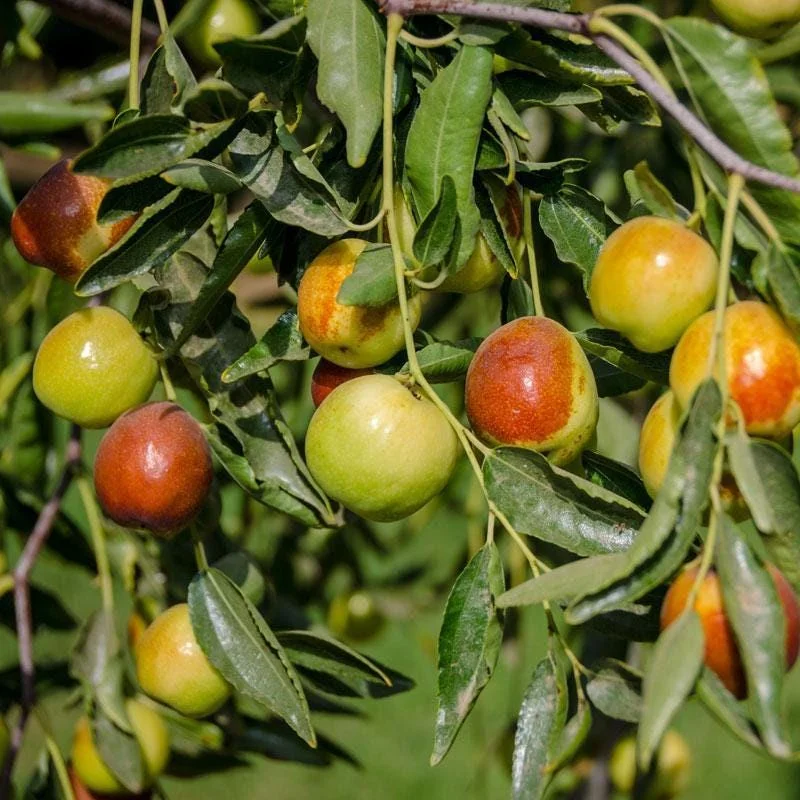
The ‘Honey Jar’ cultivar is celebrated for its small, round fruits that ripen to a reddish-brown color. They are not only a delightful snack eaten fresh but can also be dried, candied, or used in various culinary applications. Growing your own jujube tree offers the satisfaction of fresh, organic fruit right from your backyard. This hardy tree is surprisingly adaptable, making it an excellent choice for a wide range of climates and gardening skill levels. Whether you’re an experienced horticulturist or looking to grow jujube tree for the first time, the ‘Honey Jar’ variety promises a bountiful harvest of delectable fruit.
Key Benefits
The honey jar jujube tree offers a multitude of benefits for both the gardener and the fruit enthusiast, making it a valuable addition to any edible landscape or backyard orchard. Its unique characteristics and ease of care contribute to its growing popularity.
- Exceptional Sweetness: The primary allure of the ‘Honey Jar’ jujube is its extraordinarily sweet fruit, often described as having notes of honey. This makes it a perfect fresh eating snack or a delightful addition to desserts.
- Apple-Like Texture: Unlike some chewy dried jujubes, the fresh ‘Honey Jar’ fruit boasts a crisp, apple-like texture when ripe, providing a satisfying crunch with every bite.
- Drought Tolerance: Once established, jujube trees are remarkably drought-tolerant, requiring less water than many other fruit trees, which is a significant advantage in arid or water-restricted regions.
- Disease and Pest Resistance: Jujube trees are generally very resilient to common diseases and pests, reducing the need for chemical treatments and making them a low-maintenance option for organic gardening.
- Grafted for Early Fruiting: This is a grafted jujube plant, meaning it will begin producing fruit much sooner than a seedling tree, often within 1-2 years of planting, giving you quicker rewards for your efforts.
- Ornamental Value: Beyond its fruit, the jujube tree offers attractive foliage, interesting bark, and small, fragrant flowers, making it an appealing ornamental tree in the landscape.
- Versatile Culinary Use: The sweet jujube fruit can be enjoyed fresh, dried, candied, or incorporated into jams, jellies, and baked goods, offering diverse culinary possibilities.
Plant Care & Growing Tips
Caring for your honey jar jujube tree is relatively straightforward, as these trees are known for their hardiness and adaptability. To ensure a thriving tree and abundant harvests, understanding their specific needs is crucial. When you grow jujube tree, choose a location with full sun exposure, meaning at least 6-8 hours of direct sunlight per day. Adequate sunlight is essential for optimal fruit production and sweetness. Jujubes thrive in hot, dry climates, but they can adapt to a variety of conditions as long as they receive sufficient warmth and light.
For soil, the grafted jujube plant prefers well-draining soil. While it tolerates a range of soil types, from sandy to clay, good drainage is key to prevent root rot. Amend heavy clay soils with organic matter to improve drainage and aeration. Once established, jujube trees are quite drought-tolerant, but regular watering is important during the first year after planting to help the root system develop. Thereafter, water deeply but infrequently, allowing the soil to dry out between waterings. Overwatering can be more detrimental than underwatering. The ideal USDA hardiness zones for jujube trees typically range from 6 to 10, though some varieties can tolerate colder temperatures. Protect young trees from severe frost.
Fertilization is not always necessary, especially if your soil is rich. However, if growth is slow or leaves appear pale, a balanced organic fertilizer in early spring can be beneficial. Pruning should be done in late winter or early spring while the tree is dormant. Focus on removing dead, damaged, or crossing branches, and shape the tree to maintain an open canopy for good air circulation and sunlight penetration. This maintenance will encourage vigorous growth and maximum yield of sweet jujube fruit. Proper jujube tree care ensures a healthy, productive tree for many years.
Size & Details
This offering is for one honey jar jujube tree, a premium grafted jujube plant, standing approximately 3 to 4 feet tall from the base of the plant to the tip of its tallest branch. It is shipped to you in a robust 3-gallon nursery pot, providing a well-established root system ready for planting. The ‘Honey Jar’ variety is known for its relatively compact growth habit compared to some other fruit trees, typically reaching a mature height of 15-25 feet with a similar spread, making it suitable for larger gardens or as a focal point in a smaller landscape. Its growth rate is considered moderate, allowing it to establish itself effectively without becoming unruly too quickly.
The grafting process ensures that you receive a tree with the exact characteristics of the ‘Honey Jar’ cultivar, including its prolific fruiting and exceptional flavor. Expect this grafted jujube plant to begin producing delicious sweet jujube fruit within 1-2 years of planting, with increasing yields as the tree matures. The fruit typically ripens in late summer to early fall, offering a wonderful late-season harvest. This tree arrives with a strong, bigger trunk, indicating a healthy and well-developed specimen. It is an excellent choice for those looking to grow jujube tree and enjoy fresh, homegrown fruit with minimal fuss.
Frequently Asked Questions
- Q: How big does this plant get? A: This honey jar jujube tree is shipped at 3-4 feet tall in a 3-gallon pot. At maturity, it typically reaches a height of 15-25 feet with a similar spread, depending on growing conditions and pruning.
- Q: What size pot does it come in? A: The grafted jujube plant is shipped in a 3-gallon nursery pot, providing it with a good start and established root system for successful transplanting.
- Q: Is this an indoor or outdoor plant? A: The honey jar jujube tree is primarily an outdoor plant, thriving in full sun. It can be grown in a large container outdoors in colder climates and brought in during winter, but it requires significant sunlight to fruit.
- Q: How much sunlight does it need? A: For optimal fruit production and tree health, this tree requires full sun, meaning at least 6-8 hours of direct sunlight per day.
- Q: Is this plant easy to care for? A: Yes, jujube tree care is generally considered easy. They are drought-tolerant, disease-resistant, and adaptable to various soil types once established, making them suitable for beginners.
- Q: What condition will it arrive in? A: Your grafted jujube plant will arrive as a live, healthy tree, 3-4 feet tall, securely rooted in its 3-gallon pot, ready for planting.
- Q: Can I use the fruit in cooking? A: Absolutely! The sweet jujube fruit can be enjoyed fresh, dried, or used in a variety of culinary applications such as jams, jellies, pies, and even savory dishes.
- Q: How long until it blooms? A: As a grafted tree, this honey jar jujube tree can begin to fruit as early as 1-2 years after planting, with small, inconspicuous flowers preceding the fruit.
- Q: Will it survive winter in my zone? A: Jujube trees are quite hardy and typically thrive in USDA zones 6-10. If you are in a colder zone, consider protecting it during severe winter conditions or growing it in a large pot that can be moved indoors.
- Q: What’s the minimum temperature it can tolerate? A: Mature jujube trees can generally tolerate temperatures down to around -10°F to 0°F (USDA Zone 6) once established, though young trees may need protection in colder snaps.
Be the first to review “Honey Jar Jujube Tree – Live Plant, Grafted, 3-4 Feet Tall, Sweet Fruit, 3 Gallon Pot”
People Also Viewed
Reviews
There are no reviews yet.