
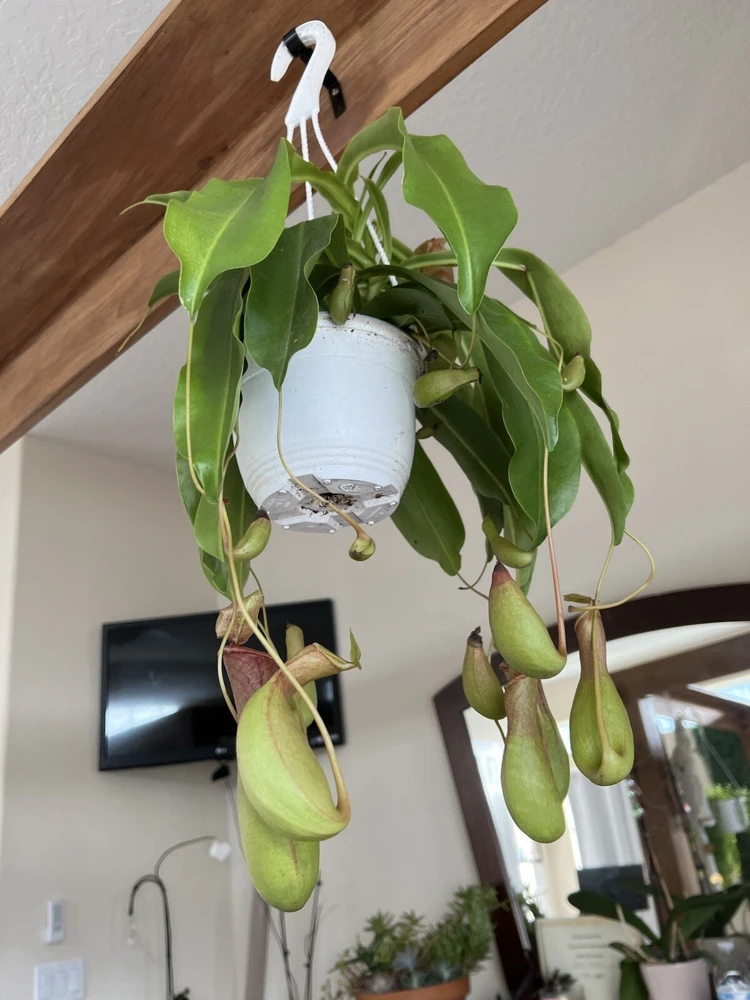
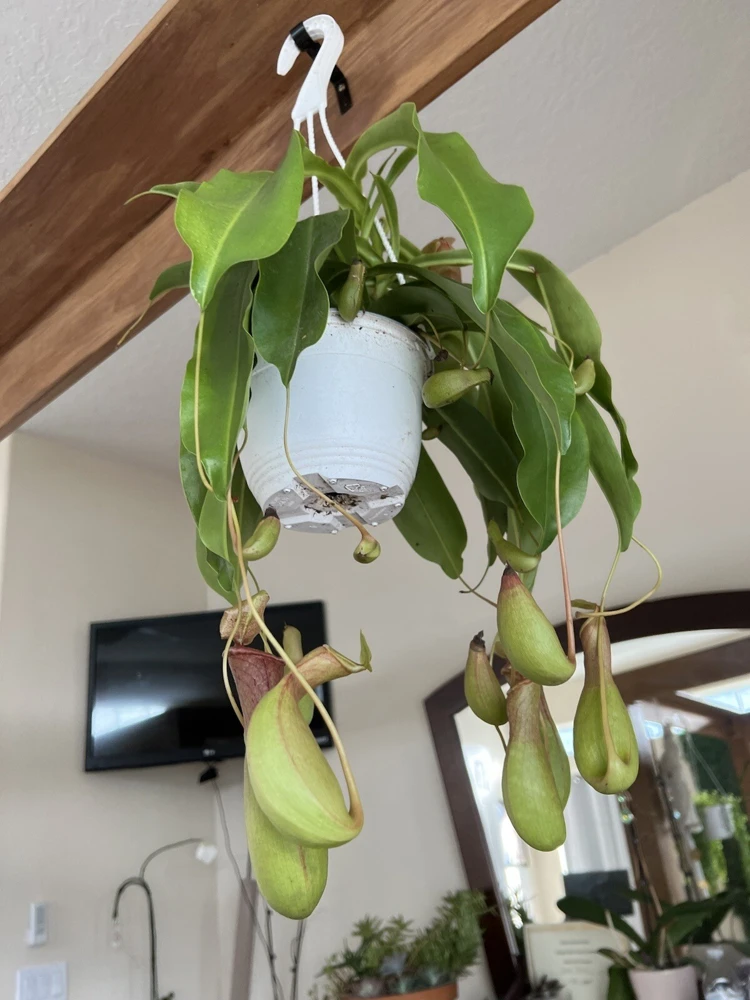
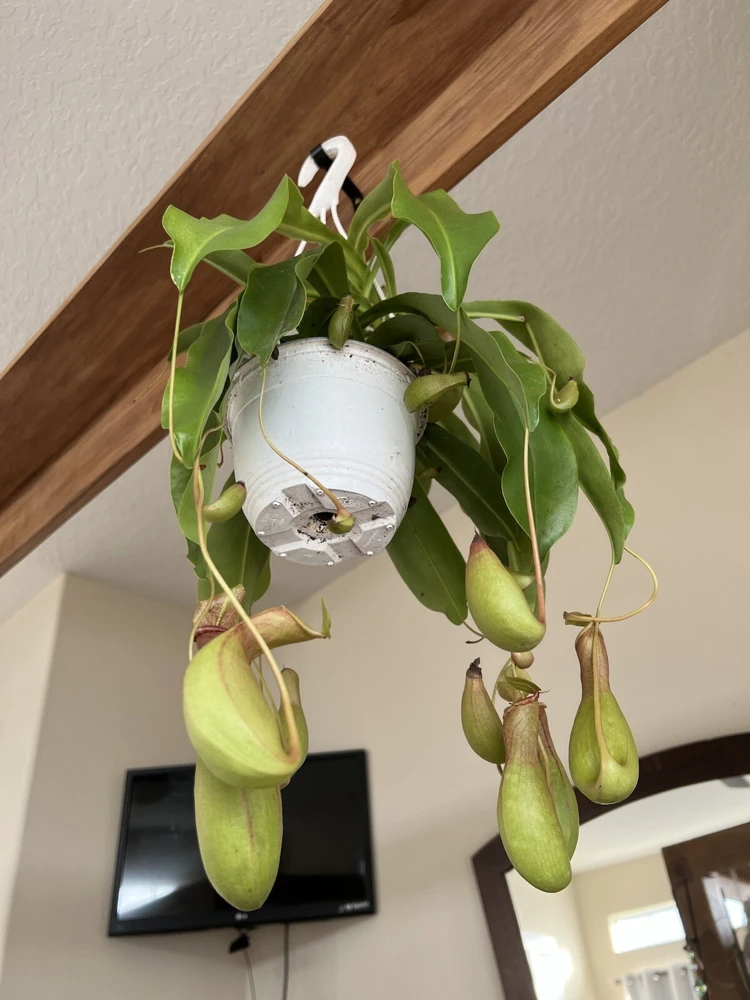
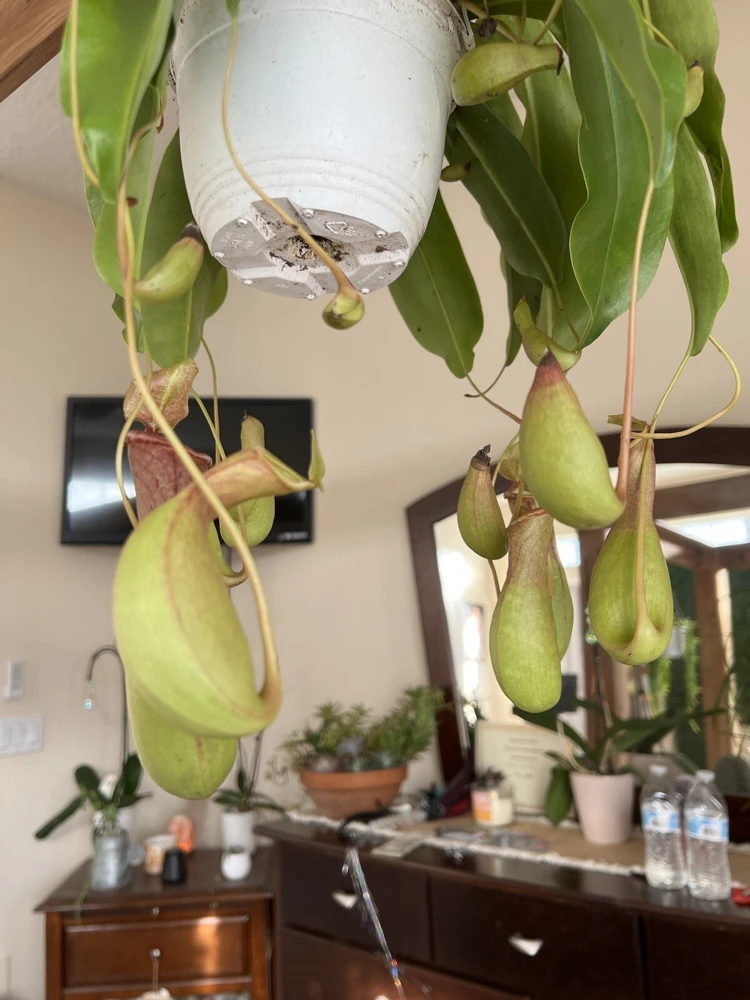
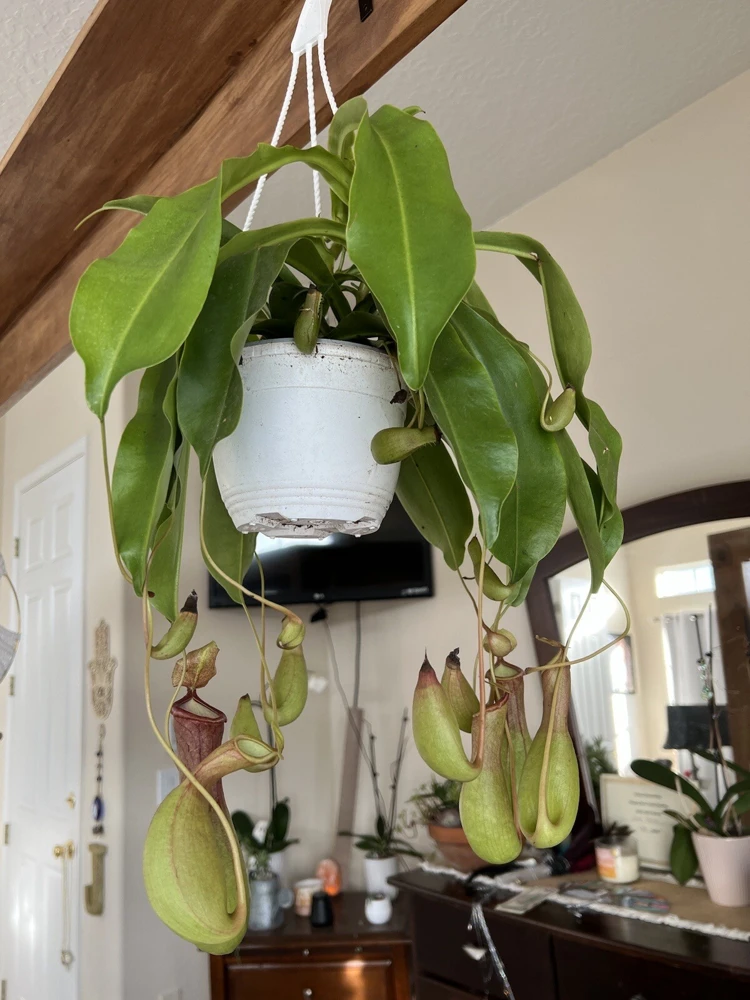
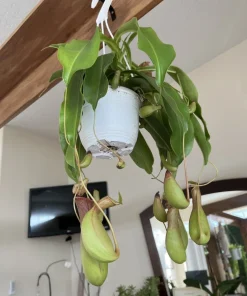
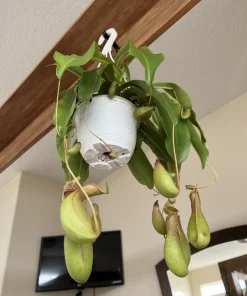
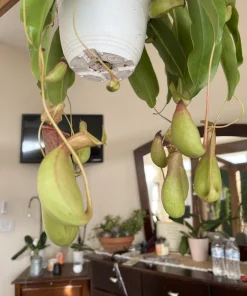
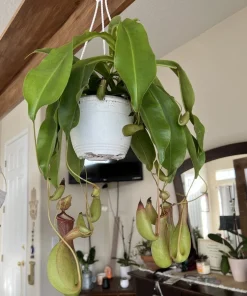
Pitcher Plant Live Plant – Carnivorous Plant in Hanging Basket, Large Size
Original price was: $81.99.$61.99Current price is: $61.99.
Bring home a unique and captivating pitcher plant live plant, known for its striking pitchers and insect-catching abilities. This large carnivorous plant comes ready to display in a convenient hanging basket, making it an instant focal point for any indoor space or sheltered outdoor area. Ideal for enthusiasts and beginners alike, it adds an exotic touch to your plant collection.
Estimated arrival
Oct 28
Nov 02 - Nov 04
Nov 07 - Nov 11
Shop With Confidence
30-Day Plant Health Guarantee
Arrives damaged? We’ll replace it free — see our return policy.
Responsive Support
Email us anytime, we reply within 1 business day.
Expert Packaging
Temperature-controlled shipping to protect your plants in transit.
Secure Checkout
Pay safely with Visa, Mastercard, PayPal.
Plant Specifications
-
USDA Hardiness Zone
USDA zones 9-11 (or year-round indoors) -
Soil Type
Well-draining, nutrient-poor carnivorous plant mix (sphagnum moss, perlite) -
Sunlight Exposure
Bright indirect light -
Expected Planting Period
Year-round indoors, spring to fall outdoors
Overview
Introducing the captivating pitcher plant live plant, a truly remarkable addition to any plant enthusiast’s collection. This exotic carnivorous plant, often belonging to the Nepenthes genus, is renowned for its unique pitcher-shaped leaves that act as natural insect traps. Unlike typical foliage plants, the pitcher plant offers an interactive and intriguing display, making it a fantastic conversation starter. Our offering includes a large-sized specimen, already established and thriving, presented in a functional hanging basket. This ensures easy display and optimal growth conditions, allowing the plant’s elegant pitchers to dangle gracefully. Whether you’re an experienced collector of carnivorous plants or new to the world of exotic flora, this carnivorous plant hanging basket provides an accessible and rewarding way to enjoy nature’s wonders. Its vibrant green and often colorful pitchers will bring a touch of the rainforest to your home or garden.
Each pitcher plant live plant is carefully cultivated to ensure health and vigor upon arrival. The ‘big size’ designation indicates a well-developed plant with multiple pitchers already formed, offering immediate visual impact. These plants are not only beautiful but also serve a practical purpose by naturally controlling small insect populations in their vicinity. Their distinctive appearance and specialized feeding mechanism make them a constant source of fascination. Prepare to be enchanted by the intricate details and vibrant hues of this stunning botanical specimen, perfectly suited for those seeking something out of the ordinary.
Key Benefits
Owning a pitcher plant live plant offers a multitude of benefits beyond its striking appearance. These unique plants provide aesthetic appeal, natural pest control, and an engaging educational experience.
- Natural Insect Control: The primary benefit of the pitcher plant live plant is its ability to naturally trap and digest insects. This can help keep your indoor or outdoor space free from bothersome flies, mosquitoes, and other small pests, offering an eco-friendly alternative to chemical sprays.
- Exotic & Unique Decor: With its distinctive pitcher-shaped leaves, this plant serves as a captivating focal point. Its unusual form and often vibrant colors add an exotic and sophisticated touch to any room, patio, or conservatory, enhancing your home’s aesthetic.
- Educational Opportunity: Observing a carnivorous plant in action provides a fascinating learning experience for all ages. It’s a wonderful way to understand unique adaptations in the plant kingdom and spark curiosity about biodiversity.
- Low Maintenance for a Carnivorous Plant: While all carnivorous plants have specific needs, many pitcher plant varieties are relatively forgiving once their basic requirements are met. The included hanging basket simplifies watering and display.
- Air Purification: Like many houseplants, the pitcher plant live plant contributes to improved indoor air quality by absorbing certain airborne toxins and releasing oxygen, promoting a healthier living environment.
- Versatile Display: The included hanging basket makes it incredibly easy to display this plant. Hang it near a window, on a porch, or in a greenhouse to showcase its trailing pitchers and optimize its light exposure.
- Conversation Starter: Its unusual nature guarantees that your pitcher plant will grab attention and generate interest, making it a perfect conversation piece among guests.
Plant Care & Growing Tips
Caring for your pitcher plant live plant involves understanding its specific needs, which differ from typical houseplants. The key to success lies in providing the right conditions that mimic its natural tropical habitat. For optimal growth and pitcher production, it’s crucial to focus on proper watering, light, and humidity. These plants thrive in bright, indirect light. Avoid direct, harsh sunlight, which can scorch the delicate pitchers and leaves. An east-facing window or a bright, shaded outdoor area is usually ideal. If grown indoors, consider supplementing with a grow light during darker months to ensure sufficient light intensity.
Watering is perhaps the most critical aspect of nepenthes care guide. Pitcher plants require consistently moist, but not waterlogged, soil. Use only distilled water, rainwater, or reverse osmosis water, as tap water often contains minerals and chemicals that can harm the plant over time. Never let the plant sit in standing water for extended periods, as this can lead to root rot. High humidity is also beneficial; you can achieve this by misting the plant regularly, placing it on a pebble tray with water, or using a room humidifier. The ideal temperature range is typically between 65-85°F (18-29°C) during the day, with a slight drop at night.
The soil mix for a pitcher plant live plant should be well-draining and nutrient-poor. A common mix consists of sphagnum moss, perlite, and sometimes orchid bark. Avoid standard potting soil, which is too rich and can kill the plant. Fertilization is generally not required, as the plant obtains its nutrients from the insects it catches. If your plant isn’t catching many insects, you can occasionally drop a small, live insect into a pitcher, but do not use fertilizer. Repotting should only be done when the plant outgrows its container, typically every 1-2 years, using the appropriate carnivorous plant soil mix. Watch out for common pests like aphids or mealybugs, and treat with insecticidal soap if necessary, ensuring it’s safe for carnivorous plants. Following this nepenthes care guide will ensure your exotic pitcher plant flourishes.
Size & Details
This pitcher plant live plant arrives as a large, established specimen, ready to be hung and enjoyed immediately. While exact dimensions can vary slightly due to natural growth, you can expect a plant with a significant presence, featuring multiple mature pitchers. The foliage typically trails, with pitchers ranging from a few inches to potentially 6-8 inches or more in length, depending on the specific variety and growing conditions. It comes pre-potted in a durable hanging basket, designed for easy display and proper drainage. The basket is sized to accommodate the plant’s current growth and allow for a period of continued development before repotting is necessary. Expect a vibrant, healthy plant with a well-developed root system, ensuring a strong start in your care.
The growth rate of an exotic pitcher plant varies by species but is generally moderate. With proper care, you will see new pitchers forming regularly. This plant is shipped in its nursery pot within the hanging basket, ensuring minimal disturbance during transit. The ‘big size’ indicates it’s past the delicate seedling stage, offering a more robust and resilient plant for your enjoyment. It’s an ideal choice for anyone looking for a substantial and impressive pitcher plant for sale. While specific USDA zones can vary for different Nepenthes species, most are suited for indoor cultivation in temperate climates or outdoor growing in tropical to sub-tropical regions, typically USDA zones 9-11.
Frequently Asked Questions
- Q: How big does this pitcher plant get? A: This is a large-sized pitcher plant live plant upon arrival, with mature pitchers already formed. With proper care, the vines can grow several feet long, and individual pitchers can reach impressive sizes, often 6-8 inches or more, depending on the specific Nepenthes variety.
- Q: Is this an indoor or outdoor plant? A: While it thrives outdoors in warm, humid climates (USDA zones 9-11), this exotic pitcher plant is also an excellent indoor specimen. It requires bright, indirect light and high humidity indoors, making it perfect for a well-lit bathroom, kitchen, or a dedicated plant space.
- Q: How much sunlight does it need? A: Your pitcher plant live plant prefers bright, indirect light. Avoid direct, intense sunlight, which can burn the leaves and pitchers. A spot with filtered light or morning sun is usually ideal.
- Q: Is this plant easy to care for? A: Compared to some other carnivorous plants, many Nepenthes varieties are considered relatively easy to care for, especially for those with some plant experience. Following a detailed nepenthes care guide regarding water type and humidity will ensure success.
- Q: What condition will it arrive in? A: Your pitcher plant live plant will arrive well-packaged, healthy, and established in its hanging basket. We take great care to ensure the plant is protected during transit, so it arrives ready to thrive in its new home.
- Q: What kind of water should I use for my pitcher plant? A: It is crucial to use only distilled water, rainwater, or reverse osmosis water. Tap water, due to its mineral and chemical content, can be detrimental to the sensitive root system of your carnivorous plant hanging.
- Q: How does the pitcher plant catch insects? A: The pitchers are modified leaves that contain a sweet nectar and slippery rim, luring insects inside. Once an insect falls into the pitcher, digestive fluids at the bottom break it down, providing nutrients for the plant.
- Q: Is the included hanging basket suitable for long-term growth? A: The hanging basket provided is a good size for the ‘big size’ plant and will accommodate its growth for a significant period. Eventually, as the plant matures further, it may require a larger basket or pot.
- Q: When is the best time to repot my pitcher plant? A: Repot your pitcher plant live plant when it outgrows its current container, typically every 1-2 years. Always use a specialized carnivorous plant potting mix, such as sphagnum moss with perlite.
- Q: Can I put my pitcher plant outdoors? A: Yes, if you live in a warm, humid climate (USDA zones 9-11) or during the warmer months in other regions. Ensure it’s placed in a shaded or partially shaded area, protected from harsh sun and strong winds.
Be the first to review “Pitcher Plant Live Plant – Carnivorous Plant in Hanging Basket, Large Size”
People Also Viewed
Reviews
There are no reviews yet.