
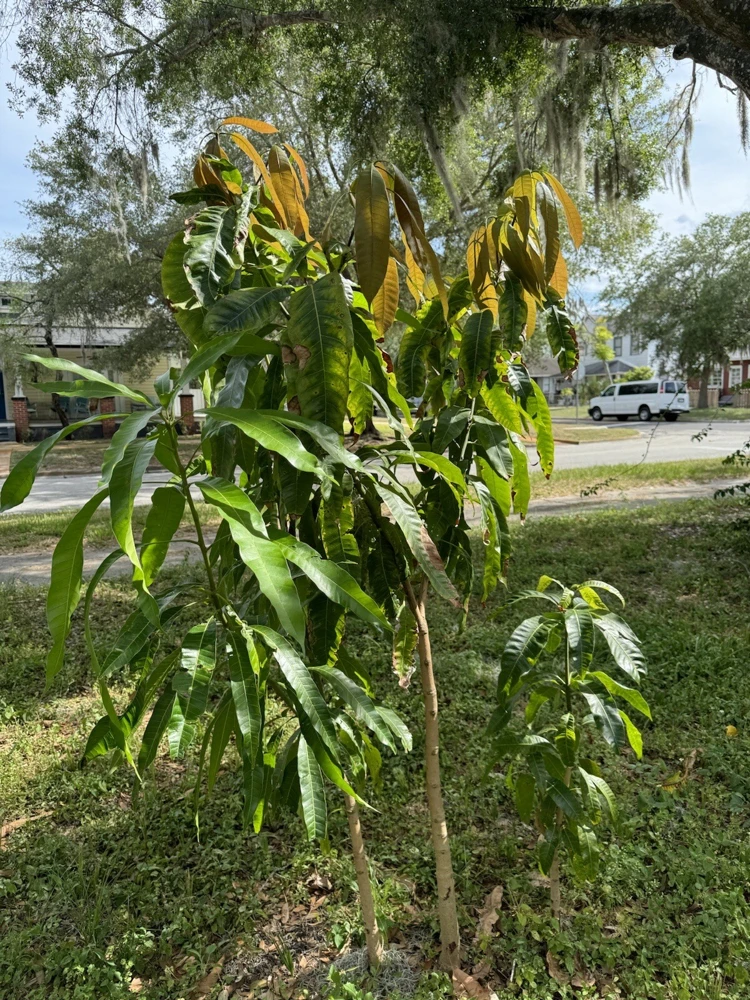
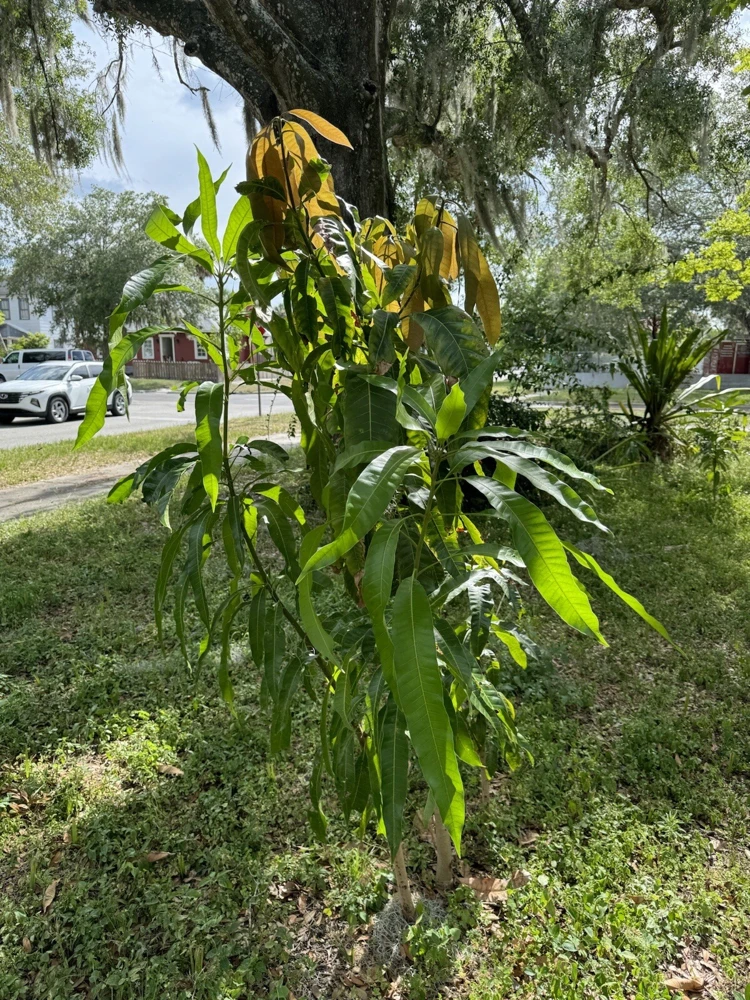
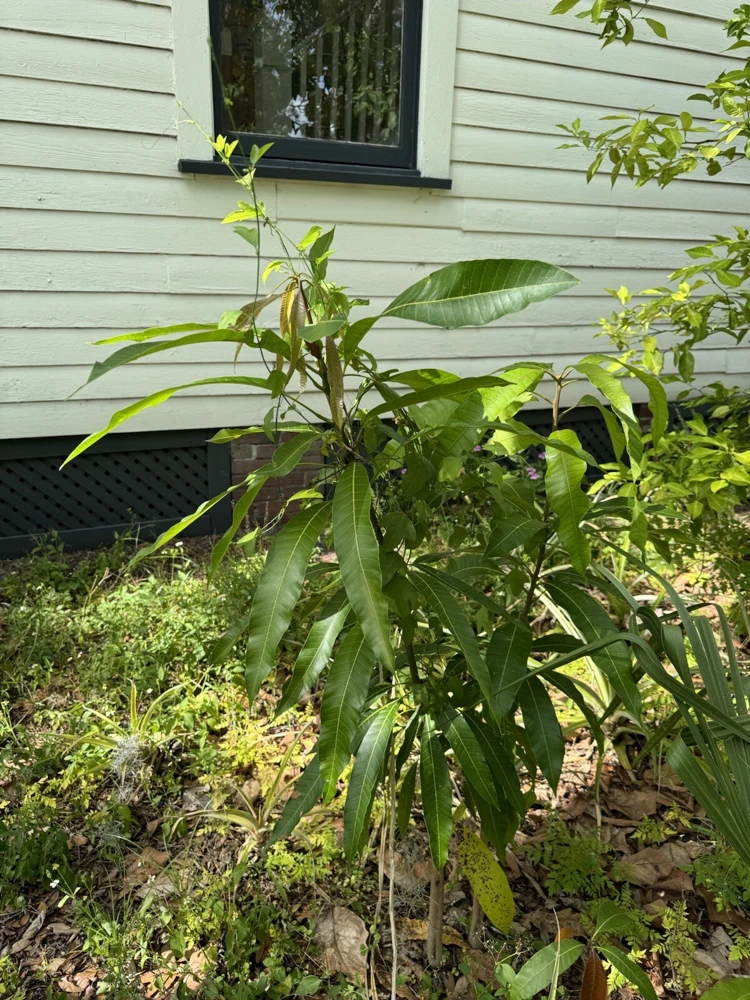
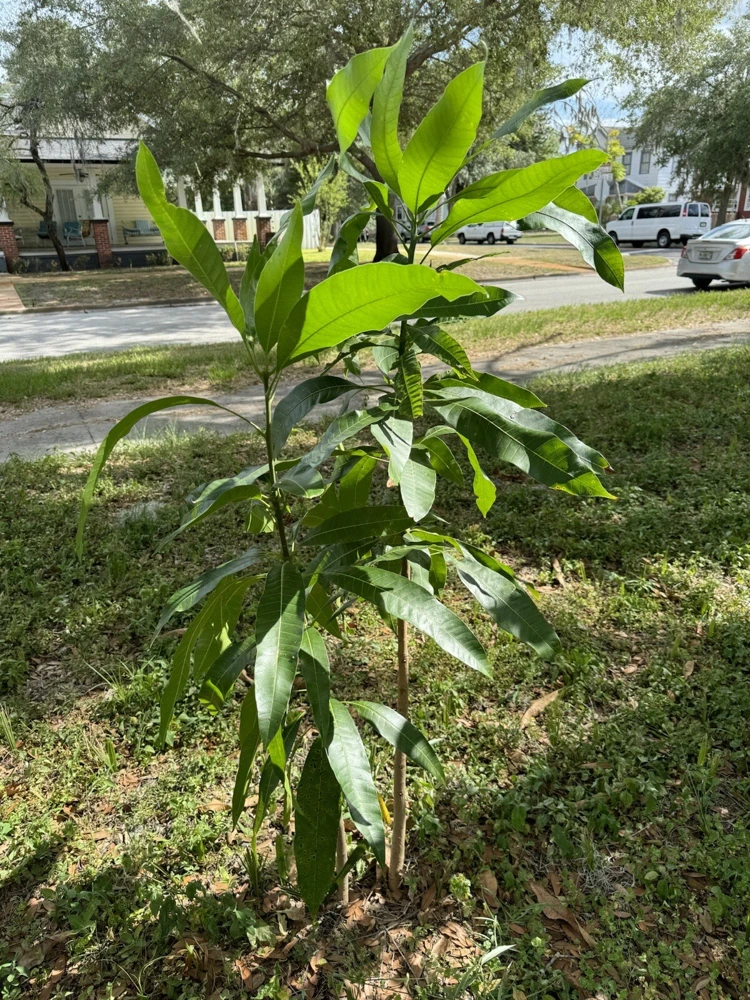
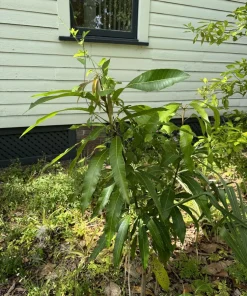
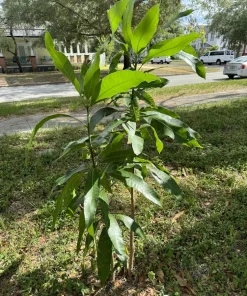
Palmer Mango Tree Live Plant – Tropical Fruit Tree for Outdoor Garden
Original price was: $81.99.$61.99Current price is: $61.99.
Bring the taste of the tropics to your home with a Palmer mango tree live plant. This popular variety is known for its delicious, fiberless fruit and vigorous growth. Ideal for outdoor cultivation in warm climates, it’s a rewarding addition for any fruit enthusiast.
Estimated arrival
Oct 27
Nov 01 - Nov 03
Nov 06 - Nov 10
Shop With Confidence
30-Day Plant Health Guarantee
Arrives damaged? We’ll replace it free — see our return policy.
Responsive Support
Email us anytime, we reply within 1 business day.
Expert Packaging
Temperature-controlled shipping to protect your plants in transit.
Secure Checkout
Pay safely with Visa, Mastercard, PayPal.
Plant Specifications
-
USDA Hardiness Zone
USDA zones 9-11 -
Soil Type
Well-draining sandy loam -
Sunlight Exposure
Full sun -
Expected Planting Period
Spring to early summer
Overview
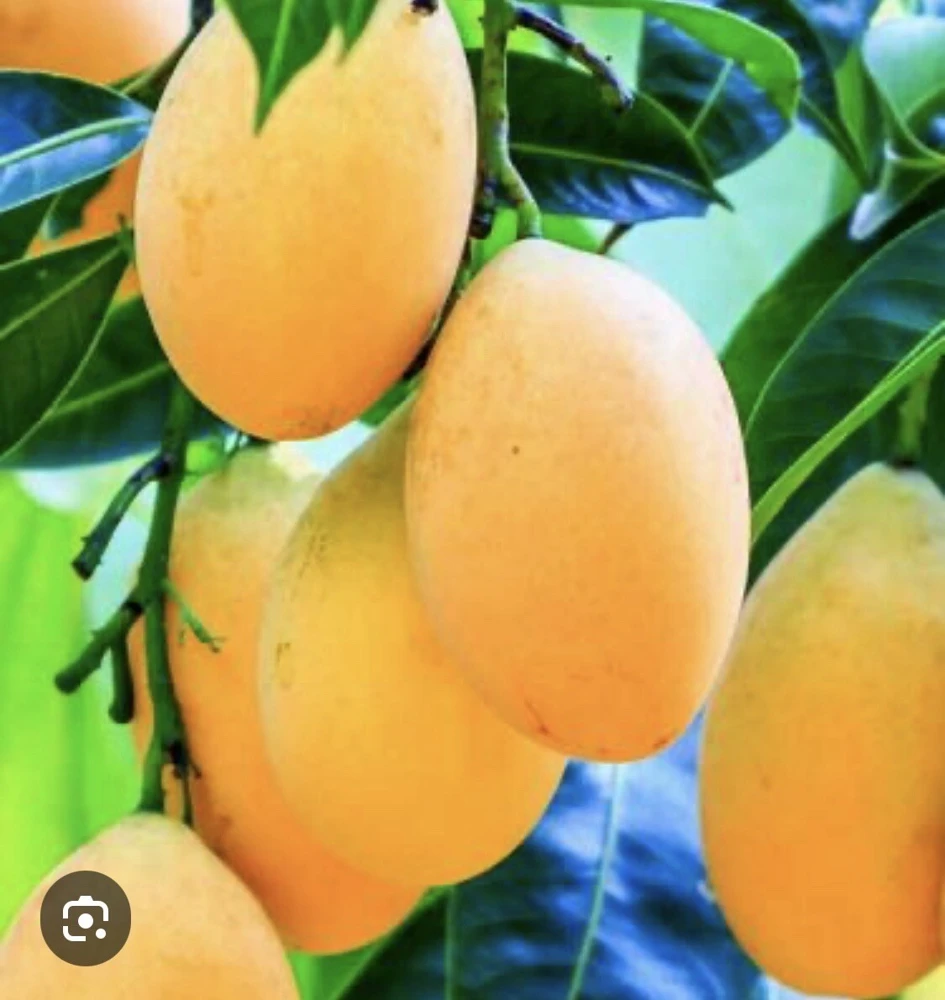
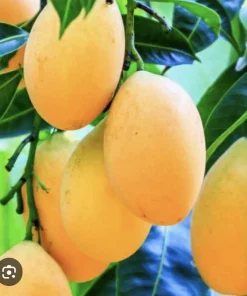
Cultivate your own tropical paradise with a Palmer mango tree live plant. Revered for its exceptional fruit quality, the Palmer mango is a highly sought-after variety among home gardeners and commercial growers alike. This live plant offers the opportunity to grow fresh, succulent mangoes right in your backyard. Originating from Florida, USA, the Palmer mango (Mangifera indica ‘Palmer’) is celebrated for its attractive, medium-sized fruit, which features a beautiful red blush over a yellow-green skin. The flesh is notably fiberless, sweet, and possesses a rich, aromatic flavor that makes it perfect for eating fresh, in smoothies, or in various culinary dishes. Growing your own tropical fruit tree like the Palmer mango tree live plant provides the satisfaction of harvesting fresh produce and adds significant aesthetic value to your landscape.
The Palmer mango is a robust and relatively easy-to-grow variety, making it an excellent choice for both experienced and novice gardeners interested in exotic fruits. This particular offering is a healthy, established live plant, ready to be transplanted and nurtured into a productive fruit-bearing tree. With proper care and attention, your Palmer mango tree live plant will thrive, providing shade, beauty, and bountiful harvests for many years to come. It’s a fantastic way to enjoy a taste of the tropics and embrace sustainable living by growing your own food.
Key Benefits
Investing in a Palmer mango tree live plant brings a wealth of benefits, transforming your garden into a productive and beautiful oasis. Here are some of the standout advantages:
- Delicious, Fiberless Fruit: The primary appeal of the Palmer mango is its exceptionally sweet, juicy, and completely fiberless golden-yellow flesh. This makes it a pleasure to eat fresh and ideal for various culinary applications, from desserts to savory dishes.
- Homegrown Produce: Enjoy the unparalleled satisfaction and taste of fresh, organic mangoes harvested directly from your own tree. You control the growing conditions, ensuring a healthy and chemical-free fruit supply. This is a significant benefit for those looking to grow Palmer mango tree at home.
- Vigorous Growth and Productivity: Palmer mango trees are known for their strong growth habit and consistent production of fruit once established. With good care, you can expect a generous yield of delicious mangoes each season.
- Attractive Landscape Addition: Beyond its fruit, the Palmer mango tree is a beautiful ornamental plant. Its dense, evergreen foliage provides ample shade and adds a lush, tropical aesthetic to any garden or yard, enhancing curb appeal.
- Rich in Nutrients: Mangoes are packed with vitamins A and C, dietary fiber, and antioxidants, contributing to a healthy diet. Growing your own ensures a fresh supply of these nutritious fruits.
- Adaptable to Various Soil Types: While preferring certain conditions, the Palmer mango tree is relatively adaptable to a range of well-draining soils, making it a versatile choice for different garden environments.
- Long Harvest Season: Palmer mangoes typically mature mid-to-late season, extending your fresh mango enjoyment throughout the summer months. This makes it a great choice among tropical fruit tree options.
Plant Care & Growing Tips
Caring for your Palmer mango tree live plant requires attention to a few key factors to ensure healthy growth and abundant fruit production. Mango trees thrive in warm, tropical, or subtropical climates. They prefer a location that receives full sun, meaning at least 6-8 hours of direct sunlight per day. If planting outdoors, choose a spot that is well-drained and sheltered from strong winds, especially when the tree is young. For those in cooler regions, it may be possible to grow them in large containers and bring them indoors during winter, however, they are primarily suited for outdoor fruit plants.
When it comes to watering, consistent moisture is crucial for young trees. Water deeply and regularly, especially during dry spells, allowing the top few inches of soil to dry out slightly between waterings. Once established, mango trees become more drought-tolerant but will benefit from irrigation during fruit development. Well-draining soil is paramount; sandy loams are ideal, but they can adapt to other soil types as long as drainage is excellent. Avoid heavy, waterlogged soils, which can lead to root rot. Fertilization should begin a few weeks after planting with a balanced, slow-release fertilizer designed for tropical fruit trees, following package instructions. Apply fertilizer every 2-3 months during the growing season, reducing frequency in fall and winter. Pruning is important for shaping the tree, removing dead or diseased branches, and encouraging air circulation and fruit production. The best time to prune is after harvest.
Protection from cold is vital for young Palmer mango trees. Temperatures below 40°F (4°C) can cause damage. In areas prone to frost, consider covering young trees or using frost cloths. Pests and diseases are generally manageable; regularly inspect your tree for signs of common issues like aphids, scale, or powdery mildew, and treat promptly with appropriate organic or chemical solutions. Understanding these care requirements will help your Palmer mango tree live plant flourish and produce delicious fruit for years to come. If you’re wondering how to grow Palmer mango tree successfully, these tips are crucial.
Size & Details
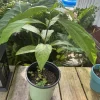
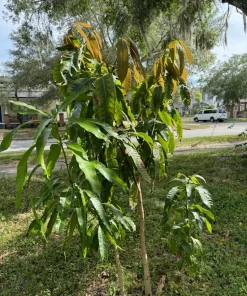
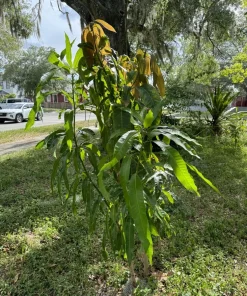
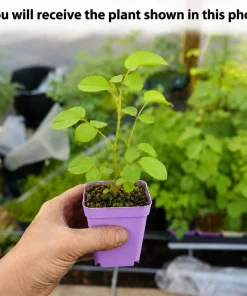
This offering is for a healthy, actively growing Palmer mango tree live plant. The exact size will vary depending on the nursery stock and time of year, but typically, plants are shipped at a manageable size for safe transport and successful transplanting, often ranging from 1 to 3 feet in height from the base of the pot. It will arrive in a nursery container, ensuring its root system is intact and protected. Palmer mango trees are known for their medium to large growth habit, eventually reaching heights of 20-30 feet in optimal outdoor conditions, though they can be kept smaller with regular pruning. The tree has a moderately vigorous growth rate, and under ideal conditions, you can expect fruit production to begin within 3-5 years from planting.
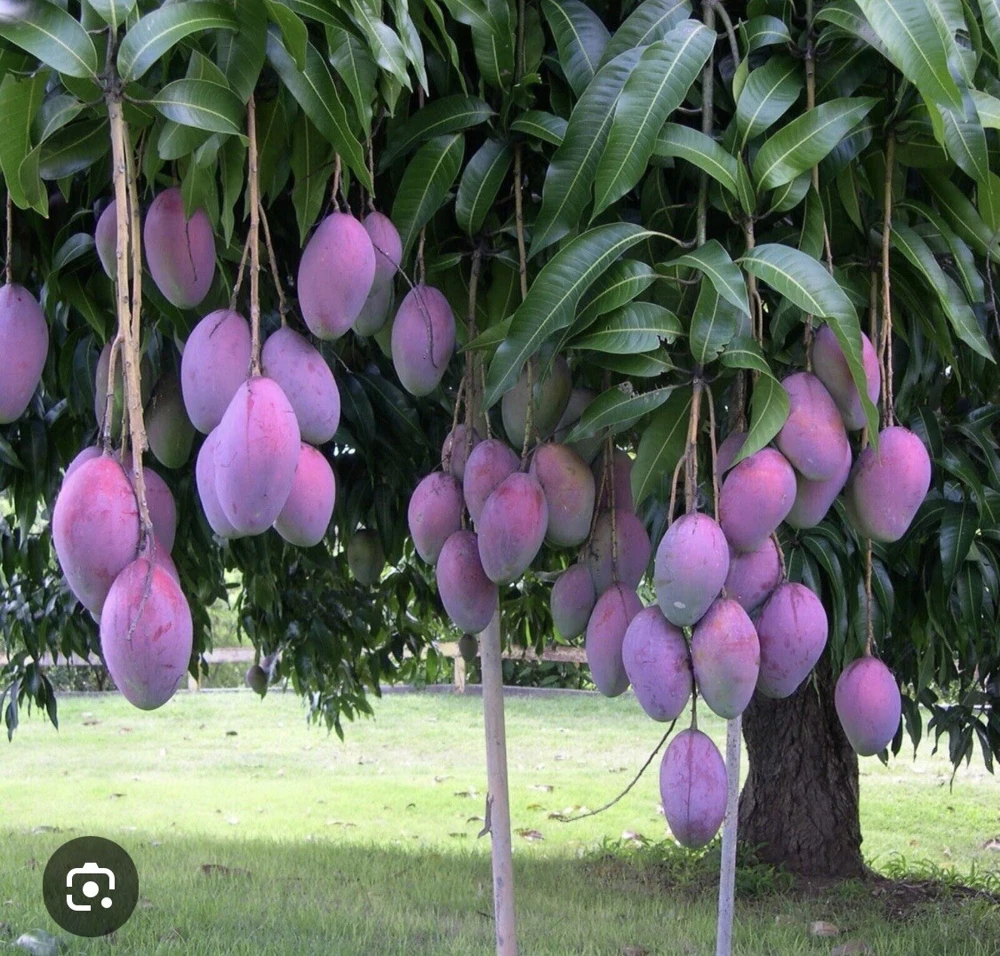
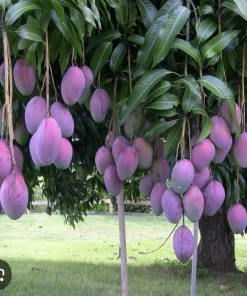
The fruit itself is medium to large, weighing between 1 to 2 pounds, and is characterized by its elongated, oval shape with a distinctive pointed apex. The skin is smooth, thick, and turns a vibrant reddish-purple blush over a yellow background when ripe. The seed is relatively small, contributing to the high flesh-to-seed ratio. This makes the Palmer mango tree live plant a highly desirable variety for fresh eating.
Frequently Asked Questions
- Q: How big does this plant get? A: In optimal outdoor conditions, a Palmer mango tree live plant can grow 20-30 feet tall, but its size can be managed with regular pruning to fit smaller spaces or container growing.
- Q: What size pot does it come in? A: The plant will arrive in a standard nursery container, typically a 1-gallon or 3-gallon pot, ensuring the root ball is protected and ready for transplanting.
- Q: Is this an indoor or outdoor plant? A: The Palmer mango tree is primarily an outdoor plant, thriving in USDA Zones 9-11. It can be grown indoors in large containers in colder climates, but will require significant light and care.
- Q: How much sunlight does it need? A: For best fruit production and healthy growth, your Palmer mango tree live plant requires full sun, meaning at least 6-8 hours of direct sunlight per day.
- Q: Is this plant easy to care for? A: Palmer mango trees are relatively easy to care for once established, provided they are in the correct climate and given proper sunlight, water, and well-draining soil. They are a good choice for those looking to grow Palmer mango tree with moderate effort.
- Q: What condition will it arrive in? A: Your Palmer mango tree live plant will be carefully packaged to ensure it arrives healthy and in good condition, with its root ball protected within a nursery pot.
- Q: How long until it produces fruit? A: Typically, a Palmer mango tree will start producing fruit within 3-5 years after planting, given proper care and ideal growing conditions.
- Q: When is the best time to plant? A: The best time to plant a mango tree is in the spring or early summer, once the danger of frost has completely passed and temperatures are consistently warm.
- Q: Will it survive winter in my zone? A: Palmer mango trees are tropical and will only survive winters outdoors in USDA Zones 9-11. In colder zones, they must be protected from frost or brought indoors. This is crucial for mango tree care in cooler regions.
- Q: What’s the minimum temperature it can tolerate? A: Mango trees are sensitive to cold and can be damaged by temperatures below 40°F (4°C). Prolonged exposure to freezing temperatures can be fatal.
Be the first to review “Palmer Mango Tree Live Plant – Tropical Fruit Tree for Outdoor Garden”
People Also Viewed
Flower Plants
Climbing Roses Live Plant – Fragrant Perennial Rose Bush, 1 Plant, Random Color, 2-4 Inch Tall
Reviews
There are no reviews yet.