
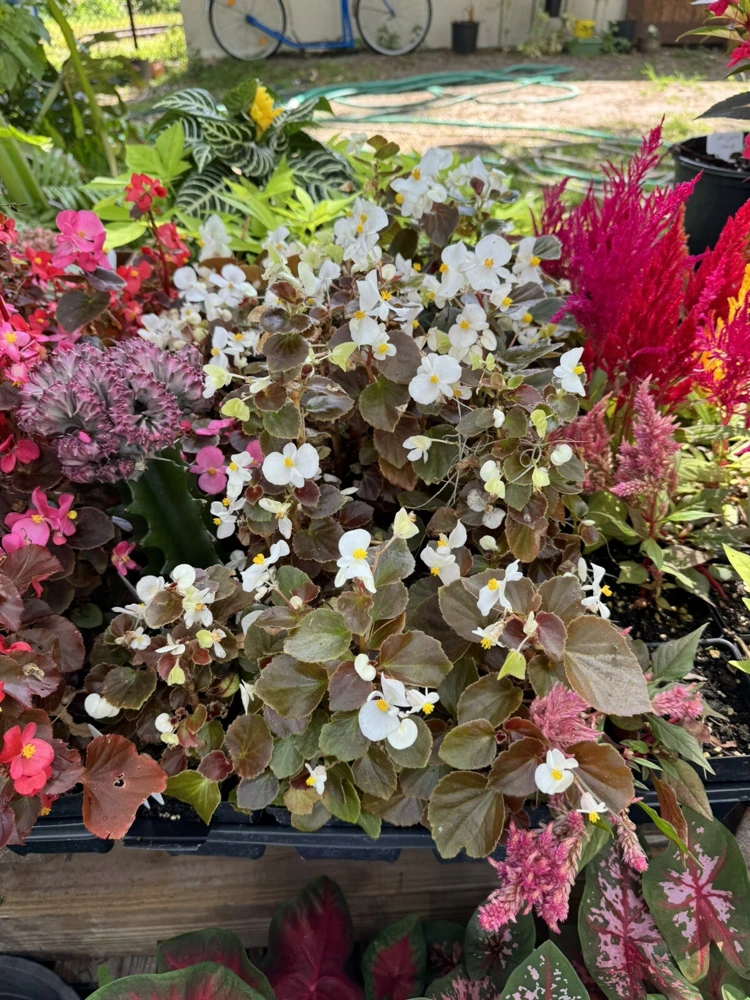
Begonias Live Plant – Houseplant for Indoor & Outdoor Gardens
Original price was: $37.99.$17.99Current price is: $17.99.
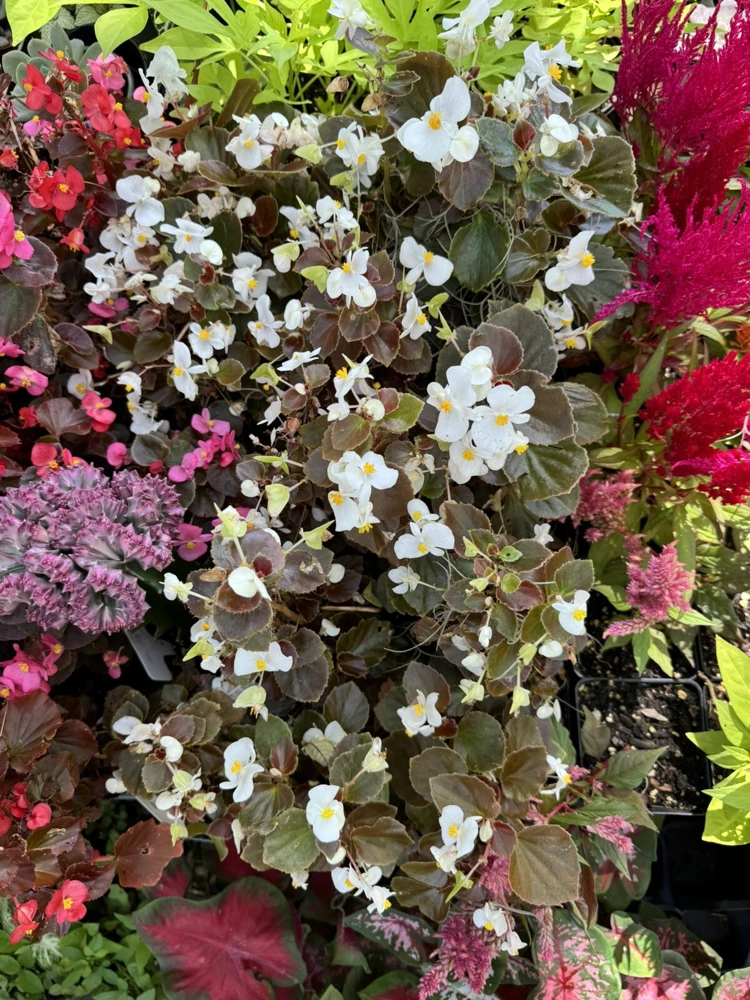
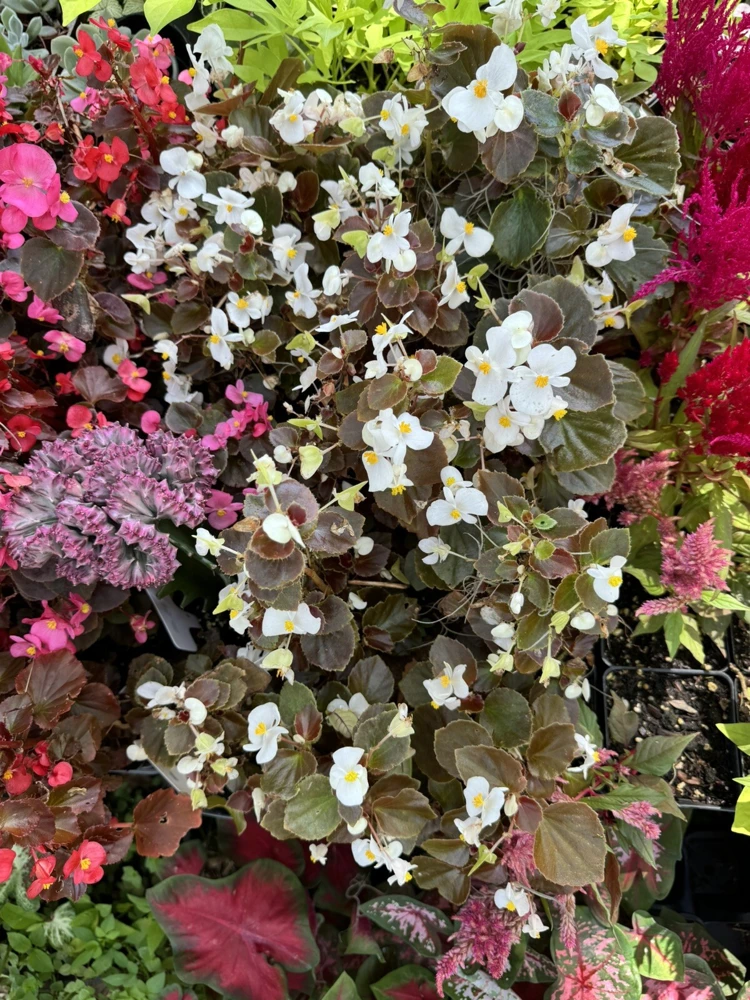
Enhance your home or garden with a stunning begonias live plant. Known for their vibrant foliage and beautiful blooms, these versatile plants thrive both indoors and outdoors, bringing continuous color and elegance to any setting. Perfect for beginners and experienced plant enthusiasts alike.
Estimated arrival
Oct 28
Nov 02 - Nov 04
Nov 07 - Nov 11
Shop With Confidence
30-Day Plant Health Guarantee
Arrives damaged? We’ll replace it free — see our return policy.
Responsive Support
Email us anytime, we reply within 1 business day.
Expert Packaging
Temperature-controlled shipping to protect your plants in transit.
Secure Checkout
Pay safely with Visa, Mastercard, PayPal.
Plant Specifications
-
USDA Hardiness Zone
USDA zones 9–11 (as perennial, otherwise annual or indoor) -
Soil Type
well-draining, rich potting mix -
Sunlight Exposure
bright indirect light -
Expected Planting Period
year-round indoors, spring to early summer outdoors
Overview
Welcome to the captivating world of begonias! This listing features a beautiful begonias live plant, a versatile and beloved botanical specimen cherished for its striking foliage and often vibrant, long-lasting flowers. Begonias are a diverse genus, encompassing a wide array of forms, sizes, and colors, making them a popular choice for both indoor houseplant collections and outdoor garden displays. Whether you’re seeking to add a splash of color to your living room or create an eye-catching focal point in your patio containers, a begonias live plant offers unparalleled beauty and charm. These plants are known for their relatively easy care, making them an excellent option for gardeners of all skill levels who desire a high-impact, low-maintenance addition to their plant family.
Begonias are typically grown as annuals in cooler climates but can thrive as perennials in warmer regions or as houseplants year-round. Their adaptability to various light conditions and their ability to produce continuous blooms (depending on the type) contribute to their widespread appeal. With their intricate leaf patterns and an impressive spectrum of flower hues, a begonias live plant is more than just a plant; it’s a living piece of art that brings joy and natural elegance to any environment.
Key Benefits
A begonias live plant offers numerous advantages, making it a fantastic choice for any plant lover. Their aesthetic appeal combined with their resilient nature ensures they remain a favorite amongst horticulturalists and home decorators alike. Here are some of the key benefits you can expect:
- Vibrant Visual Appeal: Begonias are renowned for their stunning array of colors and leaf textures, ranging from deep greens and bronzes to reds and silvers. Their flowers can be equally diverse, providing continuous blooms that brighten up any space.
- Versatile Placement: Many types of begonias live plant can be grown successfully both indoors as houseplants and outdoors in garden beds, hanging baskets, or containers, offering flexibility in your gardening plans.
- Extended Bloom Period: Unlike many flowering plants, begonias often boast an exceptionally long blooming season, providing color and interest for months on end, especially with proper begonia care.
- Air Purification Qualities: Like many houseplants, certain indoor begonias can contribute to improved indoor air quality by filtering out common toxins, making your living environment healthier.
- Relatively Easy Maintenance: Despite their exotic appearance, many begonia varieties are surprisingly forgiving and require minimal attention once their basic needs for light and water are met, making them suitable even for busy individuals.
- Adaptable to Various Light: While many prefer bright, indirect light, some begonias can tolerate shadier conditions, allowing them to thrive in spots where other flowering plants might struggle.
- Great for Container Gardening: Their compact growth habit and beautiful cascading forms (for some varieties) make them ideal for container gardening, window boxes, and hanging baskets, perfect for small spaces.
Plant Care & Growing Tips
Proper begonia care is essential for ensuring your plant thrives and produces its best display of foliage and flowers. While they are generally low-maintenance, understanding their specific needs will lead to a healthier, more vibrant plant. Most begonias prefer bright, indirect light. Direct harsh sunlight can scorch their delicate leaves, especially for indoor begonias. If growing outdoors, choose a location with morning sun and afternoon shade, or dappled light throughout the day. When grown indoors, an east or north-facing window is often ideal, or a spot a few feet away from a south or west-facing window.
Watering is crucial for begonias. They prefer consistently moist soil but absolutely detest soggy feet, which can lead to root rot. Allow the top inch of soil to dry out slightly before watering again. Use well-draining soil, ideally a rich, peat-based potting mix that retains moisture but allows excess water to drain freely. Humidity is also important for many begonia varieties, especially in drier indoor environments. You can increase humidity by placing the pot on a pebble tray filled with water or by using a humidifier. Fertilize your begonias live plant every 2-4 weeks during the growing season (spring and summer) with a balanced liquid fertilizer diluted to half strength. Reduce or stop fertilizing in fall and winter when growth slows.
Temperature is another factor in good begonia care. Most begonias prefer temperatures between 65-75°F (18-24°C) and do not tolerate frost. If growing outdoor begonias in a cooler climate, treat them as annuals or bring them indoors before the first frost. Pests like spider mites, mealybugs, and whiteflies can occasionally be an issue; inspect your plant regularly and treat any infestations promptly with insecticidal soap. With these care tips, your begonia will flourish, providing continuous beauty.
Size & Details
Your begonias live plant will arrive ready to thrive in its new environment. While specific sizes can vary based on the variety and growth stage, most begonias typically range from 6 to 18 inches in height and spread, making them suitable for various display options. They are often shipped in a nursery pot, ensuring the root system is well-established and protected during transit. The growth rate of a begonias live plant is generally moderate, allowing you to observe its development over time. Many varieties will begin to flower within weeks of planting, and with consistent begonia care, they will continue to bloom throughout their active growing season.
The mature size of your begonia will depend on the specific cultivar and growing conditions, with some varieties forming compact mounds and others developing a more trailing habit. They are perfect for adding texture and color to mixed containers, garden beds, or as standalone specimens. Expect lush foliage and, for flowering types, an abundance of blooms, creating a focal point wherever placed. The versatility of types of begonias means there’s a perfect variety for every gardener and every space.
Frequently Asked Questions
- Q: How big does this begonia plant get? A: The size of your begonias live plant will vary by variety, but most commonly reach between 6 to 18 inches in height and spread. Some trailing types can spread wider, while upright varieties maintain a more compact form.
- Q: What size pot does it come in? A: The begonia plant typically comes in a standard nursery pot, usually 4-6 inches in diameter, providing ample space for its initial growth and root establishment. You can repot it into a larger decorative pot upon arrival if desired.
- Q: Is this an indoor or outdoor plant? A: Many types of begonias are highly versatile and can thrive both as indoor begonias or outdoor begonias. In colder climates, they are often grown as annuals outdoors or brought inside during winter.
- Q: How much sunlight does it need? A: Begonias prefer bright, indirect light. Avoid harsh, direct afternoon sun, which can scorch their leaves. A spot with morning sun and afternoon shade is ideal outdoors, or a bright room indoors without direct sun exposure.
- Q: Is this plant easy to care for? A: Yes, many varieties of begonias live plant are considered relatively easy to care for, making them suitable for beginners. Consistent watering and appropriate light are key to successful begonia care.
- Q: What condition will it arrive in? A: Your begonia plant will be carefully packaged to ensure it arrives in healthy, vibrant condition. It will be a live, rooted plant, ready to be placed in your home or garden.
- Q: Is it shipped in soil? A: Yes, the begonias live plant is shipped securely in its nursery pot with soil, ensuring its roots are protected and hydrated during transit.
- Q: How long until it blooms? A: If you receive a mature plant, it may already be blooming or will begin to bloom shortly after settling into its new environment, especially with proper begonia care. Flowering can be continuous throughout the growing season.
- Q: When is the best time to plant outdoor begonias? A: For outdoor begonias, the best time to plant is after all danger of frost has passed in spring, when nighttime temperatures consistently stay above 50°F (10°C).
- Q: Will it survive winter in my zone? A: In USDA Zones 9-11, many begonias can survive winter outdoors as perennials. In colder zones, they are typically grown as annuals or brought indoors to overwinter as indoor begonias.
Be the first to review “Begonias Live Plant – Houseplant for Indoor & Outdoor Gardens”
People Also Viewed

Reviews
There are no reviews yet.