
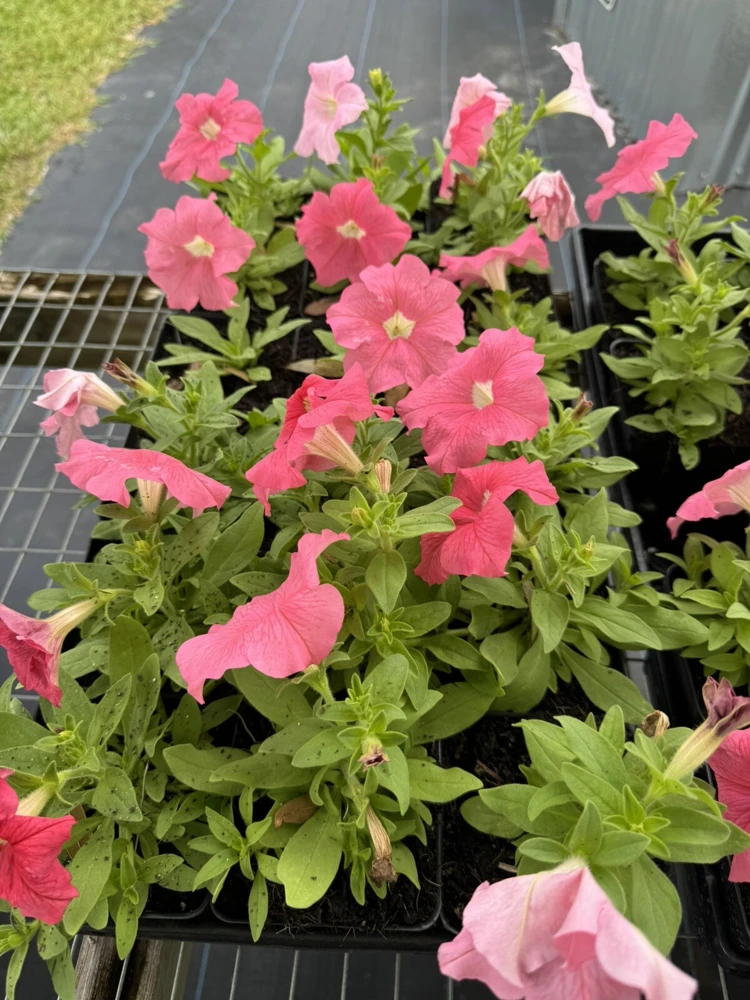
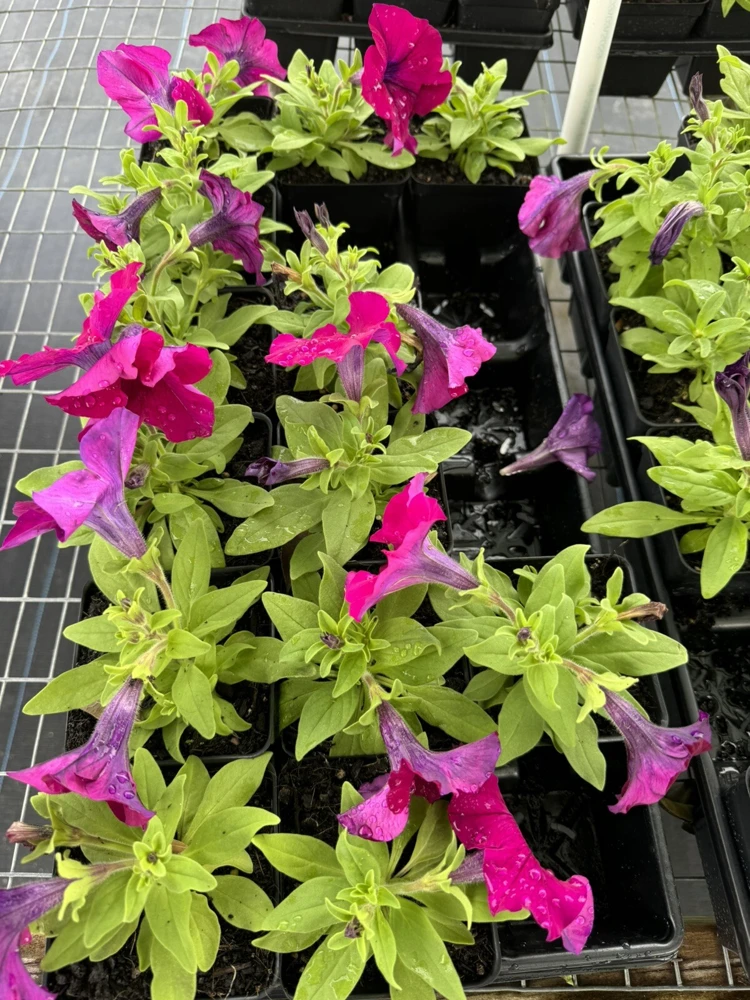
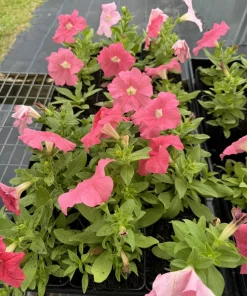
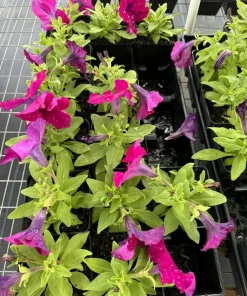
Petunia Live Plant – Vibrant Blooms for Gardens & Containers
Original price was: $39.99.$19.99Current price is: $19.99.
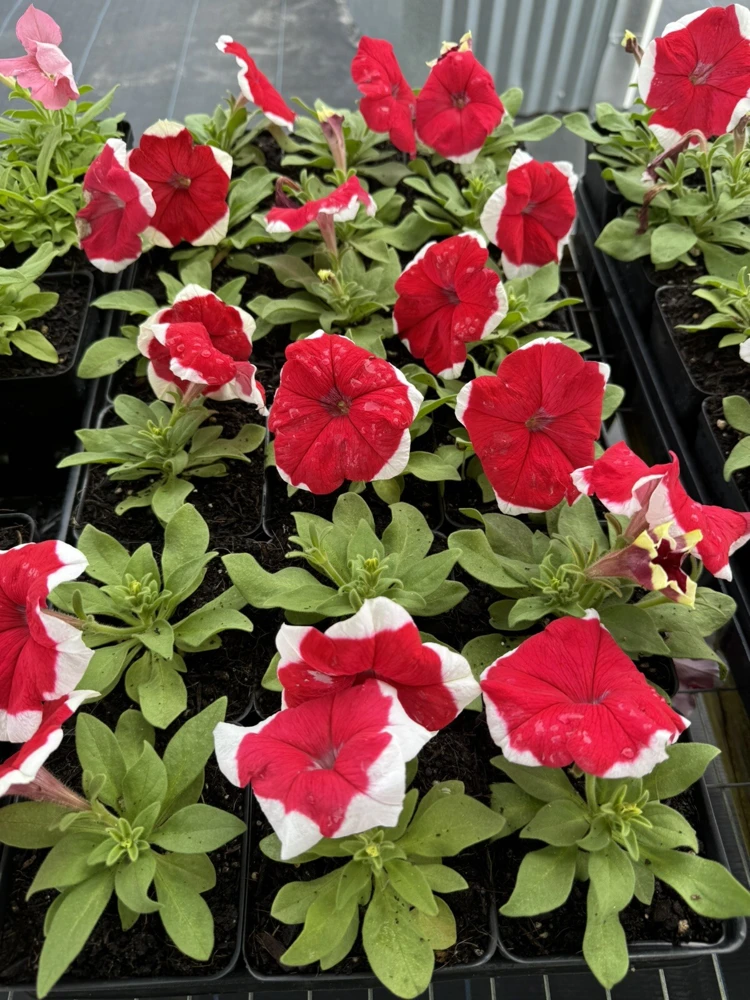
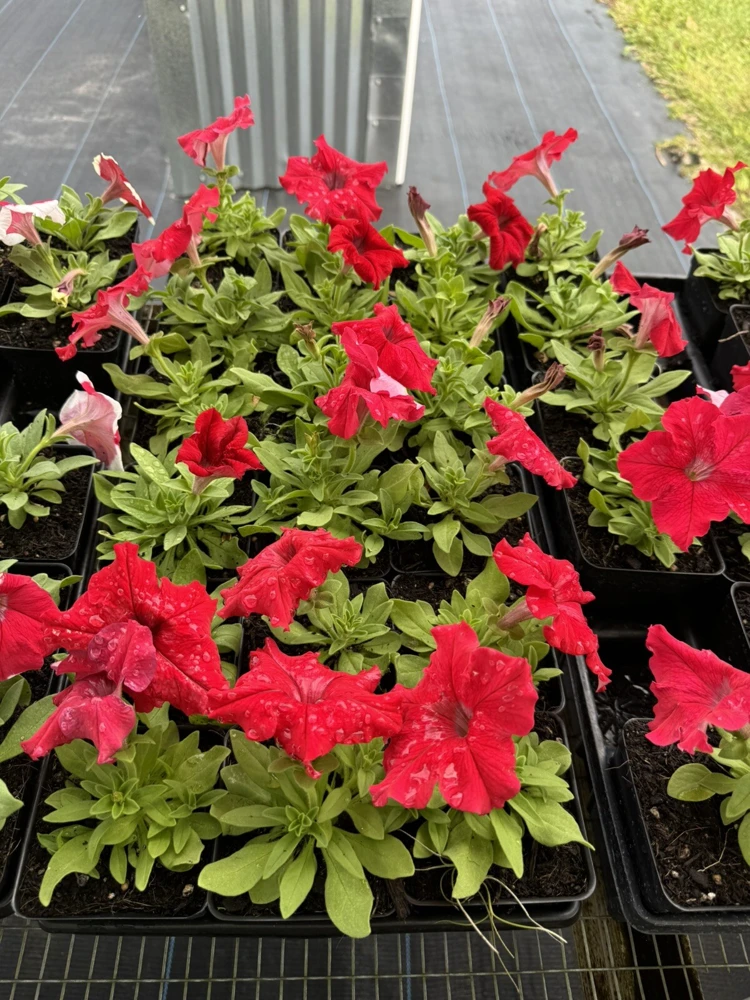
Add a burst of color to your outdoor spaces with our beautiful petunia live plant. These vibrant flowers are perfect for hanging baskets, containers, and garden beds, offering continuous blooms all season long. Easy to care for and thriving in sunny conditions, petunias are a favorite for both novice and experienced gardeners.
Estimated arrival
Oct 27
Nov 01 - Nov 03
Nov 06 - Nov 10
Shop With Confidence
30-Day Plant Health Guarantee
Arrives damaged? We’ll replace it free — see our return policy.
Responsive Support
Email us anytime, we reply within 1 business day.
Expert Packaging
Temperature-controlled shipping to protect your plants in transit.
Secure Checkout
Pay safely with Visa, Mastercard, PayPal.
Plant Specifications
-
USDA Hardiness Zone
Annual in most zones (Hardy in USDA Zones 9-11) -
Soil Type
Well-draining, rich potting mix or garden soil -
Sunlight Exposure
Full sun (at least 6 hours direct sunlight) -
Expected Planting Period
Spring to early summer (after last frost)
Overview
Introduce spectacular color and charm to your garden with a petunia live plant. Known for their prolific blooms and cheerful disposition, petunias are a beloved annual flower that can transform any outdoor space into a vibrant display. Whether you’re looking to fill hanging baskets, window boxes, or garden borders, these versatile plants provide a continuous show of color from spring until the first frost. Our petunia plants arrive healthy and ready to thrive, eager to unfurl their beautiful, trumpet-shaped flowers in a dazzling array of hues.
The petunia is a genus of Petunia, belonging to the nightshade family Solanaceae, and is native to South America. These popular ornamental plants are cherished for their ease of growth and stunning visual impact. A petunia live plant is an excellent choice for adding a touch of elegance and joy to patios, decks, and garden landscapes. They are especially effective when planted en masse or mixed with other complementary annuals, creating breathtaking floral arrangements that capture attention and admiration.
Cultivating a petunia live plant is a rewarding experience, as they respond well to consistent care and sunlight, rewarding gardeners with an abundance of blossoms. Their varied forms, from mounding to trailing, offer flexibility in design, making them suitable for almost any garden application. Discover the simple beauty and enduring appeal of petunias and let them infuse your outdoor living areas with their captivating presence.
Key Benefits
Our petunia live plant offers numerous advantages for any gardener looking to enhance their outdoor environment. These plants are not only beautiful but also remarkably resilient and easy to manage, making them a fantastic addition to various garden styles.
- Continuous Blooming: Petunias are celebrated for their ability to produce a profusion of flowers from late spring through fall, ensuring a long season of vibrant color in your garden.
- Versatile Garden Use: Ideal for a multitude of settings, petunias excel in hanging baskets, patio containers, window boxes, and as cheerful bedding plants, offering endless design possibilities.
- Attracts Pollinators: The bright, often fragrant blooms of the petunia live plant are a magnet for hummingbirds, bees, and butterflies, helping to bring life and ecological balance to your garden.
- Low Maintenance: Once established, petunias require minimal fuss. Regular watering and occasional feeding are usually sufficient to keep them thriving and blooming profusely.
- Drought Tolerance: While they appreciate consistent moisture, petunias exhibit a decent level of drought tolerance once mature, making them suitable for various climates and busy gardeners.
- Wide Color Range: Available in nearly every color imaginable, from classic whites and pinks to deep purples, blues, and bi-colors, you can easily find the perfect petunia to match your aesthetic.
- Enhances Curb Appeal: The sheer volume of blooms produced by a healthy petunia live plant can dramatically boost the visual appeal of your home and garden, creating a welcoming and attractive display.
Plant Care & Growing Tips
Proper care is essential to ensure your petunia live plant thrives and provides an abundance of blooms throughout the season. Petunias are relatively easy to care for, making them a great choice for gardeners of all experience levels, but understanding their basic needs will lead to the best results.
Sunlight Requirements: Petunias are sun-loving plants and perform best with at least 6 hours of direct sunlight per day. In hotter climates, some afternoon shade can be beneficial to prevent scorching, but generally, the more sun they receive, the more flowers they will produce. When considering how to grow petunias, remember that adequate light is key to robust growth and prolific flowering.
Watering Schedule and Soil Moisture: Water your petunias regularly, especially during dry spells and when they are grown in containers, which tend to dry out faster. The soil should be kept consistently moist but not waterlogged. Allow the top inch of soil to dry out slightly between waterings. Overwatering can lead to root rot, so ensure good drainage. For optimal bloom, consistent moisture is important for a healthy petunia live plant.
Soil Type and Drainage Requirements: Petunias prefer well-draining soil that is rich in organic matter. A good quality potting mix is ideal for containers, while garden beds should be amended with compost to improve fertility and drainage. The soil pH should ideally be between 6.0 and 7.0. Poor drainage is a common issue, so ensure your chosen location or container allows excess water to escape freely. This is crucial for successful petunia plant care.
Temperature Range and USDA Hardiness Zone: Petunias are typically grown as annuals in most regions, meaning they complete their life cycle in one growing season. They thrive in warm temperatures and are sensitive to frost. They are generally suited for outdoor planting after all danger of frost has passed in spring. While they are annuals, if you are curious about their perennial nature in very warm climates, they might survive in USDA zones 9-11 as tender perennials, though they are usually replanted annually for best performance. Understanding when to plant is a key part of how to grow petunias effectively.
Fertilization Schedule and Type: To encourage continuous blooming, feed your petunias with a balanced liquid fertilizer every 2-4 weeks, especially for container-grown plants. Look for a fertilizer that is high in phosphorus to promote flower production. Granular slow-release fertilizers can also be incorporated into the soil at planting time for sustained feeding. Regular feeding is vital for maintaining the vigor of your petunia live plant.
Common Problems and Solutions: Petunias are relatively disease-resistant but can occasionally suffer from aphids, spider mites, or whiteflies. These can usually be managed with insecticidal soap or neem oil. Fungal issues like powdery mildew can occur in humid conditions; ensure good air circulation and avoid overhead watering. Deadheading (removing spent blooms) is also important to encourage new flower production and prevent the plant from going to seed, which is a critical aspect of petunia plant care.
Size & Details
Our petunia live plant is carefully cultivated to ensure a healthy start in your garden. Upon arrival, plants typically stand between 4-8 inches tall, depending on the variety and growth stage, and are shipped in a nursery pot ready for immediate transplanting. Petunias are known for their rapid growth rate, quickly filling out spaces and producing a lush display of foliage and flowers. Depending on the variety, they can spread from 12 inches to several feet, making them ideal for ground cover, cascading over the edges of containers, or as fillers in mixed arrangements.
Expect your petunias to begin blooming shortly after planting, continuing their vibrant show until the first hard frost. While the exact mature size varies by cultivar, most petunias will form a compact to spreading mound, reaching a height of 6-18 inches and a spread of 1-3 feet. This makes them highly adaptable for various garden designs. The plants are shipped in a way that minimizes stress, ensuring they arrive ready to thrive in their new home. You’ll be enjoying beautiful petunia flowers for sale from your own garden in no time.
Frequently Asked Questions
- Q: How big does this petunia live plant get? A: A typical petunia live plant can grow to a height of 6 to 18 inches and spread anywhere from 1 to 3 feet, depending on the specific variety and growing conditions. Trailing varieties will spread more, while mounding types stay more compact.
- Q: Is this an indoor or outdoor plant? A: Petunias are primarily grown as outdoor annuals in most climates, thriving in full sun. While they can be brought indoors temporarily, they generally do not perform well as long-term houseplants due to their high light requirements.
- Q: How much sunlight does it need? A: For the best blooming performance, your petunia live plant needs at least 6 hours of direct sunlight per day. More sun generally leads to more flowers.
- Q: Is this plant easy to care for? A: Yes, petunias are considered easy to care for, making them suitable for beginners. Consistent watering, adequate sunlight, and occasional feeding are the main requirements for healthy growth and abundant blooms. This is a key benefit of annual petunias.
- Q: What condition will it arrive in? A: Your petunia plant will arrive healthy and well-rooted in a nursery pot, carefully packaged to minimize stress during transit. It will be ready for transplanting into your garden or preferred container.
- Q: How long until it blooms? A: Our petunia live plant often arrives with buds or even some open flowers, and will continue to bloom profusely shortly after planting, providing continuous color throughout the growing season.
- Q: When is the best time to plant petunias? A: The best time to plant petunias outdoors is in the spring, after all danger of frost has passed and soil temperatures have warmed up. This ensures they establish well before the heat of summer.
- Q: Will it survive winter in my zone? A: Petunias are typically grown as annuals and will not survive winter frost in most USDA zones. In very warm, frost-free climates (USDA zones 9-11), they might act as tender perennials but are usually replanted annually for optimal display.
- Q: What’s the minimum temperature petunias can tolerate? A: Petunias are sensitive to cold and will be damaged by frost. They thrive in temperatures above 50°F (10°C) and prefer daytime temperatures between 65-80°F (18-27°C).
- Q: Why are my petunia flowers for sale not blooming much? A: Lack of sufficient sunlight, insufficient nutrients, or a need for deadheading (removing spent blooms) are common reasons why petunia flowers for sale might not be blooming as much. Ensure they receive full sun and consistent feeding.
Be the first to review “Petunia Live Plant – Vibrant Blooms for Gardens & Containers”
People Also Viewed
Aquatic Plant Seeds
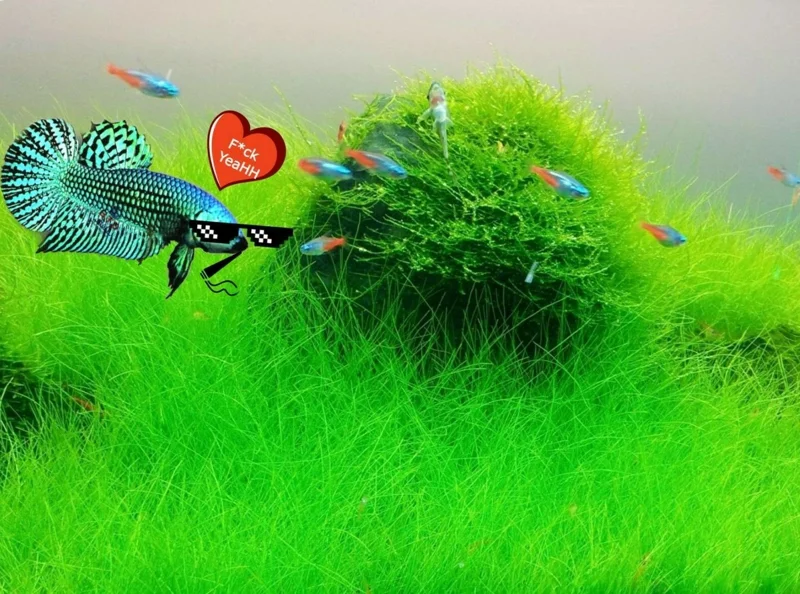
Aquarium Plant Seeds – Live Fish Tank Water Grass Ground Covering Seeds
Reviews
There are no reviews yet.