
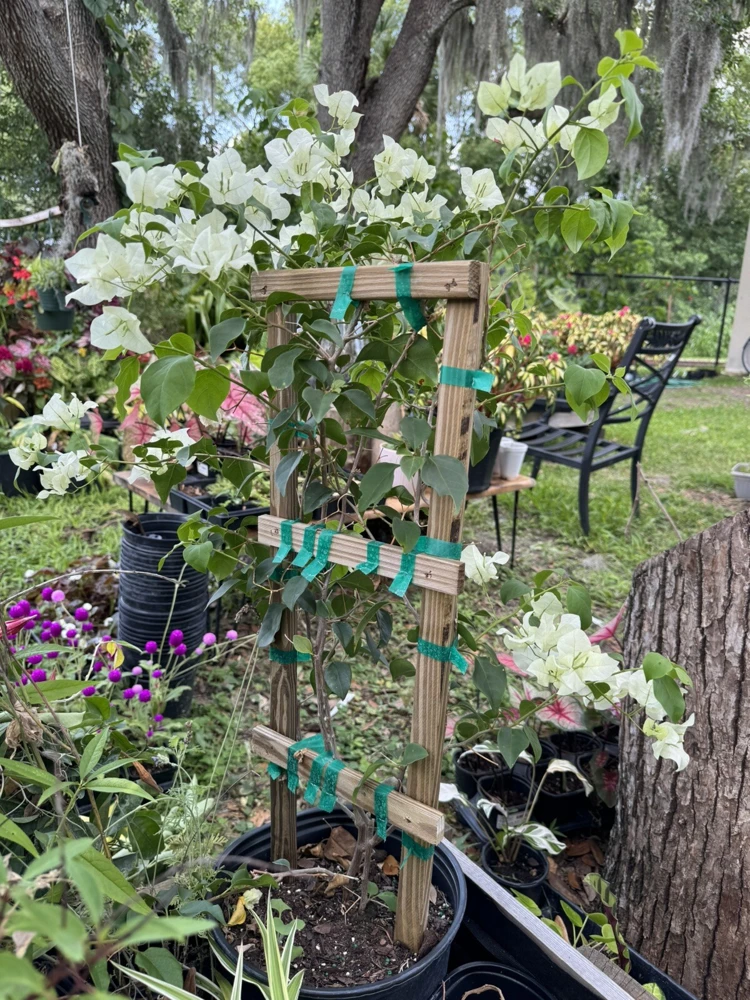
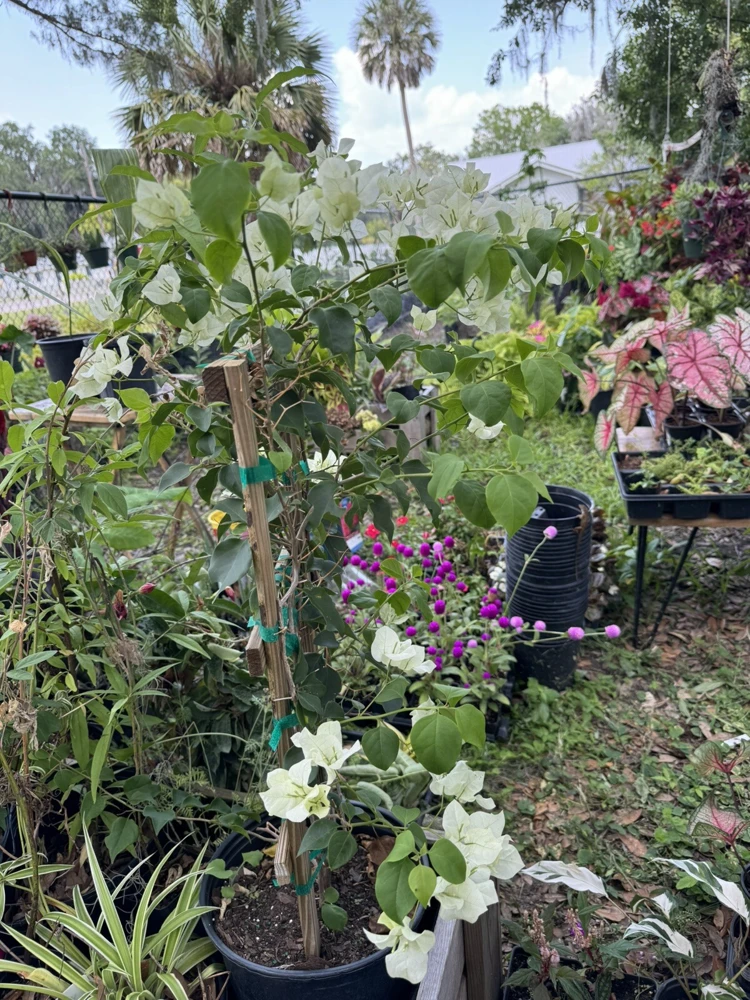
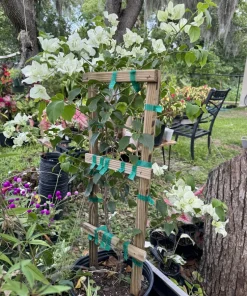
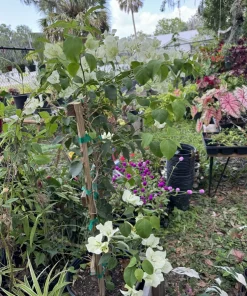
Bougainvillea Live Plant – Vibrant Flowering Vine & Shrub
Original price was: $91.99.$71.99Current price is: $71.99.
Bring tropical vibrancy to your landscape with a beautiful bougainvillea live plant. Known for its spectacular, papery blooms, this bougainvillea flowering vine thrives in warm climates, offering continuous color and a stunning focal point for any garden or patio.
Estimated arrival
Oct 27
Nov 01 - Nov 03
Nov 06 - Nov 10
Shop With Confidence
30-Day Plant Health Guarantee
Arrives damaged? We’ll replace it free — see our return policy.
Responsive Support
Email us anytime, we reply within 1 business day.
Expert Packaging
Temperature-controlled shipping to protect your plants in transit.
Secure Checkout
Pay safely with Visa, Mastercard, PayPal.
Plant Specifications
-
USDA Hardiness Zone
USDA Zones 9-11 -
Soil Type
Well-draining, slightly acidic to neutral soil -
Sunlight Exposure
Full sun (6+ hours direct light daily) -
Expected Planting Period
Spring to early summer
Overview
Transform your outdoor space with the breathtaking beauty of a bougainvillea live plant. Renowned for its brilliant, paper-like bracts that surround inconspicuous true flowers, Bougainvillea (genus Bougainvillea) is a spectacular choice for adding dramatic color and a touch of the tropics to your garden. This versatile plant can be grown as a climbing vine, a bushy shrub, or even trained as a hanging basket specimen. Originating from South America, Bougainvillea thrives in warm, sunny environments, making it a popular choice for landscapes in USDA Zones 9 and above. With its vigorous growth and prolific blooming, a bougainvillea live plant is an excellent investment for anyone looking to create a vibrant and captivating outdoor oasis.
Whether you’re looking to cover a wall, adorn a trellis, or simply add a burst of color to your patio, this bougainvillea live plant offers endless possibilities. Its unique flowering habit, where the vibrant color comes from modified leaves (bracts) rather than petals, ensures a long-lasting display that can persist for many months. Easy to care for once established, it’s a rewarding plant for both novice and experienced gardeners.
Key Benefits
A bougainvillea live plant offers numerous advantages that make it a highly desirable addition to any garden or landscape. Its striking appearance and robust nature contribute significantly to its appeal.
-
Spectacular, Long-Lasting Blooms: Bougainvillea is celebrated for its incredibly vibrant and abundant flower-like bracts that provide a continuous splash of color for most of the year in warm climates. These vivid displays last much longer than typical flowers, ensuring your garden remains stunning.
-
Versatile Growth Habit: This plant can be easily trained as a climbing vine to cover walls, fences, or trellises, or pruned into a compact shrub or hedge. Its adaptability makes it suitable for various garden designs and spaces, allowing you to create different landscaping effects with a single bougainvillea live plant.
-
Drought Tolerant: Once established, Bougainvillea is remarkably drought-tolerant, making it an excellent choice for xeriscaping or gardens in arid regions. It prefers drier conditions and does not require frequent watering, which is a significant benefit for water conservation.
-
Low Maintenance: Apart from occasional pruning to maintain its shape and encourage blooming, growing bougainvillea requires minimal effort. It is generally resistant to most pests and diseases, simplifying its care routine.
-
Attracts Pollinators: While the true flowers are small, the vibrant bracts indirectly attract pollinators like bees and butterflies to your garden, contributing to a healthy ecosystem.
-
Adds Tropical Ambiance: The exotic look of Bougainvillea instantly creates a tropical or Mediterranean feel, enhancing the aesthetic appeal of your outdoor living areas and transforming them into a vibrant retreat.
-
Erosion Control: When planted on slopes or banks, the extensive root system of a bougainvillea shrub can help prevent soil erosion, adding a practical benefit to its ornamental value.
Plant Care & Growing Tips
Caring for your bougainvillea live plant is straightforward, especially once it’s established. The key to abundant blooms and healthy growth lies in providing the right conditions and consistent care. Bougainvillea thrives in full sun, requiring at least 6 hours of direct sunlight per day to produce its best color. Inadequate light will result in sparse flowering and leggy growth. When planting, choose a location with well-draining soil. Bougainvillea prefers slightly acidic to neutral soil (pH 5.5-6.5). If planting in a container, use a high-quality potting mix that drains quickly. Ensure the pot has ample drainage holes to prevent waterlogging, which can be detrimental to the plant’s health.
Watering is crucial, particularly for young plants. Water deeply after planting and regularly until the plant is established. Once mature, Bougainvillea becomes quite drought-tolerant. Overwatering is a common mistake that can lead to root rot and reduced flowering. Allow the soil to dry out completely between waterings. Fertilize your bougainvillea flowering vine during its active growing season (spring and summer) with a balanced fertilizer or one higher in phosphorus to encourage blooming. Avoid high-nitrogen fertilizers, which promote leafy growth at the expense of flowers. Pruning is essential for shaping the plant, encouraging new growth, and promoting a more prolific bloom. Prune after a flush of flowers to remove spent blooms and shape the plant as desired. Protect your bougainvillea shrub from frost if you live in an area where temperatures drop below freezing, as it is not cold-hardy.
Size & Details
This bougainvillea live plant is typically shipped in a nursery pot, ready for transplanting into your garden or a larger container. The exact size of the plant upon arrival may vary, but it will be a healthy young specimen with active growth. Bougainvillea is a fast-growing plant, and with optimal conditions, it can quickly reach heights of 10 to 30 feet as a vine or spread 3 to 10 feet as a shrub, depending on the variety and how it is pruned. The growth rate can be quite rapid, often adding several feet per year. Expect your growing bougainvillea to begin producing its vibrant bracts within its first growing season, with increasingly spectacular displays as it matures. For best results, consider its mature size when choosing a planting location, ensuring it has ample space to spread and climb if desired.
Frequently Asked Questions
-
Q: How big does this plant get? A: A bougainvillea live plant can grow quite large. As a vine, it can reach 10 to 30 feet in height, and as a shrub, it can spread 3 to 10 feet, depending on the variety and pruning. Its vigorous growth means it will fill its space quickly.
-
Q: Is this an indoor or outdoor plant? A: Bougainvillea is primarily an outdoor plant, thriving in warm, sunny climates (USDA Zones 9-11). In colder regions, it can be grown in containers and brought indoors during winter, but it requires significant light to flourish.
-
Q: How much sunlight does it need? A: For abundant blooms and healthy growth, a bougainvillea live plant requires at least 6 hours of direct sunlight per day. More sun generally leads to more vibrant and prolific flowering.
-
Q: Is this plant easy to care for? A: Yes, once established, Bougainvillea is relatively easy to care for. It’s drought-tolerant and generally pest-resistant. The main care requirements are sufficient sunlight, well-draining soil, and occasional pruning.
-
Q: What condition will it arrive in? A: Your bougainvillea live plant will arrive as a healthy, actively growing specimen in a nursery pot, carefully packaged to ensure its safety during transit.
-
Q: When is the best time to plant bougainvillea? A: The best time to plant Bougainvillea is in the spring after the last frost, allowing it ample time to establish its root system before the peak growing season.
-
Q: Does growing bougainvillea attract pests? A: Bougainvillea is generally resistant to most common garden pests. Occasionally, aphids or scale insects may appear, but they are usually easy to manage with horticultural oil or insecticidal soap.
-
Q: How often should I water my bougainvillea flowering vine? A: Water deeply when the top few inches of soil are dry. Once established, Bougainvillea prefers to be on the drier side, so avoid overwatering. Allow the soil to dry out completely between waterings.
-
Q: Can I grow a bougainvillea shrub in a container? A: Yes, Bougainvillea grows very well in containers, especially in colder climates where it needs to be moved indoors for winter. Choose a large pot with excellent drainage.
-
Q: What kind of soil is best for Bougainvillea? A: Bougainvillea prefers well-draining soil, ideally a sandy loam with a slightly acidic to neutral pH (5.5-6.5). Good drainage is critical to prevent root rot.
Be the first to review “Bougainvillea Live Plant – Vibrant Flowering Vine & Shrub”
People Also Viewed
Flower Seeds
Flower Seeds
Reviews
There are no reviews yet.