
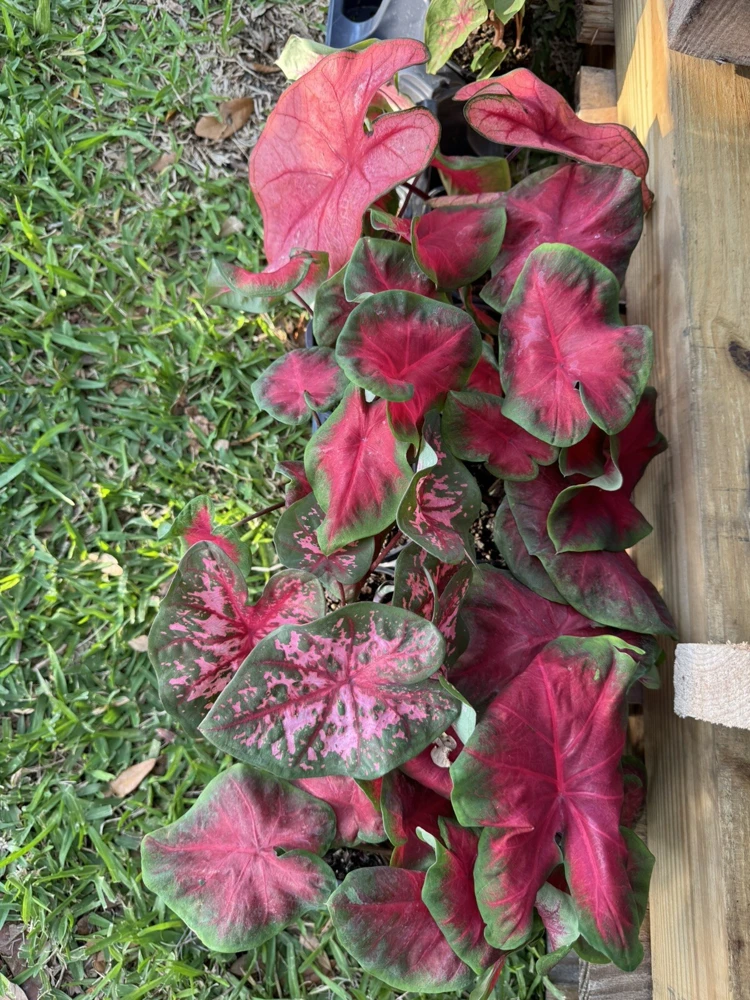
Caladium Live Plants in Pot – Colorful Foliage for Indoor & Outdoor
Original price was: $45.99.$25.99Current price is: $25.99.
Enhance your home or garden with a stunning caladium live plant. These vibrant plants are celebrated for their colorful, heart-shaped leaves, offering a unique tropical aesthetic. Perfect as an indoor caladium or for shaded outdoor areas, they are relatively easy to care for and bring a burst of life to any space. Find your perfect potted caladium today!
Estimated arrival
Oct 27
Nov 01 - Nov 03
Nov 06 - Nov 10
Shop With Confidence
30-Day Plant Health Guarantee
Arrives damaged? We’ll replace it free — see our return policy.
Responsive Support
Email us anytime, we reply within 1 business day.
Expert Packaging
Temperature-controlled shipping to protect your plants in transit.
Secure Checkout
Pay safely with Visa, Mastercard, PayPal.
Plant Specifications
-
USDA Hardiness Zone
USDA zones 9-11 (as perennial); Grown as annuals or indoors in cooler zones -
Soil Type
Well-draining, rich, peat-based potting mix -
Sunlight Exposure
Bright indirect light to partial shade -
Expected Planting Period
Year-round indoors; Spring to early summer outdoors (after last frost)
Overview
The caladium live plant is a true showstopper, renowned for its spectacular, colorful foliage that can transform any space into a tropical paradise. Often called ‘Angel Wings’ or ‘Elephant Ear’ due to their distinctive leaf shape, Caladiums are tuberous plants native to tropical and subtropical regions of South America. These plants are primarily grown for their leaves, which come in an astonishing array of colors, including various shades of red, pink, white, and green, often with intricate patterns and veining. Whether you’re looking to brighten up an indoor living area or add vibrant interest to a shaded garden bed, a caladium live plant offers unparalleled visual appeal. Unlike many flowering plants, Caladiums provide continuous color and texture throughout their growing season, making them a favorite among plant enthusiasts and decorators alike.
This particular offering provides a healthy potted caladium, ready to be enjoyed immediately. Caladiums thrive in warm, humid conditions and are often used as annuals in cooler climates or as perennial houseplants in warmer zones. Their versatility allows them to be incorporated into various design schemes, from lush container gardens to elegant indoor displays. With proper care, your caladium live plant will provide months of stunning beauty, making it a rewarding addition to any plant collection.
Key Benefits
Bringing a caladium live plant into your home or garden offers numerous advantages, from aesthetic enhancement to fostering a connection with nature. These plants are not just beautiful; they are also relatively straightforward to integrate into diverse environments. Below are some key benefits you can expect:
- Stunning Foliage Display: Caladiums are celebrated for their incredibly vibrant and diverse leaf patterns and colors, including reds, pinks, whites, and greens. Each leaf is a work of art, providing continuous visual interest without relying on flowers.
- Versatile Decor Element: Whether used as an indoor caladium to brighten up a living room or placed in shaded outdoor containers and garden beds, these plants adapt well to various settings, enhancing any decor style.
- Relatively Low Maintenance: Once their basic light and watering needs are met, caladium plant care is quite manageable. They don’t require constant pruning or complex feeding schedules, making them suitable for busy individuals.
- Tropical Ambiance: Their large, heart-shaped leaves and bold colors instantly evoke a tropical feel, creating a serene and exotic atmosphere in any space they inhabit.
- Air Purification (Indoor): Like many houseplants, Caladiums contribute to improving indoor air quality by absorbing common pollutants, making your living environment healthier.
- Unique Gifting Option: A beautiful potted caladium makes an excellent and thoughtful gift for plant lovers or anyone looking to add a touch of natural beauty to their home.
- Wide Range of Varieties: While this specific offering is a general caladium live plant, the genus boasts a vast array of caladium varieties, allowing enthusiasts to collect and enjoy different leaf shapes, sizes, and color combinations.
Plant Care & Growing Tips
Proper caladium plant care is essential for ensuring your plant thrives and displays its most vibrant colors. Caladiums prefer warm, humid environments, mimicking their native tropical habitats. For light, they generally prefer bright, indirect light. Direct scorching sun, especially in the afternoon, can burn their delicate leaves, causing discoloration and damage. If grown indoors, an east-facing window or a spot several feet away from a south or west-facing window is ideal. For outdoor planting, choose a location with dappled shade or morning sun and afternoon shade. The more direct sun they receive, the more intense their leaf coloration may become, but always protect them from harsh midday rays.
When it comes to watering, consistency is key. Keep the soil consistently moist but never waterlogged. Allow the top inch of soil to dry out slightly between waterings. Overwatering can lead to tuber rot, while underwatering can cause the leaves to wilt and go dormant prematurely. Use well-draining soil, ideally a rich, peat-based potting mix that retains moisture but allows excess water to escape. Caladiums are heavy feeders during their active growing season. Fertilize every 2-4 weeks with a balanced liquid fertilizer diluted to half strength. Stop fertilizing as the plant begins to go dormant in the fall. Caladiums are typically grown as annuals in USDA zones below 9, or can be dug up and stored over winter. If grown as an indoor caladium, ensure consistent temperatures above 60°F (15°C) and provide extra humidity, especially in dry indoor environments, using a pebble tray or humidifier. Watch out for common pests like spider mites and aphids; early detection and treatment with insecticidal soap can prevent major issues.
Size & Details
This offering includes a healthy caladium live plant, expertly grown and delivered in a nursery pot, ready for you to enjoy. The plant typically arrives with several established leaves, showcasing its characteristic vibrant patterns. While exact dimensions can vary slightly based on the specific variety and growth stage, most potted caladium plants of this type will stand approximately 6-12 inches tall from the top of the soil and spread about 6-10 inches wide, making them a perfect size for tabletops, windowsills, or as accents in larger garden arrangements. The plant is shipped in its nursery container, ensuring minimal transplant shock and providing a stable environment for its journey to your home. Caladiums are known for their relatively fast growth during their active season, quickly filling out to create a lush display of foliage. Expect your plant to continue producing new, colorful leaves throughout the warmer months, providing continuous beauty.
Frequently Asked Questions
- Q: How big does this caladium plant get? A: This caladium live plant typically grows to about 6-12 inches tall and spreads 6-10 inches wide, depending on the specific caladium varieties and growing conditions. It’s a compact size perfect for various indoor or outdoor settings.
- Q: Is this an indoor or outdoor plant? A: Caladiums are versatile. They can be grown as an indoor caladium in bright, indirect light, or outdoors in shaded areas, especially in warmer climates. In cooler zones, they are often treated as annuals or the tubers are overwintered.
- Q: How much sunlight does a caladium need? A: Caladiums thrive in bright, indirect light or partial to full shade. Direct afternoon sun can scorch their leaves, so protect them from intense light. For an indoor caladium, an east-facing window is often ideal.
- Q: Is this plant easy to care for? A: Yes, caladium plant care is considered relatively easy. They require consistent moisture, good humidity, and protection from direct harsh sun. Once these basic needs are met, they are quite low-maintenance.
- Q: What condition will the potted caladium arrive in? A: Your potted caladium will arrive carefully packaged in its nursery pot, with soil, to ensure it reaches you in healthy, vibrant condition, ready to be placed in your home or garden.
- Q: Can I grow different caladium varieties together? A: Absolutely! Growing different caladium varieties together can create a stunning and dynamic display of contrasting colors and patterns, enhancing their visual impact.
- Q: How often should I water my caladium? A: Water your caladium when the top inch of soil feels dry to the touch. Keep the soil consistently moist but never waterlogged. Adjust watering frequency based on humidity and temperature.
- Q: What type of soil is best for a caladium live plant? A: A well-draining, rich, peat-based potting mix is ideal for a caladium live plant. This type of soil retains moisture well while preventing water from sitting around the tubers.
- Q: Is the caladium plant pet-safe? A: No, caladiums are toxic if ingested by pets or humans due to calcium oxalate crystals. Keep them out of reach of children and pets.
- Q: When is the best time to plant caladiums outdoors? A: For outdoor planting, wait until all danger of frost has passed and soil temperatures are consistently above 65°F (18°C), typically in late spring or early summer.
Be the first to review “Caladium Live Plants in Pot – Colorful Foliage for Indoor & Outdoor”
People Also Viewed

Flower Seeds
Reviews
There are no reviews yet.