
Pony Tail Palm Bonsai Live Plant – Indoor Houseplant
Original price was: $81.99.$61.99Current price is: $61.99.
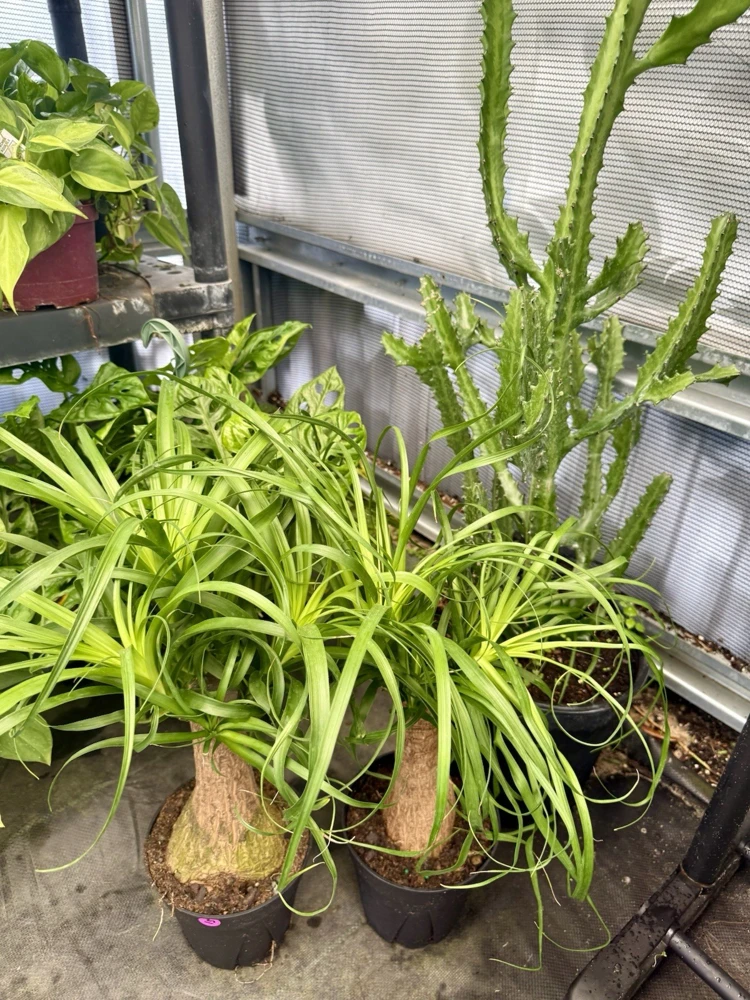
Bring unique character to your home with a pony tail palm bonsai. This distinctive, easy-care live plant is perfect for desks or shelves, offering a touch of natural beauty and an interesting sculptural form that thrives indoors.
Estimated arrival
Oct 27
Nov 01 - Nov 03
Nov 06 - Nov 10
Shop With Confidence
30-Day Plant Health Guarantee
Arrives damaged? We’ll replace it free — see our return policy.
Responsive Support
Email us anytime, we reply within 1 business day.
Expert Packaging
Temperature-controlled shipping to protect your plants in transit.
Secure Checkout
Pay safely with Visa, Mastercard, PayPal.
Plant Specifications
-
USDA Hardiness Zone
USDA Zones 9-11 (if grown outdoors) -
Soil Type
Well-draining succulent or cactus mix -
Sunlight Exposure
Bright indirect light -
Expected Planting Period
Year-round indoors
Overview
Introduce a touch of exotic elegance to your home or office with this beautiful pony tail palm bonsai. Known for its bulbous trunk that stores water and its long, cascading leaves resembling a ponytail, the Pony Tail Palm (Beaucarnea recurvata) is a beloved and distinctive succulent. This particular offering is a meticulously cultivated live plant, presented in a bonsai style, making it a perfect decorative piece for any indoor setting. Its unique appearance and relatively simple care requirements make it an excellent choice for both seasoned plant enthusiasts and those new to the world of houseplants. The pony tail palm bonsai is not only a visually striking specimen but also a conversation starter, bringing a piece of the desert landscape into your personal space.
Despite its name, the Pony Tail Palm is not a true palm but rather a member of the Agave family, closely related to Yuccas. It is celebrated for its resilience and ability to thrive in various indoor conditions, making it a very forgiving plant. This ponytail palm live plant is an ideal choice for adding natural beauty without demanding constant attention, allowing you to enjoy its serene presence with minimal fuss. Its compact size as a bonsai ensures it fits perfectly on windowsills, desks, or accent tables, enhancing your interior decor with its unique silhouette.
Key Benefits
The pony tail palm bonsai offers a range of benefits that make it an exceptional addition to any indoor environment. Its distinctive appearance and low maintenance needs contribute to a more beautiful and relaxed living space:
- Unique Aesthetic Appeal: The striking bulbous trunk and graceful, arching leaves create a sculptural and artistic focal point. It adds an unusual and sophisticated touch to any room, standing out from more common houseplants.
- Low Maintenance & Drought Tolerant: As a succulent, the Pony Tail Palm stores water in its trunk, making it highly drought-tolerant. This means less frequent watering is required, perfect for busy individuals or those who occasionally forget to water their plants. It truly is an easy care bonsai.
- Air Purifying Qualities: Like many houseplants, the Pony Tail Palm helps to improve indoor air quality by absorbing certain common toxins and releasing fresh oxygen, contributing to a healthier environment.
- Long Lifespan: With proper care, a Pony Tail Palm can live for many decades, even centuries in its natural habitat, making it a long-term companion that grows with you. This longevity makes it a truly rewarding plant to nurture.
- Adaptable to Various Light Conditions: While it thrives in bright light, the pony tail palm bonsai can tolerate lower light conditions, making it versatile for placement in different areas of your home.
- Pet-Friendly: Unlike some common houseplants, the Pony Tail Palm is generally considered non-toxic to pets, offering peace of mind for pet owners.
- Compact Size: Cultivated as a bonsai, its controlled growth ensures it remains a manageable size, ideal for small spaces, offices, or as a desk plant.
Plant Care & Growing Tips
Caring for your pony tail palm bonsai is straightforward, making it an excellent choice for beginners and experienced gardeners alike. Understanding its basic needs will ensure your plant thrives and maintains its unique beauty for years to come. The key to successful beaucarnea recurvata care lies in mimicking its natural arid environment.
Sunlight Requirements: The Pony Tail Palm prefers bright, indirect light. Place it near a south or west-facing window where it can receive several hours of sunlight daily. While it can tolerate some direct sun, too much intense, unfiltered sunlight can scorch its leaves. Conversely, too little light can lead to leggy growth and a weakening of the plant’s overall health. Rotate your plant periodically to ensure even growth and light exposure on all sides.
Watering Schedule & Soil Moisture: This succulent is highly drought-tolerant due to its water-storing trunk. The most common mistake in beaucarnea recurvata care is overwatering. Allow the soil to dry out completely between waterings. In warmer months, you might water every 2-4 weeks, while in winter, watering can be reduced to once a month or even less. Always check the soil moisture with your finger before watering. When you do water, water thoroughly until it drains from the bottom of the pot, then discard any excess water.
Soil Type & Drainage: A well-draining soil mix is crucial for a pony tail palm bonsai. A cactus or succulent potting mix is ideal, as it provides the necessary drainage to prevent root rot. You can also create your own mix using equal parts potting soil, perlite, and coarse sand. Ensure the pot has drainage holes.
Temperature Range & USDA Hardiness Zone: The Pony Tail Palm thrives in average room temperatures, typically between 65-80°F (18-27°C). It can tolerate slightly cooler temperatures but should be protected from drafts and temperatures below 50°F (10°C). While primarily an indoor bonsai plant, if grown outdoors in suitable climates, it is hardy in USDA Zones 9-11.
Fertilization Schedule: Fertilize sparingly. During the growing season (spring and summer), you can feed your ponytail palm live plant every 2-4 weeks with a balanced liquid fertilizer diluted to half strength. Avoid fertilizing in fall and winter when the plant’s growth slows down.
Common Problems: The main issues arise from improper watering. Yellowing leaves often indicate overwatering, while crispy brown leaf tips can suggest underwatering or low humidity. Pests are generally not a major issue, but occasionally mealybugs or spider mites may appear. Treat with insecticidal soap if necessary.
Size & Details
This pony tail palm bonsai is cultivated to maintain a compact and artistic form, making it an ideal choice for indoor display. While specific dimensions can vary slightly with each individual plant, it typically features a charming, swollen base or caudex, from which slender, arching leaves emerge. As a bonsai, its growth is managed to ensure it remains a desk-friendly size, generally ranging from 6 to 12 inches in height, including the pot. The plant is shipped as a healthy, established live plant, carefully packaged to ensure its safe arrival. Expect a well-rooted specimen ready to thrive in its new home. Its slow growth rate means it will maintain its aesthetic appeal for a long time without requiring frequent repotting or pruning, making it an excellent easy care bonsai.
The unique form of the indoor bonsai plant develops over time, with the caudex becoming more pronounced as the plant matures. This characteristic makes each Pony Tail Palm a distinct living sculpture. While it may not produce flowers indoors, its foliage and trunk provide continuous visual interest. This ponytail palm live plant is a testament to nature’s artistry, offering a serene and enduring presence in your home.
Frequently Asked Questions
- Q: How big does this pony tail palm bonsai get? A: As a bonsai, this plant is cultivated to remain compact. It typically reaches a height of 6 to 12 inches, including the pot, making it perfect for tabletops and windowsills. Its growth is slow, so it will maintain this size for a long time.
- Q: Is this an indoor or outdoor plant? A: While it can thrive outdoors in warm climates (USDA Zones 9-11), this pony tail palm bonsai is primarily intended and best suited as an indoor houseplant in most regions. It adapts well to typical indoor conditions.
- Q: How much sunlight does it need? A: Your pony tail palm bonsai prefers bright, indirect light. A spot near a south or west-facing window is ideal. It can tolerate some direct sun but should be protected from intense, scorching afternoon rays.
- Q: Is this plant easy to care for? A: Yes, the Pony Tail Palm is known for being very low maintenance and forgiving, making it an excellent easy care bonsai for beginners. Its drought tolerance means you don’t have to worry about frequent watering.
- Q: What condition will it arrive in? A: Your ponytail palm live plant will arrive as a healthy, established plant in its nursery pot, securely packaged to ensure minimal stress during transit. It will be ready to be placed in your chosen decorative container.
- Q: How often should I water my pony tail palm bonsai? A: Water sparingly. Allow the soil to completely dry out between waterings. This could be every 2-4 weeks during warmer months and even less frequently in winter. Overwatering is the biggest risk.
- Q: What kind of soil is best for beaucarnea recurvata care? A: A well-draining soil mix is essential. A cactus or succulent potting mix is ideal, or you can create one with potting soil, perlite, and coarse sand to ensure proper drainage and prevent root rot.
- Q: Is the Pony Tail Palm toxic to pets? A: The Pony Tail Palm is generally considered non-toxic to cats and dogs, making it a safer choice for homes with pets. However, it’s always best to discourage pets from chewing on plants.
- Q: Does this indoor bonsai plant produce flowers? A: While mature Pony Tail Palms can produce flowers in their natural outdoor habitat, it is very rare for them to bloom when grown indoors as houseplants or bonsai. Their beauty lies mainly in their unique foliage and trunk.
- Q: Can I prune my pony tail palm bonsai? A: Light pruning can be done to remove any dead or yellowing leaves. If you wish to shape the plant, it’s best to do so minimally and carefully, as aggressive pruning can stress the plant.
Be the first to review “Pony Tail Palm Bonsai Live Plant – Indoor Houseplant”
People Also Viewed
Flowers
Jasmine Sambac Orleans Live Plant – Highly Fragrant White Flowers, 4-6 Inch Tall, Indoor/Outdoor
Reviews
There are no reviews yet.