
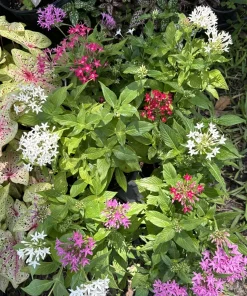
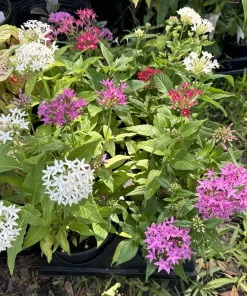
Pentas Live Plant – Vibrant Starflower – Butterfly Bush for Garden
Original price was: $39.99.$19.99Current price is: $19.99.
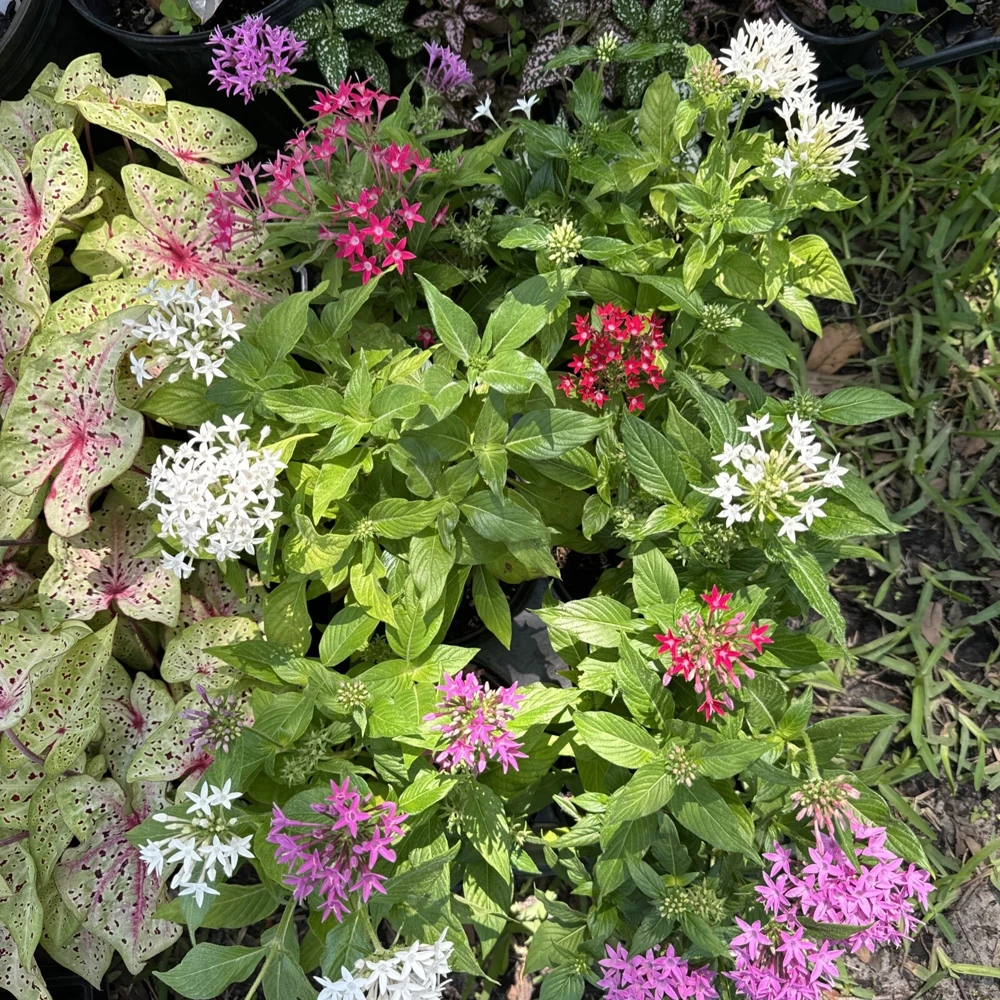
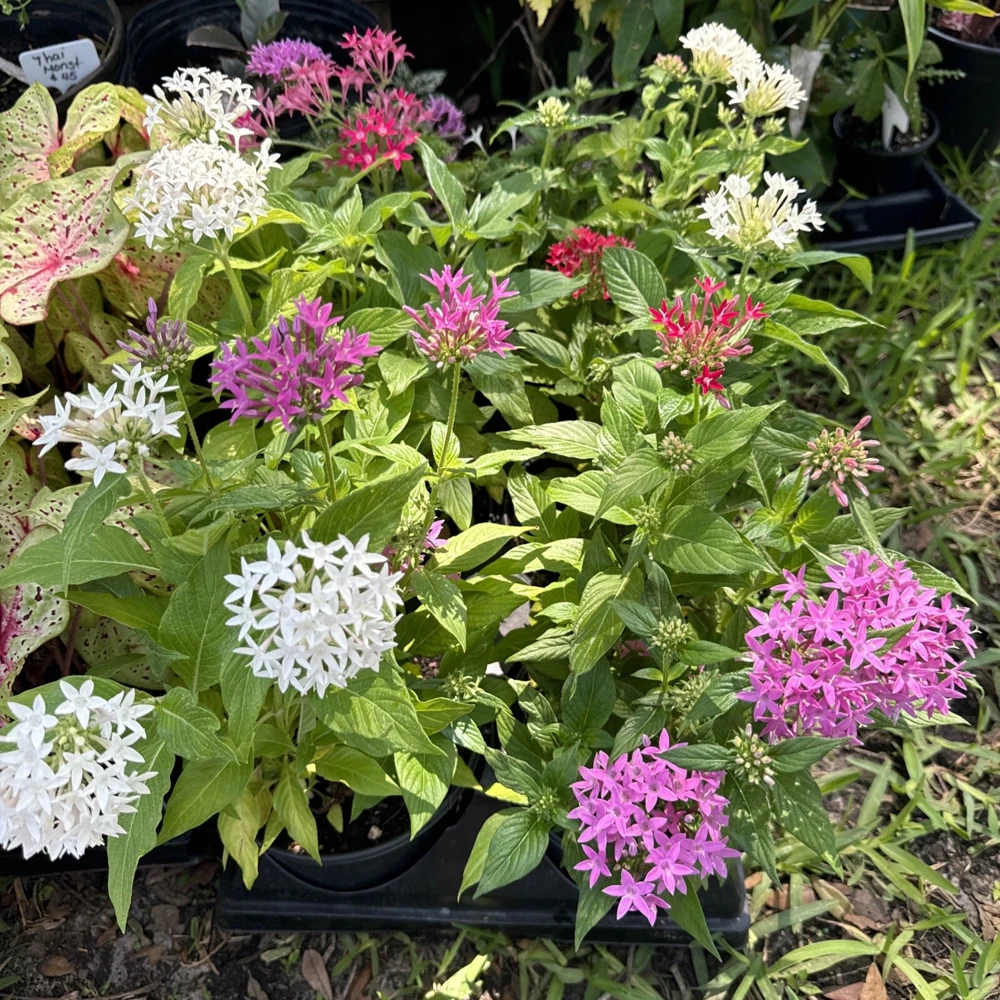
Bring vibrant color and life to your garden with a beautiful pentas live plant. Also known as the Egyptian Starcluster or starflower plant, Pentas are beloved for their clusters of star-shaped flowers that attract butterflies and hummingbirds. This easy-to-grow plant thrives in sunny locations and offers continuous blooms throughout the warmer months, making it an ideal choice for garden beds, containers, and as a stunning butterfly bush plant.
Estimated arrival
Oct 27
Nov 01 - Nov 03
Nov 06 - Nov 10
Shop With Confidence
30-Day Plant Health Guarantee
Arrives damaged? We’ll replace it free — see our return policy.
Responsive Support
Email us anytime, we reply within 1 business day.
Expert Packaging
Temperature-controlled shipping to protect your plants in transit.
Secure Checkout
Pay safely with Visa, Mastercard, PayPal.
Plant Specifications
-
USDA Hardiness Zone
USDA zones 9–11 (as perennial), all zones (as annual) -
Soil Type
Well-draining, rich in organic matter -
Sunlight Exposure
Full sun (6-8 hours direct light daily) -
Expected Planting Period
Spring to early summer
Overview
Introduce a burst of continuous color and natural beauty to your garden with the stunning pentas live plant. Often referred to as the Egyptian Starcluster or starflower plant, Pentas are renowned for their prolific clusters of star-shaped flowers that bloom tirelessly from spring through fall. These vibrant plants are a magnet for local pollinators, including butterflies and hummingbirds, making them an eco-friendly and visually captivating addition to any outdoor space. Whether you’re looking to create a vibrant focal point, enhance your garden beds, or fill your patio containers with life, the Pentas plant offers an unparalleled display of charm and vitality. This versatile perennial, often grown as an annual in cooler climates, is relatively low-maintenance and provides a consistent source of nectar for beneficial insects, contributing to a healthy ecosystem. Its lush foliage and cheerful blooms make it a favorite among gardeners seeking both beauty and functionality.
Key Benefits
The pentas live plant offers numerous advantages that make it a highly desirable choice for gardeners of all experience levels. Its striking appearance and ecological benefits are just a few reasons to cultivate this remarkable species.
- Attracts Pollinators: Pentas are celebrated for their ability to draw in a diverse array of pollinators, including butterflies, hummingbirds, and bees. Their nectar-rich flowers provide an essential food source, making them an excellent choice for a dedicated pollinator garden or as a vibrant butterfly bush plant to support local wildlife.
- Continuous Blooms: Enjoy a nearly non-stop display of colorful star-shaped flowers from late spring until the first frost. This prolonged blooming period ensures your garden remains lively and appealing throughout the growing season, providing consistent visual interest and a fresh look.
- Low Maintenance: Despite their exotic appearance, Pentas plants are surprisingly easy to care for. They require minimal fuss once established, making them perfect for busy gardeners or those new to plant care. Regular watering and occasional feeding are usually all that’s needed to keep them thriving.
- Versatile Use: These adaptable plants are ideal for a variety of landscaping applications. Use them in mixed borders, as a vibrant ground cover, in container gardens, or as a striking annual accent in cooler regions. Their compact to medium size allows them to fit into many garden designs.
- Drought Tolerance: Once established, Pentas plants exhibit a good degree of drought tolerance, reducing the need for frequent watering. This makes them a sustainable choice for water-wise gardens and areas prone to dry spells, while still maintaining their lush appearance.
- Heat Loving: Thriving in warm climates, the pentas live plant handles summer heat with grace, continuing to produce abundant blooms when many other plants might falter. This makes them a reliable performer in regions with hot summers.
- Vibrant Color Palette: Pentas come in a beautiful range of colors, including shades of pink, red, lavender, and white. This allows for creative planting combinations and the ability to match various garden aesthetics, adding a dynamic splash of color wherever they are placed.
Plant Care & Growing Tips
To ensure your pentas live plant flourishes and provides a spectacular display, understanding its specific care requirements is key. These plants are relatively forgiving, but optimal conditions will lead to the most prolific blooms and healthiest growth. Proper pentas plant care involves attention to sunlight, water, soil, and occasional feeding.
Pentas thrive in full sun, meaning they need at least 6-8 hours of direct sunlight per day to produce the most abundant flowers. While they can tolerate partial shade, especially in the hottest climates, too little sun will result in leggy growth and fewer blooms. For watering, keep the soil consistently moist but not waterlogged, especially during dry spells and when the plant is establishing. Allow the top inch or two of soil to dry out slightly between waterings. Good drainage is crucial to prevent root rot. Pentas prefer well-draining soil that is rich in organic matter. A slightly acidic to neutral pH (6.0-7.0) is ideal. Amending heavy clay soils with compost or other organic material will improve drainage and fertility. For optimal growth and continuous flowering, fertilize your Pentas every 2-4 weeks during the growing season with a balanced liquid fertilizer. Reduce fertilization in late fall as growth slows.
Pentas are typically grown as annuals in USDA zones below 9, as they are not frost-tolerant. In warmer climates (USDA zones 9-11), they can be perennial. Pinching back young plants encourages bushier growth and more flowers. Deadheading spent blooms will also encourage the plant to produce more flowers rather than setting seed. While generally robust, keep an eye out for common pests like aphids or spider mites, especially in dry conditions. Treat with insecticidal soap if necessary. With proper pentas plant care, you’ll be rewarded with a continuous show of beautiful star-shaped flowers that enhance your garden and attract delightful visitors.
Size & Details
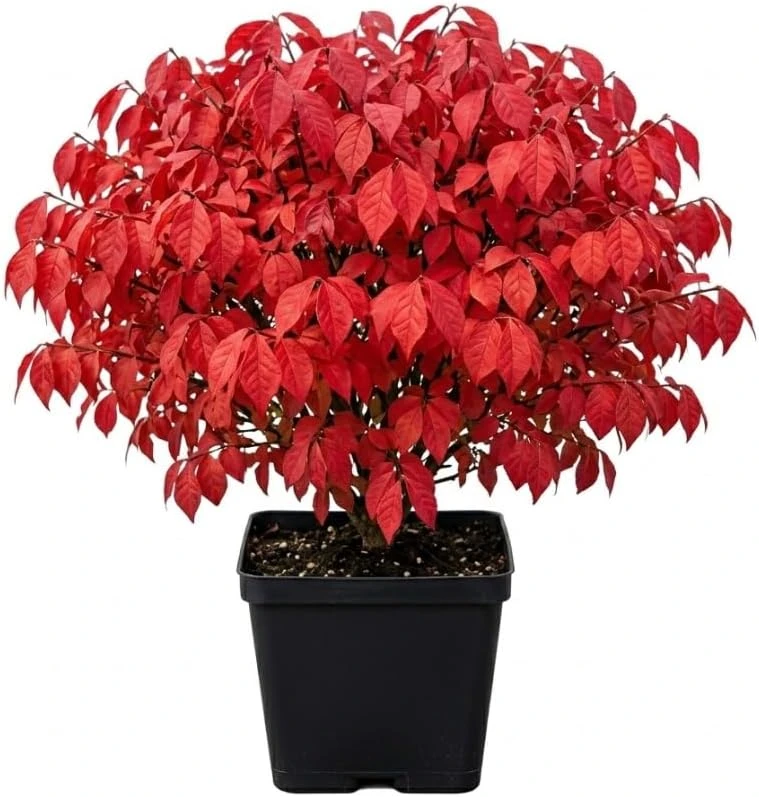
The pentas live plant typically grows into a compact to medium-sized shrub, making it suitable for various garden applications. Most varieties reach a height of 18 to 36 inches and a similar spread, though some can grow slightly larger in ideal conditions. The plants are usually shipped as young, healthy specimens, ready to be transplanted into your garden or a larger container. They will arrive in a nursery pot, with their root system intact and carefully protected to ensure a smooth transition. Expect rapid growth during warm weather, with the first blooms often appearing shortly after planting. The prolific flowering habit ensures a consistent display of the vibrant starflower plant clusters throughout the season, providing continuous enjoyment.
Frequently Asked Questions
- Q: How big does this plant get? A: A pentas live plant typically grows to a height of 18 to 36 inches with a similar spread, depending on the variety and growing conditions. Some varieties can become slightly larger in optimal environments.
- Q: Is this an indoor or outdoor plant? A: While Pentas can be brought indoors as houseplants in cooler climates over winter, they primarily thrive as outdoor plants, especially in sunny garden beds and containers, where they can attract pollinators.
- Q: How much sunlight does it need? A: The starflower plant prefers full sun, which means at least 6-8 hours of direct sunlight daily for the best blooming performance. It can tolerate partial shade, but flowering may be less abundant.
- Q: Is this plant easy to care for? A: Yes, Pentas plants are considered relatively easy to care for, making them a great choice for both novice and experienced gardeners. Consistent watering and adequate sunlight are the main requirements for good pentas plant care.
- Q: What condition will it arrive in? A: Your pentas live plant will arrive as a healthy, young plant in a nursery pot, with its roots protected and ready for transplanting. We take great care in packaging to ensure it reaches you in excellent condition.
- Q: Can I use this as a butterfly bush? A: Absolutely! Pentas are excellent for attracting butterflies and hummingbirds due to their nectar-rich flowers, earning them the common name butterfly bush plant in many regions. They are a fantastic addition to any pollinator garden.
- Q: How long until it blooms? A: Pentas are fast growers and often arrive with buds or flowers already forming. Once planted, they typically begin to bloom continuously from late spring through fall, providing an extended period of color.
- Q: What’s the minimum temperature it can tolerate? A: Pentas are sensitive to cold. They are perennial in USDA Zones 9-11 and should be protected or brought indoors when temperatures drop below 40-45°F (4-7°C). In colder zones, they are typically grown as annuals.
- Q: What kind of soil does it need? A: Pentas prefer well-draining soil that is rich in organic matter. A slightly acidic to neutral pH is ideal for healthy growth and prolific flowering.
- Q: Do I need to deadhead Pentas? A: While not strictly necessary for the plant’s health, deadheading spent blooms can encourage more flower production and maintain a tidier appearance. This helps to promote continuous blooming of your pentas live plant.
Be the first to review “Pentas Live Plant – Vibrant Starflower – Butterfly Bush for Garden”
People Also Viewed
Houseplants
Houseplants
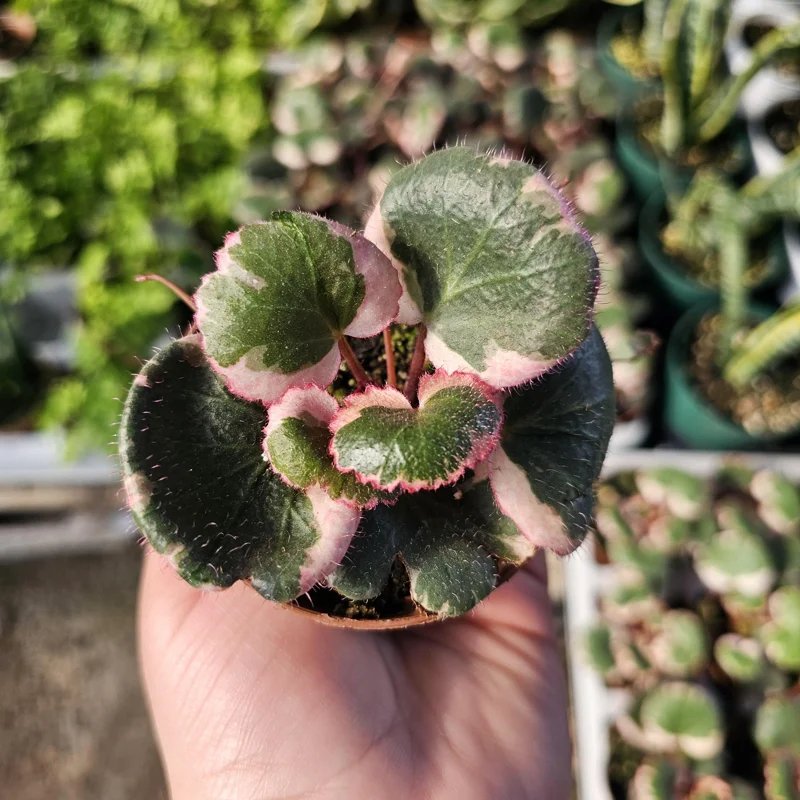
Tricolor Strawberry Geranium Live Plant – Saxifraga Stolonifera – 2in/4in Pot – Indoor/Outdoor
Reviews
There are no reviews yet.