
Jack-o’-Lantern Mushroom Live Plant – Omphalotus illudens Fungus
Original price was: $56.99.$36.99Current price is: $36.99.
Bring a touch of natural wonder to your home with the Jack-o’-Lantern Mushroom live plant. This unique fungus, also known as Omphalotus illudens, is famous for its captivating bioluminescence, glowing in the dark. Perfect for curious gardeners and enthusiasts of unusual plants.
Estimated arrival
Oct 27
Nov 01 - Nov 03
Nov 06 - Nov 10
Shop With Confidence
30-Day Plant Health Guarantee
Arrives damaged? We’ll replace it free — see our return policy.
Responsive Support
Email us anytime, we reply within 1 business day.
Expert Packaging
Temperature-controlled shipping to protect your plants in transit.
Secure Checkout
Pay safely with Visa, Mastercard, PayPal.
Plant Specifications
-
USDA Hardiness Zone
unknown -
Soil Type
Decaying hardwood logs (oak, maple, beech) -
Sunlight Exposure
Shade -
Expected Planting Period
Year-round (indoors with controlled conditions), Spring to Fall (outdoors for inoculation)
Overview
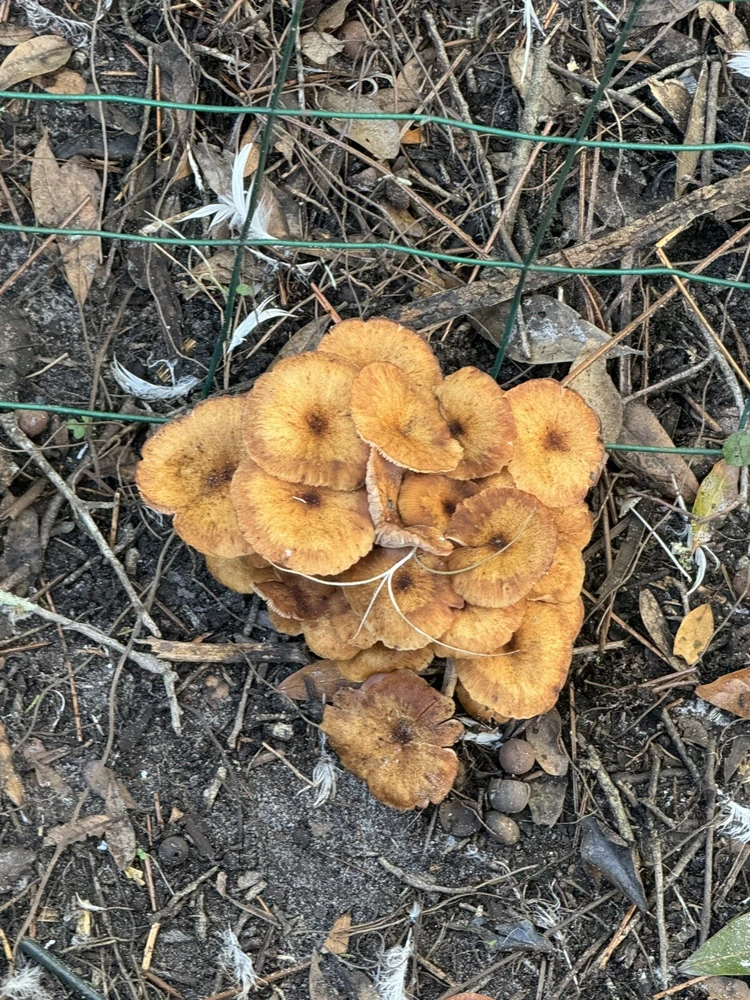
Experience the magic of nature with the Jack-o’-Lantern Mushroom live plant. This extraordinary fungus, scientifically known as Omphalotus illudens, is renowned for its striking orange-yellow caps and, most notably, its eerie yet beautiful bioluminescence. Unlike many common garden varieties, the Jack-o’-Lantern Mushroom live plant offers a unique visual spectacle, glowing faintly in low light conditions. It’s a fascinating addition for anyone looking to cultivate something truly out of the ordinary, whether for educational purposes or simply to marvel at its natural glow. This live plant provides an opportunity to observe a rare natural phenomenon up close, making it a captivating project for gardeners of all levels. While visually appealing, it’s crucial to remember that this mushroom is toxic and should never be consumed.
The Jack-o’-Lantern Mushroom live plant thrives in specific conditions, typically found growing in clusters at the base of hardwood trees. Its vibrant color stands out in woodland settings, and its nocturnal glow adds an element of mystery to any environment it inhab inhabits. Cultivating this bioluminescent mushroom can be a rewarding experience, allowing you to witness the intricate life cycle of a unique organism. Understanding its characteristics and care requirements will ensure a successful and safe growing journey, providing a truly unforgettable display.
Key Benefits
Adding the Jack-o’-Lantern Mushroom to your collection offers several distinct advantages, primarily its unique aesthetic and educational value. This bioluminescent mushroom provides a captivating natural light show that is rarely seen in cultivation.
- Unique Bioluminescence: The primary benefit is its ability to glow in the dark, creating a mystical and enchanting display in your garden or display area. This natural phenomenon is a rare sight and a conversation starter.
- Striking Visual Appeal: With its bright orange-yellow caps, the Omphalotus illudens is visually stunning even during the day, adding a vibrant splash of color to its surroundings.
- Educational Value: Growing this fungus provides an excellent opportunity to learn about mycology, bioluminescence, and the complex interactions within ecosystems. It’s perfect for students and natural science enthusiasts.
- Unusual Garden Addition: For gardeners seeking something truly different from traditional flora, the Jack-o’-Lantern Mushroom live plant stands out as a unique specimen that will undoubtedly draw attention and curiosity.
- Low Maintenance (once established): While specific conditions are needed for initial growth, once established in a suitable environment, these fungi require minimal ongoing care, making them an intriguing yet manageable project.
- Natural Decor Element: Beyond its scientific interest, the glowing fungi can serve as a unique, natural decorative element for shaded garden corners, terrariums, or educational displays, offering a subtle, ethereal light.
Plant Care & Growing Tips
Caring for your Jack-o’-Lantern Mushroom live plant involves understanding its natural habitat and replicating those conditions as closely as possible. These fungi are saprophytic, meaning they feed on decaying organic matter, primarily hardwood. To successfully cultivate this bioluminescent mushroom, you’ll need to provide a suitable substrate. Hardwood logs, especially oak, maple, or beech, are ideal. Ensure the logs are partially decayed but still firm. The fungus can also be grown using specialized mushroom grow kits that provide the necessary inoculated substrate.
Sunlight requirements for the Omphalotus illudens are minimal, as fungi do not photosynthesize. They prefer shaded, humid environments, mimicking the forest floor. Avoid direct sunlight, which can dry out the substrate and inhibit growth. Watering schedule is crucial for maintaining humidity. The substrate should be kept consistently moist but not waterlogged. Misting regularly, especially in drier climates, can help. For outdoor cultivation, choose a location with natural shade and good air circulation to prevent mold, such as under dense trees or a north-facing wall.
The ideal temperature range for the glowing fungi is typically between 50-75°F (10-24°C). They are not tolerant of freezing temperatures. Soil type isn’t directly applicable as they grow on wood, but the surrounding environment should be rich in organic matter. Fertilization is not required; the fungus derives all its nutrients from the decaying wood. Common problems include drying out of the substrate or competition from other fungi. Ensure adequate moisture and choose a clean, disease-free log for the best results. Remember, while fascinating, this mushroom is toxic and should be handled with care, especially around children and pets.
Size & Details
The Jack-o’-Lantern Mushroom live plant, when fully grown, typically features caps that can range from 2 to 8 inches (5-20 cm) in diameter, often growing in dense clusters. The stems are usually 2-8 inches (5-20 cm) tall. The overall size of the cluster can be quite substantial, depending on the size and nutrient availability of the host log. This unique fungus is shipped as a grow kit or inoculated wood dowels, designed to be inserted into a suitable hardwood log. The time to first fruiting bodies can vary, typically taking several months to a year after inoculation, as the mycelium colonizes the wood. Once established, a log can produce mushrooms for several years, especially if kept in optimal conditions. The glowing effect is most pronounced in complete darkness and can be observed from the gills on the underside of the cap.
This fascinating glowing fungi grow relatively quickly once the mycelium has fully colonized the substrate, usually fruiting in late summer to fall. It’s a perennial organism as long as its food source (the log) remains viable. When purchasing a mushroom grow kit, ensure it comes with clear instructions for inoculation and care. While the mushrooms themselves are temporary, the mycelial network within the log is resilient and can continue producing new flushes over time, offering a prolonged period of observation for this extraordinary species.
Frequently Asked Questions
- Q: How big does this Jack-o’-Lantern Mushroom get? A: Individual caps can reach 2 to 8 inches in diameter, and the overall cluster size depends on the host log. The stems typically grow 2-8 inches tall.
- Q: Is this an indoor or outdoor plant? A: While it can be grown indoors in a controlled environment with a suitable log, it thrives best outdoors in shaded, humid areas that mimic its natural woodland habitat.
- Q: How much sunlight does the Omphalotus illudens need? A: Fungi do not require sunlight for growth. They prefer dark or heavily shaded conditions with high humidity. Direct sunlight should be avoided.
- Q: What condition will the mushroom grow kit arrive in? A: Your mushroom grow kit will typically arrive as inoculated wood dowels or a pre-colonized substrate block, ready for you to start the cultivation process according to the provided instructions.
- Q: Is the Jack-o’-Lantern Mushroom safe to handle? A: Yes, it is safe to handle, but it is toxic if ingested. Always wash your hands after handling and keep it away from children and pets. Do not consume this mushroom.
- Q: How long until I see the glowing fungi? A: After inoculating a log, it can take several months to a year for the mycelium to fully colonize and produce its first fruiting bodies. Once established, you can expect flushes of mushrooms primarily in late summer and fall.
- Q: What’s the best way to encourage the bioluminescent effect? A: The bioluminescence is best observed in complete darkness. Take the log or growing substrate into a dark room or wait until nightfall to see the gills glow.
- Q: Is this plant easy to care for? Is it good for beginners? A: While growing mushrooms has its specific requirements, a good quality mushroom grow kit with clear instructions can make it accessible for beginners interested in mycology. Consistent humidity is key.
- Q: Can I use the Jack-o’-Lantern Mushroom for anything? A: No, the Jack-o’-Lantern Mushroom live plant is toxic and should not be consumed or used for medicinal purposes. It is grown purely for its ornamental and educational value.
- Q: What kind of wood does this mushroom grow on? A: It primarily grows on decaying hardwood logs, such as oak, maple, or beech. Providing a suitable hardwood substrate is crucial for successful cultivation.
Be the first to review “Jack-o’-Lantern Mushroom Live Plant – Omphalotus illudens Fungus”
People Also Viewed
Flower Seeds
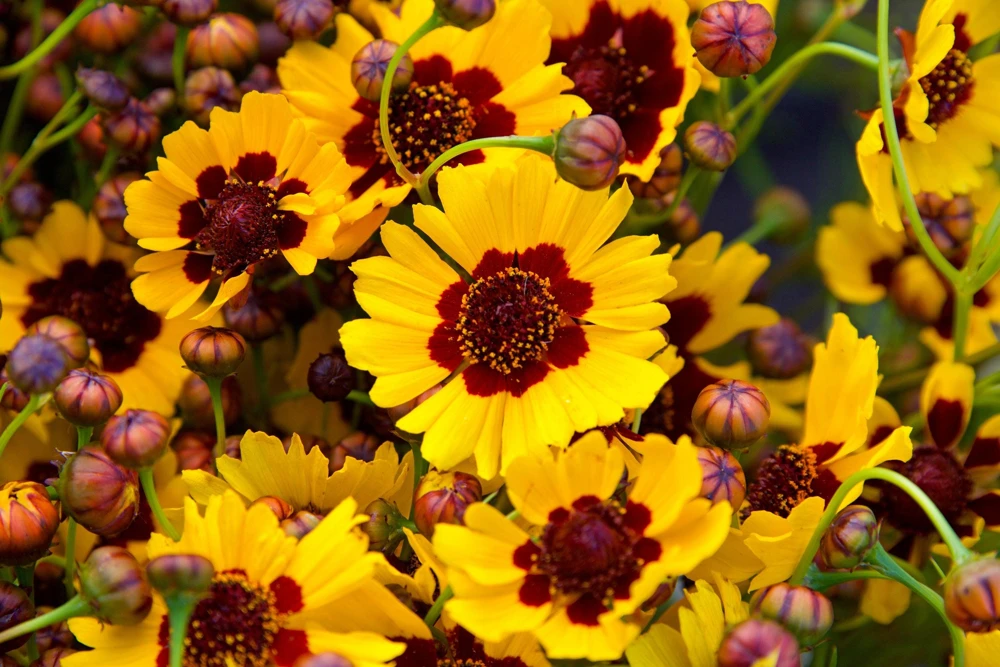
Golden Wave Coreopsis Flower Seeds – 1000 Seeds – Yellow Red Centers – Attracts Pollinators

Flower Plants
Madagascar Hibiscus Moscheutos Mallow Live Starter Plant – Rose of Sharon, Pink, Indoor/Outdoor
Reviews
There are no reviews yet.