
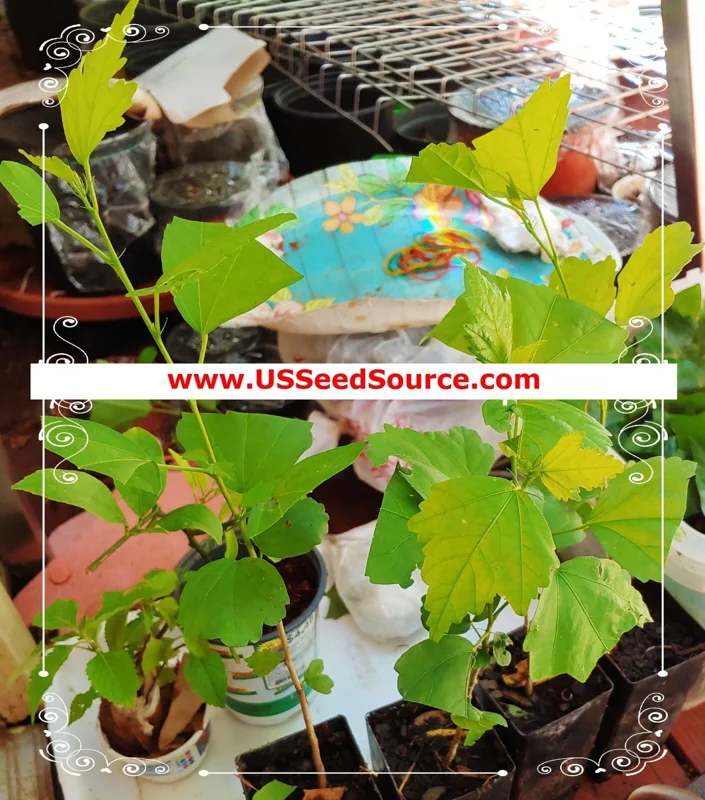




Madagascar Hibiscus Moscheutos Mallow Live Starter Plant – Rose of Sharon, Pink, Indoor/Outdoor
Original price was: $58.99.$33.99Current price is: $33.99.
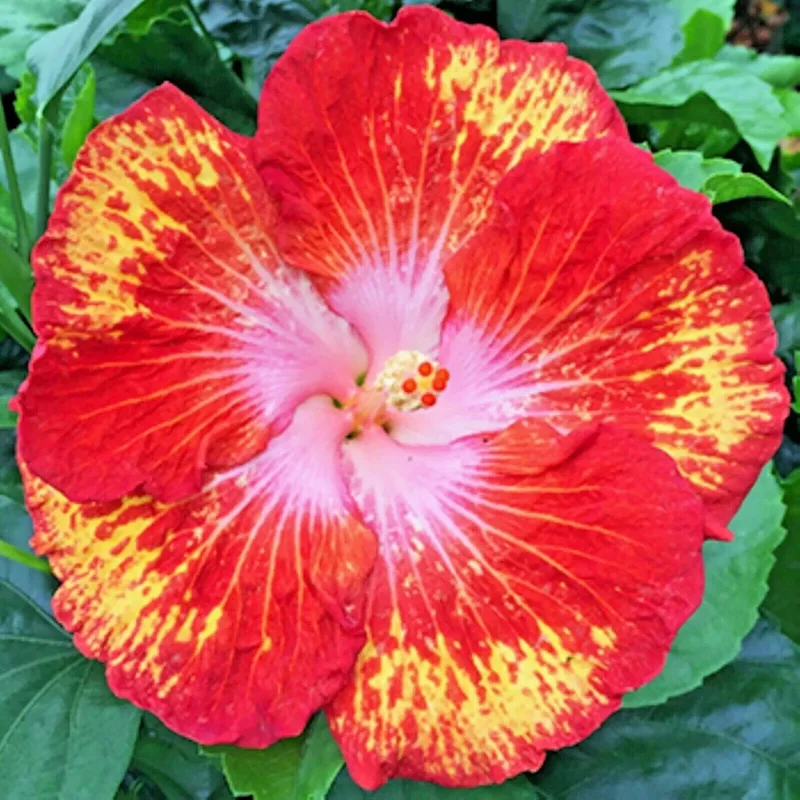
Introduce vibrant color to your garden or home with a Madagascar hibiscus live plant. This beautiful hibiscus moscheutos mallow, commonly known as rose of sharon plant, is a versatile indoor outdoor hibiscus starter plant. Enjoy its stunning pink hibiscus starter blooms and lush foliage.
Estimated arrival
Oct 15
Oct 20 - Oct 22
Oct 25 - Oct 29
Shop With Confidence
30-Day Plant Health Guarantee
Arrives damaged? We’ll replace it free — see our return policy.
Responsive Support
Email us anytime, we reply within 1 business day.
Expert Packaging
Temperature-controlled shipping to protect your plants in transit.
Secure Checkout
Pay safely with Visa, Mastercard, PayPal.
Plant Specifications
-
USDA Hardiness Zone
USDA zones 7-11 (can be grown as annual or overwintered indoors in colder zones) -
Soil Type
Well-draining, rich, loamy soil -
Sunlight Exposure
Full sun to partial shade -
Expected Planting Period
Spring to early summer
Overview
Bring a touch of tropical elegance to your living space or garden with the exquisite Madagascar hibiscus live plant. This captivating specimen, scientifically known as Hibiscus moscheutos, is a delightful addition for both seasoned gardeners and enthusiastic beginners. Originating from Madagascar, this particular variety of hibiscus is often referred to as a hibiscus moscheutos mallow or rose of sharon plant, celebrated for its large, showy blooms and robust growth. As a starter plant, it provides an excellent opportunity to nurture a beautiful flowering plant from its early stages, allowing you to witness its full development and vibrant display. Its adaptability makes it a fantastic indoor outdoor hibiscus, capable of gracing patios, garden beds, or bright indoor spots.
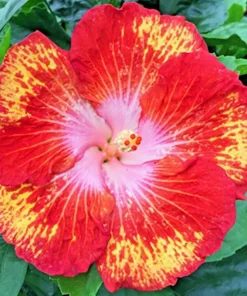
The allure of the Madagascar Hibiscus lies in its striking flowers, which typically feature a captivating pink hue. This pink hibiscus starter plant promises to transform any area into a focal point of natural beauty. Its ease of care and impressive visual impact make it a highly sought-after plant for those looking to enhance their botanical collection. Whether you’re aiming for a lush, tropical aesthetic or simply wish to enjoy the charm of large, colorful blossoms, this Madagascar Hibiscus will not disappoint.
Key Benefits
The Madagascar hibiscus live plant offers a multitude of benefits, making it an ideal choice for various settings. Its ornamental value is undeniable, but it also contributes positively to its environment.
- Stunning Floral Display: This plant produces large, captivating flowers, often in a beautiful pink, that add a dramatic splash of color and elegance to any garden or indoor space. The blooms are a true spectacle, attracting admirers.
- Versatile Growth: Suitable for both indoor and outdoor cultivation, the hibiscus moscheutos mallow can be enjoyed as a vibrant potted plant on a patio or integrated into a diverse garden landscape. Its adaptability ensures it can thrive in various environments.
- Attracts Pollinators: The vibrant flowers of the rose of sharon plant are a magnet for bees, butterflies, and hummingbirds, contributing to the biodiversity and health of your garden ecosystem. It’s a wonderful way to support local wildlife.
- Relatively Low Maintenance: Once established, this hibiscus variety is known for its resilience and ease of care, requiring moderate attention to thrive. It’s an excellent choice for those seeking beauty without excessive upkeep.
- Air Purifying Qualities: Like many plants, the indoor outdoor hibiscus contributes to better air quality by absorbing carbon dioxide and releasing oxygen, making your home or garden a healthier and more pleasant environment.
- Long Blooming Season: Enjoy its magnificent flowers throughout a significant portion of the year, providing continuous color and interest to your surroundings. This ensures a prolonged period of aesthetic pleasure.
- Ideal for Beginners: As a pink hibiscus starter plant, it’s perfect for those new to gardening, offering a rewarding experience with its relatively straightforward care requirements and impressive results.
Plant Care & Growing Tips
Caring for your Madagascar hibiscus live plant is a rewarding experience that ensures its continued beauty and vigorous growth. Proper attention to its needs will result in a stunning display of flowers. This species thrives in conditions that mimic its native tropical environment, but it is also quite adaptable to various climates when given the right care.
For sunlight, the hibiscus moscheutos mallow prefers full sun to partial shade. Outdoors, aim for at least 6 hours of direct sunlight daily to encourage abundant blooms. If grown indoors, place it in a south-facing window where it can receive bright, direct light. In very hot climates, some afternoon shade can prevent leaf scorch. Watering should be consistent, especially during its active growing and blooming periods. The soil should be kept consistently moist but never waterlogged. Allow the top inch of soil to dry out slightly between waterings. Overwatering can lead to root rot, while underwatering can cause wilting and flower drop. A good quality, well-draining potting mix is essential, ideally one rich in organic matter. For outdoor planting, ensure your garden soil has good drainage; amending with compost or peat moss can improve heavy clay soils.
The rose of sharon plant is adaptable to a range of temperatures but generally prefers warmer climates. It can be grown as an annual in colder zones or brought indoors during winter. Fertilize regularly during the growing season (spring through late summer) with a balanced liquid fertilizer or a slow-release granular fertilizer formulated for flowering plants. Pruning can be done in late winter or early spring to shape the plant, remove dead or damaged branches, and promote bushier growth and more flowers. Watch out for common pests like aphids and spider mites; address any infestations promptly with insecticidal soap or neem oil. With these tips, your indoor outdoor hibiscus will flourish.
Size & Details
This offering is for a Madagascar hibiscus live plant in its starter form, ready for transplanting into a larger pot or directly into your garden. Typically, these starter plants are robust young specimens, measuring a few inches in height, with a healthy root system. While exact dimensions can vary, you can expect a plant that is well-prepared for growth and establishment.
The hibiscus moscheutos mallow is known for its relatively fast growth rate under optimal conditions. When mature, it can reach heights of 3 to 7 feet, with a similar spread, creating a substantial and impactful presence in your landscape or as a large potted plant. This pink hibiscus starter will arrive as a live, carefully packaged plant, ensuring its safe journey to your home. With proper care, you can anticipate seeing its first beautiful blooms within the first year or two, depending on growing conditions and climate.
Frequently Asked Questions
- Q: How big does this plant get? A: A mature Madagascar hibiscus live plant can typically reach heights of 3 to 7 feet and a similar spread, creating a significant presence in your garden or as a large potted specimen. Its size can be managed with regular pruning.
- Q: What size pot does it come in? A: This is a starter plant, which means it arrives as a young, rooted specimen ready for transplanting. While the exact pot size isn’t specified, it will be in a small nursery pot or similar protective packaging suitable for its initial growth stage.
- Q: Is this an indoor or outdoor plant? A: The hibiscus moscheutos mallow is a versatile indoor outdoor hibiscus. It thrives outdoors in warmer climates and can be grown as an annual or brought indoors during colder months in temperate regions. Indoors, it requires a bright, sunny location.
- Q: How much sunlight does it need? A: This plant prefers full sun to partial shade. For best flowering, aim for at least 6 hours of direct sunlight per day. If grown indoors, a south-facing window is ideal to provide sufficient light.
- Q: Is this plant easy to care for? A: Yes, the rose of sharon plant is considered relatively easy to care for once established. It requires consistent watering, good drainage, and adequate sunlight, making it suitable for both beginner and experienced gardeners.
- Q: What condition will it arrive in? A: Your pink hibiscus starter plant will be carefully packaged to ensure it arrives in healthy, live condition, ready for planting. We take great care in preparing our plants for shipment.
- Q: How long until it blooms? A: With proper care, you can expect your hibiscus to begin blooming within the first year or two after planting, especially once it has established a strong root system and reached a sufficient size.
- Q: Will it survive winter in my zone? A: The winter hardiness of the Madagascar hibiscus live plant depends on your specific USDA zone. In colder zones, it is often grown as an annual or overwintered indoors to protect it from frost.
- Q: What’s the minimum temperature it can tolerate? A: While adaptable, this hibiscus generally prefers temperatures above 50°F (10°C). Prolonged exposure to freezing temperatures can be damaging.
Be the first to review “Madagascar Hibiscus Moscheutos Mallow Live Starter Plant – Rose of Sharon, Pink, Indoor/Outdoor”
People Also Viewed
Flower Bulbs
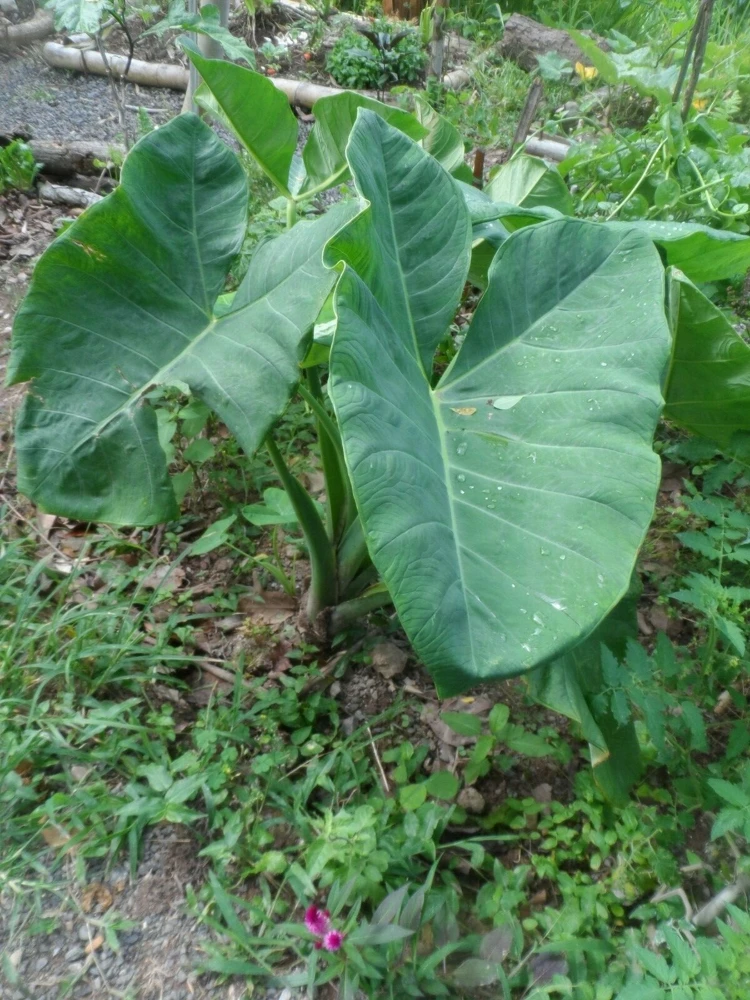
2 Live Elephant Ear Taro Bulbs – Colocasia esculenta Gabi Kalo Eddo Edible Root Vegetable Tropical
Vegetable Seeds
Reviews
There are no reviews yet.