
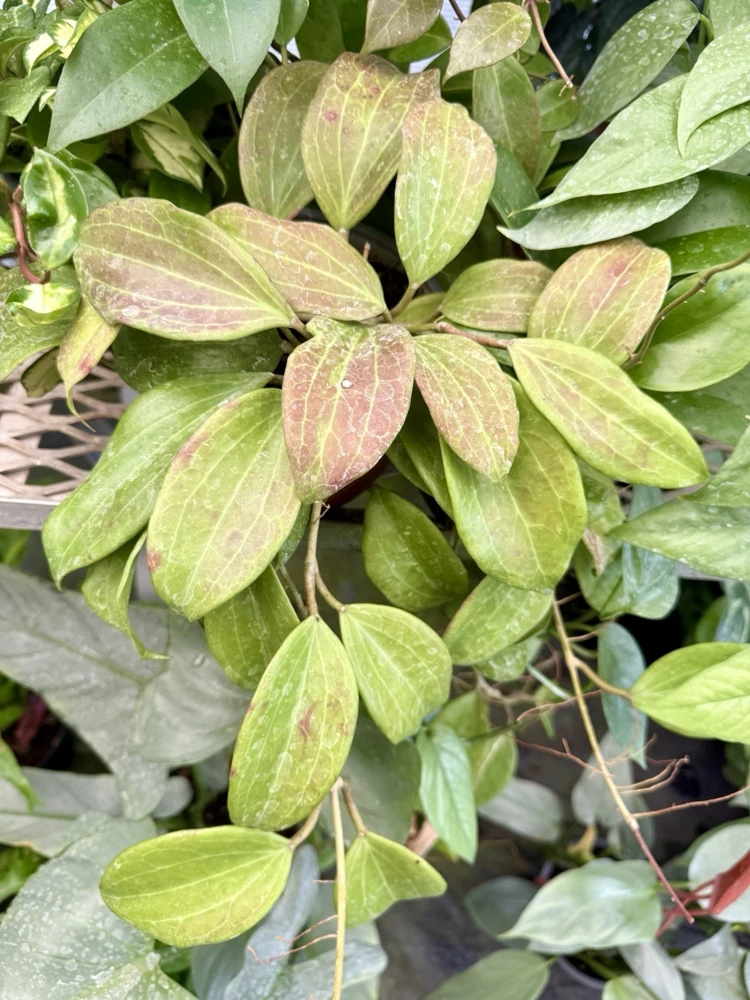
Hoya Plant Variety Live Houseplant – Choose Your Favorite
Original price was: $77.99.$57.99Current price is: $57.99.
Explore a delightful selection of Hoya plant variety options, perfect for enhancing your indoor plant collection. These beautiful, easy-to-care-for succulent vines are known for their unique foliage and often fragrant, star-shaped flowers, making them a popular choice for both beginners and experienced plant enthusiasts.
Estimated arrival
Oct 28
Nov 02 - Nov 04
Nov 07 - Nov 11
Shop With Confidence
30-Day Plant Health Guarantee
Arrives damaged? We’ll replace it free — see our return policy.
Responsive Support
Email us anytime, we reply within 1 business day.
Expert Packaging
Temperature-controlled shipping to protect your plants in transit.
Secure Checkout
Pay safely with Visa, Mastercard, PayPal.
Plant Specifications
-
USDA Hardiness Zone
year-round indoors -
Soil Type
well-draining potting mix -
Sunlight Exposure
bright indirect light -
Expected Planting Period
year-round indoors
Overview
Welcome to our curated collection where you can explore and choose your favorite Hoya plant variety. Hoya plants, also affectionately known as ‘wax plants’ due to their thick, waxy leaves and often porcelain-like flowers, are beloved for their stunning beauty and relatively low-maintenance nature. Originating from tropical and subtropical regions of Asia and Australia, these fascinating plants are primarily epiphytic or terrestrial succulent vines, making them ideal for hanging baskets or trellises in indoor environments. Each Hoya plant variety offers unique leaf shapes, textures, and potential blooms, providing a diverse range of options for every plant lover.
Whether you’re new to the world of houseplants or a seasoned collector, a Hoya is a rewarding addition. These live plants arrive ready to thrive in your home, bringing a touch of the exotic and a natural elegance. Their ability to adapt to various indoor conditions makes them a popular choice, and with proper Hoya plant care, they can flourish and even produce their characteristic clusters of star-shaped flowers.
Key Benefits
Adding a Hoya plant to your home offers numerous advantages, from aesthetic appeal to ease of care. Each Hoya plant variety provides unique characteristics that contribute to these benefits:
- Exotic Beauty: Hoya plants are renowned for their intricate foliage and stunning, often fragrant, star-shaped flowers. They bring a unique tropical aesthetic to any room, serving as a natural piece of living art.
- Low Maintenance: Ideal for busy individuals or novice plant parents, Hoya plants are surprisingly resilient. They tolerate a range of conditions and do not demand constant attention, making Hoya plant care straightforward and enjoyable.
- Air Purification: Like many houseplants, Hoyas contribute to a healthier indoor environment by helping to filter airborne toxins and improve air quality, creating a fresher and more invigorating living space.
- Versatile Display: As a Hoya succulent vine, it can be grown in various ways. Allow it to trail gracefully from a hanging basket, climb a small trellis for vertical interest, or simply let it cascade from a shelf, adapting to your decor needs.
- Long-Lived: With appropriate care, Hoya plants can live for many years, becoming cherished, long-term companions in your home and potentially growing into impressive specimens.
- Unique Flowering: Many types of Hoya plants produce clusters of waxy, often fragrant flowers that are a delightful surprise. The blooms are intricate and can last for several weeks, adding an extra layer of charm.
- Drought Tolerant: Due to their succulent nature, Hoyas can store water in their leaves, making them quite forgiving if you occasionally forget to water them. This characteristic is a key aspect of easy Hoya plant care.
Plant Care & Growing Tips
Providing the right environment is key to a thriving Hoya plant variety. While generally easy-going, understanding their specific needs will ensure your plant flourishes. For optimal growth, Hoyas prefer bright, indirect light. A spot near an east or west-facing window is often ideal, where they receive plenty of ambient light but are protected from harsh, direct afternoon sun, which can scorch their leaves. If you notice your Hoya is not flowering, it might need more light, but always avoid intense, direct sun. These plants are native to tropical regions, so they appreciate warmth and humidity.
When it comes to watering, less is often more for a Hoya indoor plant. Allow the top inch or two of the soil to dry out completely between waterings. Overwatering is a common cause of issues, leading to root rot. You can test the soil moisture with your finger or a moisture meter. During winter, when the plant’s growth slows, reduce watering frequency. Hoyas thrive in well-draining soil, ideally a mix designed for succulents or orchids, which prevents water from sitting around the roots. Fertilize sparingly during the growing season (spring and summer) with a balanced liquid fertilizer diluted to half strength. Avoid fertilizing in fall and winter.
Maintaining a consistent temperature between 60-85°F (15-29°C) is ideal. They can tolerate slightly cooler temperatures but should be protected from drafts and sudden temperature drops. Most Hoyas are not frost-hardy, so if you live in USDA zones below 9, they are best grown as indoor plants. Humidity is appreciated, so consider placing your Hoya near a humidifier or on a pebble tray with water, especially in drier climates or during winter heating. Pruning is generally not necessary unless you want to shape the plant or remove leggy growth; avoid cutting off the long tendrils, as flowers often emerge from these nodes. Understanding these aspects of Hoya plant care will lead to a healthy and beautiful plant.
Size & Details
This offering allows you to select your preferred Hoya plant variety, each grown with care to ensure a healthy start in your home. These are live plants, typically shipped in a nursery pot, ready for you to acclimate and potentially repot into a decorative container. The size of the plant will vary depending on the specific variety chosen and its stage of growth, but generally, they arrive as well-established cuttings or young plants with several leaves and developing vines. As a Hoya succulent vine, its growth habit is to trail or climb, and with proper support, it can reach impressive lengths over time, often several feet long indoors. The growth rate is moderate, allowing you to enjoy its development without it becoming overwhelming too quickly.
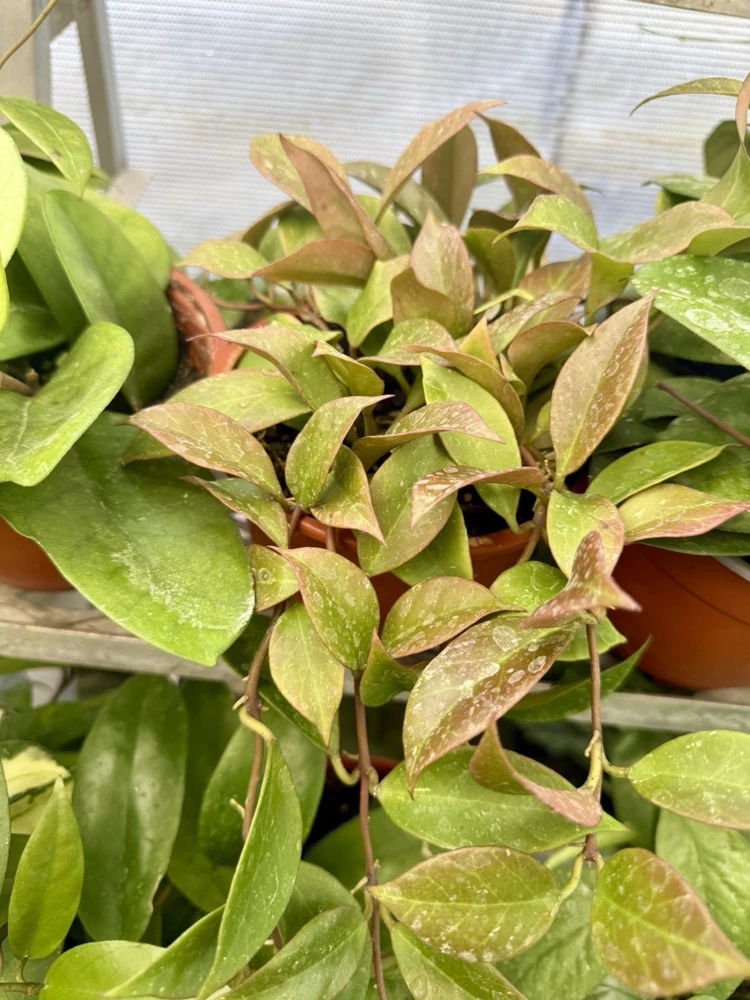
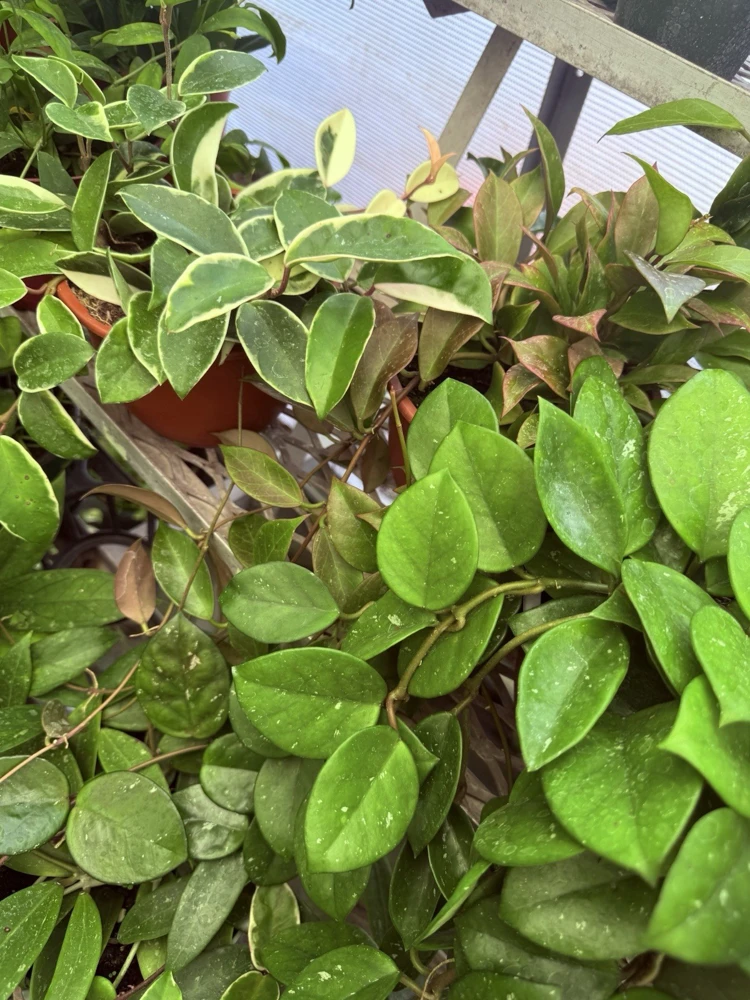
Expect your Hoya to establish itself and begin putting out new growth fairly rapidly in suitable conditions. While some varieties may bloom within a year, others might take longer, sometimes several years, to produce their first flowers. The appearance of blooms is often a sign of a happy and mature plant receiving adequate light. Each Hoya plant variety will have its own unique leaf characteristics, from small, round leaves to large, elongated ones, and some even display fascinating variegation or splash patterns. The plant is carefully packaged to ensure it arrives safely and in good condition, ready to become a cherished part of your indoor garden.
Frequently Asked Questions
- Q: How big does a Hoya plant get? A: The size of a Hoya plant varies greatly by Hoya plant variety. Many can grow vines several feet long when given proper support to climb or allowed to trail. They typically grow to a manageable size indoors but can become quite large over many years.
- Q: Is this an indoor or outdoor plant? A: While Hoyas are tropical plants, they are primarily grown as a Hoya indoor plant in most climates, especially in the US. They can be moved outdoors in warm, humid summer months in shaded areas, but must be brought inside before temperatures drop below 50°F (10°C).
- Q: How much sunlight does my Hoya need? A: Your Hoya plant variety thrives in bright, indirect light. Direct, harsh sunlight, especially in the afternoon, can burn the leaves. An east or west-facing window is often ideal, providing gentle morning or late afternoon sun.
- Q: Is this plant easy to care for? A: Yes, Hoyas are generally considered easy to care for, making them suitable for beginners. Their succulent-like leaves help them tolerate occasional neglect, and consistent Hoya plant care practices will ensure a healthy specimen.
- Q: What condition will it arrive in? A: Your Hoya will arrive as a live plant, carefully packaged to minimize stress during transit. It will be rooted in a nursery pot with soil, ready for you to unbox and place in its new home.
- Q: How long until my Hoya blooms? A: The time to bloom can vary significantly among types of Hoya plants and depends on maturity and care. Some may bloom within a year or two, while others might take several years. Consistent bright light and proper watering are key factors.
- Q: What’s the best soil for a Hoya? A: Hoyas prefer a well-draining soil mix. An orchid mix, a succulent mix, or a standard potting mix amended with perlite and bark is ideal to ensure good drainage and aeration, preventing root rot.
- Q: Are Hoya plants pet-safe? A: Hoya plants are generally considered non-toxic to pets according to the ASPCA, making them a safer choice for homes with curious cats and dogs. However, it’s always best to discourage pets from chewing on any houseplant.
- Q: How often should I water my Hoya? A: Water your Hoya indoor plant when the top 1-2 inches of soil are dry. This typically means once every 1-2 weeks during the growing season and less frequently in winter. Always check the soil before watering to avoid overwatering.
- Q: Can I propagate my Hoya? A: Yes, Hoyas are relatively easy to propagate from stem cuttings. Simply take a cutting with at least two nodes, let it callus for a day or two, and then place it in water or a moist, well-draining potting mix to root.
Be the first to review “Hoya Plant Variety Live Houseplant – Choose Your Favorite”
People Also Viewed
Flower Seeds
Flower Plants
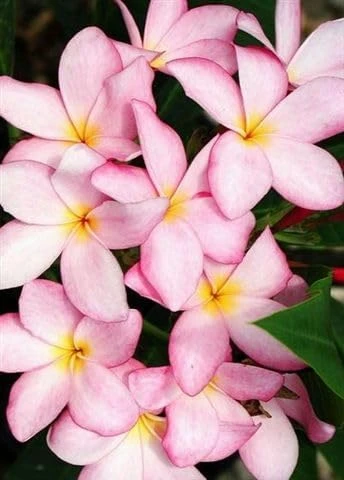
Lavender Splash Plumeria Live Plant – Frangipani Cutting 12-16″ – Exotic Fragrant Flowers
Reviews
There are no reviews yet.