
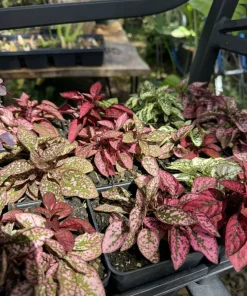
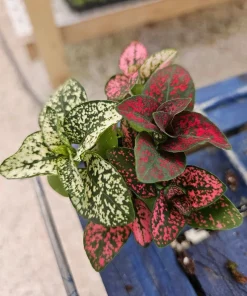
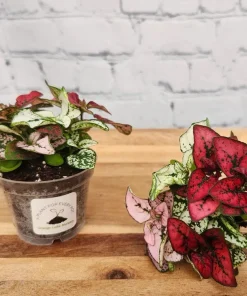
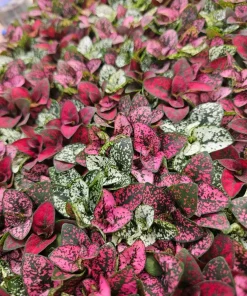
Polka Dot Plant Live Plant – Hypoestes Phyllostachya – Colorful Foliage Houseplant
Original price was: $41.99.$21.99Current price is: $21.99.
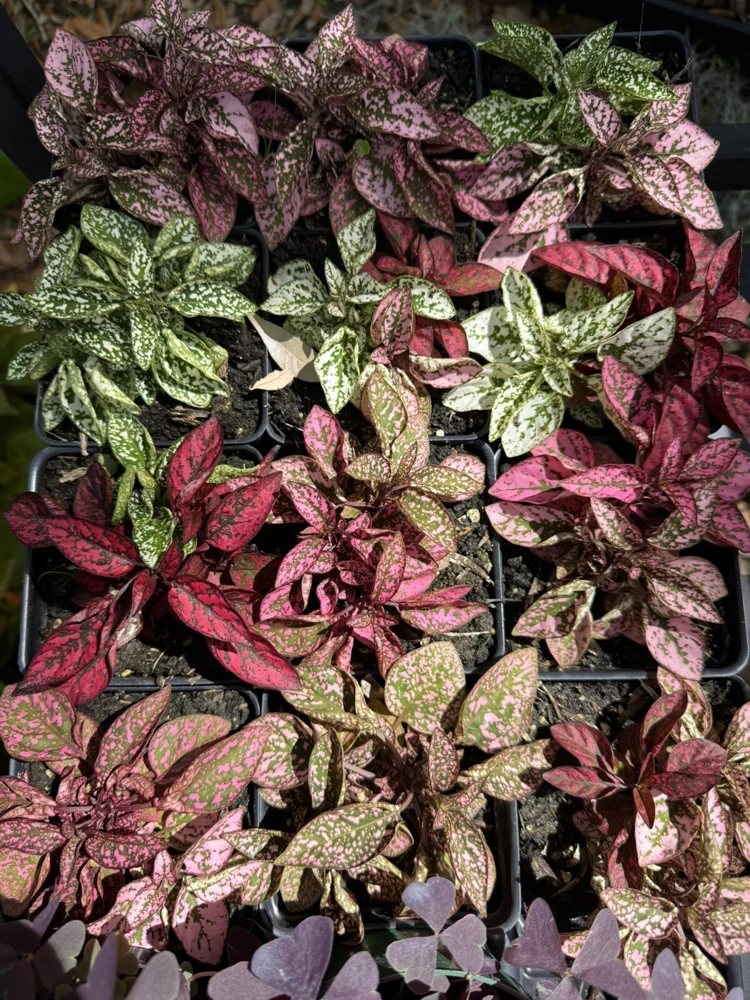
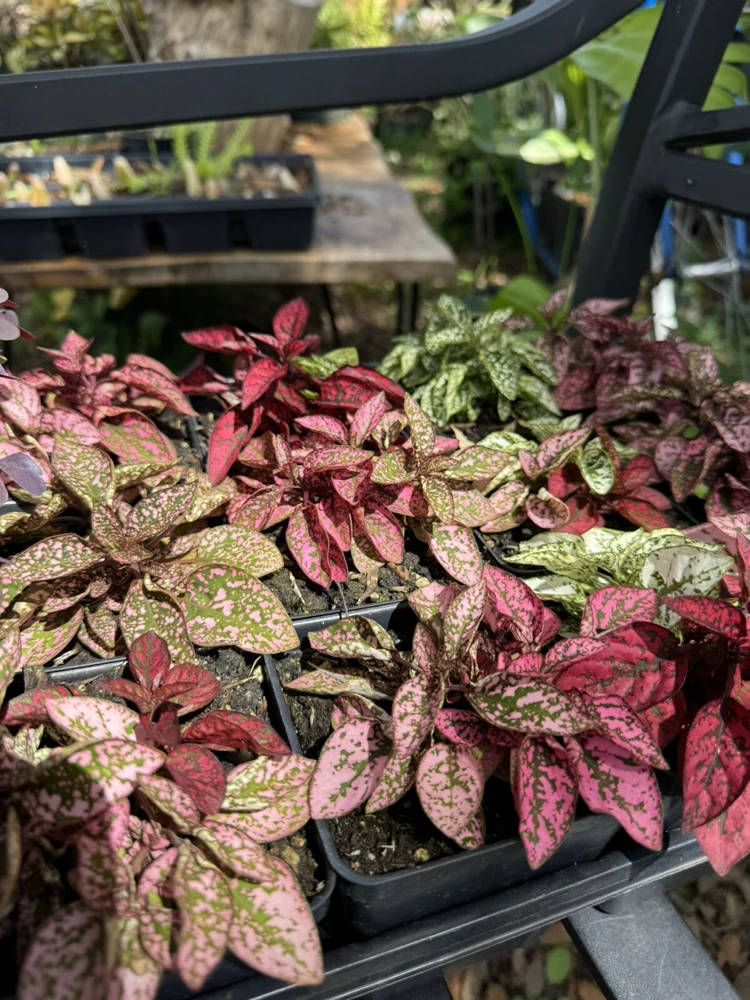
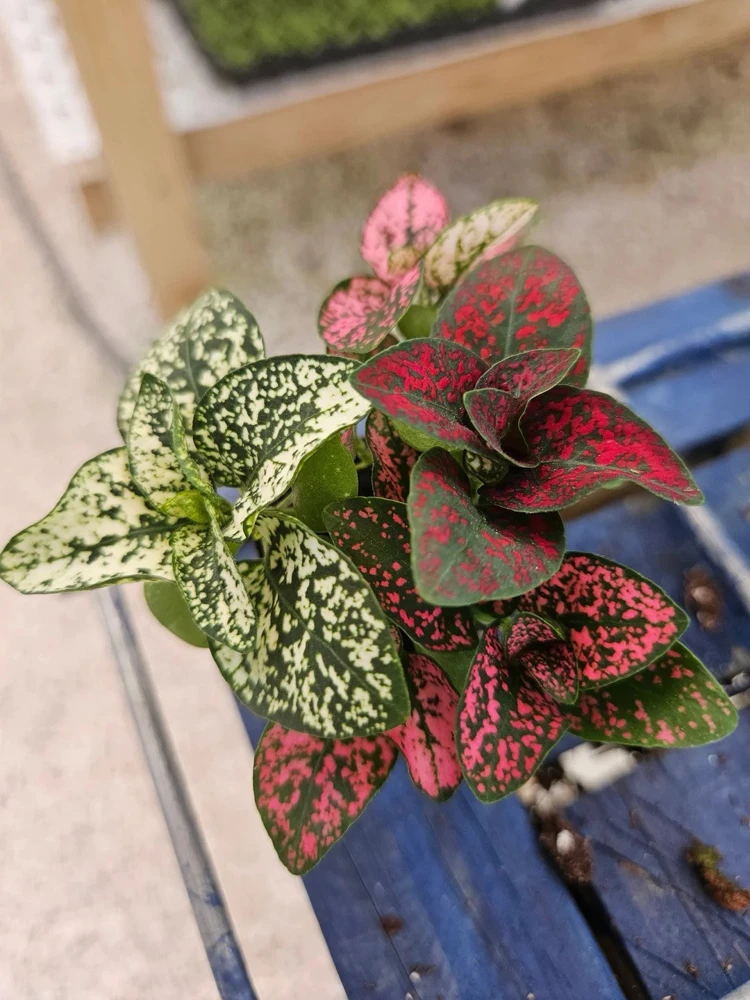
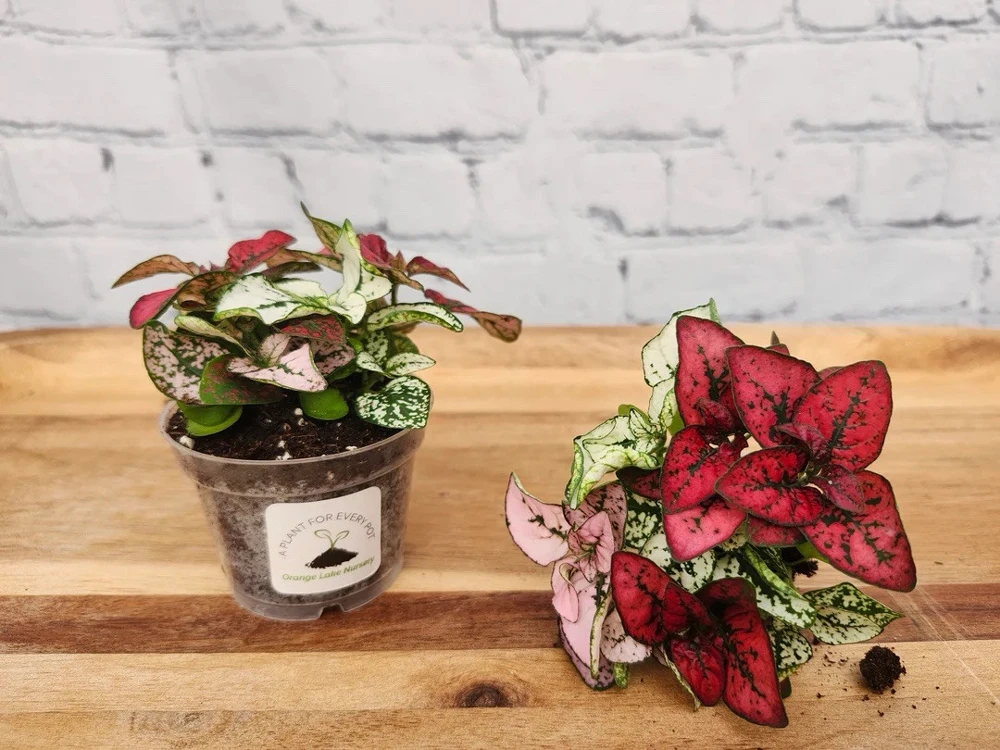
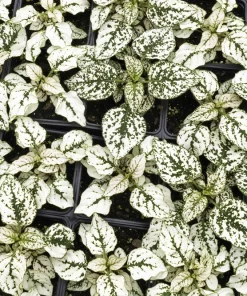
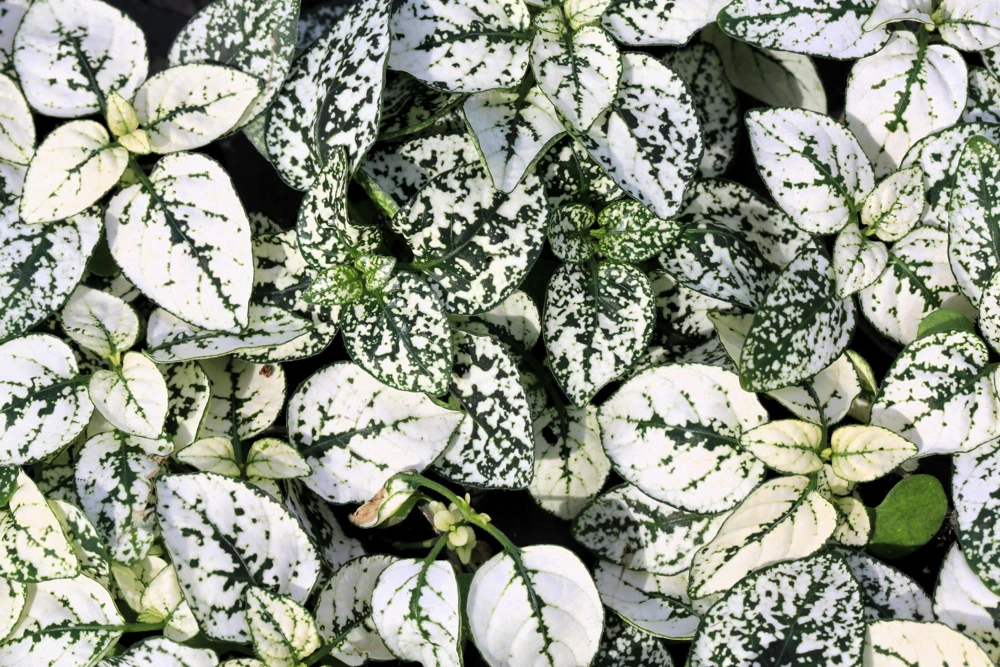
Bring vibrant color and unique patterns into your home with a beautiful polka dot plant live plant. This eye-catching Hypoestes phyllostachya is an ideal indoor houseplant, perfect for adding a decorative touch to any room. Known for its distinct speckled foliage, it’s a delightful and relatively easy-to-care-for addition to your plant collection.
Estimated arrival
Oct 27
Nov 01 - Nov 03
Nov 06 - Nov 10
Shop With Confidence
30-Day Plant Health Guarantee
Arrives damaged? We’ll replace it free — see our return policy.
Responsive Support
Email us anytime, we reply within 1 business day.
Expert Packaging
Temperature-controlled shipping to protect your plants in transit.
Secure Checkout
Pay safely with Visa, Mastercard, PayPal.
Plant Specifications
-
USDA Hardiness Zone
year-round indoors (USDA Zones 10-11 outdoors) -
Soil Type
well-draining potting mix -
Sunlight Exposure
bright indirect light -
Expected Planting Period
year-round indoors
Overview
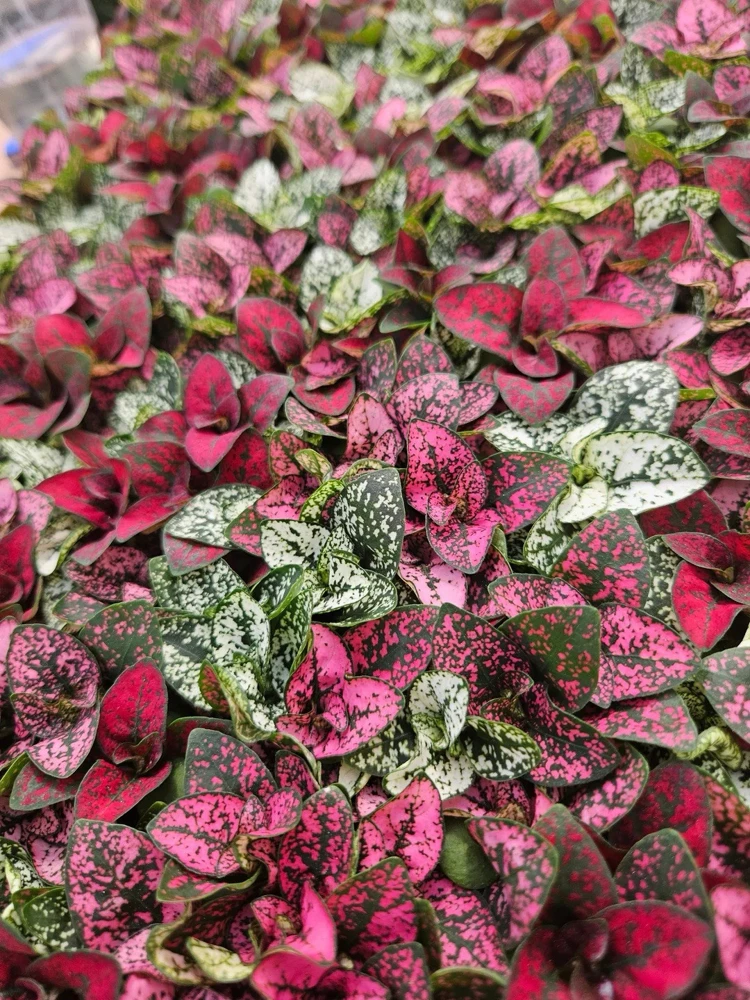
Introduce a burst of vivacious color and unique charm to your living space with the exquisite polka dot plant live plant, scientifically known as Hypoestes phyllostachya. This captivating plant is celebrated for its striking patterned leaves, which feature splashes of pink, white, or red against a deep green background, creating a playful ‘polka dot’ effect. Originating from Madagascar, this delightful colorful foliage plant has become a beloved choice for plant enthusiasts and beginners alike due to its undeniable visual appeal and manageable care requirements. Often grown as an annual outdoors in warmer climates, it thrives beautifully as a perennial indoor houseplant, bringing continuous cheer to any room. Whether placed on a desk, shelf, or as part of a larger plant arrangement, the Polka Dot Plant is sure to draw attention and spark conversation, making it a fantastic addition to your botanical family. Its compact growth habit makes it suitable for various indoor settings, providing a vibrant pop of color without requiring excessive space.
Key Benefits
The polka dot plant live plant offers numerous advantages beyond its stunning appearance, making it a highly desirable choice for enhancing your home environment. Its unique characteristics contribute to a more vibrant and engaging indoor space.
- Vibrant Aesthetic Appeal: The primary draw of the Polka Dot Plant is its incredibly decorative foliage, featuring bold and contrasting spots that instantly brighten any room. Its lively patterns create a dynamic visual interest that few other houseplants can match.
- Compact and Versatile Size: This plant typically maintains a manageable size, making it perfect for smaller spaces like windowsills, office desks, or as an accent in terrariums. Its versatility allows it to fit seamlessly into various interior design schemes.
- Easy Care for Beginners: While it enjoys specific conditions, the hypoestes phyllostachya is generally forgiving and relatively easy to care for, making it an excellent choice for those new to gardening or busy individuals seeking a low-maintenance splash of color.
- Air Purifying Qualities: Like many houseplants, the Polka Dot Plant contributes to a healthier indoor environment by naturally filtering airborne toxins, albeit to a lesser extent than some larger plants. It helps improve air quality for a fresher home.
- Boosts Mood and Well-being: The presence of living plants, especially those with vibrant colors like the Polka Dot Plant, has been shown to reduce stress, improve focus, and enhance overall mood, creating a more pleasant and productive atmosphere.
- Great for Gifting: Its charming appearance and ease of care make the Polka Dot Plant a thoughtful and delightful gift for friends, family, or colleagues, suitable for various occasions.
- Encourages Plant Parenthood: Caring for a polka dot plant live plant can be a rewarding experience, fostering a sense of accomplishment and encouraging further exploration into the world of houseplants and gardening.
Plant Care & Growing Tips
To ensure your polka dot plant live plant thrives and maintains its beautiful, vibrant foliage, understanding its specific care requirements is essential. This plant, also known as hypoestes phyllostachya, prefers conditions that mimic its tropical origins.
Sunlight Requirements: The Polka Dot Plant flourishes in bright, indirect light. Too much direct sun can scorch its delicate leaves and fade its vibrant colors, while too little light can cause the plant to become leggy and the spots to diminish. An east-facing window is often ideal, providing gentle morning sun, or a few feet away from a south or west-facing window with sheer curtains. Rotate your plant periodically to ensure even growth and color development.
Watering Schedule and Soil Moisture: Consistent moisture is key for a healthy Polka Dot Plant. Water thoroughly when the top inch of soil feels dry to the touch. Avoid letting the plant sit in standing water, as this can lead to root rot. Conversely, allowing the soil to dry out completely can cause the plant to wilt dramatically, though it often recovers quickly once watered. Use filtered or rainwater if possible, as tap water can sometimes contain salts that build up in the soil. Maintaining proper humidity is also beneficial; consider misting regularly or placing the pot on a pebble tray with water.
Soil Type and Drainage: A well-draining potting mix is crucial for the polka dot plant care. A standard houseplant potting mix amended with perlite or vermiculite for extra drainage works well. The pot should always have drainage holes to prevent waterlogging. Good drainage is vital for preventing common issues and promoting robust root health.
Temperature Range and USDA Hardiness Zone: This tropical plant prefers warm temperatures, ideally between 65-80°F (18-27°C). Avoid exposing it to temperatures below 60°F (15°C) or sudden cold drafts, which can cause leaf drop. As an outdoor plant, it is typically grown as an annual in most regions, but it is perennial in USDA Zones 10-11. For indoor cultivation, maintaining a stable, warm environment is more important than specific hardiness zones.
Fertilization Schedule and Type: Feed your Polka Dot Plant every 2-4 weeks during the growing season (spring and summer) with a balanced liquid fertilizer diluted to half strength. Reduce feeding in fall and winter when growth slows. Over-fertilization can lead to nutrient burn, so always err on the side of less. Regular pruning is also an important aspect of polka dot plant care. Pinching back the growing tips will encourage a bushier, fuller plant and prevent it from becoming leggy. This also helps in maintaining the vibrant color patterns.
Common Problems and Solutions: Wilting is often a sign of underwatering, while yellowing leaves can indicate overwatering or nutrient deficiency. Pests like aphids or spider mites can sometimes affect the plant; address these with insecticidal soap or neem oil. Leggy growth with faded spots usually means the plant isn’t getting enough light. Adjust its position to provide brighter, indirect light to encourage more compact and colorful growth. Consistent attention to these details will ensure your polka dot plant live plant remains a vibrant and healthy addition to your home.
Size & Details
The polka dot plant live plant typically arrives as a young, actively growing specimen, ready to thrive in its new home. These plants are known for their relatively compact growth habit, making them ideal for various indoor settings. At maturity, a well-cared-for Polka Dot Plant can reach an average height of 6 to 12 inches, with a similar spread, though some varieties may grow slightly larger. Its growth rate is moderate, allowing you to observe its development over time. This plant is often shipped in a nursery pot, ensuring its roots are protected during transit and ready for immediate placement or repotting.
The vibrant foliage, characteristic of colorful foliage plant varieties, displays its full spectrum of pink, red, or white spots from a young age. While it can produce small, inconspicuous flowers, the true ornamental value of the Polka Dot Plant lies in its stunning leaves. With proper polka dot plant care, you can expect continuous new growth and a steady display of its unique patterns throughout the year indoors. Regular pinching back will help maintain its bushy form and encourage denser foliage, ensuring a perpetually attractive appearance. This practice is crucial for encouraging the plant to put its energy into leaf production rather than leggy stems, enhancing the overall aesthetic of this captivating indoor houseplant.
Frequently Asked Questions
- Q: How big does this polka dot plant get? A: A polka dot plant live plant typically grows to be about 6 to 12 inches tall and wide indoors. Its compact size makes it perfect for tabletops, shelves, and small spaces, allowing it to fit into various home decor styles.
- Q: Is this an indoor or outdoor plant? A: While it can be grown outdoors as an annual in warmer climates (USDA Zones 10-11), the Polka Dot Plant is most commonly cultivated as a perennial indoor houseplant in temperate regions. It thrives in controlled indoor environments where temperatures are stable.
- Q: How much sunlight does my polka dot plant need? A: Your hypoestes phyllostachya prefers bright, indirect light. Direct sunlight can fade its leaf colors and cause scorching, while insufficient light can lead to leggy growth and less vibrant spots. An east-facing window or a spot a few feet from a south/west window is ideal.
- Q: Is this plant easy to care for? A: Yes, the Polka Dot Plant is considered relatively easy to care for, making it a great choice for beginners. Consistent watering, adequate light, and occasional pinching are the main aspects of successful polka dot plant care.
- Q: What condition will the polka dot plant arrive in? A: Your polka dot plant live plant will arrive carefully packaged in a nursery pot, with its roots protected and soil moist, ready to be placed in your home or repotted. We ensure it’s healthy and vibrant upon arrival.
- Q: How often should I water my polka dot plant? A: Water your Polka Dot Plant when the top inch of soil feels dry to the touch. It prefers consistently moist, but not waterlogged, soil. Adjust watering frequency based on your home’s humidity and temperature.
- Q: Is the polka dot plant pet-safe? A: The Polka Dot Plant (Hypoestes phyllostachya) is generally considered mildly toxic to pets if ingested, potentially causing digestive upset. It’s best to keep it out of reach of curious pets to ensure their safety.
- Q: Can I propagate my polka dot plant? A: Yes, the Polka Dot Plant is quite easy to propagate from stem cuttings. Simply take a cutting with a few leaves, remove the lower leaves, and place it in water or moist soil until roots develop.
- Q: Why are the spots on my plant fading? A: Fading spots on your colorful foliage plant usually indicate that it is not receiving enough light. Move it to a brighter location with indirect light to help restore its vibrant colors.
- Q: Does the polka dot plant flower? A: While the Polka Dot Plant can produce small, inconspicuous lavender or pink flowers, its primary ornamental value lies in its striking foliage. Many growers pinch off flowers to encourage more bushy leaf growth.
Be the first to review “Polka Dot Plant Live Plant – Hypoestes Phyllostachya – Colorful Foliage Houseplant”
People Also Viewed
Reviews
There are no reviews yet.