
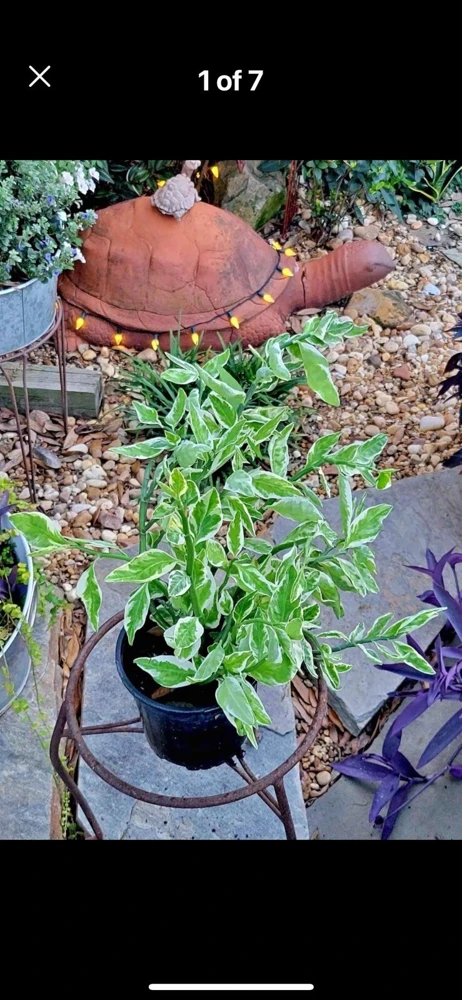
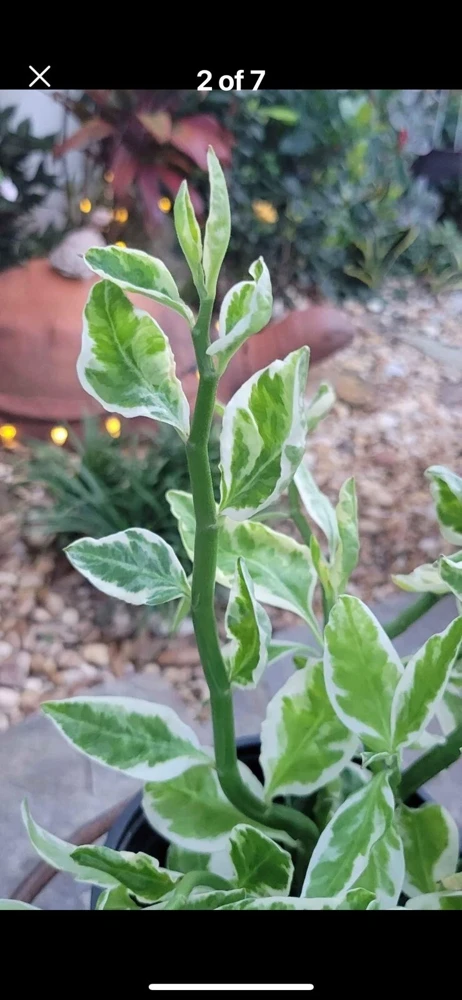
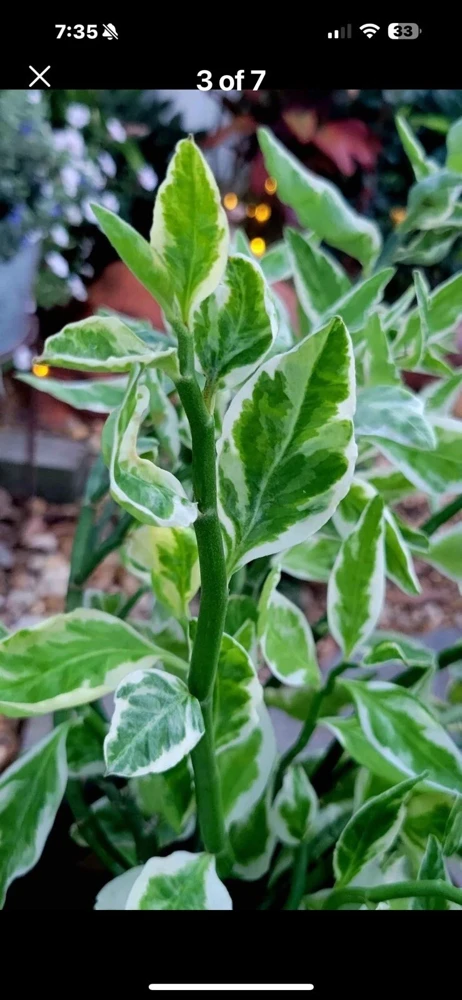
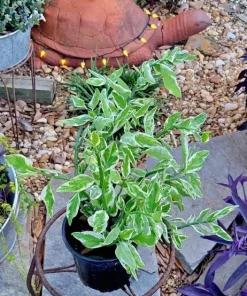
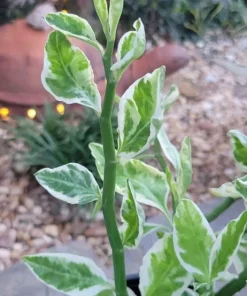
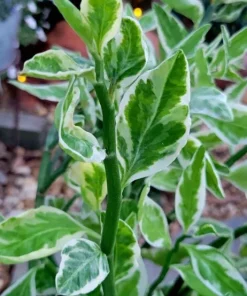
Devils Backbone Live Plant in Pot – Pedilanthus Tithymaloides Houseplant
Original price was: $43.99.$23.99Current price is: $23.99.
Bring home a distinctive Devils Backbone live plant, a striking succulent known for its unique zigzag stems and vibrant foliage. This low-maintenance Pedilanthus tithymaloides is an ideal choice for adding a touch of exotic flair to any indoor setting, thriving with minimal fuss.
Estimated arrival
Oct 27
Nov 01 - Nov 03
Nov 06 - Nov 10
Shop With Confidence
30-Day Plant Health Guarantee
Arrives damaged? We’ll replace it free — see our return policy.
Responsive Support
Email us anytime, we reply within 1 business day.
Expert Packaging
Temperature-controlled shipping to protect your plants in transit.
Secure Checkout
Pay safely with Visa, Mastercard, PayPal.
Plant Specifications
-
USDA Hardiness Zone
USDA zones 9-11 (outdoors), otherwise indoor houseplant -
Soil Type
Well-draining succulent or cactus mix -
Sunlight Exposure
Bright indirect light -
Expected Planting Period
Year-round indoors
Overview
Introducing the captivating Devils Backbone live plant, scientifically known as Pedilanthus tithymaloides or Euphorbia tithymaloides. This unique succulent gets its common name from its distinctive, upright, zigzagging stems that resemble a backbone. It’s an exceptional choice for plant enthusiasts looking for something out of the ordinary, offering architectural interest and a splash of color to any indoor space. The Devils Backbone live plant is highly prized for its drought tolerance and relatively easy care, making it a fantastic option for both experienced gardeners and beginners. Its unusual growth habit and often variegated leaves make it a striking focal point, perfect for brightening up shelves, desks, or windowsills. This particular offering is a healthy, potted specimen, ready to thrive in its new home and bring its unique charm to your collection.
The Pedilanthus tithymaloides is native to tropical and subtropical regions of North and Central America, where it can grow quite large. However, when cultivated as an indoor houseplant, it remains a manageable size, making it suitable for a variety of living environments. Its succulent nature means it stores water in its stems and leaves, allowing it to withstand periods of dryness. This resilience, combined with its aesthetic appeal, solidifies its status as a popular choice for indoor gardening. Embrace the unique beauty and effortless elegance of the Devils Backbone, a plant that truly stands out from the crowd.
Key Benefits
The Devils Backbone live plant offers a multitude of benefits, making it a highly desirable addition to any plant collection. Its unique appearance and easy-care nature are just the beginning of what this remarkable succulent brings to your home.
-
Unique Ornamental Appeal: The most striking feature of the Devils Backbone live plant is its distinctive zigzagging stems and often variegated foliage. This architectural form provides year-round visual interest, making it a natural conversation starter and a unique decorative element that enhances any room’s aesthetic.
-
Low Maintenance & Drought Tolerant: As a succulent, Pedilanthus tithymaloides is incredibly forgiving. It requires minimal watering and can tolerate periods of neglect, making it perfect for busy individuals or those new to plant care. Its resilience ensures it remains beautiful with little effort.
-
Air Purification: Like many houseplants, the Devils Backbone contributes to a healthier indoor environment by helping to filter common airborne toxins. While not as potent as some other plants, it still plays a role in improving air quality.
-
Versatile Placement: Its compact growth habit and striking appearance allow the Devils Backbone live plant to be placed in various locations. It looks stunning on windowsills, bookshelves, office desks, or as part of a larger succulent arrangement, adapting well to different light conditions.
-
Easy Propagation: For those who enjoy expanding their plant collection, the Devils Backbone is relatively easy to propagate from stem cuttings. This allows you to share its unique beauty with friends and family or create more plants for your own home.
-
Adds Architectural Interest: The zigzag pattern of its stems provides a strong structural element that can complement modern or minimalist decor, adding a dynamic and artistic touch to your interior design.
Plant Care & Growing Tips
Caring for your Devils Backbone live plant is straightforward, making it a rewarding experience for all levels of plant enthusiasts. This resilient succulent thrives with basic attention to its environmental needs. For optimal growth and vibrant foliage, understanding its preferences for light, water, and soil is key. The Pedilanthus tithymaloides is generally hardy and doesn’t demand constant fuss, allowing you to enjoy its unique beauty without extensive effort. Proper care ensures your Devils Backbone succulent remains a healthy and eye-catching feature in your home.
When it comes to light, the Devils Backbone live plant prefers bright, indirect light. A south or west-facing window with some protection from intense midday sun is ideal. Too much direct sun can scorch the leaves, while too little light can lead to leggy growth and less vibrant coloration. If the plant is variegated, ample light is especially important to maintain its distinctive patterns. For watering, the key is to let the soil dry out completely between waterings. Overwatering is the most common cause of problems for succulents, leading to root rot. During the warmer months, you might water every 2-3 weeks, reducing frequency significantly in winter to once a month or even less. Always check the soil moisture with your finger before watering. The ideal soil for Devils Backbone plant care is a well-draining succulent or cactus mix. This type of soil prevents water from sitting around the roots, mimicking its natural arid habitat. Good drainage is crucial for its health.
The Devils Backbone live plant prefers average room temperatures, typically between 65-80°F (18-27°C). It is not frost-tolerant and should be protected from temperatures below 50°F (10°C). As for fertilization, a balanced liquid fertilizer diluted to half strength can be applied once a month during the growing season (spring and summer). Avoid fertilizing in fall and winter when the plant is dormant. While generally pest-resistant, keep an eye out for common houseplant pests like mealybugs or spider mites and treat promptly if observed. Pruning can be done to maintain its shape or encourage bushier growth. Remember that the sap of the Pedilanthus tithymaloides can be irritating, so handle with gloves and wash hands thoroughly after contact. This attention to detail in Devils Backbone plant care will ensure your plant thrives.
Size & Details
This Devils Backbone live plant is provided as a healthy, established specimen, carefully rooted and ready for its new home. It comes pre-potted in a standard nursery container, ensuring a smooth transition upon arrival. While exact dimensions can vary slightly with each individual plant, you can expect a plant that is typically between 6 to 10 inches tall from the base of the pot, offering an immediate impact as a decorative houseplant. The plant’s unique zigzag stems will be well-formed, showcasing its characteristic growth habit.
The Pedilanthus tithymaloides has a moderate growth rate, and with proper care, it can slowly grow taller and wider, developing a fuller appearance over time. It is shipped as a live, actively growing plant, ensuring its vitality and ease of establishment. The pot size is typically a 4-inch or 6-inch diameter, providing ample space for its current root system. This allows for convenient placement on windowsills, desks, or shelves, making it a versatile choice for various indoor environments. The plant is chosen for its health and vigor, promising a beautiful and unique addition to your plant collection.
Frequently Asked Questions
-
Q: How big does this Devils Backbone live plant get? A: As an indoor houseplant, it typically reaches a height of 1 to 2 feet, though it can be pruned to maintain a desired size. Its growth rate is moderate, allowing you to enjoy its unique form as it matures.
-
Q: What size pot does the Pedilanthus tithymaloides come in? A: Our Devils Backbone live plant is typically shipped in a 4-inch or 6-inch nursery pot, providing a stable environment for its roots and allowing for easy transplanting if desired.
-
Q: Is this an indoor or outdoor plant? A: While it can thrive outdoors in warm, frost-free climates (USDA Zones 9-11), it is most commonly grown as an indoor houseplant in the US due to its sensitivity to cold. It makes an excellent indoor specimen.
-
Q: How much sunlight does the Devils Backbone succulent need? A: It prefers bright, indirect light. A few hours of morning sun is beneficial, but avoid harsh, direct afternoon sun which can scorch its leaves. Too little light can lead to leggy growth.
-
Q: Is this plant easy to care for? A: Yes, the Devils Backbone plant care is considered easy. It’s a drought-tolerant succulent, making it forgiving for beginners and those with busy schedules. The main thing to avoid is overwatering.
-
Q: What condition will the Devils Backbone live plant arrive in? A: Your plant will arrive healthy and carefully packaged to ensure its safe journey. It will be a live, actively growing plant, ready to be placed in its new home.
-
Q: Is it shipped in soil? A: Yes, the plant is shipped in its nursery pot with well-draining soil, minimizing stress during transit and making it ready for immediate enjoyment upon arrival.
-
Q: Is the Pedilanthus tithymaloides pet-safe? A: The sap of the Devils Backbone can be irritating if ingested or if it comes into contact with skin or eyes. It’s best to keep it out of reach of pets and children.
-
Q: When is the best time to prune my Devils Backbone live plant? A: Pruning is best done in late winter or early spring before the active growing season begins. This helps maintain its shape and encourages bushier growth. Remember to wear gloves due to the sap.
-
Q: What’s the minimum temperature this plant can tolerate? A: The Devils Backbone is sensitive to cold and should not be exposed to temperatures below 50°F (10°C). It thrives in typical indoor room temperatures.
Be the first to review “Devils Backbone Live Plant in Pot – Pedilanthus Tithymaloides Houseplant”
People Also Viewed


Reviews
There are no reviews yet.