





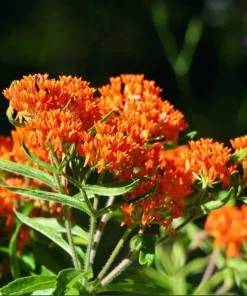
Orange Milkweed Live Plants – Set of 4, Asclepias Tuberosa, 4-8 Inch Tall, Outdoor Perennial
Original price was: $65.99.$40.99Current price is: $40.99.
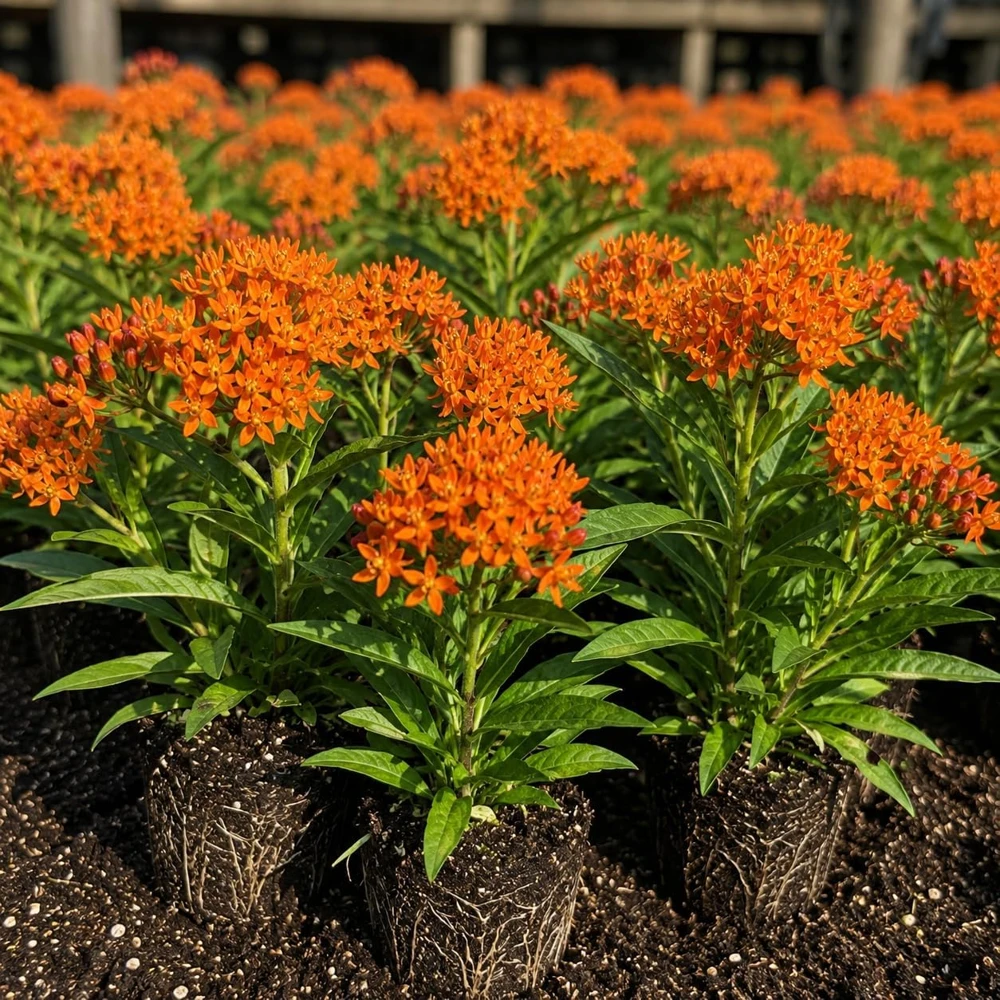
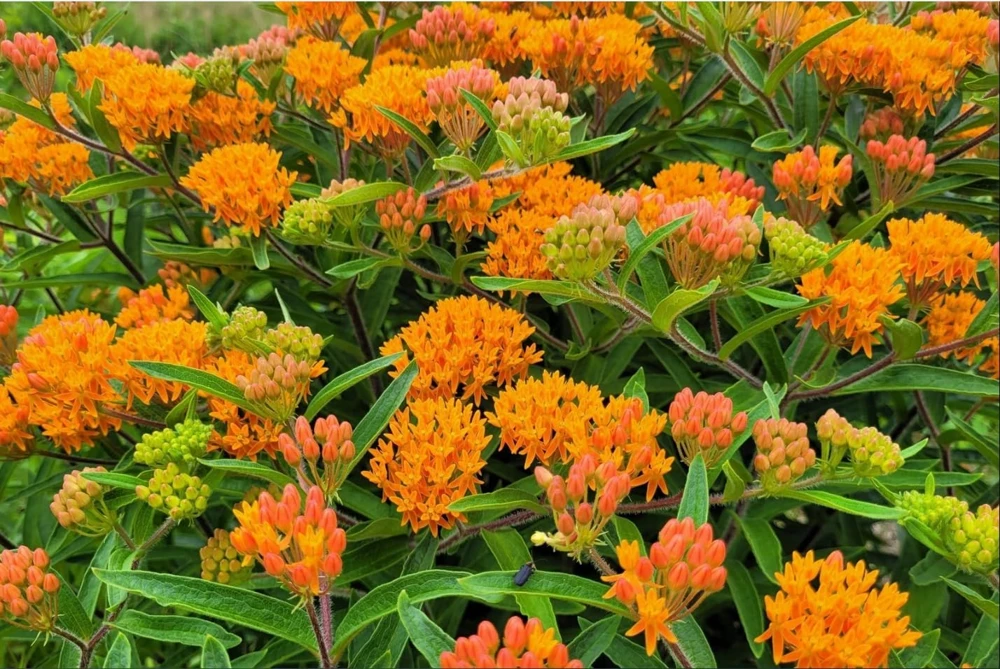
Introduce a vibrant splash of color to your garden with this orange milkweed live plant set. You will receive 4 young starter plants, 4-8 inches tall, ready for planting. These asclepias tuberosa perennial plants are essential for attracting monarch butterflies and other pollinators, making your garden a haven for wildlife.
Estimated arrival
Oct 27
Nov 01 - Nov 03
Nov 06 - Nov 10
Shop With Confidence
30-Day Plant Health Guarantee
Arrives damaged? We’ll replace it free — see our return policy.
Responsive Support
Email us anytime, we reply within 1 business day.
Expert Packaging
Temperature-controlled shipping to protect your plants in transit.
Secure Checkout
Pay safely with Visa, Mastercard, PayPal.
Plant Specifications
-
USDA Hardiness Zone
3-9 -
Soil Type
Well-draining soil -
Sunlight Exposure
Full sun -
Expected Planting Period
Late spring to summer
Overview
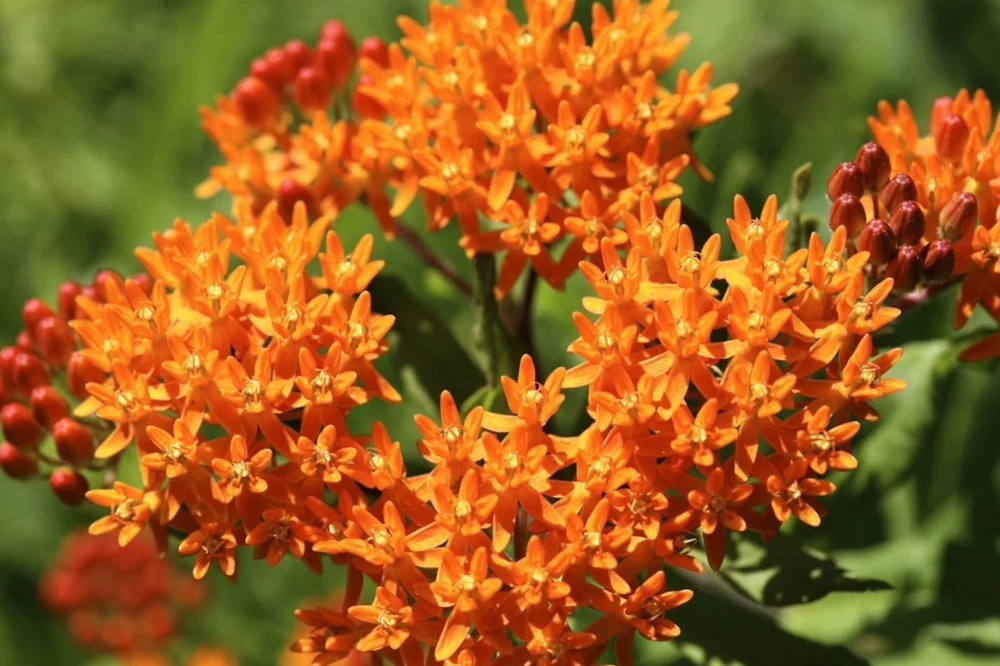
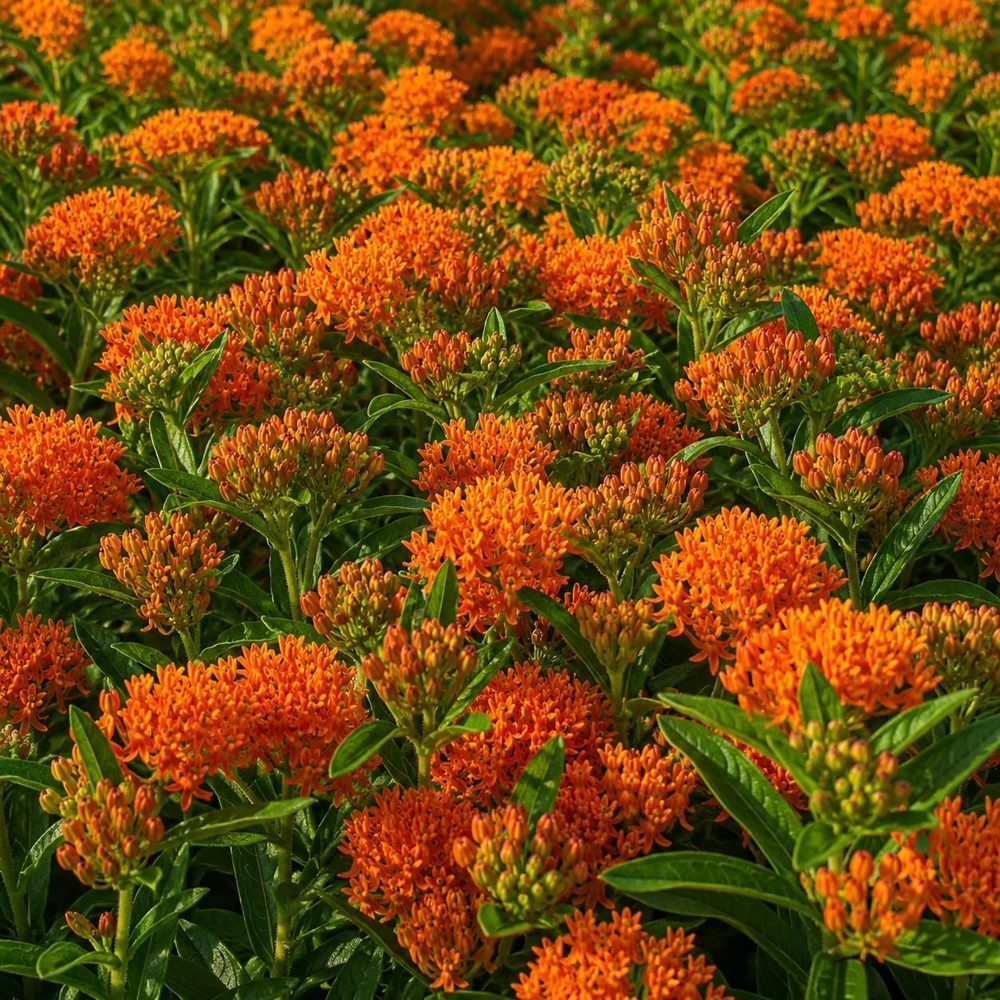
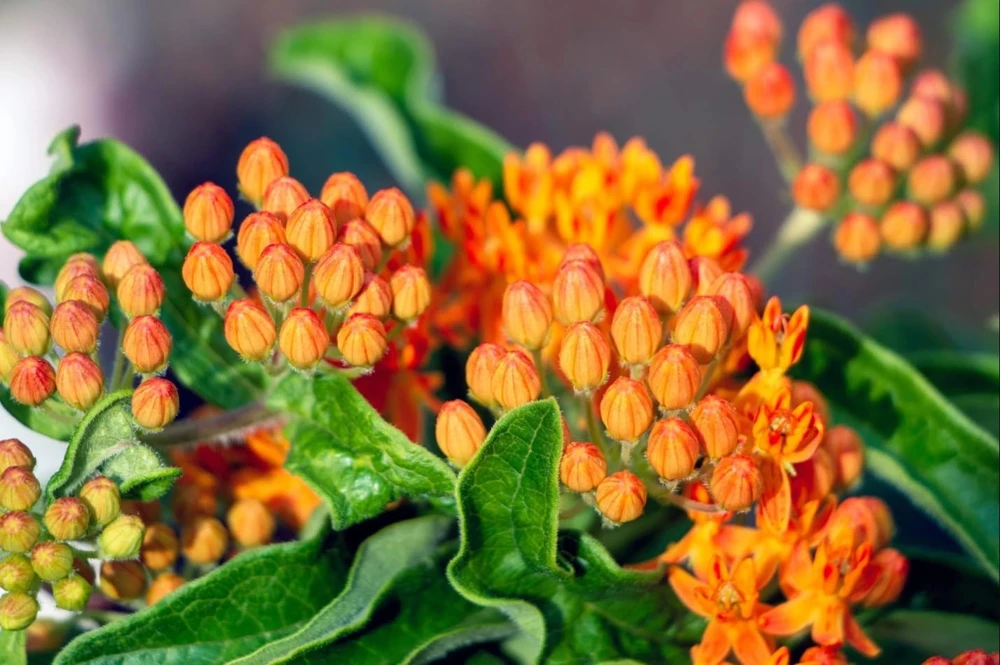
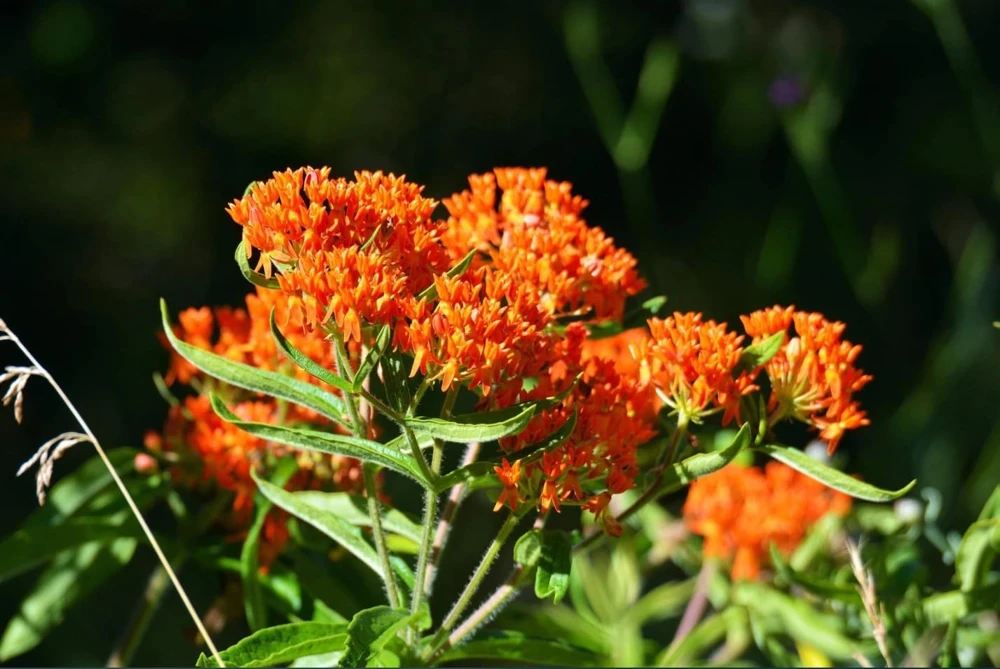
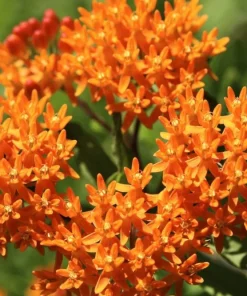
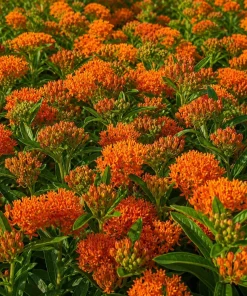
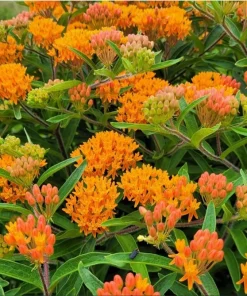
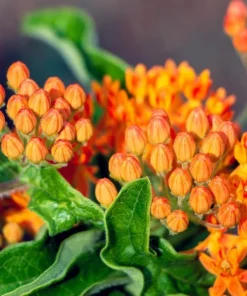
Transform your outdoor space into a pollinator’s paradise with this stunning orange milkweed live plant set. You will receive a set of 4 healthy starter plants, each measuring 4-8 inches tall, ready to be planted directly into your garden. Often known as Butterfly Weed, Asclepias Tuberosa is a vibrant perennial renowned for its brilliant orange flowers that bloom profusely from late spring through summer. These native plants are not only beautiful but are also critical host plants for monarch butterfly caterpillars, making them an indispensable addition to any eco-conscious garden. Beyond their ecological importance, the showy clusters of flowers add a cheerful and lively aesthetic to borders, meadows, and naturalized areas. Cultivating orange milkweed live plant specimens contributes directly to the conservation of monarch butterflies, which rely solely on milkweed for their larval stage. This set provides an excellent opportunity to establish a significant patch of these beneficial and beautiful plants.
Key Benefits
Adding orange milkweed live plant to your garden offers a multitude of advantages, enhancing both its beauty and ecological value. These plants are easy to care for and provide lasting enjoyment while supporting local ecosystems.
- Supports Monarch Butterflies: Asclepias Tuberosa is the essential host plant for monarch butterfly caterpillars, providing the food source they need to grow and eventually metamorphose. Planting these helps sustain endangered monarch populations.
- Attracts Pollinators: The bright orange flowers are a magnet for a variety of pollinators, including bees, other butterflies, and beneficial insects, contributing to a healthy garden ecosystem.
- Vibrant Garden Color: The brilliant orange blooms create a striking visual impact, adding intense color and texture to your garden landscape throughout the blooming season. This orange flower garden plant truly stands out.
- Drought Tolerant: Once established, asclepias tuberosa perennial plants are remarkably drought-tolerant, requiring minimal watering and making them suitable for xeriscaping or low-maintenance gardens.
- Low Maintenance Perennial: These plants are hardy and resilient, returning year after year with minimal intervention. They thrive in full sun and well-draining soil, making them an easy choice for gardeners.
- Wildlife Habitat Creation: By providing food and shelter, milkweed helps create a vital habitat in your garden, encouraging biodiversity and supporting local wildlife. This is a true monarch butterfly plant.
- Adaptable and Hardy: Suitable for USDA Zones 3-9, these plants are robust and can adapt to a wide range of climates, ensuring successful growth in many regions across the US.
Plant Care & Growing Tips
Caring for your orange milkweed live plant is straightforward, ensuring a beautiful display and a thriving habitat for pollinators. These plants are known for their resilience and ability to flourish with proper initial care. For optimal growth, provide a location with full sun exposure, meaning at least 6-8 hours of direct sunlight per day. This is crucial for abundant flowering and overall plant health. Well-draining soil is paramount; avoid heavy, waterlogged soils which can lead to root rot. If your soil is clay-heavy, consider amending it with sand or compost to improve drainage.
During the establishment phase – typically the first growing season after planting – water your young asclepias tuberosa perennial regularly to keep the soil consistently moist but not soggy. Once established, these plants are quite drought-tolerant and will only require watering when the soil becomes dry to the touch, especially during prolonged dry spells. They perform best in average temperatures between 65°F and 85°F. Fertilization is generally not necessary in rich, well-draining soil, but if your soil is poor, a light application of a balanced, slow-release fertilizer in spring can be beneficial. Deadhead spent flowers to encourage more blooms and prevent unwanted self-seeding, though leaving some seed pods can provide winter interest and food for birds. Look out for common pests like aphids; they can be managed with a strong spray of water or insecticidal soap, but remember they are part of the monarch ecosystem.
Ensure your monarch butterfly plant has enough space to grow, as they can spread over time. These plants are hardy in USDA Zones 3-9, meaning they can withstand significant winter cold and will return each spring. Preparing the soil properly and providing adequate sunlight are the most critical steps to ensure your orange flower garden plant thrives and becomes a vibrant addition to your landscape.
Size & Details
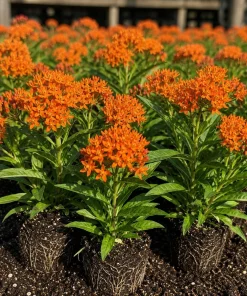
This offering includes a set of four orange milkweed live plant specimens, each grown as a young starter plant. Upon arrival, the plants will typically measure between 4-8 inches tall, providing a healthy foundation for robust growth in your garden. Please note that as young starter plants, they may not yet have flowers, fruits, or the mature size and appearance of established plants shown in reference images. They are shipped without a pot, often as bare-root or with minimal soil, to ensure safe transport and ease of planting. Orange milkweed, or Asclepias Tuberosa, is a perennial plant that will return year after year, gradually increasing in size and bloom production. Expect these plants to establish well in the first season and begin producing their characteristic bright orange flowers from late spring to summer in subsequent years.
Frequently Asked Questions
- Q: How big will these orange milkweed live plants get? A: Once established, orange milkweed live plant specimens typically grow to be 1-3 feet tall and equally wide. As young starter plants, they will be 4-8 inches tall upon arrival.
- Q: Are these suitable for indoor or outdoor planting? A: These asclepias tuberosa perennial plants are best suited for outdoor planting in garden beds, meadows, or large containers, as they require full sun and natural growing conditions.
- Q: How much sunlight does a monarch butterfly plant need? A: Orange milkweed thrives in full sun, requiring at least 6-8 hours of direct sunlight per day to produce abundant blooms and healthy growth.
- Q: Is this orange flower garden plant easy to care for? A: Yes, once established, orange milkweed is considered a low-maintenance perennial. It is drought-tolerant and generally pest-resistant, making it excellent for beginners.
- Q: What condition will the plants arrive in? A: You will receive 4 young starter plants, 4-8 inches tall, shipped without a pot. They are carefully packaged to ensure they arrive healthy and ready for planting, though they may not be flowering upon arrival.
- Q: When is the best time to plant these milkweed plants? A: The best time to plant these milkweed for pollinators is after the last frost in spring, or in early fall in warmer climates, allowing them time to establish before extreme temperatures.
- Q: Will these plants survive winter in my area? A: These orange milkweed plants are hardy perennials suitable for USDA Zones 3-9, meaning they are well-equipped to survive winter dormancy in most of the continental US and return in spring.
- Q: How often should I water my orange milkweed? A: Water regularly during the first growing season. Once established, water only when the top few inches of soil are dry, as they are quite drought-tolerant.
- Q: Do I need to fertilize my orange milkweed plants? A: Generally, orange milkweed does not require heavy fertilization. A light, balanced slow-release fertilizer in spring can be used if your soil is poor, but avoid over-fertilizing.
- Q: Why is orange milkweed important for butterflies? A: Orange milkweed is crucial because it is the sole host plant for monarch butterfly caterpillars. Without milkweed, monarch butterflies cannot complete their life cycle.
Be the first to review “Orange Milkweed Live Plants – Set of 4, Asclepias Tuberosa, 4-8 Inch Tall, Outdoor Perennial”
People Also Viewed




Vegetable Seeds
300 Solar Yellow Carrot Seeds – Daucus Carota Vegetable Seeds



Reviews
There are no reviews yet.